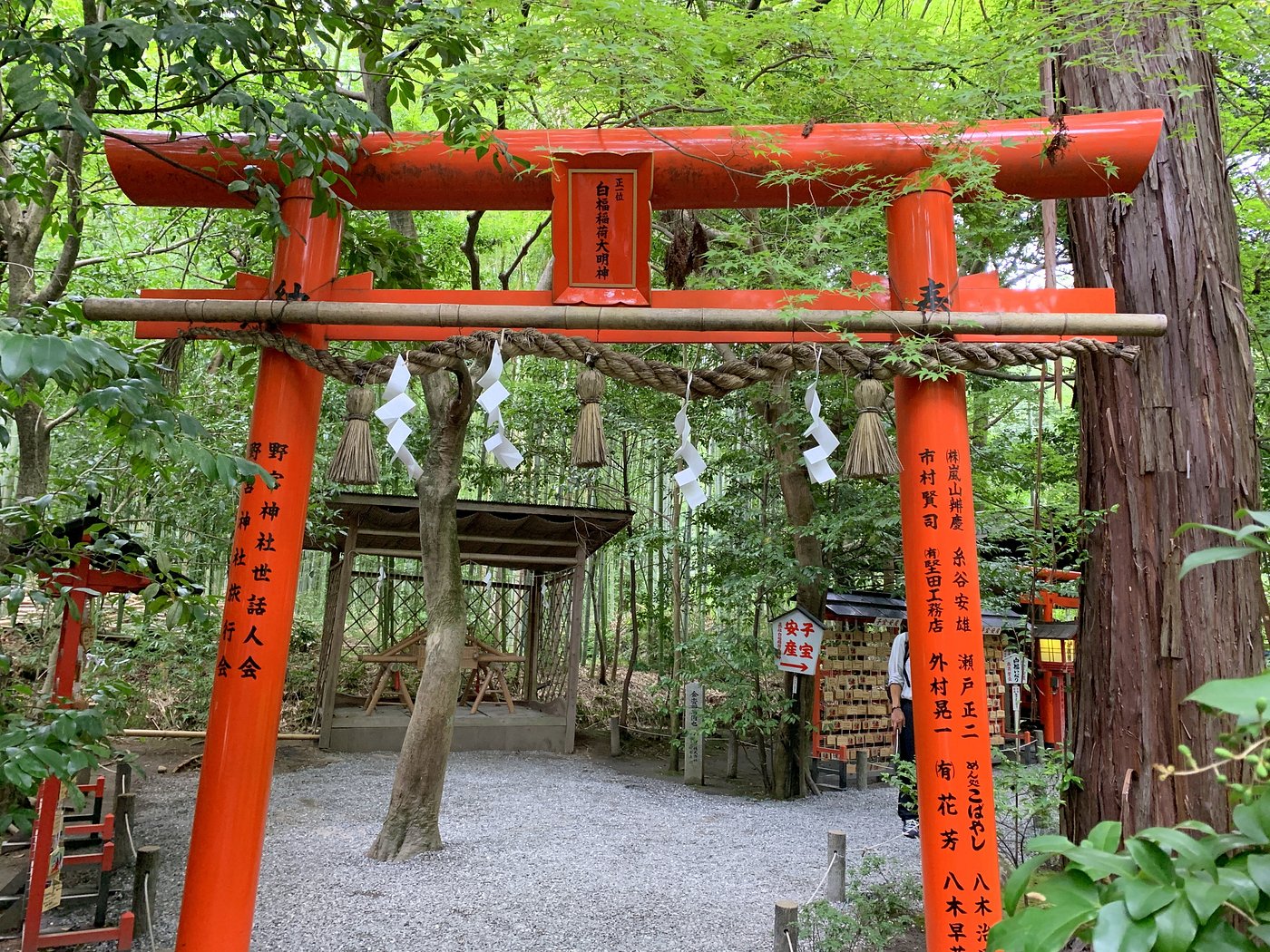

Travel writing based on first-hand experience
Touching down in Tokyo, Japan’s endlessly energetic capital, we suddenly step into a city where one of the quietest traditions still carries huge weight: the Japanese tea ceremony. It’s not just about drinking tea—it’s a carefully choreographed art form, a moving meditation, and a beautifully subtle way of showing hospitality and care.
Hidden between glass towers, neon crossings, and busy train stations, you’ll find tranquil tearooms that feel like secret portals. Slide open a wooden door, and the outside world fades: tatami under your feet, the scent of tatami and incense, the soft sound of hot water being poured. Here, the simple act of preparing and sharing matcha green tea turns into a kind of poetry—every movement deliberate, every gesture loaded with meaning.
In this guide, we’re inviting you into that world. We’ll walk you through what the Japanese tea ceremony is really about, how it grew and changed along with Tokyo, and the best tea ceremonies in Tokyo – whether you’re curious, spiritual, foodie-minded, or just tea-obsessed.
Planning more matcha, tea and slow Tokyo moments? Read these next
Table of Contents
History of the Japanese Tea Ceremony in Tokyo
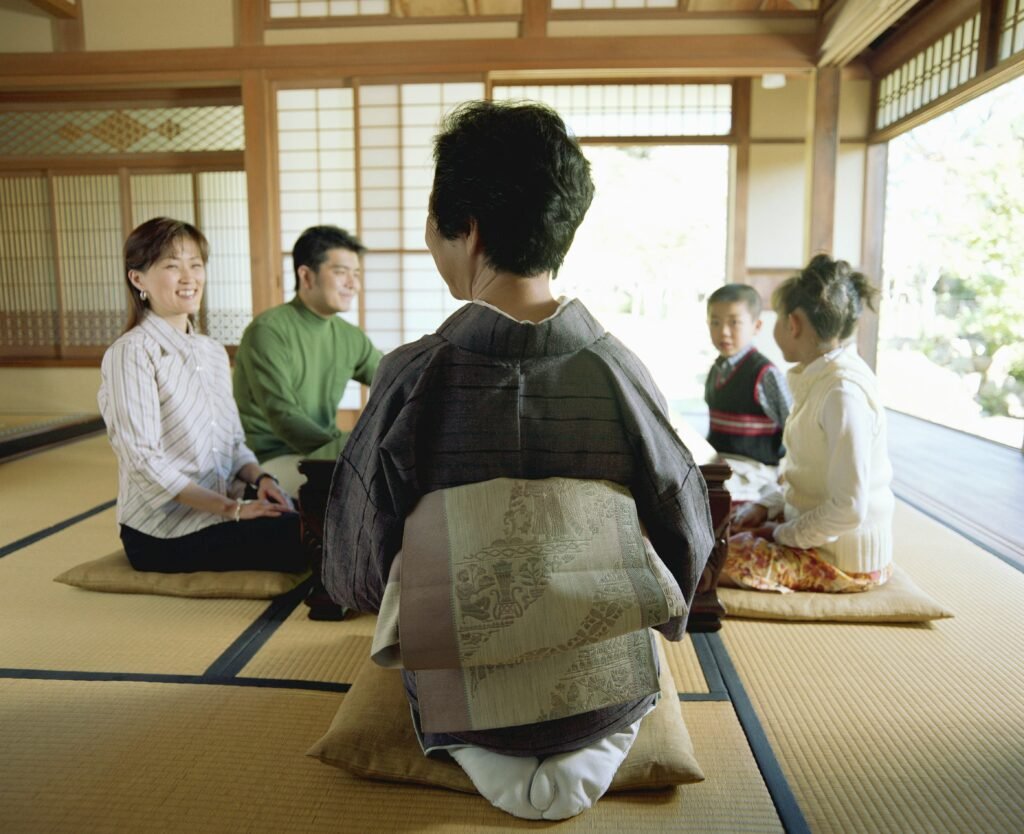
The traditional Japanese tea ceremony, often called chanoyu, chadō, or sadō (“the way of tea”), is a ritual that grew out of Zen Buddhist practice. In this calm, almost meditative setting, finely ground green tea—matcha—is whisked and served to guests with slow, precise movements. The goal isn’t speed or efficiency; it’s to create a moment of shared stillness and quiet connection.
An experienced host doesn’t just “make tea.” They choose the utensils, arrange the flowers, hang a seasonal scroll in the alcove, and move through the tearoom with a kind of practiced grace. Guests respond with bows, phrases of thanks, and careful handling of the tea bowl. Even the silence has a role: it gives everyone a chance to breathe and be present.
The roots of this ceremony go back more than a thousand years, when tea was first brought to Japan from China. Over time, especially from the 15th–16th centuries onward, it transformed from a pastime of monks and the elite into a highly refined cultural art. Philosophers and tea masters shaped it around four core principles:
- Harmony (wa) – balance between people, objects, and nature
- Respect (kei) – consideration for host, guests, and even utensils
- Purity (sei) – both physical cleanliness and mental clarity
- Tranquility (jaku) – the quiet, settled feeling that comes after the first three
As Tokyo (formerly Edo) grew from a samurai stronghold into the country’s political and cultural center, tea practice adapted alongside it. Samurai, merchants, and later city dwellers all embraced the tea ceremony in their own ways—sometimes in grand mansions, sometimes in tiny hidden tearooms. Today, those historical threads are still woven into the city: from traditional tatami tea houses in gardens to modern tea spaces tucked into high-rise buildings and department stores.
So when you sit down for a bowl of matcha in Tokyo, you’re not just drinking tea—you’re tapping into a living tradition that has quietly followed the city through war, rebuilding, neon booms, and the age of bullet trains and smartphones.
Best Tea Ceremonies in Tokyo: Quick Comparison
No time to compare every tatami room, matcha whisk, kimono option, and “will I embarrass myself by bowing at the wrong moment?” detail? Fair. Here is the quick version: where each Tokyo tea ceremony is, what it costs, how long it takes, and who should book it.
| Best for | Tea ceremony | Area | Price from | Duration | Why book it |
|---|---|---|---|---|---|
| Deep cultural experience | HiSUi TOKYO | Ginza | From ¥13,200 | 30–45 min | A 16th-century-style tea room, English support, and optional cultural add-ons like kimono, calligraphy, or sword practice. |
| Fun, casual matcha tasting | Kaminari Issa Matcha Experience Shop | Asakusa | From ¥2,480 | About 40 min | You grind matcha with a stone mill, whisk your own tea, and enjoy sweets near Sensō-ji. Very beginner-friendly. |
| Classic beginner-friendly ceremony | Chazen Tokyo | Ginza | From ¥3,500 shared / ¥5,000 private | About 45 min | Small-group or private sessions with English support, Uji matcha, seasonal sweets, and clear etiquette guidance. |
| Quiet traditional lesson | Warakuan | Komaba | From ¥6,600 | 60–120 min | A small, serious class in a calm residential area, with more time to learn etiquette and ask questions. |
| Architecture and design lovers | Jugetsudo Kabukiza | Higashi-Ginza | From ¥3,150 | Varies by plan | A bamboo-filled Kengo Kuma-designed tea space inside Kabukiza Tower, with a take-home matcha set included. |
6 Best Tea Ceremonies In Tokyo:
Private Urasenke Tea Ceremony at To-Ri-An, Meguro
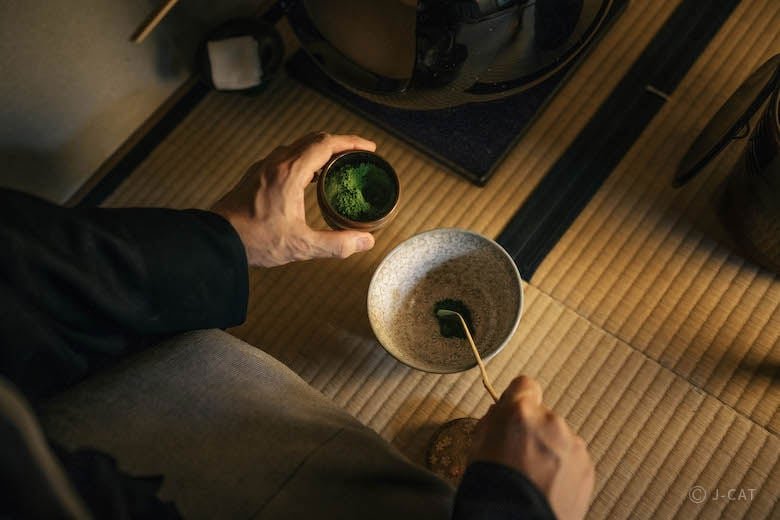
If you want a tea ceremony in Tokyo that feels genuinely traditional rather than “quick matcha for tourists, now please buy the souvenir spoon,” this private experience at To-Ri-An in Meguro is one of the most refined options. It is led by tea masters from the prestigious Urasenke school, one of Japan’s most respected tea ceremony traditions.
The setting is quiet, intimate, and beautifully stripped back. Inside the tea room, the host explains the seasonal scroll, flower arrangement, utensils, sweets, and etiquette, so we are not just sitting there nervously holding a bowl and hoping we are facing the right direction. You get context, which makes the whole ritual feel much more meaningful.
What makes this ceremony special is that guests try both types of matcha: koicha, the rich and formal “thick tea,” and usucha, the lighter, softer “thin tea.” Each is served with traditional sweets, including seasonal wagashi. It is a rare chance to experience the deeper rhythm of a proper tea ceremony without committing to a four-hour formal gathering.
- Best for: culture lovers, couples, calm luxury travelers, and anyone who wants a deeper tea ceremony experience.
- Location: Kakinokizaka, Meguro, Tokyo.
- Duration: Around 80 minutes.
- Group size: Private experience for 1–4 guests.
- Language: English-speaking host.
- Price: From ¥28,000 per person.
- Extra options: kimono rental and traditional chakaiseki meal may be available.
Book this if you want something peaceful, private, and properly explained — not just a quick matcha demo. It is especially good if you are interested in Japanese aesthetics, wabi-sabi, seasonal details, and the quiet side of Tokyo that most visitors completely miss.
Choose this private Urasenke tea ceremony if you want a calm, authentic matcha experience in Tokyo with an English-speaking tea master.
Button text: Book this private Tokyo tea ceremony
Warakuan (Komaba) | Gentle beginner’s class in a quiet residential neighborhood
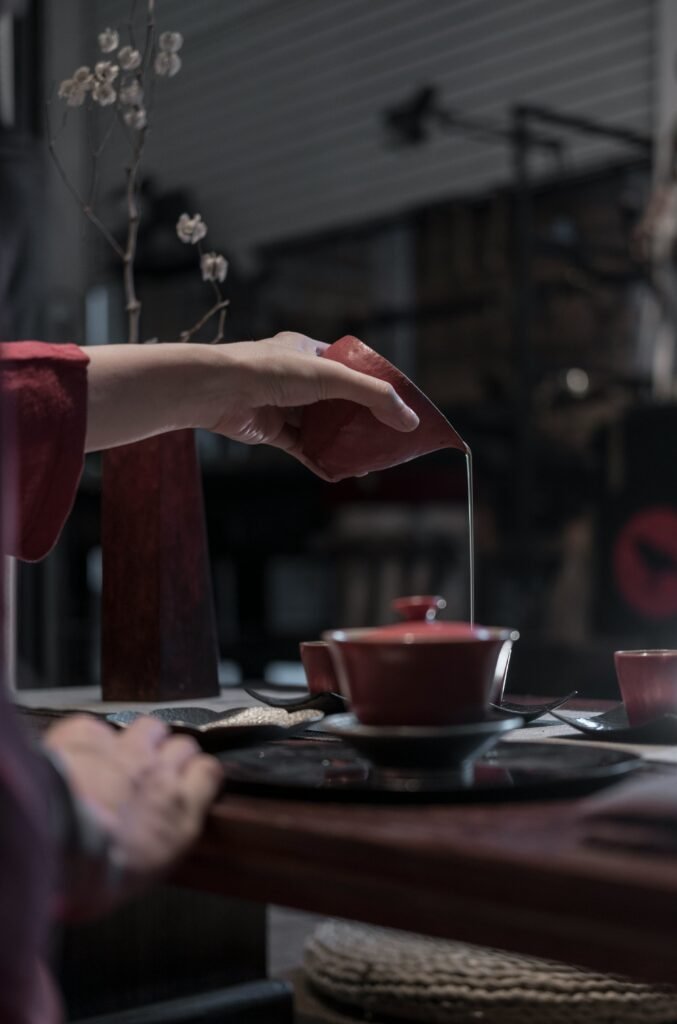
Tucked away in a peaceful residential area near Komaba-Todaimae Station (just two stops from Shibuya), Warakuan feels more like visiting a private traditional school than a tourist attraction. The small teahouse practices Kobori Enshu-ryu, a refined “samurai tea ceremony” style developed over 400 years to entertain guests with elegance and beauty.
Warakuan offers beginner-friendly courses where explanations are slow, clear, and very patient—perfect if this is your very first contact with tea ceremony. You can usually choose between:
- Thin tea (usucha) – lighter, more common in modern tea experiences
- Thick tea (koicha) – richer and more intense, ideal if you’re a serious matcha fan
Sessions are deliberately kept small (often up to 4 people), so you get lots of personal guidance in how to sit, bow, handle utensils, and drink with proper etiquette. Some experiences are held in a historic school building linked to the Kobori Enshu tradition, adding an extra layer of atmosphere.
- Duration: Usually 60–120 minutes depending on the plan
- Group size: Very small, often max. 4 participants
- Languages: Japanese, with basic English explanation often available via dedicated booking sites
Price guide
From 6,600 yen (tax included)
Perfect if: you want a quiet, serious, and very traditional experience away from crowds, with time to really focus and ask questions, not just pose for photos.
HiSUi TOKYO (Ginza) | Step into a 16th-century tea room in the middle of Ginza
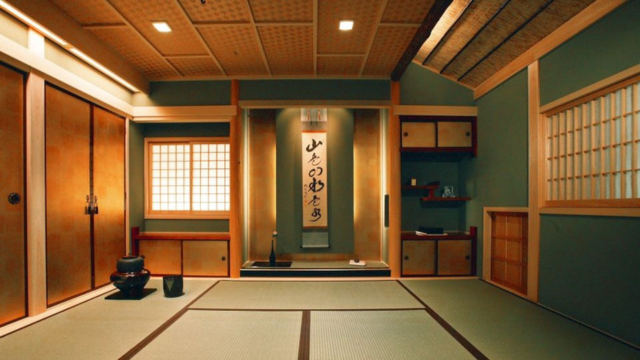
HiSUi TOKYO is like a tiny time machine hidden in a Ginza office building. The moment we step through the glass doors, the city noise drops away and suddenly we’re in the Azuchi–Momoyama period: tatami floors, alcoves with seasonal decorations, and the intimate tea room Suian, designed to echo the style of a wealthy warlord’s tearoom from the 16th century.
This is more than just a quick “tea and selfie” stop. HiSUi is a multi-art cultural school, where you can combine tea ceremony with:
- Kimono dressing (waso)
- Calligraphy (shodō)
- Sword drawing (batto)
The matcha experience usually starts with entering the tea room through the small, traditional nijiriguchi entrance, followed by an explanation of the room’s decorations and tools. You then watch a demonstration, learn basic etiquette (how to bow, how to hold the bowl, how to move on the tatami), and finally make and drink your own bowl of matcha with seasonal sweets.
- Duration: About 30–45 minutes for the tea ceremony portion
- Level: Total beginner–friendly, with careful step-by-step guidance
- Languages: Japanese + English support for foreign visitors
Price guide
13,200 yen (tax included)
Perfect if: you want a deeper, museum-like cultural experience in central Ginza and like the idea of combining tea with kimono, calligraphy, or even sword practice.
Kaminari Issa Matcha Experience Shop (Asakusa) | Grind your own matcha with a stone mill
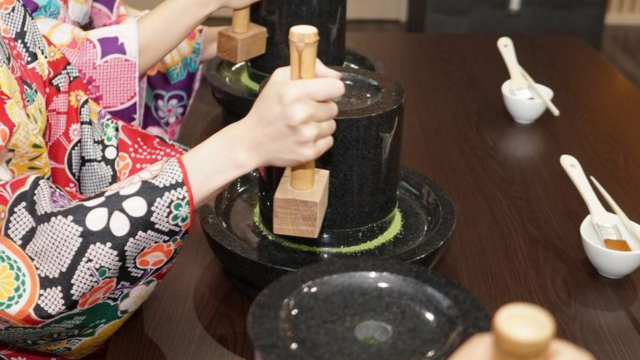
Right by Asakusa’s Kaminarimon and Sensō-ji, Kaminari Issa is a matcha playground run by a specialist in thick matcha sweets. Instead of simply being handed a ready-made bowl, you get to grind the tea leaves yourself with a traditional stone mill—a step most tea experiences skip completely.
During the roughly 40-minute session, you’ll:
- Hear a simple explanation of what matcha actually is and how it’s made
- Use a stone mill to slowly turn tea leaves into powder (surprisingly relaxing)
- Whisk your own matcha and taste its mellow, non-bitter flavor
- Enjoy carefully curated sweets made by a shop that specializes in rich matcha desserts
Everything is done while seated on chairs, not on the floor, so it’s very comfortable even if you’re not used to kneeling. The focus is on accessible, enjoyable matcha—especially for people who think “matcha is always bitter.”
On top of that, there are discounts for visitors wearing kimono, which makes it extra fun if you’re dressing up for Asakusa photos that day. Unsurprisingly, it’s become a popular stop for international tourists.
- Duration: About 40 minutes
- Level: Very beginner-friendly and casual
- Style: Chair seating, hands-on, focused on taste and fun rather than strict formality
Price guide
2,480 yen (tax included)
Perfect if: you want a short, relaxed matcha experience near Sensō-ji with a fun, interactive twist (and some seriously good sweets).
Chazen Tokyo (Ginza) | Small-group tea ceremony with Kyoto Uji matcha

Chazen Tokyo offers an approachable but authentic tea ceremony right in the heart of Ginza. The host has around 30 years of experience, and the whole experience is designed to compress the essence of tea ceremony into a manageable session for travelers.
In about 45 minutes, you’ll:
- Get an introductory talk about the meaning and history of the tea ceremony
- Watch a demonstration of the proper movements and etiquette
- Learn how to prepare matcha using carefully selected Uji matcha from Kyoto
- Enjoy your tea with seasonal traditional sweets
- Try making and serving tea yourself, guided step by step
Group sessions are kept small, and there are private plans available, which are ideal for couples, families, or anyone who prefers not to share the room with strangers. Chazen also offers experiences where you can participate in kimono, turning it into a full omotenashi-style cultural moment.
- Duration: 1 session ~45 minutes
- Languages: Japanese and English
- Group style: Shared-table group sessions or fully private bookings
Price guide
- Adults: 3,500 yen (tax included) – shared table
- Private: 5,000 yen (tax included) – exclusive use
Perfect if: you want a polished, photogenic, and well-explained tea ceremony in Ginza that still feels intimate and is easy to understand, even as a complete beginner.
Jugetsudo Kabukiza (Higashi-Ginza) | Matcha in a bamboo “forest” by Kengo Kuma
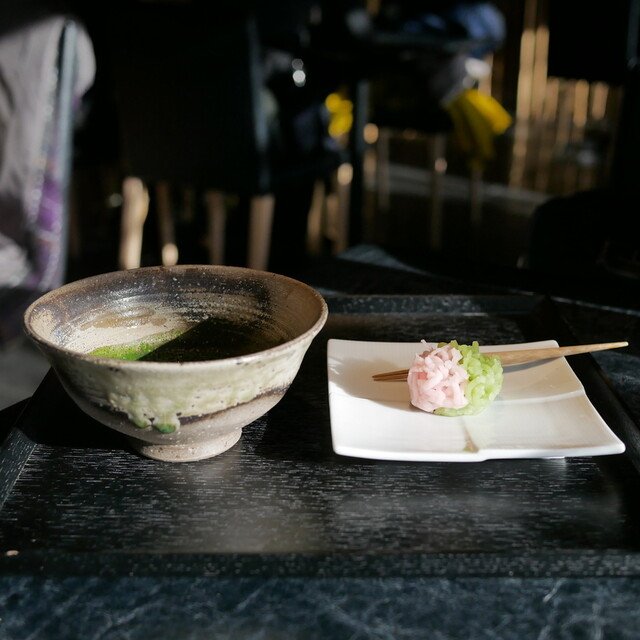
On the 5th floor of Kabukiza Tower, right next to the famous Kabuki theater in Ginza, you’ll find Jugetsudo Kabukiza—a tea shop and café designed by star architect Kengo Kuma for long-established tea and seaweed brand Maruyama Noriten (founded in 1854).
The interior is a soft, glowing bamboo world: thousands of bamboo elements form walls and ceiling, blurring the line between the café and the rooftop garden outside. The idea is to evoke a modern bamboo grove in the sky, connecting tea, architecture, and Zen.
Here you can:
- Join a matcha tea ceremony or workshop in this architectural showpiece
- Sip matcha or other Japanese teas while overlooking the Kabukiza rooftop garden
- Enjoy beautiful sweets and light meals in a calm, design-driven setting
- Receive a matcha set to take home as part of the tea ceremony experience, which makes it fantastic value
Workshops and classes typically include an explanation of Japanese tea culture, a demonstration, and time to prepare and drink your own matcha in the bamboo-framed tearoom.
- Location: Inside Kabukiza Tower, directly connected to Higashi-Ginza Station
- Atmosphere: Quiet, refined, very design-focused
- Extras: Take-home matcha set included with the tea ceremony plan
Price guide
Matcha Tea Ceremony: 3,150 yen (tax included)
Perfect if: you love architecture and design as much as tea, and want a memorable, photogenic space that still delivers a genuinely calming matcha moment in the middle of Ginza.
- Nagoya rainy day with kids in 2026 (Cool Indoor Things to Do )
- Best Gachapon in Tokyo (2026): 20 Places to Find Capsule Toys
- All Japanese KitKat Flavours List: The Ultimate Japan KitKat Guide
- Sapporo rainy day with kids (2026): 7 Cool Indoor Things to Do
- What To Do In Arashiyama With Kids: A Realistic One-Day Family Itinerary