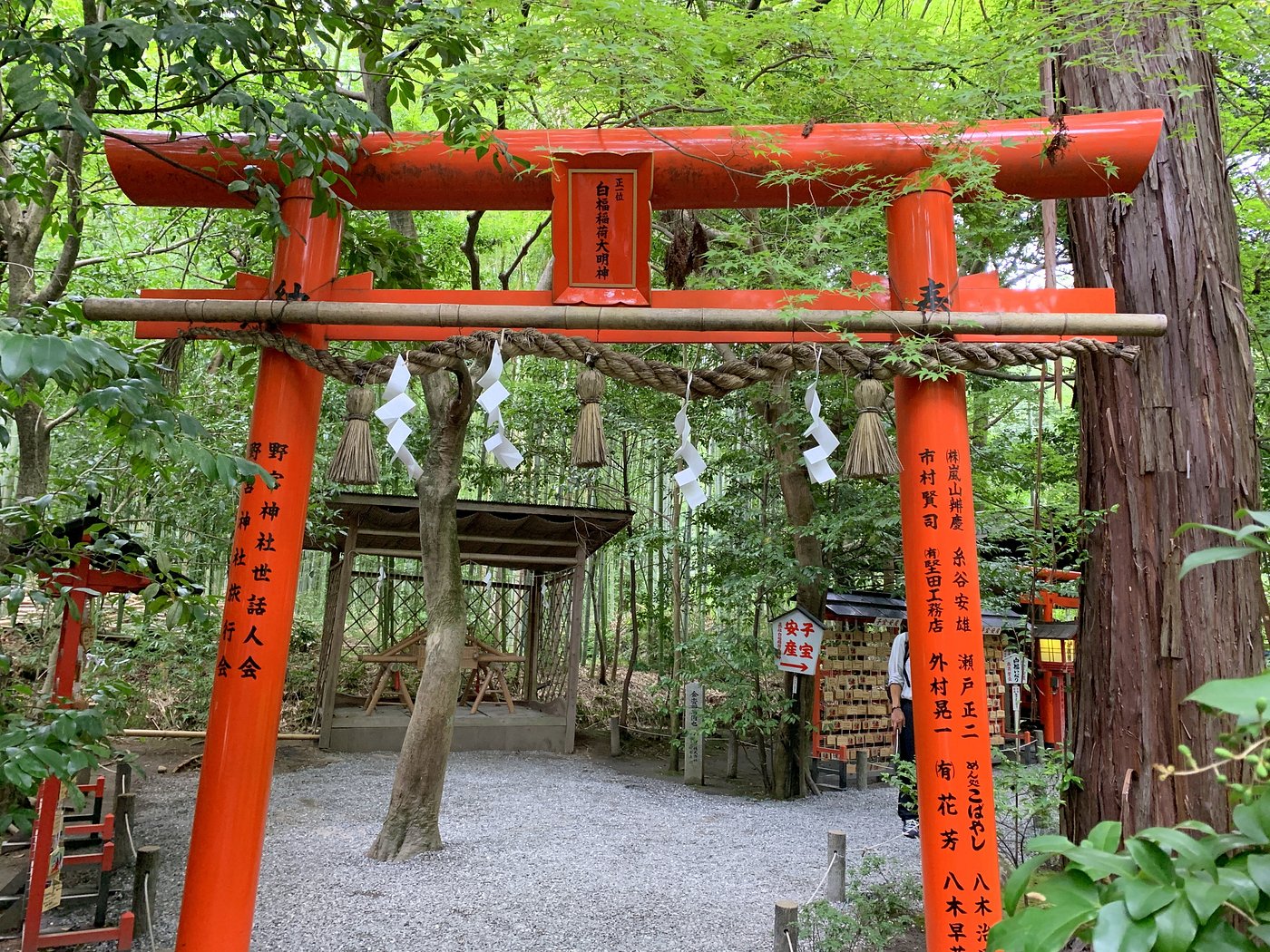
I spill travel tips , and show you the Japan that tourists usually miss.
In this 3 days in Kyoto itinerary, we’ll explore one of Japan’s most beautiful cities together. We’ll drift through timeworn temples and perfectly sculpted gardens, taste an almost unreasonable lineup of Japanese sweets, and chase the city’s most photogenic corners for your camera roll.
Ideally, we’d all have more than three days in Kyoto (there are thousands of ways to fall in love with Japan’s most historic city). But if you’re counting vacation days like we did, three days are plenty to hit the essentials—with just enough for a few wild-card surprises.
On day one, we lean into traditional Kyoto—the Gion and Higashiyama neighborhoods—tracing the footsteps of geishas and maikos between shrines and wooden townhouses.
On day two, we push out to the edges of the city—the Arashiyama bamboo forest, the Golden Pavilion, the Philosopher’s Walk, and one of our all-time favorite temples in Japan.
On day three, we meet Kyoto’s greatest icon, the mesmerizing Fushimi Inari Shrine, then hop to Nara, where sacred deer wander.
We cap it with a shopping-and-snack sprint through Nishiki and Shijo.
Planning the rest of your Kyoto trip?
Three days in Kyoto sounds generous until the city starts throwing temples, bamboo groves, matcha, river walks, lantern-lit alleys, tea ceremonies, and tiny “just one more shrine” detours at us. Suddenly we are negotiating with our feet like exhausted diplomats. These guides will help you turn your Kyoto itinerary into something beautiful, practical, and only mildly overambitious.
- What to Do in Kyoto — the big-picture Kyoto guide for temples, neighbourhoods, seasonal tips, transport, food, and classic first-timer stops.
- Where to Stay in Kyoto — essential if you’re deciding between Kyoto Station, Gion, Kawaramachi, Arashiyama, and other bases.
- Where to Eat in Kyoto — for lunch, dinner, local dishes, and post-temple meals that do not involve sad convenience-store panic.
- Best Tea Ceremonies in Kyoto — perfect if you want one slow, elegant Kyoto moment between all the shrine-hopping.
- Best Kyoto Experiences — for Zen gardens, kimono walks, cultural workshops, and the “yes, this is why we came to Japan” moments.
- What to Do in Kyoto in the Rain — because Kyoto rain does not cancel the trip; it simply makes everything moodier and more cinematic.
- Best Bars in Kyoto — for Sanjo, Kawaramachi, cocktails, quiet drinks, and nights when you are not ready to return to the hotel.
- Best Rooftop Bars in Kyoto — if your Kyoto evening needs city views, sunset drinks, and a little “we planned this very well” energy.
- Things to Do in Kyoto with Kids — handy for family-friendly temples, museums, parks, animals, and activities that keep everyone functioning.
- Best Boutique Hotels in Kyoto — for stylish stays with traditional touches when your hotel also needs to feel like part of the trip.
Table of Contents
How to get to Kyoto
Google Maps works brilliantly in Japan—use it to plot the best route from Osaka Kansai Airport (closest to Kyoto) or from other cities.
- By train: The fastest way—shinkansen or JR lines. Buy online or at station machines.
- By bus (Airport Limousine): Direct to major Kyoto hotels; check stops and prices online and select Kyoto as your destination.
- By plane: Compare fares to Osaka on Skyscanner for the best prices.
About the JR Pass or Japan Rail Pass
You’ll see plenty of blog posts on traveling “for free” with the JR Pass, which covers unlimited JR trains for a set number of days. Since the October 2023 price hike, it’s no longer an automatic bargain. Plan carefully.
You can check the new JR Pass prices (7, 14, 21 days), buy it online, and learn how to activate it—remember, you must purchase before arriving in Japan. For a 2–3 week route, we’d activate it to cover the first long shinkansen rides, not for moving around Kyoto. For point-to-point fares without the pass, use Google Maps or buy directly online in advance.
How to Get Around Kyoto in 3 Days
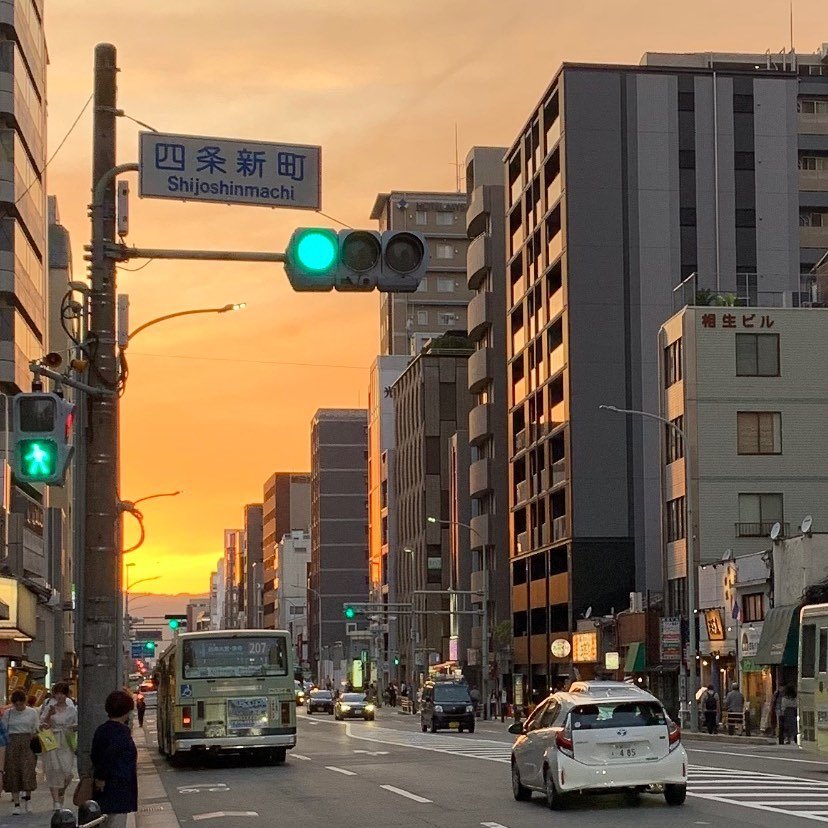
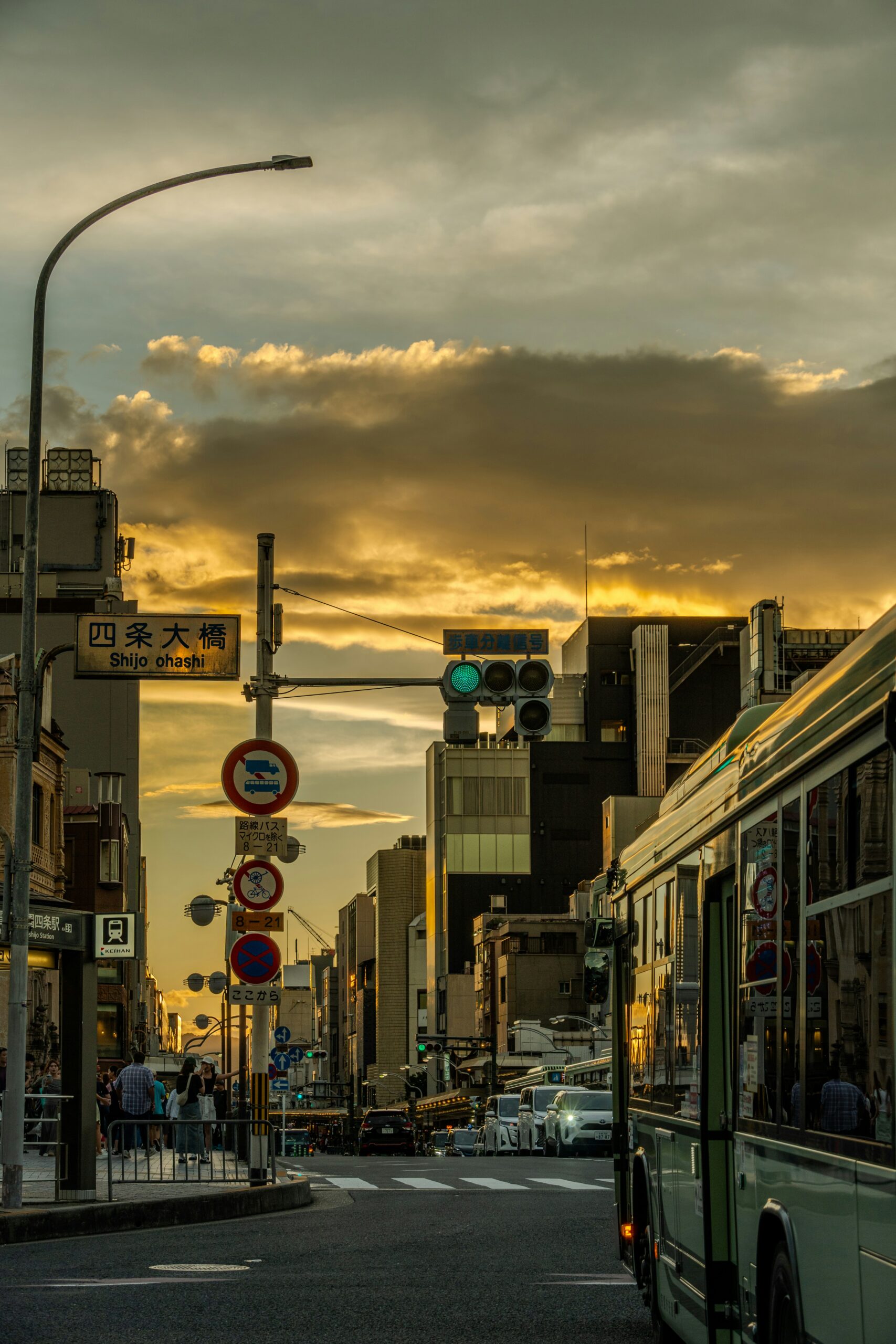
Kyoto is spread out, as you’ve seen, so choose the most efficient route each time with Google Maps.
- By train: Ideal for Arashiyama, Nijo Castle, Fushimi Inari, and Nara.
- By bus: Best for Kinkaku-ji (Golden Pavilion) and the Philosopher’s Walk.
- By Uber: Handy from Kyoto Station to your hotel, especially with luggage; prices are reasonable.
Pay with Suica, Pasmo, or Icoca—reloadable smart cards usable across Japan (and widely accepted in shops). We recommend digital Suica via the Wallet app (Apple/Android). Add the card (on iOS you’ll find Suica under Transportation), top up when you’re online, then tap in and out on trains and buses (even if the gates are open—tap or they’ll snap shut). With a JR Pass, you can ride the JR Osaka Loop Line for free.
Visiting Kyoto: Essential Tips
Kyoto rewards early mornings, unhurried walks, and good manners. Here’s the cheat-sheet we wish someone had slipped into our pocket on day one.
Timing, Crowds & Closures
- Go at opening: Hit Kiyomizudera, Fushimi Inari, and Arashiyama right at first light for quiet paths and clean photos.
- Front-load the day: Many temples take last entry 30–60 minutes before posted closing; don’t get caught at the gate.
- Mondays: Some museums/attractions close—always check the specific spot before you go.
- Golden hours: Sunset at Heian Shrine gardens or along the Kamogawa is magic (and gentle on lenses).
Pro tip: Do sunrise Higashiyama ➝ breakfast ➝ temple; save shopping streets and cafés for the afternoon when crowds swell.
Money, ATMs & Paying
- Cash still matters: Small shrines, mom-and-pop eateries, and markets may be cash-only.
- ATMs that work: 7-Eleven, FamilyMart, and Japan Post ATMs reliably accept foreign cards.
- Have small coins: Handy for bus fares, temple donations, and vending machines (when you’re not tapping).
Where to Stay in Kyoto
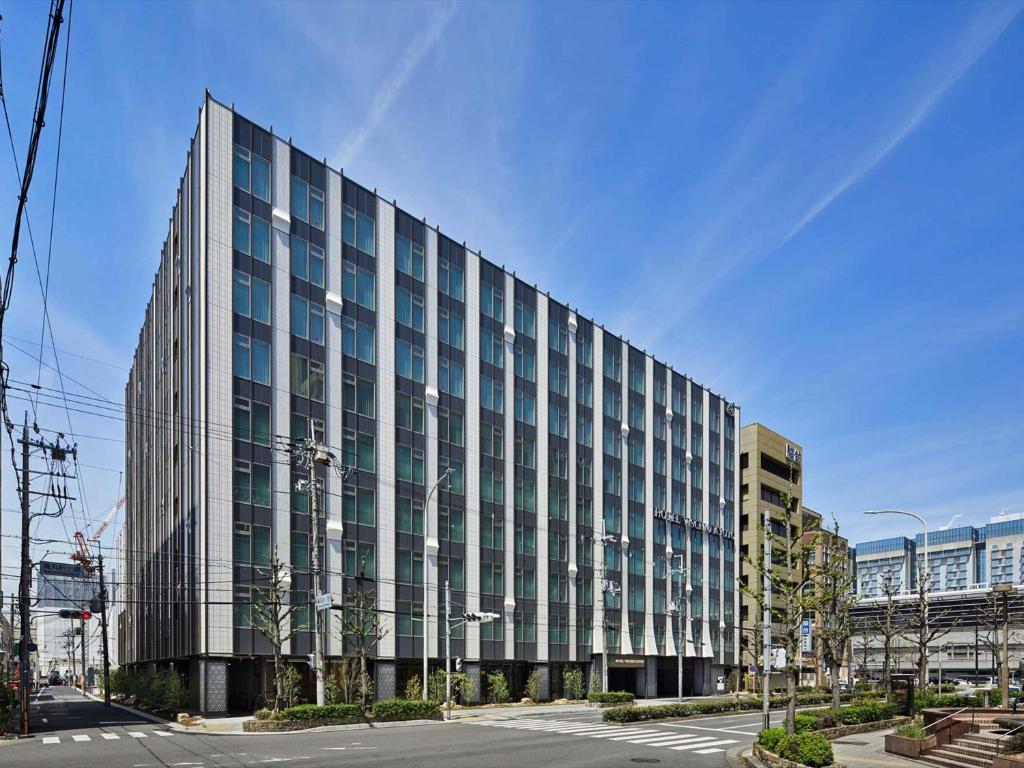
For this 3-day itinerary in Kyoto, we recommend two excellent areas:
1) Near Kyoto Central Station — the city’s most convenient, best-connected hub with a huge range of hotels.
Hotel Vischio Kyoto nails that “affordable luxury” sweet spot: modern, spacious rooms and 2,000+ positive reviews averaging 9.1. A genuine gem.
2) Between Gion and the Shijo shopping district — well-connected, full of nightlife and atmosphere.
Kabin Kyoto is a brand-new, very modern stay with generous rooms. It’s run by a friendly young team (one of them is Spanish) who couldn’t be more welcoming.
What to do in Kyoto in 3 Days
Before diving into the itinerary, we recommend booking a free tour of Kyoto’s old city—it stitches together stories and context you’ll keep referring to. The route starts in Gion (the geisha quarter), follows the Kamogawa River to Chion-in Temple, continues through Maruyama Park to the Higashi-Otani Cemetery, and finishes at Kiyomizudera, Kyoto’s most important temple.
We did it and it’s absolutely worth it. We learned heaps about Kyoto—and about Japanese society. In English, no less. It’s popular and sells out quickly, so book ahead.
Day 1: Traditional Kyoto — Higashiyama, Gion, and Pontocho
Early Morning Photos in Higashiyama
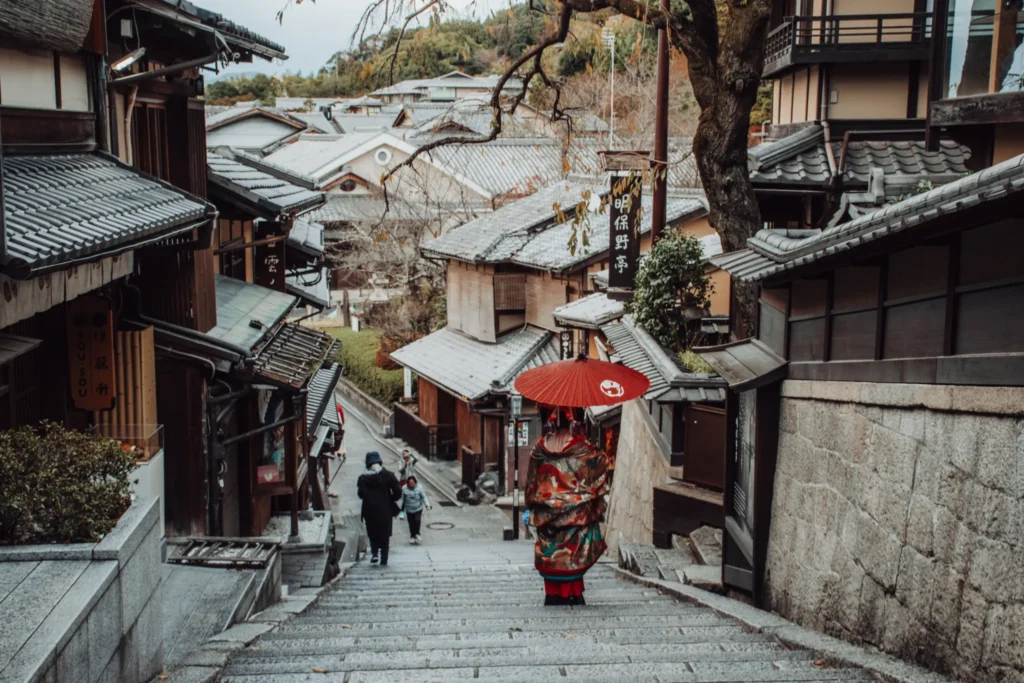
Start early in Higashiyama, before the tour buses roll in. Around 7:00–7:30 a.m. the streets are almost empty—perfect for photos and for soaking in the hush of Kyoto’s best-preserved old quarter. Think cobblestones, machiya wooden houses, and tiny shops selling pastries, tea, and souvenirs. Locals and visitors glide by in kimonos (you can rent one for unique photos). Don’t miss the Yasaka Pagoda, plus the classic Sannenzaka and Ninenzaka lanes. Visit Kiyomizudera at this hour, then have breakfast at Japan’s prettiest Starbucks, just steps from Ninenzaka.
Make 3 Wishes at Kiyomizudera Temple

Probably Kyoto’s most famous temple. Founded in the 8th century and rebuilt in the Edo period, Kiyomizudera is a UNESCO World Heritage site. Its name, “Temple of Pure Water,” comes from the three waterfalls that spring from the hills; drinking from each is said to bring good fortune in love, studies, and health.
It sits on a forested slope, its pagodas and halls peering over the city. The legendary terrace juts from the cliff, held aloft by 13-meter wooden pillars—no nails, no mortar. It’s one of the quintessential Kyoto photos.
Gion with a Free Tour
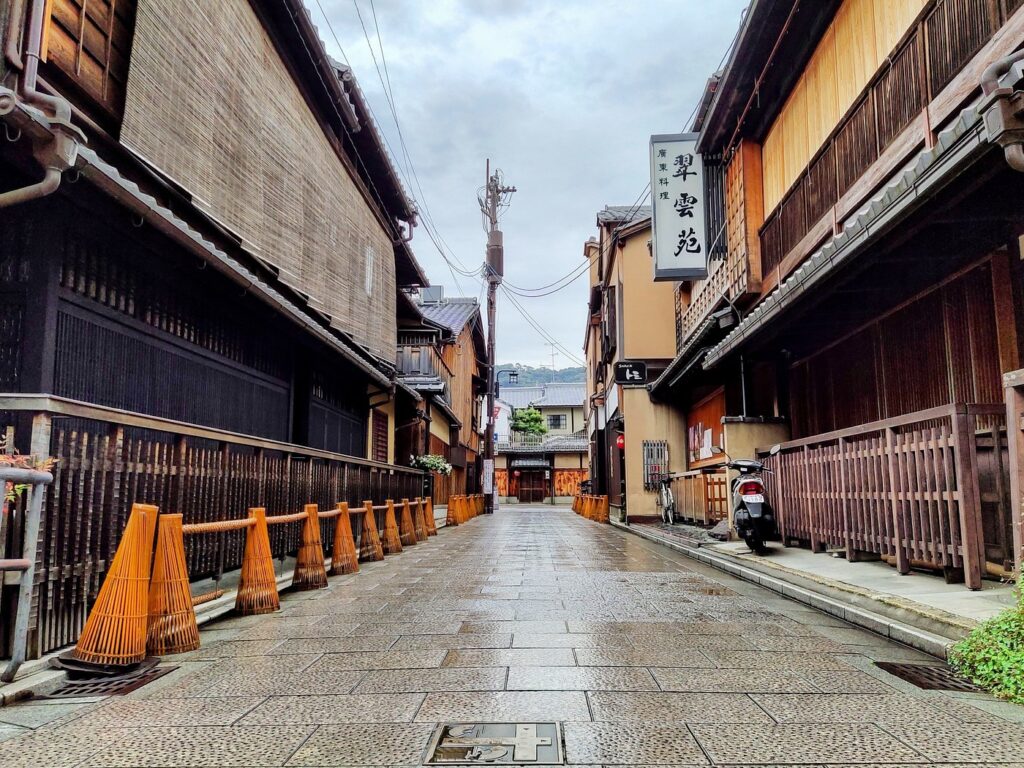
Gion is another must—authentic, photogenic, and layered with history. This is where the Kyoto Free Tour starts, so exploring with a guide who explains the world of geishas and maikos is priceless.
Focus on Hanamikoji and Shirakawa streets—temples, tree-lined canals, and refined wooden houses. Return at night to dine along the Kamogawa; cafés, tea houses, and restaurants line the river.
Chion-in Temple
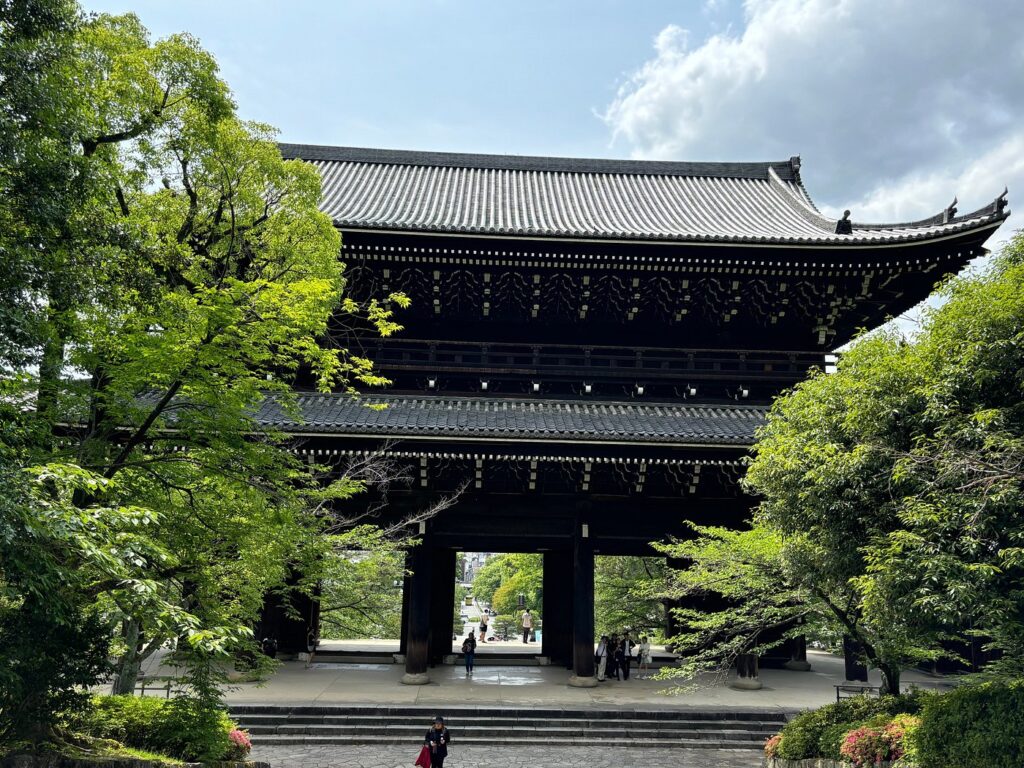
Between Gion and the mountain, Chion-in offers a living portrait of Buddhist practice, with worshippers gathering daily. It’s included on the Free Tour and well worth lingering.
Maruyama Park and Yasaka Shrine
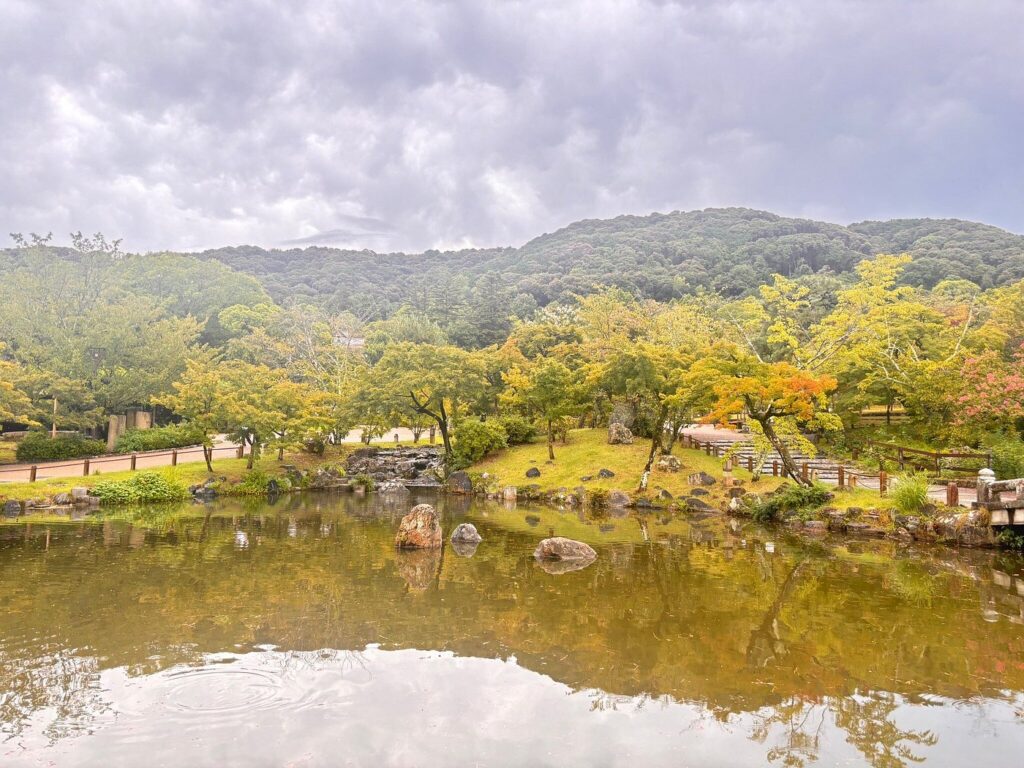
Maruyama Park may be the most beautiful spot to visit in three days—meticulous landscaping, stone bridges, reflective ponds, and families posing in kimono. It shines in autumn (momiji reds) and spring (sakura bloom).
At its heart stands Yasaka Shrine, one of Kyoto’s most revered, with origins in the 7th century. Locals stream in daily to pray.
Higashi-Otani Cemetery
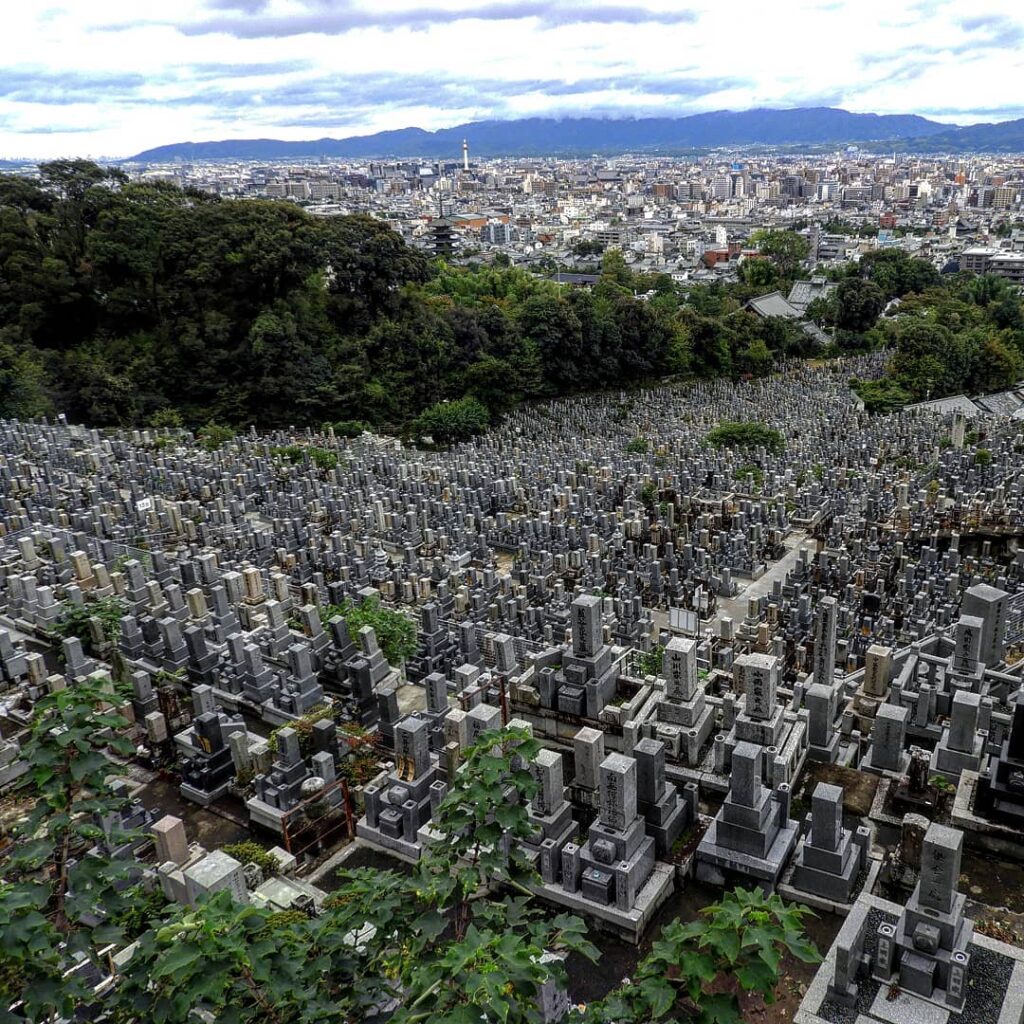
A traditional cemetery set in nature with panoramic views of Kyoto—quiet, respectful, and unexpectedly moving.
A Different Temple, Ryozen Kannon
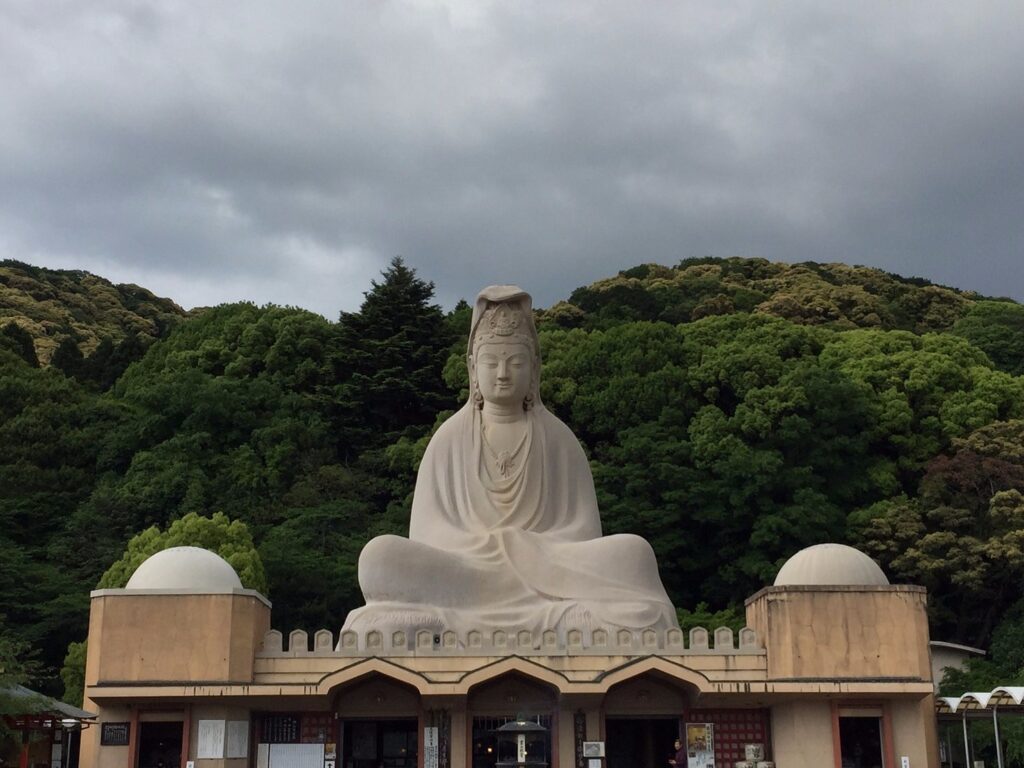
Between Gion and Higashiyama, this unique temple honors victims on both sides of the Pacific War. The 24-meter statue of Kannon, the Goddess of Mercy, dominates the grounds—and the memory. We loved it.
Geishas in Pontocho Alley
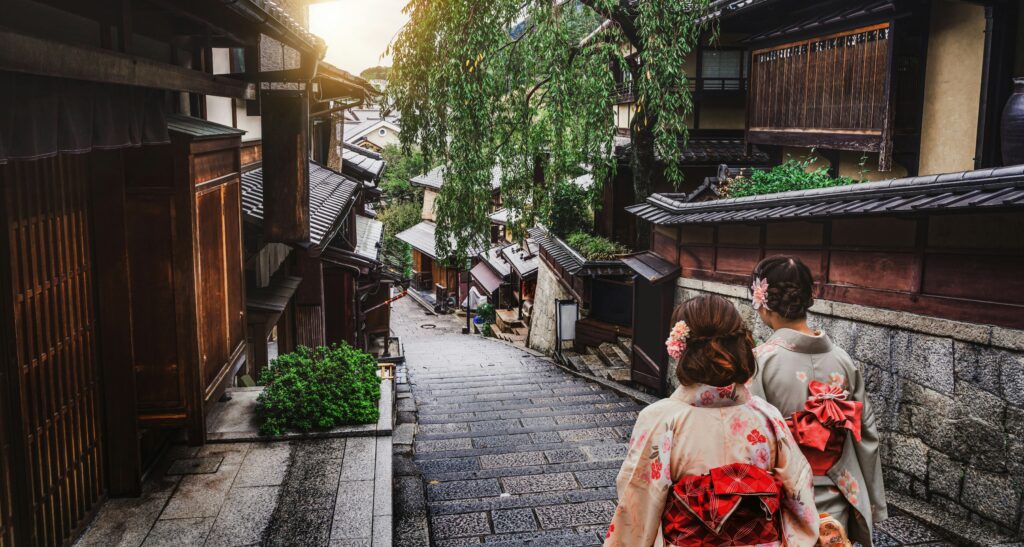
End day one on Pontocho Street, a slender lane glowing softly after dark. Through wide windows, diners lean into conversation above the river. Here we saw the first geisha of our two-week trip, dining with a family—an unforgettable, quietly magical moment.
Day 2: Special Kyoto — Arashiyama, Nijo Castle, Golden Pavilion, Philosopher’s Walk and Heian Shrine
Arashiyama and Its Bamboo Forest
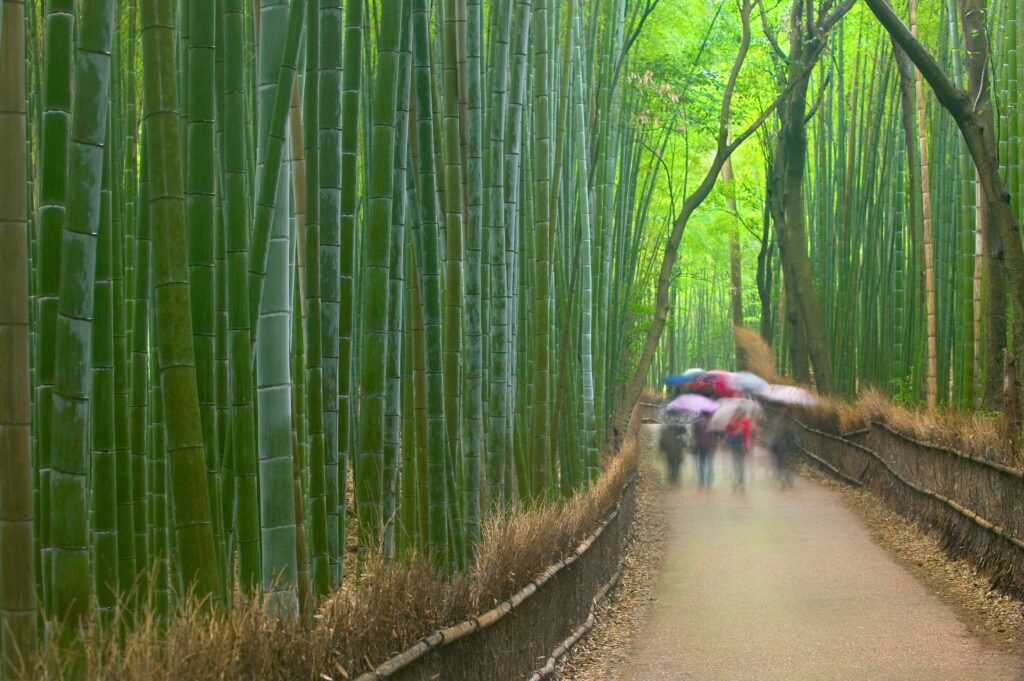
Kyoto is busy for good reason. To feel the hush, get to Arashiyama Bamboo Grove early—it’s the only way to escape the selfie surge and let the rustle of bamboo sink in. But Arashiyama is more than bamboo: stroll to Togetsukyo Bridge and Tenryu-ji Temple, then browse streets bursting with sweets, souvenirs, and breakfast nooks.
Nijo Castle
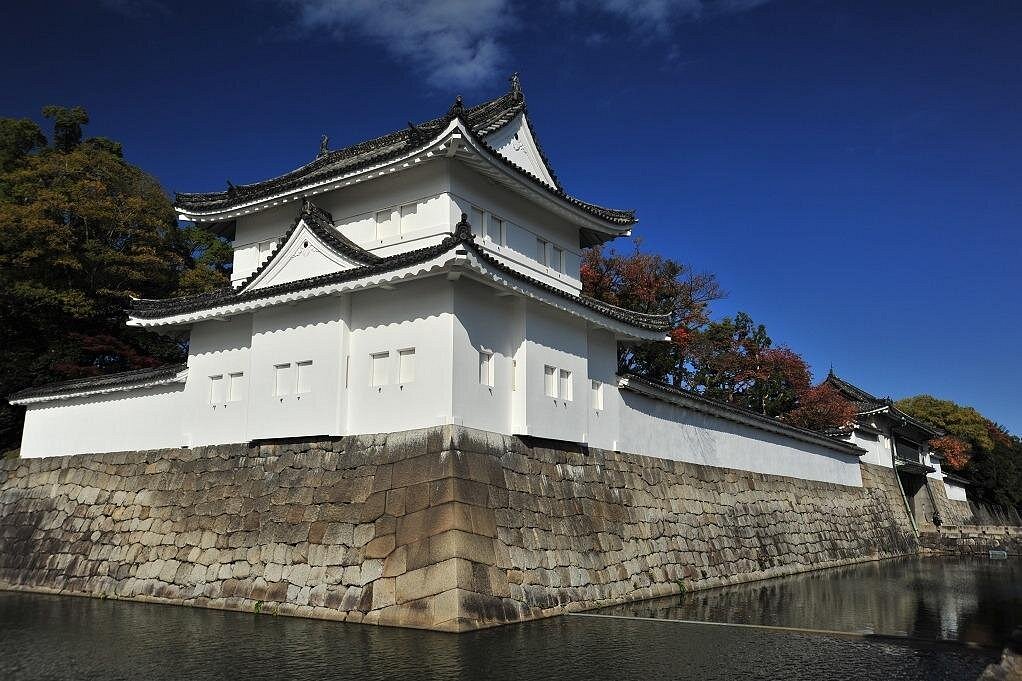
Midway between Arashiyama and the Golden Pavilion (by public transport), Nijo Castle fits perfectly today. Built at the start of the Edo period (1603–1867), it’s a textbook noble residence: tatami that chirp like nightingales, and screens painted with cranes, pines, and gold. The zen gardens are lovely, and the southeast observation deck frames city and mountains beautifully.
Golden Pavilion or Kinkaku-ji

From Nijo, catch a bus to Kinkaku-ji. You can’t go inside, but the gold-leaf pavilion mirrored in its pond is pure theater. Built in 1397 as the shogun Ashikaga Yoshimitsu’s villa, later converted to a Zen temple, it’s touristy—yes—but still otherworldly when the sun hits.
Ginkaku-ji and the Philosopher’s Walk
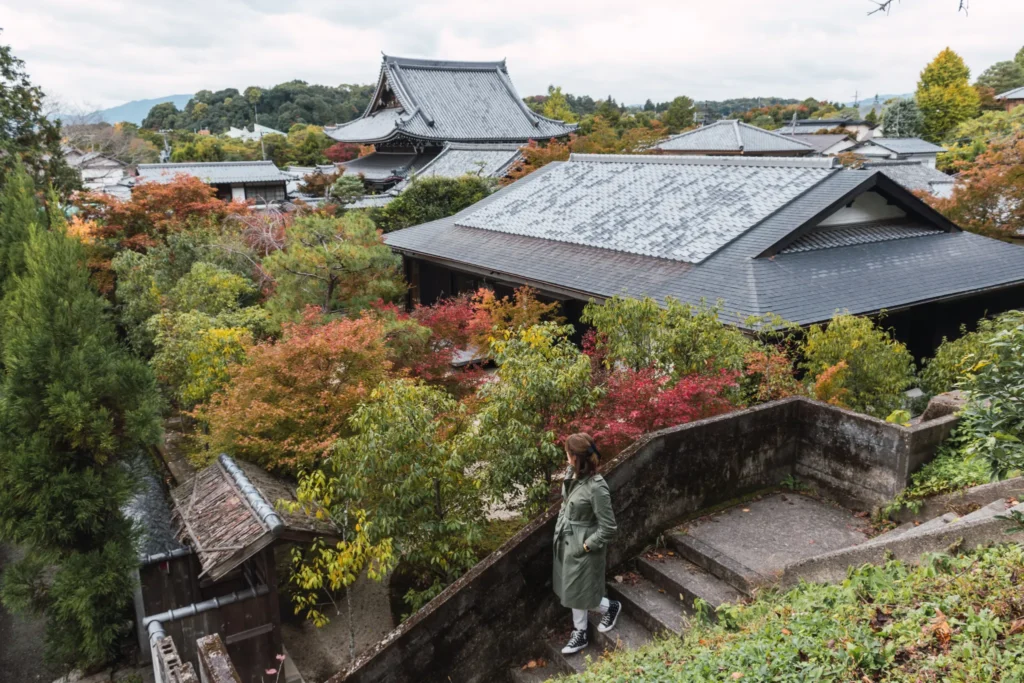
Then, from gold to “silver.” Ginkaku-ji was never coated in silver, but the restraint is the point—moss gardens, ponds and bridges, and a raked sand mound representing Mount Fuji. Part of the Historic Monuments of Ancient Kyoto (UNESCO, 1994), it’s contemplative rather than showy.
The Philosopher’s Walk begins here: a canal-side path shaded by cherry and maple, named for philosopher Nishida Kitaro who meditated along it. During sakura season, it’s a pastel dream.
Heian Shrine as in Lost in Translation
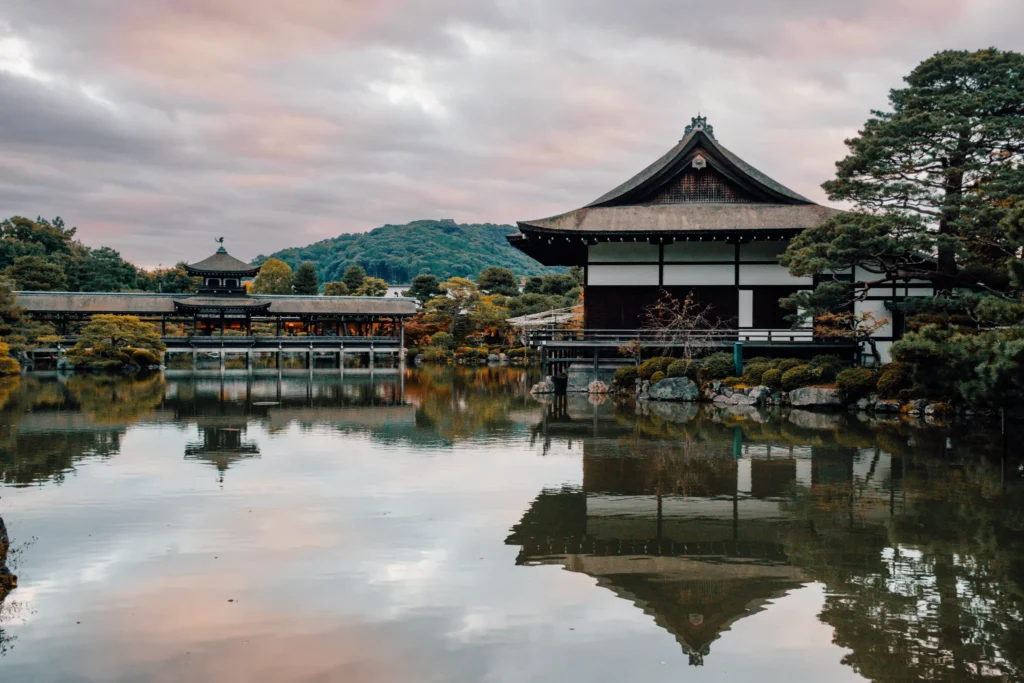
We close day two at our favorite shrine in the city. The giant torii signals Heian Shrine’s scale; we first had it on our radar thanks to Lost in Translation. Expectations met and exceeded—the gardens are postcard-perfect. At dusk, lanterns flicker on and pavilions glow. The photos practically take themselves.
Day 3: Fushimi Inari Shrine, Nara Tour, Nishiki Market, and Afternoon Shopping
The Thousand Torii of Fushimi Inari Taisha
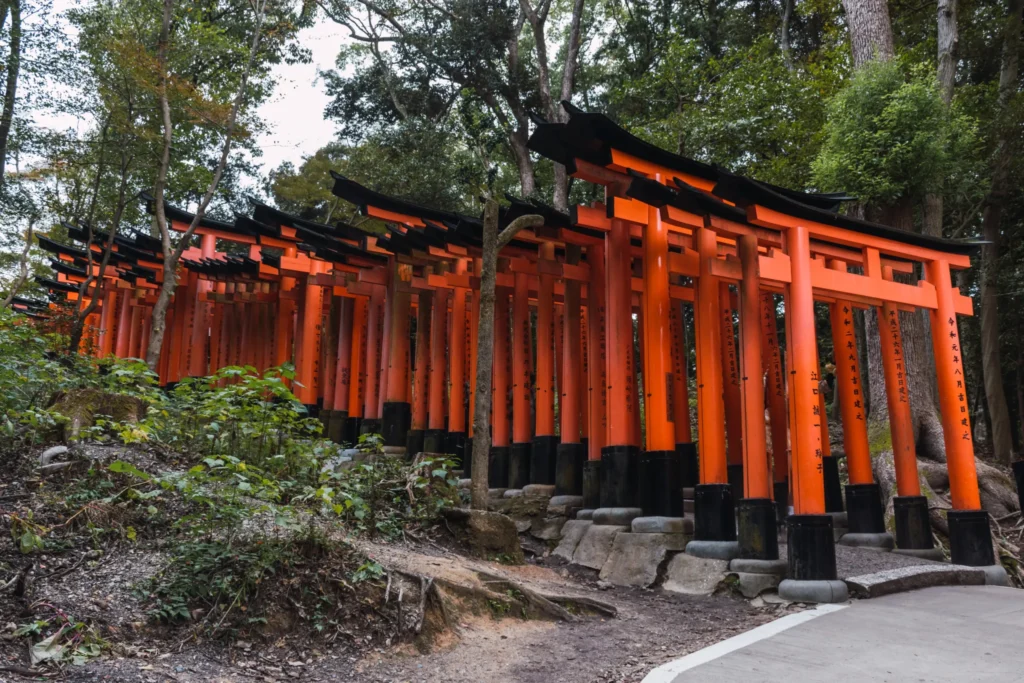
Fushimi Inari-taisha is Kyoto’s icon, so yes—arrive early. The endless corridors of vermillion torii featured in Memoirs of a Geisha made it globally famous. Inari, the rice god, symbolizes abundance; since the 8th century, Kyoto merchants have donated gates to court prosperity. Each torii bears an inscription with its donor and date.
The route climbs over 4 km up the mountain, with viewpoints and small shrines sprinkled along the way. Allow ~3 hours for the full loop and views back over Kyoto.
Nara, the Deer Paradise
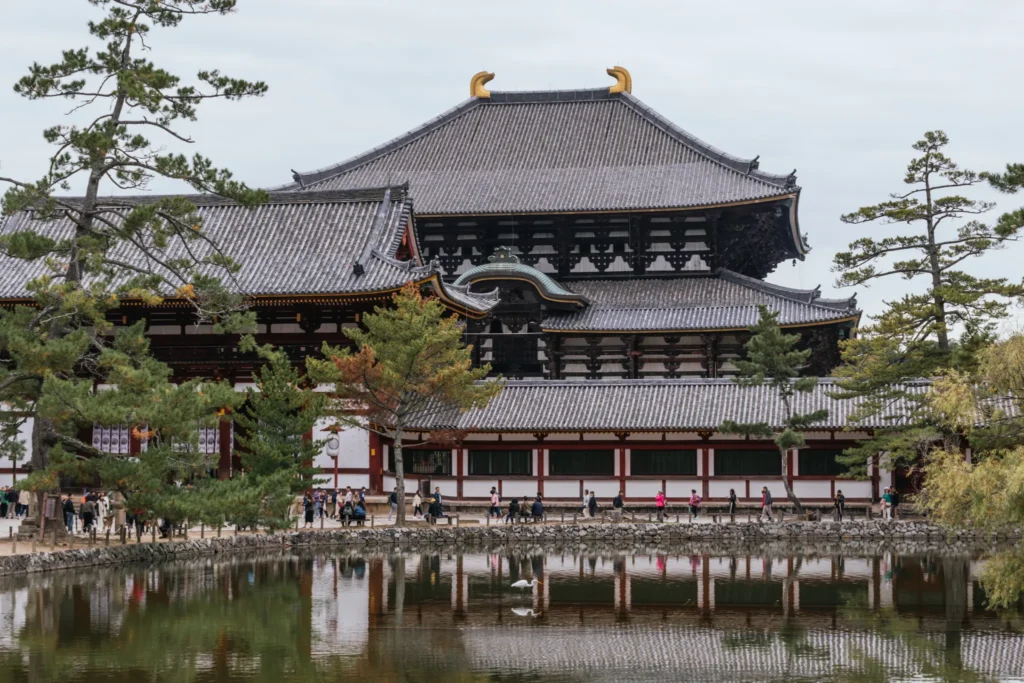
From the Fushimi-Inari area, a train gets you to Nara in just over an hour. The city is famed for its temples and its sika deer, considered messengers of the gods in Shinto. Full disclosure: we weren’t entirely convinced by the deer scene—crowds around cookie stands can lead to nipping and pushing. In Miyajima, where feeding isn’t promoted, it felt calmer.
That said, Nara is still a lovely half-day: visit Todai-ji for the colossal Great Buddha and Nandaimon Gate; stroll Nara Park; and see Isui-en Gardens, Wakamiya Shrine, and Kasuga-taisha with its sea of stone lanterns. From the station, Nara Park is a 20-minute walk or a short bus ride.
Dining Experience at Nishiki Market
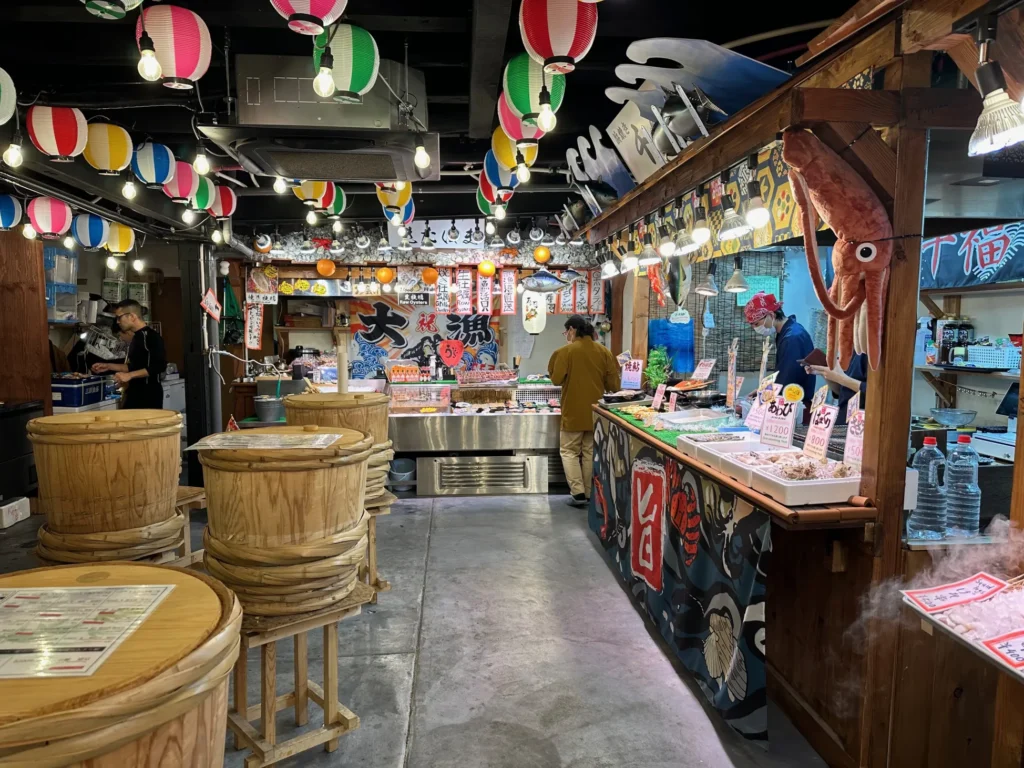
On the way back, detour to Nishiki Market. Taste your way through pristine stalls and snack bars—matcha treats, fresh sushi, pickles, and teas. Aim to arrive before 5:00 p.m.; most stalls close around 6:00 p.m.
Shopping in Shijo
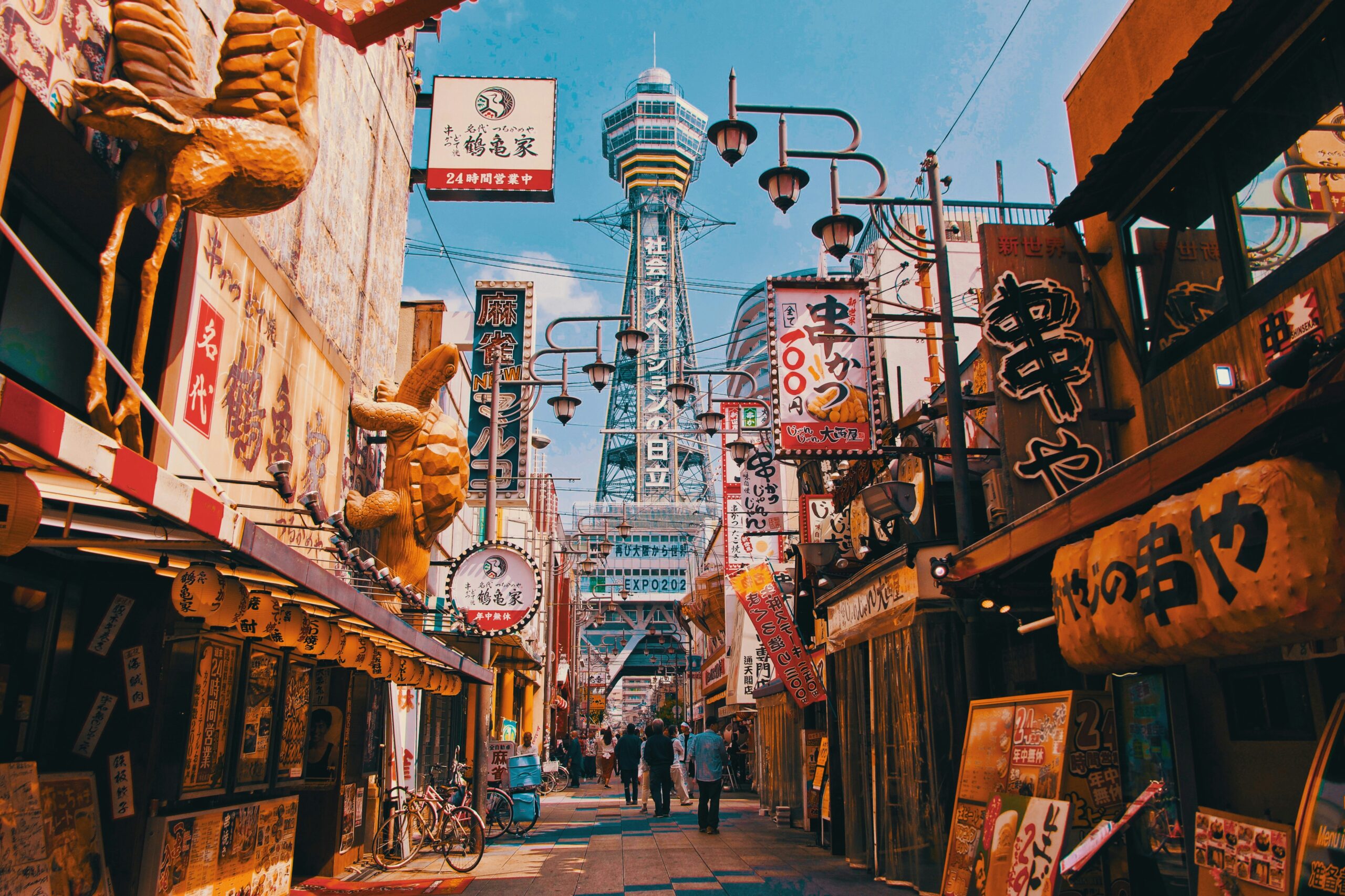
Nishiki spills into the Shijo shopping district—covered arcades, boutiques, vintage corners, and plenty of places to linger over dinner. It’s the perfect soft landing for your final evening in Kyoto. Our restaurant picks are below.
What to See in Kyoto with More Time
If Nara isn’t your vibe, you’ve had your fill of temples (or not enough!), or you’ve found an extra half-day, try these:
Visit the Imperial Palace
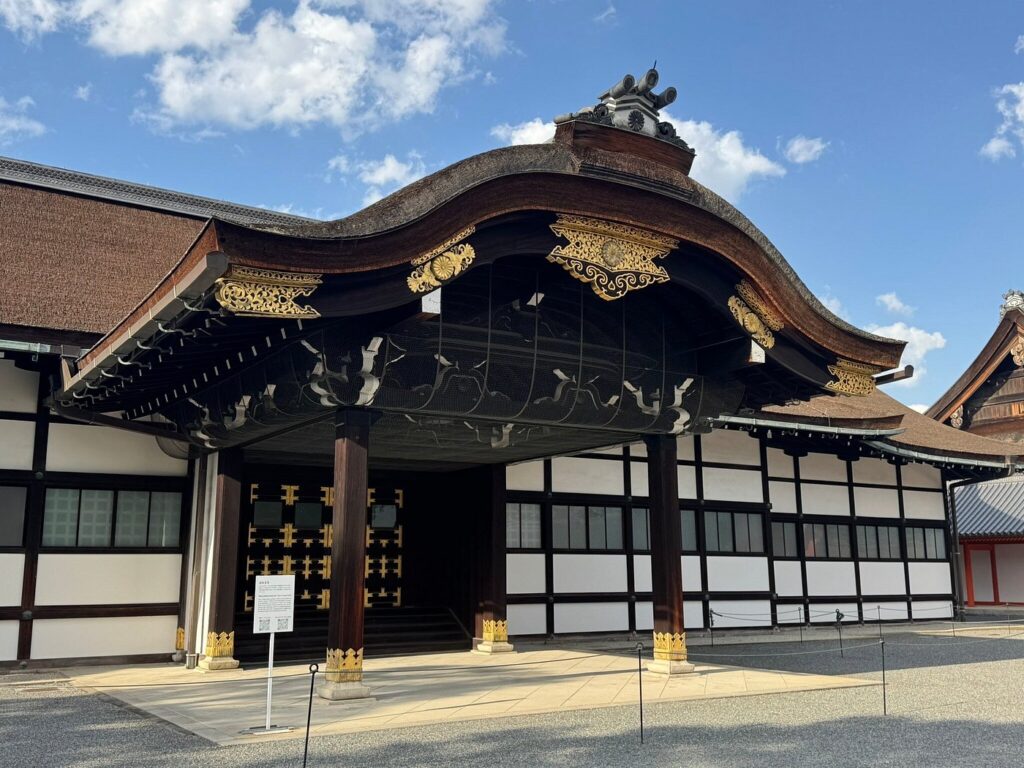
Kyoto was Japan’s capital from 794 to 1868, and the Imperial Palace was the seat of the court. The interiors aren’t open, but the gardens are beautiful and free. Download the audio guide to explore the palace’s history through the Edo period.
Tea Ceremony
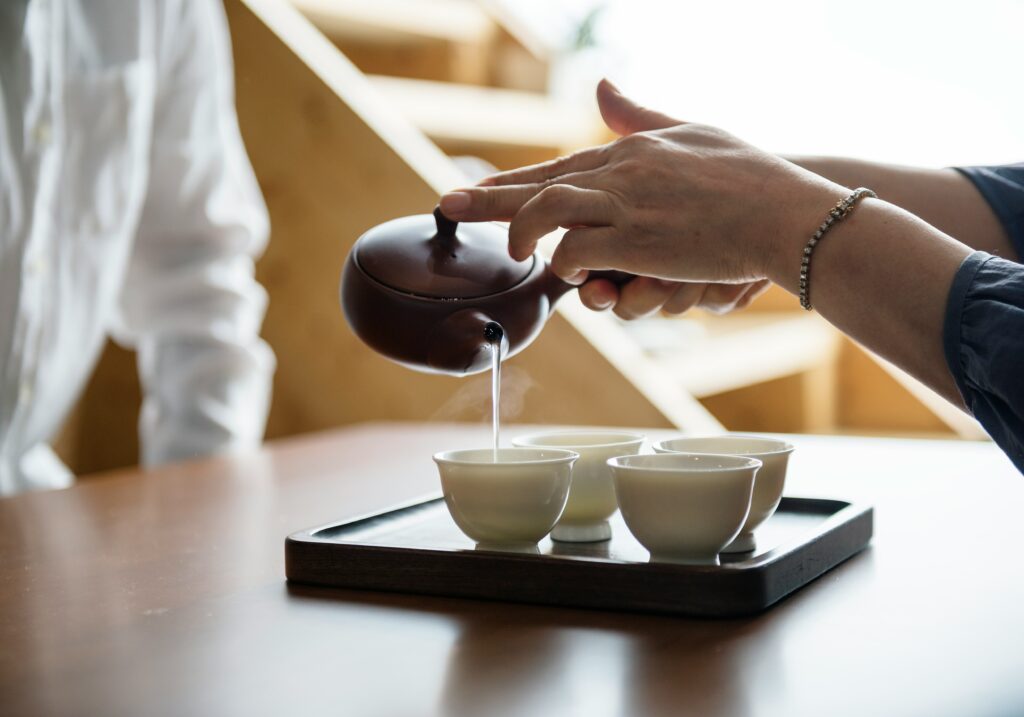
We loved this experience in Kanazawa, and Kyoto does it beautifully too. The tea ceremony in Kyoto follows a precise, calming ritual and usually includes a traditional sweet. A refined window into Japanese culture.
Climb the Kyoto Tower
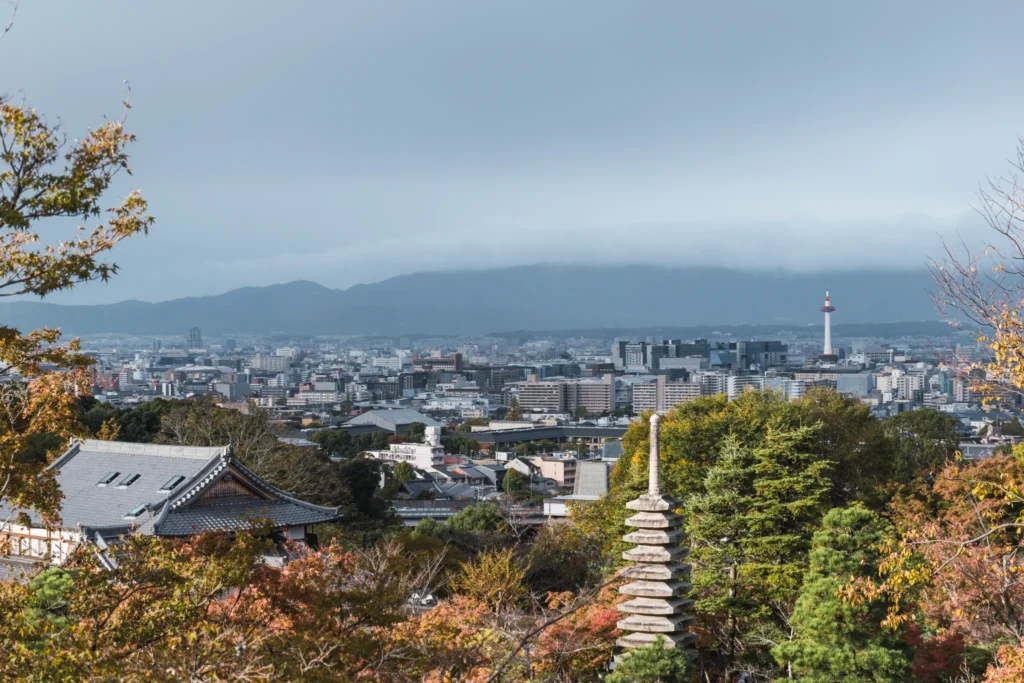
For an easy city panorama, head up the 130-meter Kyoto Tower. The observation deck at 100 meters is great value and a lovely sunset perch. You can book tickets in advance.
Getting Lost in Kyoto Station
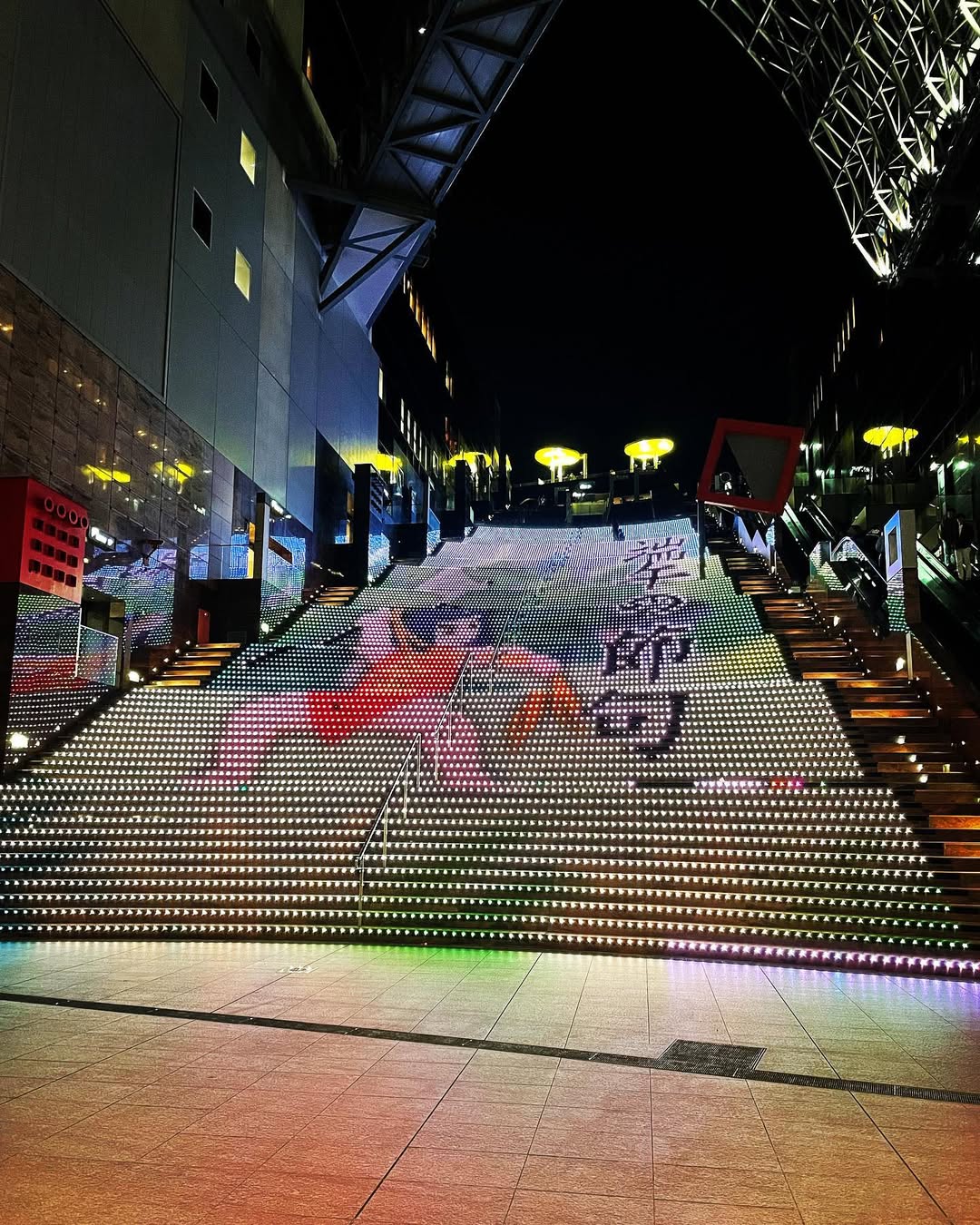
You’ll pass through Kyoto Station more than once—it’s a mini-city of shops and restaurants. At night, seek out the Grand Staircase (Daikaidan) for a free light show and bold photo ops.
Kyoto International Manga Museum
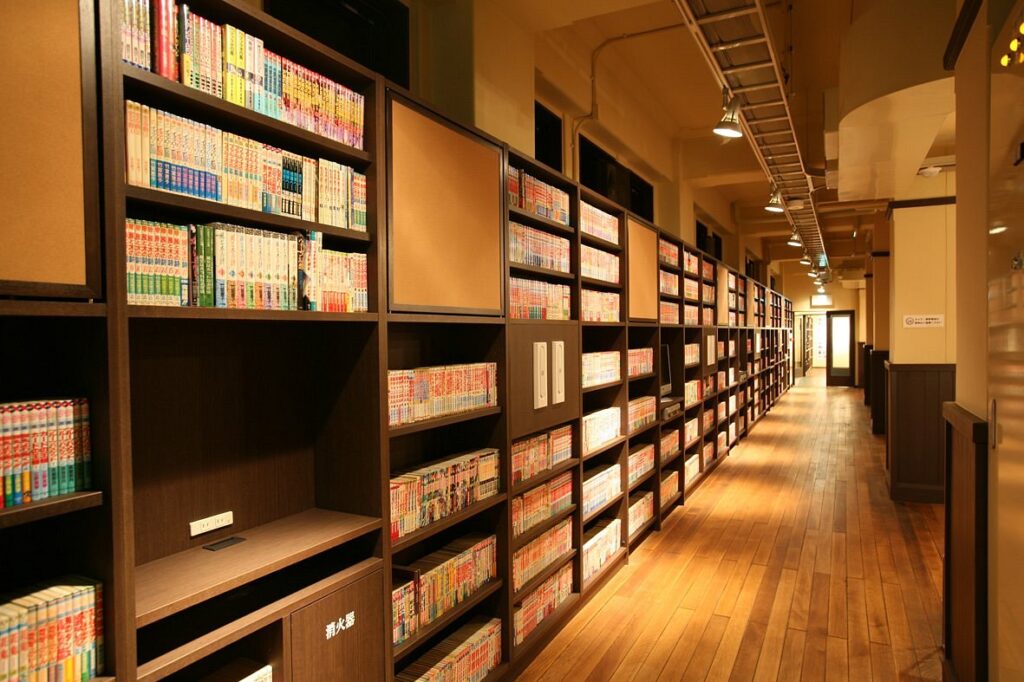
Japan is manga, anime, and otaku central. While Tokyo and Osaka get the headlines, Kyoto’s International Manga Museum is a must for fans—history from the 19th century to today, plus life-size character figures that delight kids and grown-ups alike.
More Beautiful Temples to See in Kyoto
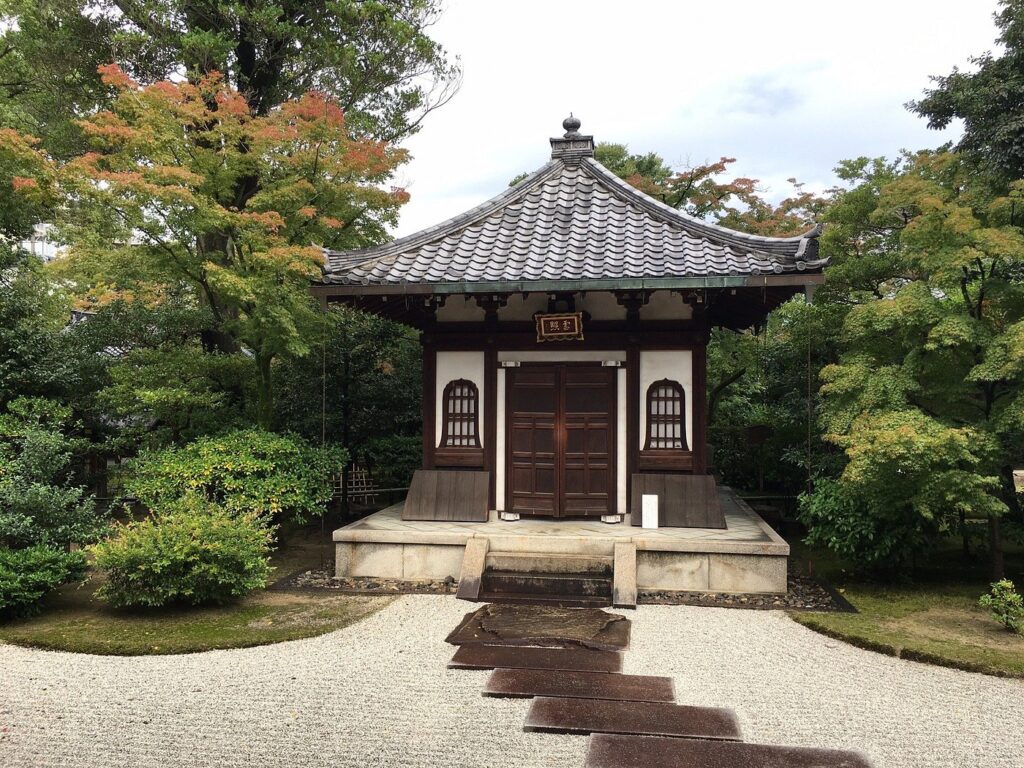
Kennin-ji Temple — In the heart of Gion, its tranquil Zen garden and dragon murals will make you want to stay forever. Calm, contemplative, and away from the Higashiyama bustle.
Higashi Hongan-ji Temple — A vast temple of dark wood near Kyoto Station. Visit by day and night; the contrast with the tower skyline is striking.
Nanzen-ji Temple — Famous for one of Japan’s three great gates and the evocative brick aqueduct that once fed Kyoto—surprising and photogenic.
To-ji Temple — The star is its five-story wooden pagoda. In autumn, the gardens flare red and orange—stunning.
Where to Eat in Kyoto (Must-Try Dishes)
Higashiyama: Japanese Noodle (一寸法師) — Order at the ticket machine, watch the chef work, slurp crab ramen, and shuffle on—Japanese style (lingering isn’t a thing).
Gion: Panel Café — Viral for extra-fluffy pancakes. Go early, before opening, or off-peak to avoid the line.
Gion: Gyoza Hohei — Proudly serving “Kyoto’s best gyoza.” Few varieties, consistently delicious (and yes, a bad gyoza is hard to find).
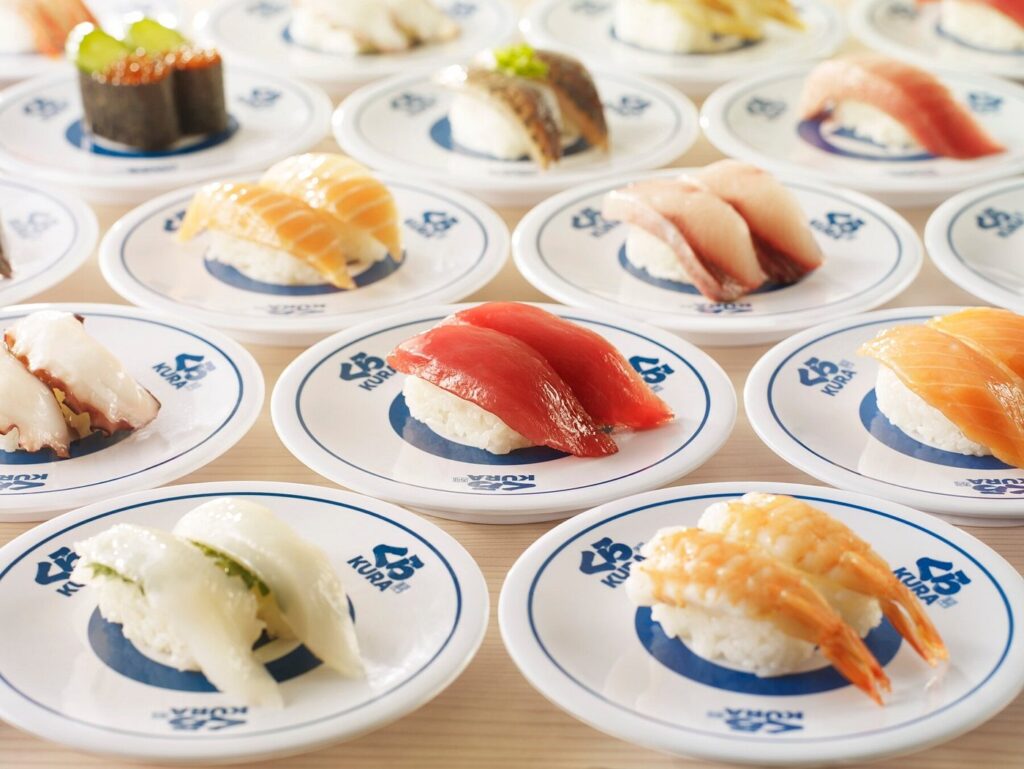
Shijo: Kura Sushi — Conveyor-belt fun; good, pretty, and cheap. Several locations—the Shijo branch is our pick.
Near Kinkaku-ji: Itadaki — Japanese curry and quick grilled meats—fast, flavorful, satisfying.
Fushimi Inari: Vermillion Café — Garden views and a calm vibe—perfect post-hike breakfast.
Nara: Izasa-Nakatani — Pressed Nara sushi served tatami-style at low tables.
Shijo: Traditional Izakaya Kagome — Classic izakaya: small plates with drinks—essential Japan.
Bonus: % Arabica Coffee — Locations in Higashiyama, Arashiyama, and Shijo; their Kyoto-style brew is addictive.
Where to Stay in Kyoto — Top Hotel Picks for Every Budget
Kyoto sprawls wider than most first-timers expect, so we like to split stays by vibe: ultra-connected (Kyoto Station), old-town charm (Gion/Higashiyama), riverside shopping (Shijo/Kawaramachi), and bamboo-kissed calm (Arashiyama). Below are our favorite stays, bucketed by budget and travel style, with quick notes on who they’re perfect for.
Best Value (Budget < ~¥15,000–20,000 / night)
- Hotel Vischio Kyoto (Kyoto Station) — “Affordable luxury” that punches above its price: modern design, spacious rooms, on-point service, and a super short stroll from the station hub for trains, subways, and airport buses. Great for short city breaks or rail-heavy itineraries.
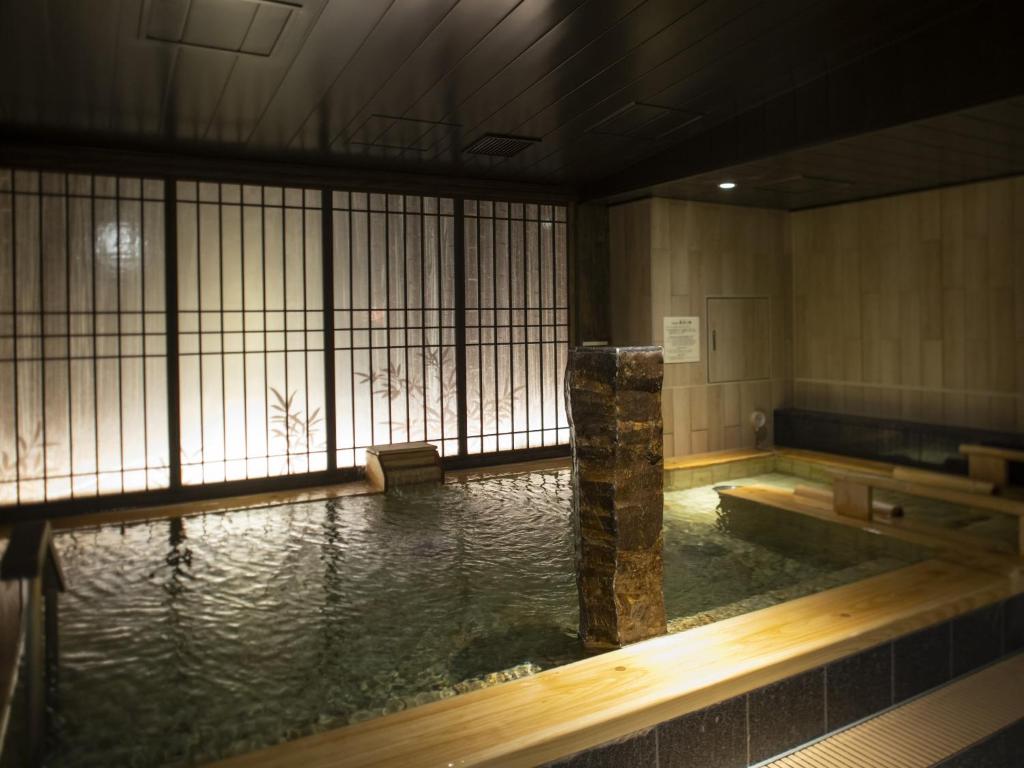
- Onyado Nono Kyotoshichijo (Natural Hot Springs) (Shimogyo) — A wallet-friendly stay with a proper onsen and soothing wood-and-stone aesthetics. Ideal if you want that Japanese hot-spring wind-down without leaving the city.
Sweet Spot (Mid-Range ~¥20,000–40,000)
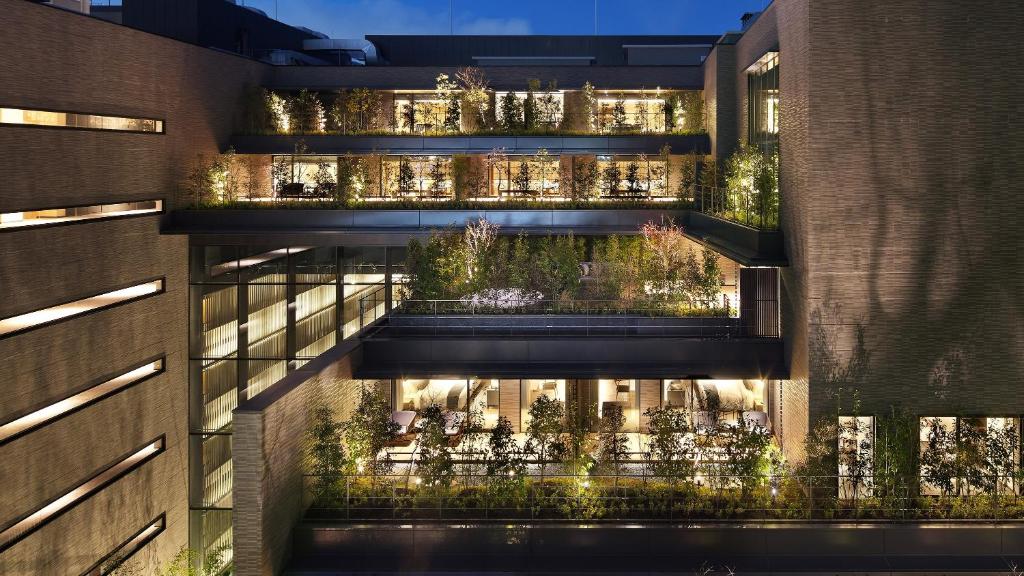
- The Thousand Kyoto (Kyoto Station) — Calm, contemporary, and steps from the tracks; sleek rooms, spa vibes, and meticulous service. Location makes day trips effortless.
- KABIN Kyoto (between Gion & Shijo) — New-build energy with roomy layouts (by Japan standards) and a friendly, youthful team; walkable to nightlife and the Kamogawa.
Boutique & Design
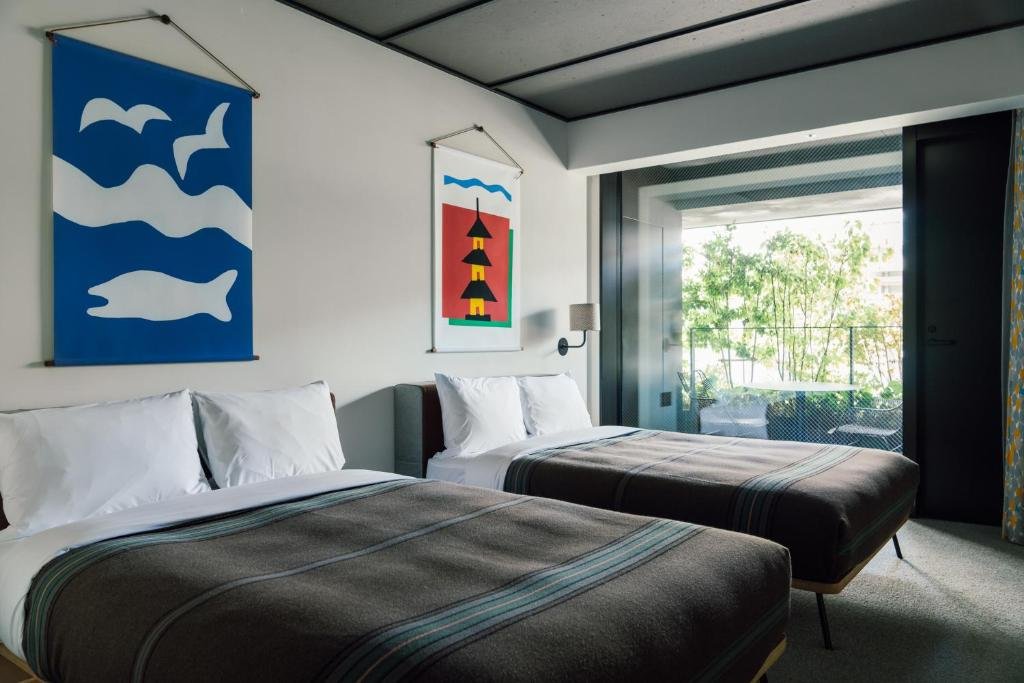
- Ace Hotel Kyoto (Downtown) — Tadao Ando meets cool-kid lobby culture: cafés, courtyard garden, and design-forward rooms a short hop from Nijo Castle and the International Manga Museum. Great for creatives and foodies.
- The Thousand Kyoto (Station) — Minimalist luxury with thoughtful wellness touches; if you like airy lines and big baths, this scratches the itch.
Family & Friends (Apart-Hotel Style)
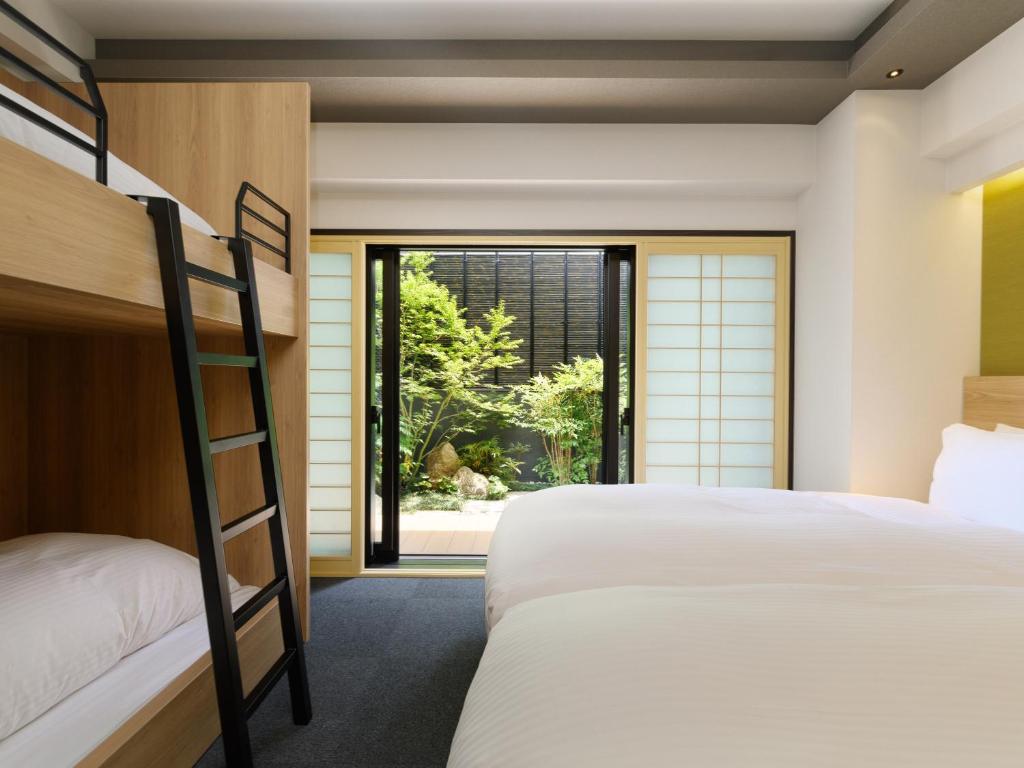
- MIMARU Kyoto Station (and branches in Kawaramachi/Gojo) — Apartment-style suites that sleep 4–6+ with kitchens, dining tables, and bunk beds the kids fight over; perfect for longer stays and picky eaters.
Splurge & Special-Occasion Luxury
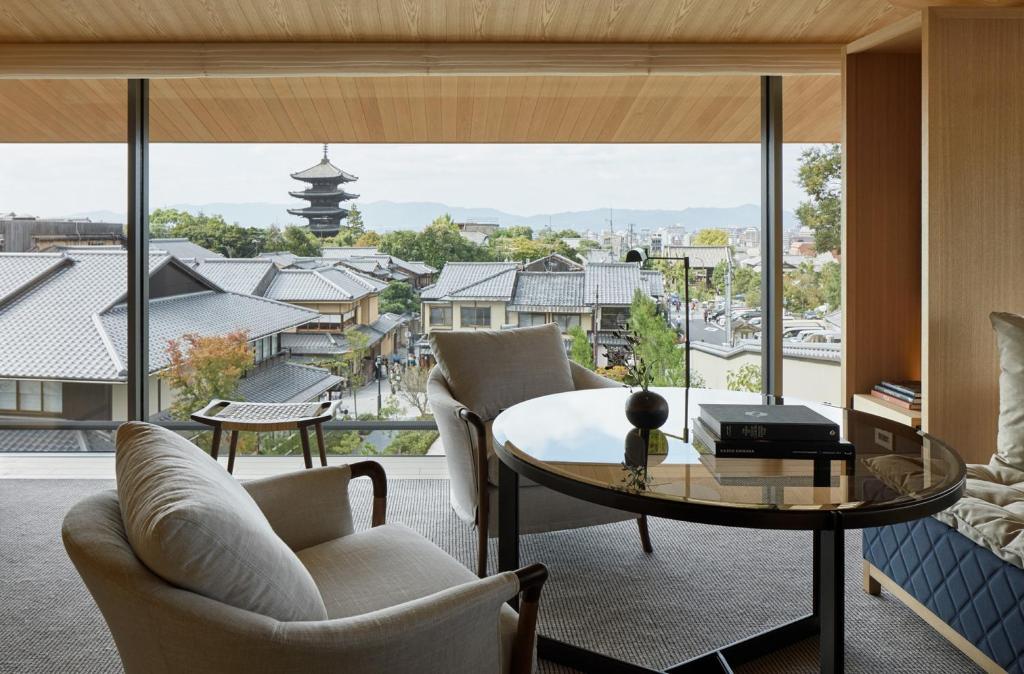
- Park Hyatt Kyoto / The Ritz-Carlton Kyoto (Gion / riverside) — For cinematic views, hushed service, and “we’re celebrating” moments. (Note: top-tier properties may add higher accommodation taxes from 2026—see tax note below.)
- The Thousand Kyoto (Station) — Often prices below the ultra-luxury tier but feels properly high-end; easy rail access for day trips.
Ready to Plan Your Kyoto Adventure?
Three days in Kyoto will only make you hungry for more. Keep exploring with our other insider guides — each one crafted from real wanderings through Japan’s cultural heart. ✨
FAQs: 3 Days in Kyoto Itinerary
How should I plan 3 days in Kyoto?
Day 1: Higashiyama, Kiyomizudera, Gion, Pontocho (evening). Day 2: Arashiyama early, Nijo Castle, Kinkaku-ji, Ginkaku-ji & the Philosopher’s Walk, Heian Shrine at sunset. Day 3: Fushimi Inari at sunrise, half-day Nara, then Nishiki Market and Shijo for dinner and shopping.
Is the JR Pass worth it for 3 days?
Not really. The JR Pass pays off only for long-distance shinkansen travel. Within Kyoto, you’ll mostly use buses, subways, or short JR hops. Use an IC card (Suica, PASMO, or ICOCA) for all local rides instead.
Where is the best area to stay?
Stay near Kyoto Station if you want easy transport connections and day trips, or in Gion/Higashiyama for traditional charm and walkable temples. If possible, split your stay—two nights by the station, one night in old Kyoto.
When is the best time to visit Fushimi Inari and Arashiyama?
At sunrise or shortly after. Both are open 24/7 and magical in early light before crowds arrive. The full Fushimi Inari loop takes about 3 hours; Arashiyama’s bamboo grove is best before 8 a.m.
Is a Nara day trip doable?
Yes. Trains from Kyoto to Nara take around one hour. Plan 4–5 hours for Todai-ji, Nara Park, and Kasuga-taisha, then return to Kyoto in the late afternoon for Nishiki Market or dinner near Shijo.
Which Kyoto temples are absolute must-sees?
Kiyomizudera, Fushimi Inari, and Kinkaku-ji (Golden Pavilion). Add Ginkaku-ji or Heian Shrine gardens if you have extra time.
How do I get around Kyoto easily?
Mix trains and buses. Use Google Maps for real-time routes. IC cards like Suica, PASMO, or ICOCA work on all public transport and even for shopping. Taxis and Ubers are affordable for short rides with luggage.
How much cash do I need?
Carry ¥5,000–¥10,000 in small bills and coins for shrines, buses, and snacks. Most larger places accept cards, but small eateries and markets often prefer cash. Withdraw from 7-Eleven or Japan Post ATMs.
Do I need to book restaurants or tea ceremonies in advance?
Yes for popular spots, especially during cherry blossom or autumn seasons. Tea ceremonies, kimono rentals, and trendy cafés sell out quickly—book early online.
What are Kyoto’s photo highlights?
Day 1: Yasaka Pagoda at sunrise. Day 2: Arashiyama bamboo grove and Heian gardens at golden hour. Day 3: Fushimi Inari’s torii tunnels at dawn, Nara Park late morning, Nishiki Market after 4 p.m.
What etiquette should I follow at temples and shrines?
Walk on the sides of torii gates, purify hands and mouth before entering, remove shoes indoors, and keep voices low. Never block or photograph geiko/maiko without permission.
What’s a realistic pace for each day?
Expect around 10,000–18,000 steps daily. Bring comfy shoes, a compact umbrella, and plan short café breaks between temple visits.
Any quick time-saver tips?
Use taxis between Kinkaku-ji and Ginkaku-ji to save time. Visit Nishiki Market before 5 p.m. as most stalls close by 6 p.m. Always check temple last-entry times.
- Nagoya rainy day with kids in 2026 (Cool Indoor Things to Do )
- Best Gachapon in Tokyo (2026): 20 Places to Find Capsule Toys

- All Japanese KitKat Flavours List: The Ultimate Japan KitKat Guide
- Sapporo rainy day with kids (2026): 7 Cool Indoor Things to Do
- What To Do In Arashiyama With Kids: A Realistic One-Day Family Itinerary