I spill travel tips , and show you the Japan that tourists usually miss.
Plan the perfect 7 day Japan itinerary with kids. Discover the best child-friendly activities, theme parks, cultural spots, hotels, and restaurants across Tokyo, Kyoto, and beyond. Fun, easy, and unforgettable for the whole family.
| Japan with Kids: Family Guides You’ll Actually Use ➡️We visited Tokyo for no less than 10 days, and in our guide, we list all the activities you can do in Tokyo with kids. ➡️Our favorite 7-day Japan itinerary with kids: Tokyo, Kyoto, trains, theme parks, and easy family stops ➡️Taking theShinkansen with kids: smart tips that make Japan’s bullet train easy ➡️Best family-friendly restaurants in Tokyo where kids stay happy and parents relax ➡️Tokyo Disneyland and DisneySea guides every family should read before visiting |
Table of Contents
The preparations: Packing for your 7 Day Japan Itinerary with Kids
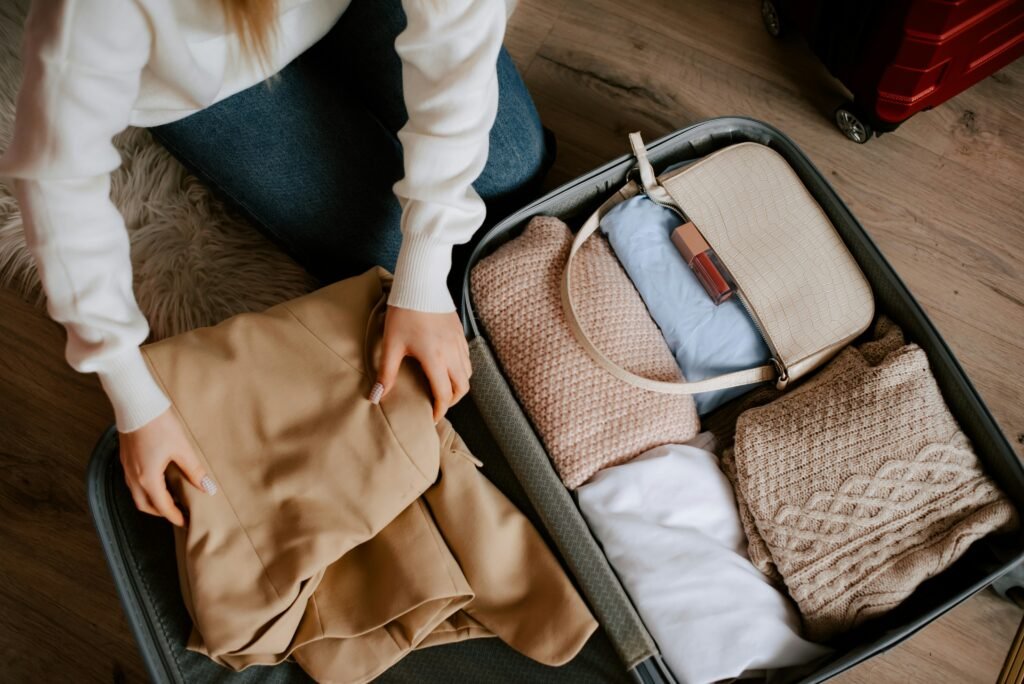
Even before you board the plane, there are a few things that make a huge difference to how relaxed your trip feels. Wondering what to pack and what can stay at home? Let’s say it right away: less is often more.
To keep things manageable, we’ve put together a few essentials for you:
Clothing & Shoes
For a family vacation in Japan, you really don’t need to pack a huge amount of clothing – neither for yourself nor for the kids. Coin laundries are pretty much everywhere, and many hotels even have their own washing machines and dryers, so you can easily do laundry on the road instead of hauling extra outfits.
Much more important than endless outfits are good, practical shoes. Pack shoes that the kids can put on and take off by themselves. In Japan, you’ll often need to remove shoes: in playgrounds, some restaurants, and certain areas of toy departments. Slip-ons or velcro sneakers will save you a lot of “Muuuum, can you help me?” moments.
Snacks and drinks
Japan has a huge selection of children’s snacks, but that doesn’t automatically mean your child will like them. The flavors and textures are sometimes quite different, and many kids prefer their “normal” snacks from home. So definitely pack a generous stash of familiar snacks for your little ones – especially for the plane, train journeys, and jet-lagged afternoons.
And here’s a simple trick to save money and avoid constantly buying drinks: pack reusable water bottles. Tap water in Japan is safe to drink, and in many parks and playgrounds you’ll find free drinking fountains where you can refill your bottles as often as you like. Hydrated kids, happy parents, happy wallet.
Strollers & Baby Carriers
If you’re bringing a stroller, make sure it’s easy to carry and, above all, quick to fold. On buses and trains, you’ll often need to fold it because it takes up too much space otherwise. And if you’re out all day, you’ll be very grateful if the stroller isn’t heavy as a tank.
A baby carrier is a huge help and a great backup or alternative to the stroller. Many parents in Japan actually prefer carriers over strollers. It makes getting on and off trains and buses much easier, helps with stairs at shrines and temples, and lets you navigate crowds in big cities without constantly apologizing for your wheels.
Still wondering what else should go in your suitcase?
If you’d like a detailed overview, take a look here: Japan packing list: What you need for your trip!
Important documents: Passport & Co.
If you’re planning a holiday in Japan with kids, they’ll also need a valid passport. Often (depending on the country you come from) even babies can’t travel without one. It’s best to apply for the passport several weeks before departure at your city hall – or, if time is tight, use the (more expensive) express option.
If your children already have passports, always check before each trip whether they are still valid and whether your child is clearly recognizable in the photo. Kids change quickly – and border control officers should still be able to tell that the cute toddler in the picture and the big kid in front of them are the same person.
Tips for flying with kids

For some, the thought of a long-haul flight with kids sounds like pure horror. For us, it’s actually been surprisingly relaxed so far – maybe because our daughter really loves flying and follows every step of the journey with fascination.
What has worked best for us: night flights and, if possible, a direct flight to Japan. That’s been the easiest and most stress-free option for our family. You can fly directly to Japan with airlines such as All Nippon Airways (ANA)or Japan Airlines (JAL).
Children under two years old don’t need their own seat and can sit on a parent’s lap. If you want more comfort, you can of course still book an extra seat. From the age of two, all children travel with their own seat. Many airlines also offer free bassinets for babies, which you usually need to reserve in advance.
Getting around locally: Transportation in Japan

Japan’s infrastructure is excellent, which makes it very easy to get from A to B – even with kids and luggage in tow. Bus and train connections are reliable, frequent and usually right on time. Public transport gives you a lot of flexibility, especially in and around the big cities.
Let’s take a closer look at the main modes of transport and what’s important when you’re traveling as a family:
Local trains
For many children, traveling by train is an adventure in itself, and in Japan that’s even more true. Different train designs, cute mascots, little melodies at the stations – there’s plenty to discover before you even reach your destination. However, you should absolutely avoid rush hour (roughly 7:00–9:00 a.m. and 5:00–7:00 p.m.). During these times, trains in large cities are extremely crowded and not much fun with a stroller or tired toddler.
On trains, you’ll find so-called “priority seats” (Japanese: yuusenseki = 優先席) for pregnant women, people with disabilities, elderly passengers and parents with small children. These seats are sometimes occupied by other passengers, but if you ask politely, people will almost always make room for you.
The prices for train tickets are generally as follows:
- Adults (12 years and older): Children from 12 years old pay the full fare, just like adults.
- Children (6–11 years): Children between 6 and 11 pay half the adult fare.
- Toddlers & Babies (under 6 years): Toddlers under 6 and babies travel free of charge and don’t need a ticket.
Shinkansen
A ride on the Japanese high-speed train (Shinkansen) isn’t just a highlight for adults – kids usually love it too. You glide out of the megacity of Tokyo and reach many other major cities in a very short time. The journey becomes part of the experience.
➡️ Are you planning to take the Shinkansen with your children? This article provides all the information and tips you need for traveling on the Shinkansen with kids.
Bus
Taking the bus in Japan works in a very similar way to traveling by train. Here too, it’s best to avoid rush hour and travel at more relaxed times of day. Buses also have priority seats, which you are welcome to use when you’re traveling with children.
Rental car
If you prefer to explore the country by rental car, make sure you book a child car seat in advance. In Japan, it is a legal requirement for children under 6 years old to use a child seat in the car.
👉 If you want to avoid dealing with public transport and luggage right after landing, you can also book a private transfer from/to Narita Airport (NRT) or a private transfer from/to Haneda Airport (HND).
Medical care in Japan

The medical standard in Japan is very high. Hospitals are modern and well equipped, and you usually feel in good hands. However, it is absolutely recommended to take out travel health insurance beforehand so that you don’t have to worry about high medical costs in case something happens.
If your child becomes ill during your trip and needs to see a doctor, it’s a good idea to call the Tokyo Metro Health & Medical Information Center first (see link below). In Japan, many doctors are strongly specialized, and you often need to check in advance which hospital is responsible for which issue and at what time.
So you shouldn’t just choose a random hospital and show up there unannounced. After the consultation, the doctor will issue you a prescription (Japanese: shohousen = 処方箋), which you can then take to a pharmacy to get the medication.
In case of an emergency, call an ambulance (Japanese: kyuukyuusha = 救急車) by dialing 119. If you’re at your hotel at the time, ask the reception for help. They know the address by heart, speak Japanese, and are usually experienced in calling emergency services for guests.
Here you’ll find a list of clinics and useful contacts:
- Tokyo Metro Health & Medical Information Center
- English-speaking clinics in Tokyo
- English-speaking clinics in Osaka & surrounding areas
Breastfeeding in Japan
Breastfeeding in public is completely legal in Japan. Many mothers use a nursing cover, but you certainly don’t have to. In addition, you’ll find designated breastfeeding rooms (Japanese: junyuushitsu = 授乳室) in many places, especially in large department stores and shopping malls. Tip: head straight for the children’s section – that’s usually where the nursing room is hidden.
Restaurant visits with kids
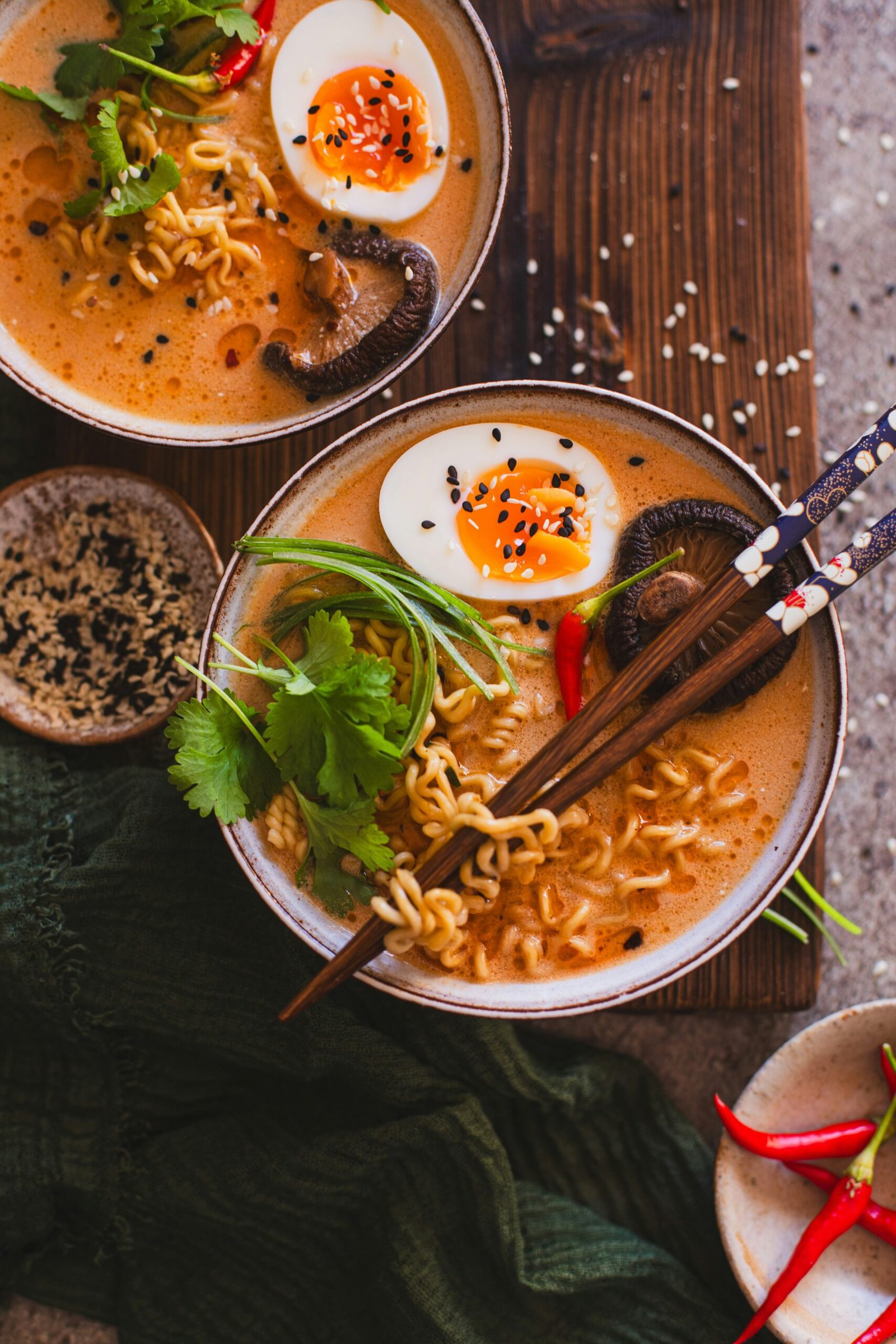
In Japan, many families with kids like to eat at so-called family restaurants (ファミレス). These are chain restaurants that are designed specifically with families in mind. There’s plenty of space to park strollers, the selection of children’s menus (Japanese: okosamamenyuu = おこさまメニュー) is pretty good, and there are usually high chairs for toddlers and babies. The menus often list ingredients, which is especially helpful if your child has allergies.
Here are some family restaurant chains you can try:
- Gusto (ガスト): Kids’ menu with ramen, udon or meatballs
- Coco’s (ココス): Curry rice, spaghetti and pasta dishes for children
- Saizeriya (サイゼリヤ): Italian-style restaurant with pizza, pasta and more
- Bronco Billy (ブロンコビリー): Steakhouse with kids’ dishes like meatballs, spaghetti and fried shrimp
If your kids like fish, you can also try various conveyor-belt sushi chains (Japanese: kaiten-zushi = 回転寿司). At Sushiro (スシロー), for example, the sushi is served in extra small pieces that fit perfectly into little hands. Traditional Japanese restaurants, such as udon places, are also great with kids. Many have areas with tatami mats and low tables where children can sit comfortably and move around a bit.
➡️ Curious what children in Japan like to eat most? Then check out this list of 47 Japanese dishes !
Toilets in Japan
Public toilets are truly everywhere in Japan – and the best part is that they’re free and almost always very clean. Many restrooms have changing tables for babies, and you’ll often find them in both the women’s and men’s toilets.
For families, there are also large accessible toilets that are especially practical when you’re traveling with a stroller or several children at once. Plenty of space, a door you can lock, and sometimes even a small seat for toddlers – incredibly helpful when you all need a quick break.
Onsen visit with kids
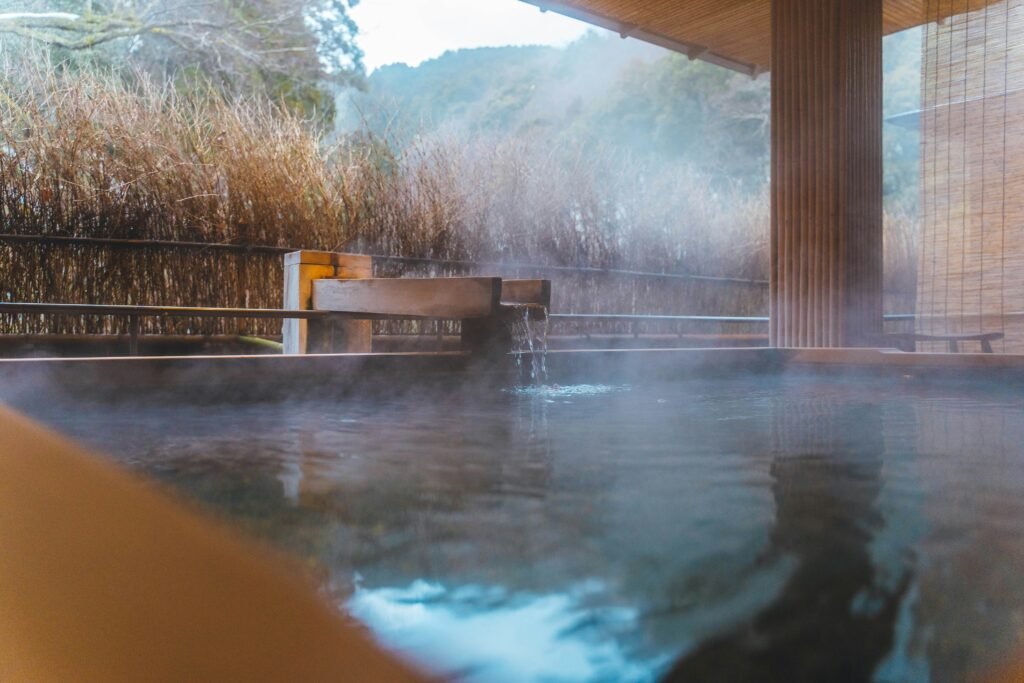
Many accommodations with their own onsen or family-friendly ryokan offer private family baths (Japanese: kazokuburo = 家族風呂). These are especially convenient for families, because you can reserve a time slot and enjoy the hot spring together in a private space without worrying about other guests.
Important to know: toddlers who are still wearing diapers are usually not allowed in public onsen. Some baths even have an age limit and don’t allow children under six. So it’s always worth checking in advance whether and how children are allowed to use the onsen.
Activities with kids
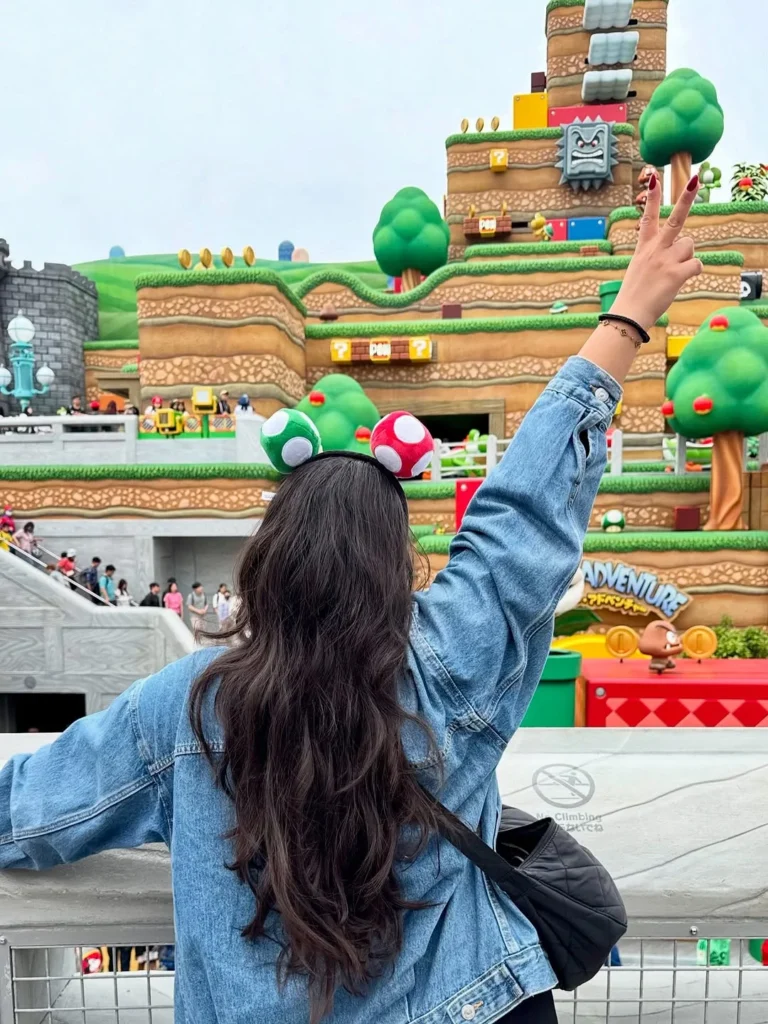
Now for the fun part: family-friendly activities for you and your kids. Japan is full of great options for families – from theme parks to museums to zoos and aquariums.
Children under 12 often get discounted or half-price tickets for amusement parks, museums, and many other attractions. Toddlers under 3 usually get in for free. Many places also offer reduced tickets for middle and high school students, as well as university students. So don’t be shy about asking for the kids’ rate at the ticket counter.
Here are some child- and family-friendly activities by region:
Tokyo
- Tokyo Disneyland & DisneySea
- Sanrio Puroland
- Pokémon sights (Tokyo and surrounding area)
- Legoland Discovery Center
- Ghibli Museum
- National Science Museum
- Ueno Zoo
Yokohama
- Yokohama Zoorasia
- Yokohama Hakkeijima Sea Paradise Aquarium
- Yokohama Cosmoworld
- Cup Noodle Museum
Chiba
- Mother Farm (farm & animal experiences)
Nagoya
- Laguna Ten Bosch Leisure Park
- Legoland Japan
- Ghibli Park
Osaka & Kyoto
- Osaka Aquarium
- Kyoto Railway Museum
- Universal Studios Japan
7 Day Japan Itinerary with Kids
Day 1: Arrival in Tokyo – Settling In and First Tastes
Where We Stay:
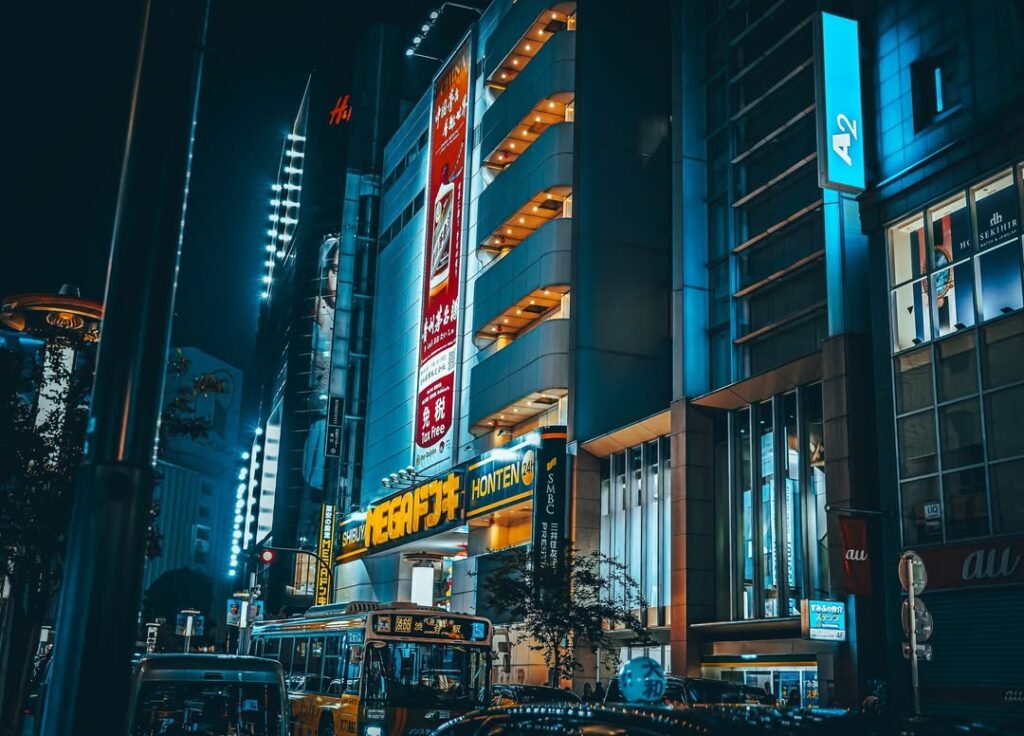
Hotel Gracery Shinjuku – Yup, the one with the Godzilla on top! It’s quirky, central, and surprisingly kid-friendly.
What We Do:
After landing at Haneda or Narita, take the airport limousine bus or train to Shinjuku. Don’t overplan the first day—jet lag is real, especially with little ones. Instead, take it slow.
Afternoon Stroll:
Wander around Omoide Yokocho (just to look, not eat here with kids—it’s mostly smoky yakitori bars), then pop into Don Quijote for the ultimate chaotic Japanese discount store adventure. Kids will lose their minds over the candy aisle.
Dinner:
CoCo Ichibanya – A kid-friendly Japanese curry chain where you can customize the spice level. Even the pickiest eater will find joy in rice shaped like animals or faces.
Day 2: Tokyo DisneySea – A Dreamy Day
Where We Stay:
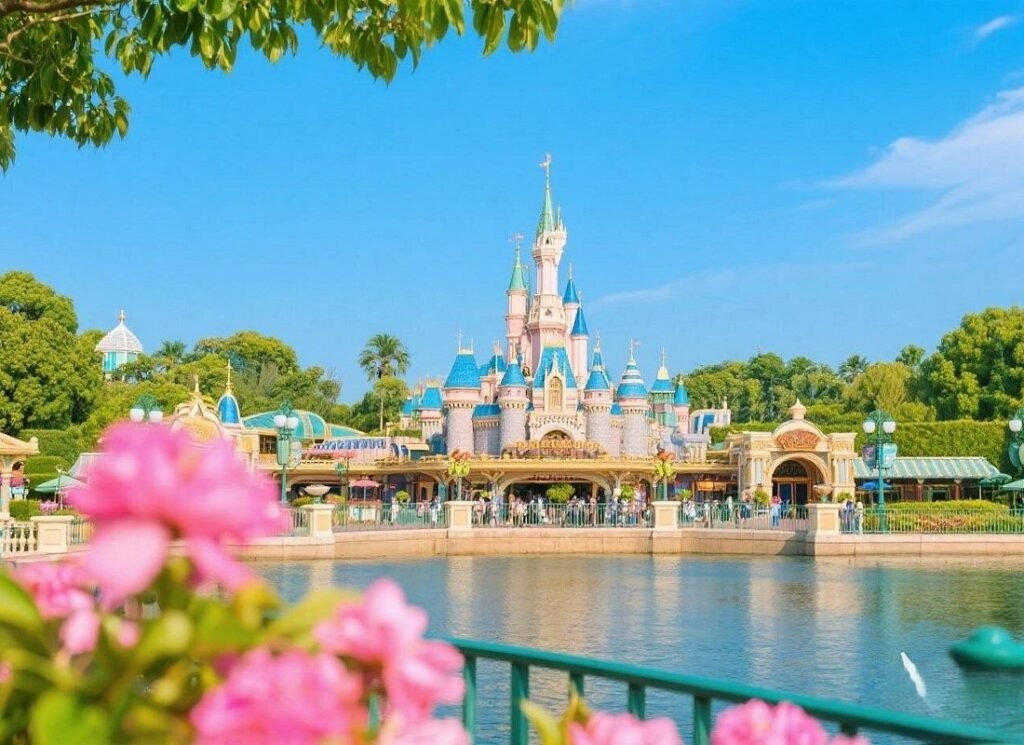
📍 Tokyo Disney Resort Hotel (Toy Story Hotel if you can score it!) – Fully themed and worth the splurge.
What We Do:
Spend the entire day at Tokyo DisneySea. It’s more unique and less crowded than Disneyland, but still packed with magic. Older kids will love Journey to the Center of the Earth. For younger ones, the Mermaid Lagoon area is like stepping into an underwater wonderland.
Lunch:
Sebastian’s Calypso Kitchen in Mermaid Lagoon – pizza, fried chicken, and adorable décor.
Evening:
Catch the harbor show and grab churros on the way out. You’ll all sleep like Disney-princess-fed rocks.
Day 3: Harajuku + TeamLab Planets – A Mix of Cute and Cool
Where We Stay:
📍Back to Shinjuku – maybe try JR Kyushu Hotel Blossom Shinjuku, clean and quiet with large family rooms.
Morning:
Takeshita Street in Harajuku – it’s loud, crowded, and full of sugar. But kids LOVE it. Try rainbow cotton candy at Totti Candy Factory and the crepes at Santa Monica Crepes.
Afternoon:
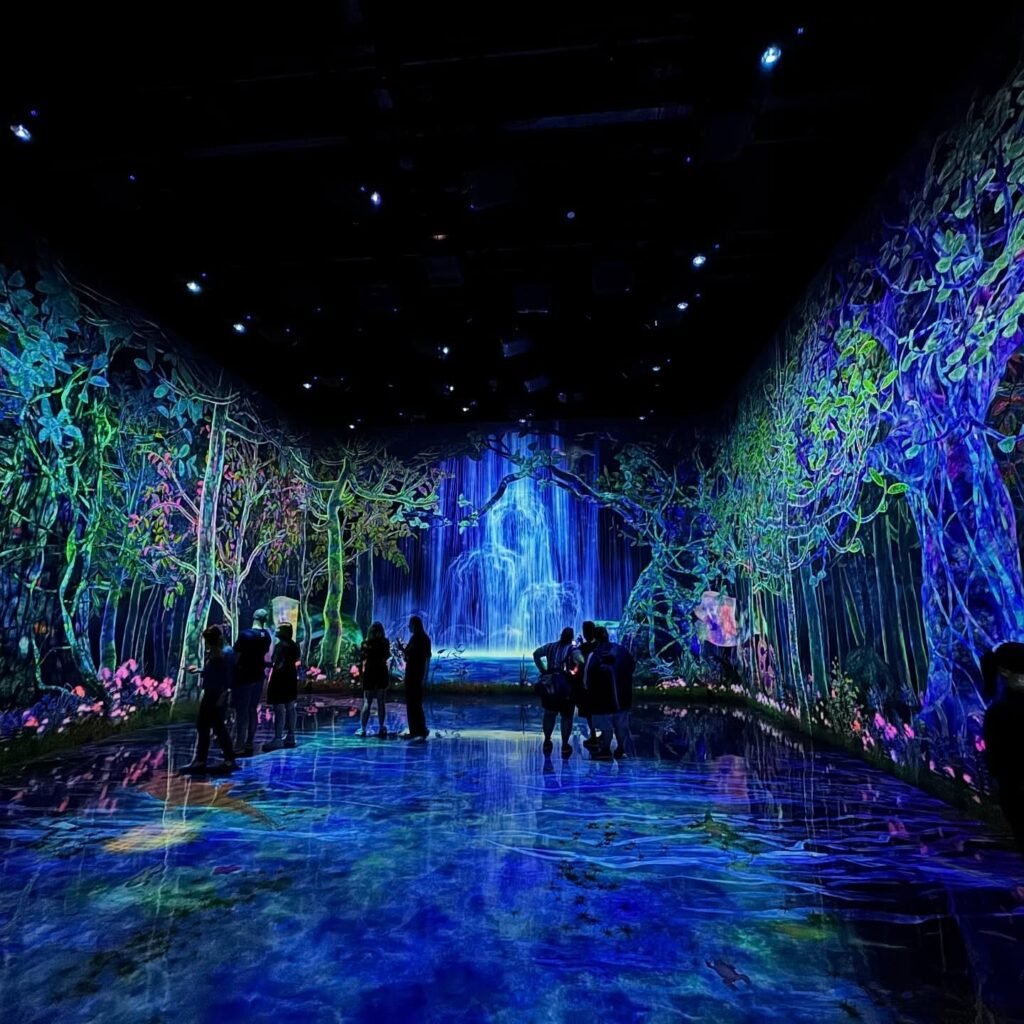
Head over to Toyosu to experience TeamLab Planets. Walking barefoot through glowing digital water? Floating flower rooms? Kids think it’s real magic.
Dinner:
Ichiran Ramen in Shinjuku – order via vending machine and enjoy your ramen in cozy booths. They offer a kid-sized ramen with zero spice.
Day 4: Shinkansen to Hakone – Hot Springs and Pirate Ships
Where We Stay:
📍Hakone Kowakien Tenyu – traditional ryokan vibes but super welcoming for families. Private onsen options available!
Morning:
Hop on the Shinkansen to Odawara and transfer to Hakone. Use the Hakone Free Pass for all transportation.
What We Do:
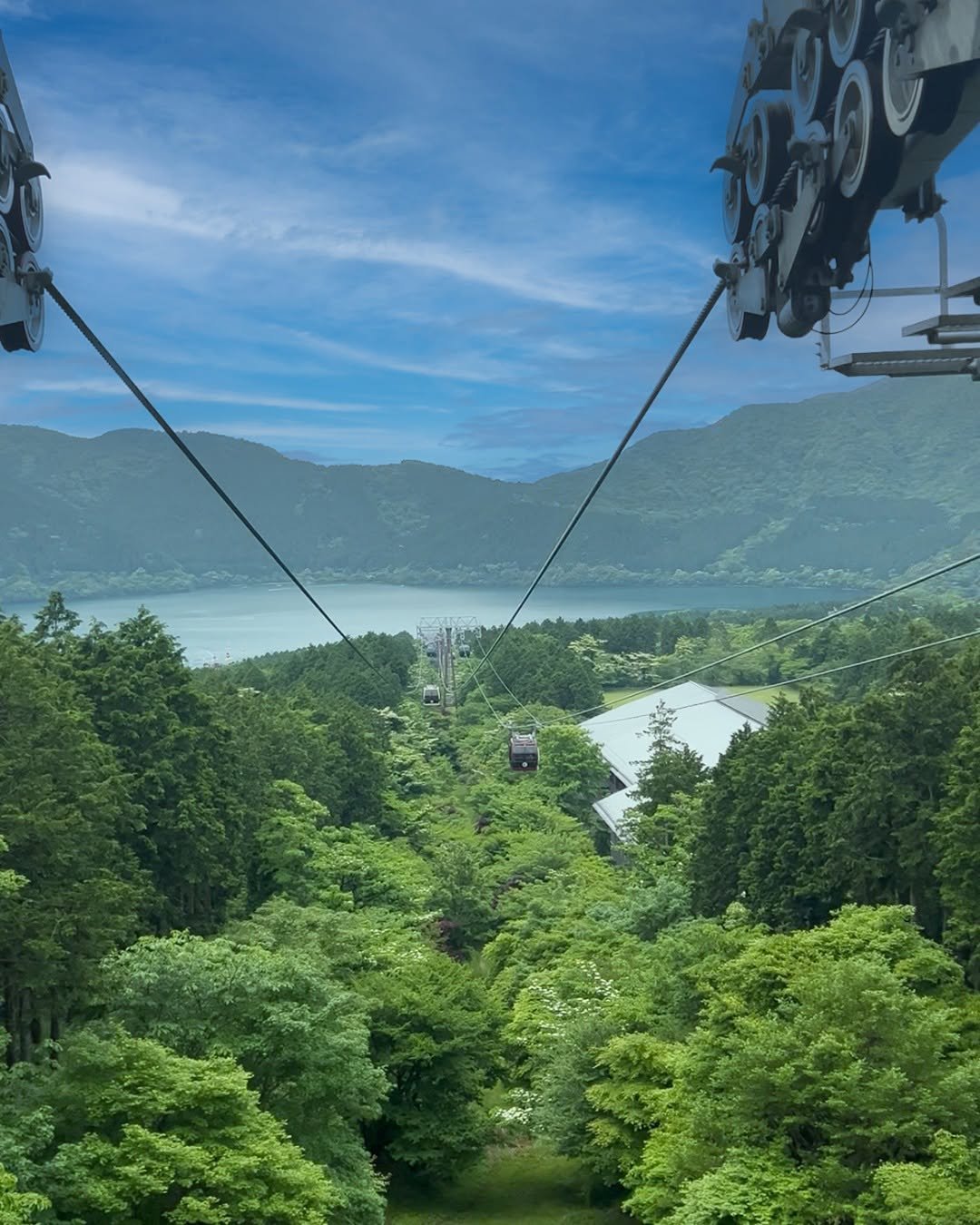
– Ride the Hakone Ropeway over the steaming sulfur fields.
– Take a pirate ship cruise across Lake Ashi. Yes, a pirate ship.
– Stop by Hakone Open-Air Museum—it’s a massive sculpture garden and even has a play zone built into a giant egg.
Dinner:
Included in most ryokans is a multi-course kaiseki dinner. If your kids aren’t into it, staff usually adapt with tempura, rice, and grilled fish.
Evening:
Family soak in a private onsen under the stars. Even 5-year-olds love the novelty of bathing outside.
Day 5: Kyoto Bound – Temples, Kimonos, and Deer Dreams
Where We Stay:
📍 Hotel Vischio Kyoto by Granvia – next to Kyoto Station, super clean, and great for families.
Morning:
Take the train to Kyoto. Drop bags and grab a quick konbini lunch (7-Eleven’s onigiri and sandwiches are oddly addictive).
Afternoon:
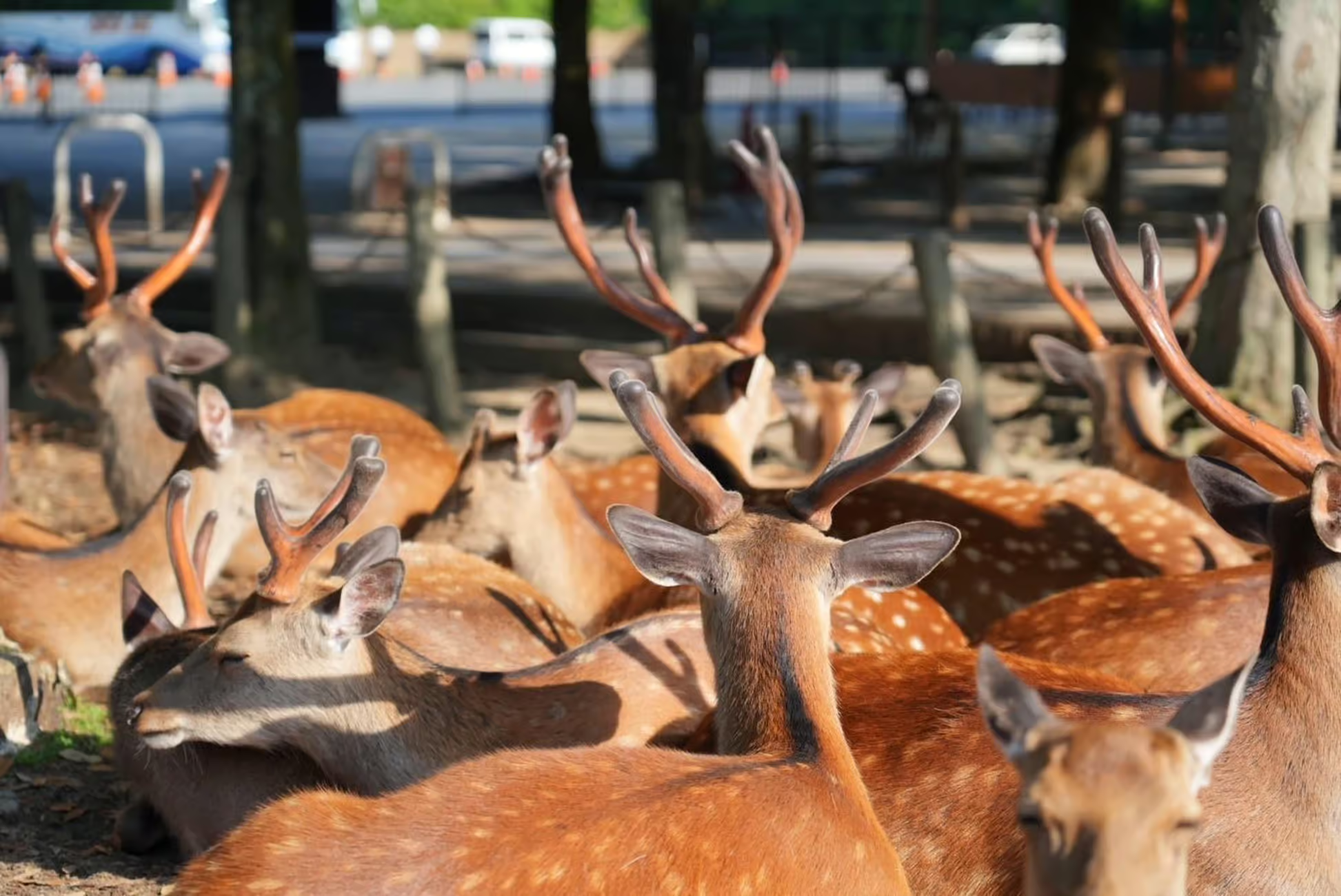
Head to Nara for the afternoon (40 mins by train). Let the kids feed the sacred deer in Nara Park and visit Todai-ji Temple’s giant Buddha.
Dinner:
Nishiki Market – sample mini bites like takoyaki, skewered chicken, and sweet tamago. For something more relaxed, try Ippudo Ramen nearby.
Day 6: Kyoto Culture Day – Fushimi Inari and Monkey Magic
Morning:
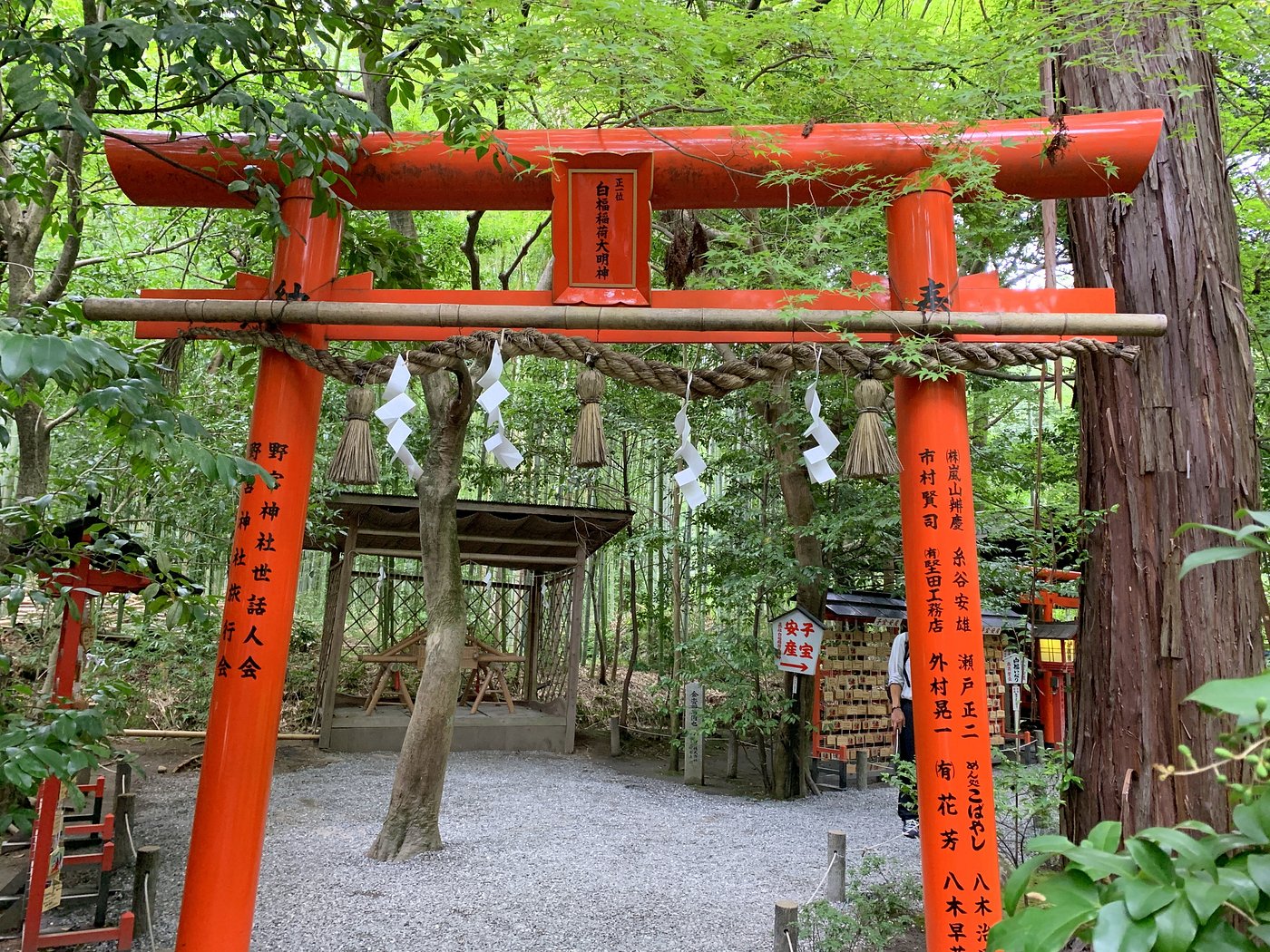
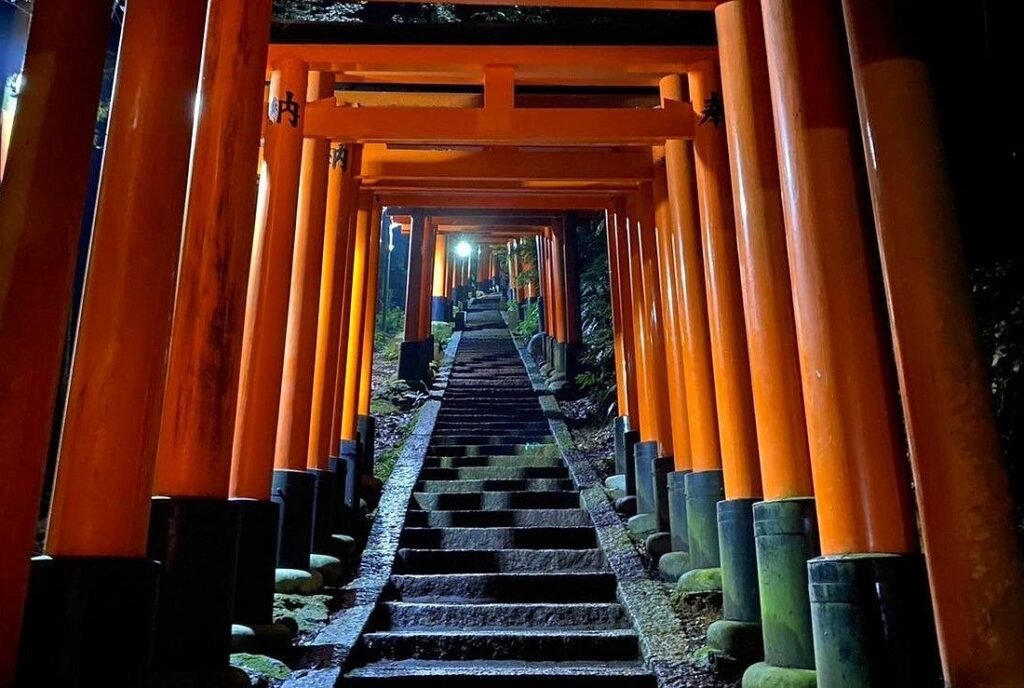
Start early at Fushimi Inari Taisha. Walk through the endless orange torii gates and let the kids count them until they give up (usually around 30). Stop for mitarashi dango (sweet soy dumplings) along the way.
Lunch:
Grab a bento from Kyoto Station’s Isetan food floor before heading to Arashiyama.
Afternoon:
Visit Arashiyama Monkey Park—a bit of a climb, but you’re rewarded with panoramic views and wild monkeys roaming freely. The bamboo grove is also here, but it’s more photogenic than fun for kids.
Dinner:
Musashi Sushi, a casual sushi-go-round that won’t break the bank and is loads of fun for the little ones to pick what they want.
Day 7: Souvenirs and Sayonara

Morning:
Back in Kyoto or Tokyo, depending on your flight. Spend your last morning shopping for quirky Japanese toys, snacks, and souvenirs at Kyoto Loft or Tokyo Character Street in Tokyo Station if you’re heading back that way.
Meal:
Try Ootoya, a family-style Japanese restaurant chain that’s everywhere and serves tasty teishoku (set meals) with rice, miso, and a protein.
Heading Home:
Whether it’s from Kansai or Haneda, leave with a suitcase full of souvenirs-kawaii snacks, gacha toys, and memories of trains, temples, and too many vending machines to count.
Final Thoughts:
Traveling Japan with kids is like stepping into a manga where everything’s cleaner, cuter, and tastier than expected. It’s fast-paced, yes—but peppered with these little moments of joy: vending machine drinks that feel like treasure, toilet buttons that spark endless giggles, and strangers handing your toddler a candy just because.
This itinerary is built for memories—not museum marathons. And the best part? You’ll probably be planning your return before you even unpack.
- Nagoya rainy day with kids in 2026 (Cool Indoor Things to Do )
- Best Gachapon in Tokyo (2026): 20 Places to Find Capsule Toys
- All Japanese KitKat Flavours List: The Ultimate Japan KitKat Guide
- Sapporo rainy day with kids (2026): 7 Cool Indoor Things to Do
- What To Do In Arashiyama With Kids: A Realistic One-Day Family Itinerary