

I spill travel tips , and show you the Japan that tourists usually miss.
Aman Kyoto is the kind of hotel that quietly ruins normal hotels for you. One minute you are walking along mossy stone paths under tall trees, the next you are wondering whether your entire personality should become “person who takes baths in hinoki wood and speaks softly near maple leaves.” Dramatic? Maybe. But Aman Kyoto does that to people.
Tucked away in northern Kyoto, close to Kinkaku-ji but blissfully removed from the city’s busiest sightseeing routes, Aman Kyoto feels less like a hotel and more like a secret forest retreat with very expensive bedding. It is peaceful, beautifully designed, and deeply atmospheric — but also remote, eye-wateringly pricey, and not the most practical base if your Kyoto itinerary involves ten temples, three markets, and a nervous amount of Google Maps.
In this Aman Kyoto review, we’ll look at what the hotel is really like: the rooms, location, onsen, dining, atmosphere, prices, and whether it actually deserves its luxury reputation — or whether we are simply paying a small fortune to sit near moss and feel enlightened.
Planning more dreamy Kyoto and luxury Japan escapes? Read these next
Table of Contents
Discover Aman Kyoto In 2026: An Honest Review
This post may contain affiliate links. If you book through them, we may earn a small commission at no extra cost to you — which helps keep this website alive, caffeinated, and full of suspiciously specific recommendations.
Aman Kyoto: Natural and Traditional Beauty in Kyoto’s Forested North
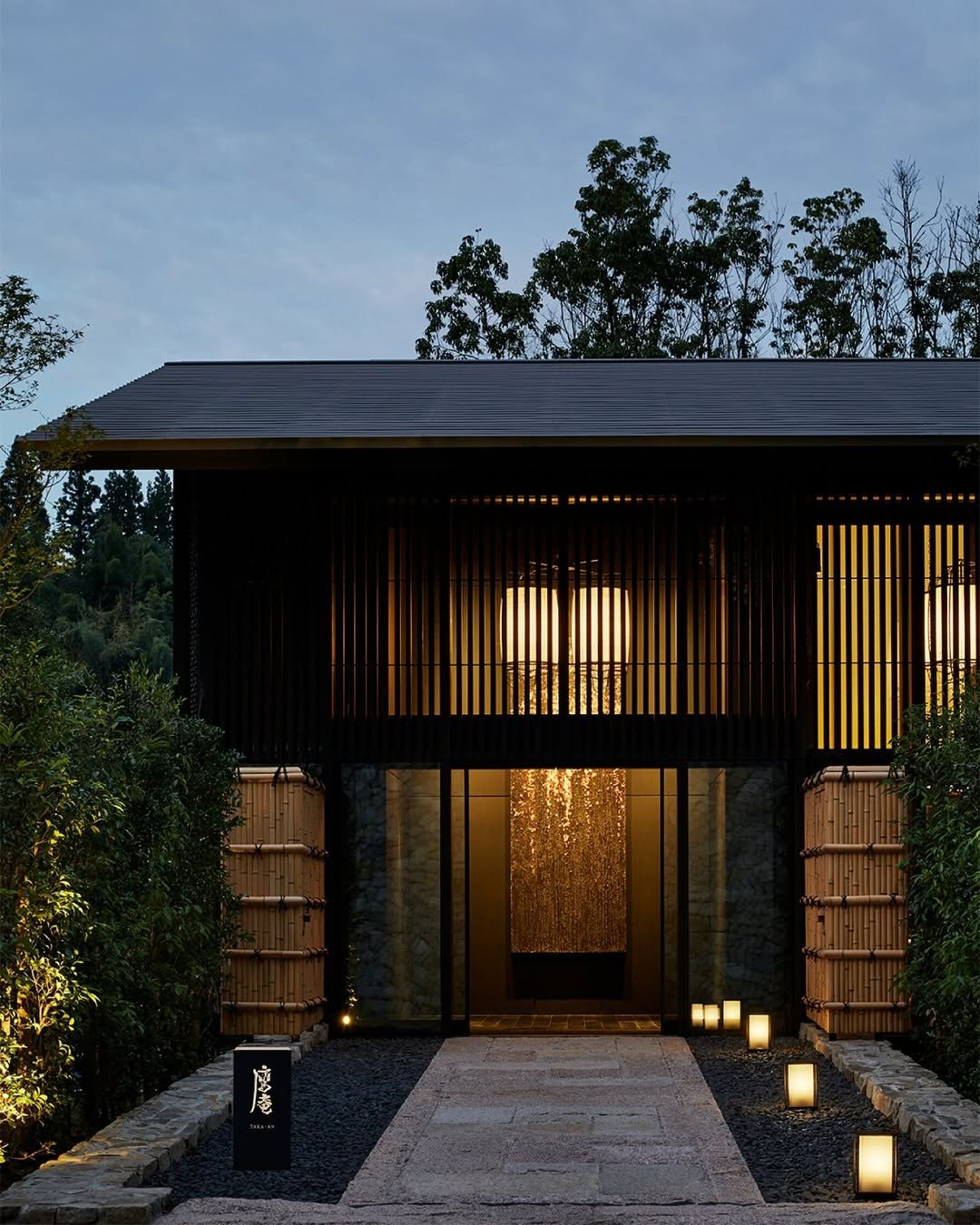
Aman Kyoto is not the hotel you book because you want to sprint around Kyoto with a color-coded sightseeing schedule and the nervous energy of a tour guide with a clipboard. This is the hotel you book when you want Kyoto to slow down, hush itself, pour you tea, and politely suggest you stop checking Google Maps every eleven seconds.
Hidden in a secluded garden at the foot of Mount Hidari Daimonji, Aman Kyoto sits close to Kinkaku-ji, the famous Golden Pavilion, but feels wonderfully removed from most of the city’s usual tourist chaos. And by “removed,” we do mean slightly inconvenient if your plan is to explore Kyoto from dawn until collapse. The location is peaceful, poetic, and very Aman — but not exactly central.
The land has its own fascinating backstory. Before becoming Aman Kyoto, it belonged to a textile proprietor who reportedly planned to turn the site into a museum before eventually selling it to Aman more than 25 years ago. That explains a lot: the property still feels less like a standard luxury hotel and more like a half-dreamed cultural retreat, where stone paths, moss, forest, and architecture all seem to be having a private conversation.
The hotel is spread across a forested estate of around 3.2 hectares, with 26 rooms and suites tucked into quiet pavilions. Only part of the grounds is accessible on foot, and you can wander the entire property in roughly 30 to 60 minutes. So no, this is not a sprawling resort where you need a golf cart, a map, and emergency snacks. It is compact, contemplative, and very controlled — a private Kyoto bubble wrapped in cedar, stone, and silence.
The overall feeling? Somewhere between a refined town hotel and a forest resort. Not quite countryside, not quite city, not quite ryokan, not quite contemporary retreat. It is a little mysterious, a little theatrical, and very beautiful — assuming, of course, that your idea of luxury involves moss, restraint, and bathtubs that smell faintly of hinoki heaven.
What is Aman Kyoto like?
Stone steps lead through what feels like a secret garden: mossy paths, sculptural slabs, tall trees, ferns, streams, and carefully framed views that make you feel as if someone has edited nature with excellent taste. The design is minimalist but never cold. Think dark wood, neutral tones, handmade panels, ceramic details, and that classic Aman ability to make empty space feel expensive.
The heart of the property is the Living Pavilion, which serves as the lobby, restaurant, bar, and social gathering space. But “social” is a relative term here. Nobody is crashing through the room in flip-flops yelling about breakfast. The atmosphere is soft, quiet, and ceremonial — smiles, bows, low voices, and a level of calm that makes you suddenly aware of how loud your own suitcase wheels are.
The architecture was designed by Kerry Hill Architects, the studio also associated with other Aman properties, including Aman Tokyo and Amanemu. The look is unmistakably Aman: clean lines, natural materials, disciplined restraint, and just enough traditional Japanese influence to feel rooted in Kyoto without turning into a costume drama.
It is a setting for travelers who love Japanese aesthetics, contemporary design, and the particular kind of silence that makes you whisper even when nobody asked you to.
What are the rooms like at Aman Kyoto?
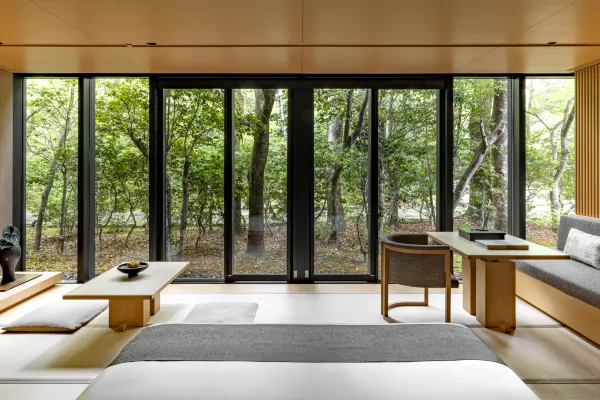
The rooms are the strongest reason to stay here. During our recent March 2026 stay, a Nara room cost around 360,000 yen per night, with rates more commonly sitting somewhere around 450,000 to 650,000 yen depending on the season. So yes, this is the kind of hotel price that makes you look at your bank app, then the ceiling, then back at your life choices.
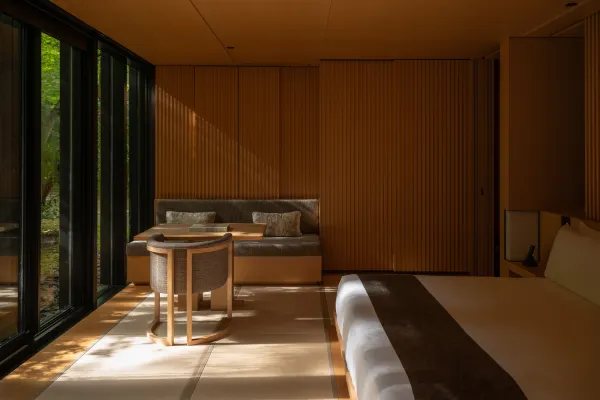
But the rooms are superb. The Nara room offers around 60 square meters of living space, with the signature Aman aesthetic: spare, elegant, perfectly maintained, and deeply soothing. Rooms are arranged so that two guest rooms share each separate building, giving the stay a strong sense of privacy without making you feel completely abandoned in the woods.
Inside, expect fine tatami-style textures, sliding partitions, washi paper screens, large shōji-inspired elements, and a soft palette of greige, beige, gray, black, and warm wood tones. Nothing shouts. Nothing sparkles. Nothing tries too hard. It is all very quiet, very polished, and very “we definitely paid attention to this corner for six months.”
One of the loveliest details is the private Japanese hinoki wood bath. It takes time to fill, but once it does, the scent of cypress turns the whole ritual into a small domestic ceremony. Add the welcome snacks, the forest views, and the careful housekeeping, and the room becomes less of a place to sleep and more of a very expensive argument for doing absolutely nothing.
The room experience deserves a very high score — around 9.5/10. This is Aman doing what Aman does best: calm, texture, space, and immaculate restraint.
Aman Kyoto: Which room should you book?

If you want the full “Kyoto forest hideaway” feeling without jumping straight to the largest pavilion, the Nara room is a strong choice. It gives you generous space, a private hinoki bath, and that cocooned Aman atmosphere without needing to book one of the top-tier accommodations.
For maximum seclusion, the Washigamine Pavilion is the showpiece. Designed more like a private residence than a hotel room, it offers around 240 square meters, two bedrooms, and views stretching toward Mount Hiei in the distance. It sits on the highest part of the property and is the one to book if your travel style is less “nice hotel stay” and more “temporary forest emperor.”
Aman Kyoto: What makes the difference?
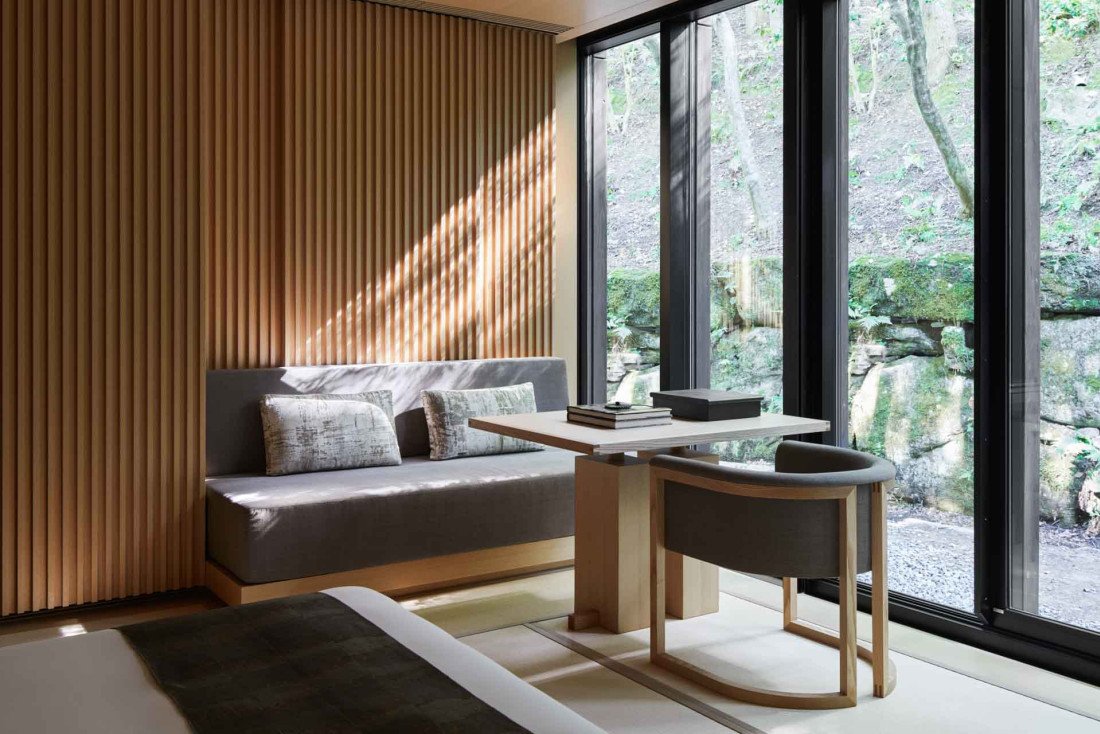
Aman Kyoto’s magic is not about grand spectacle. There is no dramatic city skyline, no lobby waterfall behaving like it has an agent, no “look at me” design moment screaming across Instagram. The magic is quieter: the way the pavilions sit among the trees, the way the stone paths curve through moss, the way the interiors borrow from traditional ryokan aesthetics without becoming fussy or nostalgic.
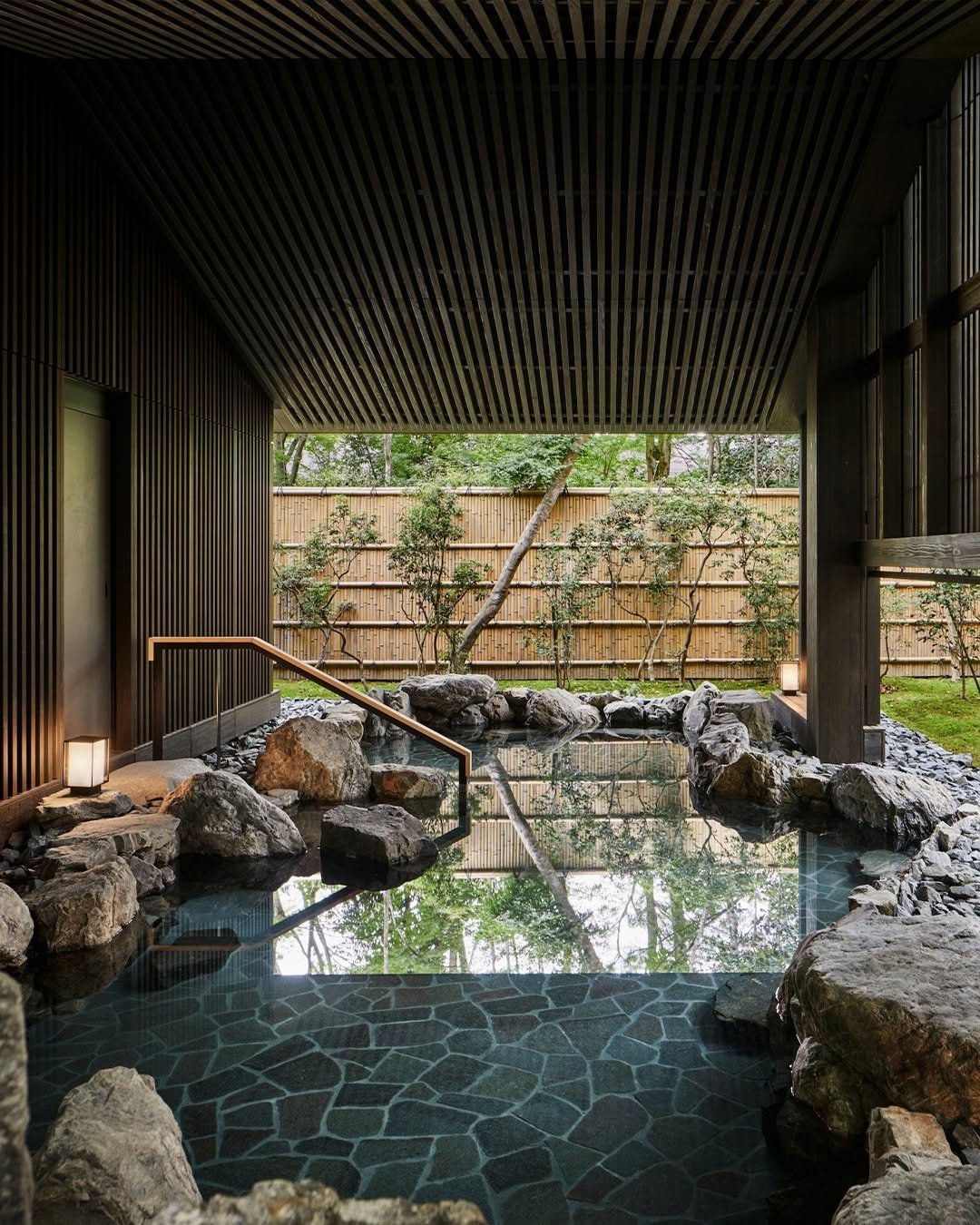
The atmosphere is easily one of the hotel’s strongest points — around 9/10. With just 26 rooms and suites, the property feels intimate and hushed. There is an indoor and outdoor public onsen, and guests can also reserve the bathing area for private use. This is a major plus if you want the onsen experience without accidentally making intense eye contact with strangers while naked. We support privacy. Strongly.
The hotel also recently opened Senkutsu, a tea house where guests can enjoy matcha and light snacks. Private matcha preparation sessions are available too, which fits the property beautifully. Here, tea is not just tea. It is a mood, a ritual, and possibly the gentlest way to be reminded that you should slow down before Kyoto eats you alive.
Dining at Aman Kyoto
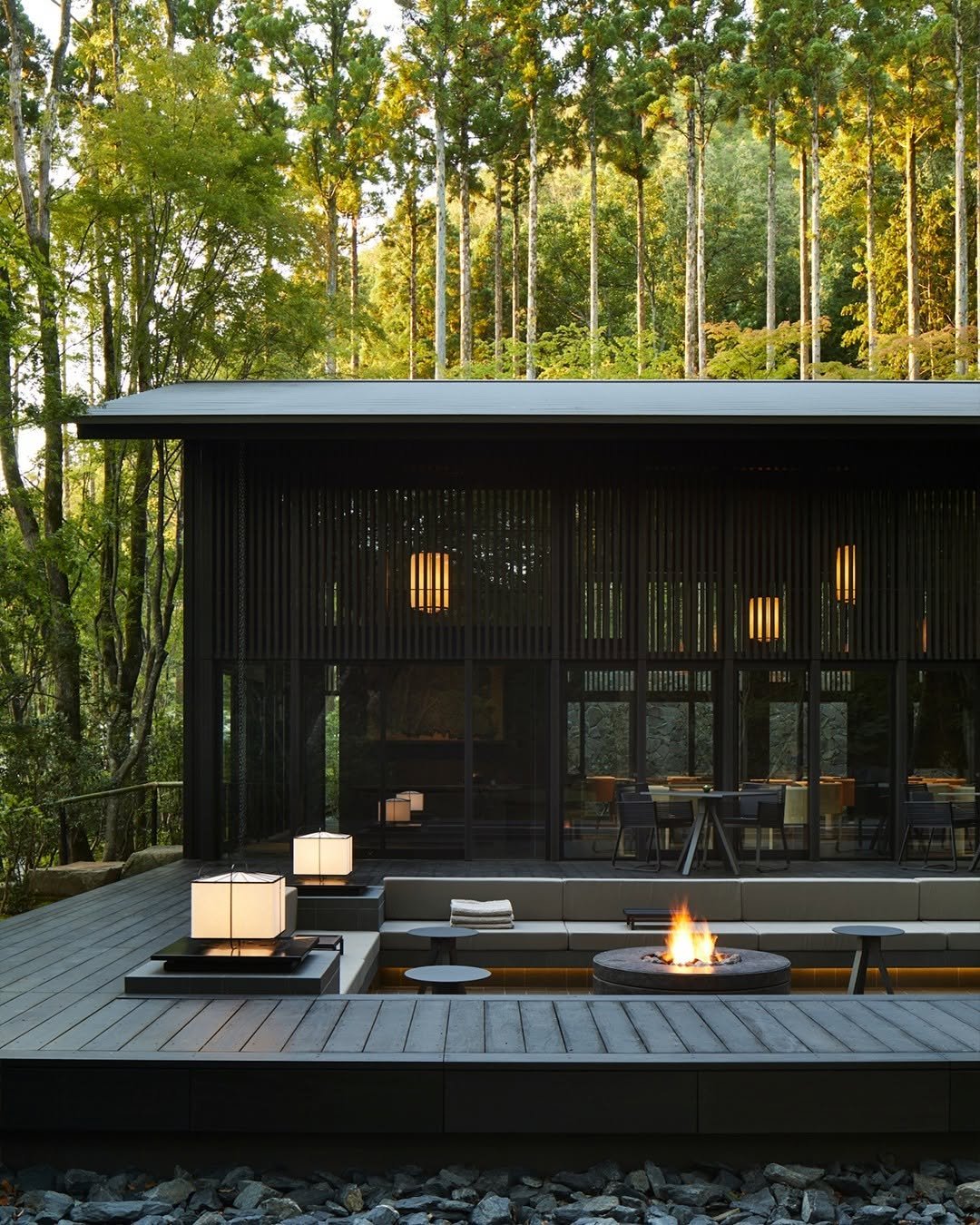
Aman Kyoto has two main dining venues: Taka-An, focused on refined Japanese cuisine, and the Living Pavilion, which offers a more relaxed dining experience inspired by Kyoto’s local food culture. Even if you do not eat dinner at either restaurant, breakfast is a polished affair — the kind of high-end Japanese hotel breakfast that makes rice, miso soup, pickles, grilled fish, and tea feel like an edible meditation.
Breakfast is very good, if not wildly surprising. Think elegant, balanced, beautifully presented, and deeply appropriate to the setting. Complimentary evening appetizers and drinks may also be offered, which is a welcome touch when you have already spent enough on the room to make your credit card breathe into a paper bag.
Dining scores around 8/10: refined, atmospheric, and very much in tune with the property, though not necessarily the single biggest reason to stay here.
Is Aman Kyoto in a good location?
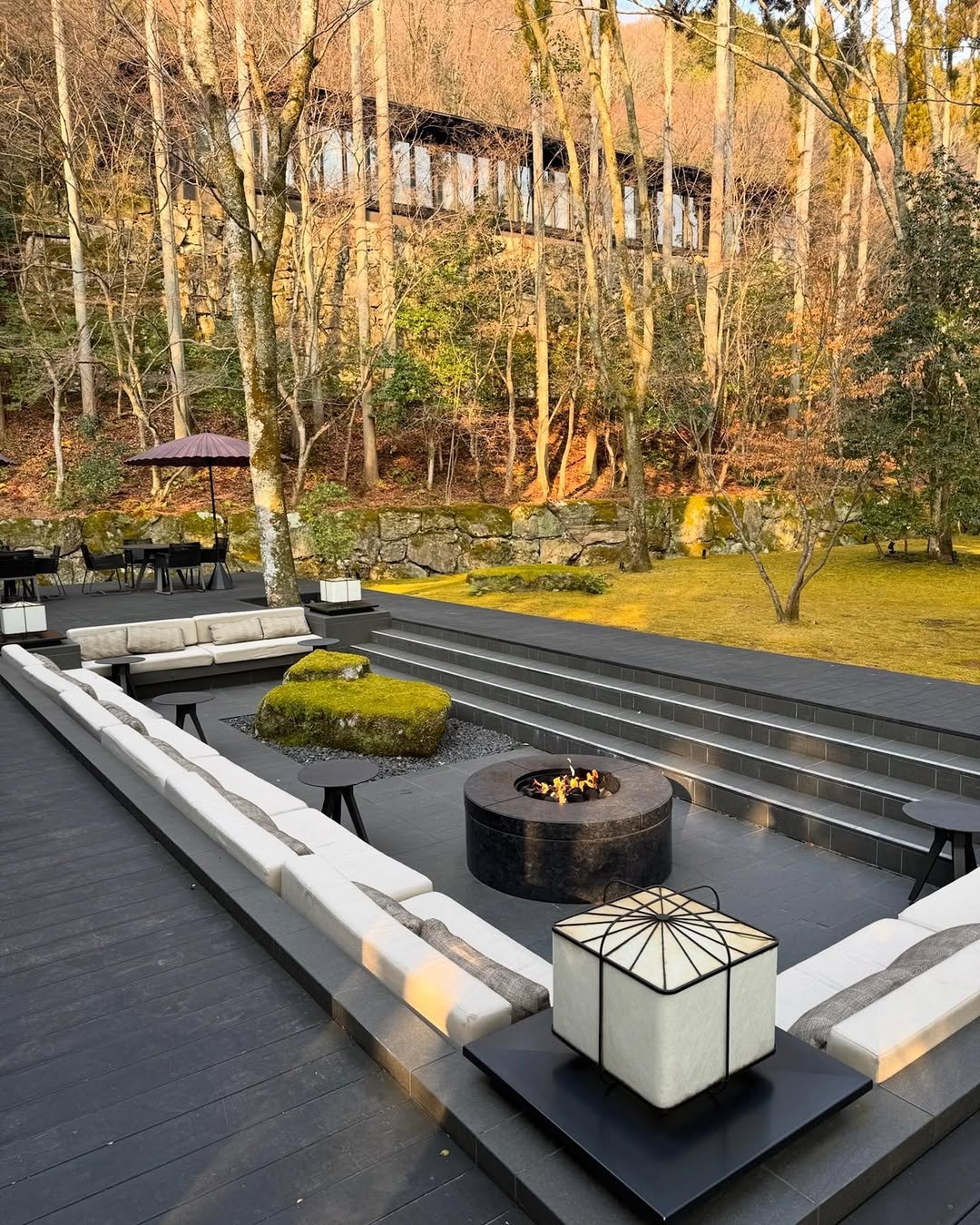
This is where we need to be honest. Aman Kyoto’s location is beautiful, but it is not the most practical base for exploring Kyoto. It works well if you want to visit Kinkaku-ji, Ryoan-ji, or other sights in northern Kyoto. But if your itinerary is heavy on Gion, Higashiyama, Nishiki Market, Fushimi Inari, Arashiyama, or central Kyoto restaurants, you will spend a lot of time in taxis.
So the location gets around 6/10. Not because it is bad — it is stunning — but because it is inconvenient for first-time visitors who want to see everything. This is not the hotel we would choose as our only Kyoto base for a packed sightseeing trip. It is better as a final splurge, a two-night decompression stay, or a “we came here to disappear elegantly” kind of escape.
How to get to Aman Kyoto
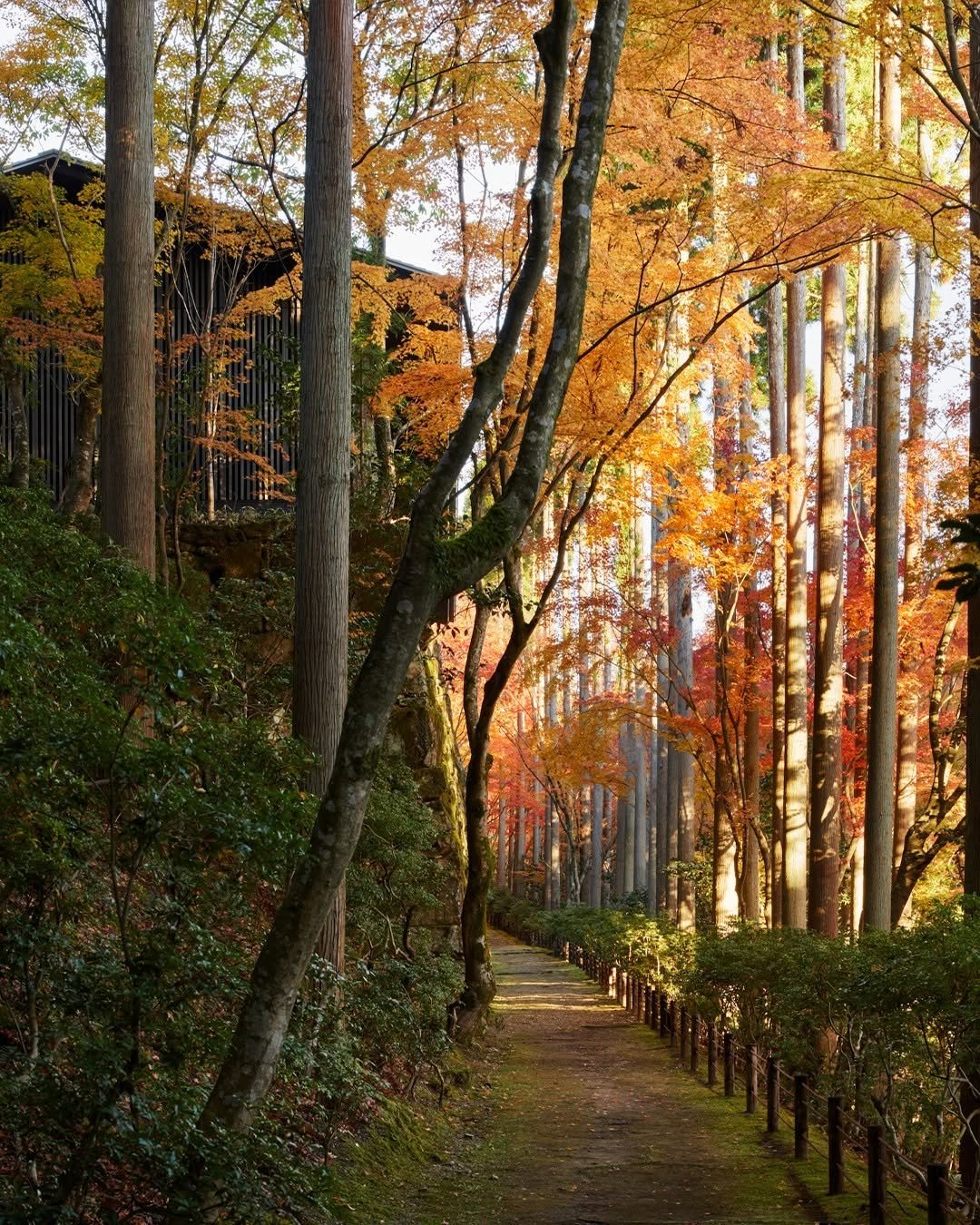
Aman Kyoto is roughly 30 minutes by car from Kyoto Station, depending on traffic. From Kansai International Airport, you can travel by train to Kyoto and then continue by taxi, or arrange a private transfer. Expect the full journey from Kansai International Airport to take around 90 minutes by express train plus the final transfer, or closer to two hours by car depending on conditions.
In other words: arrive, surrender, and let someone else handle the logistics if your budget allows. Aman Kyoto is not difficult to reach, exactly, but it is not the sort of place where you casually roll up with three suitcases after changing subway lines twice.
5 things to love about Aman Kyoto
- The rooms are exceptional. Spacious, calm, perfectly maintained, and filled with quiet Japanese design details, they are the real star of the stay.
- The private hinoki bath is a dream. The scent of cypress turns bathing into a ritual rather than just something you do because you walked too much.
- The onsen adds serious atmosphere. Aman Kyoto has indoor and outdoor bathing areas, with the option to reserve them privately.
- The new Senkutsu tea house gives the property another layer of Kyoto elegance. Matcha, light snacks, and private tea preparation sessions fit the whole forest-retreat mood perfectly.
- The hotel feels genuinely different from most Kyoto luxury stays. It is not just another polished city hotel. It is secluded, meditative, and deeply tied to its landscape.
Aman Kyoto: What you need to know before booking
Aman Kyoto is beautiful, atmospheric, and deeply calming — but it is not perfect for everyone. If this is your first trip to Kyoto and you want to see five temples, two markets, three restaurants, and a bamboo grove before dinner, the location may frustrate you. The hotel is simply too far from many of Kyoto’s main sightseeing areas to be the most efficient base.
But if you want privacy, design, forest bathing, slow mornings, onsen time, matcha, and the feeling that Kyoto has been distilled into moss, wood, stone, and silence, Aman Kyoto is extraordinary.
Overall, it lands around 8/10. The rooms are superb. The atmosphere is unique. The setting is memorable. The price, however, is extremely high, and the location is inconvenient if sightseeing is your priority. We would book it as a special occasion stay, a luxury retreat, or the final chapter of a Kyoto itinerary — not necessarily as the practical headquarters for your entire trip.
WATCH BEFORE YOU BOOK:
| Aman Kyoto Best for: Luxury travelers, design lovers, couples, slow travel, private retreats, and anyone who wants Kyoto with fewer crowds and more moss. Not ideal for: First-time Kyoto visitors who want a central base for fast-paced sightseeing. Rooms: 24 suites and 2 two-bedroom pavilions. Recent price: Around 360,000 yen per night in March 2026 for a Nara room, with typical seasonal rates often around 450,000 to 650,000 yen per night. Address: 〒603-8481 Kyoto, Kita Ward, Okitayamawashiminecho, 1 Okitayama Washimine-Cho |
FAQs: Aman Kyoto
Is Aman Kyoto worth it?
Aman Kyoto is worth it if you want a deeply peaceful, design-led luxury stay surrounded by forest, mossy paths, private-feeling pavilions, onsen bathing, and Kyoto-style quiet. It is less ideal if you mainly want a practical base for sightseeing, because the location is quite secluded and taxis will become your new personality trait.
Where is Aman Kyoto located?
Aman Kyoto is located in northern Kyoto, at the foot of Mount Hidari Daimonji, close to Kinkaku-ji, also known as the Golden Pavilion. The setting is beautiful and tranquil, but it is far from many of Kyoto’s most popular sightseeing areas, including Gion, Higashiyama, Nishiki Market, and Fushimi Inari.
Is Aman Kyoto close to Kyoto Station?
Aman Kyoto is around 30 minutes by car from Kyoto Station, depending on traffic. It is not the sort of hotel where you casually hop in and out between sightseeing stops, so it works best if you are happy to use taxis or private transfers.
Is Aman Kyoto good for first-time visitors to Kyoto?
Aman Kyoto can be magical for first-time visitors, but it is not the most convenient first Kyoto base. If you want to pack your days with temples, food streets, markets, shopping, and evening walks in Gion, a more central hotel may be easier. Aman Kyoto is better as a final splurge, slow retreat, or special-occasion stay.
What are the rooms like at Aman Kyoto?
The rooms at Aman Kyoto are spacious, minimalist, and beautifully maintained, with a calm Japanese aesthetic, natural materials, soft neutral tones, and generous living space. Some rooms, such as the Nara room, include around 60 square meters of space and a private Japanese hinoki wood bath.
Does Aman Kyoto have an onsen?
Yes, Aman Kyoto has indoor and outdoor onsen bathing areas. Guests may also be able to reserve the bathing area for private use, which makes the experience feel even more relaxing and intimate.
What is the best room to book at Aman Kyoto?
The Nara room is a strong choice if you want a spacious, elegant room with the signature Aman atmosphere and a private hinoki bath. For a bigger splurge, the Washigamine Pavilion is the standout option, with two bedrooms, around 240 square meters of space, and a more secluded position on the property.
How expensive is Aman Kyoto?
Aman Kyoto is very expensive, even by Kyoto luxury hotel standards. A recent February 2026 stay in a Nara room was around 360,000 yen per night, while seasonal rates may often sit around 450,000 to 650,000 yen per night. This is a serious splurge, not a casual “we deserve a nice bed” booking.
Does Aman Kyoto have a tea house?
Yes, Aman Kyoto recently opened Senkutsu, a tea house where guests can enjoy matcha and light snacks. Private matcha preparation sessions may also be available, which fits the hotel’s quiet, traditional, and deeply Kyoto atmosphere beautifully.
How many rooms does Aman Kyoto have?
Aman Kyoto has 26 accommodations in total, including 24 suites and 2 two-bedroom pavilions. This small scale is part of the appeal: the property feels intimate, private, and far removed from the usual Kyoto hotel bustle.
Can you walk around the whole Aman Kyoto property?
You can explore the accessible parts of Aman Kyoto in roughly 30 to 60 minutes. The property spans around 3.2 hectares of forest, but only part of the grounds is open for guests to walk through.
Who should stay at Aman Kyoto?
Aman Kyoto is best for luxury travelers, couples, design lovers, slow travelers, wellness-focused visitors, and anyone who wants a peaceful Kyoto retreat rather than a central sightseeing base. Come here for moss, silence, tea, onsen, and rooms that make you want to cancel your plans. Honestly, fair.
- 14 Best Day Trips From Kyoto: Hot Springs, Castles, Lakes and Easy Escapes
- What to Do in Gion Kyoto in 2026: Beautiful Streets, Shrines and Local Experiences

- Where To Eat In Kyoto (2026): 20 Famous Restaurants Perfect for Lunch or Dinner

- Best Bars In Kyoto (2026): 11 Sensational Spots to Experience

- What To Do in Kyoto (2026): Best Things to Do, Itinerary & Visiting Tips
