

Travel writing based on first-hand experience
Nara may be famous for deer, temples, and the occasional overly confident cracker thief, but it is also a very good place to arrive hungry.
Between Todai-ji Temple, Nara Park, and the old streets of Naramachi, we can stop for fluffy kakinoha sushi, bowls of noodles, tofu dishes, mochi, matcha desserts, and small local snacks that are easy to eat between sightseeing stops. This guide covers where to eat in Nara Japan, from quick street-food breaks to relaxed sit-down restaurants worth building into the itinerary.
Eating your way around Nara and Kansai? Read these next
Table of Contents
Where to eat in Nara Japan: Top Places with Local Food
1. Kitamachi Tofu Tengaimon Main Store: Soy Milk Sweets Near Todai-ji Temple
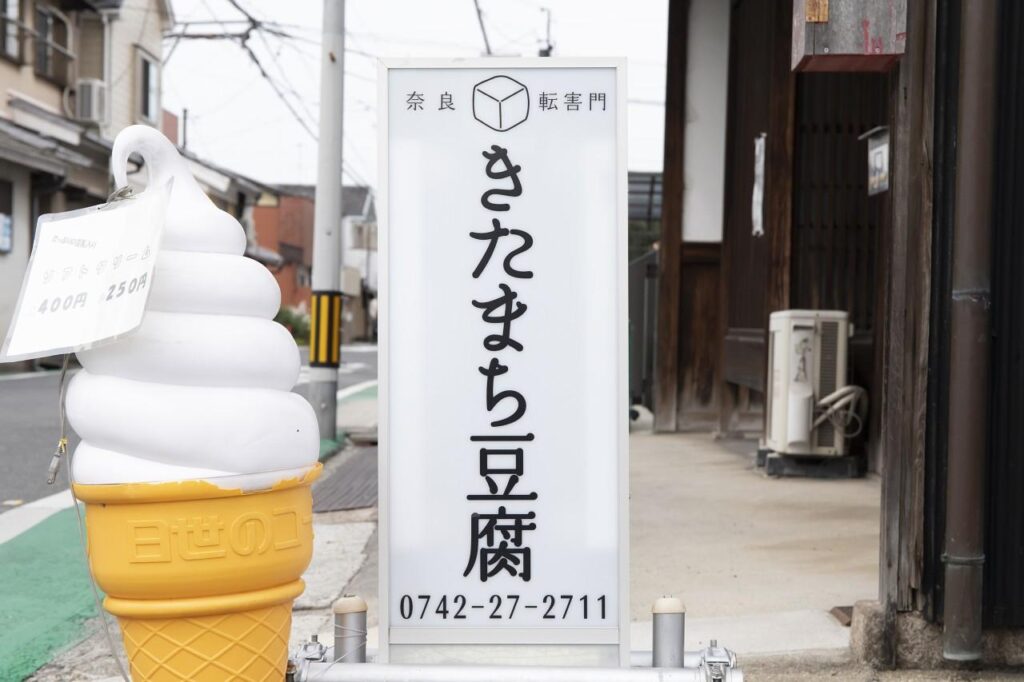
Let us begin with something light, freshly made, and surprisingly satisfying. Kitamachi Tofu Tengaimon Main Store is a small tofu shop located in front of the Tengaimon Gate of Todai-ji Temple. It opened in 2013 and specializes in tofu, fried tofu, and simple soy-based snacks made with domestically grown soybeans.
The selection goes beyond the standard firm and silken varieties. Depending on the day, you may also find more distinctive products such as Yamato yam oboro tofu and green soybean oboro tofu. The business also continues the increasingly rare tradition of selling products from a mobile vendor vehicle, bringing fresh tofu directly into local neighborhoods.
Try the Soy Milk Okara Donuts
The easiest snack to eat while walking is the shop’s soy milk okara donut. Fresh from the fryer, it is crisp on the outside and pleasantly chewy in the middle, with a gentle sweetness and a subtle roasted-soybean aroma.
The donuts stay soft after cooling, which makes them an easy souvenir to take back to your hotel. Warm them briefly in a toaster later and the outside becomes crisp again, almost as if you had just picked them up from the shop.
Soy milk okara donuts: ¥120 each

Cool Down With Soy Milk Soft Serve
From April to November, the shop also serves soy milk soft-serve ice cream. Owner Yosuke Yabuta jokes that it probably contains more soy milk than the average soy milk ice cream, and you can taste the difference immediately. The flavor is rich but not heavy, with a smooth texture that melts quickly in the mouth.
A large cone works well when you are genuinely hungry. The smaller serving is useful when you still have several Nara snacks waiting ahead of you. This food walk is a marathon, not a heroic sprint toward digestive regret.
Soy milk soft serve: ¥400 for a large serving or ¥250 for a small serving
- Address: 75 Higashihoenaga-cho, Nara City, Nara Prefecture
- Telephone: 0742-27-2711
- Opening hours: 10:00 AM–6:00 PM
- Closed: Wednesday
- Website: kitamachitofu.com
2. Sakura Burger: A Hearty Lunch With Homemade Smoked Bacon
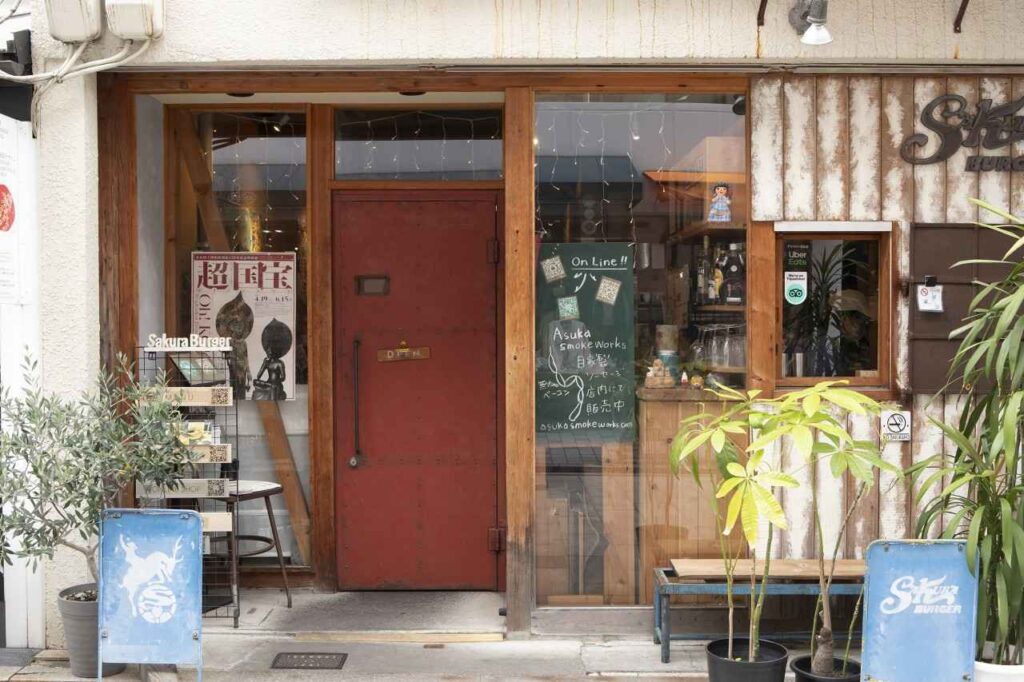
After warming up with a donut, it is time for a proper lunch. Sakura Burger is one of the best places in central Nara when you want something substantial enough to keep you walking through temples, shopping streets, and deer-filled parks for the rest of the afternoon.
The word “sakura” in the name does not refer to cherry blossoms. It comes from the sakura wood chips used to smoke the restaurant’s bacon and sausages. Owner Junji Yamato originally smoked everything inside the restaurant, but the products became so popular that the business eventually built a separate smokehouse in Asuka Village.
Order the Sakura Full Bloom Burger
The top recommendation is the generously stacked Sakura Full Bloom Burger. It arrives loaded with homemade bacon, a domestic-beef patty, cheese, and avocado.
The bacon is not an afterthought quietly hiding beneath the bun. It is thick, smoky, salty, and deliberately impossible to ignore. The restaurant uses pork belly with a careful balance of lean meat and fat, giving the bacon enough flavor and texture to hold its own against the burger patty.
Some diners begin by eating the strips of bacon peeking dramatically out of the side. Others attempt to take one enormous bite of the entire burger and hope for the best. Either approach is valid.
The burger comes with homemade tartar sauce, while tomato sauce is served separately so you can add as much or as little as you like.
Sakura Full Bloom Burger: ¥1,680
Classic hamburgers: from ¥1,100
Hamburgers are available for both dine-in and takeaway orders, and each one comes with a medium serving of fries.
The Bun Was Made Specifically for This Burger
The buns are an original creation developed with a bakery in Kizugawa, Kyoto. The bakery went through 15 prototypes before finding the right texture. The final bun is firm enough to support the substantial fillings without collapsing halfway through lunch, but still soft enough to melt easily in the mouth.
Nara Cider: ¥550, or ¥450 when ordered as part of a set
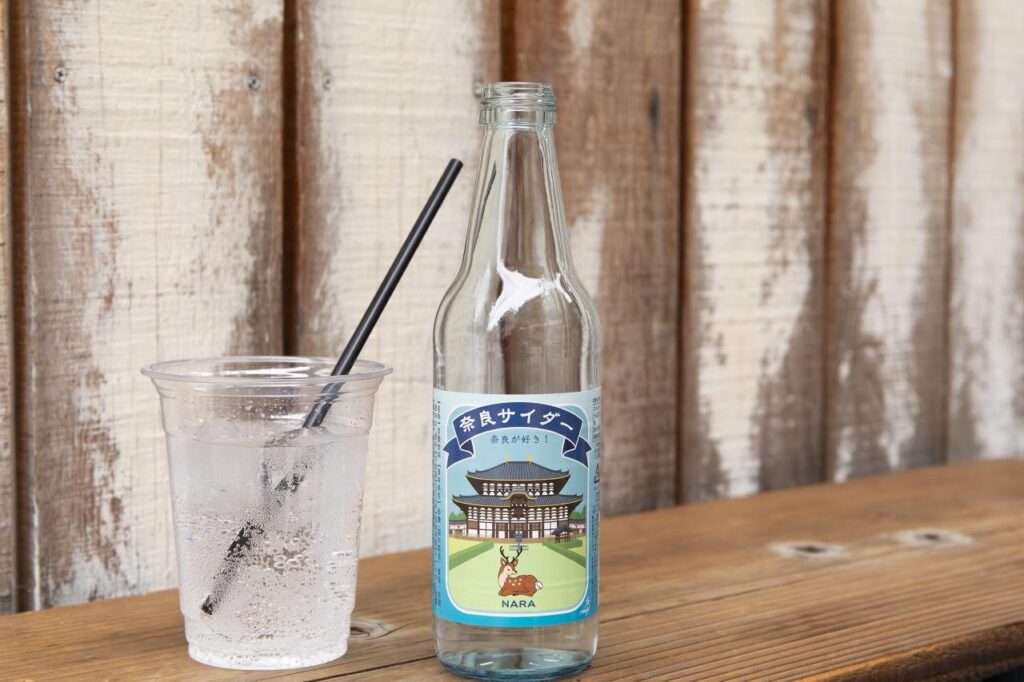
The menu also includes hot dogs, sandwiches, and snacks that pair well with drinks. When the day allows it, sitting down with a Sakura Beer and a smoked-bacon burger at lunchtime is a particularly enjoyable way to abandon any overly ambitious sightseeing schedule.
- Address: 6 Higashimukai Kitamachi, Nara City, Nara Prefecture, inside Higashimukai Kitamachi Shopping Street
- Telephone: 0742-31-3813
- Opening hours: 9:00 AM–6:00 PM, with last orders at 5:30 PM
- Closed: Wednesday and Thursday
- Website: sakuraburger.com
3. Château d’Or: A Giant Buddha-Shaped Sweet Bean Bun
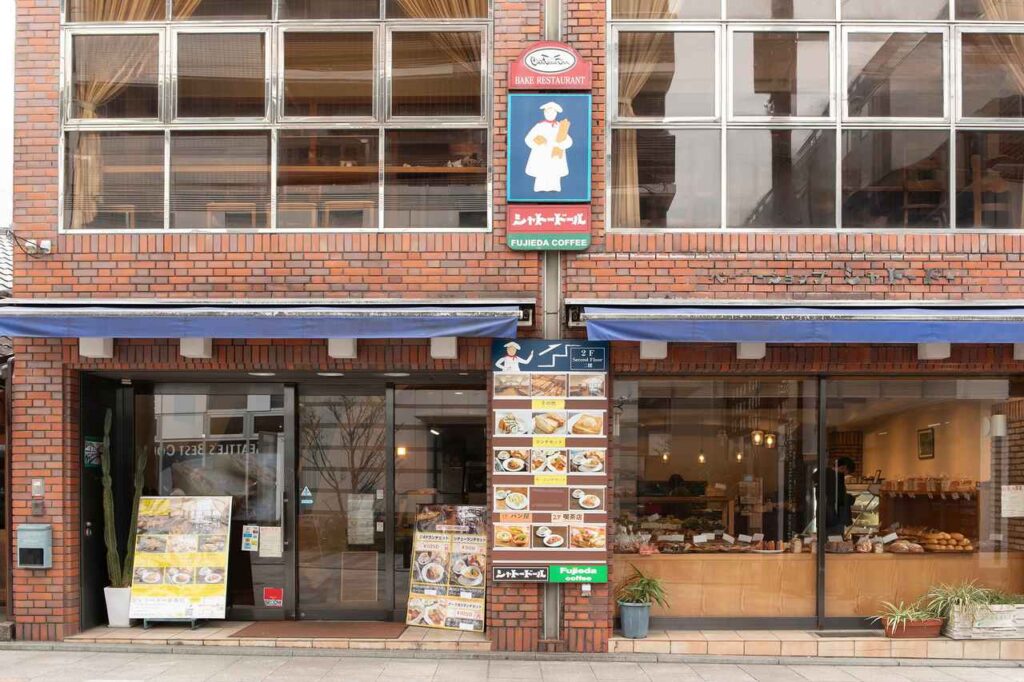
Château d’Or is a long-running Nara bakery conveniently located beside Kintetsu Nara Station. With around 50 years of history and approximately 80 types of bread baked using a slow-fermentation method, it has become a dependable local stop for affordable snacks, generous portions, and easy souvenirs.
Take Home a Daibutsu Anpan
The bakery’s most memorable creation is the Daibutsu Anpan, a large sweet bun shaped like Nara’s Great Buddha. It is more than twice the size of a typical anpan and contains an impressive 200 grams of red bean paste.
Despite its size, the bun is surprisingly easy to eat. The filling is made with carefully simmered Hokkaido-grown adzuki beans and has a refined sweetness rather than an overpowering sugar hit. The thin, fragrant dough keeps the balance right, while poppy seeds scattered across the top add a subtle crunch.
Daibutsu Anpan: ¥356 each
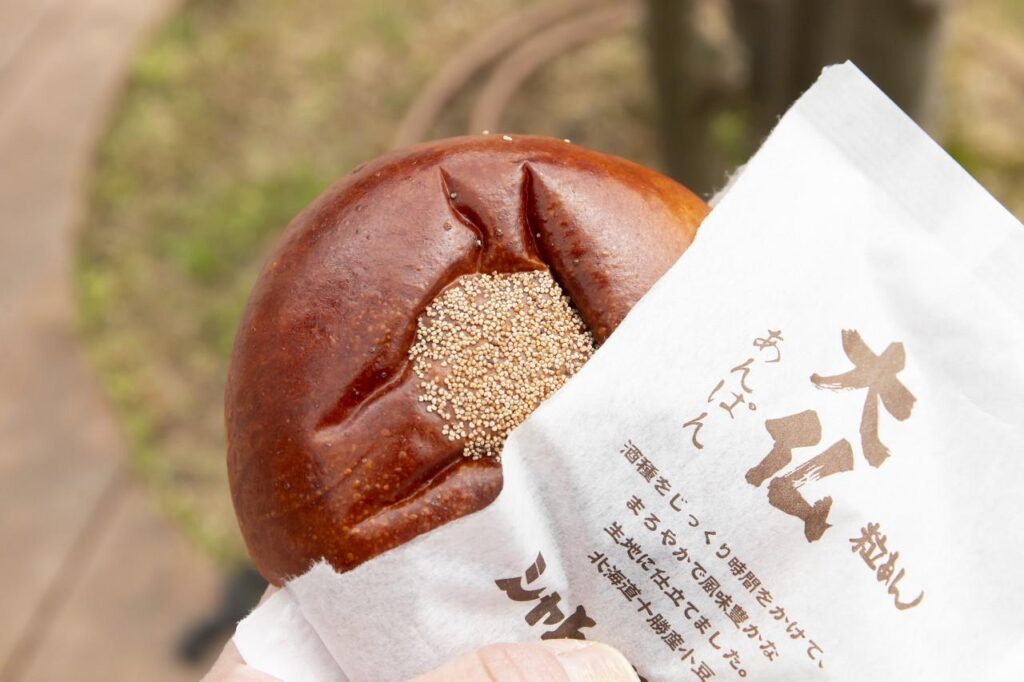
The bakery also sells giant cookies, rusks, chiffon cakes, cheesecakes, canelés, and other baked treats that travel well. You can sit down inside the shop for bread and homemade Western-style dishes, but this is also an easy place to collect edible souvenirs shortly before catching a train.
Château d’Or operates several locations in Nara, including the main store and the Mochidono store. The business also runs a hotel, making it possible to stay close to the station if convenience is your main priority.
- Address: 39 Konishi-cho, Nara City, Nara Prefecture
- Telephone: 0742-26-6858
- Opening hours: 8:00 AM–10:00 PM
- Closed: No regular closing day
- Website: chateau-dor-nara.com
4. Nakatani-do: Famous High-Speed Mochi Pounding in Central Nara

You may hear Nakatani-do before you see it. The shop is famous for its rapid-fire mochi pounding, accompanied by rhythmic shouts and the unmistakable thud of freshly steamed rice being worked at impressive speed.
The aroma of mugwort drifts from the storefront, a queue begins to form, and suddenly an ordinary walk through central Nara turns into a small street-food spectacle.
Nakatani-do was founded in 1992 by Mitsuo Nakatani, who wanted to introduce visitors to the mugwort mochi traditionally eaten in his hometown of Kamikitayama Village in the Yoshino District.
The Speed Is Not Just for Show
The high-speed pounding is entertaining to watch, but it is not merely a performance for tourists. The freshly steamed glutinous rice must be worked while it is still hot. Pounding it quickly helps create the soft yet pleasantly chewy texture that makes the shop’s yomogi mochi so distinctive.
Mr. Nakatani still takes part in the pounding himself. On busy days, the team prepares as many as 3,000 pieces of mugwort mochi and pounds fresh batches roughly 30 times throughout the day.
The ingredients are carefully chosen: Hiyokumochi rice from Saga Prefecture, high-quality adzuki beans from Tokachi in Hokkaido, domestically produced kinako roasted soybean flour, and young mugwort shoots from Uwajima in Ehime Prefecture.
Yomogi mochi: ¥200 each
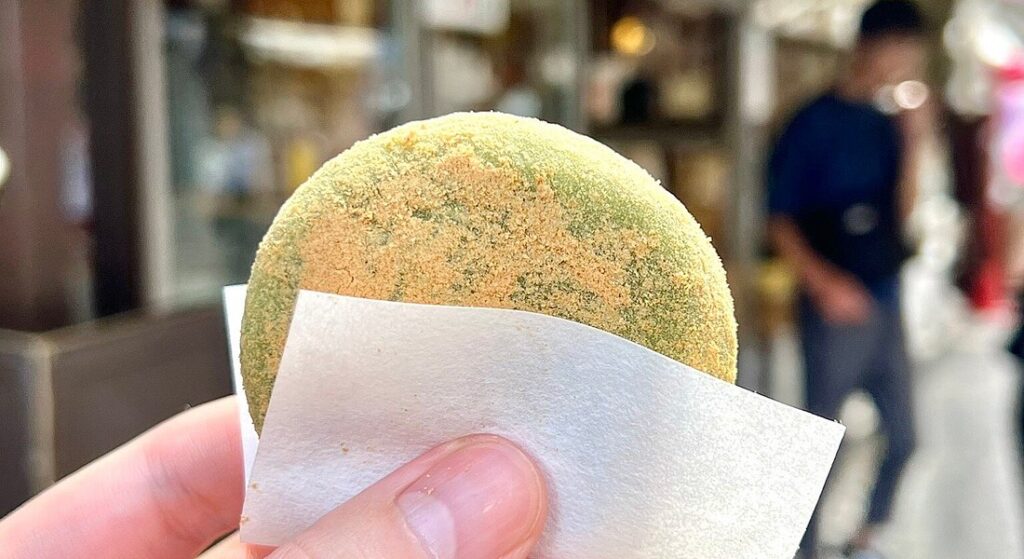
The finished mochi is handed to you while it is still warm. The outer layer is wonderfully soft, the red bean filling melts easily in the mouth, and the earthy aroma of mugwort works beautifully with the simple nuttiness of the kinako powder.
The queue can look intimidating, but service is usually fast. Join the line, watch the pounding, and eat the mochi while it is still fresh. This is not the snack to save for later.
- Address: 29 Hashimoto-cho, Nara City, Nara Prefecture
- Telephone: 0742-23-0141
- Opening hours: 10:00 AM–7:00 PM, although the shop may close earlier if products sell out
- Closed: Irregular holidays
- Website: nakatanidou.jp
5. Uoman: Freshly Fried Satsuma-Age Fish Cakes

The smell of freshly fried satsuma-age drifting from the storefront makes Uoman difficult to walk past. The shop began in 1901 as a specialist kamaboko fish-cake business and has since expanded into department stores and commercial facilities across Nara Prefecture.
Uoman still has the feel of a trusted local institution rather than a polished souvenir shop. Alongside fish cakes, you will find simmered seafood, preserved vegetables, and other delicacies that work well as small edible gifts.
Choose From Around 20 Street-Food-Friendly Varieties
The shop focuses on high-quality ingredients and freshly made products. Fish paste is prepared with carefully selected fish, then steamed, kneaded, and fried inside the store each day.
At the main branch, you can choose from around 20 varieties designed for easy snacking. Some are served on skewers, while others come in convenient cups that you can eat while exploring Naramachi.
The NeRi Ball cup includes three flavors, such as basil cheese and buttered corn.
NeRi Ball: ¥500 per cup
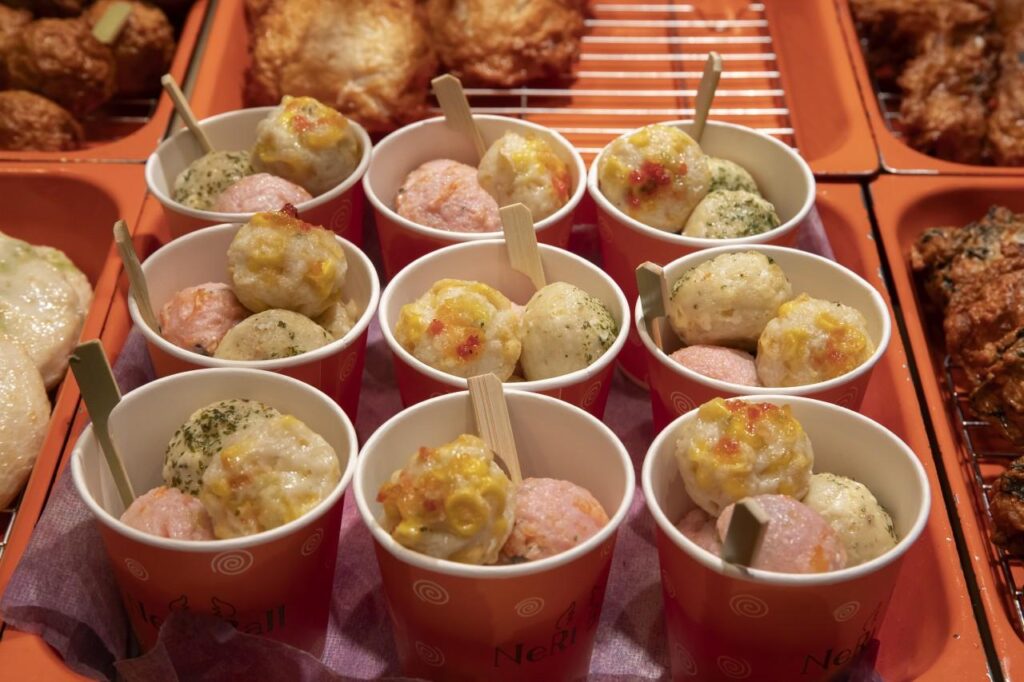
Other options include onion tempura, okonomiyaki-style tempura, wakame seaweed with corn, and cheese rolls shaped almost like miniature nori rolls. Choosing only one is the difficult part.
Try the Long-Running Butter Potato
One of the shop’s most enduringly popular products is the Butter Potato, which has been sold for around 25 years. It takes the comforting combination of potatoes and butter and gives it a fish-cake twist.
Thin strips of potato and generous amounts of Hokkaido butter are mixed into the dough. The fluffy potato contrasts with the chewy fish paste, while a crisp samosa-style wrapper adds a final layer of crunch.
Seasonal specials also appear throughout the year, sometimes featuring ingredients such as bamboo shoots or playful truffle-chocolate-inspired combinations. Even if you think you already understand fish cakes, Uoman may prove otherwise.
Before leaving, browse the preserved foods and simmered delicacies displayed around the shop. Many are reasonably priced, and samples are sometimes available to help you find something worth taking home.
- Address: 16 Mochidono-cho, Nara City, Nara Prefecture
- Telephone: 0742-22-3709
- Opening hours: 9:00 AM–6:00 PM
- Closed: New Year holidays and occasional irregular closures
- Website: uoman.jp
6. TABI Coffee Roaster: A Coffee Break Inside a Retro Market
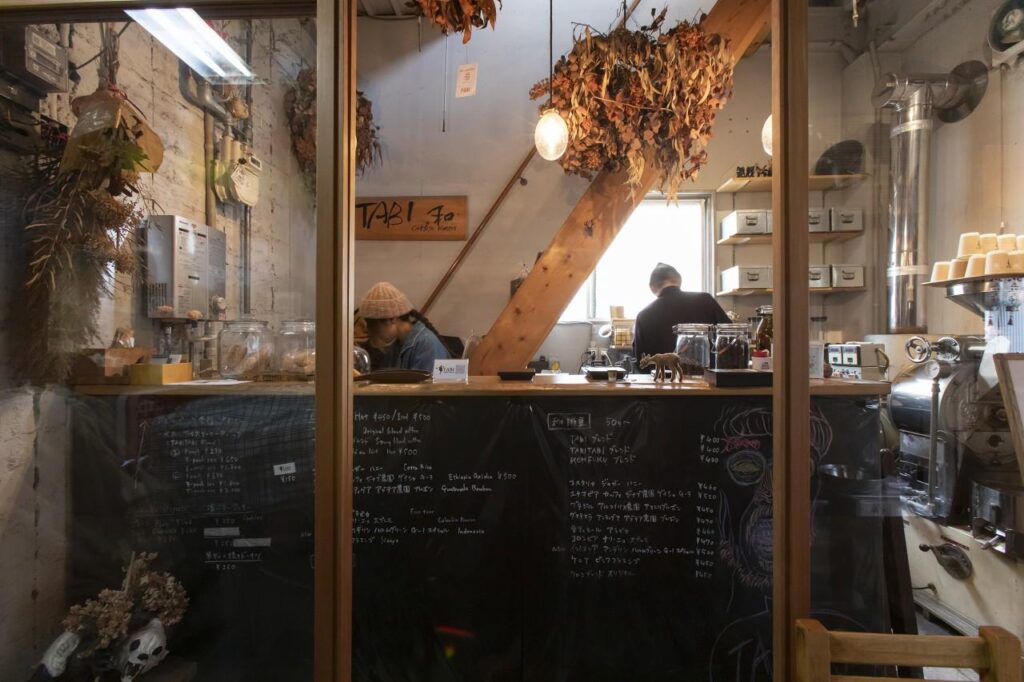
By this point, a coffee stop is not merely a pleasant idea. It is a strategic decision.
TABI Coffee Roaster is tucked inside a narrow retro market arcade with more than a century of history. In the middle of the compact passageway, the small coffee stand glows warmly against the timeworn surroundings.
Owner Koji Tabiki spent 11 years developing his roasting skills at Coffee House Kyoroko, one of the pioneers of in-house coffee roasting in Nara. When he and his wife, Yuko, opened TABI Coffee Roaster in 2017, he brought along the roasting machine previously used at the café.
Yuko also prepares homemade baked donuts and biscotti, which pair neatly with the coffee when one snack somehow leads to another.
Coffee Roasted the Analog Way
The old Fuji Royal roasting machine is analog rather than digital. That means the roasting level must be adjusted carefully according to the temperature and humidity of the day. Achieving a consistent flavor takes experience, attention, and considerably more patience than pressing a button.
The beans are hand-sorted both before and after roasting to remove any defective pieces that could introduce unwanted flavors.
Start With the TABI Blend
The menu includes four blends and eight single-origin coffees. The most popular choice is the TABI Blend, which combines four varieties of beans, primarily from Brazil, alongside beans from Ethiopia, Indonesia, and Colombia.
The result is refreshing and easy to drink, with a balanced level of acidity and bitterness. The stand attracts both travelers and local regulars, many of whom return to buy beans for home brewing.
Drink one cup here, then take a bag of roasted beans home. It is a pleasantly low-effort way to bring part of the trip back with you.
- Address: 5 Tsubakii-cho, Nara City, Nara Prefecture
- Telephone: 0742-93-6133
- Opening hours: 12:00 PM–6:00 PM; Sunday 12:00 PM–5:00 PM
- Closed: Wednesday and the first and third Sunday of each month
- Instagram: @tabi_coffeeroaster
7. Bambuno: Vegetable Shaved Ice Created by an Italian Chef
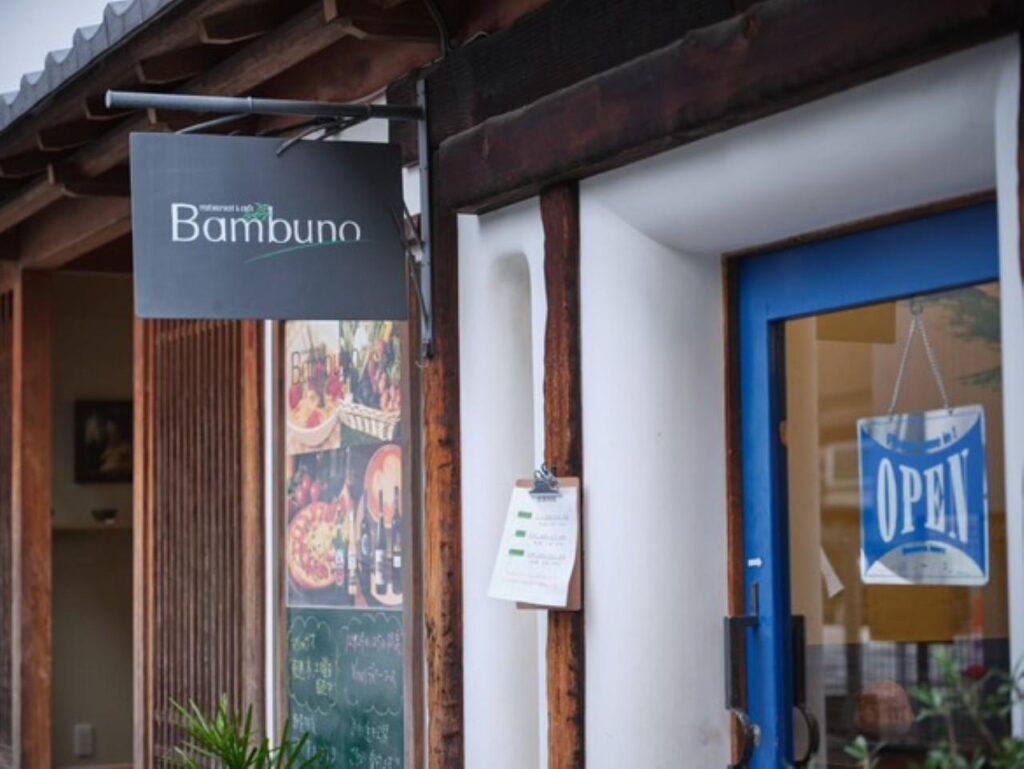
Nara takes shaved ice seriously. Very seriously. Once the weather warms up, kakigori stops being a simple summer treat and becomes a local art form involving seasonal fruit, carefully layered sauces, and queues of people quietly planning their next bowl.
Bambuno brings a particularly unusual twist to the scene. This Italian restaurant in Naramachi is loved by local diners for its “Nara Italian” approach, with owner-chef Kimihiro Takeno using regional ingredients to show a more creative side of the prefecture.
The restaurant grows vegetables on its own farm in Tenri and works with local businesses to develop dishes that feel closely connected to the area.
The restaurant occupies a renovated townhouse that is around 100 years old. Its spacious two-story interior makes it a comfortable place to slow down after a long walk through Naramachi.
Try the Veggie Ice
Bambuno has been creating vegetable-based shaved ice for around a decade. The menu usually includes two to four varieties, with new ideas appearing each year.
The flavors are designed to make us pause for a moment and ask whether we are genuinely looking at dessert. Previous creations have included garlic honey lemon yogurt and Nosegawa Village real wasabi with Kitamachi tofu.
Burdock Root and Japanese Black Tea Petal Mochi Style
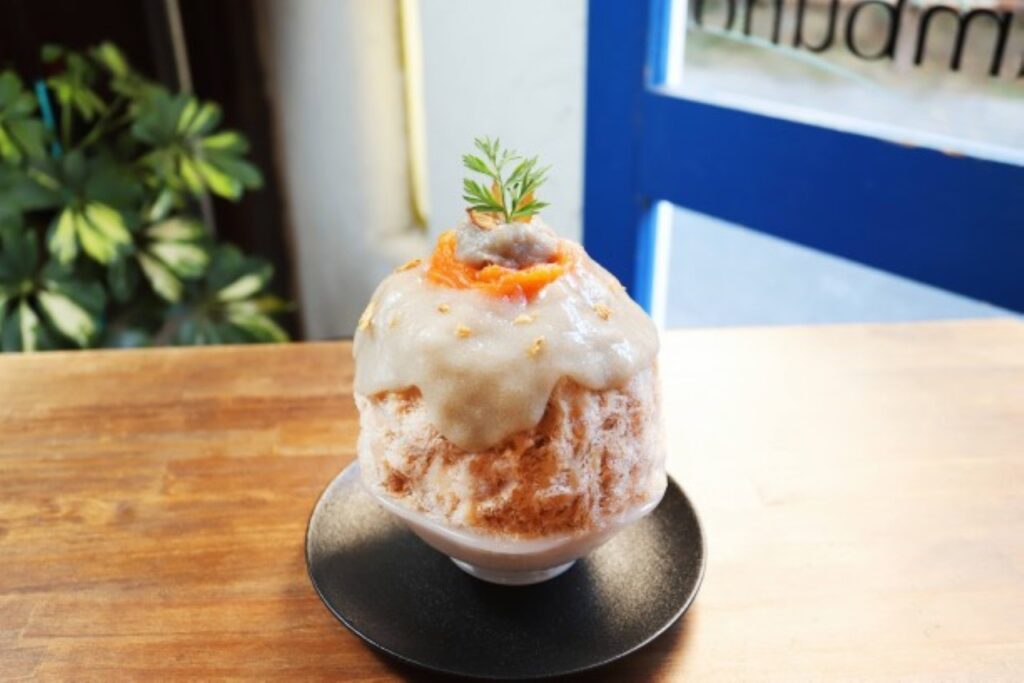
One of the recommended seasonal creations is the Burdock Root and Japanese Black Tea Petal Mochi Style shaved ice.
The dessert takes inspiration from hanabira mochi, a traditional Japanese sweet made with miso paste, sweet simmered burdock root, and carrots. The shaved ice is layered with Japanese black-tea milk-tea syrup, white-bean cream mixed with burdock root, carrot-and-orange paste, and crisp burdock chips.
Each spoonful brings together a subtle earthy aroma, a smooth sweetness, and the light texture of finely shaved ice. It sounds unusual because it is unusual. Somehow, it works.
Burdock Root and Japanese Black Tea Petal Mochi Style: ¥1,500
Pomodoro Arancia Caramelato Chocolat
Another photogenic choice is the Pomodoro Arancia Caramelato Chocolat. “Pomodoro” means tomato in Italian, while “arancia” means orange. The shape is inspired by a tomato, and the ingredients are grown locally whenever possible.
The combination of tomato, orange, caramel, and chocolate may sound more like a culinary dare than dessert, but the finished result is unexpectedly sweet and refreshing.
Pomodoro Arancia Caramelato Chocolat: ¥1,400
The vegetable shaved ice menu is generally available from May to November, making Bambuno a particularly interesting stop during the warmer months.
- Address: 22 Imamikado-cho, Nara City, Nara Prefecture
- Telephone: 0742-27-0072
- Lunch: 11:30 AM–2:00 PM
- Café: 2:30 PM–5:00 PM
- Dinner: 6:00 PM–9:00 PM, with last orders at 8:30 PM
- Closed: Tuesday, with occasional irregular closures
- Website: naraitalian-bambuno.com
8. Kakigori Housekibako: One of Nara’s Most Famous Shaved-Ice Shops
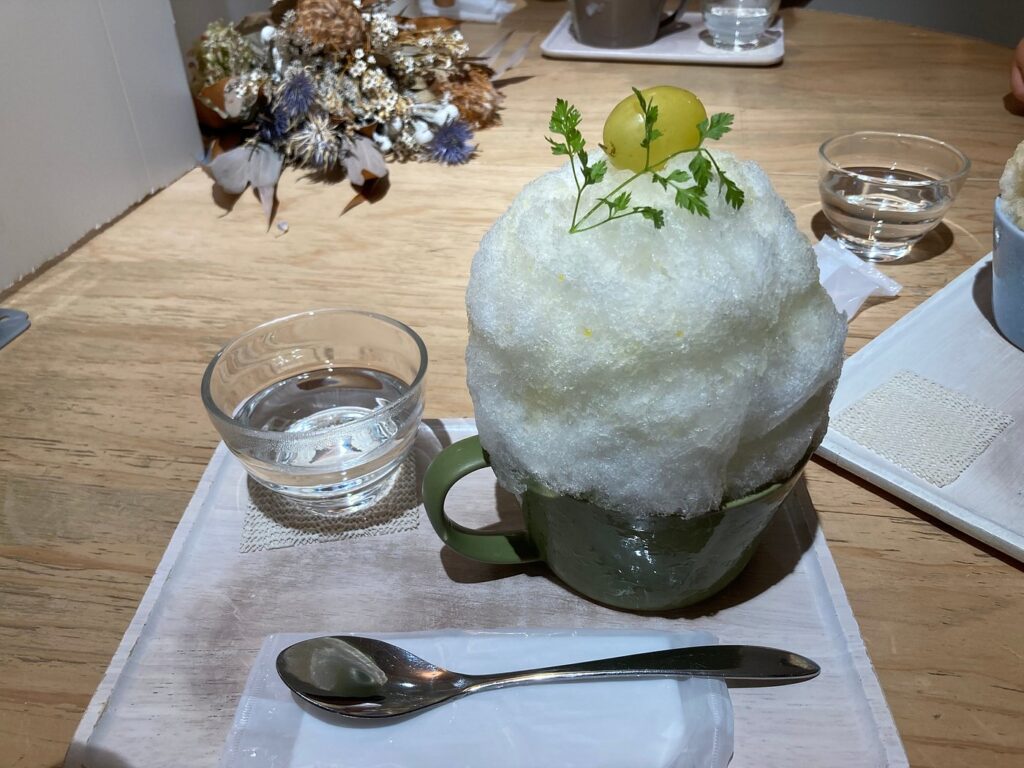
Located inside Nara Mochidono Center Street, the shopping arcade leading toward Naramachi, Kakigori Housekibako is one of the best-known shaved-ice shops in Nara Prefecture.
Owner Keiko Okada played a major role in turning Nara into one of Japan’s most exciting kakigori destinations. She helped establish the Himuro Shirayuki Festival, an event that brought wider attention to Nara’s shaved-ice culture and encouraged a new wave of creative shops.
The festival began in 2014. Housekibako opened as a permanent store in 2015 and moved to its current location in 2018. The name reflects a local custom: snacks have traditionally been called houseki, meaning “jewels,” in Nara.
Shaved Ice With an Almost Cloud-Like Texture
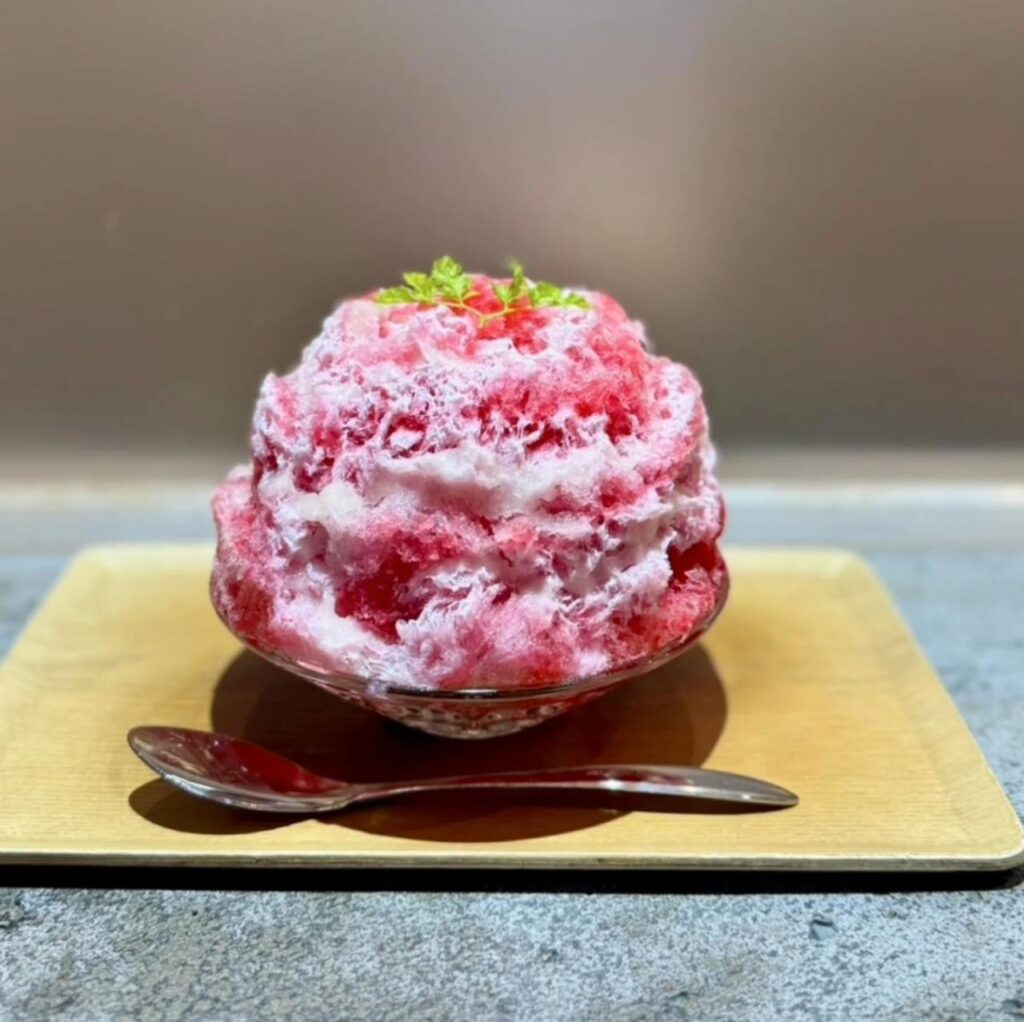
The base is made from pure ice that has been carefully frozen for 72 hours, then shaved into thin, airy layers. Fresh local ingredients are used wherever possible, including milk from Uemura Farm, wildflower honey from Nishiyoshino, and persimmons from Hirai Farm.
The seasonal menu usually includes around seven to ten varieties, with prices starting from approximately ¥1,320. Ingredients are clearly listed, which helps when the menu becomes wonderfully elaborate.
You will often see the word espuma, the Spanish term for foam. It refers to the light, mousse-like topping used on many of the shop’s creations.
Traditional shaved ice can be crisp and refreshing. Housekibako takes it in a richer direction: fluffy, mellow, creamy, and visually impressive enough to stop the table conversation for a few seconds.
The shop has built a loyal following across Japan, so reservations are strongly recommended. Booking information is available through the link on Instagram.
A sister shop, Kakinoha Tea Specialty SOUSUKE by Housekibako, opened in 2022 inside the west building of the Nara Park Bus Terminal. It also serves shaved ice.
- Address: 47 Mochidono-cho, Nara City, Nara Prefecture
- Telephone: 0742-93-4260
- Opening hours: 10:00 AM–1:00 PM and 2:00 PM–5:00 PM; Saturday and Sunday until 5:30 PM
- Last order: 10 minutes before closing
- Closed: Thursday
- Instagram: @housekibaco
9. Kashiya: Refined Wagashi Inside a Traditional Naramachi Townhouse
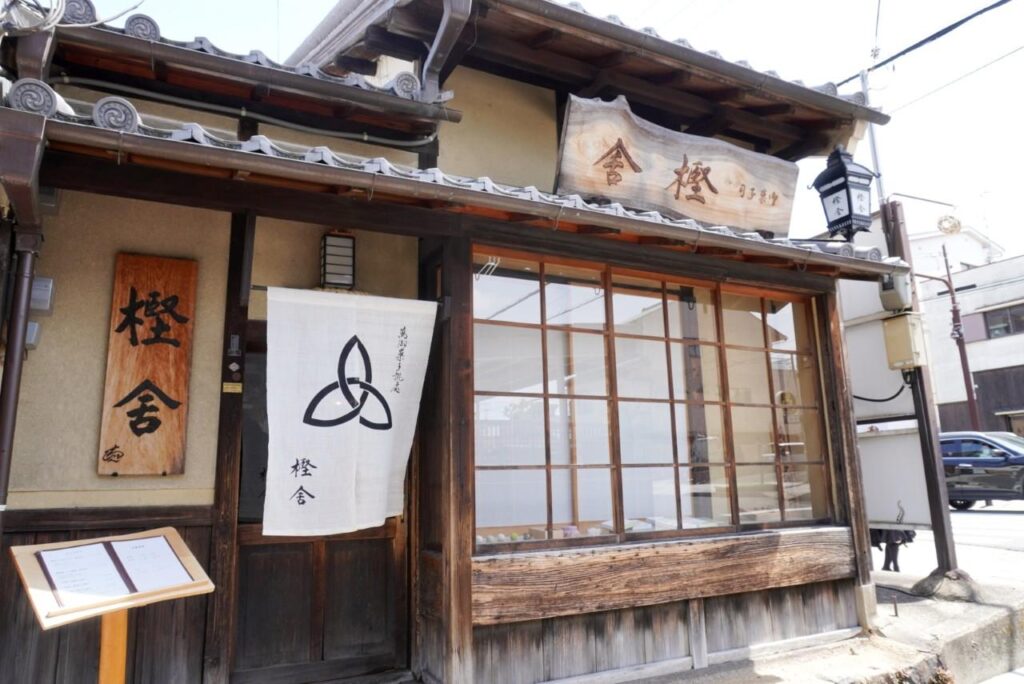
Yorozu Onkashi Atsuraedokoro Kashiya is one of Nara’s most respected wagashi shops. Although it opened relatively recently in 2008, its reputation now rivals that of far older confectionery stores.
The sweets are made with a careful respect for each ingredient. Rather than piling on unnecessary decoration, Kashiya focuses on subtle flavors, delicate textures, and the quiet elegance that defines traditional Japanese confectionery at its best.
A Traditional Space Designed for Slowing Down
The shop is set inside a beautifully preserved townhouse on Naramachi Avenue. At the entrance, an earthen-floored space leads toward a raised platform displaying wagashi for sale.
Farther inside, counter seats beside sunken hearths allow guests to watch the confectioners at work while enjoying a carefully prepared sweets course. Another Japanese-style room sits upstairs, reached by a staircase chest that feels entirely at home in the historic building.
Try the Miyoshino Kuzuyaki
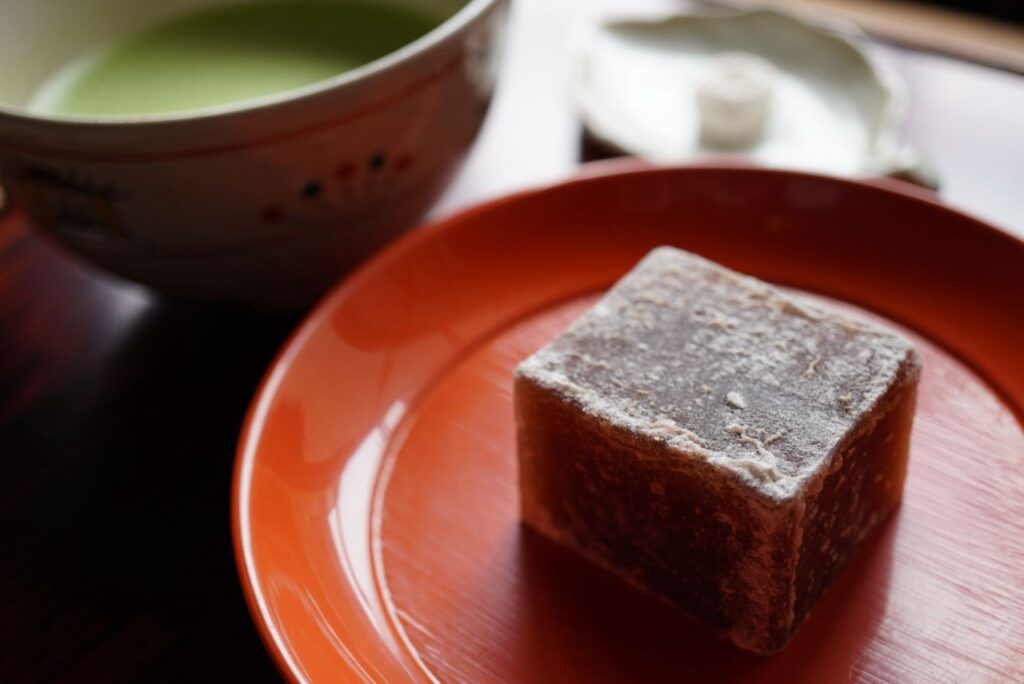
One of the signature sweets is Miyoshino, made with high-quality Yoshino kudzu starch from Nara and Tanba Dainagon adzuki beans.
It may look similar to kintsuba at first glance, but the texture is different. The kudzu creates a delicate chewiness, while the beans bring a refined sweetness that never becomes cloying.
Miyoshino kuzuyaki: ¥410
Other choices include jōyō manju, a steamed bun made with mountain yam and filled with smooth Tanba Dainagon red bean paste, and seasonal warabi mochi made with 100% bracken starch from southern Kyushu.
Warabi mochi: ¥540
From early summer to early autumn, the shop also serves highly sought-after shaved ice. Reservations can be difficult to secure during the busiest weeks. The full Japanese-confectionery course is also available by reservation only.
If you are looking for an elegant edible souvenir, Kashiya can prepare gift sets when contacted in advance.
- Address: 22-3 Nakain-cho, Nara City, Nara Prefecture
- Telephone: 0742-22-8899
- Opening hours: 9:00 AM–6:00 PM
- Café hours: 11:00 AM–4:30 PM, with last orders at 4:30 PM
- Closed: No regular closing day
- Website: kasiya.jp
10. Kakinoha Sushi Honpo Tanaka: Nara’s Classic Persimmon-Leaf Sushi
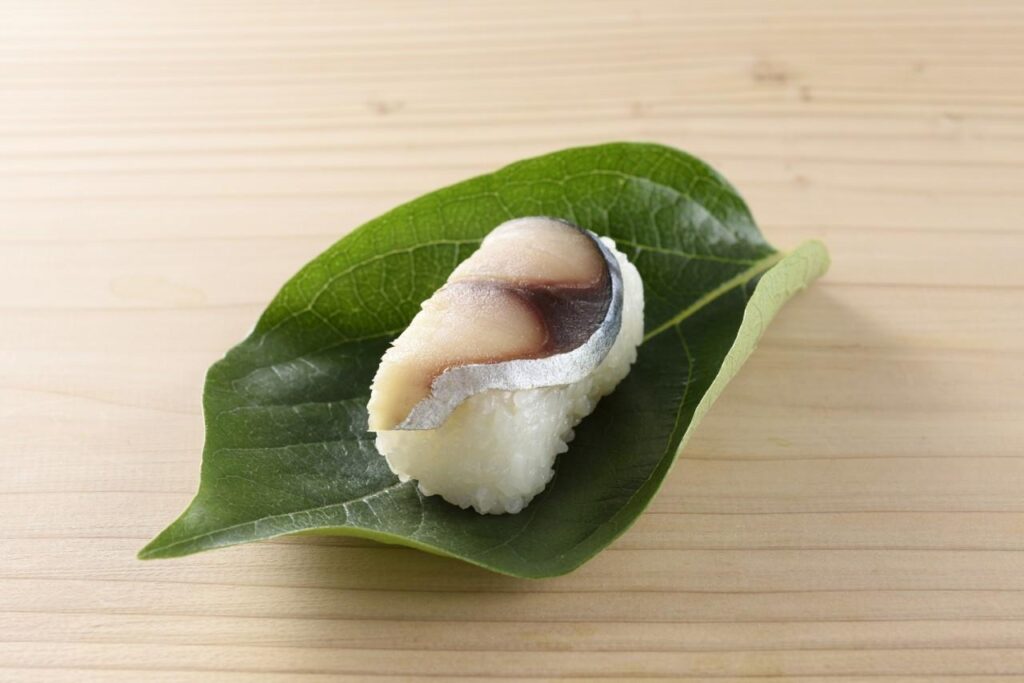
Persimmons are closely associated with Nara Prefecture. Gojo City in the southern part of the prefecture is one of Japan’s leading persimmon-producing areas, and it is here that kakinoha-zushi, or persimmon-leaf sushi, developed into one of Nara’s signature local foods.
Several shops around Nara Station sell this compact regional specialty, but Kakinoha Sushi Honpo Tanaka is one of the best-known long-established producers.
The convenient Nara Main Store sits approximately one minute on foot from Kintetsu Nara Station, near the entrance to Higashimuki Shopping Street. Another branch is located close to the station’s west exit.
Start With the Classic Mackerel Sushi
The traditional topping for kakinoha-zushi is mackerel. Tanaka selects thick pieces of Pacific mackerel with a balanced level of fat, then slices each piece evenly to maintain the right ratio between the fish and the vinegared rice.
The shop uses Nihonbare rice, a variety well suited to sushi. Each piece is wrapped in a carefully selected persimmon leaf, allowing the fragrance of the leaf and the rich flavor of the mackerel to develop together.
Takeaway mackerel kakinoha-zushi: from ¥173 per piece
Salmon and sea bream are also popular choices. Seasonal varieties may include conger eel, saury, and Spanish mackerel.
Sit Down for Lunch at Kakinoha Chaya
The Nara Main Store also includes Kakinoha Chaya, a small tea-house-style dining area where you can eat kakinoha-zushi on-site. Individual portions and store-exclusive lunch sets are available.
Sushi A La Carte lunch set: ¥1,540
The main branch is useful even when you are traveling with luggage. Services include smartphone charging and luggage storage, making it a practical stop before or after sightseeing.
Pick up a small box for the train, sit down for lunch, or bring a selection back as a souvenir. Kakinoha-zushi is one of the simplest ways to taste something unmistakably connected to Nara.
- Address: 5-2 Higashimukai-nakamachi, Nara City, Nara Prefecture
- Telephone: 0742-81-3651
- Shop opening hours: 9:00 AM–7:00 PM
- Kakinoha Chaya opening hours: 11:00 AM–4:00 PM
- Closed: No regular closing day
- Website: kakinohasushi.co.jp
11. GRANCHA: Intensely Matcha-Flavored Yamato Tea Daifuku
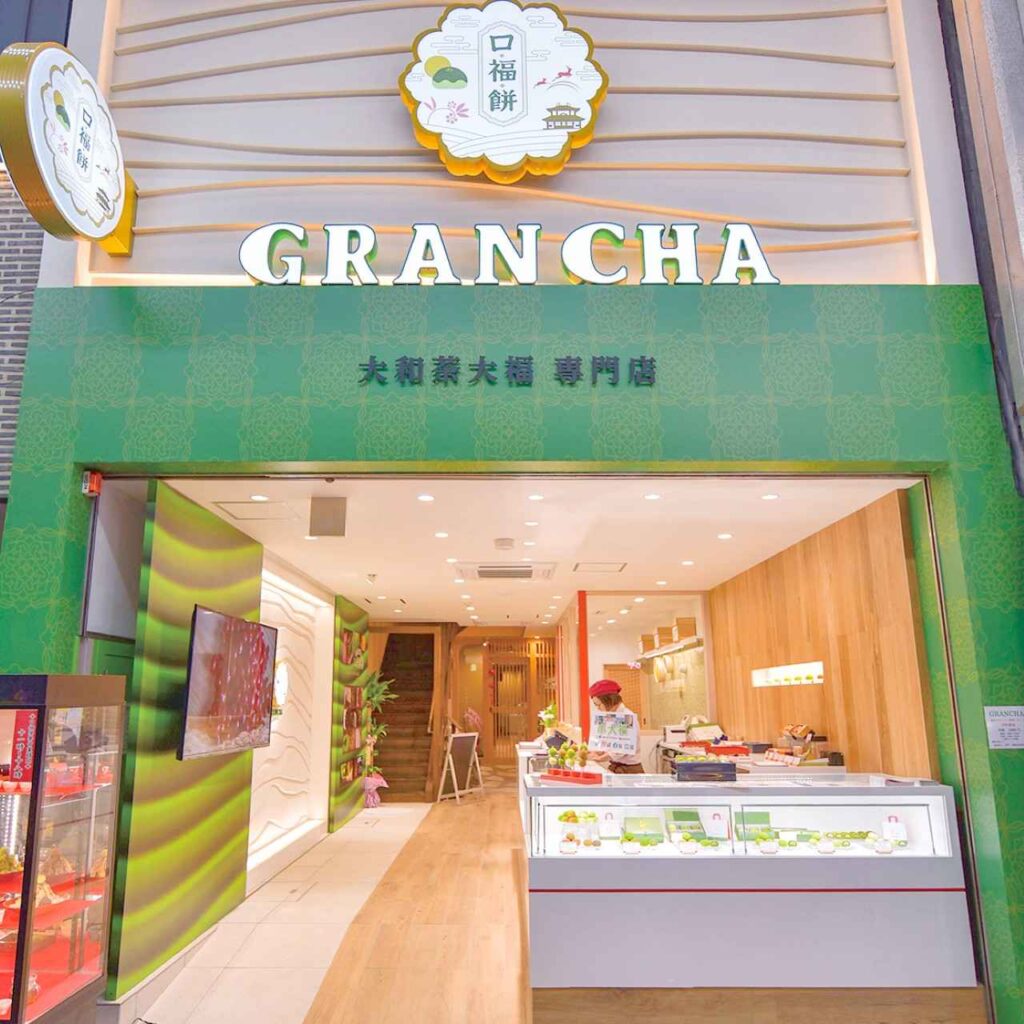
Matcha lovers, this is your final assignment.
Yamato tea has been cultivated in Nara for more than 1,200 years and is considered one of the roots of Japanese tea culture. GRANCHA was created to turn that history into an easy-to-eat local specialty: Kuchi-Fuku-Mochi, a Yamato tea daifuku with several levels of matcha intensity.
Four Layers in One Small Mochi
The sweet combines four layers: matcha cream at the center, salted red bean paste, sencha-flavored mochi, and a final dusting of matcha powder.
GRANCHA uses three types of Yamato tea across its sweets: matcha, sencha, and hojicha. Each brings a slightly different balance of fragrance, bitterness, and sweetness.
Kuchi-Fuku-Mochi: ¥330 each
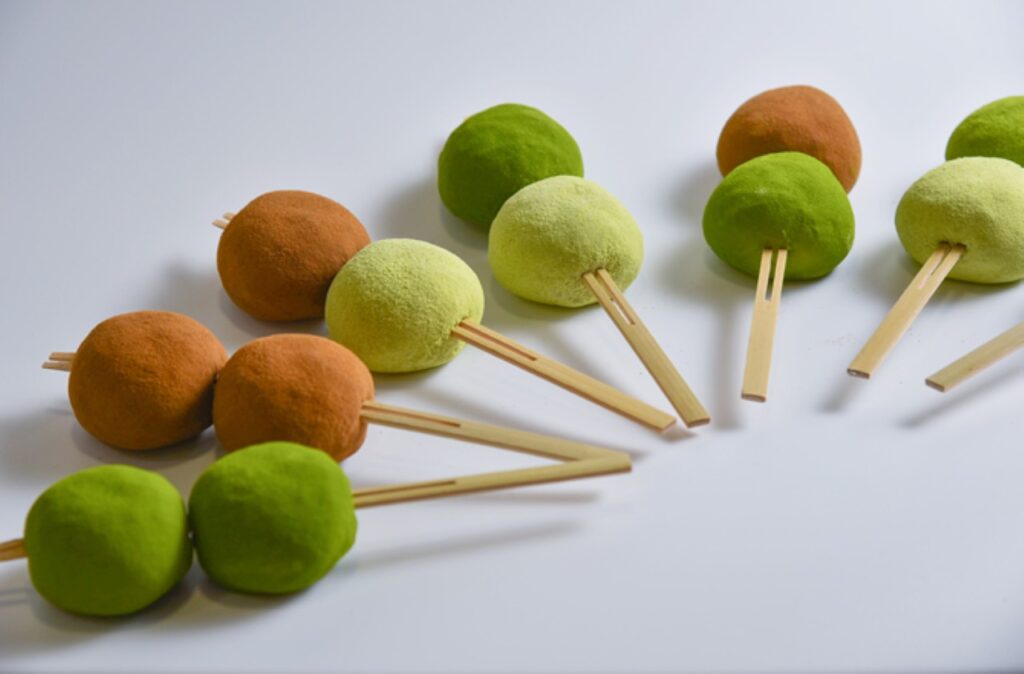
Choose Your Matcha Intensity
The matcha daifuku comes in five strength levels. Level 1 is the mildest, while Level 5 is designed for serious matcha fans who want the bitterness and aroma turned all the way up.
The shop recommends Kuchi-Fuku-Mochi No. 4 as the best-balanced option. It combines the bitterness of matcha with red bean paste and fresh cream without letting any one element overpower the others.
If strong matcha is not your thing, begin with No. 1. If you genuinely believe there is no such thing as too much matcha, go directly to No. 5 and see whether your confidence survives.
A hojicha-flavored version is also available, inspired by Nara’s long-established tea-porridge culture. Altogether, there are six flavors to try.
Try the Skewered Daifuku for an Easy Walking Snack
GRANCHA also serves a wider range of Yamato tea sweets, including gateau chocolat, Mont Blanc desserts, shaved ice, and parfaits.
For an easy takeaway snack, order the Kushi Daifuku. You can choose two Kuchi-Fuku-Mochi flavors and have them served together on a skewer.
Skewered daifuku: ¥660
The shop has a modern Japanese interior with seating for customers who want a short break. Its location, approximately one minute on foot from Kintetsu Nara Station, makes it an easy final stop before leaving central Nara.
- Address: 22 Higashimukai-nakamachi, Nara City, Nara Prefecture
- Telephone: 0742-26-4834
- Opening hours: 10:00 AM–7:00 PM
- Closed: No regular closing day
- Website: grancha-nara.com
- Nagoya rainy day with kids in 2026 (Cool Indoor Things to Do )
 Rain in Nagoya does not have to mean surrendering the day to the hotel room. In fact, Nagoya is unusually good at indoor sightseeing. You have one of Japan’s best science museums, enormous aquariums, real Shinkansen trains, hands-on industrial museums, planetariums, covered shopping streets, and enough underground passages around Nagoya Station to lose an entire… Read more: Nagoya rainy day with kids in 2026 (Cool Indoor Things to Do )
 - Best Gachapon in Tokyo (2026): 20 Places to Find Capsule Toys
 You start with one. A tiny plastic capsule rolls out of the machine containing a miniature ramen bowl, sleepy cat or suspiciously realistic washing machine. Then you notice the machine next to it. And the one next to that. Twenty minutes later, you’ve somehow spent ¥3,000 and are emotionally invested in completing a collection of… Read more: Best Gachapon in Tokyo (2026): 20 Places to Find Capsule Toys
 - All Japanese KitKat Flavours List: The Ultimate Japan KitKat Guide
 Walk into a Japanese convenience store looking for a KitKat and things can get out of hand surprisingly quickly. You came for chocolate. Five minutes later, you’re holding matcha, strawberry, sake and something involving sweet potato, wondering whether wasabi chocolate is a terrible idea or exactly the souvenir your friends deserve. Welcome to Japanese KitKats.… Read more: All Japanese KitKat Flavours List: The Ultimate Japan KitKat Guide
 - Sapporo rainy day with kids (2026): 7 Cool Indoor Things to Do
 You wake up in Sapporo, pull back the curtains, and there it is: rain. That does not mean the family sightseeing day is ruined. Sapporo is actually very good at bad-weather entertainment, with science museums, aquariums, indoor play areas, shopping complexes, museums, and even a chocolate factory where children can watch one of Hokkaido’s most… Read more: Sapporo rainy day with kids (2026): 7 Cool Indoor Things to Do
 - What To Do In Arashiyama With Kids: A Realistic One-Day Family Itinerary
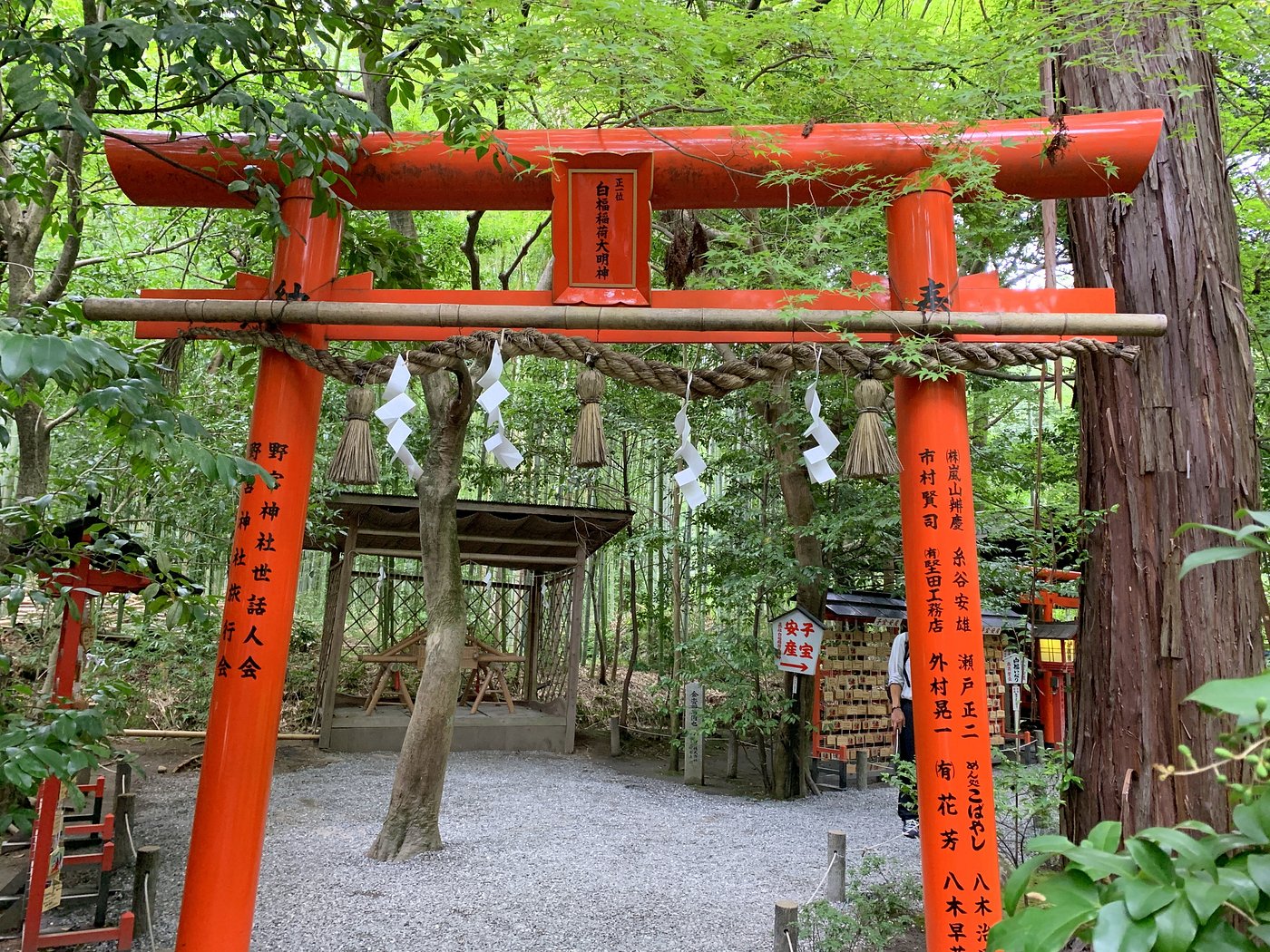 Arashiyama looks peaceful in photos: tall bamboo, forested hills, a wide river, and one of Kyoto’s most famous bridges. In reality, it is lively, busy, and full of families trying to fit a surprising number of things into one day. The good news? Arashiyama works brilliantly with kids when we keep the plan simple. The… Read more: What To Do In Arashiyama With Kids: A Realistic One-Day Family Itinerary