I spill travel tips , and show you the Japan that tourists usually miss.
Our Sendai itinerary 2 days is filled with sightseeing spots you can easily reach on foot or by public transport, so exploring the city feels smooth rather than exhausting. From browsing the fresh seafood and local specialties at Sendai Morning Market to visiting Zuihoden, the magnificent mausoleum where Date Masamune rests, this route lets us experience both the city’s rich history and its excellent food. If you want a trip that feels varied, easy to manage, and genuinely rewarding, this itinerary makes a wonderful way to enjoy Sendai.
Keep planning your Japan trip
If Sendai is just one stop on your route, these broader Japan guides will help you plan the bigger picture, from transport and city-hopping to classic itineraries and first-timer tips.
- ➡️ Best Japan itinerary: the smartest routes, costs, and travel tips
- ➡️ Two weeks in Japan: the perfect itinerary for first-time travelers
- ➡️ Beginner’s ultimate guide to the Shinkansen in Japan
- ➡️ Best cities to visit in Japan for culture, food, and easy sightseeing
- ➡️ Tokyo travel guide: where to go, what to eat, and local tips
- ➡️ Best apps for Japan travel that make the trip much easier
Table of Contents
Sendai Itinerary: Day 1
We begin at Sendai Station, drop our luggage at the hotel, and head straight out for sightseeing. The beauty of this first day is that it flows easily: a little market energy, a little samurai history, a museum stop, castle views, coffee, a leafy stroll, and then a hotel stay that lets us properly exhale.
From Sendai Station to the first stop
- Walk: just a short walk from the hotel
- We leave our luggage at the hotel and head out to explore.
- Walk: around 5 minutes
Spot 1: Sendai Morning Market

Just a 5-minute walk from Sendai Station, Sendai Morning Market is a lively arcade-style market packed with fresh produce from across Miyagi. Often called “Sendai’s kitchen,” it is a beloved local institution and one of the best places to get a feel for the city’s everyday rhythm.
Despite the name, this is not the kind of market that vanishes before noon. On weekdays, many shops stay open from morning into the evening, which makes it a very easy stop to slot into your itinerary. Alongside stalls selling fish, vegetables, and fruit, you will also find plenty of tempting food options, so it is not just a market visit, it is a snack trap in the best possible way.
Address: 4-3-28 Chuo, Aoba-ku, Sendai City, Miyagi Prefecture
Highlights
★ Around 60 shops line the street, overflowing with seasonal fish, fresh vegetables, fruit, and other produce. It is bustling, affordable, and popular with both locals and visitors.
★ One of the market’s most charming quirks is that, although it is called a morning market, many shops stay open until evening. Beyond the fishmongers and greengrocers, you can also stop by a popular dango shop known for its chewy rice dumplings, a croquette shop that has been going strong for 60 years, and even a stylish bakery. Need a break? There is coffee for that too.
Getting to the next stop
- Walk: around 5 minutes
- Bus: about 15 minutes
- Walk: around 5 minutes after getting off
Spot 2: Zuihoden
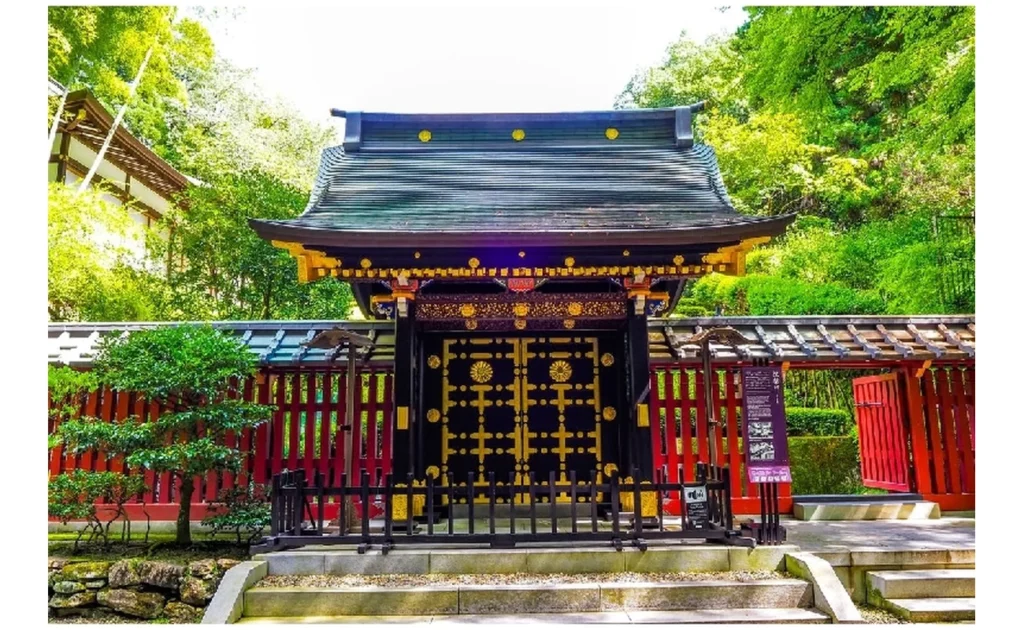
Zuihoden is the mausoleum of Date Masamune, the first lord of the Sendai Domain and one of the most celebrated figures of the Sengoku period. Nearby stand Kansenden, dedicated to the second lord Tadamune, and Zen’oden, dedicated to the third lord Tsunamune.
The original buildings were destroyed in the Sendai air raid of July 10, 1945, and the current structures were rebuilt in stages beginning in 1979. What stands here today is still deeply impressive: richly decorated architecture, vibrant colors, and an atmosphere that feels both solemn and unexpectedly dramatic.
Address: 23-2 Otamaya-shita, Aoba-ku, Sendai City, Miyagi Prefecture
Highlights
★ This is one of Sendai’s essential sightseeing spots and the resting place of Date Masamune, the warlord who laid the foundations of the city. Locals affectionately call the site “Otamaya.” The lavish architecture reflects the grandeur of the Momoyama period.
★ Surrounded by towering cedar trees, the grounds also contain the mausoleums of Tadamune and Tsunamune, giving visitors the chance to admire more of the richly colored architectural style associated with Momoyama culture.
★ The surrounding area still carries the atmosphere of Sendai’s former castle town, and a walk around here, especially near the Hirose River, is part of the appeal.
Getting to the next stop
- Walk: around 5 minutes
- Bus: about 5 minutes
- Walk: around 5 minutes after getting off
Spot 3: Sendai City Museum
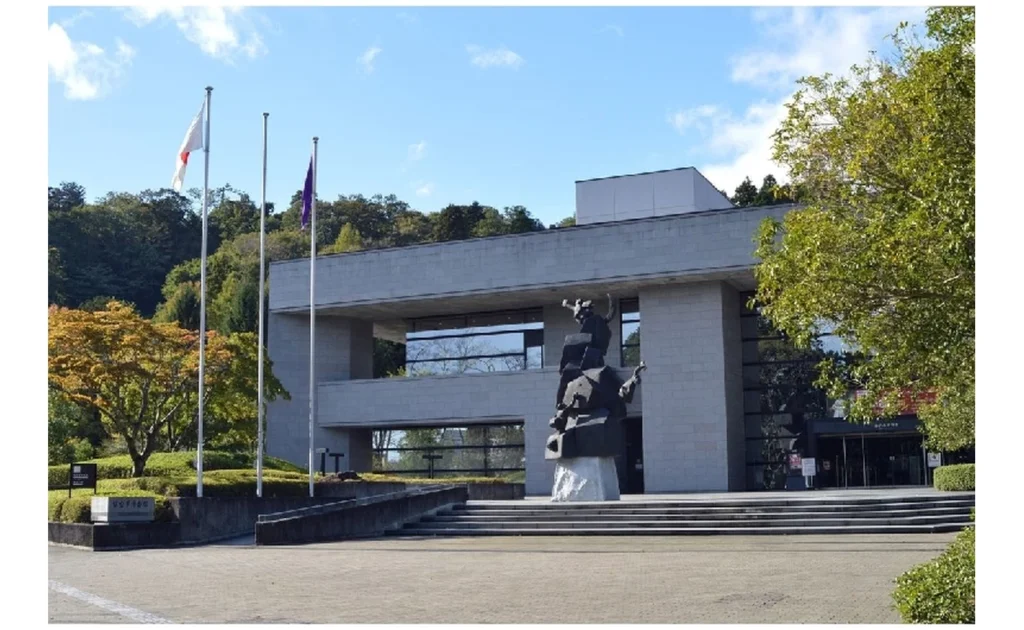
Set amid greenery on the site of the third bailey of Sendai Castle, the Sendai City Museum is where the city’s history, art, and cultural identity are carefully preserved and displayed. Its collection includes materials donated by the Sendai Date family, as well as a huge range of objects tied to the story of Sendai itself.
Address: 26 Kawauchi, Aoba-ku, Sendai City, Miyagi Prefecture
Highlights
★ The museum houses, researches, and exhibits approximately 100,000 items, including materials related to the Date family and the wider history and culture of Sendai.
★ Highlights include items recognized under UNESCO’s Memory of the World, national treasures connected to the Keicho Embassy to Europe, important cultural properties such as armor and a battle surcoat used by Date Masamune, armor linked to Toyotomi Hideyoshi, and even an obi once used by Misawa Hatsuko.
★ The permanent exhibition offers an excellent introduction to Sendai’s cultural and historical background, making it an especially worthwhile stop if you want context, not just pretty views.
Getting to the next stop
- Walk: around 5 minutes
- Bus: about 10 minutes
- Walk: around 5 minutes after getting off
Spot 4: Sendai Castle
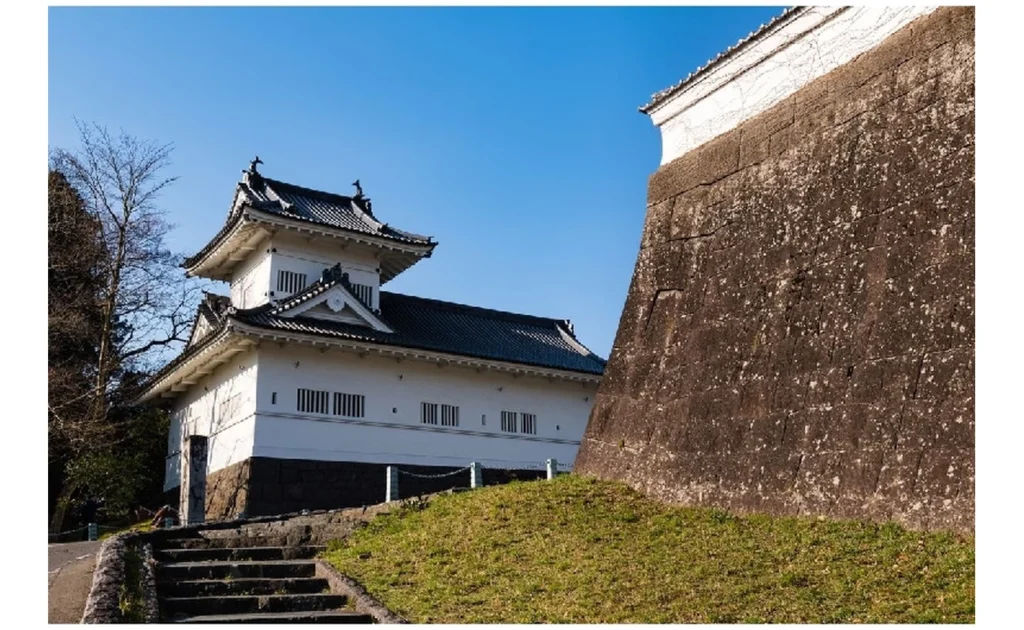
This is the former site of the castle built by the Date clan, who ruled over a domain of 620,000 koku. The original castle no longer survives, but the stone walls and reconstructed turrets still hint at its former scale and power. Standing near the famous equestrian statue of Date Masamune, you can look out over the city from almost the same commanding vantage point he once had.
By evening, the mood shifts again. From sunset until 11:00 PM, the stone walls and Masamune’s statue are illuminated, turning the site into one of Sendai’s most atmospheric night-view spots.
Address: 1 Kawauchi, Aoba-ku, Sendai City, Miyagi Prefecture
Hours: The park grounds are open year-round and free to enter.
Aoba Castle Museum:
- April to October: 9:00 AM–5:00 PM (last entry 4:40 PM, VR until 3:20 PM)
- November to March: 9:00 AM–4:00 PM (last entry 3:40 PM, VR until 2:40 PM)
Closed: Open daily
Highlights
★ This was the castle site of Date Masamune, one of the most powerful daimyo of the Sengoku era. His statue on horseback, standing high above the city, has become one of Sendai’s defining symbols. Construction began in 1600, after the Battle of Sekigahara, and was reportedly nearly complete by 1602.
★ Today, the surrounding area forms part of Aobayama Park, and from the former main keep site, you can enjoy sweeping views over Sendai and, on clear days, even all the way to the Pacific Ocean.
★ Once the sun goes down, the illuminated stone walls and statue make this one of the city’s most popular places for night views.
Getting to the next stop
- Walk: around 5 minutes
- Bus: about 35 minutes
- Walk: a short walk after getting off
Spot 5: HONOKA COFFEE Jozenji-dori Store
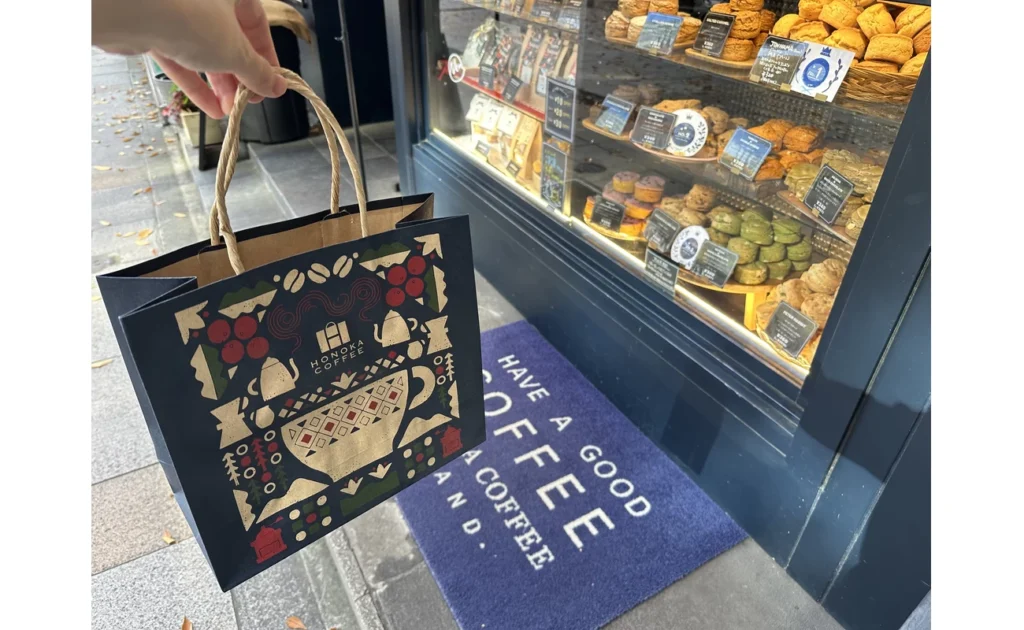
After all that history, this is where we pause. HONOKA COFFEE Jozenji-dori Store is a specialty coffee shop run by a coffee master who carefully selects beans only after tasting them. It is the kind of place where the pace softens immediately: sit down with coffee and dessert, ask the barista for recommendations, and take a proper break before the evening stretch.
Address: 1F, Jozenji Building, 4-10-14 Ichibancho, Aoba-ku, Sendai City, Miyagi Prefecture
Hours: 11:00 AM–6:30 PM
Closed: Irregular
Highlights
★ The shop combines roasting techniques that have remained unchanged since its founding with the skill of the baristas at each branch, resulting in a cup that feels distinctly its own. Even if you are not a coffee expert, the staff can guide you toward beans and flavors that suit your taste.
★ The homemade scones are another reason to stop. Made with plenty of whole wheat flour from contracted farmers, and rich with the flavor of fermented butter, they are dangerously easy to keep eating. Cheesecake and other desserts are also available, so this is very much not just a quick caffeine stop.
Getting to the next stop
- Walk: just a short walk
Spot 6: Jōzenji Street
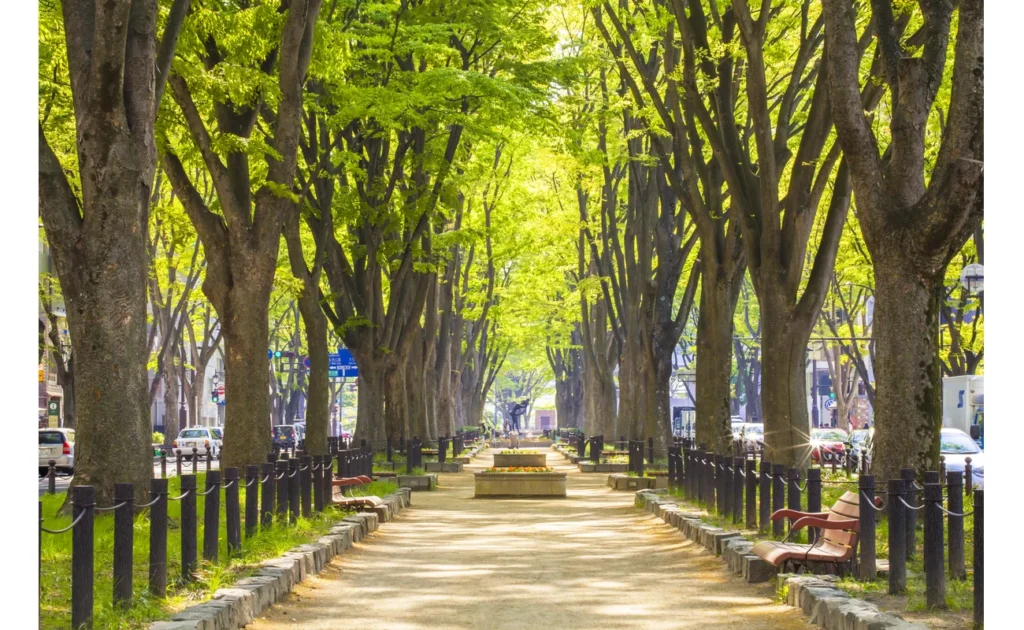
Jōzenji Street is one of Sendai’s most iconic walks, and for good reason. A long avenue lined with magnificent zelkova trees runs between orderly rows of buildings, creating a calm, elegant urban scene that feels distinctly Sendai. On sunny days, the light filtering through the leaves gives the whole street a relaxed, almost cinematic feel.
It is lovely in every season, not just when the trees are green. Autumn adds color, winter adds atmosphere, and throughout the year the street remains one of the city’s most pleasant places for a stroll.
Address: Near Kokubuncho 2-chome, Aoba-ku, Sendai City
Highlights
★ Even in Sendai, famously known as the “City of Trees,” Jōzenji-dori stands out for its lush, elegant avenue of zelkova trees. It is a beloved place for locals to relax and often hosts events such as open-air cafés and the Jōzenji Street Jazz Festival.
★ The promenade is dotted with bronze sculptures, including El Greco’s “Summer Memories” and Crocetti’s “Bathers,” so you can enjoy a little art appreciation while you walk. If you get tired, do what the locals do and grab a bench under the trees.
Getting to the hotel
- Walk: around 5 minutes
- Train: about 5 minutes
- Walk: around 5 minutes after getting off
Spot 7: Hotel Monterey Sendai
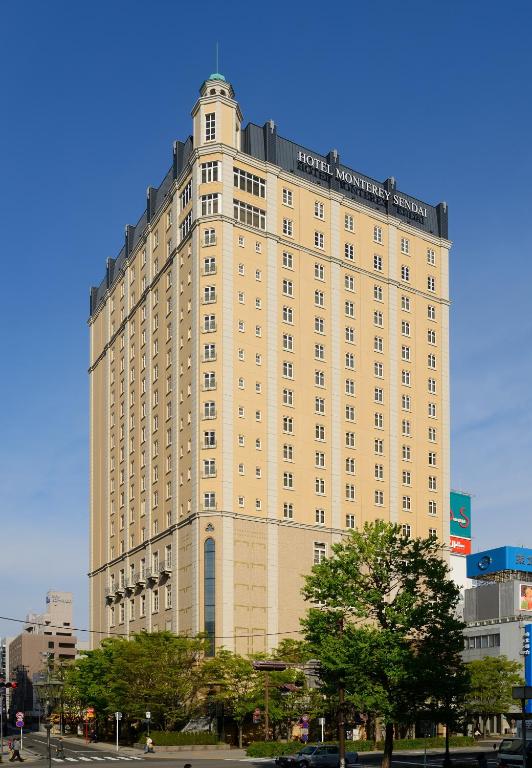
To end the day, we check into Hotel Monterey Sendai, a hotel inspired by the timeless charm of Prague and designed with a distinctly old-world European feel. It is photogenic in all the right ways, but the appeal here is not just aesthetic. With three restaurants serving French, Japanese, and Chinese cuisine, plus a top-floor spa with natural hot springs, sauna, and lounge, it is the kind of place that makes ending the day feel like part of the itinerary, not an afterthought.
Address: 4-1-8 Chuo, Aoba-ku, Sendai City, Miyagi Prefecture
Highlights
★ Located just a 5-minute walk from JR Sendai Station, it makes an excellent sightseeing base. The medieval European atmosphere also means it photographs beautifully.
★ On the 17th floor, the spacious natural hot spring spa includes a hot spring bath, sauna, cold plunge pool, jet bath, spa lounge, and esthetic treatments, which is exactly what our legs deserve after a full day out.
★ Breakfast is served buffet-style with both Japanese and Western dishes, including ingredients from Miyagi Prefecture and local specialties. The Japanese restaurant Zuiyentei also offers a limited 30-set Japanese breakfast each day for 4,000 yen per person (tax and service charge included), making it a good option if you want a more refined seasonal meal to start the next morning.
Sendai Itinerary: Day 2
We check out of Hotel Monterey Sendai, leave our luggage in a coin locker or storage facility near Sendai Station, and set off for one more round of sightseeing. Today’s route is lighter and easier, with a brewery visit, a historic shrine, and a final sweep through Sendai Station for food and souvenirs before heading home.
From the hotel to the first stop
- Walk: just a short walk to Sendai Station
- Leave your luggage in a coin locker or luggage storage facility
- Bus: around 35 minutes
- Walk: around 10 minutes after getting off
Spot 1: Kirin Beer Sendai Factory (Tour)
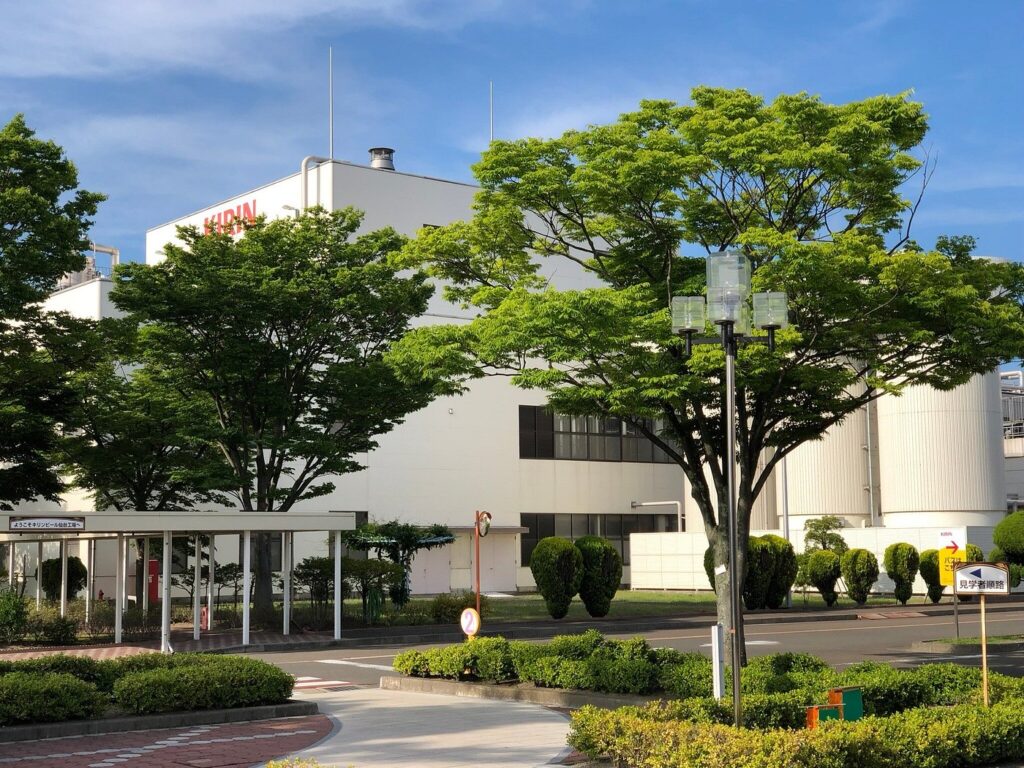
If you like seeing how things are made, this is a fun and easy first stop. At the Kirin Beer Sendai Factory, visitors can follow the brewing process from kettles to bottling and canning, which makes this more than just a tasting stop. Tours are scheduled regularly, starting every hour on the hour and half past, and there is also a restaurant on-site if you want to linger a little longer.
Address: 2-2-1 Minato, Miyagino-ku, Sendai City, Miyagi Prefecture
Hours: Open year-round, 10:00 AM–3:00 PM
Reservation phone hours: 9:30 AM–4:00 PM
Closed: Mondays, substitute holidays for public holidays, and year-end/New Year holidays
Highlights
★ This is the factory of Kirin Ichiban Shibori, one of Japan’s best-known beers. The hands-on tour lets visitors learn about the brewing process and then enjoy freshly poured beer afterward, which is clearly the correct reward for paying attention.
★ One especially rare and popular part of the tour is the chance to compare the taste of the first and second wort.
★ After seeing the production line, visitors are treated to a luxurious tasting of three different Ichiban Shibori beers. There is also a restaurant on the premises where you can enjoy fresh beer straight from the source.
Getting to the next stop
- Walk: around 10 minutes
- Bus: around 30 minutes
- Walk: around 25 minutes after getting off
Spot 2: Sendai Toshogu Shrine
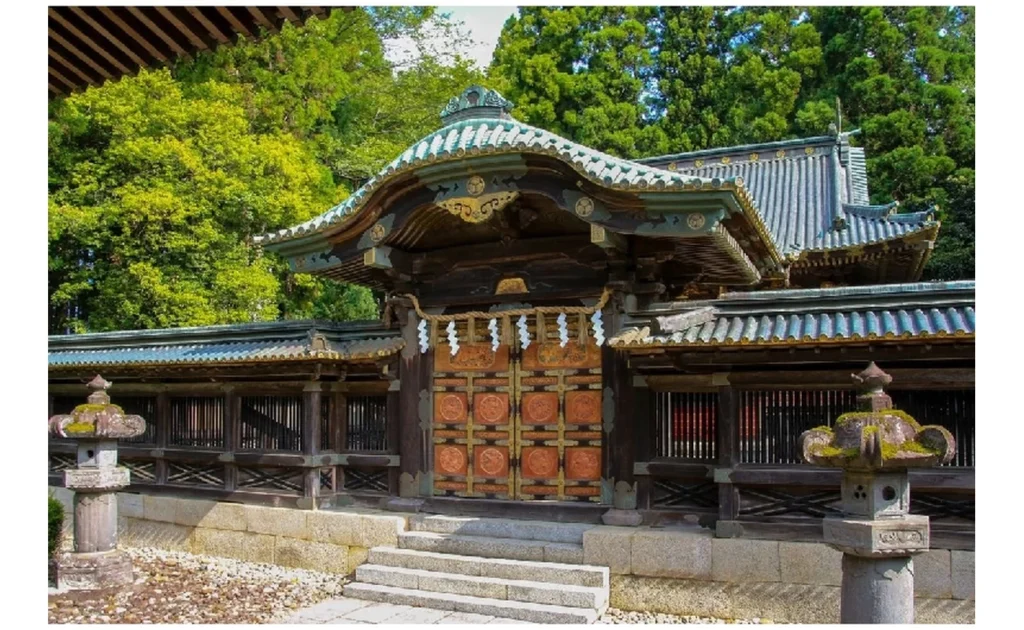
Founded in 1654 by Date Tadamune, the second lord of the Sendai Domain, Sendai Toshogu Shrine is one of Japan’s Toshogu shrines dedicated to Tokugawa Ieyasu, the first shogun of the Edo shogunate. Its origins reflect the close ties between the Date and Tokugawa families, including marriage connections and the financial support the Edo shogunate provided to the Sendai Domain.
The shrine’s main hall and Karamon gate are designated as Important Cultural Properties of Japan, making this not just a spiritual site but an important historical stop as well.
Address: 1-6-1 Higashishogu, Aoba-ku, Sendai City, Miyagi Prefecture
Hours: Open year-round
- Grounds: freely accessible
- Shrine office: 9:00 AM–4:30 PM
- Prayer requests: 9:00 AM–4:00 PM
Closed: Open daily
Highlights
★ This is one of the Toshogu shrines built across Japan to enshrine Tokugawa Ieyasu. It is said to bring blessings for good fortune, protection from misfortune, family safety, academic success, business prosperity, and victory in competitions.
★ The site includes several structures designated as Important Cultural Properties, including the main hall with its cloisonné-style metal fittings, an ornamentation style found only in Nikko and Sendai among the country’s many Toshogu shrines.
★ The Karamon gate is particularly special, as it is opened only once a year, on the annual festival day of April 17.
Getting to the next stop
- Walk: around 5 minutes
- Train: around 5 minutes
- Walk: around 5 minutes after getting off
Spot 3: Sendai Station
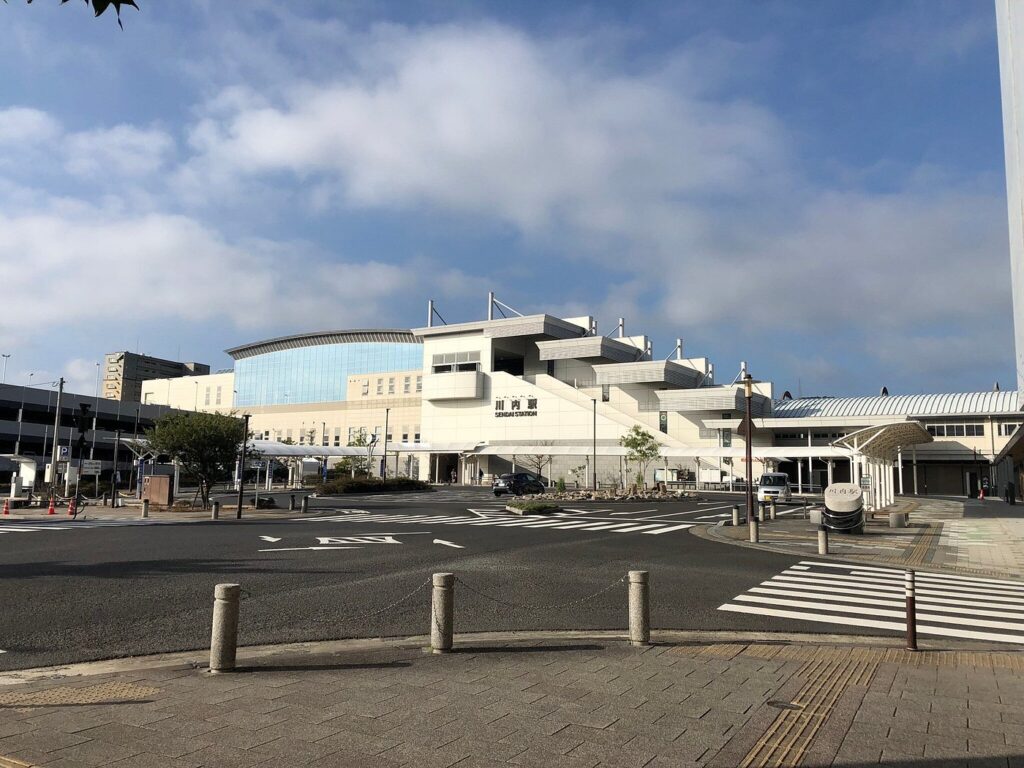
We return to Sendai Station, which is more than just a transport hub. This large commercial complex stretches across three floors and is packed with restaurants, prepared food shops, sweets, and souvenir stores, making it an excellent final stop for both practical shopping and one last round of eating.
In March 2024, the station added a new dining zone called tekute dining, featuring 10 restaurants connected to the Tohoku region, which only made the place even more useful and lively.
Address: 1-1-1 Chuo, Aoba-ku, Sendai City, Miyagi Prefecture
Hours: 6:30 AM–11:00 PM
Closed: Open daily
Highlights
★ On the 3rd floor, you will find Gyutan Street, lined with beef tongue specialty restaurants, and Zunda Alley, where shops dedicated to zunda sweets and treats gather in one dangerously convenient place. For souvenirs from Sendai and Miyagi, head to Omiyage-dokoro Sendai on the 2nd and 3rd floors.
★ On the 1st floor, tekute Sendai reopened in 2021 under its new name. Standouts include 3007cafe, where you can enjoy the flavor of seasonal produce, a long-established fruit and vegetable shop with over 70 years of history, and Onigiri no Arinko, where freshly made rice balls are prepared after you order. It is ideal if you need a light bite before your train.
★ The whole facility is easy to browse. The floors are a good size, the aisles are wide, and it is one of those rare station shopping setups that does not feel stressful when you are carrying bags and trying to make decisions quickly.
- What To Do In Arashiyama With Kids: A Realistic One-Day Family Itinerary
- 20 Best Things to Do in Shiga (2026): Lake Biwa, Castles, Shrines and More
- 30 Best Things to Do in Wakayama And Around (2026): Castles, Sacred Trails, Beaches, Hot Springs & Mildly Dramatic Rock Formations
- What to Do in Enoshima (2026): Best Sights, Sunset Views & Hidden Gems
- Best Things to Do in Gunma (2026): Hot Springs, Mountains, Flower Parks & Wild Little Detours