

Travel writing based on first-hand experience
Japanese skincare has a quiet confidence about it. It does not shout “miracle transformation by Tuesday.” It does not usually ask us to layer twelve products before breakfast. Instead, it gives us something much more realistic: gentle formulas, reliable hydration, clever ingredients, and products we can actually afford to use every day.
And honestly? That is the charm.
If you have ever wandered into a Japanese drugstore, you already know the danger. One minute we are “just looking,” and the next we are holding three sunscreens, two toners, a mysterious peeling gel, and a face mask pack so big it looks like office supplies. Japan does skincare seriously, but in a very practical way. The best Japanese skincare products are often simple, well-formulated, and made for long-term use rather than instant drama.
Here is what makes Japanese skincare special, how it differs from Korean skincare, and best J Beauty products worth checking out if you are building a J-beauty routine.
Table of Contents
Why Japanese Skincare Products Are So Popular
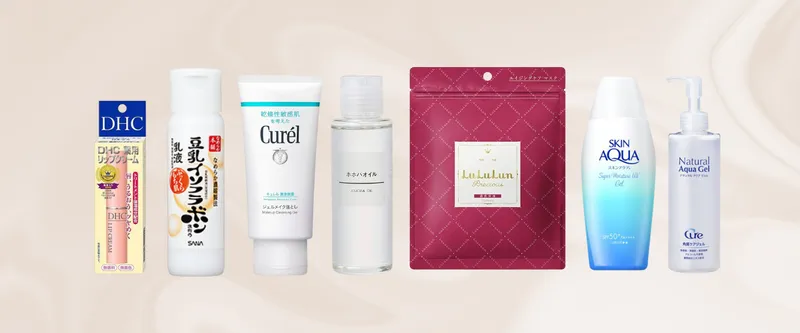
Japanese skincare products are loved around the world because they tend to focus on quality, gentleness, hydration, and consistency.
The formulas are often designed to be kind to the skin, with many products made for sensitive, dry, or easily irritated skin. You will often see options that are fragrance-free, colorant-free, alcohol-free, or additive-free, especially in drugstore brands.
That makes Japanese skincare a good choice if you want something effective but not aggressive. No need to punish your face in the name of “glow.”
Japanese Skincare Is Big on Hydration
One of the biggest strengths of Japanese skincare is moisture.
Many products include ingredients such as:
- Hyaluronic acid
- Ceramides
- Collagen
- Amino acids
- Fermented extracts
- Plant-based moisturizing ingredients
This focus makes sense in Japan, where the climate changes sharply between seasons. Summer can be humid and sweaty, while winter can be dry and harsh on the skin. Japanese skincare often works around that seasonal rhythm, helping the skin stay balanced through weather changes.
It Blends Traditional Ingredients with Modern Science
Japanese beauty products often combine traditional ingredients with modern cosmetic technology. You will see classic Japanese-inspired ingredients such as:
These ingredients are not just there to sound poetic on the bottle. Many are used for moisturizing, smoothing, calming, or supporting the look of healthy skin.
At the same time, Japanese brands are also very good at science-backed cosmetic ingredients, including vitamin C derivatives, tranexamic acid, niacinamide, ceramides, and retinol.
So yes, we can have the rice bran and the lab coat. Beautiful teamwork.
Japanese Skincare Is Often Great Value
Another reason Japanese skincare is so popular? The cost performance is excellent.
You can find very good products at Japanese drugstores for reasonable prices. Some are cult favorites around the world, but in Japan they are often just sitting casually on the shelf like they do not know they are famous.
This makes Japanese skincare ideal if you want a routine you can continue without financially recovering from every moisturizer purchase.
Common Ingredients in Japanese Skincare Products
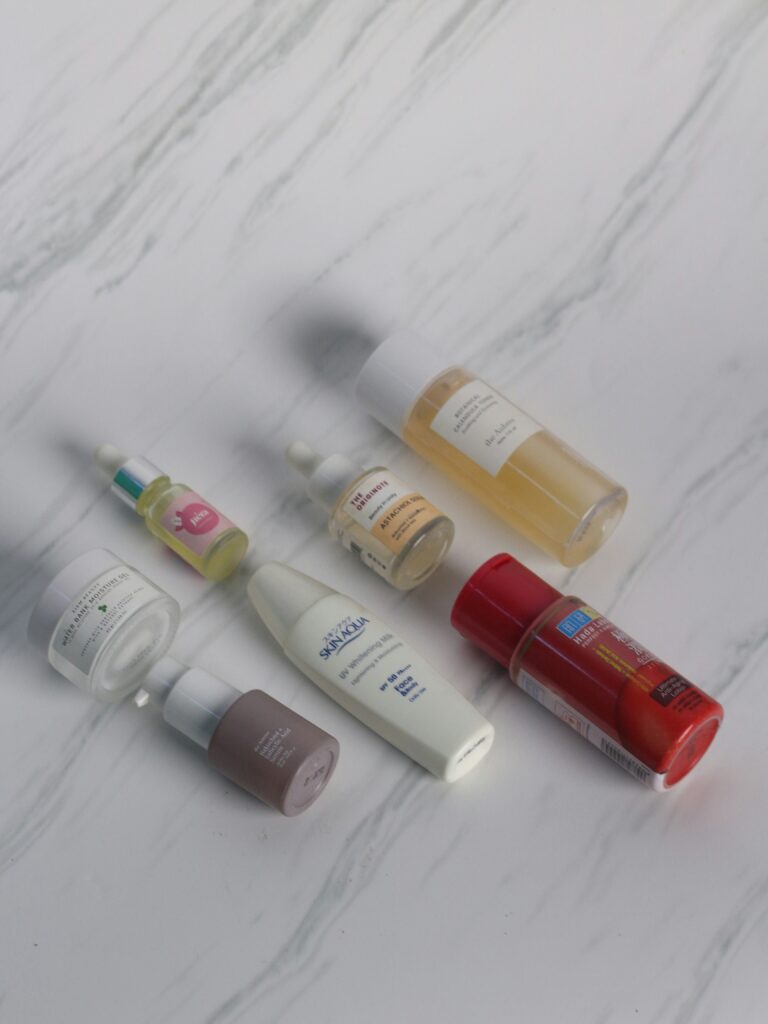
Japanese skincare uses a wide range of ingredients, but some appear again and again because they suit the overall J-beauty approach: gentle, hydrating, brightening, and barrier-supporting.
Here are the main ones to know before you start shopping.
Moisturizing Ingredients
Hyaluronic Acid
Hyaluronic acid is one of the most common moisturizing ingredients in Japanese skincare. It helps attract and retain water, making the skin look plumper and more hydrated.
You will find it in lotions, serums, sheet masks, creams, sunscreens, and body products.
Best for: dry skin, dehydrated skin, dull-looking skin, and everyday hydration.
Ceramides
Ceramides help support the skin’s barrier. When the skin barrier is weak, the skin may feel dry, tight, irritated, or sensitive.
Japanese skincare brands often use ceramides in products designed for dry and sensitive skin, especially in brands like Curel.
Best for: sensitive skin, dry skin, damaged skin barrier, winter skincare.
Collagen
In skincare, collagen is usually used as a moisturizing and smoothing ingredient. It can help the skin feel softer and look more supple, although topical collagen does not replace collagen deep inside the skin.
Best for: dry skin, mature skin, and products focused on softness and bounce.
Brightening Ingredients
In Japanese skincare, “brightening” often refers to products that help reduce the appearance of dullness, uneven tone, dark spots, or pigmentation. It does not mean bleaching the skin.
Vitamin C Derivatives
Vitamin C derivatives are commonly used in Japanese serums and lotions. They may help with the look of dark spots, acne marks, dullness, and uneven skin tone.
Best for: acne marks, dull skin, pigmentation concerns, morning skincare routines.
Arbutin
Arbutin is often used in brightening products. It helps target the appearance of spots and uneven tone.
Best for: dark spots, freckles, uneven skin tone.
Tranexamic Acid
Tranexamic acid is popular in Japanese brightening skincare. It is often used in products for dark spots, dullness, and skin that looks uneven.
Best for: pigmentation concerns, sensitive skin that does not tolerate stronger brightening products.
Ingredients for Sensitive or Troubled Skin
Glycyrrhizic Acid
Glycyrrhizic acid, derived from licorice root, is commonly used in Japanese skincare for calming the skin. It appears in products for acne-prone, sensitive, or irritated skin.
Best for: redness, acne-prone skin, sensitive skin.
Allantoin
Allantoin is known for its soothing properties. It helps support skin comfort and is often found in gentle formulas.
Best for: irritated skin, dry patches, sensitive skin.
Niacinamide
Niacinamide is a very versatile ingredient. It can support the skin barrier, help with uneven tone, and improve the look of fine lines.
Best for: dullness, pores, barrier support, early anti-aging routines.
Traditional Japanese Beauty Ingredients
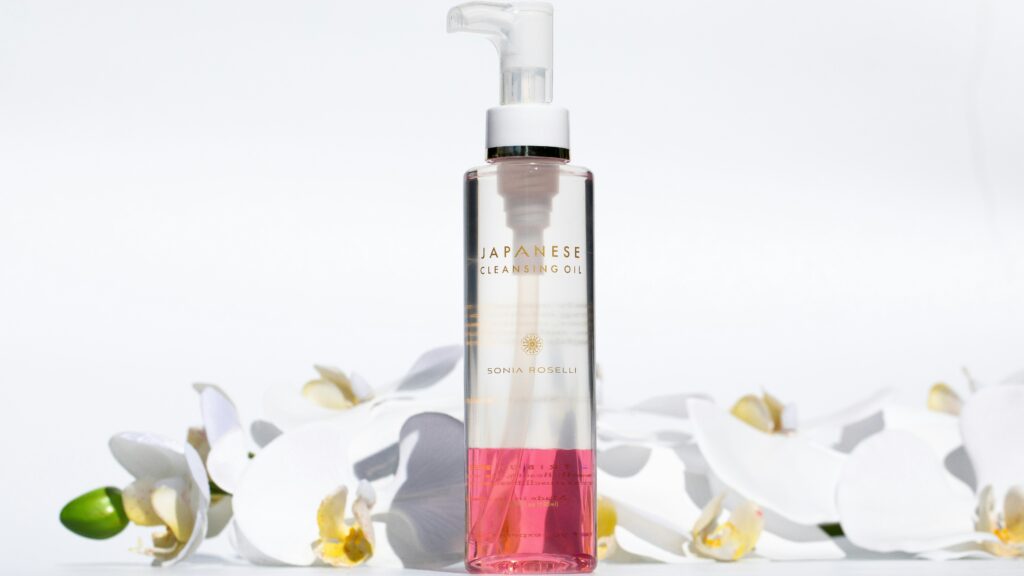
Rice Bran Extract
Rice bran extract is rich in vitamins, minerals, and antioxidants. It is used in products that aim to nourish, soften, and smooth the skin.
Best for: dry skin, dull skin, traditional J-beauty routines.
Green Tea Extract
Green tea extract is known for antioxidant properties. It is often used in skincare for calming and protecting the look of the skin.
Best for: tired-looking skin, sensitive skin, antioxidant care.
Fermented Ingredients
Fermented ingredients such as sake lees, koji extract, and fermented soy milk are common in Japanese skincare. They are often used for hydration, softness, brightness, and smoother-looking skin.
Best for: dry skin, dullness, mature skin, and anyone who likes that “soft rice-water glow” idea.
Anti-Aging Ingredients
Retinol
Retinol, a form of vitamin A, is used for the appearance of fine lines, uneven texture, and loss of firmness.
Best for: mature skin, texture, fine lines.
Good to know: Retinol can be irritating, so introduce it slowly and use sunscreen during the day.
EGF
EGF, or epidermal growth factor, is used in some Japanese skincare products for firming and skin renewal support.
Best for: mature skin and firmness-focused routines.
Astaxanthin
Astaxanthin is a powerful antioxidant often used in Japanese anti-aging skincare. It is especially known from brands such as Astalift.
Best for: antioxidant care, mature skin, dullness, and firmness-focused routines.
J-Beauty vs K-Beauty: What Is the Difference?
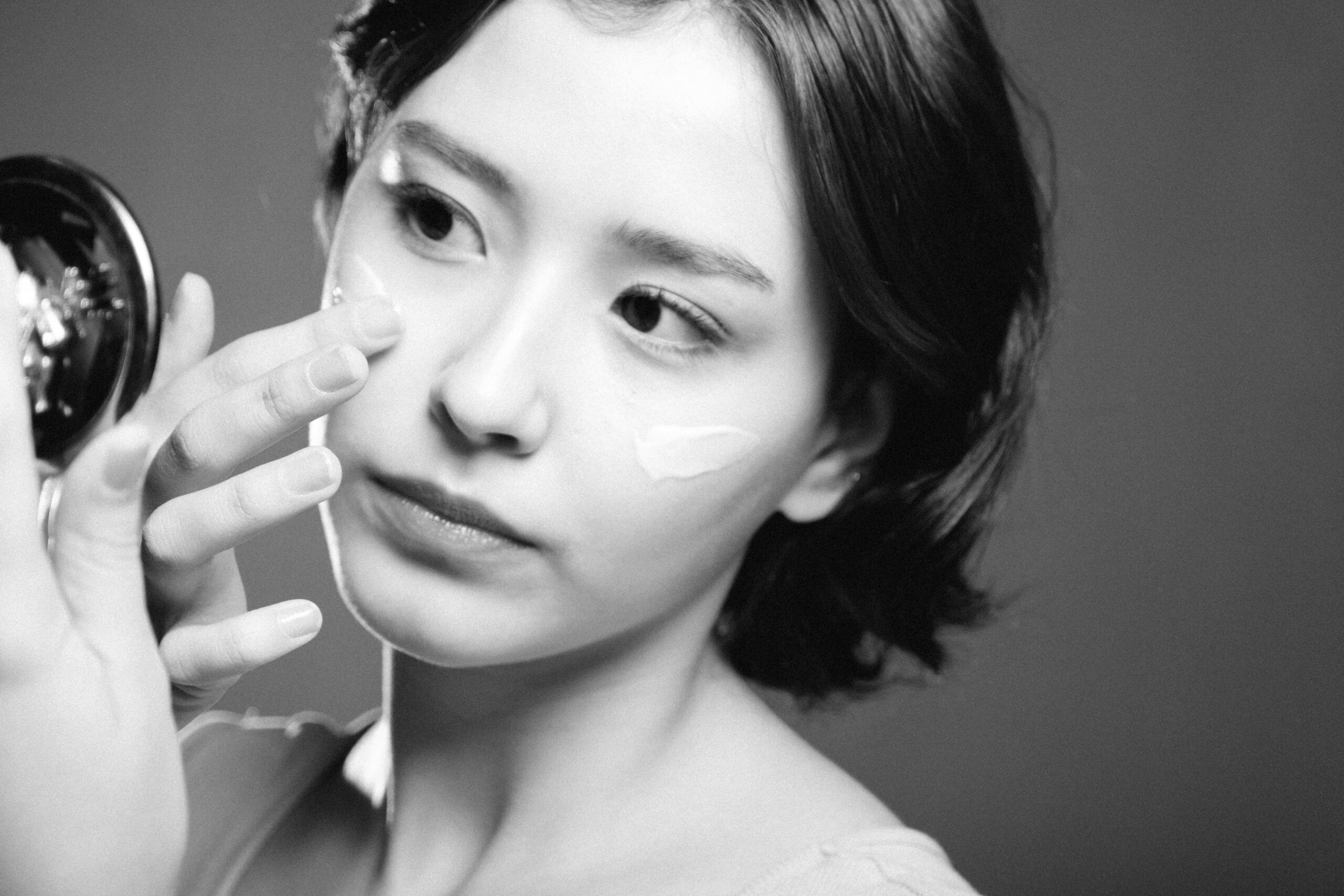
Japanese skincare and Korean skincare are both popular for good reason, but the philosophy is a little different.
Think of it like this: J-beauty is usually calm and consistent; K-beauty is often playful and trend-driven. Both can be excellent. Your skin gets to choose the winner.
1. Skincare Philosophy: Simple vs Multi-Step
J-Beauty
Japanese skincare usually focuses on a simple, steady routine. The aim is to support the skin barrier, keep the skin hydrated, and improve the skin over time.
A typical J-beauty routine may include:
- Cleanser
- Lotion or toner
- Serum
- Emulsion or cream
- Sunscreen
It is practical and easy to maintain.
K-Beauty
Korean skincare is often known for multi-step routines. Essences, ampoules, serums, masks, sleeping packs, and layered hydration are all part of the fun.
K-beauty often focuses on visible glow, glass skin, pore care, and trend-led ingredients.
Best for: people who enjoy experimenting and layering products.
2. Ingredients: Traditional and Scientific vs Trendy and Experimental
J-Beauty
Japanese skincare often uses a mix of traditional ingredients and proven cosmetic actives. You will see rice bran, green tea, fermented ingredients, ceramides, hyaluronic acid, vitamin C, and tranexamic acid.
The formulas are often gentle and suitable for sensitive skin.
K-Beauty
Korean skincare is more experimental with ingredients and textures. You may see CICA, snail mucin, propolis, mugwort, heartleaf, fermented extracts, and many new trendy ingredients.
K-beauty is fantastic if you like discovering what is new. J-beauty is fantastic if you want something reliable and quietly effective.
3. Makeup and Skin Finish

J-Beauty
Japanese beauty often favors a natural finish. The goal is healthy-looking, smooth, hydrated skin rather than a heavily layered look.
Skincare supports the skin so makeup can look soft and fresh.
K-Beauty
Korean beauty is more closely tied to visible makeup trends, such as glass skin, dewy skin, semi-matte skin, gradient lips, and carefully styled complexion products.
Both styles are beautiful. The best choice depends on your skin, lifestyle, and patience level before bedtime.
4. Which One Is Better?
Neither is automatically better.
Choose J-beauty if you like:
- Simple routines
- Gentle formulas
- Hydration
- Sensitive skin products
- Long-term consistency
- Drugstore value
Choose K-beauty if you like:
- Multi-step routines
- New ingredients
- Trendy textures
- Glass-skin looks
- Sheet masks and essences
- Experimenting with products
Or do what most skincare people eventually do: mix both and pretend it was a strategy from the beginning.
Recommended Best J Beauty Products
If you are shopping in Japan, the skincare aisle can feel overwhelming. So here is a practical list by category, from cleansing to sunscreen and lip care.
1. Cleansing: Kao Curel Gel Makeup Remover
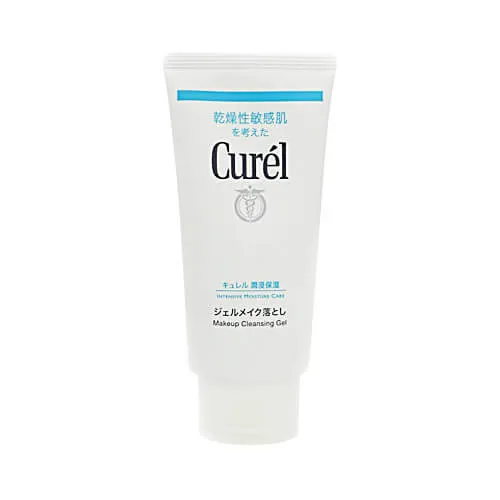
Kao Curel Gel Makeup Remover is made for dry and sensitive skin. It has a gentle gel texture that helps remove makeup while reducing friction.
The formula is designed to protect the skin’s moisture and support the skin barrier. It is fragrance-free, colorant-free, and alcohol-free, which makes it a good option for sensitive skin.
Best for: sensitive skin, dry skin, light to medium makeup, gentle cleansing.
Why buy it in Japan: Curel is easy to find in Japanese drugstores, and the range is especially useful for sensitive skin.
2. Face Wash: Rosette Facial Cleansing Paste Sea Clay Smooth
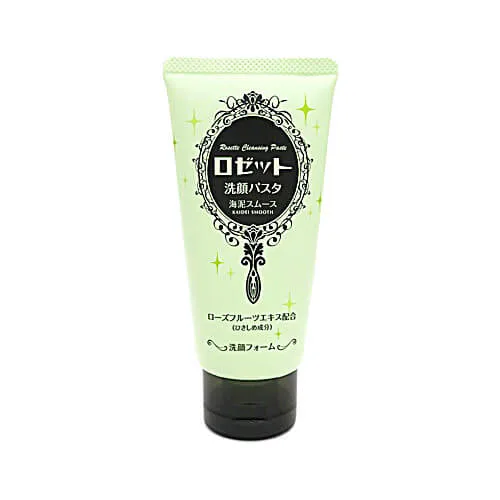
Rosette Facial Cleansing Paste Sea Clay Smooth is a long-loved Japanese face wash made with sea clay. It helps cleanse dirt, excess sebum, and impurities from the pores while still leaving the skin comfortable.
It is especially popular with people who want a deeper cleanse without spending luxury-brand money.
Best for: oily skin, combination skin, clogged pores, everyday face washing.
Good to know: If your skin is very dry, use it gently and follow with a moisturizing lotion.
3. Peeling and Exfoliation: Cure Natural Aqua Gel
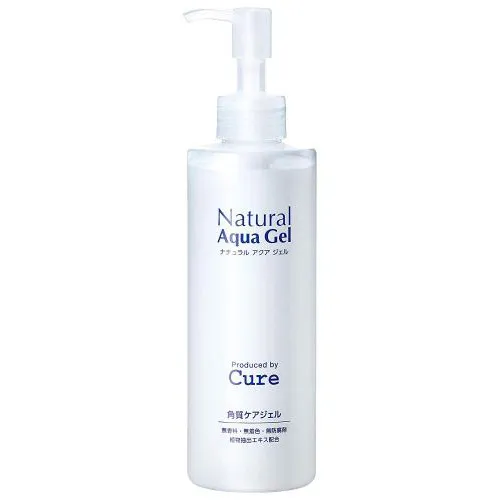
Cure Natural Aqua Gel is one of Japan’s most famous peeling gels. It is water-based and designed to gently remove dead skin cells from the surface of the skin.
It leaves the skin feeling smoother and cleaner without using harsh physical scrubs.
Best for: dull skin, rough texture, occasional exfoliation.
Good to know: Use peeling gels sparingly. Your face is not a kitchen counter. Once or twice a week is usually enough for many people.
4. Toner/Lotion: Kikumasamune Japanese Sake High Moisture Lotion
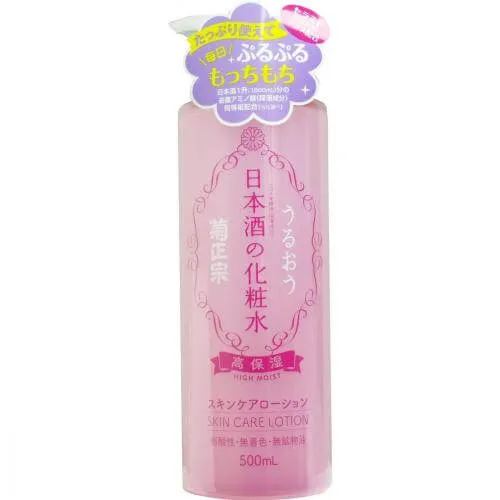
Kikumasamune Japanese Sake High Moisture Lotion is a cult-favorite Japanese lotion made with sake-inspired ingredients. It comes in a large bottle and is known for hydration, softness, and excellent value.
In Japanese skincare, “lotion” usually means a watery hydrating toner, not a cream. This product is often used after cleansing and before serum or moisturizer.
Best for: dry skin, normal skin, body care, budget-friendly hydration.
Good to know: It has a sake-like scent, so if you prefer fragrance-free skincare, test it first.
5. Serum: Rohto Melano CC Medicated Spot Treatment Serum
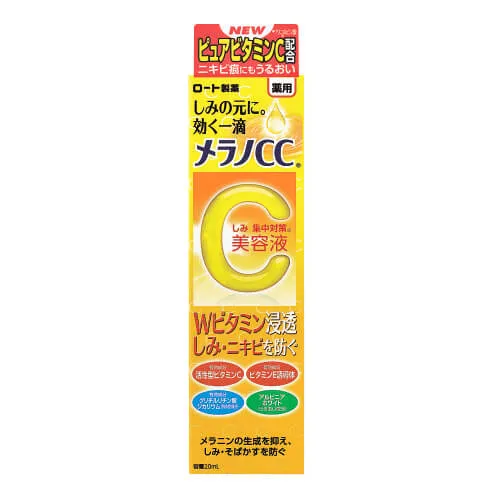
Melano CC is one of Japan’s most famous vitamin C products. It is often used for the appearance of dark spots, acne marks, and dullness.
The texture is light and easy to apply, and the small tube packaging helps protect the formula.
Best for: acne marks, uneven tone, dullness, targeted brightening care.
Good to know: Vitamin C products can sometimes irritate sensitive skin, so start slowly and patch test.
6. Emulsion: Nameraka Honpo Emulsion
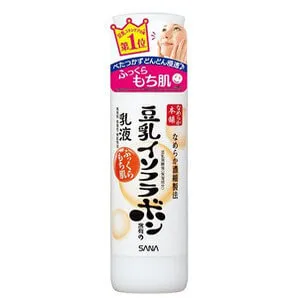
Nameraka Honpo Emulsion contains soy milk-derived ingredients and is designed to moisturize and soften the skin.
Japanese emulsions are lighter than creams but richer than toners. They are useful if your skin needs moisture but you do not want a heavy finish.
Best for: normal skin, dry skin, combination skin, simple daily moisturizing.
Good to know: The Nameraka Honpo line is popular for affordable, gentle, soy-based skincare.
7. Cream: Nivea Cream Large Can
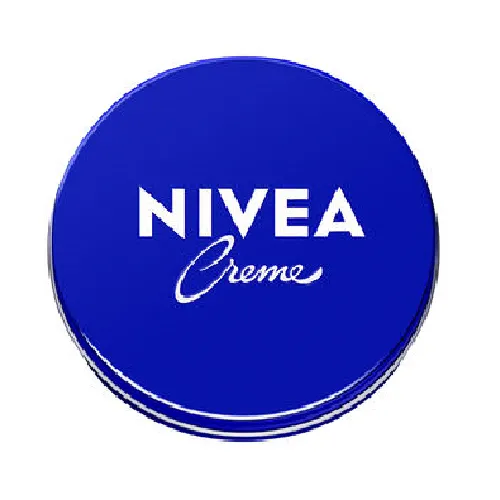
Nivea Cream is not uniquely Japanese, but it is very popular in Japan and easy to find in drugstores. It is a rich, classic moisturizing cream that can be used on the face or body.
It is especially useful for dry patches, hands, elbows, and winter skin.
Best for: dry skin, body care, family use, budget moisturizing.
Good to know: It is quite rich, so acne-prone or oily skin may prefer using it only on dry areas.
8. Face Oil: MUJI Jojoba Oil
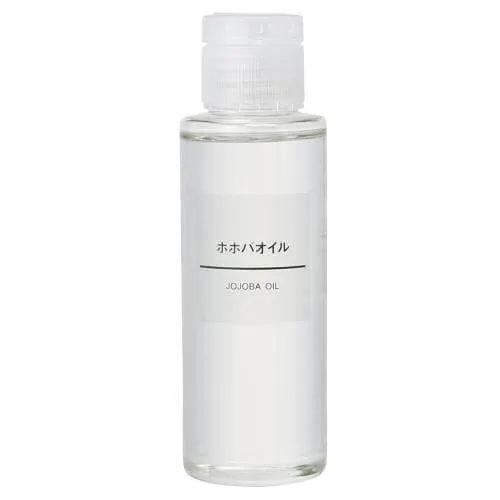
MUJI Jojoba Oil is a simple, fragrance-free, plant-derived oil that can be used for face, body, hair, or massage.
It has a lightweight feel compared with heavier oils and is a nice minimalist option if you want something versatile.
Best for: dry skin, simple routines, massage, hair ends, travel skincare.
Why we like it: It is unfussy, easy to use, and very MUJI — which means it looks calm even when our suitcase does not.
9. Eye Cream: Meishoku Placenta Medicated Whitening Eye Cream
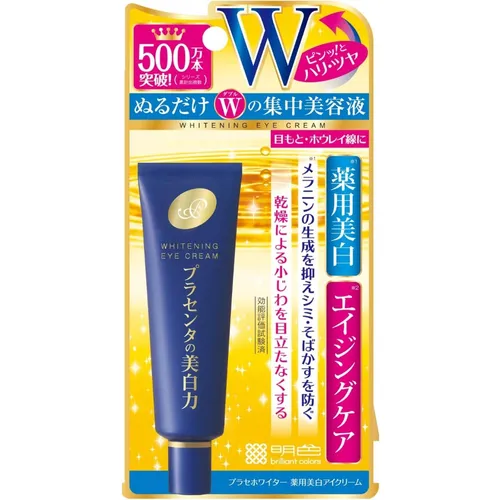
Meishoku Placenta Medicated Whitening Eye Cream is an affordable Japanese eye cream aimed at dryness and dullness around the eyes.
It contains placenta extract and hyaluronic acid and is often chosen as a budget-friendly first eye cream.
Best for: dry under-eyes, dullness, first eye cream, budget skincare.
Good to know: In Japanese beauty language, “whitening” usually means brightening or targeting the appearance of dark spots, not bleaching.
10. Sunscreen: Skin Aqua Super Moisture Gel SPF50+/PA++++
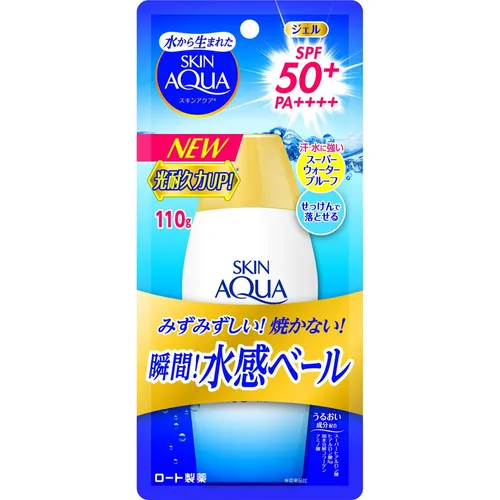
Skin Aqua Super Moisture Gel is one of the easiest Japanese sunscreens to love. It has high UV protection with SPF50+/PA++++, but the texture is light, watery, and comfortable.
It can be used on the face and body, and it washes off easily with soap.
Best for: daily sunscreen, humid weather, body sunscreen, lightweight face sunscreen.
Why buy it in Japan: Japanese sunscreens are often excellent, and this one is affordable, easy to find, and comfortable enough for daily use.
11. Sheet Mask: LuLuLun Precious Red Face Mask
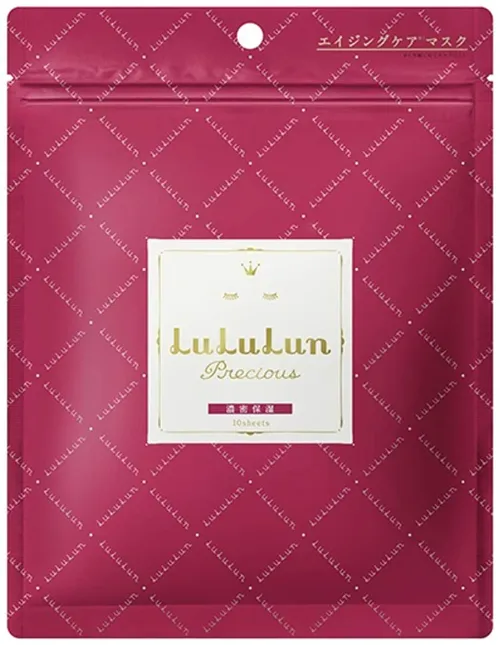
LuLuLun Precious Red is a moisturizing sheet mask designed for mature or dry skin. It focuses on firmness, elasticity, and hydration.
LuLuLun masks are popular because they come in multi-packs, making them convenient for regular use.
Best for: dry skin, mature skin, travel recovery, easy hydration boost.
Good to know: Sheet masks are not essential, but they are very nice after a long flight or a day walking around Japan in dry winter air.
12. Acne Care: Oronine H Ointment
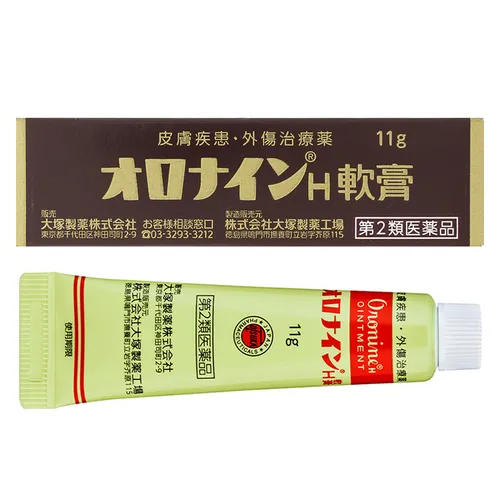
Oronine H Ointment is a classic Japanese household ointment used for minor skin troubles such as small cuts, rough skin, and acne spots.
It is widely available and has been used in Japan for many years.
Best for: small skin irritations, occasional acne spots, travel first-aid kits.
Important note: This is a pharmaceutical product, so read the instructions carefully and do not use it as an all-over face cream.
13. Lip Care: Medicated Lip Balm
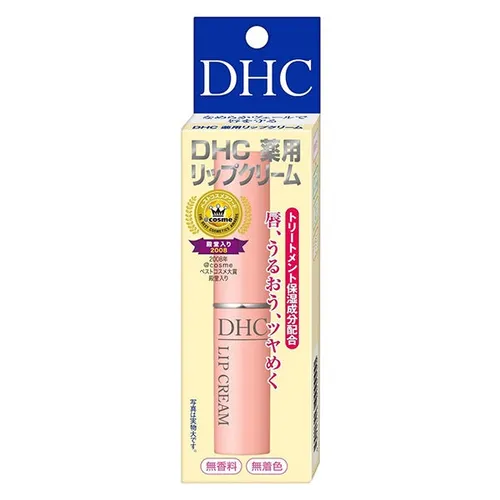
Japanese drugstores have many excellent medicated lip balms, often made for dry, cracked, or chapped lips.
Look for options with moisturizing ingredients such as olive oil, aloe extract, hyaluronic acid, or ceramides.
Best for: dry lips, winter travel, flights, everyday use.
Good to know: Japanese lip balms are small, affordable, and dangerously easy to buy in multiples. This is not a warning. It is just information.
Other Japanese Skincare Products Worth Checking
If you want to explore beyond the basic routine, these Japanese skincare products are also worth looking for in drugstores, Don Quijote, Loft, Hands, Matsumoto Kiyoshi, and online shops.
14. Pair Acne Cream W
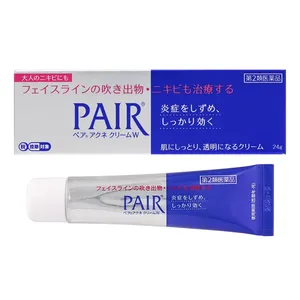
Pair Acne Cream W is a popular Japanese acne treatment cream used for spot care. It is easy to find and often recommended for occasional breakouts.
Best for: acne spot care, travel breakouts, oily or combination skin.
Good to know: It is a medicated product, so follow the instructions and avoid using too much.
15. Kao Biore The Face Oil Control
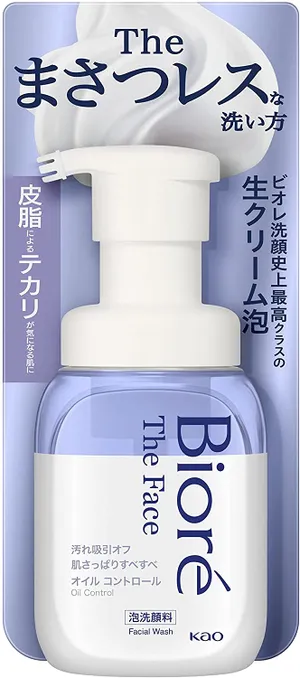
Kao Biore The Face Oil Control is a facial cleanser designed for oily or shiny skin. It helps remove excess sebum and leaves the skin feeling fresh.
Best for: oily skin, combination skin, humid weather.
Good to know: If your skin feels tight after cleansing, follow with a hydrating toner or switch to a gentler cleanser.
16. Obagi C25 Serum Neo
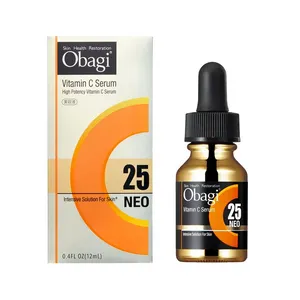
Obagi C25 Serum Neo is a high-strength vitamin C serum and one of the pricier options on this list. It is aimed at dullness, pores, uneven texture, and signs of aging.
Best for: experienced vitamin C users, uneven skin tone, texture concerns.
Good to know: Strong vitamin C can be irritating. Start slowly, especially if your skin is sensitive.
17. Anessa Perfect UV Skincare Milk SPF50+/PA++++
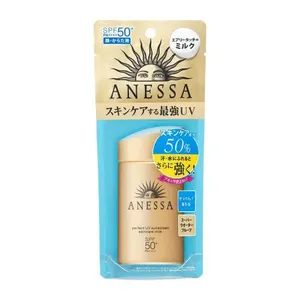
Anessa Perfect UV Skincare Milk is one of Japan’s most famous sunscreens. It is known for strong UV protection and good performance in heat, humidity, and outdoor conditions.
Best for: summer travel, beach days, long sightseeing days, outdoor activities.
Good to know: This is a great option if you will be walking around Japan all day in strong sun.
18. Hada Labo Gokujyun Hyaluronic Acid Lotion
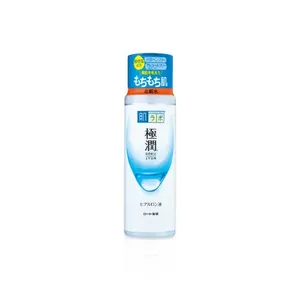
Hada Labo Gokujyun Hyaluronic Acid Lotion is a Japanese skincare classic. It is a simple hydrating lotion packed with hyaluronic acid.
The texture is light but very moisturizing, and it works well in many routines.
Best for: dehydrated skin, dry skin, simple routines, layering hydration.
Why we like it: It does one job and does it very well. Skincare minimalists, rejoice.
19. FANCL Mild Cleansing Oil
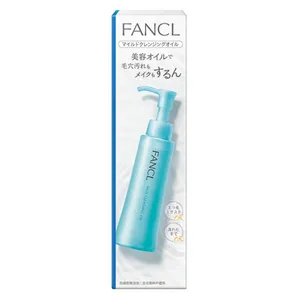
FANCL Mild Cleansing Oil is a gentle cleansing oil that removes makeup, sunscreen, and impurities without leaving the skin feeling stripped.
It is especially popular for double cleansing.
Best for: sunscreen removal, makeup removal, dry or sensitive skin.
Good to know: FANCL products are known for fresh, additive-conscious formulas.
20. Cow Brand Additive-Free Moisturizing Facial Wash
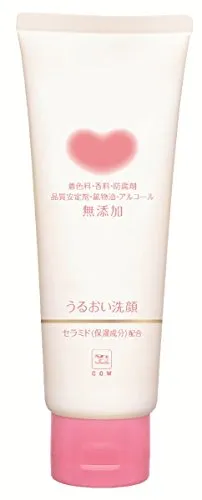
Cow Brand Additive-Free Moisturizing Facial Wash is a gentle cleanser from a well-known Japanese brand. It is designed without unnecessary additives and is suitable for sensitive skin.
Best for: sensitive skin, simple routines, morning cleansing.
Good to know: This is a good “safe choice” if your skin reacts badly to heavily fragranced products.
21. Nivea Soft Skin Care Cream
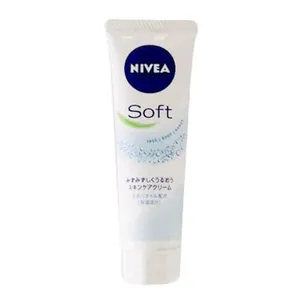
Nivea Soft is lighter than classic Nivea Cream and easier to spread. It can be used on the face, hands, and body.
Best for: normal to dry skin, body care, travel moisturizer.
Good to know: It is more comfortable for daytime use than the richer blue-tin Nivea Cream.
22. MINON Amino Moist Plump and Moisturizing Skin Mask
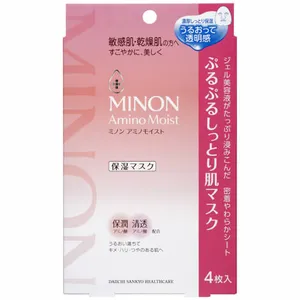
MINON Amino Moist is a beloved Japanese skincare line for dry and sensitive skin. The moisturizing sheet masks are rich, soothing, and great when your skin feels tired or tight.
Best for: sensitive skin, dry skin, post-flight skincare, winter travel.
Good to know: MINON is one of the best Japanese brands to check if your skin is easily irritated.
Simple Japanese Skincare Routine for Beginners
If you are new to J-beauty, do not buy everything at once. We are building a skincare routine, not opening a small pharmacy.
Start with a basic routine like this:
Morning Routine
- Gentle cleanser or rinse with water
- Hydrating lotion
- Serum, if needed
- Emulsion or light moisturizer
- Sunscreen
Evening Routine
- Cleansing oil or makeup remover
- Gentle face wash
- Hydrating lotion
- Serum
- Emulsion or cream
Once your skin is happy with the basics, you can add extras like peeling gel, sheet masks, eye cream, or spot treatments.
Where to Buy Japanese Skincare in Japan
Japanese skincare products are easy to find, especially in major cities like Tokyo, Osaka, Kyoto, Fukuoka, and Sapporo.
Look for them in:
Matsumoto Kiyoshi
Welcia
Sun Drug
Ainz & Tulpe
@cosme Store
Department store beauty floors
Drugstores are usually best for affordable skincare, sunscreen, acne care, and daily products. Loft, Hands, and @cosme Store are better if you want trendier or more curated beauty shopping.
Tips for Buying Japanese Skincare
Before you fill your basket with every cute bottle in sight, here are a few practical tips.
Check Your Skin Type
Japanese skincare is often gentle, but not every product suits every skin type.
- Dry skin: look for hyaluronic acid, ceramides, oils, creams, and rich lotions.
- Oily skin: look for lightweight gels, oil-control cleansers, and non-greasy sunscreens.
- Sensitive skin: look for fragrance-free, alcohol-free, additive-free, or sensitive-skin lines.
- Acne-prone skin: choose spot treatments carefully and avoid heavy products if they clog your pores.
Patch Test New Products
Even gentle products can cause irritation. Try new skincare on a small area first, especially if your skin is reactive.
Do Not Start Everything at Once
This is the classic skincare mistake. If you buy ten products and your skin reacts, you will have no idea which one caused the problem.
Introduce one new product at a time.
Prioritize Sunscreen
If you buy only one skincare category in Japan, make it sunscreen. Japanese sunscreens are some of the best everyday sunscreens: light, elegant, affordable, and easy to wear.
Watch for Medicated Products
Some Japanese skincare products are classified as quasi-drugs or pharmaceuticals. These can be useful, but read instructions carefully and avoid mixing too many active treatments.
Final Thoughts on Japanese Skincare
Japanese skincare is popular because it is practical, gentle, and beautifully consistent. It does not always chase the loudest trend, and that is exactly why so many products become long-term favorites.
If you want a simple routine, start with cleanser, lotion, moisturizer, and sunscreen. If you want to explore more, add a vitamin C serum, sheet mask, peeling gel, or Japanese face oil.
The best part? Many excellent Japanese skincare products are affordable and easy to find in regular drugstores. So yes, you can build a proper J-beauty routine without treating your wallet like an enemy.
And if you walk into a Japanese drugstore “just to look” and leave with five sunscreens, a giant sake lotion, and a sheet mask multipack? We understand. We have also been there.
- Nagoya rainy day with kids in 2026 (Cool Indoor Things to Do )
 Rain in Nagoya does not have to mean surrendering the day to the hotel room. In fact, Nagoya is unusually good at indoor sightseeing. You have one of Japan’s best science museums, enormous aquariums, real Shinkansen trains, hands-on industrial museums, planetariums, covered shopping streets, and enough underground passages around Nagoya Station to lose an entire… Read more: Nagoya rainy day with kids in 2026 (Cool Indoor Things to Do )
 - Best Gachapon in Tokyo (2026): 20 Places to Find Capsule Toys
 You start with one. A tiny plastic capsule rolls out of the machine containing a miniature ramen bowl, sleepy cat or suspiciously realistic washing machine. Then you notice the machine next to it. And the one next to that. Twenty minutes later, you’ve somehow spent ¥3,000 and are emotionally invested in completing a collection of… Read more: Best Gachapon in Tokyo (2026): 20 Places to Find Capsule Toys
 - All Japanese KitKat Flavours List: The Ultimate Japan KitKat Guide
 Walk into a Japanese convenience store looking for a KitKat and things can get out of hand surprisingly quickly. You came for chocolate. Five minutes later, you’re holding matcha, strawberry, sake and something involving sweet potato, wondering whether wasabi chocolate is a terrible idea or exactly the souvenir your friends deserve. Welcome to Japanese KitKats.… Read more: All Japanese KitKat Flavours List: The Ultimate Japan KitKat Guide
 - Sapporo rainy day with kids (2026): 7 Cool Indoor Things to Do
 You wake up in Sapporo, pull back the curtains, and there it is: rain. That does not mean the family sightseeing day is ruined. Sapporo is actually very good at bad-weather entertainment, with science museums, aquariums, indoor play areas, shopping complexes, museums, and even a chocolate factory where children can watch one of Hokkaido’s most… Read more: Sapporo rainy day with kids (2026): 7 Cool Indoor Things to Do
 - What To Do In Arashiyama With Kids: A Realistic One-Day Family Itinerary
 Arashiyama looks peaceful in photos: tall bamboo, forested hills, a wide river, and one of Kyoto’s most famous bridges. In reality, it is lively, busy, and full of families trying to fit a surprising number of things into one day. The good news? Arashiyama works brilliantly with kids when we keep the plan simple. The… Read more: What To Do In Arashiyama With Kids: A Realistic One-Day Family Itinerary