I spill travel tips , and show you the Japan that tourists usually miss.
Hiroshima is the sort of place where you walk into a souvenir shop for one box of sweets and walk out contemplating lemon-flavored everything, a beautiful handmade brush, and a wooden rice paddle you never knew you needed. We’ve all been there—or at least we understand the temptation.
Most people come for the Peace Memorial Park, the Atomic Bomb Dome, and a trip to Miyajima. But Hiroshima also happens to be one of Japan’s most rewarding places to shop for regional gifts. The Seto Inland Sea supplies oysters and octopus; islands around Onomichi grow fragrant citrus; and workshops in Kumano and Miyajima keep centuries-old crafts alive.
So, what to buy in Hiroshima? We’ve picked 30 worthwhile souvenirs, from classic momiji manju to savory sauces, cat-themed gifts, and handmade Japanese brushes. More importantly, we’ll tell you where to find them, what they’re good for, and which ones can actually survive the journey home.
Table of Contents
What to Buy in Hiroshima: Best Souvenirs Quick Picks
If you’ve only got half an hour in a souvenir shop, don’t try to buy everything. We’d start with these:
| What to buy | Best for | Budget guide |
|---|---|---|
| Momiji manju | The classic Hiroshima gift | Around ¥150–¥250 each |
| Nama Momiji | Chewy Japanese sweets | Around ¥180–¥250 each |
| Setoda lemon cake | Individually wrapped gifts | Around ¥250–¥350 each |
| Oyster soy sauce | Home cooks | Around ¥500–¥800 per bottle |
| Otafuku okonomiyaki sauce | Bringing Hiroshima flavors home | Around ¥400–¥700 |
| Kumano makeup brush | A special, lasting gift | From several thousand yen |
| Onomichi cat stationery | Cheap and cute gifts | Often under ¥1,000 |
Our top three: Nama Momiji, Shimagokoro’s Setoda lemon cake, and a bottle of oyster soy sauce. They’re distinctly local, widely stocked in Hiroshima City, and usually much easier to transport than chilled desserts.
Prices are approximate shopping guides, not guaranteed current shelf prices. Availability and packaging change.
What to Buy in Hiroshima: Best Sweets and Snacks
Hiroshima knows its way around a cake. Some of its sweets are practically local institutions; others are creative little experiments involving citrus, rice flour, and—for one particularly strange recipe—bonito flakes.
1. Momiji Manju — The Classic Hiroshima Souvenir

If you leave Hiroshima without seeing momiji manju, you’ve probably managed to avoid every souvenir shop in town. These golden, maple-leaf-shaped cakes are the region’s signature gift, especially on Miyajima. The traditional filling is sweet red bean paste, but you’ll also find custard, chocolate, matcha, and other flavors.
The shape isn’t random: momiji means maple leaf, a nod to the autumn foliage associated with Miyajima. They look charming in a gift box, and individually wrapped versions are easy to divide among coworkers or family.
Best for: First-time visitors and inexpensive gifts. Price: Often ¥150–¥250 per cake. Where to buy: Hiroshima Station ekie, Miyajima Omotesando, Hiroshima Airport, and most major souvenir shops.
Tip: Eat one freshly baked on Miyajima. Fried age-momiji is delicious hot, but it’s not the one to pack for a long flight.
2. Nama Momiji — The Chewy Version Worth Trying

Nishikido’s Nama Momiji is what happens when the classic maple-leaf cake gets a mochi-style makeover. Rice flour gives the exterior a pleasantly elastic bite, while the inside stays sweet and soft. If regular sponge cakes don’t excite you, this version probably will.
They’re neatly packaged and make an easy present for someone who likes traditional Japanese confectionery without excessive sweetness.
Best for: Mochi fans and elegant small gifts. Price: Roughly ¥180–¥250 each. Where to buy: Nishikido branches at Hiroshima Station, Miyajima, and Hiroshima Airport.
Tip: Buy one regular momiji manju and one Nama Momiji to compare the textures. It’s a very manageable bit of snack research.
3. Setoda Lemon Cake — The Sweet We’d Make Room For
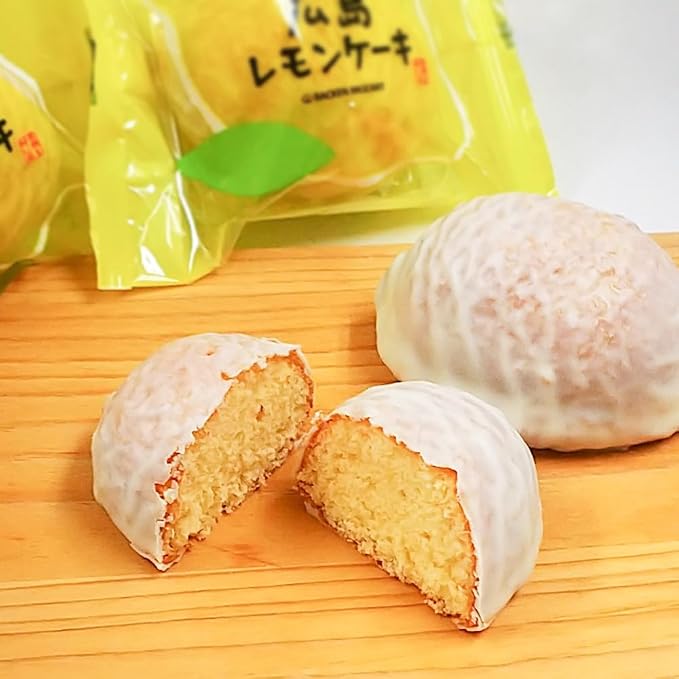
Setoda, on Ikuchijima Island, is famous for lemons. Shimagokoro SETODA turns them into buttery little cakes that are among the most appealing edible souvenirs from Hiroshima Prefecture.
The signature cake uses fragrant lemon-peel jam in the batter rather than relying on a thick white-chocolate coating. You get a moist cake with bright citrus aroma and just enough bitterness from the peel to keep things interesting.
Best for: Lemon lovers and gifts to take home. Price: Budget about ¥250–¥350 per cake; multi-packs are available. Where to buy: Shimagokoro SETODA in Hiroshima Station ekie, Setoda on Ikuchijima, and selected regional shops.
Tip: Individually wrapped cakes travel much better than freshly filled pastries. Check the best-before date before choosing a large box.
4. Innoshima Hassaku Jelly — A Refreshing Citrus Dessert
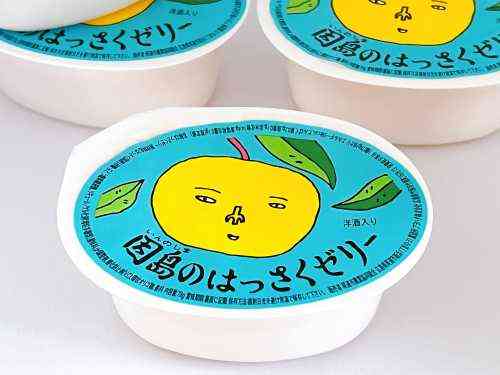
Hassaku is a bittersweet Japanese citrus fruit associated with Innoshima. This popular sealed jelly combines soft citrus-flavored jelly with satisfying pieces of the fruit itself. The cheerful Hassaku Boy packaging is a souvenir-shop giveaway.
It’s pleasantly less heavy than a cake, especially in summer. Just remember that jelly cups take up more space and weight than biscuits.
Best for: Fruit lovers and lighter desserts. Price: Around ¥200–¥300 per cup. Where to buy: Hiroshima Station, Hiroshima Airport, Orizuru Tower, and larger souvenir shops.
Tip: Chill it before eating. Pack sealed jelly securely and check flight liquid restrictions if traveling with hand luggage only.
5. Hattendo Cream Buns — Buy to Eat, Not to Fly
Hattendo originated in Mihara, and its cream buns have spread far beyond Hiroshima. The bread is unbelievably soft, with a smooth chilled cream filling that makes the whole thing feel closer to dessert than breakfast.
Custard is the classic, with chocolate, matcha, and other flavors appearing in the range. They’re lovely, but these are refrigerated, perishable treats, not the most sensible souvenir for an international journey.
Best for: An immediate snack or a short journey with refrigeration. Price: Usually several hundred yen each. Where to buy: Hiroshima Station ekie, selected airport outlets, and Hattendo shops.
Tip: Eat one while you’re in Hiroshima and save your suitcase space for something shelf-stable.
6. Hassaku Daifuku — Sweet Mochi Meets Tart Fruit
Hassaku daifuku sounds like an unlikely combination until you try it: chewy mochi, sweet bean paste, and juicy segments of citrus. The slight bitterness of the fruit cuts through the sweetness beautifully.
You’ll see versions from different confectioners, including Kashihara and Shofukutei. Availability depends on the producer and season, so don’t plan an elaborate hunt based on a single listing.
Best for: Mochi lovers and curious snackers. Price: Commonly around ¥200–¥350 each. Where to buy: Selected Hiroshima confectioners, station shops, and stores around Onomichi and Innoshima.
Tip: This is a fresh sweet. Buy it to eat during your visit, not to leave in a suitcase for three days.
7. Marunyan Paw Print Lemon Cake — Cats, Lemons, and a Surprise
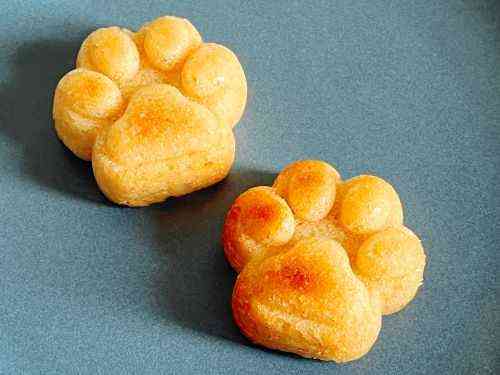
Onomichi’s affection for cats has made its way into its sweets. Marunyan’s paw-print cakes are shaped like little cat feet and made with rice flour and Setouchi lemon. The unexpected twist is the addition of bonito flakes, which bring a subtle savory depth rather than an obvious fish flavor.
Yes, we’re talking about fish flakes in cake. Japan doesn’t always do things halfway.
Best for: Cat lovers and unusual food gifts. Price: Around ¥1,300 for a five-piece box. Where to buy: Selected Onomichi Eemonya shops and regional retailers.
Tip: The unusual recipe makes checking allergens especially important. Don’t assume a rice-flour cake is suitable for every dietary restriction.
8. Tsuchinoko Manju — A Sweet Named After a Mystery Creature
The tsuchinoko is a chunky, snake-like creature from Japanese folklore. Luckily, the manju named after it is much less intimidating: flaky pastry, smooth white bean paste, and a chestnut inside.
Fugetsu-do’s confection has the kind of oddly specific local backstory that makes for a much better gift than a generic box of cookies.
Best for: Folklore fans and chestnut lovers. Price: Around ¥1,300 for five. Where to buy: Regional shops around Joge and Fuchu, sometimes Hiroshima Yume Plaza.
Tip: Treat this as a lucky find, not a guaranteed item at every Hiroshima souvenir counter.
Best Savory Hiroshima Souvenirs and Local Food
Not a sweet tooth? Good news. Some of the smartest things to buy in Hiroshima are sauces, noodles, and pantry ingredients you’ll actually use once you’re home.
9. Oyster Soy Sauce — One of the Best Practical Gifts
Hiroshima is famous for oysters, so an oyster-based seasoning feels appropriately local. Asamurasaki’s kaki shoyu combines soy sauce, oyster extract, and Japanese dashi ingredients into something salty, rich, and wonderfully savory.
Splash it over rice or tofu, use it in noodle soup, or add a little to stir-fried vegetables. It’s a small reminder of Hiroshima every time you cook.
Best for: Foodies and home cooks. Price: Around ¥500–¥800 for a typical bottle. Where to buy: Hiroshima Station, Hiroshima Airport, Hiroshima Yume Plaza, and regional food shops.
Tip: This contains oyster and may contain other allergens. Pack large bottles in checked luggage.
10. Takosen — Crunchy Octopus Crackers
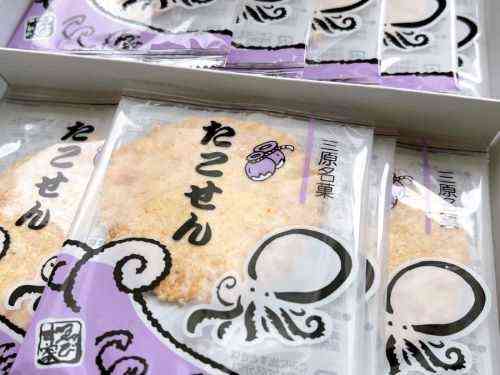
Mihara is known for octopus, and takosen turns that local specialty into a crispy snack. Ebisuya’s octopus crackers are savory, slightly spicy, and considerably more interesting than the office biscuits everyone has seen before.
They’re also often individually wrapped, which makes them convenient for sharing.
Best for: Savory snackers and inexpensive food gifts. Price: Around ¥600–¥700 for a small pack. Where to buy: Hiroshima Station, Hiroshima Airport, and larger regional souvenir stores.
Tip: These are an excellent train snack. Check seafood ingredients before giving them to someone with allergies.
11. Onomichi Ramen — Bring the Noodle Shop Home

Onomichi ramen usually features a soy sauce-based broth with seafood notes and pork back fat, paired with noodles and simple toppings. A bowl in an Onomichi ramen shop is the ideal introduction, but boxed versions let you recreate at least part of the experience at home.
Ichibankan sells a packaged version of its Onomichi ramen, although you’ll also see other brands around the prefecture.
Best for: Ramen enthusiasts. Price: Often around ¥800–¥1,500 for multi-serving packs. Where to buy: Hiroshima Yume Plaza and Onomichi specialty shops.
Tip: Look for storage instructions. Nama (fresh) noodles generally keep for less time than dried instant ramen.
12. Premium Seaweed Tsukudani — Japanese Comfort Food in a Jar
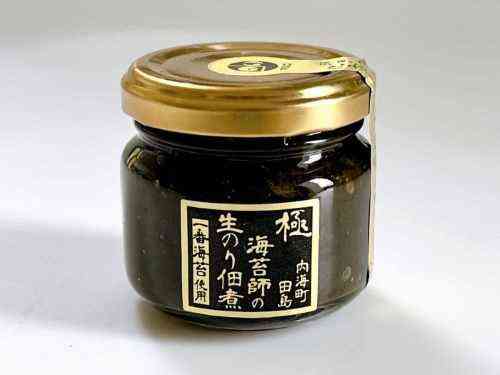
Tsukudani is a traditional condiment made by simmering ingredients in a seasoned sauce. A premium raw-seaweed version from Maruko Suisan offers a soft, deeply savory topping for hot white rice.
It’s probably not the most photogenic thing in the shop, but that’s irrelevant once it reaches the dinner table. A teaspoon can make plain rice feel like a proper Japanese breakfast.
Best for: People who already enjoy Japanese cooking. Price: Around ¥1,300 for a small premium jar. Where to buy: Hiroshima Station ekie and Hiroshima Yume Plaza, subject to stock.
13. Setouchi Lemon Jewelry — Tiny Bursting Citrus Pearls
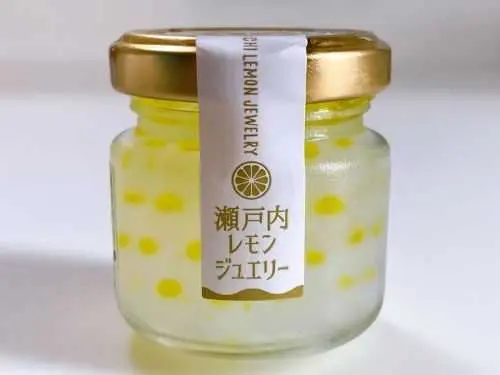
This inventive condiment turns Setoda lemon juice into tiny bead-like pearls that burst in your mouth. Sprinkle them over seafood, salads, or desserts for a hit of citrus and a little restaurant-style presentation.
The small bottle looks attractive, and the product is unusual enough to feel like a discovery rather than the twentieth lemon biscuit of your holiday.
Best for: Creative cooks and unusual gifts. Price: Around ¥900 for 30 g. Where to buy: Selected Hiroshima Station shops and Orizuru Tower.
14. Onomichi Black Tea — A Cat Tin Worth Keeping
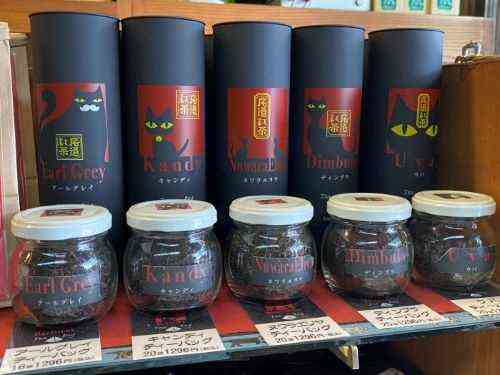
Imagawa Tamakoen is a long-established Onomichi tea business, and its black tea is sold in charming tins decorated with a black cat. The tin may catch your eye first, but the tea inside is intended to be enjoyed, not just admired.
It’s a smart gift for someone who appreciates good tea, traditional shops, and attractive reusable packaging.
Best for: Tea drinkers and elegant inexpensive gifts. Price: Around ¥1,300 for an 80 g tin. Where to buy: Hiroshima Station, Hiroshima Airport, and selected regional souvenir shops.
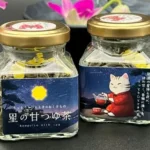
Also Look For: Starry Sweet Dew Tea with Konpeito
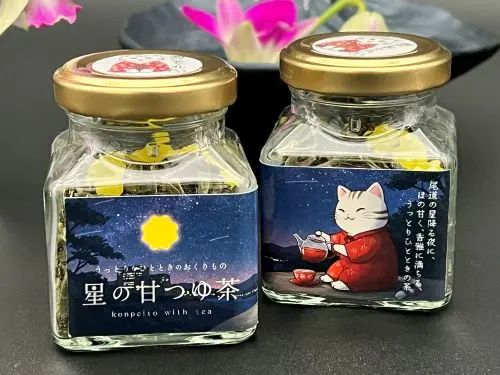
Another charming Onomichi tea gift is Starry Sweet Dew Tea (Hoshi no Kanrocha): tea packaged with colorful konpeito sugar candy. It’s a different product from Onomichi Black Tea above, so look for the star-and-cat labels rather than the black tea tins.
15. Yuruneko Mukaishima Coffee — Specialty Coffee, Cute Cat
Coffee Bean Mashiro, based on Mukaishima, produces convenient dunk-style coffee bags with illustrations of laid-back cats and the Shimanami Kaido. You brew them in hot water like tea bags, so the recipient doesn’t even need a coffee maker.
They’re compact, light, and rather more thoughtful than grabbing an anonymous instant coffee sachet at the airport.
Best for: Coffee lovers and lightweight gifts. Price: Around ¥600 for three bags. Where to buy: Selected regional shops, including reported stock at Orizuru Tower.
16. Nekobushi — Bonito Flakes with an Onomichi Cat Theme
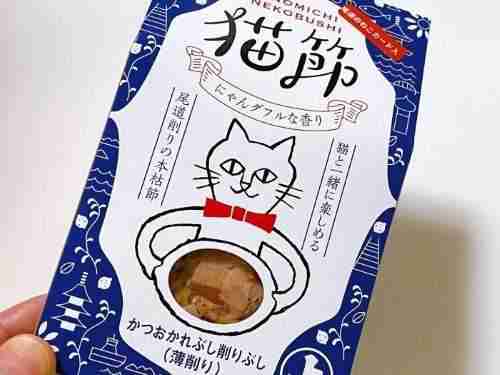
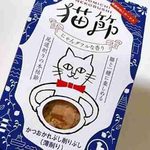
Marujo’s Nekobushi packages quality dried bonito flakes with playful cat graphics and a nod to the town’s famous cats. Bonito flakes are a pantry staple in Japanese cooking: sprinkle them over tofu, rice, noodles, or vegetables for an instant savory lift.
It’s a quirky gift with a genuinely useful ingredient inside.
Best for: Cat lovers and cooks. Price: About ¥540 for a small multipack. Where to buy: Hiroshima Yume Plaza, Orizuru Tower, and selected Onomichi souvenir retailers.
17. Teru-chan Kimchi — A Local Favorite, with a Catch
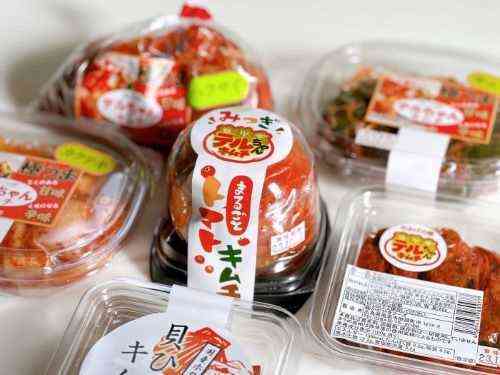
Teru-chan’s napa cabbage kimchi has a reputation for being crisp, mild, and slightly sweet. It can make a welcome change from the region’s seemingly endless baked sweets.
But we’d buy this only if you have a refrigerator and intend to eat it in Japan. The limited shelf life and storage requirements make it awkward as an international souvenir.
Best for: Travelers staying in apartments or guesthouses with a kitchen. Price: Around ¥790 for 350 g. Where to buy: Selected Hiroshima food shops, sometimes Hiroshima Yume Plaza.
18. Kunihiroya Liqueur Cake — A Boozy Retro Dessert
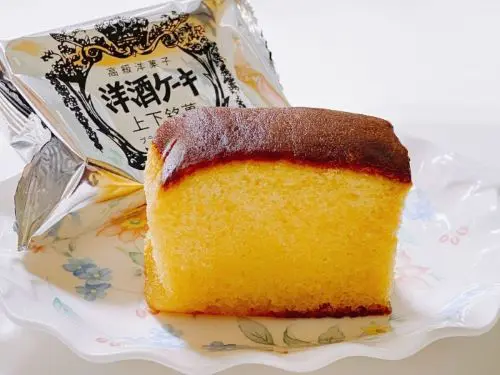
Kunihiroya’s liqueur cake is a rich sponge soaked in a syrup flavored with rum and brandy. It’s fragrant, moist, and a world away from the polite little cakes you’ll find in most tourist gift boxes.
The retro packaging adds to the charm, although the alcohol flavor makes it a gift for a specific kind of dessert lover.
Best for: Adults who like rum-soaked cakes. Price: Around ¥1,750 per box. Where to buy: Hiroshima Station, Hiroshima Airport, and Hiroshima Yume Plaza.
Tip: It contains alcohol; check the label before giving it to children or anyone who avoids alcohol.
19. Hiroshima Daiginjo Sake — For a Special Gift
Saijo, in Higashihiroshima, is one of Japan’s respected sake-brewing areas. If you’re buying for a serious sake fan, this is a chance to pick up something more memorable than a standard supermarket bottle.
One premium example is Suishin Yamane Honten’s Houou Suishin Ultimate Daiginjo, produced using carefully polished sake rice and very soft water.
Best for: Sake enthusiasts and special occasions. Price: Around ¥5,500 for a premium 720 ml bottle. Where to buy: Selected Hiroshima Station shops, department stores, and regional specialty retailers.
Tip: Check customs allowances and airline baggage rules for alcohol before buying.
20. Otafuku Okonomiyaki Sauce — A Taste of Hiroshima at Home

Hiroshima-style okonomiyaki is one of the city’s essential dishes, and Otafuku sauce is closely associated with it. Look for a Hiroshima-themed or locally limited edition when available, or pick up the familiar standard sauce if you’re mainly interested in cooking with it.
It’s sweet, tangy, and savory, and works on more than cabbage pancakes. We like it with stir-fried noodles and roasted vegetables too.
Best for: Practical kitchen gifts. Price: Around ¥400–¥700 depending on bottle and edition. Where to buy: Hiroshima Station, regional shops, and supermarkets.
Tip: The photograph shows standard Otafuku sauce, not a special Hiroshima-only bottle. Check the packaging before paying extra for an exclusive edition.
Best Non-Food Souvenirs to Buy in Hiroshima
You can only give people so much cake. If you’re shopping for something durable, Hiroshima has some genuinely excellent crafts—plus a generous selection of things shaped like cat paws.
21. Hiroshima Lemon Hand Cream — A Useful Little Gift
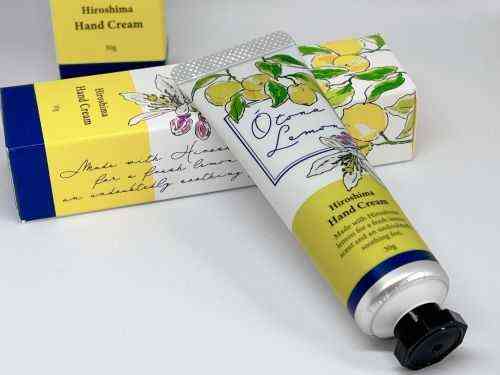
Hiroshima’s lemon obsession extends to cosmetics. Otona Lemon hand cream is a small, attractively illustrated product made with Hiroshima lemon ingredients and aromatic oils.
It’s more useful than another decorative trinket and fits easily into a handbag.
Best for: Practical gifts and citrus fragrance fans. Price: Around ¥1,000 for 30 g. Where to buy: Hiroshima Station, Hiroshima Airport, Orizuru Tower, and Hiroshima Yume Plaza.
Tip: Check ingredients if the recipient has sensitive skin or fragrance allergies.
22. Kumano Makeup Brushes — Hiroshima’s Best Premium Souvenir

This is where souvenir shopping becomes serious craftsmanship. Kumano, in Hiroshima Prefecture, has a long tradition of handmade brushes for calligraphy, painting, and makeup. A well-made Kumano makeup brush feels wonderfully soft and can last for years with proper care.
Look for respected local makers such as Koyudo or Chikuhodo. You don’t need a huge matching set: one excellent blush, powder, or eye brush makes a thoughtful gift.
Best for: Beauty lovers and anyone who appreciates Japanese craftsmanship. Price: From a few thousand yen for individual brushes; premium sets cost much more. Where to buy: Kumano brush specialists, including the Kumano Fude Select Shop at Hotel Granvia Hiroshima.
Tip: The image shows an enormous traditional Kumano calligraphy brush, illustrating the craft heritage—not a makeup brush offered for sale.
23. Squishy Paw Print Magnets — Tiny, Ridiculously Cute
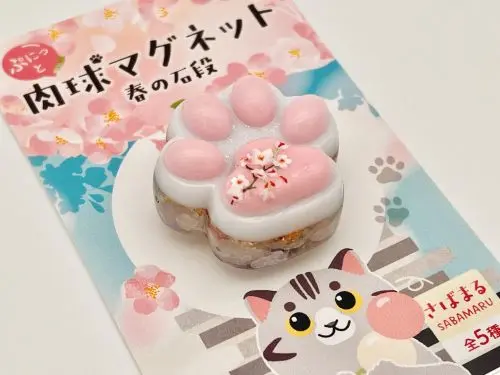
The Puni-tto paw-print magnets sold in Onomichi look like soft little cat feet, and the padded texture is part of the fun. Designs draw on local themes, including cats, lemons, and seasonal flowers.
They’re compact, inexpensive, and less likely to break than a ceramic souvenir.
Best for: Children, cat lovers, and quirky gifts. Price: Around ¥550–¥770. Where to buy: Onomichi Eemonya souvenir shops.
24. Onomichi Cat Stickers — A Good Souvenir for Under ¥500
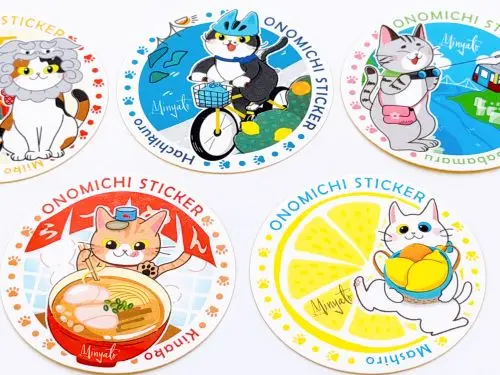
Onomichi’s cat-themed stickers mix feline illustrations with local icons such as ramen bowls, lemons, and Shimanami Kaido scenery. They’re small enough to slip into a transparent phone case or decorate a notebook.
Best for: Budget travelers, stationery fans, and teenagers. Price: Around ¥385 each. Where to buy: Onomichi Eemonya and other local stationery or gift shops.
25. Fukuyama Tenugui — Beautiful Japanese Cotton Cloths
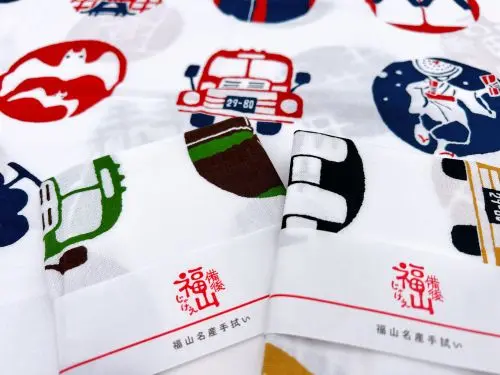
A tenugui is a traditional thin cotton cloth that works as a hand towel, kitchen cloth, gift wrap, or decorative textile. Regional Fukuyama designs feature illustrations of local landmarks and products.
Unlike a bulky souvenir T-shirt, a tenugui folds almost flat and gets softer with use.
Best for: Textile lovers and practical non-food gifts. Price: Around ¥1,100 for a special local design. Where to buy: Selected Fukuyama shops, including MASUYA.
26. Miyajima Wooden Rice Scoops — A Craft with History

Miyajima is famous for wooden rice scoops, or shamoji. You’ll see them sold in everyday kitchen sizes and as decorative versions with calligraphy or local motifs.
These are traditional wooden crafts with a connection to the island that goes back more than two centuries. A small scoop is a lovely gift for someone who enjoys cooking Japanese food.
Best for: Traditional craft fans and home cooks. Where to buy: Miyajima Omotesando shopping street and local craft shops.
Tip: Some visitors make or decorate their own scoop at the Miyajima Traditional Crafts Center. If you’re interested, check workshop availability before visiting. The image shows a historical giant display scoop, not a kitchen-sized item.
27. Kendama — A Traditional Toy with Local Roots

Kendama is a Japanese wooden skill toy with cups, a pointed tip, and a ball connected by string. The modern Japanese version has an important connection with Hatsukaichi, near Hiroshima.
It looks simple until you attempt your first proper trick. Then the next hour mysteriously disappears.
Best for: Children, teenagers, and anyone who enjoys hands-on challenges. Price: Varies by maker and build quality. Where to buy: Selected toy shops around Hiroshima and Hatsukaichi.
Tip: Buy a functional wooden toy rather than a purely decorative miniature if you want to learn tricks.
Harder-to-Find Hiroshima Souvenirs for Curious Shoppers
These last three are more specialized than the standard station souvenirs. They’re worth knowing about, but don’t make a long detour unless you’ve confirmed availability.
28. Beni Haruka Yokan — Sweet Potato Jelly from Mitsugi
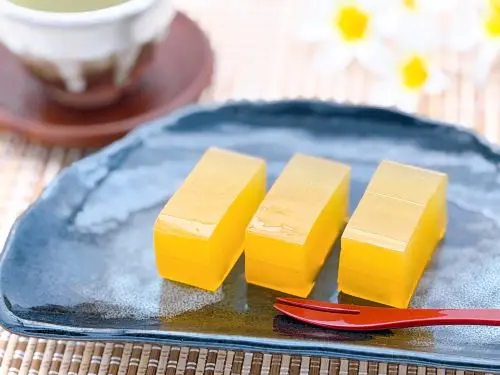
Beni Haruka sweet potatoes are used to make a rich, smooth yokan at Roadside Station Crossroads Mitsugi. Its sweetness recalls freshly roasted sweet potatoes, while the firm jelly-like texture makes it distinctly Japanese.
Best for: Fans of traditional wagashi and rural food finds. Price: Around ¥580. Where to buy: Roadside Station Crossroads Mitsugi, near Onomichi.
29. Guu Pie — A Limited Local Pastry in Fukuyama
Guu Pie, made by El Blanc Shogetsudo, layers buttery pastry with almond dough and cream. It sounds simple, but the combination of crisp and soft textures is the selling point.
It’s sold through a small network of outlets, sometimes on specific days only, so this is a treat for someone already visiting Fukuyama rather than a guaranteed Hiroshima City purchase.
Best for: Pastry lovers and local-only discoveries. Price: Around ¥165 each. Where to buy: Selected Fukuyama outlets; confirm selling days locally.
30. Lemon Cake Pops — A Playful Citrus Treat
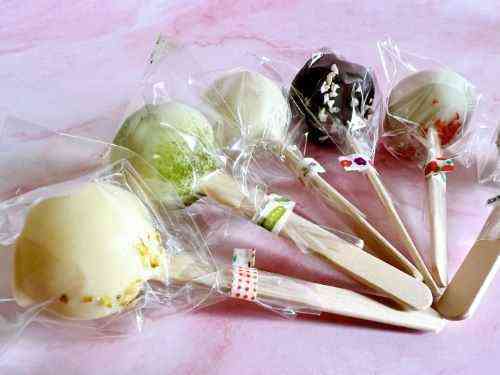
LIRY CUPCAKE’s lemon cake pops combine cake, cream cheese, Setouchi lemon zest, and a chocolate coating on a stick. They’re a fun alternative to the formal boxed sweets that dominate Japanese souvenir stores.
Best for: Dessert fans and playful gifts. Price: Around ¥200–¥300 each. Where to buy: LIRY CUPCAKE in the Fukuyama area, subject to stock.
Tip: Eat these during your trip. They’re too delicate to be our first choice for a long journey.
Where to Buy Souvenirs in Hiroshima
You don’t need to visit 30 shops. Here’s how we’d handle the shopping without wasting precious sightseeing time.
Hiroshima Station ekie — Best One-Stop Souvenir Shopping

If you’re arriving or leaving by Shinkansen, start here. The souvenir floor of the ekie shopping complex, directly connected to Hiroshima Station, stocks a broad range of local sweets, sauces, snacks, and gifts. It’s the most efficient option for a first-time visitor.
Location: Hiroshima Station, 1-2 Matsubara-cho, Minami-ku, Hiroshima City. Hours: ekie souvenir hall generally 8:00 AM–9:00 PM, with exceptions for individual shops. Time needed: Around 30–60 minutes.
Best for: Momiji manju, Setoda lemon cakes, regional sauces, and last-minute gifts. Official website: ekie and minamoa.
Hiroshima Yume Plaza — Best for Lesser-Known Regional Food
Hiroshima Yume Plaza, in the Hondori shopping district, brings together specialty products from around the prefecture. This is where we’d look for small producers and local foods that don’t get a prominent spot in station gift shops.
Location: 8-28 Hondori, Naka Ward, Hiroshima City. Best for: Preserved foods, local seasonings, regional noodles, and unusual sweets. Time needed: 20–40 minutes. Website: Hiroshima Yume Plaza.
Orizuru Tower — Best Near Peace Memorial Park
The ground-floor souvenir shop at Orizuru Tower is beside the Atomic Bomb Dome. It’s particularly convenient if you want to browse local products while exploring the central sightseeing area.
Best for: Compact gifts, local food, cosmetics, and tasteful packaging. Time needed: 15–30 minutes. Website: Orizuru Tower.
Miyajima Omotesando — Best for Traditional Gifts
Along Miyajima’s main shopping street you’ll find freshly made momiji manju, wooden rice paddles, crafts, and plenty of little gifts. Take your time here rather than dashing straight from the ferry to the famous torii gate.
Best for: Fresh momiji manju, wooden shamoji, and craft souvenirs. Time needed: 30–60 minutes, plus sightseeing.
Onomichi and Setoda — Best for Cats and Citrus

Onomichi is the place for cat-themed stationery and local coffee, while nearby Setoda on Ikuchijima is the home of many appealing lemon products. These are better treated as part of a day trip or Shimanami Kaido adventure than an errand from Hiroshima City.
Best for: Onomichi cat gifts, locally roasted coffee, and Setoda lemon specialties. Time needed: At least a half-day trip if coming from Hiroshima City.
Practical Shopping Tips Before You Pack
- Check expiry dates: A sealed cake may last weeks; chilled cream buns and fresh daifuku may need eating the same day.
- Remember liquid rules: Oyster soy sauce, Otafuku sauce, jelly, and sake can be unsuitable for airport cabin security depending on quantity and packaging.
- Buy individually wrapped sweets for groups: They’re easy to share and generally survive transport well.
- Read the allergen labels: Hiroshima specialties frequently contain wheat, eggs, dairy, soy, shellfish, bonito, or other fish products.
- Don’t count on every small brand being at Hiroshima Station: Cat souvenirs and limited confectionery can be easier to find in Onomichi or Fukuyama.
- Save the heavy bottles until the end: Your shoulders will thank you.
Planning a Trip to Japan? Don’t Miss These Guides!
Hiroshima is just one piece of the Japan puzzle. Whether you’re planning your first trip, hunting for unique souvenirs, or figuring out what deserves precious suitcase space, these guides will help you make the most of your adventure.
- 7 Tips for Traveling to Japan for the First Time – Practical advice on transportation, accommodation, planning, and avoiding common first-timer mistakes.
- 35 Best Things to Buy in Japan – Our ultimate guide to Japanese souvenirs, traditional crafts, snacks, beauty products, and unusual finds.
- 33 Best Things to Buy in Tokyo – From iconic Japanese sweets to quirky gadgets, unique stationery, and local shopping treasures.
- What to Buy at Don Quijote Japan – Discover affordable Japanese souvenirs, beauty essentials, snacks, and clever travel finds at Japan’s famous discount chain.
FAQs: What to Buy in Hiroshima
What is Hiroshima most famous for buying?
Hiroshima is best known for momiji manju, Setoda lemon sweets, oysters and oyster-based sauces, Kumano brushes, and Miyajima wooden rice scoops. For a simple gift, choose individually wrapped momiji manju or lemon cakes.
What is the best Hiroshima souvenir for first-time visitors?
Nama Momiji is a strong choice if you like chewy Japanese sweets. For something more versatile, try a box of Setoda lemon cakes. Both are easy to buy around Hiroshima Station.
Where is the best place to buy Hiroshima souvenirs?
Hiroshima Station ekie is the easiest all-in-one shopping stop. If you’re staying around Hondori, Hiroshima Yume Plaza is good for regional products from smaller producers.
What should I buy in Hiroshima besides sweets?
Oyster soy sauce, okonomiyaki sauce, Onomichi ramen, bonito flakes, Kumano makeup brushes, tenugui towels, and Miyajima wooden rice scoops are all good alternatives.
What souvenirs can I buy for children?
Try custard-filled momiji manju, Onomichi cat stickers, paw-print magnets, or a genuine wooden kendama. Food allergens and toy age recommendations are worth checking.
Can I buy Hiroshima souvenirs at the airport?
Yes. Hiroshima Airport carries many popular local sweets and food gifts, although it won’t necessarily stock the smallest regional brands or every limited edition.
Which Hiroshima souvenirs are easiest to take overseas?
Individually wrapped, shelf-stable cakes; sealed crackers; dry tea and coffee; stickers; and cloth goods are usually the simplest. Fresh dairy desserts and liquids need more careful planning and may be subject to destination-country restrictions.
Can I buy souvenirs on Miyajima?
Absolutely. Miyajima is particularly good for momiji manju, shamoji rice paddles, and traditional craft gifts. Many shops cluster along Omotesando, between the ferry terminal and the major attractions.
Final Thoughts: What Would We Actually Buy in Hiroshima?
If we had one afternoon and limited suitcase space, we’d head straight to Hiroshima Station ekie, grab a box of chewy Nama Momiji, some Setoda lemon cakes, and a bottle of oyster soy sauce. Easy, distinctly regional, and not too expensive.
If you’re looking for something that lasts longer than a snack, a Kumano brush or a Miyajima wooden rice scoop makes a more meaningful keepsake. And if your route takes you through Onomichi, leave some room for cat-themed stationery and locally roasted coffee. Resistance is largely futile.
Hiroshima’s best souvenirs aren’t just objects with the city’s name printed on them. They’re small pieces of its regional food traditions, island produce, and craftsmanship—and that’s exactly what makes them worth bringing home.