

Travel photojournalist and landscape hunter with experience across 89 countries, all 47 prefectures of Japan, 30 remote islands, and 60+ mountains. I focus on overlooked landscapes, mossy hidden corners, and places beyond the usual guidebooks — sharing photography and stories that inspire people to travel.
Discover the 7 best watches to buy in Japan, from affordable Casio and Seiko to luxury Grand Seiko, Credor and Kurono Tokyo, plus buying tips for Japan.
Walk into a watch department in Tokyo, and you’ll quickly discover that the Swiss don’t have a monopoly on excellent watches. Between the retro Casios, beautifully finished Seikos, and luxury timepieces that cost as much as a small car, Japan has developed a watchmaking industry that’s impossible to ignore.
And here’s the interesting part: Japanese watches aren’t simply cheaper alternatives to Swiss watches. Some are genuine technological pioneers, while others combine traditional craftsmanship with the kind of meticulous attention to detail Japan does so well.
Seiko helped revolutionize the industry with the first commercially available quartz wristwatch. Casio turned digital watches into cultural icons. Grand Seiko creates extraordinarily detailed dials inspired by Japanese landscapes, while independent makers like Kurono Tokyo are giving traditional watchmaking a distinctly modern personality.
Whether you’re hunting for a Japanese watch under €100, considering your first mechanical timepiece, or simply curious about Japan’s luxury watchmakers, these seven brands deserve a closer look.
Shopping in Japan? Don’t Miss These Guides!
Planning to hunt down a Japanese watch in Tokyo? We’ve got more shopping guides to help you discover the best stores, gadgets, and souvenirs worth bringing home.
- Shopping in Tokyo: Best Areas, Malls & Markets – Find the best shopping districts, from luxury boutiques in Ginza to electronics stores in Akihabara.
- What to Buy at Bic Camera Japan – Discover Japanese electronics, retro gadgets, cameras, and clever souvenirs at one of Japan’s biggest retailers.
- What to Buy at Don Quijote Japan – Explore affordable Japanese gifts, gadgets, beauty products, and quirky finds.
Table of Contents
Best watches to buy in Japan: Which Japanese Watch Brand Is Best?
Before we dive into the individual brands, here’s a quick comparison.
| Japanese watch brand | Best for | Price level |
|---|---|---|
| Casio | Affordable, retro and durable watches | Budget to premium |
| Seiko | Everyday mechanical watches and dive watches | Mid-range to luxury |
| Citizen | Reliable, low-maintenance watches | Budget to luxury |
| Orient | Affordable automatic watches | Budget to mid-range |
| Grand Seiko | Precision and luxury craftsmanship | Luxury |
| Credor | Traditional artistry and haute horlogerie | Luxury to ultra-luxury |
| Kurono Tokyo | Independent watchmaking and distinctive design | Premium to luxury |
Our picks? Casio wins for affordability, Seiko is arguably the best all-rounder, and Grand Seiko is the one to explore if you’re interested in serious Japanese luxury watchmaking.
1. Casio – Best Japanese Watch Brand for Affordable Classics
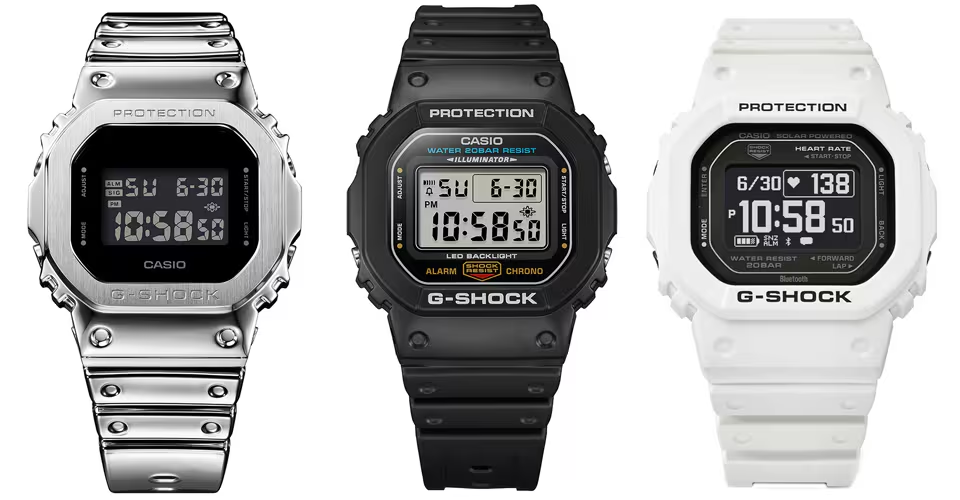
Best for: Budget-friendly watches, retro digital designs, travelers and outdoor enthusiasts.
There’s something wonderfully unpretentious about Casio. You can spend thousands on a luxury watch, but a humble Casio F-91W costing around €20 will still tell you the time reliably without demanding much attention.
And that’s precisely why we love the brand.
Casio wasn’t originally a watchmaker. Founded in 1946, the Japanese company built its reputation producing electronic devices, particularly calculators, before entering the watch industry in 1974.
Its first watch, the Casiotron, was remarkably advanced for its time. It introduced an automatic calendar that could account for different month lengths, eliminating the need for constant manual adjustments.
But it was the arrival of G-Shock in 1983 that truly changed Casio’s fortunes.
Designed around the idea of creating a watch capable of surviving serious punishment, the original G-Shock became the foundation of one of the world’s most recognizable watch collections.
Today, G-Shock watches are popular with everyone from hikers and surfers to streetwear enthusiasts.
The Most Iconic Casio Watches
- Casio F-91W: A lightweight digital classic launched in 1989, featuring an alarm, stopwatch and a famously simple design.
- Casio G-Shock DW-5600: The square-faced descendant of the original G-Shock, known for its rugged construction.
- Casio A168: A retro digital watch with a metallic finish and unmistakable 1980s charm.
- Casio CA-53W: A calculator watch with serious vintage appeal, closely associated with the calculator-watch craze made famous by Back to the Future.
- Casio G-Shock GA-2100: A modern analog-digital model nicknamed the “CasiOak” because of its octagonal bezel.
The appeal goes well beyond nostalgia. Casio also produces solar-powered watches, radio-controlled models, and higher-end G-Shocks with sophisticated materials and finishes.
Some models are surprisingly luxurious, proving that this isn’t merely a budget-watch company.
Why buy Casio in Japan?
Japan is particularly interesting for Casio collectors because certain collaborations, limited editions and domestic-market models can be harder to find overseas.
For an inexpensive souvenir that you’ll genuinely use, it’s difficult to beat a classic Casio.
2. Grand Seiko – Best Japanese Luxury Watch Brand
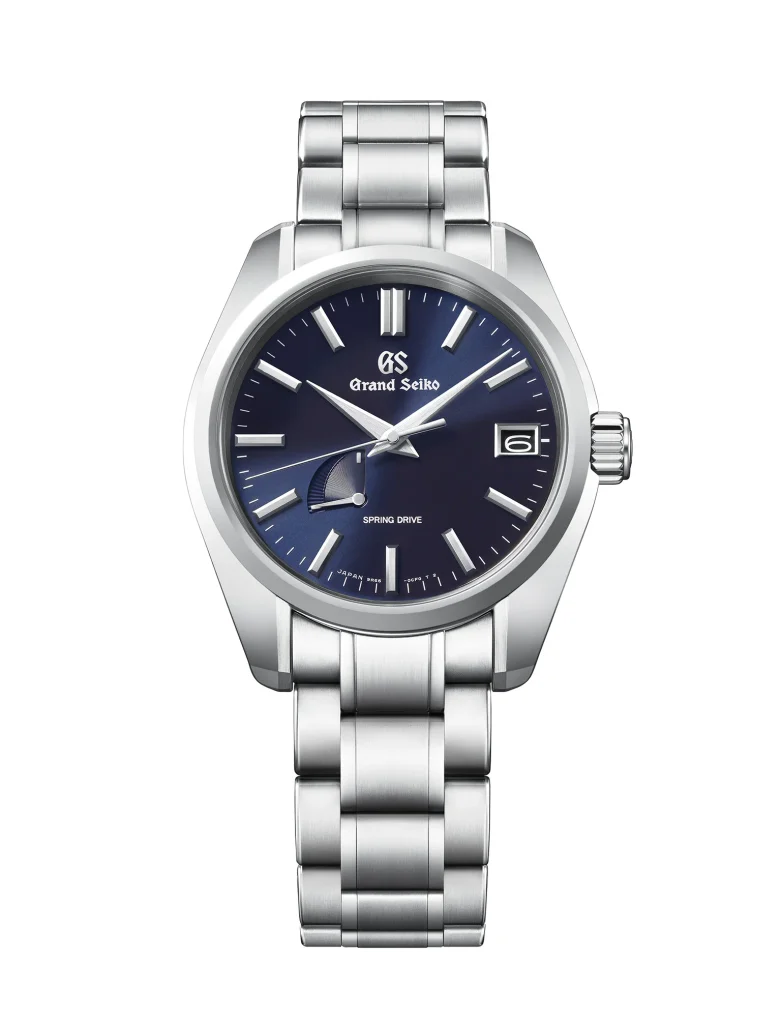
Best for: Luxury watch collectors, beautifully finished mechanical watches and exceptional Japanese craftsmanship.
If Casio represents the practical side of Japanese watchmaking, Grand Seiko represents its more extravagant artistic ambitions.
The brand began in 1960 when Seiko set out to create a watch that could compete with the finest Swiss timepieces.
The goal wasn’t simply to produce something expensive. It was to achieve exceptional standards of accuracy, durability, readability and beauty.
In 2017, Grand Seiko became a distinct brand within the wider Seiko family, establishing a more independent identity in the international luxury market.
You’ll notice that newer models prominently display the Grand Seiko name at the top of the dial.
What Makes Grand Seiko Special?
Perhaps its most recognizable feature is the finishing.
Many Grand Seiko watches use Zaratsu polishing, a technique that creates remarkably smooth, distortion-free reflective surfaces.
Then there are the dials.
Rather than relying entirely on conventional colors and patterns, Grand Seiko frequently draws inspiration from Japanese nature.
Snow-covered landscapes, cherry blossoms, mountain ridges and flowing water all appear in its designs.
One particularly beautiful example is the Grand Seiko Heritage Collection SBGH341, pictured above.
Its delicate pink dial represents Sakura-Kakushi, a rare early-spring phenomenon in which falling snow temporarily covers blooming cherry blossoms.
The watch uses the high-frequency mechanical Caliber 9S85, which beats ten times per second.
It’s a rather wonderful combination: an engineering achievement wrapped around a scene from the Japanese countryside.
Grand Seiko Movements Explained
Grand Seiko is also unusual because it offers three distinct movement technologies.
Mechanical movements: Traditional hand-wound and automatic movements, including the sophisticated Hi-Beat calibers.
9F Quartz: Extremely precise quartz movements, built to standards far beyond those of ordinary inexpensive quartz watches.
Spring Drive: A fascinating Japanese innovation combining mechanical power with electronic regulation.
Spring Drive watches are powered by a traditional mainspring, but their accuracy is regulated using a quartz oscillator and an electromagnetic braking system.
The result is a seconds hand that glides continuously around the dial rather than ticking in the conventional way.
And if you’re interested in watchmaking at its most complicated, Grand Seiko’s Kodo Constant-force Tourbillon combines a tourbillon and constant-force mechanism into a single unit on the same axis.
It’s a remarkable piece of engineering, although very much in the ultra-luxury category.
Why buy Grand Seiko in Japan?
Japan offers an opportunity to explore Grand Seiko’s extensive collections, including selected domestic releases and boutique exclusives.
Tokyo’s Ginza district is particularly appealing for luxury watch shopping, and seeing these watches in person makes their finishing much easier to appreciate.
3. Seiko – Best Japanese Watch Brand Overall
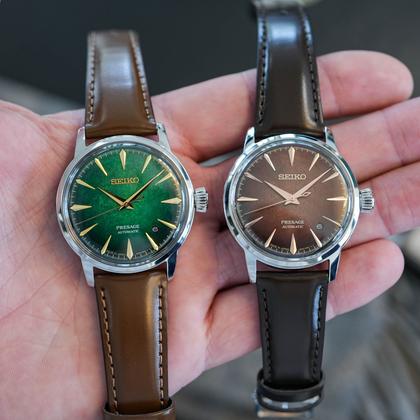
Best for: First-time mechanical watch buyers, everyday watches, divers and collectors who want excellent value.
If we had to recommend just one Japanese watch brand to someone who knows very little about watches, we’d probably start with Seiko.
Few manufacturers offer such an enormous variety of designs, technologies and prices.
The story began in 1881, when a young entrepreneur named Kintaro Hattori opened a watch and clock repair shop in Tokyo.
Over the following decades, his business evolved into one of the world’s most influential watch manufacturers.
Seiko’s early history was closely connected to traditional mechanical watchmaking, but the company became especially famous for its technical innovations.
One important achievement was the Magic Lever, an automatic winding system introduced in 1959. It made winding more efficient by capturing energy from the movement of the rotor in both directions.
Then, in 1969, Seiko changed the watch industry forever.
The Seiko Astron and the Quartz Revolution
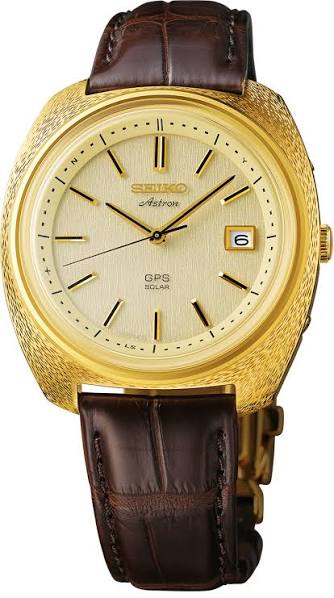
On December 25, 1969, Seiko released the Quartz Astron 35SQ, the world’s first commercially available quartz wristwatch.
At the time, traditional mechanical watches dominated the market.
Quartz technology offered an entirely different approach, using an electronic oscillator to achieve remarkably accurate timekeeping.
The original Astron was expensive, but quartz manufacturing gradually became more affordable.
Over the following decade, quartz watches transformed the industry, contributing to the enormous difficulties experienced by many traditional Swiss manufacturers during the so-called Quartz Crisis.
Interestingly, Seiko never abandoned mechanical watchmaking.
Instead, it continued developing both technologies, producing everything from inexpensive quartz watches to sophisticated mechanical timepieces.
The Best Seiko Collections to Know
Seiko 5 Sports
An excellent starting point for anyone interested in automatic watches.
These models are sporty, versatile and relatively affordable, making them especially appealing as everyday watches.
Seiko Presage
A more elegant collection that celebrates Japanese design and traditional craftsmanship.
The popular Cocktail Time models feature richly textured or colorful dials inspired by drinks and cocktail culture.
Seiko Prospex
Designed for sports and outdoor activities, particularly diving.
Some Prospex models are serious professional instruments, while others are attractive everyday watches with robust construction.
Seiko Astron
The modern Astron collection uses GPS Solar technology to help synchronize the time and adjust time zones.
It’s particularly interesting for frequent international travelers.
King Seiko
A collection with strong historical roots, characterized by sharp case designs, refined finishing and vintage-inspired aesthetics.
Is Seiko Worth Buying in Japan?
Absolutely, especially if you’re interested in Japanese domestic-market models, often called JDM watches.
Some references, dial variations and limited editions are primarily sold in Japan.
However, not every Seiko watch is cheaper in Japan. Compare the exact reference number with prices in your home country before buying.
4. Citizen – Best Japanese Watch Brand for Reliability
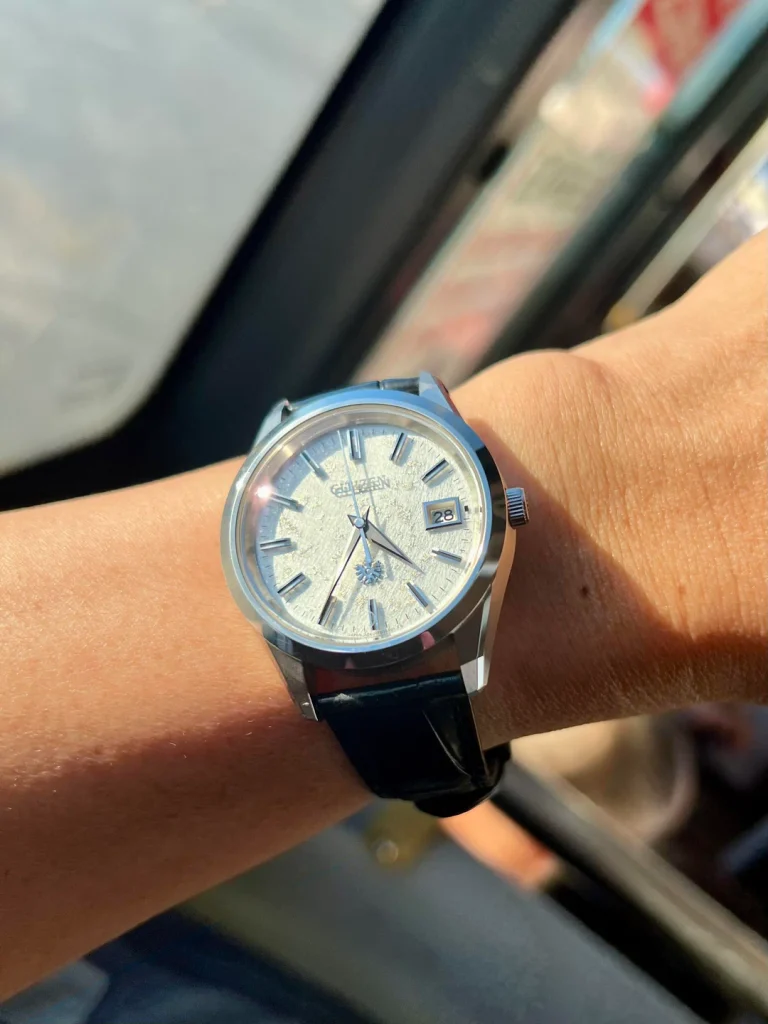
Best for: Reliable everyday watches, solar-powered technology and anyone who dislikes frequent maintenance.
Citizen doesn’t always attract the same attention as Seiko or Grand Seiko, but its technical achievements are every bit as interesting.
The brand’s roots reach back to the early twentieth century, and it has developed into one of Japan’s largest and most important watch manufacturers.
Its strength lies in combining practical functionality, dependable movements and sophisticated technology.
Citizen also owns Miyota, a major movement manufacturer whose mechanisms are used by numerous watch brands around the world.
That connection helps explain Citizen’s reputation for producing reliable watches at accessible prices.
Eco-Drive: Citizen’s Most Famous Technology
Citizen’s biggest technological success is undoubtedly Eco-Drive.
Unlike conventional battery-powered quartz watches, Eco-Drive models use light to generate electrical energy.
They can charge from both natural and artificial light, storing energy in a rechargeable cell.
This means you don’t need to routinely replace a disposable watch battery.
For everyday use, it’s an extremely convenient system.
And Citizen has pushed the technology far beyond basic solar-powered watches.
In 2016, the company introduced the Eco-Drive One, featuring a movement just 1 millimeter thick and an extraordinarily slender 2.98-millimeter case.
That level of miniaturization is impressive even by luxury watchmaking standards.
Citizen’s High-Precision Watches
Citizen also manufactures exceptionally accurate quartz watches.
Certain models in The Citizen collection use the Caliber A060, offering an accuracy rating of approximately ±5 seconds per year.
That’s not a typo.
Most ordinary quartz watches are rated in seconds per month, while these high-accuracy models are designed to maintain remarkable precision over an entire year.
Some premium Citizen watches also use beautifully textured Japanese washi-paper dials and lightweight titanium cases.
The result is a collection that feels distinctly Japanese while remaining wonderfully practical.
Which Citizen Watches Are Worth Buying?
For most travelers, the Eco-Drive range is the obvious starting point.
The Promaster collection is worth investigating if you enjoy diving or outdoor activities, while the premium The Citizen range is particularly interesting for enthusiasts of precision quartz watches.
Why buy Citizen in Japan?
Some Citizen models and dial designs have limited international distribution, making Japanese retailers worth exploring.
For someone who wants a good watch without the maintenance associated with a traditional mechanical movement, Citizen is a particularly sensible choice.
5. Credor – Japan’s Most Exclusive Watchmaking Artistry
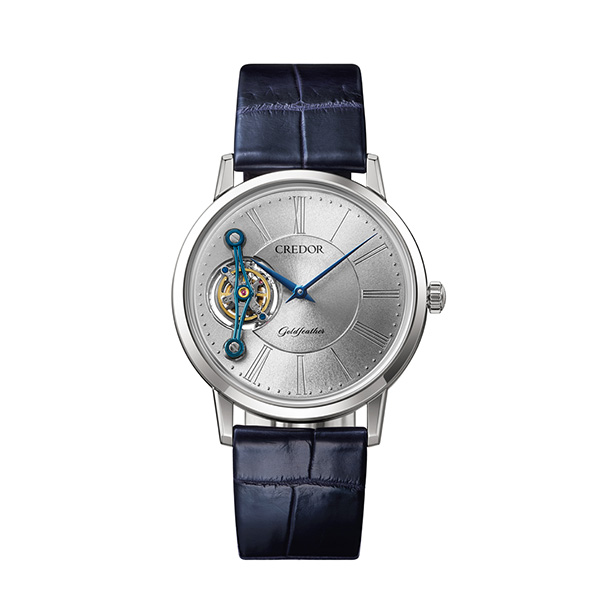
Best for: Serious collectors, traditional Japanese craftsmanship and ultra-luxury dress watches.
If you’ve never heard of Credor, don’t worry. Even people familiar with Seiko and Grand Seiko sometimes overlook this extraordinary brand.
And that’s part of its appeal.
Credor was introduced in 1974 as a luxury watch line within Seiko, with a particular emphasis on precious metals and exceptional craftsmanship.
The name comes from the French Crête d’Or, interpreted by the brand as the “pinnacle of gold.”
It’s a rather grand name, but Credor has the watchmaking credentials to support it.
During its early decades, the brand concentrated on elegant dress watches, jewelry-inspired designs and timepieces made from gold, platinum and other carefully selected materials.
Over time, its ambitions expanded into increasingly sophisticated mechanical and Spring Drive creations.
The Extraordinary Credor Eichi II
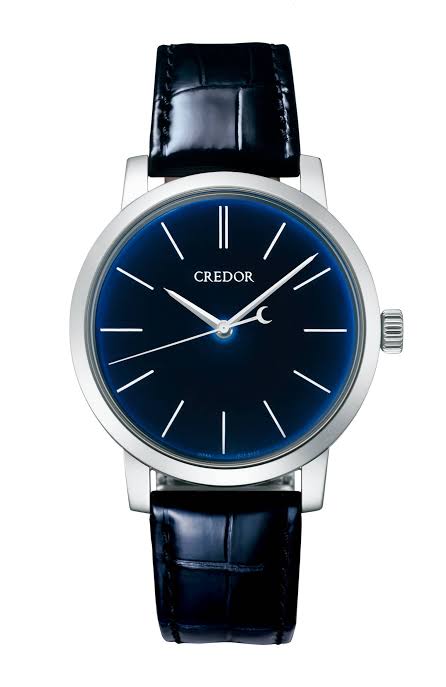
The Credor Eichi II, introduced in 2014, is arguably one of the finest examples of Japanese minimalist watchmaking.
At first glance, it looks almost ridiculously simple.
A plain porcelain dial. Slender hands. Discreet hour markers.
Nothing particularly flashy.
But look closer, and the craftsmanship becomes apparent.
The porcelain dial is produced with exceptional care, while the hour markers and Credor lettering are painted by hand.
Inside is a manually wound Spring Drive movement assembled and finished by highly skilled watchmakers at the Micro Artist Studio in Shiojiri.
The movement incorporates Credor’s Torque Return System, which helps recover otherwise wasted energy and improve the power reserve.
The original Eichi debuted in 2008, and its successor refined the concept with an even cleaner dial.
Credor also created a striking Ruri blue Eichi II, featuring a richly colored porcelain dial inspired by the deep blue associated with lapis lazuli.
It’s the kind of watch that makes more sense when viewed as a piece of miniature art rather than a practical instrument for telling the time.
Other Important Credor Watches
The brand’s history includes several fascinating collections.
In 1993, Credor introduced the Pacifique, a luxury sports-watch collection.
Later creations included sophisticated chiming watches, elaborate hand-engraved pieces and the Fugaku tourbillon, introduced in 2016.
Credor has also revived historical designs, including the Gérald Genta-designed Locomotive.
Should you buy Credor in Japan?
If your budget stretches to serious luxury watchmaking, Credor is certainly worth exploring.
Distribution is more limited than mainstream Japanese brands, and certain models are produced in very small quantities.
This is not the brand for someone seeking an inexpensive souvenir. It’s for collectors who appreciate traditional craftsmanship and are willing to pay for it.
6. Orient – Best Japanese Brand for Affordable Automatic Watches
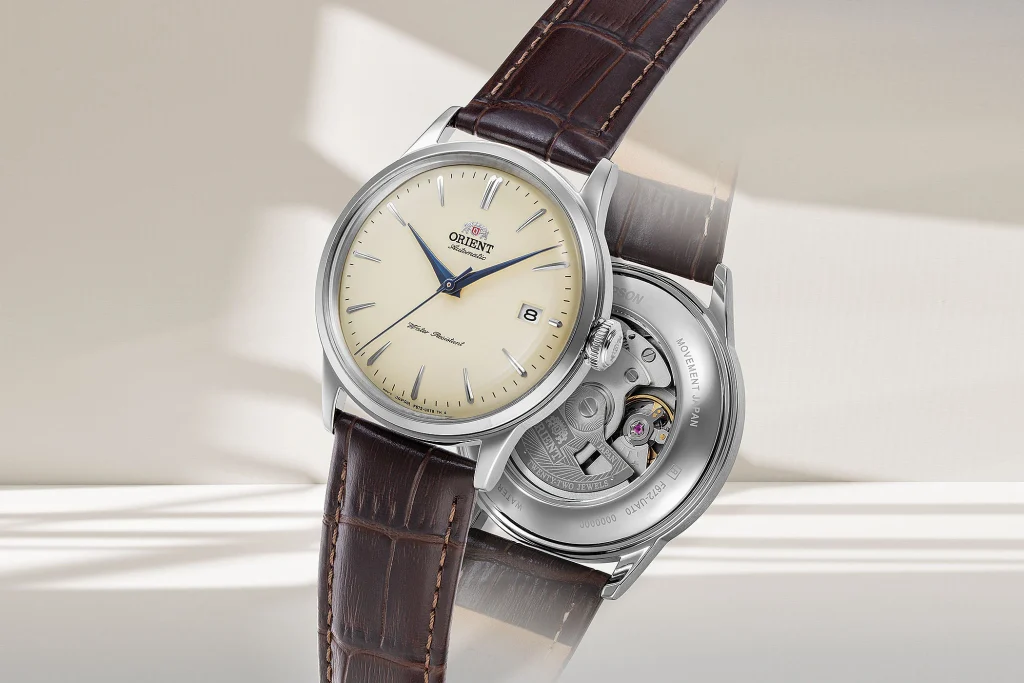
Image source: Bonhams, via Watchfinder.
Best for: Affordable mechanical watches, vintage-inspired designs and first-time automatic watch buyers.
Orient is one of those Japanese brands that deserves considerably more recognition than it receives.
While Seiko and Citizen have developed sophisticated electronic and quartz technologies, Orient has maintained a particularly strong connection with traditional mechanical watches.
The brand was established in 1950 and quickly became known for producing affordable, dependable timepieces with distinctive designs.
In 1951, it introduced Orient Star, a more premium line focused on refined mechanical watchmaking.
Today, both brands operate under Seiko Epson, following the merger of Orient Watch Co. with Seiko Epson in 2017.
Despite that corporate relationship, Orient retains its own identity, design philosophy and watch collections.
What Makes Orient Different?
One of Orient’s greatest advantages is its emphasis on mechanical movements developed and manufactured within its own watchmaking operations.
This is particularly impressive in the affordable automatic-watch market, where many competing brands rely on externally supplied movements.
Orient also has a long history of unusual designs.
In 1967, it introduced the Orient Fineness, a remarkably thin automatic watch with day and date complications.
The following decades brought more experimental designs, including the memorable Multi Year Calendar.
This unusual watch featured a complex-looking dial that could display calendar information across multiple years.
Although the design looks intimidating at first, its mechanism allows the wearer to align the calendar information through relatively simple adjustments.
Vintage examples remain interesting collectibles today.
The Best Orient Watches to Know
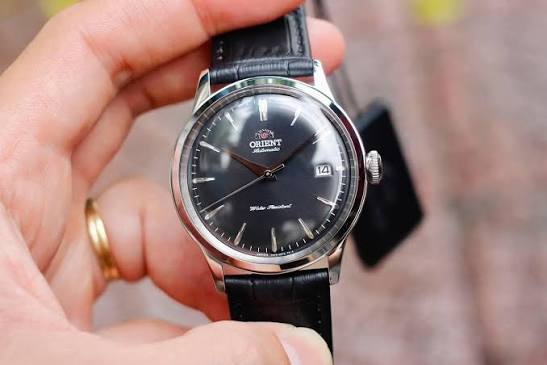
Orient Bambino
Probably the brand’s most recognizable modern collection.
With its domed crystal, elegant dial and traditional dress-watch proportions, the Bambino offers vintage-inspired style without luxury-watch prices.
Orient Mako
A sporty automatic watch collection with diving-inspired design, practical water resistance and numerous dial variations.
Orient Star
The more premium side of Orient, featuring refined finishing, mechanical complications and designs ranging from understated dress watches to open-heart models.
Is Orient Better Than Seiko?
Not necessarily. Both brands have their strengths.
Seiko provides a broader choice of technologies and collections, while Orient is especially attractive if you want an affordable automatic watch with traditional styling.
For a first mechanical dress watch, we’d happily recommend looking at the Orient Bambino before spending significantly more.
7. Kurono Tokyo – Best Independent Japanese Watch Brand
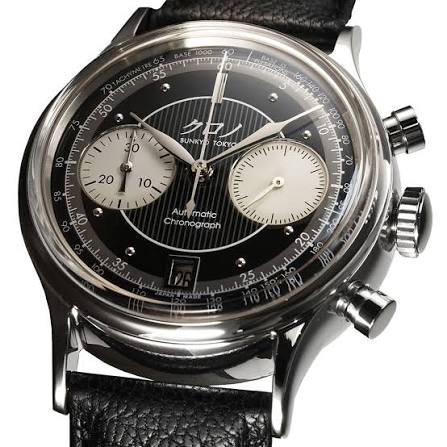
Best for: Independent watch enthusiasts, limited editions and distinctive Japanese design.
Not every great Japanese watch brand has a century of history behind it.
Kurono Tokyo is a relatively young name, but it has already attracted considerable attention among collectors.
Founded in 2019, the brand was created around the designs of Hajime Asaoka, one of Japan’s most respected independent watchmakers.
Asaoka’s individually crafted atelier watches are exceptionally exclusive.
Kurono Tokyo offers a different proposition: watches that retain his distinctive design language while remaining more accessible than the handmade creations produced under his own name.
And it’s worked remarkably well.
What Makes Kurono Tokyo Special?
Kurono watches are instantly recognizable thanks to their elegant proportions, polished cases and unusual dial designs.
Many draw inspiration from Art Deco and the golden age of twentieth-century mechanical watchmaking.
The aesthetic is restrained but far from boring.
You’ll find beautifully balanced numerals, distinctive hands and carefully selected dial colors that change character depending on the light.
Unlike some luxury manufacturers, Kurono doesn’t insist on making every component in-house.
Many models use reliable Japanese Miyota automatic movements, allowing the brand to concentrate on exterior design, finishing and overall presentation.
The approach is refreshingly sensible.
Rather than charging an enormous premium simply for an exclusive movement, Kurono focuses on creating watches that look and feel special.
The Kurono Anniversary Green Mori
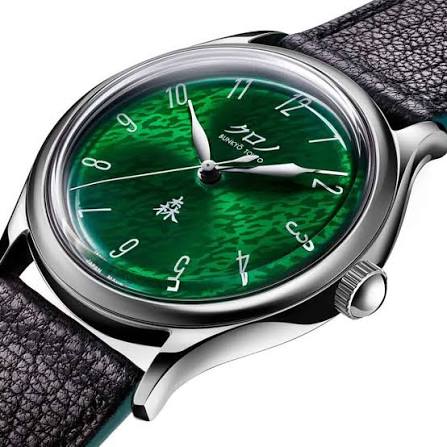
One of the brand’s most celebrated early releases was the Anniversary Green Mori, launched in 2020.
Its metallic green dial shifts between shades of emerald, pine and deep forest green as the light changes.
Only 288 examples were produced, and the model sold out.
The watch also received a nomination in the Challenge category at the 2020 Grand Prix d’Horlogerie de Genève.
It’s easy to understand the enthusiasm.
The Mori combines a relatively modest 37-millimeter stainless-steel case with a dramatic dial that feels both vintage and contemporary.
Kurono has subsequently explored other materials and finishes, including traditional urushi lacquer, which is made using lacquer derived from tree sap.
Its Grand series features especially elaborate handcrafted urushi dials.
Can You Buy Kurono Tokyo Watches in Japan?
Yes, although buying one isn’t always straightforward.
Many Kurono watches are produced in small batches and sold through timed online releases.
Popular models can sell out quickly.
The brand also operates an Aoyama salon in Tokyo, where visitors can examine selected watches and learn more about the designs.
However, the salon isn’t a conventional retail store with every model available for immediate purchase.
If Kurono Tokyo is on your shopping list, check release announcements and availability before planning a visit.
Best watches to buy in Japan: Where to Buy Japanese Watches in Tokyo
Japan is an excellent destination for watch enthusiasts, whether you’re looking for a modest digital Casio or a collectible luxury timepiece.
The best shopping area depends on your budget and the type of watch you’re interested in.
Ginza – Best for Luxury Japanese Watches
Ginza is one of Tokyo’s most famous luxury shopping districts and a natural destination for high-end watch enthusiasts.
It’s particularly interesting if you want to explore Grand Seiko, premium Seiko models or luxury watch retailers.
The neighborhood also has historical significance: Seiko’s founder, Kintaro Hattori, established his business in Tokyo, and the company’s connection with Ginza remains an important part of its identity.
Best for: Grand Seiko, premium collections and luxury-watch browsing.
Shinjuku – Best for Comparing Everyday Watches
Shinjuku is convenient for travelers who want to explore a large selection of watches without visiting numerous specialist boutiques.
Major electronics retailers such as Bic Camera and Yodobashi Camera commonly stock Japanese watches, with selections varying by branch.
These stores are particularly useful for comparing Casio, Seiko and Citizen models side by side.
Best for: Affordable and mid-range watches, practical models and straightforward comparison shopping.
Nakano – Best for Pre-Owned Luxury Watches
Nakano has developed a reputation among watch enthusiasts thanks to its concentration of specialist retailers, especially around the Nakano Broadway area.
It’s worth exploring if you’re interested in pre-owned luxury watches, discontinued models or unusual collectibles.
Condition, authenticity, servicing history and warranty coverage are particularly important when buying secondhand.
Best for: Collectors, pre-owned watches and discontinued references.
Aoyama – Best for Kurono Tokyo
If you’re specifically interested in independent Japanese watchmaking, Kurono Tokyo’s Aoyama salon is worth considering.
The salon is near Gaienmae Station on the Tokyo Metro Ginza Line.
Visit to appreciate the brand’s design philosophy, but confirm which watches can actually be purchased before traveling there.
Best for: Kurono Tokyo enthusiasts and independent watchmaking.
Are Japanese Watches Cheaper to Buy in Japan?
Sometimes, but not always.
A favorable exchange rate, Japanese domestic pricing and certain exclusive models can make shopping in Japan attractive.
However, you shouldn’t assume every Japanese watch will cost less than it does overseas.
Before buying, compare the exact model reference rather than simply comparing the brand or collection.
A Seiko Prospex sold in Japan, for example, may look almost identical to an internationally available model while carrying a different reference number or specification.
It’s also worth checking the warranty.
Some Japanese domestic-market watches may have warranty terms or service arrangements that differ from those of internationally distributed models.
Tax-Free Shopping in Japan: Important 2026 Change
Japan is introducing a significant change to its tax-free shopping system on November 1, 2026.
Under the new rules, eligible foreign visitors purchasing goods from participating tax-free retailers will generally pay the tax-inclusive price first.
After customs confirms that the qualifying goods are being taken out of Japan, the equivalent consumption tax can be refunded.
For ordinary eligible goods, the minimum qualifying purchase is ¥5,000 before tax per store per day.
You’ll need to follow the required passport and departure-inspection procedures. Qualifying goods must be taken out of Japan within 90 days of purchase.
Before buying an expensive watch, ask the retailer how its refund procedure works and whether the watch is eligible.
For the latest official guidance, see the Japan National Tourism Organization’s tax-free shopping information.
Japanese Quartz vs. Automatic vs. Spring Drive: Which Should You Choose?
If you’re new to watches, the movement inside a timepiece might seem unnecessarily complicated.
Fortunately, the main differences are straightforward.
| Movement | How it works | Best for |
|---|---|---|
| Quartz | Electronic timekeeping powered by a battery or rechargeable cell | Accuracy and convenience |
| Automatic | A mechanical mainspring is wound by movement of the wrist | Traditional watch enthusiasts |
| Manual mechanical | A mainspring is wound by turning the crown | Collectors who enjoy traditional watchmaking |
| Solar quartz | Light charges an internal energy-storage cell | Low-maintenance everyday use |
| Spring Drive | Mechanical mainspring with electronic speed regulation | High-end Japanese watchmaking |
For most travelers, a quartz or solar-powered watch is the simplest choice.
There’s no need to keep winding it, and accuracy is usually excellent.
Automatic watches are more interesting if you enjoy mechanical engineering and traditional craftsmanship.
Spring Drive, meanwhile, offers something particularly distinctive: mechanical power combined with electronically controlled accuracy and an exceptionally smooth-moving seconds hand.
Frequently Asked Questions About Japanese Watch Brands
What is the best Japanese watch brand?
Seiko is one of the best all-round Japanese watch brands because it offers reliable watches at many different price points. Casio is excellent for affordable digital watches, while Grand Seiko specializes in luxury watchmaking and exceptional finishing.
Are Japanese watches as good as Swiss watches?
Yes. Japanese manufacturers produce watches capable of competing with excellent Swiss timepieces in precision, materials, design and craftsmanship. However, quality varies significantly between individual models and price ranges, regardless of the country of origin.
What are the most affordable Japanese watch brands?
Casio and Orient are particularly attractive for budget-conscious buyers. Casio produces inexpensive quartz and digital watches, while Orient offers competitively priced mechanical watches. Seiko and Citizen also have accessible models.
Is Grand Seiko better than Seiko?
Grand Seiko generally offers more elaborate finishing, stricter movement standards and higher-end materials than mainstream Seiko collections. However, Seiko offers far more accessible prices and a broader variety of watches. The better choice depends on your budget and priorities.
Are Japanese-made watches better than watches made elsewhere?
Not automatically. Japanese brands manufacture watches in several countries, and production location alone doesn’t guarantee quality. Some Japanese-made watches are exceptionally sophisticated, but the movement, materials, construction and quality control matter more than the label.
What does JDM mean for Japanese watches?
JDM stands for Japanese Domestic Market. In watch collecting, the term generally refers to models intended for sale in Japan rather than international markets. These may feature different reference numbers, dial variations, specifications or limited-edition designs.
Is it worth buying a Japanese watch in Tokyo?
Yes, especially if you’re interested in domestic-market models, discontinued references or specialist luxury retailers. Tokyo offers a wide selection of Japanese watches, but you should compare international prices and confirm warranty coverage before purchasing.
Final Thoughts: Which Japanese Watch Brand Should You Choose?
Japan’s watchmaking industry is fascinating because it refuses to fit neatly into a single category.
At one end of the spectrum, there’s the wonderfully inexpensive Casio F-91W, a watch that has barely changed in decades and remains popular for good reason.
At the other, you’ve got Credor’s hand-finished masterpieces and Grand Seiko’s extraordinary mechanical creations.
And somewhere in between are Seiko, Citizen, Orient and Kurono Tokyo, each approaching watchmaking from a different perspective.
For most people, Seiko is the safest all-round choice. Its collections cover an impressive range of styles, budgets and technologies.
If you want something affordable and virtually maintenance-free, we’d lean toward Casio or Citizen Eco-Drive.
For an inexpensive introduction to mechanical watchmaking, Orient is difficult to ignore.
And if you’re after a luxury watch that feels unmistakably Japanese, Grand Seiko deserves a place near the top of your shortlist.
Whichever brand catches your eye, one thing is certain: Japanese watchmaking has long since earned its place alongside the world’s finest.
- Best Shoes to Buy in Japan in 2026: 10 Japanese Brands Worth Shopping
- Mori Girl Fashion (2026): The Ultimate Guide to Japan’s Dreamy Forest-Girl Style
- Best Watches To Buy In Japan: From Affordable Classics to Luxury Timepieces (2026)
- Everything About Japanese Gyaru Fashion: History, Styles, Makeup & Where to Shop (2026)
- Visual Kei Fashion in Japan: Complete Guide to Styles, Brands & Where to Buy (2026)