
I spill travel tips , and show you the Japan that tourists usually miss.
Tokyo does not usually do subtle. But a few streets east of Tokyo Station, the skyscrapers lower their voices, old merchants’ shops still hold their ground, and the smell of freshly roasted coffee drifts through streets that once handled much of Edo’s business. Welcome to Nihonbashi, where a 400-year-old shopping culture has somehow ended up sharing the neighbourhood with Scandinavian design hotels, unusual craft beer and dangerously good chocolate.
Discover the best things to do in Nihonbashi Tokyo: We have combined the classic Nihonbashi sights with the more creative corners of Kabutocho, Kayabacho and nearby Higashi-Kanda. This is the Tokyo guide for anyone who likes historic streets but would also like somewhere excellent to eat along the way. There are 36 stops here, but you absolutely do not need to do all 36; choose a handful and leave time to wander.
Table of Contents
A simple Nihonbashi walking route for first-time visitors
If this is your first visit, skip the impossible 36-stop marathon. This route gives you the best of the area without turning a holiday into a military exercise:
- Morning: Begin at Nihonbashi Bridge, then browse COREDO Muromachi and the little Fukutoku Shrine.
- Late morning: Choose the Mitsui Memorial Museum or the free Bank of Japan Currency Museum, then head into Mitsukoshi’s food hall.
- Lunch: Go traditional at Muromachi Sunaba or Yoshino Sushi Honten. For a shorter break, pick a café and dessert.
- Afternoon: Walk towards Kabutocho for K5, the old securities buildings, Pâtisserie ease and a well-earned coffee.
- Evening: Stay for sake, natural wine, craft beer or a cocktail, or book the electric boat to Toyosu.
Location tip: The central sights and Kabutocho can be covered on foot, but several entries are deliberate side trips. Chinese Restaurant Ho and minä perhonen elävä II are in Higashi-Kanda, Kosho Mitsuke is in Asakusabashi, and Kappo Shimamura is now in Yaesu. We have flagged these so you do not accidentally take a detour across half of Tokyo.
The essential Nihonbashi sights: bridges, shrines, shopping and museums
1. Stand on Nihonbashi Bridge, Tokyo’s historic starting point
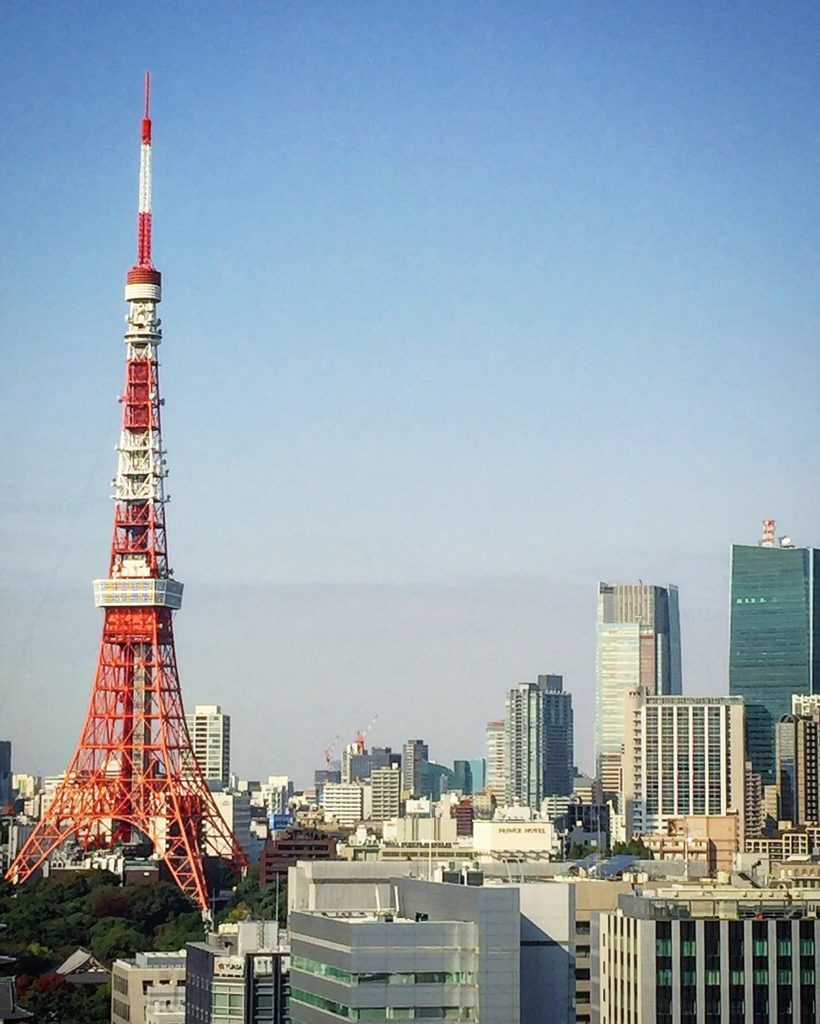
Every neighbourhood needs a landmark, but Nihonbashi went all out and named itself after a bridge. The present stone bridge, completed in 1911, spans the Nihonbashi River and still marks the symbolic starting point of Japan’s national road network. Look closely at the bronze winged kirin and guardian lions; the details are far more interesting than the traffic rushing past them.
The expressway overhead is hardly the romantic Edo-era postcard we might have imagined, but that contrast is precisely Nihonbashi: old Tokyo stubbornly surviving inside the new. Walk to the riverside for a second angle rather than simply crossing and leaving.
Best for: History lovers and first-time visitors. Practical details: Where: Nihonbashi Bridge, between Nihonbashi and Nihonbashi Muromachi, Chuo-ku. Cost: free. Time: 10–20 minutes.
Venue details / latest information
2. See Tokyo from the water on the Nihonbashi e-LINER
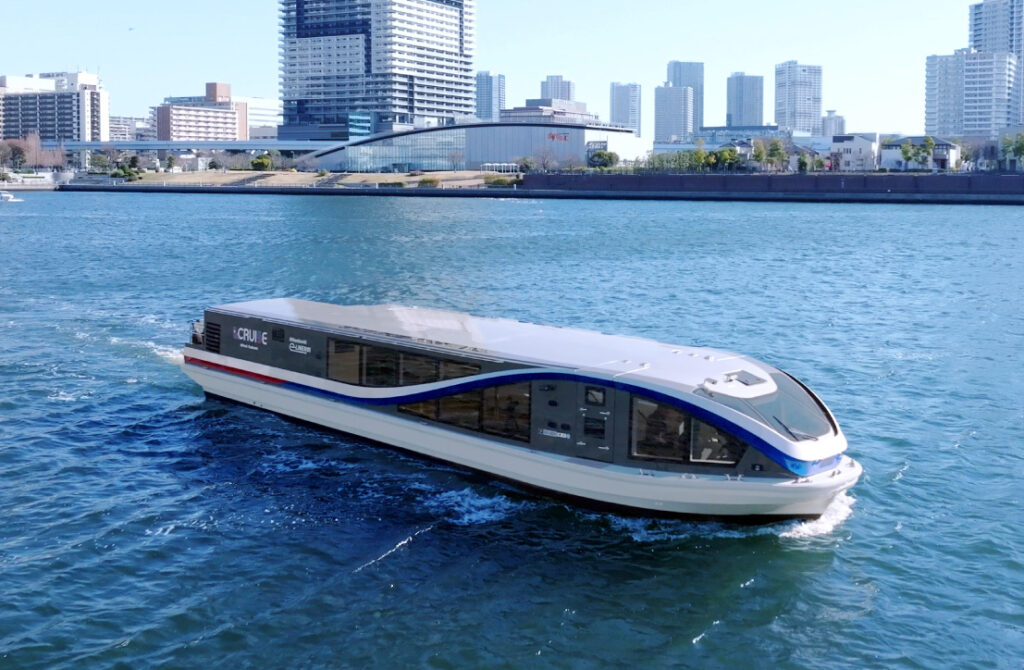
For a completely different view of the capital, board the Nihonbashi e-LINER, a fully electric boat service introduced in 2026. The regular run connects the historic Nihonbashi pier with Toyosu, passing under city bridges before the waterfront opens up.
The ride takes about 25 minutes one way. It works as both a sightseeing experience and an unusually enjoyable way to reach Toyosu. Services can be suspended in strong winds, so check the operator’s live notice before heading to the pier.
Best for: Something unusual to do in Tokyo. Practical details: Where: Nihonbashi Pier, beside the bridge at approximately 1-9 Nihonbashi. Price: adult fares generally ¥1,000–¥1,500, variable; children’s discounts apply. Booking: online recommended.
Venue details / latest information
3. Browse COREDO Muromachi and its artisan shops
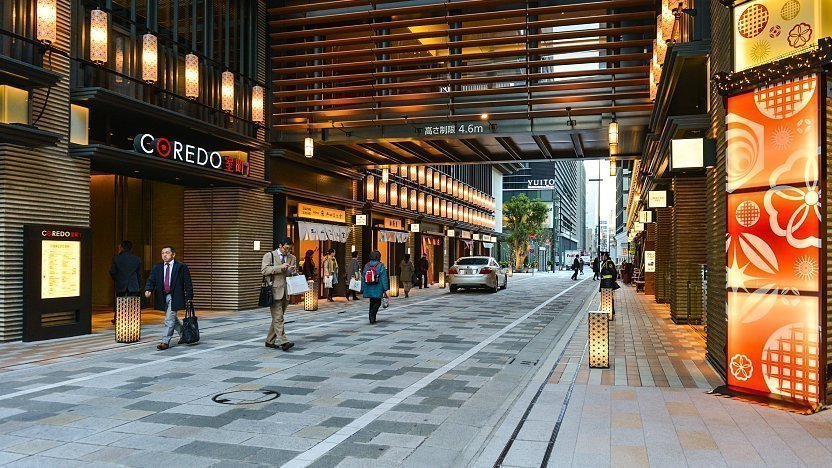
The COREDO Muromachi shopping complexes take Nihonbashi’s merchant roots and give them a polished modern makeover. Traditional food specialists sit alongside contemporary crafts, stylish Japanese goods, restaurants and cafés. It is shopping, yes, but far more interesting than yet another anonymous mall.
We would come for the little edible souvenirs and well-made everyday objects, then wander into the connecting lanes. Even if you buy nothing, this is one of the easiest places to see how the neighbourhood blends Edo-inspired design with modern Tokyo.
Best for: Japanese gifts, snacks and rainy days. Practical details: Where: around 2-2-1 Nihonbashi Muromachi, near Mitsukoshimae Station. Cost: free to browse. Time: 45–90 minutes.
Venue details / latest information
4. Visit Nihonbashi Mitsukoshi, Japan’s old-school department-store grand dame

Before department stores became a global sport, Mitsukoshi was doing it in Tokyo. The Nihonbashi main store comes with ceremonial lions, grand architecture and a food hall capable of making you suddenly need fifteen beautifully wrapped things you had never heard of.
Head downstairs for wagashi, savoury gifts and delicately boxed confectionery. It is also a comfortable stop when the weather turns against your sightseeing plans.
Best for: Premium souvenirs and food-hall exploring. Practical details: Where: 1-4-1 Nihonbashi Muromachi, Chuo-ku. Cost: free to browse. Time: 30–60 minutes.
Venue details / latest information
5. Find Fukutoku Shrine hidden among the skyscrapers

The best thing about Fukutoku Shrine is the surprise. You turn away from steel, glass and expensive shopfronts, and there it is: an intimate Shinto shrine with polished wooden architecture and a completely different pace.
Known historically for its connections to prosperity and good fortune, it makes a lovely pause between COREDO Muromachi shops. Keep your voice down, give worshippers space, and you will see why small urban shrines are some of Tokyo’s most memorable corners.
Best for: A peaceful pause and traditional Tokyo. Practical details: Where: 2-4-14 Nihonbashi Muromachi, Chuo-ku. Cost: free to enter the grounds. Time: 10–15 minutes.
Venue details / latest information
6. Admire Japanese art at the Mitsui Memorial Museum

One of Nihonbashi’s finest cultural stops is tucked into a handsome historic building. The Mitsui Memorial Museum shows changing exhibitions drawn from the Mitsui family’s collection of Japanese and East Asian art, including objects such as tea utensils, ceramics and paintings.
The building itself deserves a look even if you do not go inside. Exhibition dates and admission prices change, so check the current programme rather than assuming the gallery is open every day.
Best for: Art, design and historic buildings. Practical details: Where: Mitsui Main Building, 7F, 2-1-1 Nihonbashi Muromachi. Time: around 60–90 minutes. Admission: varies by exhibition.
Venue details / latest information
7. Visit the free Bank of Japan Currency Museum
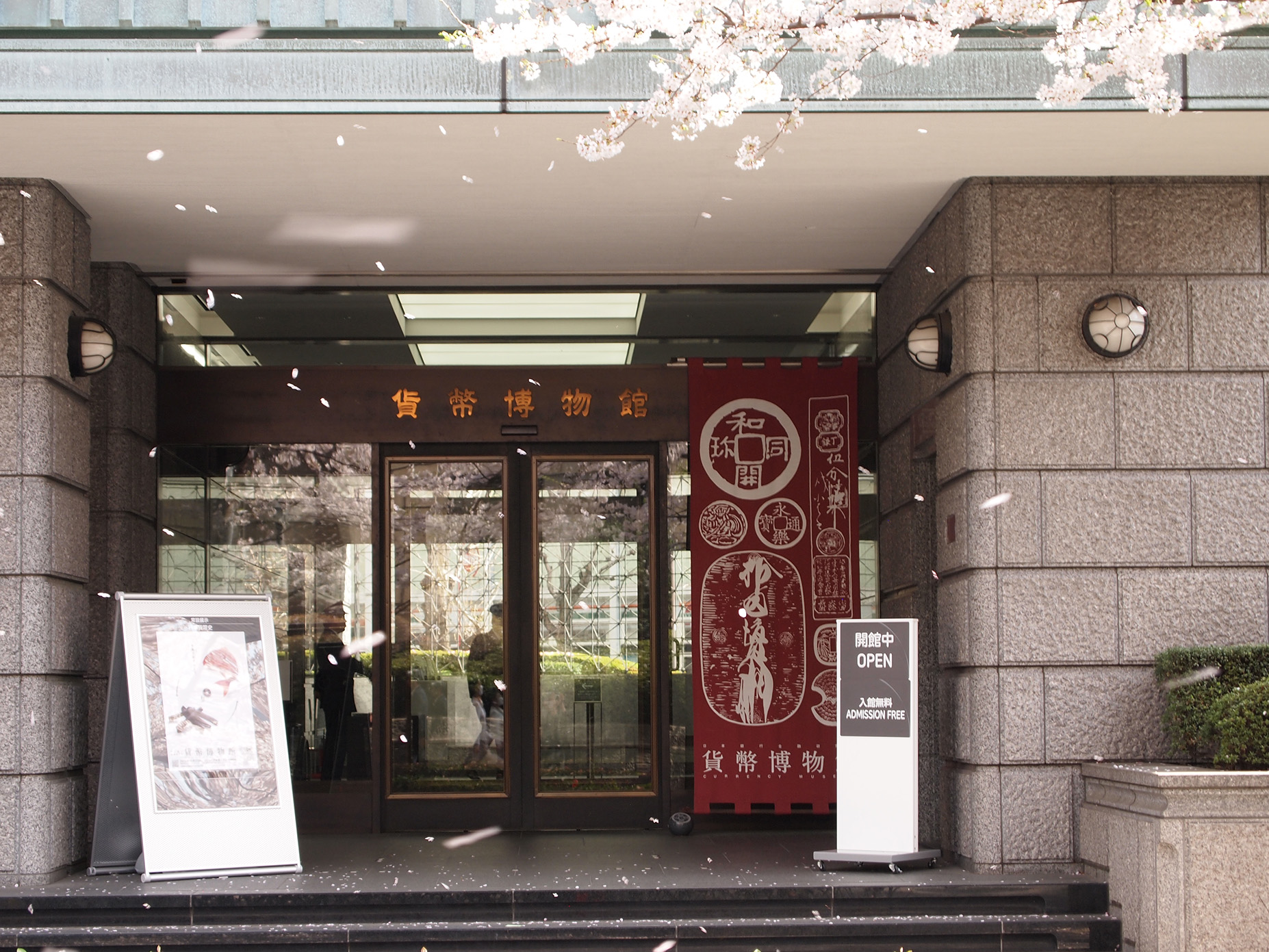
Tokyo’s financial district is a logical place to investigate how Japanese money came to be. This excellent museum traces currencies from ancient coins to modern banknotes, with historical objects and exhibits that are accessible even if economics was never your favourite school subject.
Better still, admission is free. Expect a security check at the door. There is an English audio guide you can use on your own device.
Best for: Free indoor sightseeing and curious kids. Practical details: Where: 1-3-1 Nihonbashi Hongokucho, Chuo-ku. Entry: free. Typical hours: 9:30 a.m.–4:30 p.m., last entry 4 p.m.; check closure calendar. Time: 45–75 minutes.
Venue details / latest information
8. Meet Snorlax at Pokémon Center Tokyo DX
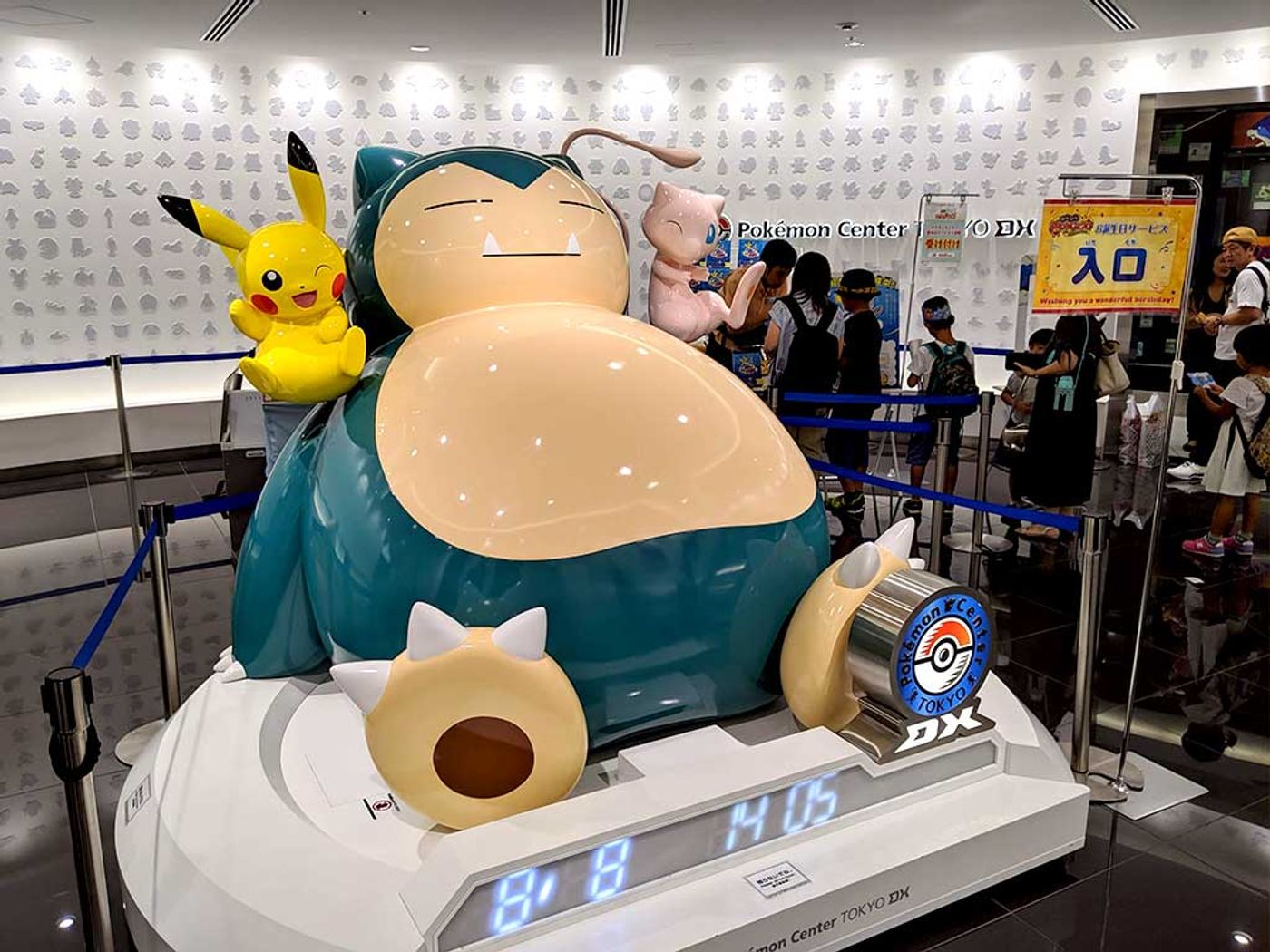
Nihonbashi is not all centuries-old soba and serious businessmen. On the fifth floor of the Takashimaya East Building, Pokémon Center Tokyo DX provides the necessary explosion of plush toys, collectible goods and franchise-specific delight.
You will also find Pokémon Cafe Tokyo nearby, but the café needs separate advance reservations and is not something to rely on as a walk-in lunch option. The shop itself is much easier to fit into a casual afternoon.
Best for: Families, Pokémon fans and character shopping. Practical details: Where: Nihombashi Takashimaya S.C. East Building, 5F, 2-11-2 Nihonbashi. Shop hours: generally 10:30 a.m.–9 p.m. Time: 20–45 minutes.
Venue details / latest information
Eat your way through Nihonbashi’s historic restaurants
9. Buy traditional Japanese sweets at Eitaro Sohonpo

Established in the nineteenth century, Eitaro Sohonpo belongs to the old guard of Nihonbashi confectionery. Its kintsuba—sweet bean filling enclosed in a delicate coating—is a wonderfully portable taste of Tokyo’s merchant past.
Important 2026 update: the original main store closed in March 2026 for redevelopment. A temporary retail-only shop opened on 15 April 2026 at a different address; the former E-Chaya café is not operating there. Come for packaged sweets, not an on-site baking demonstration or sit-down café.
Best for: Traditional sweets and Tokyo souvenirs. Practical details: Current temporary shop: 1-2-8 Nihonbashi, Chuo-ku. Hours: 10 a.m.–6 p.m., generally daily except New Year. Budget: small confectionery purchase to premium gift boxes.
Venue details / latest information
10. Try classic tempura soba at Muromachi Sunaba

For an edible history lesson, order soba at Muromachi Sunaba, a restaurant dating to 1869. The shop identifies itself with the development of ten-zaru and ten-mori, cold noodles eaten with a tempura-rich dipping broth.
It is exactly the sort of place where you want to slow down and pay attention to the noodles rather than photograph them for ten minutes. Expect traditional flavours and a more deliberate meal than a quick station-side noodle counter.
Best for: Traditional Edo-style soba. Practical details: Where: 4-1-13 Nihonbashi Muromachi. Budget: mid-range soba meal; prices vary. Time: 45–60 minutes. Tip: check hours and possible afternoon breaks.
Venue details / latest information
11. Have soba, then look for rakugo at Yabuizu Sohonten

Yabuizu Sohonten goes beyond dinner: it is part soba restaurant, part living reminder of Edo’s entertainment culture. The long-established restaurant serves buckwheat noodles and an unusual specialty called soba sushi, with noodles wrapped in nori like a sushi roll.
The venue is associated with rakugo, Japan’s comic storytelling tradition. Performances are occasional rather than a daily dinner show, so look for an announced event if that is your main reason for visiting.
Best for: Foodies and Japanese performing arts. Practical details: Where: 3-15-7 Nihonbashi, Chuo-ku. Budget: moderate. Time: 45–75 minutes for a meal; allow longer for a scheduled show.
Venue details / latest information
12. Eat Edomae sushi at Yoshino Sushi Honten

Founded in 1879, Yoshino Sushi Honten is closely linked to the story of toro, the rich fatty cut of tuna prized by sushi lovers. The restaurant says it was among the first to serve this once-overlooked part as nigiri, and its sushi rice is seasoned with red vinegar and salt.
Unlike the intimidating high-end sushi counters of your imagination, the emphasis here is straightforward craftsmanship. A lunch set is a sensible way to experience the place without committing to a big evening spend.
Best for: Classic sushi without unnecessary theatre. Practical details: Where: 3-8-11 Nihonbashi, close to Takashimaya. Budget: lunch sets cost less than a substantial à la carte dinner. Booking: sensible for busy meals.
Venue details / latest information
13. Order charcoal-grilled eel at Unagi Kappo Oedo

If you are serious about trying unaju, the lacquered-box eel-and-rice dish, Oedo is a fine traditional stop. The restaurant traces its history to around 1800, and its signature eel is grilled and served with a carefully maintained house sauce.
This is a proper sit-down lunch rather than a cheap snack. It makes a good choice when you want one memorable traditional meal in the neighbourhood.
Best for: A celebratory Japanese lunch. Practical details: Where: 4-7-10 Nihonbashi Honcho, Chuo-ku. Budget: splurge. Time: 60–90 minutes. Booking: recommended at peak dining times.
Venue details / latest information
14. Try historic kaiseki at Kappo Shimamura — now in Yaesu
Nearby detour: Yaesu, rather than central Nihonbashi

Kappo Shimamura traces its kitchen history to 1850 and has long used that heritage to recreate flavours associated with the late Edo period. If the idea of a historical multi-course meal appeals more than a quick lunch, put it on your shortlist.
Another important address change: the restaurant moved again and is now at TOFROM YAESU TOWER near Tokyo Station, not the older Yaesu address circulating in archived articles. It is a convenient extension of a Nihonbashi walk, but not actually in the historic core.
Best for: Traditional Japanese fine dining. Practical details: Current location: TOFROM YAESU TOWER 1F, 1-6-1 Yaesu, Chuo-ku. Budget: splurge. Booking: contact the restaurant for current kaiseki courses and availability.
Venue details / latest information
15. Eat crispy shrimp-and-tomato noodles at Chinese Restaurant Ho
Nearby detour: Higashi-Kanda

Our wildcard lunch pick is Chinese Restaurant Ho, a specialist in Huzhou-influenced cooking. Its much-talked-about shrimp-and-tomato crispy noodles hide a glossy sauce beneath the crunch. It is comfort food with a bit more personality than your average noodle stop.
The restaurant sits in Higashi-Kanda, outside Nihonbashi proper, so treat it as a worthwhile eastern detour rather than something directly beside the bridge. It is particularly handy if you are continuing towards Bakurocho or Asakusabashi.
Best for: An unusual casual lunch. Practical details: Where: 1F, 1-3-5 Higashi-Kanda, Chiyoda-ku. Budget: moderate. Phone: 03-5829-6080. Tip: confirm lunch service before walking over.
Venue details / latest information
Best coffee shops, fruit desserts and sweet stops in Nihonbashi
16. Pick up beautiful fruit sandwiches at IMANO FRUITS FACTORY

Originally a fruit shop founded in 1952, IMANO FRUITS FACTORY knows how to make seasonal produce look irresistible. Think generously filled fruit sandwiches, carefully chosen berries and delicate fruit tarts—the kind of shop that turns a modest snack stop into a small occasion.
What is on sale depends on the season. The strawberry and citrus prices from older magazine features are not a reliable guide to the 2026 menu, so choose whatever looks best on the day.
Best for: Fruit lovers and a sweet takeaway. Practical details: Where: 1-4-7 Nihonbashi Kayabacho, Chuo-ku. Budget: affordable to mid-range for sweets. Tip: seasonal favourites may sell out.
Venue details / latest information
17. Buy duck-themed chocolates at teal

There are pastry shops, and then there are places that make you seriously reconsider your luggage allowance. Teal specialises in chocolate and ice cream, and its carefully designed duck-themed cookie tins are an especially photogenic souvenir.
Flavours, packaging and seasonal collections change, so do not plan your visit around the exact tin featured in an older article. Come for the craftsmanship, have something chocolatey, and accept that you may leave carrying a box.
Best for: Beautiful edible gifts and chocolate. Practical details: Where: Nissho Building 1F, 1-10 Nihonbashi Kabutocho. Time: 15–30 minutes. Budget: mid-range to premium sweets.
Venue details / latest information
18. Treat yourself at Pâtisserie ease

Pâtisserie ease has built its reputation on refined modern pastries and beautifully assembled gift assortments. Its cookie tins are little works of edible graphic design, and the cakes make a convincing argument for an unplanned dessert stop.
Seating is limited, so do not count on finding a table during peak hours. Buying something to take away is usually the easier plan.
Best for: Pastry obsessives and gifts. Practical details: Where: 9-1 Nihonbashi Kabutocho, Chuo-ku. Hours commonly 11 a.m.–6 p.m.; usually closed Wednesdays. Budget: premium sweets.
Venue details / latest information
19. Get serious about coffee at SR Coffee Roaster
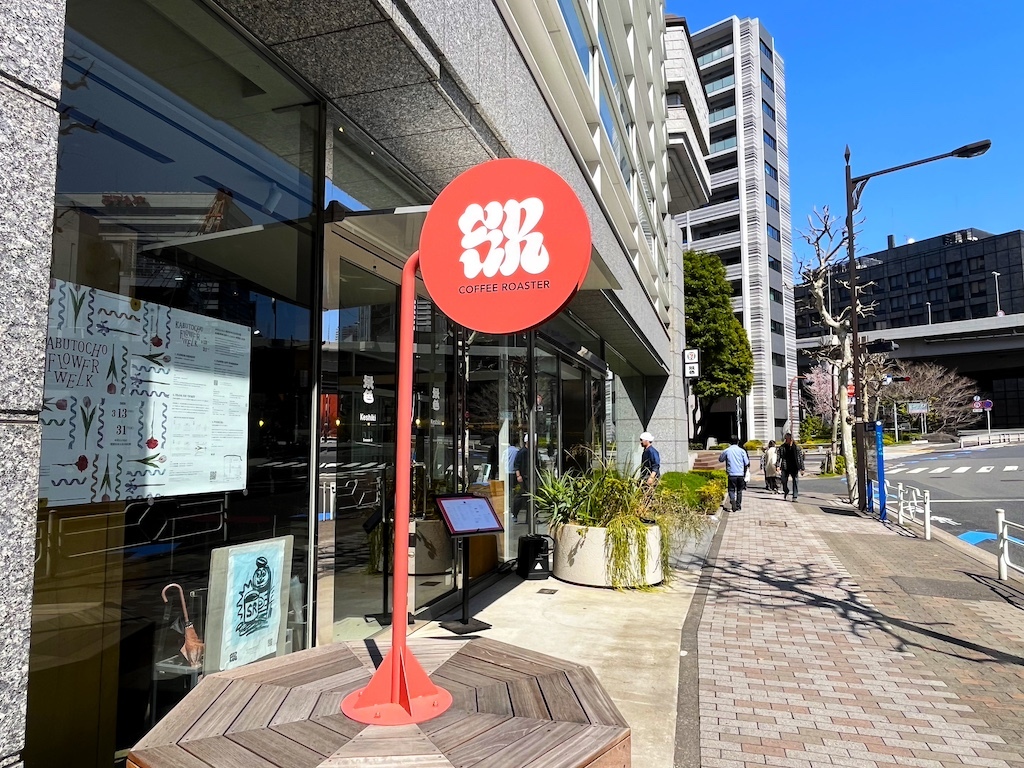
Stockholm Roast’s Tokyo outpost brings Scandinavian coffee sensibilities to Kabutocho, with carefully prepared drinks and baked treats. It is a lovely stop when your day needs a pause and another dose of caffeine.
Do not follow the old address: SR Coffee Roaster moved from 9-5 Kabutocho and reopened at 6-5 Kabutocho in 2025. The former SR Coffee Roaster & Bar listings still circulate online; this is the current shop.
Best for: Specialty coffee and a quiet reset. Practical details: Current address: 6-5 Nihonbashi Kabutocho, Chuo-ku. Official hours: 9 a.m.–6 p.m. daily. Budget: coffee-shop prices.
Venue details / latest information
20. Make BERTH COFFEE your breakfast base

Attached to the CITAN hostel, BERTH COFFEE has the easy, international feel that every backpacker hopes to find before the city fully wakes up. Travellers, freelancers and locals drift past the counter, while baristas serve carefully selected coffee from their own and guest roasters.
The mood is informal rather than ceremonial, making it a particularly good first stop if you are approaching Nihonbashi from Bakurocho or Kodenmacho. CITAN also has a basement lounge with occasional events.
Best for: Solo travellers, mornings and excellent coffee. Practical details: Where: CITAN 1F, 15-2 Nihonbashi Odenmacho, Chuo-ku. Official hours: 8 a.m.–6 p.m., irregular holidays. Time: 20–40 minutes.
Venue details / latest information
21. Read, work or decompress at Book Lounge Kable

Need a break from shops and temples that does not involve standing in another café queue? Book Lounge Kable is a surprisingly comfortable answer. The third-floor lounge has shelves of books, tables for reading and work, and seating designed for lingering.
This is a paid-use lounge rather than a public library; hourly fees and food-related offers may change. It is ideal for travellers who need Wi-Fi, a quiet hour or somewhere to regroup between sightseeing stops.
Best for: Remote workers and a calm indoor break. Practical details: Where: KABUTO ONE 3F, 7-1 Nihonbashi Kabutocho. Time: 1 hour or more. Check current hourly admission on the official website.
Venue details / latest information
22. Have breakfast at GARDEN HOUSE COFFEE — the new KNAG replacement
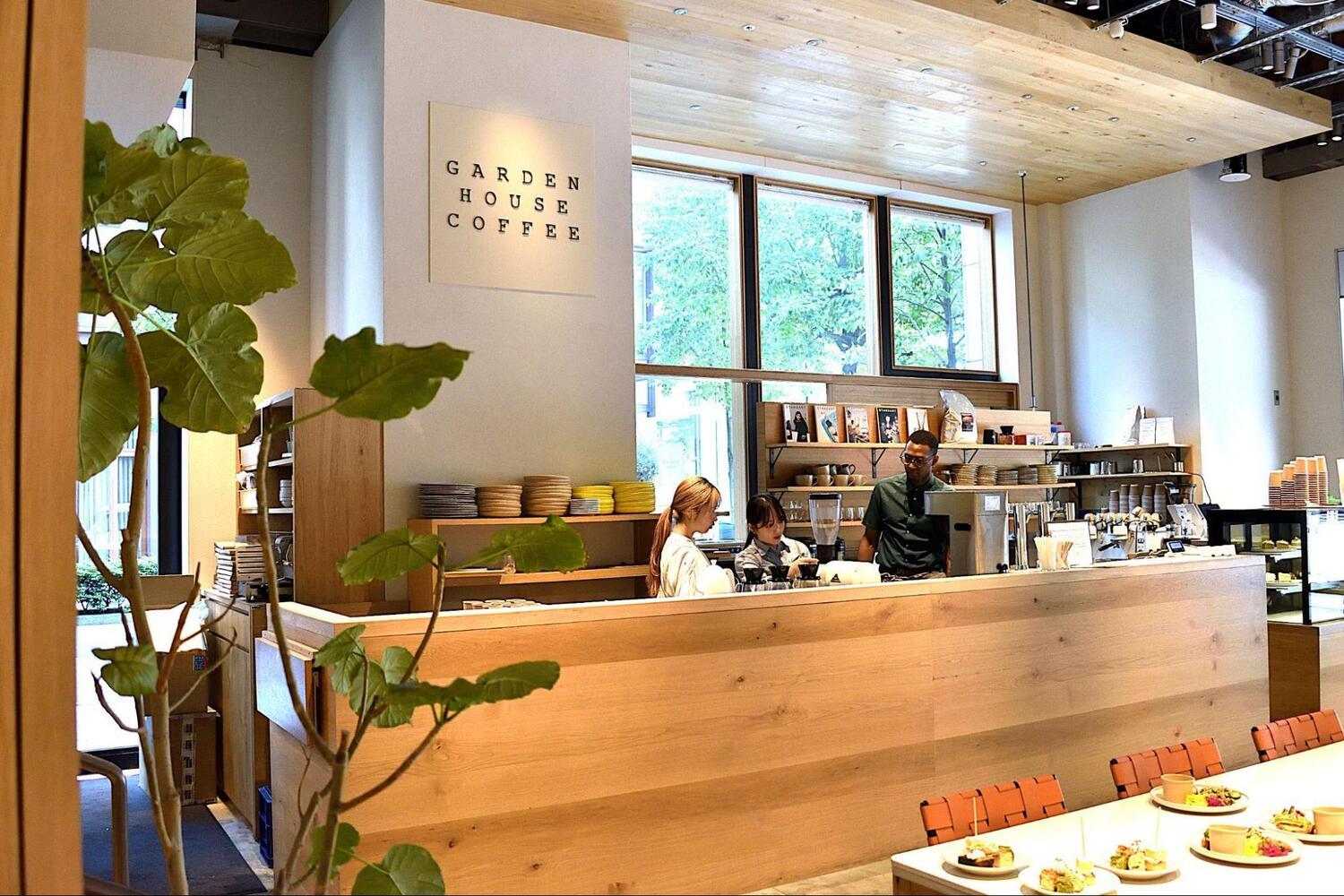
KABUTO ONE used to house the community café KNAG, but that closed in 2025. The space was given a fresh start when GARDEN HOUSE COFFEE opened in June that year, bringing a bright, greenery-filled café and a proper place to settle in over a morning coffee or light meal.
Its central location makes it an easy stop between the Kabutocho architectural walk and the next dessert. This is the address to use in 2026, not old guides still sending you to KNAG.
Best for: Breakfast and a relaxed modern café. Practical details: Where: KABUTO ONE 1F, 7-1 Nihonbashi Kabutocho. Hours: weekdays 8 a.m.–8 p.m.; weekends and holidays 10 a.m.–6 p.m.
Venue details / latest information
23. Have a proper lunch or dinner at KABEAT

If you are travelling with people who cannot agree on one cuisine, KABEAT is a useful compromise that does not feel like one. The generous dining room brings together dishes inspired by different styles of cooking, prepared with produce sourced from Japanese makers and growers.
It is a flexible option for a sit-down lunch, a longer dinner or a meal with children. The airy restaurant is quite different from the intimate old soba shops elsewhere in this guide.
Best for: Groups with mixed food preferences. Practical details: Where: KABUTO ONE 1F, 7-1 Nihonbashi Kabutocho. Hours: weekdays 11 a.m.–10:30 p.m.; Saturday to 9 p.m.; Sunday to 5 p.m. Reservations available.
Venue details / latest information
Architecture, design shops and little pockets of calm in Kabutocho
24. Peek inside the restored bank building at K5

The old Kabutocho financial district has become one of Tokyo’s more interesting design neighbourhoods, and K5 is its poster child. A historic former bank building was transformed into a boutique hotel with a striking blend of Japanese and Scandinavian influences.
You do not need to book a room to appreciate its architecture or visit its public food-and-drink venues. Be aware that the restaurant and bar line-up changed in 2025: Ao, caveman and Switch Coffee have closed; K5 now lists CAFE DANCE, MARUYAMA, AKAI BAR and B among its venues.
Best for: Design and hotel architecture. Practical details: Where: 3-5 Nihonbashi Kabutocho. Hotel rates: premium; food-and-drink costs vary. Time: 10–20 minutes for architecture, longer for a meal.
Venue details / latest information
25. Photograph the 1928 Nissho Building

Kabutocho’s financial past is written into its façades. The Nissho Building, dating from 1928, has elegant stepped upper levels and an atmosphere that feels far removed from Tokyo’s glass-box skyline.
The real trick is to notice it while you are chasing chocolate. Teal occupies the ground floor, so the building gives you an excellent excuse to combine architectural appreciation with dessert. You can admire the exterior without entering any private offices.
Best for: Architecture photography. Practical details: Where: 1-10 Nihonbashi Kabutocho. Cost: free to view from the street. Time: 5–10 minutes.
26. Compare the Spanish-style Yamani Securities building

Tokyo’s old finance buildings are not all solemn grey columns. Yamani Securities stands out for its Spanish-influenced touches, including roof tiles and rounded architectural details. Completed in the 1930s, it is an unusual bit of European-inspired design in the middle of Kabutocho.
This is an exterior-only sightseeing stop, best paired with the next building, which offers a completely different answer to the same architectural era.
Best for: Unusual old Tokyo buildings. Practical details: Where: 4-1 Nihonbashi Kabutocho. Cost: free from the street. Time: 5 minutes.
27. Spot the Art Deco details at the Phillip Securities building

Right next door, the former Naruse Securities building, now associated with Phillip Securities, takes a much more restrained Art Deco approach. Look for the stone façade and imposing vertical lines.
Both this building and neighbouring Yamani were designed by architect Yoshitoki Nishimura, yet they feel like completely different personalities. It is a neat miniature architecture tour that costs absolutely nothing.
Best for: Art Deco and street photography. Practical details: Where: 4-2 Nihonbashi Kabutocho. Cost: free from the street. Time: 5 minutes.
28. Find KITOKI and a tiny urban sake brewery

KITOKI makes an architectural argument for using more timber in the city. Its hybrid structure combines wood with reinforced-concrete construction, while natural textures soften the surrounding financial district.
Even more fun, its first floor houses Heiwa Doburoku Kabutocho Brewery, which makes the building more than a design object. Drop by to admire the structure, and check the brewery if you are curious about unfiltered rice drinks.
Best for: Contemporary architecture and sake culture. Practical details: Where: 8-5 Nihonbashi Kabutocho. Cost: exterior viewing free; drinks extra. Time: 10–30 minutes.
Venue details / latest information
29. Take a breather in Sakamotocho Park

Sakamotocho Park opened in 1889 and is described by Chuo Ward as Tokyo’s first planned small urban park. It has been reworked over the years, including a thoughtful renovation in 2021, and now gives local office workers and wandering travellers a welcome patch of green.
This is not a huge destination park. Think of it as a low-effort picnic stop, somewhere to sit with a convenience-store snack and recover from a day of earnest shopping and relentless pastry sampling.
Best for: Families and a peaceful break. Practical details: Where: 15-3 Nihonbashi Kabutocho. Entry: free. Time: 15–30 minutes.
Venue details / latest information
30. Shop Japanese textiles and vintage objects at minä perhonen elävä II
Nearby detour: Higashi-Kanda

If your idea of a good souvenir has more to do with fine textiles and extraordinary furniture than fridge magnets, make time for minä perhonen elävä II. The design house mixes vintage Nordic pieces, textiles, art objects and pieces from its own archives.
The space is more intimate than a department store and far more distinctive. It sits in Higashi-Kanda rather than Nihonbashi’s central shopping streets, so save it for a design-focused detour.
Best for: Design lovers and unusual shopping. Practical details: Where: Room 201, 1-2-11 Higashi-Kanda, Chiyoda-ku. Hours: 11 a.m.–7 p.m.; closed Sundays except some exhibition periods.
Venue details / latest information
31. Go book hunting at Kosho Mitsuke in Asakusabashi
Nearby detour: Asakusabashi

Kosho Mitsuke is exactly the kind of secondhand bookshop that rewards nosy travellers. The selection wanders across subjects, including food, culture, unusual nonfiction and wonderfully unexpected discoveries.
The shop is run by a publishing company, giving it a literary personality that feels different from a standard used-book chain. It is in Asakusabashi/Yanagibashi, not Nihonbashi proper, so combine it with a separate stroll there rather than squeezing it into a short central walk.
Best for: Bookworms and offbeat browsing. Practical details: Where: 1F, 1-6-10 Yanagibashi, Taito-ku. Opening days vary; check the shop’s announcements before visiting.
Venue details / latest information
Where to drink in Nihonbashi: natural wine, craft beer, sake and cocktails
32. Explore natural wines at Human Nature

Human Nature feels more like visiting somebody with a magnificent wine obsession than entering a formal wine bar. The shop is known for a personally curated range of natural wines, particularly delicate bottles from cooler climates.
It makes a relaxed starting point for an evening around Kabutocho. Ask what is open by the glass and let the staff steer you; this is a better approach than pretending to know every grape you see.
Best for: Natural wine and low-key evenings. Practical details: Where: 9-5 Nihonbashi Kabutocho. Price: wine-bar range; individual bottles and pours vary. Check current evening hours.
Venue details / latest information
33. Order something adventurous at Omnipollos Tokyo

Omnipollos Tokyo looks like someone dropped a Scandinavian design experiment into an old Japanese eel restaurant. Behind the traditional exterior sits an exuberantly blue interior where the taps rotate through beers from the Swedish craft brewery and other producers.
This is a brilliant stop if you are tired of the same bland lager. Not every beer is cheap, and the more experimental flavours are very much the point.
Best for: Craft beer and surprising interiors. Practical details: Where: 9-5 Nihonbashi Kabutocho. Budget: craft-beer prices. Tip: check the current taps and hours before heading over.
Venue details / latest information
34. Pair natural wine with bistro snacks at Kamejima Shoten

Kamejima Shoten is an appealing hybrid of a wine shop and an intimate bistro. It is particularly good for trying a few natural wines alongside thoughtfully prepared small dishes without signing up for a long formal dinner.
If you are arriving on a weekend, confirm the latest schedule first; older listings disagree on the opening times. A table is worth arranging when you want a proper evening meal.
Best for: Wine with dinner. Practical details: Where: 1F, 1-12-11 Nihonbashi Kayabacho. Budget: mid-range to premium depending on wine. Phone: 03-6661-7253.
Venue details / latest information
35. Sample seasonal sake at Nihonshu Stand Moto Kayabacho

For a more recognisably Japanese drinking experience, Nihonshu Stand Moto is a compact standing bar built around seasonal sake. The rotating selection gives you a chance to explore different regions and styles, with small dishes designed to complement the drinks.
You do not need to be a sake expert. Tell the staff whether you prefer dry, floral or rich styles and start with a small pour. It is a lively, sociable stop rather than somewhere to camp out for an entire night.
Best for: Trying Japanese sake for the first time. Practical details: Where: 1F Taisei Building, 1-11-7 Nihonbashi Kayabacho. Phone: 03-6810-8872. Budget: small pours and snacks; prices vary.
Venue details / latest information
36. Finish the evening at AKAI BAR in K5

AKAI BAR is the atmospheric successor to the now-closed Ao at K5. Its deep-red interior, velvet touches, eclectic objects and Japanese spirits give it the air of a collector’s private den. The cocktails are more playful than the financial-district address might suggest.
The bar’s official 2026 information lists a daily happy-hour window and cocktails built around gin, whisky and local ingredients. It is our pick for finishing a long Nihonbashi day without making the journey to another nightlife district.
Best for: Stylish late-evening cocktails. Practical details: Where: K5 1F, 3-5 Nihonbashi Kabutocho. Official hours: Sun–Thu 5–11 p.m.; Fri–Sat 6 p.m.–midnight. Current happy hour: selected drinks ¥1,100.
Venue details / latest information
How to visit Nihonbashi: transport, time and budget
Getting there: Nihombashi Station is served by the Tokyo Metro Ginza and Tozai lines and the Toei Asakusa line. Mitsukoshimae Station serves the central shops and shrines; Kayabacho Station is the easiest start for Kabutocho’s cafés and bars. Tokyo Station’s Yaesu side is also within walking distance of the southern Nihonbashi streets.
How long do you need? Two hours is enough for a quick look at the bridge, shrine and shopping streets. Four hours gives you a comfortable lunch and museum or café stop. With a design crawl, several shops and an evening drink, make a full day of it.
Budget: You can spend very little by focusing on the bridge, shrine, architecture and park. The free Currency Museum is particularly good value. Allow extra for pastries and cafés; eel, sushi, kaiseki and cocktails are where the budget climbs. Prices in older Japanese magazine features can become outdated quickly, so we have not treated their old menu prices as guaranteed current prices.
Best time to go: Weekdays are good for seeing Kabutocho at work, while weekends feel quieter around the financial buildings. Some traditional restaurants and boutiques have Sunday closures. For dining and boat journeys, check the operator’s current hours or reservations rather than relying on a static guide.
Visiting with children: The Pokémon Center, Fukutoku Shrine, Sakamotocho Park and the Currency Museum are easy picks. KABEAT makes a practical group meal, while the e-LINER adds a genuinely different kind of Tokyo transport adventure.
Frequently asked questions about Nihonbashi Tokyo
Is Nihonbashi worth visiting?
Yes, especially if you enjoy traditional Japanese food, historic buildings, stylish shopping and neighbourhoods that are less frantic than Shibuya or Shinjuku. It also fits neatly into a day around Tokyo Station or Ginza.
What is Nihonbashi famous for?
Nihonbashi is famous for its historic bridge, the symbolic starting point of Japan’s road network; its role as an Edo-period commercial centre; traditional shops and restaurants; and historic department stores such as Mitsukoshi.
What is the difference between Nihonbashi and Kabutocho?
Kabutocho is part of the wider Nihonbashi area. Historically known as a financial district, it is now also home to creative cafés, bars, boutique hotels and carefully preserved early twentieth-century architecture.
Can you walk from Tokyo Station to Nihonbashi?
Yes. The southern part of Nihonbashi is a short walk from Tokyo Station’s Yaesu side. Allow roughly 10–20 minutes depending on which station exit and Nihonbashi destination you choose.
Are there free things to do in Nihonbashi?
Absolutely. Nihonbashi Bridge, Fukutoku Shrine, the streets around COREDO Muromachi, the securities-building architecture and Sakamotocho Park cost nothing to see. The Bank of Japan Currency Museum also offers free admission.
Where should you eat in Nihonbashi?
For old Tokyo flavours, try Muromachi Sunaba for soba, Yoshino Sushi Honten for Edomae sushi, or Unagi Kappo Oedo for eel. For coffee and sweets, our shortlist is BERTH COFFEE, SR Coffee Roaster, teal and Pâtisserie ease.
Do you need reservations in Nihonbashi?
You do not need reservations to explore the bridge, shrine or shopping streets. Reserve ahead for a specific kaiseki experience, busy sit-down restaurants, the Pokémon Café or a boat departure you do not want to miss. Exhibition admission and some venue schedules can change.
What should you not miss if you only have two hours?
Focus on Nihonbashi Bridge, COREDO Muromachi, Fukutoku Shrine and one food stop. That combination gives you the history, atmosphere and delicious side of the district without racing between neighbourhoods.
More Tokyo guides for curious wanderers
Editorial note: Businesses, menus, exhibitions and opening hours change. We updated key relocations and closures for November 2026, but please confirm current details with each venue before travelling.
- 36 Best Things to Do in Nihonbashi Tokyo (2026): Hidden Gems, Food & Historic Sights
- 18 Most Irresistible Best Ice Cream in Tokyo Spots in 2027 (Including Some Seriously Weird Flavors!)
- Best Pizza in Tokyo in 2027: 21 Places That Are Seriously Worth the Hype
- Where to Buy Art in Kyoto in 2026: 4 Best Galleries for Unique Japanese Art and Crafts
- Where to Buy Local Art in Tokyo (2026): 10 Hidden Shops & Galleries