

Travel photojournalist and landscape hunter with experience across 89 countries, all 47 prefectures of Japan, 30 remote islands, and 60+ mountains. I focus on overlooked landscapes, mossy hidden corners, and places beyond the usual guidebooks — sharing photography and stories that inspire people to travel.
There’s something wonderfully unexpected about Kobe. One minute, we’re wandering past elegant European-style mansions, the next we’re eating steaming dumplings in Chinatown, and before the afternoon is over, we’re floating above forested mountains in a cable car. By evening, we’re back beside the sea, watching the harbor light up over a glass of wine.
Sandwiched between the Rokko Mountains and Osaka Bay, Kobe has a personality that feels quite different from its louder neighbor, Osaka. It’s cosmopolitan without being overwhelming, sophisticated without taking itself too seriously, and compact enough that you can experience an impressive amount without spending half your holiday navigating train stations.
This Kobe itinerary covers the city’s essential attractions over two days, with suggestions for a shorter day trip from Osaka and an extended three-day adventure that includes either Himeji Castle or the wonderfully atmospheric hot spring town of Arima Onsen.
And no, you don’t need to rent a car.
Table of Contents
How Many Days Do You Need in Kobe?
While Kobe is often treated as a quick day trip from Osaka, we think it deserves considerably more attention.
| Time in Kobe | Recommended itinerary |
|---|---|
| 1 day | Kitano, Nunobiki Herb Gardens, Chinatown, Meriken Park and Harborland |
| 2 days | Explore the waterfront, historic neighborhoods, mountain gardens and dining scene at a comfortable pace |
| 3 days | Follow the two-day Kobe itinerary and add Himeji or Arima Onsen |
| 4 days | Explore Kobe, Himeji and Arima Onsen, including an overnight ryokan stay |
Two days in Kobe is our recommendation for first-time visitors. You’ll have enough time to appreciate the city’s contrasting neighborhoods, enjoy a proper Kobe beef meal, and discover why this port city is so much more than its famous steak.
How to Get to Kobe
Kobe is extremely well connected to the rest of Japan, making it an easy addition to almost any Kansai itinerary.
- From Osaka: Take the JR Special Rapid Service from Osaka Station to Sannomiya Station. The journey takes approximately 20–25 minutes.
- From Kyoto: Direct JR Special Rapid trains reach Sannomiya in approximately 50–55 minutes.
- From Tokyo: The Nozomi Shinkansen reaches Shin-Kobe Station in approximately 2 hours and 45 minutes.
- From Shin-Osaka: The Shinkansen takes approximately 12–15 minutes to reach Shin-Kobe.
If you’re coming from central Osaka, there’s generally no need to pay extra for the Shinkansen. Regular JR, Hankyu and Hanshin trains are convenient and considerably cheaper.
Important: Shin-Kobe Station is the city’s Shinkansen station, while Sannomiya is the main downtown transportation hub. They are connected by the municipal subway.
Kobe Itinerary at a Glance
| Day | Morning | Afternoon | Evening |
|---|---|---|---|
| Day 1 | Former Foreign Settlement | Chinatown, Meriken Park, Harborland | Kobe Port Tower and waterfront dinner |
| Day 2 | Ikuta Shrine and Kitano | Nunobiki Herb Gardens and Ropeway | Kobe beef dinner |
| Day 3 – Option A | Himeji Castle | Kokoen Garden | Explore Himeji |
| Day 3 – Option B | Arima Onsen | Mount Rokko | Hot springs or ryokan stay |
Day 1: Discover Kobe’s Waterfront, Historic Streets and Chinatown
For our first day in Kobe, we’re sticking mostly to the relatively flat, walkable part of the city. Expect elegant architecture, excellent street food, waterfront promenades and a sunset that might make you reconsider your plans to return to Osaka.
10:00 AM – Explore Kobe’s Former Foreign Settlement

Kobe’s Former Foreign Settlement, known as Kyukyoryuchi, looks like someone quietly transplanted a European shopping district into the middle of Japan.
When Kobe opened its port to international trade in 1868, foreign merchants settled here, leaving behind an architectural legacy of stone buildings, grand façades and streets that feel distinctly different from the rest of Kansai.
Today, those historic buildings house designer boutiques, museums, cafés and some rather tempting shops. There are polished department stores, handsome old banking buildings and little corners where you can almost forget you’re in Japan.
Start around Daimaru Kobe and wander through the surrounding streets without worrying too much about following a precise route. If you’re interested in the city’s international history, consider visiting the Kobe City Museum.
Don’t miss: The historic streets around Daimaru Kobe, Kobe City Museum, the elegant architecture around Kyomachi and the neighborhood’s independent cafés and boutiques.
Getting there: Approximately 10 minutes on foot from Sannomiya Station.
Time needed: 60–90 minutes.
Cost: Free to explore; individual museums charge admission.
12:00 PM – Eat Your Way Through Nankinmachi Chinatown
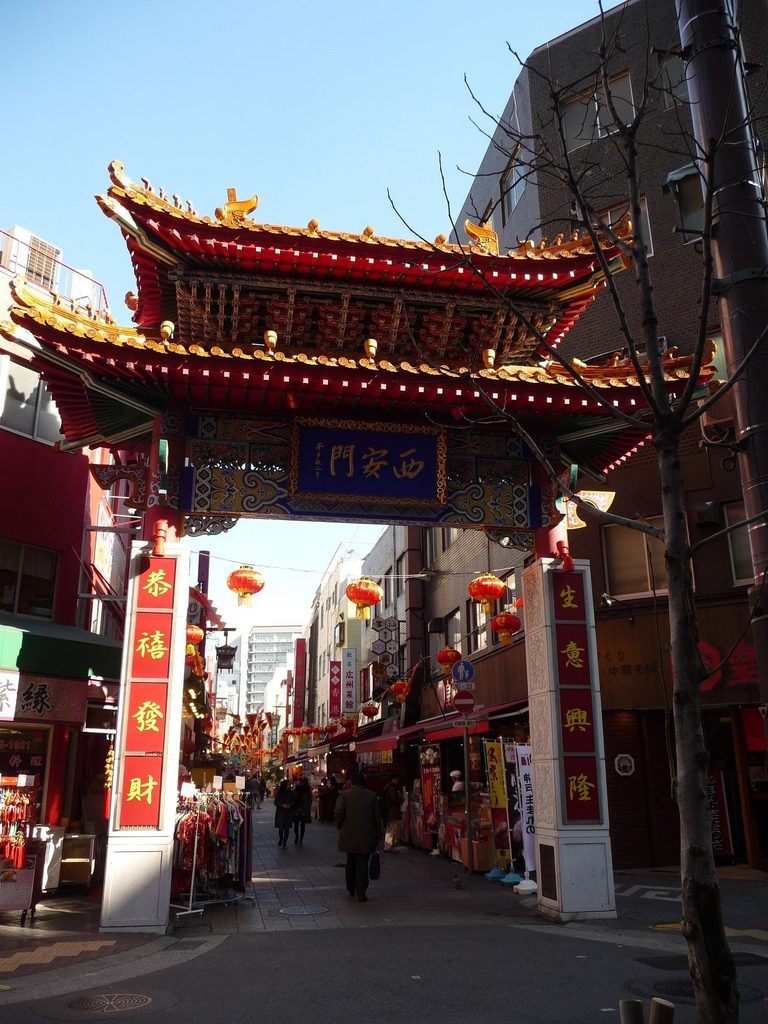
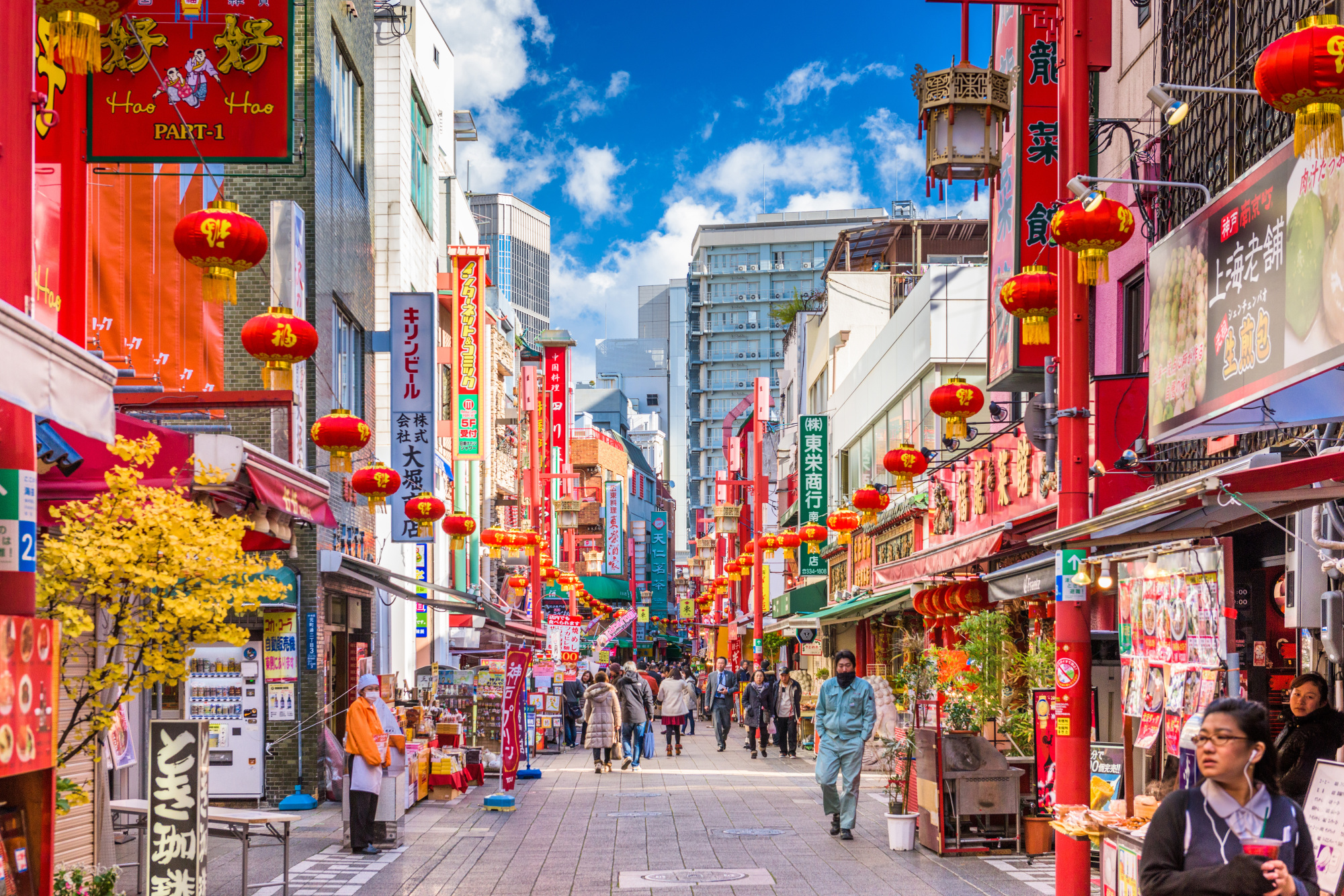
From the Former Foreign Settlement, it’s a short walk to Nankinmachi, one of Japan’s three major Chinatowns alongside those in Yokohama and Nagasaki.
What Nankinmachi lacks in size, it more than compensates for in appetite. Within a surprisingly compact network of streets, you’ll find steaming bamboo baskets, sizzling dumplings, colorful lanterns, panda-shaped buns and vendors doing their very best to persuade you that you need another snack.
They’re probably right.
Rather than committing to a lengthy restaurant lunch, we recommend sampling several things as you explore. Look out for freshly steamed pork buns, pan-fried dumplings, sesame balls, Peking duck wraps, Chinese-style noodles and little portions of Kobe beef.
One of the best-known stops is Roshoki, famous for its small steamed pork buns. Expect queues, particularly around lunchtime and on weekends.
There are plenty of sit-down restaurants, too, if you’d rather rest your feet before continuing toward the waterfront.
Getting there: Five minutes on foot from Motomachi Station, or a short walk from the Former Foreign Settlement.
Time needed: 60–90 minutes.
Budget: Approximately ¥1,000–2,500 per person for a casual lunch and snacks.
For more ideas beyond Chinatown, see our guide to where to eat in Kobe.
1:30 PM – Walk Through Meriken Park
After lunch, head south toward the sea.
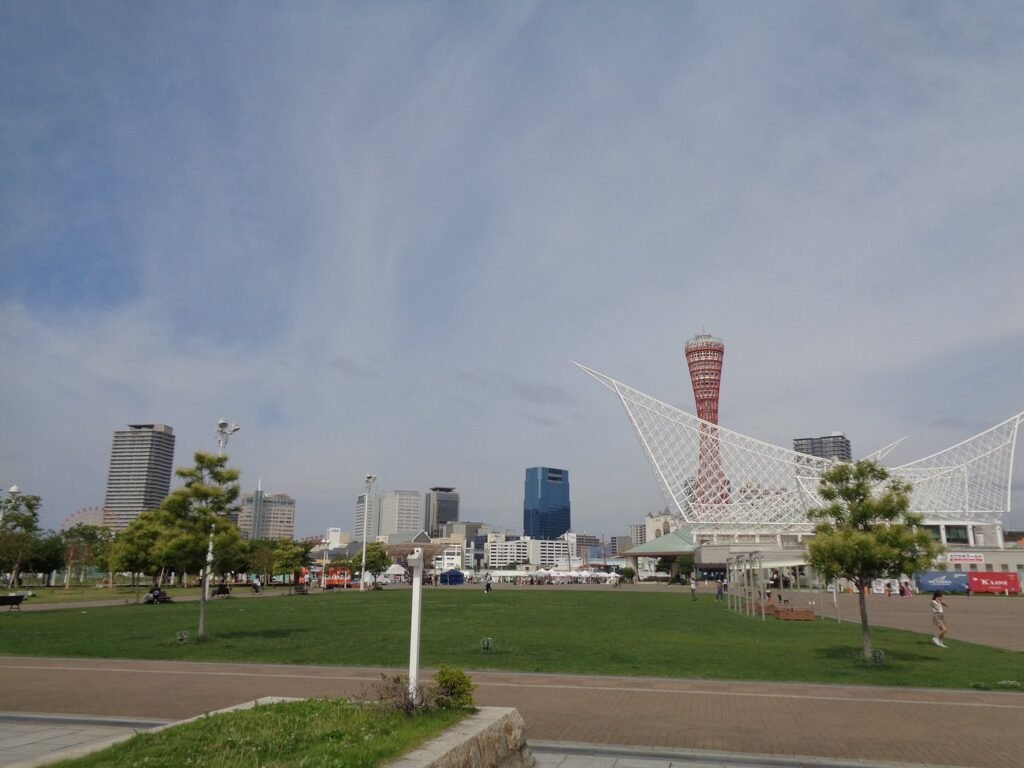
Meriken Park is where Kobe really begins to feel like a port city. Wide lawns, modern architecture, sailing boats and the distinctive red silhouette of Kobe Port Tower create one of the city’s most recognizable landscapes.
The park was developed on reclaimed waterfront land and today serves as a favorite gathering spot for locals, families and visitors.
The enormous BE KOBE monument has become an obligatory photo stop. Installed in 2017, it celebrates Kobe’s identity and the people who make the city what it is.
But don’t simply take the photograph and leave. Wander along the waterfront, watch the ships coming and going, and visit the Kobe Port Earthquake Memorial Park, where preserved sections of damaged waterfront serve as a reminder of the devastating 1995 Great Hanshin-Awaji Earthquake.
If you’re traveling with children or have an interest in engineering, the Kobe Maritime Museum and Kawasaki Good Times World are also worth considering. Inside, you’ll find exhibits connected to ships, motorcycles, aviation and railway technology.
Getting there: Approximately 10–15 minutes on foot from Nankinmachi.
Time needed: 45–60 minutes, or up to two hours with the museums.
Cost: Free to explore the park; museum admission is separate.
3:00 PM – Seaside Shopping and Cafés at Kobe Harborland
Follow the waterfront toward Harborland, Kobe’s sprawling entertainment and shopping district.
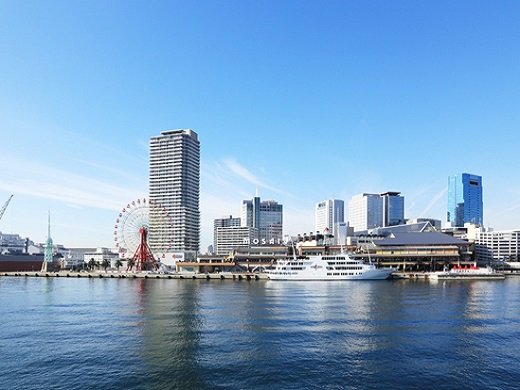
Yes, there are shopping malls. But there are also historic red-brick warehouses, restaurants overlooking the water, a Ferris wheel and some particularly good views back toward the city skyline.
The main waterfront shopping complex, umie MOSAIC, is an enjoyable place to browse Japanese shops, pick up souvenirs and find somewhere for an afternoon coffee.
It’s also one of the best areas in Kobe for families. Children can enjoy the Ferris wheel, while younger visitors might appreciate the nearby Kobe Anpanman Children’s Museum.
For the rest of us, the main attraction is simply the atmosphere. Find a café overlooking the harbor, order something indulgent and enjoy watching the city go about its business.
Things to do in Harborland:
- Browse the shops at umie MOSAIC.
- Explore the historic Kobe Brick Warehouse buildings.
- Ride the Harborland Ferris Wheel.
- Enjoy coffee or dessert overlooking the sea.
- Take a sightseeing cruise around Kobe Port.
Time needed: 90 minutes to two hours.
Getting there: Approximately 10–15 minutes on foot from Meriken Park.
Make it memorable: If you’re celebrating a special occasion or simply want a different perspective of Kobe, consider booking a harbor cruise. Afternoon sightseeing cruises are particularly enjoyable in clear weather, while sunset and dinner cruises offer a more romantic experience.
See our complete guide to the best things to do in Kobe at night for more evening experiences.
5:00 PM – Watch the Sunset From Kobe Port Tower
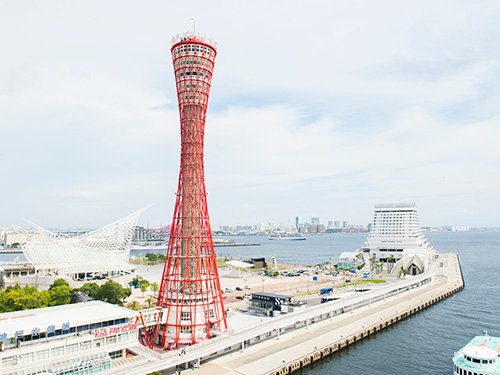
No first-time Kobe itinerary would be quite complete without visiting the city’s unmistakable red tower.
Standing 108 meters tall, Kobe Port Tower has been an icon of the waterfront since 1963. Its unusual steel structure, inspired by the shape of a traditional Japanese drum, is considerably more interesting than your average observation tower.
Following its extensive renovation and reopening in 2024, the tower offers indoor observation areas and an open-air rooftop observation deck.
From above, you can appreciate Kobe’s unusual geography: the city squeezed between the mountains and the sea, the busy port stretching into Osaka Bay, and the urban landscape extending toward Osaka.
Our favorite time to visit is shortly before sunset. Watching the daylight gradually disappear and the harbor lights switch on is far more atmospheric than visiting in the middle of the afternoon. Adjust your arrival time according to the season, as sunset in Japan varies considerably throughout the year.
Address: 2-2 Hatobacho, Chuo-ku, Kobe.
Time needed: 45–60 minutes.
Booking tip: If you want rooftop access around sunset, check ticket availability in advance, particularly on weekends and holidays.
6:30 PM – Dinner With a View of Kobe Harbor
Finish your first day with dinner overlooking the illuminated waterfront.
Harborland has everything from casual Japanese restaurants to international dining and more expensive establishments with panoramic harbor views.
You could also return to Sannomiya or Motomachi, where the dining scene is generally more varied and less focused on waterfront tourism.
Save the serious Kobe beef experience for tomorrow, unless your appetite has other ideas.
After dinner, take another stroll along the waterfront. Kobe at night has an entirely different personality, and the illuminated Port Tower reflected in the water is worth lingering over.
Day 2: Historic Neighborhoods, Mountain Views and Kobe Beef
Our second day takes us away from the waterfront and into the city’s historic hillside neighborhoods.
This is where Kobe’s personality becomes particularly interesting: centuries-old shrines, Western-style mansions, cafés tucked into old houses and mountain gardens overlooking one of Japan’s largest metropolitan areas.
9:00 AM – Begin the Morning at Ikuta Shrine

Hidden among the busy streets of Sannomiya, Ikuta Shrine offers a surprisingly peaceful start to the day.
Traditionally believed to have been founded in the third century, it’s one of Kobe’s most important Shinto shrines. The city’s name is also associated with the households historically responsible for supporting the shrine.
Ikuta Shrine is dedicated to Wakahirume-no-Mikoto and is particularly associated with relationships, matchmaking and good fortune.
Behind the main shrine buildings lies Ikuta Forest, a small pocket of greenery filled with mature trees. It’s a lovely contrast to the shopping streets and traffic of downtown Kobe.
Take your time exploring the grounds, admiring the vermilion architecture and observing the rituals performed by local visitors.
Address: 1-2-1 Shimoyamatedori, Chuo-ku, Kobe.
Getting there: Approximately 5–10 minutes on foot from Sannomiya Station.
Time needed: 30–45 minutes.
Admission: Free.
10:00 AM – Wander Through the Kitano Ijinkan District
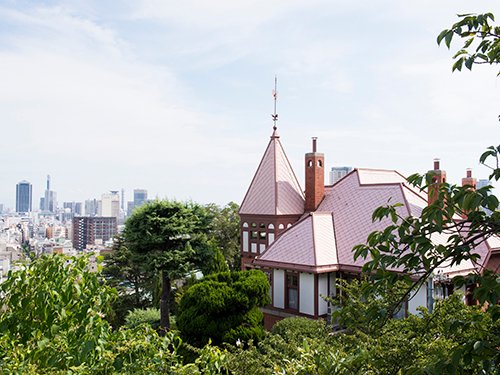
From Ikuta Shrine, head uphill toward Kitano.
As Kobe developed into an international trading port, wealthy foreign merchants built homes on the hillside overlooking the city. Many of these residences survive today, creating an unusual neighborhood of European-style mansions, gardens and winding streets.
Some look vaguely English, others resemble houses you’d expect to find in Germany or France. All of them make for an enjoyable architectural detour from the more familiar Japanese cityscape.
Among the most famous buildings are:
- Weathercock House: An elegant red-brick mansion associated with Kobe’s German merchant community.
- Moegi House: A distinctive green-painted residence with beautiful architectural details.
- Uroko House: Known for its unusual fish-scale exterior and elevated views.
- Ben’s House: A former foreign residence with an eclectic collection of interiors and exhibits.
Several houses operate as museums, although individual opening schedules and admission fees vary.
You don’t need to visit every mansion. Choose two or three that interest you, then spend the remaining time exploring the neighborhood’s steep streets and little shops.
One particularly photogenic stop is the Starbucks Kobe Kitano Ijinkan branch, located inside a historic Western-style building. Even if you’re not particularly interested in Starbucks, the building itself is worth a look.
Getting there: Approximately 15–20 minutes uphill from Sannomiya.
Time needed: 90 minutes to two hours.
Budget: Free to walk through the neighborhood; individual mansion admissions are charged separately.
Practical tip: Kitano’s streets are steep. If you’re traveling with young children, older relatives or anyone with mobility difficulties, consider taking the City Loop bus uphill and walking down.
12:00 PM – Lunch in Kitano
Kitano is filled with atmospheric little restaurants and cafés, many occupying buildings that are attractions in their own right.
Kobe has a long-standing reputation for excellent bakeries and Western-style confectionery, so this is a particularly good area to enjoy freshly baked bread, pastries, sandwiches or a leisurely café lunch.
Alternatively, choose a yoshoku restaurant serving Japan’s interpretation of Western cuisine. Think omurice, beef stew, croquettes and gloriously old-fashioned comfort food.
You could easily spend another hour here, but the mountains are calling.
1:00 PM – Ride the Nunobiki Ropeway to Kobe Nunobiki Herb Gardens
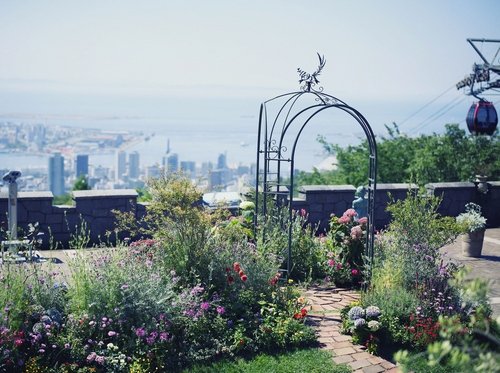
Few cities make escaping into the mountains quite as effortless as Kobe.
A short walk from Shin-Kobe Station brings you to the lower station of the Nunobiki Ropeway. Within approximately ten minutes, you’ll be floating above forested hills, waterfalls and the sprawling city below.
On clear days, the views extend across Osaka Bay.
At the top, approximately 400 meters above sea level, you’ll find Kobe Nunobiki Herb Gardens, one of Japan’s largest herb gardens.
Its 12 themed garden areas contain seasonal flowers, fragrant herbs, greenhouses, landscaped terraces and plenty of places to sit and admire the scenery.
Despite its proximity to downtown Kobe, it feels remarkably removed from the city.
Allow yourself time to explore the gardens rather than simply taking a photograph from the observation terrace and descending again. Highlights include the European-inspired buildings, seasonal flower displays, glasshouses, panoramic terraces and fragrant herb collections.
Depending on the season, you might find roses, lavender, hydrangeas, autumn foliage or festive winter decorations.
Our recommended route: Ride the ropeway to the upper station, explore the gardens while gradually walking downhill, and return from the middle station. This avoids the uphill climb while allowing you to see much more of the gardens.
Address: 1-4-3 Kitanocho, Chuo-ku, Kobe.
Getting there: Five minutes on foot from Shin-Kobe Station.
Time needed: Two to three hours.
Booking tip: Check the weather and ropeway operating hours before visiting. Strong winds and scheduled maintenance can affect services.
4:00 PM – Optional Walk to Nunobiki Falls
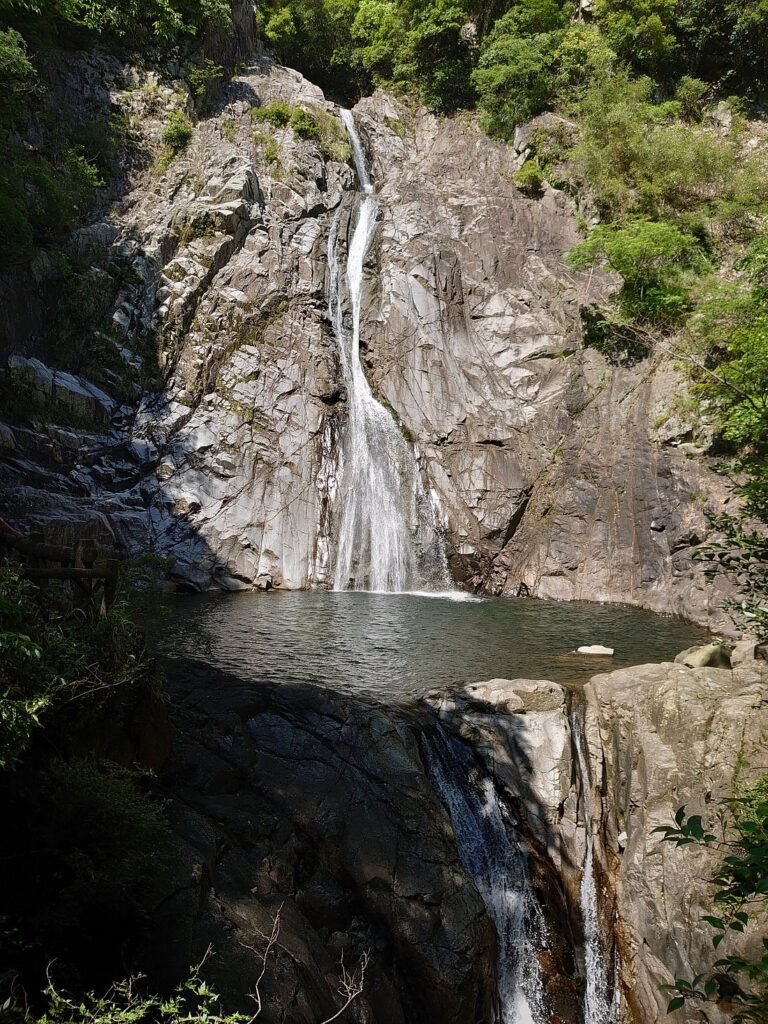
If you still have some energy and enough daylight, consider a short excursion to Nunobiki Falls.
Located behind Shin-Kobe Station, these waterfalls are surprisingly close to the city center yet surrounded by forested scenery.
For a brief moment, it’s difficult to believe there’s a Shinkansen station just down the hill.
The nearest waterfalls can be reached relatively quickly, while continuing farther uphill takes you deeper into the mountains.
Wear comfortable shoes, particularly after rain, and avoid starting the walk too close to sunset.
If you’ve already done plenty of walking, skip this stop and head back downtown. This is a holiday, not an endurance competition.
Time needed: 45–75 minutes.
Cost: Free.
6:00 PM – Treat Yourself to an Authentic Kobe Beef Dinner
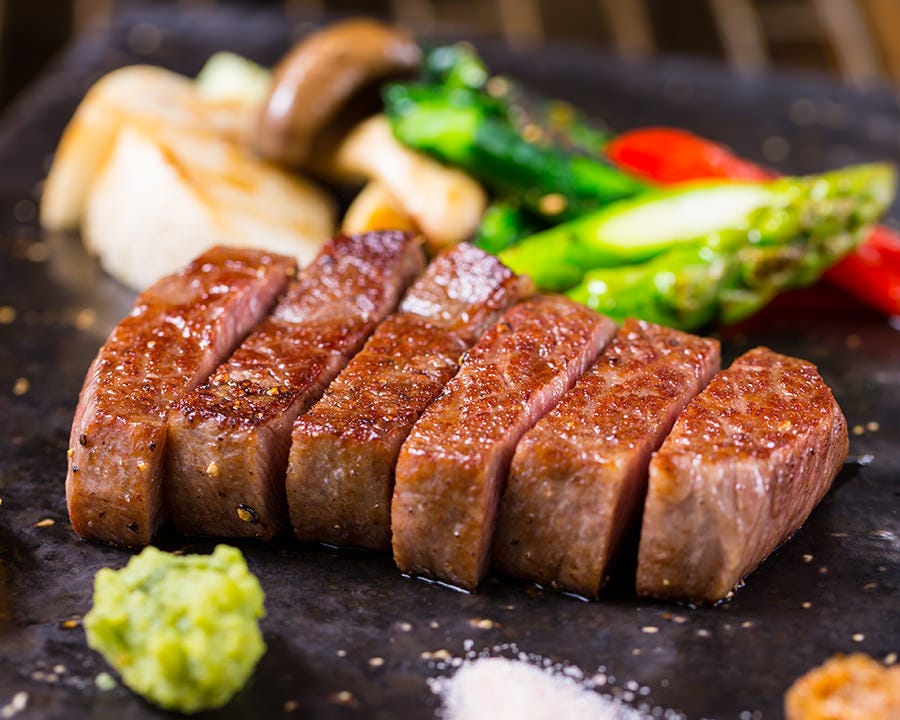
There are few places where the name of the city and the name of its most famous food are so closely intertwined.
Kobe beef is a highly regulated type of Japanese wagyu produced from eligible Tajima cattle raised in Hyogo Prefecture and meeting strict certification requirements. Not every wagyu steak served in Kobe qualifies as authentic Kobe beef.
A teppanyaki restaurant is one of the most enjoyable ways to experience it. Sitting at the counter, you’ll watch the chef prepare the meat directly in front of you, carefully cooking each piece and often serving it alongside seasonal vegetables, garlic rice and other accompaniments.
The exceptional marbling gives genuine Kobe beef its famously rich, buttery texture. You don’t necessarily need to order an enormous steak. A smaller portion is often more satisfying than you might expect.
What to budget:
- Casual Kobe beef dishes and smaller portions: ¥2,000–5,000.
- Teppanyaki lunch sets: approximately ¥5,000–10,000.
- Traditional teppanyaki dinner courses: ¥10,000–25,000 or more.
These are indicative budgets, and prices depend heavily on the restaurant, cut and quantity of beef.
Money-saving tip: If a full Kobe beef dinner stretches your budget, switch this experience to lunchtime. Many restaurants offer considerably more affordable lunch menus.
Booking tip: Reserve in advance if you want a particular teppanyaki restaurant, especially on weekends. Counter seating is often limited, and the most popular restaurants can fill up.
For more ideas, read our guide to the best places to eat in Kobe.
Day 3: Extend Your Kobe Itinerary to Himeji or Arima Onsen
If you have three days in Kobe, you’re perfectly positioned to explore some of Hyogo Prefecture’s most rewarding destinations.
There are two particularly good options. Choose Himeji if you’re interested in Japanese history, castles and traditional architecture. Choose Arima Onsen if you’d rather spend the day wandering through a historic mountain town, soaking in hot springs and enjoying spectacular scenery.
Both are easily accessible without renting a car.
Day 3 – Option A: Himeji Castle and Traditional Japanese Gardens
Himeji is home to one of Japan’s most extraordinary castles, and it’s close enough to Kobe that there’s little excuse not to visit if you have an extra day.
9:00 AM – Travel From Kobe to Himeji
Take the JR Special Rapid Service from Sannomiya Station to Himeji Station. The journey generally takes around 40 minutes.
From Himeji Station, you can already see the castle rising above the city at the end of the broad Otemae-dori avenue.
It’s approximately a 20-minute walk, although local buses are available if you’d prefer to save your energy for the castle itself.
10:00 AM – Explore Himeji Castle
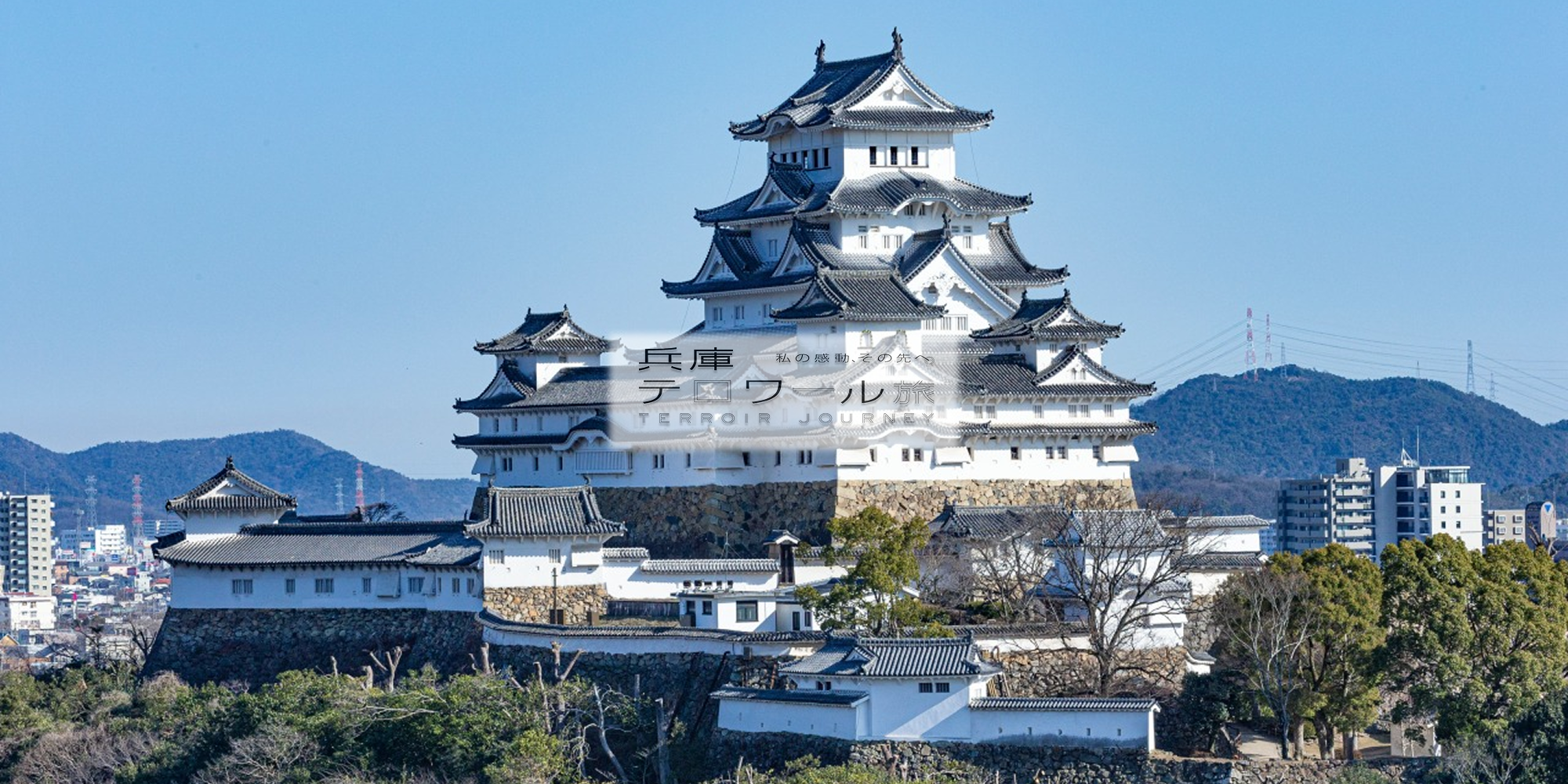
Japan has plenty of castles, but relatively few have survived in their original form.
Himeji Castle is the spectacular exception.
Often called the White Heron Castle because of its elegant white exterior, this UNESCO World Heritage Site is one of the country’s finest surviving examples of traditional castle architecture.
Its intricate defensive design becomes increasingly apparent as you approach the main keep. Winding passageways, hidden defensive features, imposing stone walls and deceptively complicated routes were all designed to confuse potential attackers.
Inside, wooden staircases lead upward through the castle’s historic interiors. From the upper floors, you’ll enjoy views across Himeji and the surrounding landscape.
Be prepared: The castle has numerous steep wooden staircases and is not particularly accessible for visitors with limited mobility. You’ll also generally need to remove your shoes before entering the main keep.
Address: 68 Honmachi, Himeji, Hyogo Prefecture.
Time needed: Two to three hours.
Booking tip: Arrive early during cherry blossom season, weekends and Japanese public holidays. Himeji Castle can become extremely busy, and capacity restrictions may apply.
12:30 PM – Lunch in Himeji
Before continuing to Kokoen Garden, stop for lunch in the streets between the castle and Himeji Station.
Himeji has several regional specialties worth trying, including Himeji oden, traditionally enjoyed with ginger soy sauce, and anago, or conger eel.
There are also plenty of soba restaurants, cafés and casual Japanese eateries.
1:30 PM – Relax in Kokoen Garden
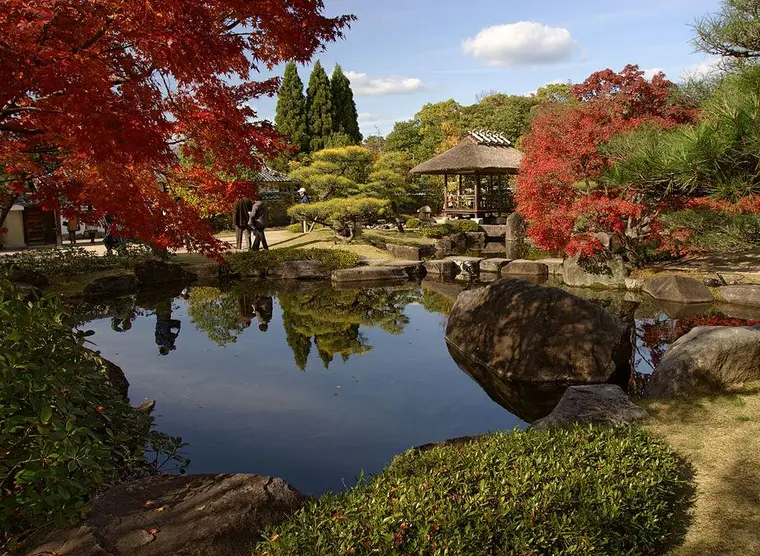
Immediately beside Himeji Castle lies Kokoen, a collection of nine traditional Japanese gardens covering approximately 3.5 hectares.
Each garden has a different character, with ponds, waterfalls, bamboo, landscaped paths, carefully positioned rocks and traditional buildings creating an atmosphere remarkably different from the busy castle next door.
Although the garden opened in 1992, its design draws inspiration from the aesthetics and landscaping traditions of the Edo period.
The castle’s white walls and rooftops occasionally appear beyond the garden, completing the scenery.
If the garden’s tea facilities are open, stop for matcha and a traditional Japanese sweet. It’s a lovely way to slow down after a busy morning exploring the castle.
Address: 68 Honmachi, Himeji.
Time needed: 60–90 minutes.
Money-saving tip: Check whether a combined Himeji Castle and Kokoen Garden ticket is available for your visit.
3:30 PM – Explore Himeji Before Returning to Kobe
Spend your remaining time browsing the shopping arcades, visiting a café or picking up regional souvenirs around Himeji Station.
If you’re continuing west toward Hiroshima, you can catch the Shinkansen directly from Himeji rather than returning to Kobe.
Otherwise, take a regular JR train back to Sannomiya for your final evening.
Best for: History lovers, photographers, architecture enthusiasts and anyone visiting Japan for the first time.
Day 3 – Option B: Arima Onsen and Mount Rokko
If your idea of the perfect third day involves mountain air, historic streets, hot water and absolutely no pressure to rush from attraction to attraction, Arima Onsen is the answer.
9:00 AM – Travel From Kobe to Arima Onsen
Arima Onsen is tucked into the mountains north of central Kobe. Direct buses connect Sannomiya and Shin-Kobe with the hot spring town, making the journey relatively straightforward.
Allow approximately 30–50 minutes, depending on your departure point and bus service. You can also reach Arima by train, although the journey typically involves transfers.
Our recommendation: Take a direct bus if the timetable suits you. It minimizes transfers and is particularly convenient if you’re traveling with luggage.
10:00 AM – Explore the Historic Streets of Arima Onsen
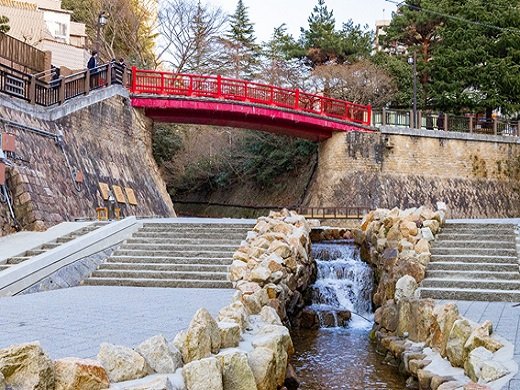
Arima Onsen is traditionally considered one of Japan’s three oldest hot spring resorts, and its reputation stretches back centuries.
The town was particularly favored by the historical figure Toyotomi Hideyoshi, who visited its baths and contributed to its development.
Today, steep little streets wind between traditional inns, confectionery shops, temples, cafés and old-fashioned storefronts. Steam rises from hot spring sources, and the surrounding forested mountains give the town a wonderfully secluded atmosphere.
Don’t miss the opportunity to try tansan senbei, thin, crispy carbonated rice crackers associated with Arima’s spring water.
Browse the small souvenir shops, look for local crafts and take your time wandering through the narrow lanes.
This isn’t a destination where you need to race through a checklist.
11:00 AM – Experience Arima’s Golden and Silver Hot Springs

Arima is famous for two distinctive types of hot spring water.
Kinsen, or golden spring, contains iron and salts that give the water its characteristic reddish-brown appearance.
Ginsen, or silver spring, is clear and represents a different type of mineral-rich spring water.
Two well-known public bathhouses allow visitors to experience these springs without staying overnight:
- Kin no Yu: Particularly famous for its golden, iron-rich water.
- Gin no Yu: Known for its clear silver spring baths.
For a more extensive bathing experience, consider Taiko no Yu, a larger hot spring complex with multiple bathing facilities and relaxation areas.
Booking a day-use spa experience is particularly convenient if you’re visiting Arima without staying overnight. You’ll have access to several bathing areas and somewhere to relax between sightseeing stops.
Onsen etiquette: Wash thoroughly before entering the communal baths, leave your swimsuit outside unless the facility specifically requires one, and keep towels out of the bathing water.
Tattoo policies vary considerably, so check the individual facility’s rules before visiting.
Best for couples and families: If communal bathing isn’t your thing, look for a ryokan or hot spring facility offering reservable private baths.
1:00 PM – Enjoy Lunch in Arima Onsen
The town offers everything from simple soba restaurants and cafés to more elaborate Japanese dining. You can find seasonal dishes, local tofu, traditional sweets and Kobe beef specialties.
After a hot spring bath, there’s something particularly satisfying about sitting down to a long, unhurried Japanese lunch.
If you’re staying overnight in a ryokan with a traditional multi-course dinner included, keep lunch relatively light. You’ll thank yourself later.
2:30 PM – Take the Rokko-Arima Ropeway to Mount Rokko
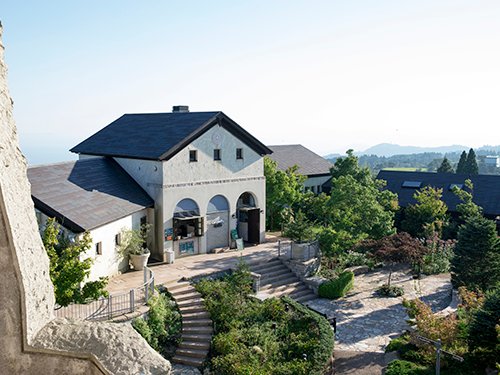
For an entirely different perspective of the surrounding landscape, take the Rokko-Arima Ropeway from Arima Onsen toward Mount Rokko.
The journey takes approximately 12 minutes, carrying passengers above thickly forested hillsides and mountain valleys.
From the upper station, it’s a short walk to Rokko Garden Terrace, one of the area’s best-known panoramic viewpoints.
There are landscaped gardens, shops, cafés and restaurants overlooking the vast urban landscape below. On particularly clear days, the views stretch across Kobe, Osaka Bay and beyond.
Mount Rokko is also famous for its spectacular night scenery, often described as a multi-million-dollar view.
Address: 1877-9 Gosukeyama, Rokkosancho, Nada-ku, Kobe.
Time needed: 90 minutes to two hours, excluding transportation.
Important: The ropeway has seasonal schedules and periodic maintenance closures. Check the last departure before traveling up the mountain, particularly in winter.
Check Rokko-Arima Ropeway fares and operating information.
Late Afternoon – Return to Kobe or Stay Overnight in Arima
If you’re returning to Kobe, you can descend to Arima by ropeway and catch a bus or train from there.
Alternatively, you can travel across Mount Rokko using mountain bus services and descend toward Kobe by cable car, provided the connections are operating.
However, if you have the flexibility, we strongly recommend spending the night in Arima Onsen.
An overnight ryokan stay means you can enjoy the hot springs after the day-trippers have left, wander through the quiet evening streets, and experience a traditional Japanese dinner without worrying about catching the last bus.
It’s a wonderfully relaxing way to finish your Kobe trip.
Best for: Couples, slow travelers, wellness enthusiasts and anyone who needs a break from Japan’s busy cities.
Only Have One Day? The Perfect Kobe Day Trip From Osaka
If you’re staying in Osaka and have just one day to visit Kobe, you’ll need to be slightly more selective.
We recommend combining the highlights of both days rather than trying to follow the entire two-day itinerary at double speed.
| Time | Activity |
|---|---|
| 8:30 AM | Take the train from Osaka to Sannomiya |
| 9:15 AM | Visit Ikuta Shrine |
| 10:00 AM | Explore Kitano Ijinkan District |
| 11:00 AM | Ride the Nunobiki Ropeway and explore the herb gardens |
| 1:30 PM | Enjoy lunch in Nankinmachi Chinatown |
| 2:30 PM | Explore the Former Foreign Settlement |
| 3:30 PM | Walk through Meriken Park |
| 4:30 PM | Explore Harborland |
| Around sunset | Visit Kobe Port Tower |
| 6:30 PM or later | Enjoy a Kobe beef dinner |
| 8:30 PM or later | Return to Osaka |
This is a fairly ambitious day. If you’re running behind schedule, skip the Former Foreign Settlement or spend less time in Harborland. Adjust your evening plans according to the seasonal sunset time.
The City Loop bus can help reduce walking between the mountain and waterfront areas.
What to skip: Arima Onsen and Mount Rokko. Both deserve more time, and attempting to squeeze them into this already busy itinerary will leave you spending too much of your day in transit.
Where to Stay in Kobe for This Itinerary
Choosing the right neighborhood makes a surprising difference when you’re exploring Kobe.
Sannomiya is the most convenient overall base, Shin-Kobe is ideal for Shinkansen travelers, and the waterfront is the best choice if you want romantic harbor views and atmospheric evening walks.
Here are several hotels particularly well suited to this itinerary.
ANA Crowne Plaza Kobe – Best for Shinkansen Travelers
Directly connected to Shin-Kobe Station, ANA Crowne Plaza Kobe is particularly convenient if you’re arriving from Tokyo or continuing toward Hiroshima.
The hotel occupies a tall building at the foot of the mountains, with elevated views overlooking Kobe and Osaka Bay.
You’re also practically next door to the Nunobiki Ropeway, making the second day of this itinerary particularly straightforward.
Best for: Travelers with luggage, short stays, Shinkansen journeys and panoramic city views.
Location: Kitano, beside Shin-Kobe Station.
Price level: Mid-range to upscale.
Why book here: You can arrange to drop off your luggage upon arrival and begin sightseeing without an additional journey across the city.
Kobe Hotel Juraku – Best for Affordable Waterfront Convenience
Located approximately three minutes on foot from JR Kobe Station, Kobe Hotel Juraku offers a practical base near Harborland without the higher prices often associated with waterfront resort hotels.
Some rooms offer views toward Kobe Port Tower, and the hotel is well positioned for exploring Meriken Park, Motomachi and the harbor.
It’s particularly suitable if you intend to spend most of your time sightseeing rather than using extensive hotel facilities.
Best for: Budget-conscious couples, independent travelers and convenient transportation.
Location: Higashikawasakicho, near Kobe Station.
Price level: Affordable to mid-range.
Kobe Meriken Park Oriental Hotel – Best for a Romantic Waterfront Stay
There are hotels with sea views, and then there’s the Kobe Meriken Park Oriental Hotel.
Occupying a distinctive position on a pier, the hotel is surrounded by water on three sides and has an almost cruise-ship-like appearance.
Many rooms offer balconies overlooking the harbor, while its waterfront restaurants make it easy to enjoy Kobe’s evening scenery without leaving the property.
Book a harbor-facing room if the view is an important part of the experience.
Best for: Romantic trips, special occasions, couples and waterfront photography.
Location: Meriken Park.
Price level: Upscale.
Why book here: You’re staying directly beside several of Kobe’s most iconic attractions, and the waterfront becomes particularly atmospheric after dark.
Hotel Monterey Himeji – Best for Extending Your Trip to Himeji
If you’re planning to continue west after visiting Kobe, spending a night in Himeji can make more sense than returning to your original hotel.
Hotel Monterey Himeji is connected to the station area, offering convenient transportation and straightforward access to Himeji Castle.
Its stylish interiors combine Art Deco influences with Japanese design elements, while bathing and sauna facilities offer a welcome opportunity to relax after sightseeing.
Best for: Travelers continuing toward Hiroshima, castle enthusiasts and convenient rail connections.
Location: Beside JR Himeji Station.
Price level: Mid-range.
Hyoe Koyokaku – Best for a Traditional Arima Onsen Experience
For something considerably more memorable than a standard city hotel, spend your final night at Hyoe Koyokaku.
This historic ryokan has a heritage spanning approximately 700 years and features multiple bathing areas where guests can enjoy Arima’s famous golden spring water.
Traditional Japanese rooms, mountain views and the possibility of including a multi-course Japanese dinner make staying here an experience in its own right.
Best for: Couples, hot spring enthusiasts, traditional Japanese hospitality and special occasions.
Location: Arima Onsen.
Price level: Luxury.
Booking tip: Compare room-only and half-board packages carefully. A traditional dinner and breakfast can be a significant part of the ryokan experience, making a meal-inclusive package worthwhile.
For more accommodation options, see our complete guide to where to stay in Kobe, or explore our selection of the best luxury hotels in Kobe.
Getting Around Kobe Without a Car
Kobe is one of the easier Japanese cities to explore independently. The main downtown neighborhoods are relatively close together, and public transportation connects the more distant attractions.
Walking
The Former Foreign Settlement, Chinatown, Meriken Park and Harborland form a straightforward walking route. The Kitano district is also walkable, although the streets become considerably steeper as you approach the mountains.
City Loop Bus
The City Loop sightseeing bus connects many of Kobe’s main attractions, including Sannomiya, Kitano, Shin-Kobe, Chinatown and the waterfront.
It’s particularly useful if you’re following the one-day Kobe itinerary or traveling with children.
Check whether a sightseeing bus day pass offers better value than individual fares for your planned journeys.
Trains and Subway
Kobe’s municipal subway is particularly useful for traveling between Shin-Kobe and Sannomiya.
JR trains provide convenient connections between Sannomiya, Motomachi, Kobe Station and destinations farther away, including Osaka and Himeji.
Rechargeable IC cards such as ICOCA, Suica and PASMO can be used on most major local transportation services.
Ropeways and Cable Cars
Kobe’s mountainous geography makes ropeways an important part of its sightseeing experience.
The Nunobiki Ropeway connects downtown Kobe with the herb gardens, while the Rokko-Arima Ropeway links Arima Onsen with Mount Rokko.
These are separate attractions and require separate tickets. Check operating conditions before setting off, especially during winter maintenance periods or windy weather.
How Much Does a Trip to Kobe Cost?
Kobe can be surprisingly affordable, particularly if you balance its famous luxury experiences with free attractions and casual dining.
Here is an approximate daily budget per adult, excluding accommodation and transportation to Kobe.
| Expense | Estimated cost |
|---|---|
| Local transportation | ¥500–1,200 |
| Casual breakfast or coffee | ¥500–1,000 |
| Lunch | ¥1,000–2,500 |
| Sightseeing and attractions | ¥1,500–4,000 |
| Casual dinner | ¥1,500–3,500 |
| Kobe beef dinner instead of casual dinner | ¥10,000–25,000+ |
- Budget travelers: Approximately ¥4,000–6,000 per day.
- Mid-range travelers: Approximately ¥7,000–12,000 per day.
- Travelers including premium dining and experiences: ¥15,000–30,000 or more per day.
Many of Kobe’s most enjoyable experiences are completely free. You can explore Chinatown, admire the foreign settlement’s architecture, visit Ikuta Shrine and wander along the waterfront without paying an entrance fee.
Save your money for experiences that genuinely add something to your trip, particularly the Nunobiki Ropeway, a memorable meal or an overnight hot spring stay.
Best Time to Visit Kobe
Kobe is enjoyable throughout the year, although the seasons can significantly change the experience.
- Spring (March to May): Cherry blossoms, pleasant walking temperatures and colorful mountain gardens make this one of the best times to visit.
- Summer (June to August): Expect humidity, hot temperatures and periods of heavy rain. The mountains can offer some relief from the city heat.
- Autumn (September to November): Comfortable temperatures, seasonal foliage and attractive mountain scenery make autumn particularly rewarding.
- Winter (December to February): Crisp weather, illuminated streets, fewer crowds at many attractions and excellent conditions for enjoying Arima Onsen. Mount Rokko is significantly colder than central Kobe.
Our favorite periods for this itinerary are April, May, October and November.
What Should You Book in Advance for Kobe?
You don’t need to organize every minute of your Kobe trip before arriving. However, a few reservations are worth making, especially if you’re visiting during weekends, cherry blossom season or Japanese public holidays.
- Kobe beef restaurants: Particularly popular teppanyaki establishments with limited counter seating.
- Kobe Port Tower: Especially if you want rooftop access around sunset.
- Harbor cruises: Dinner cruises, sunset departures and special occasion experiences.
- Arima Onsen ryokan: Especially traditional properties with private baths or dinner-inclusive packages.
- Direct highway buses: Where reserved seating applies, particularly on busy travel dates.
Most temples, shopping neighborhoods, waterfront attractions and casual restaurants can be visited spontaneously.
Frequently Asked Questions About Visiting Kobe
Is one day enough in Kobe?
One day is enough to experience Kobe’s main highlights, including Kitano, Nunobiki Herb Gardens, Chinatown, Meriken Park and Harborland. However, two days allow you to explore at a more comfortable pace and enjoy the city’s excellent dining scene.
Is Kobe worth visiting if you’re already visiting Osaka?
Absolutely. Kobe has a distinctly different atmosphere, with historic foreign residences, mountain scenery, elegant waterfront districts and a famous culinary heritage. Its proximity to Osaka makes it one of the easiest day trips in Kansai.
Can you visit Kobe and Himeji in one day?
Yes, but it’s a busy schedule. You could visit Himeji Castle in the morning and explore Kobe’s waterfront in the afternoon and evening. If possible, dedicate a separate day to each destination.
Can you visit Arima Onsen without staying overnight?
Yes. Arima has public bathhouses and facilities offering day-use hot spring experiences. It’s an excellent day trip from Kobe or Osaka, although staying overnight allows you to enjoy the town at a much more relaxed pace.
Is Kobe expensive compared with Osaka?
Not necessarily. Accommodation, transportation and casual meals can be reasonably affordable. Premium Kobe beef restaurants, luxury waterfront hotels and traditional ryokan are likely to be your biggest expenses.
Is Kobe suitable for families with children?
Yes. Harborland, the Ferris wheel, Kawasaki Good Times World, the Nunobiki Ropeway and Kobe’s waterfront parks are particularly enjoyable for families. The city is also relatively compact, reducing the need for lengthy transportation journeys.
Do you need a JR Pass to visit Kobe?
No. Regular trains between Osaka, Kyoto and Kobe are relatively affordable. A nationwide Japan Rail Pass is unlikely to be worthwhile solely for visiting these cities. Regional rail passes may offer better value if you’re planning several longer journeys.
Is it better to stay in Kobe or Osaka?
Stay in Osaka if you’re primarily interested in its nightlife, street food and major attractions. Stay in Kobe if you prefer a more relaxed city, waterfront walks, mountain views, sophisticated dining and convenient access to Arima Onsen and Himeji.
Final Thoughts: Is Kobe Worth More Than a Day Trip?
Kobe is one of those Japanese cities that becomes increasingly interesting the longer you stay.
You come for the famous beef, perhaps the harbor views, and then discover historic European mansions, tiny neighborhood bakeries, forested mountain trails and hot spring towns that feel a world away from the busy streets of Osaka.
A two-day Kobe itinerary gives you enough time to experience these contrasts without constantly checking your watch.
Add a third day for Himeji or Arima Onsen, and you’ve got a wonderfully varied little Kansai adventure combining history, food, architecture, mountain scenery and relaxation.
And if you end up wishing you’d booked another night, we wouldn’t be particularly surprised.
Planning Your Kobe Adventure? Keep Exploring!
From mountain viewpoints and hidden neighborhoods to waterfront restaurants and local souvenirs, there’s plenty more to discover in Kobe. Our other travel guides will help you make the most of your stay.
- Best Things to Do in Kobe – The ultimate guide to Kobe’s attractions and must-see sights.
- Unique Things to Do in Kobe – Discover a different side of the city.
- Hidden Gems in Kobe – Lesser-known places worth exploring.
- Best Things to Do in Kobe at Night – Illuminated waterfronts, evening experiences and spectacular views.
- Where to Eat in Kobe – Discover the city’s restaurants and local specialties.
- Best Shopping in Kobe – Shopping streets, boutiques and department stores.
- What to Buy in Kobe – Local specialties, souvenirs and gifts worth bringing home.
- Where to Stay in Kobe – The best neighborhoods and hotels for your trip.