
I spill travel tips , and show you the Japan that tourists usually miss.
Kobe wakes up slowly beside the water. Ferries move across the bay, Mount Rokko rises behind the city, and somewhere between the two, commuters are already threading through the many entrances of Sannomiya Station.
It looks compact on a map—and compared with Tokyo, it certainly is—but choosing where to stay in Kobe still matters.
Book near Sannomiya and we can step straight into restaurants, shops and trains. Move toward Harborland and the city becomes quieter, shinier and considerably more romantic after sunset. Head uphill to Kitano and Shin-Kobe for historic streets and easy Shinkansen connections, or disappear into Arima Onsen for hot springs, kaiseki dinners and the glorious realization that nobody expects us to go sightseeing after breakfast.
For most first-time visitors, Sannomiya is the best area to stay in Kobe. It has the strongest transport connections, plenty of restaurants and straightforward access to nearly every major attraction.
But it is not the only good choice. Here are the six Kobe areas worth considering, with three hotel recommendations in each area.
Planning the perfect Kobe city break?
Once you have chosen your base, build your itinerary with our guide to the best things to do in Kobe, or find family-friendly attractions in our roundup of the best things to do in Kobe with kids. When hunger strikes, browse the best places to eat in Kobe, then leave room in your suitcase with our guides to the best shopping in Kobe and what to buy in Kobe.
Table of Contents
Where to Stay in Kobe: Quick Guide
| Area | Best for | Atmosphere | Typical price level |
|---|---|---|---|
| Sannomiya | First visits, short stays and day trips | Busy, central and convenient | ¥¥–¥¥¥ |
| Motomachi and Chinatown | Food, shopping and walking | Lively but more atmospheric | ¥¥–¥¥¥ |
| Harborland and Meriken Park | Couples, families and waterfront views | Scenic and relaxed | ¥¥¥–¥¥¥¥ |
| Kitano and Shin-Kobe | Shinkansen travelers and quieter stays | Historic, hilly and residential | ¥¥–¥¥¥¥ |
| Arima Onsen | Ryokan stays and hot springs | Traditional and peaceful | ¥¥¥–¥¥¥¥ |
| Port Island and Rokko Island | Families, airport access and larger rooms | Modern and spacious | ¥¥–¥¥¥ |
Price levels are relative and can change substantially on weekends, holidays and during major events.
1. Sannomiya: The Best Area to Stay in Kobe for First-Time Visitors
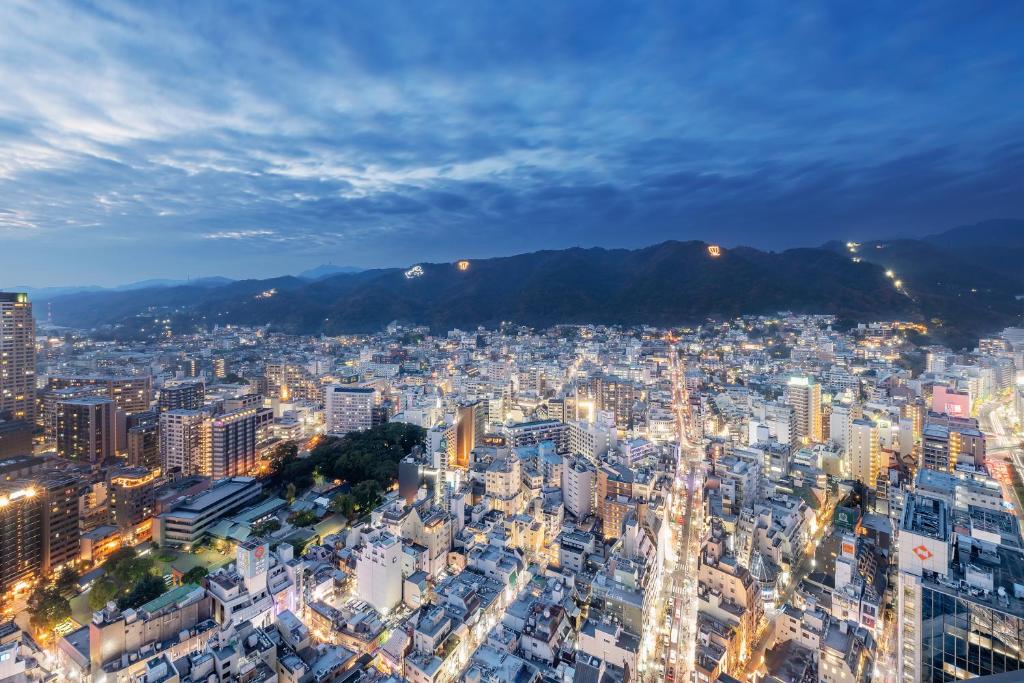
Sannomiya is Kobe’s practical centre. Several railway systems converge here, including JR, Hankyu, Hanshin, the municipal subway and the Port Liner to Kobe Airport.
That makes it an excellent base when we are planning day trips to Osaka, Himeji, Kyoto or Akashi. It is also easy to reach Kobe’s waterfront, Chinatown, Kitano and Shin-Kobe from here.
The area is energetic rather than beautiful. Expect shopping arcades, department stores, izakaya, underground passages and a slightly baffling collection of station exits. Once we work out which railway company we are following, however, everything becomes easy.
Stay in Sannomiya if you want:
- The easiest transport connections
- Plenty of restaurants within walking distance
- Convenient airport and Shinkansen transfers
- A practical base for a short Kobe itinerary
Consider another area if: you want quiet evenings, waterfront scenery or a traditional Japanese stay.
Remm Plus Kobe Sannomiya
Best for: Travelers who value location above everything else
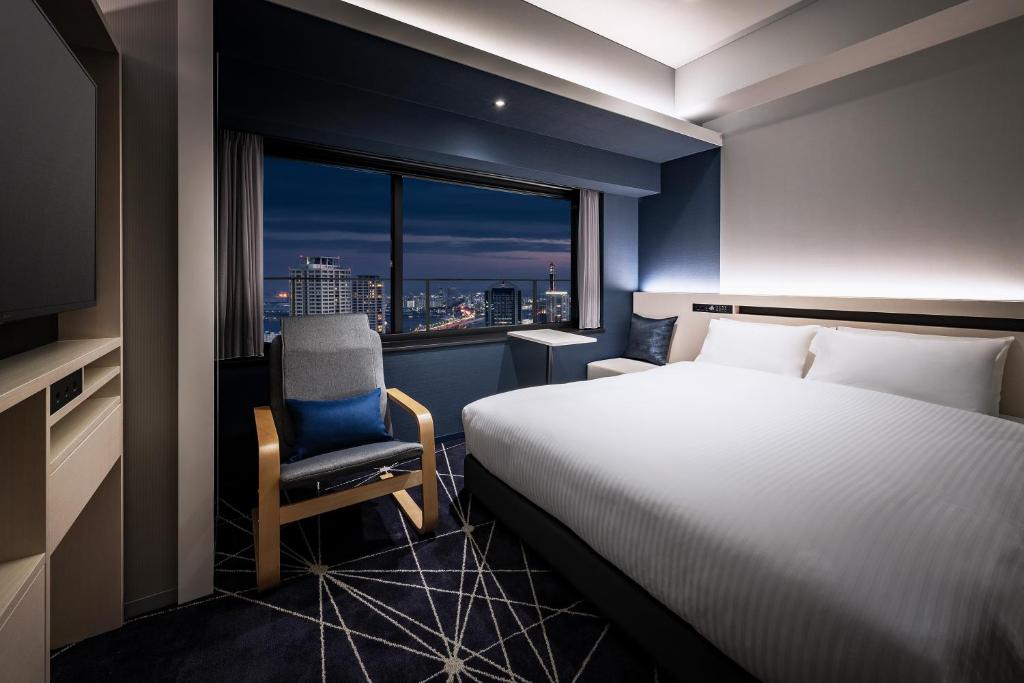
Remm Plus Kobe Sannomiya is directly connected to both JR Sannomiya Station and Hankyu Kobe-Sannomiya Station. When we arrive with suitcases in the rain—or after an overambitious day trip involving three trains and 25,000 steps—this location feels exceptionally sensible.
The interiors are sleek and contemporary, and many rooms look out over central Kobe from the upper floors. Rooms are not especially large, but the design makes efficient use of the available space.
This is one of the easiest Kobe hotels for a brief one- or two-night visit. We can arrive, drop our bags and be eating Kobe beef or browsing the shopping arcades within minutes.
Why we like it: unbeatable station access and modern rooms.
Keep in mind: travelers with several large suitcases may prefer a more spacious room category.
Booking tip: This is a location-driven hotel, so prices can rise on Fridays and Saturdays. Book early when your dates are fixed.
Daiwa Roynet Hotel Kobe-Sannomiya PREMIER
Best for: Comfortable city stays with slightly more room
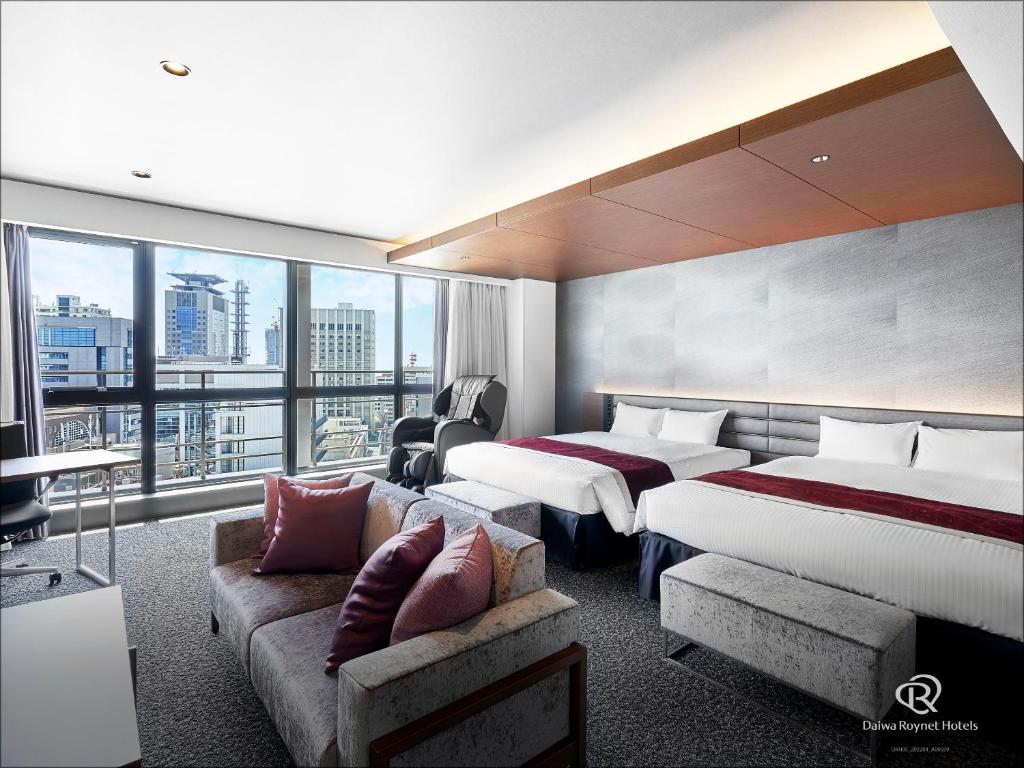
Daiwa Roynet Hotel Kobe-Sannomiya PREMIER sits around a seven-minute walk from JR Sannomiya Station, close to shops, restaurants and the routes leading toward Motomachi.
The hotel has a polished business-hotel style, but it does not feel painfully corporate. Rooms are modern, bathrooms are generally well designed, and some room categories work well for couples or families who want more space than the smallest station hotels provide.
The position is particularly useful because we can walk west toward Motomachi and Chinatown without abandoning Sannomiya’s transport connections.
Why we like it: a strong balance of location, comfort and room quality.
Keep in mind: it is convenient rather than scenic; we stay here for the city, not the view.
Booking tip: Compare standard and superior room categories. A small price increase can buy noticeably more luggage space.
Hotel Monterey Kobe
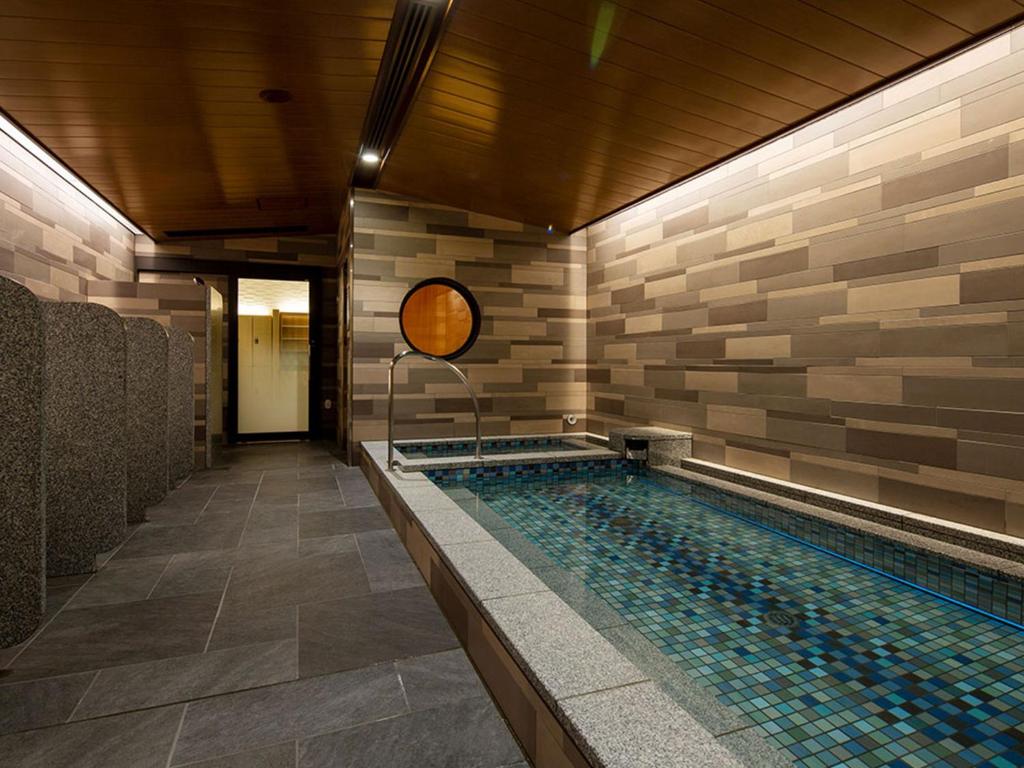
Best for: Couples who want character without leaving the city centre
Hotel Monterey Kobe sits slightly uphill from Sannomiya’s busiest streets. It is around six minutes on foot from JR Sannomiya Station and very close to an entrance for the municipal subway.
Unlike the many practical business hotels around the station, Hotel Monterey leans into European-inspired architecture, stonework and old-world interiors. It feels more distinctive, while remaining close enough to walk to restaurants and nightlife.
This is a good middle ground when we want central convenience but cannot face spending the night in a room that looks like it was designed by a committee specializing in beige rectangles.
Why we like it: central location with considerably more personality.
Keep in mind: the route from the station is slightly uphill.
Booking tip: Look for a breakfast-inclusive rate and check whether your selected room allows an extra bed when traveling as a family.
2. Motomachi and Chinatown: Where to Stay in Kobe for Food and Shopping
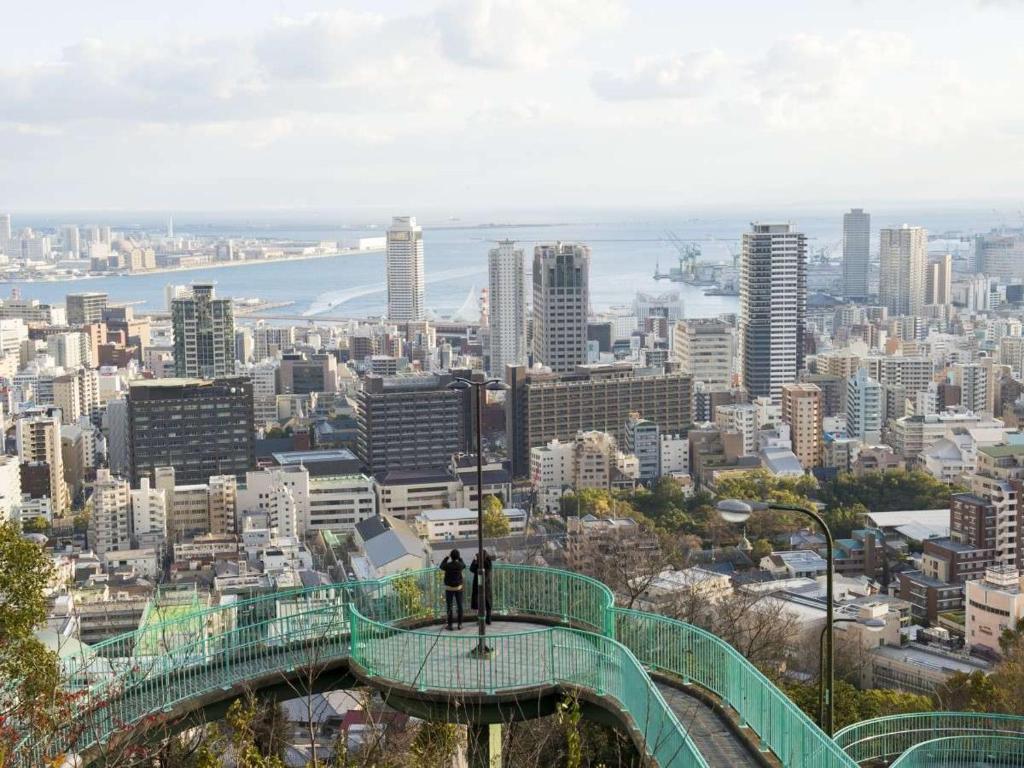
Motomachi is only one JR stop from Sannomiya, but it feels more closely connected to Kobe’s historic and waterfront attractions.
From here, we can walk to Nankinmachi Chinatown, the former foreign settlement, Meriken Park, Kobe Port Tower and the long Motomachi shopping street. It is arguably the best area for travelers who prefer exploring on foot.
The neighborhood remains busy during the day, particularly around Chinatown, but it settles down sooner than central Sannomiya.
Stay in Motomachi if you want:
- Chinatown snacks dangerously close to your hotel
- Easy walks to the waterfront
- Shopping without relying on trains
- A central area with more local character
Consider another area if: your priority is frequent regional train travel or direct access to Kobe Airport.
Dormy Inn Kobe Motomachi Natural Hot Springs
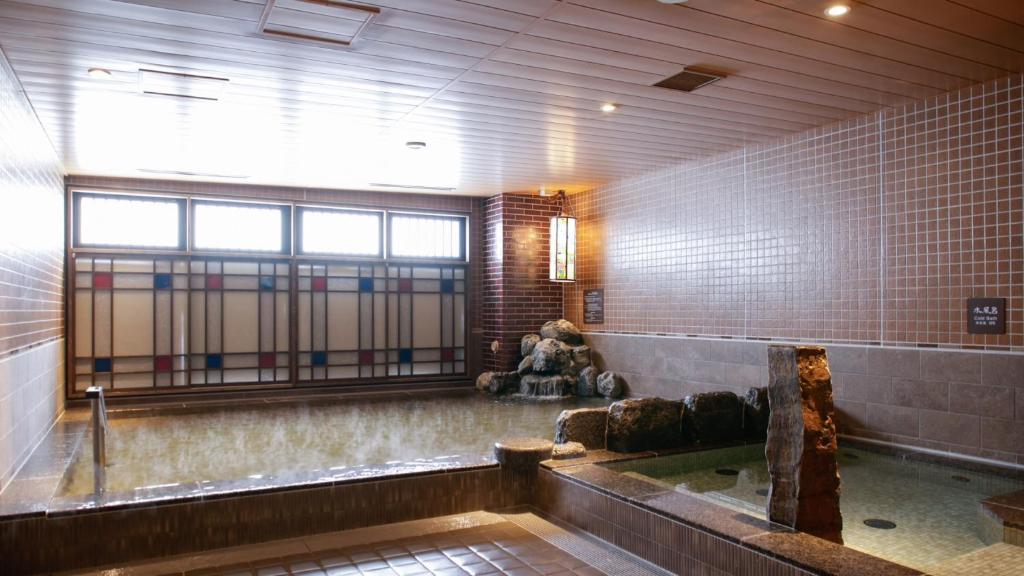
Best for: Travelers who want an onsen-style bath in central Kobe
Dormy Inn Kobe Motomachi is positioned beside Chinatown and within walking distance of Motomachi Station, Meriken Park and Harborland. The hotel includes natural hot-spring bathing facilities, making it particularly appealing after a full day of sightseeing.
Dormy Inn properties are popular for their practical extras, and this one combines city-centre convenience with the chance to soak before bed. It is not a substitute for spending a night in Arima Onsen, but it is substantially easier on the itinerary—and usually on the budget.
Families should examine the room descriptions carefully. Some larger categories work well, while standard rooms may feel tight once extra beds and luggage enter the equation.
Why we like it: Chinatown location plus hot-spring bathing facilities.
Keep in mind: the public baths can be busiest during the late evening.
Booking tip: Reserve a larger twin or family room rather than assuming a standard double will comfortably hold several people and their suitcases.
Candeo Hotels Kobe Tor Road
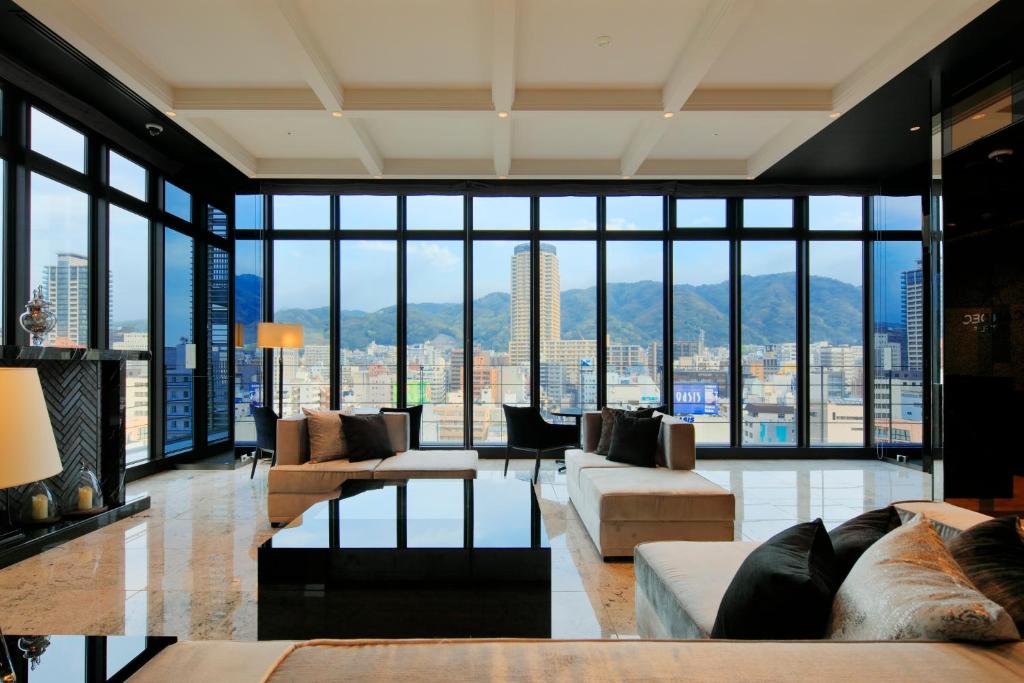
Best for: Modern comfort between Sannomiya and Motomachi
Candeo Hotels Kobe Tor Road sits between the two main central districts, close to Motomachi Station, Sannomiya’s shops and the covered shopping streets. The hotel also has an upper-floor public bath and sauna.
This is a smart choice when we cannot decide between Sannomiya and Motomachi. We do not have to decide. Chinatown, restaurants, shopping and several stations are all within easy reach.
The hotel feels contemporary, and the elevated bathing area provides a welcome break from the streets below.
Why we like it: one of the most walkable locations in central Kobe.
Keep in mind: some rooms are compact, and the railway can be noticeable from certain parts of the building.
Booking tip: Light sleepers should request a quieter room away from the railway side where possible.
Kobe Plaza Hotel
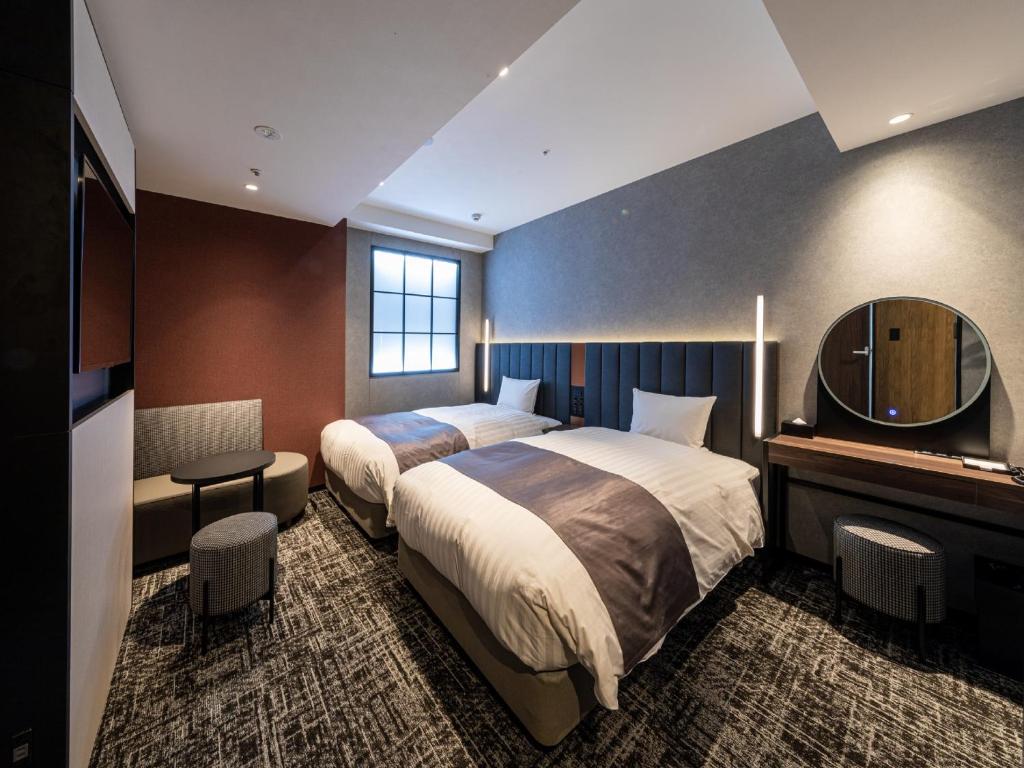
Best for: Value-focused travelers who want to stay beside Motomachi Station
Kobe Plaza Hotel is located on Motomachi-dori, immediately convenient for the station, shopping street and Chinatown. The hotel offers contemporary rooms, breakfast service and luggage storage.
The major attraction here is simple: very little travel time is wasted. We can walk to Nankinmachi for street food, continue toward Meriken Park and return through the shopping arcades without consulting a timetable once.
It is a practical city hotel rather than a destination in itself, but it works particularly well for travelers who plan to spend most of the day outside.
Why we like it: excellent location for sightseeing on foot.
Keep in mind: rooms facing busy streets may not be ideal for extremely light sleepers.
Booking tip: Compare breakfast and room-only rates. Motomachi has plenty of cafés, so paying extra for breakfast is not always necessary.
3. Harborland and Meriken Park: Where to Stay in Kobe for Waterfront Views
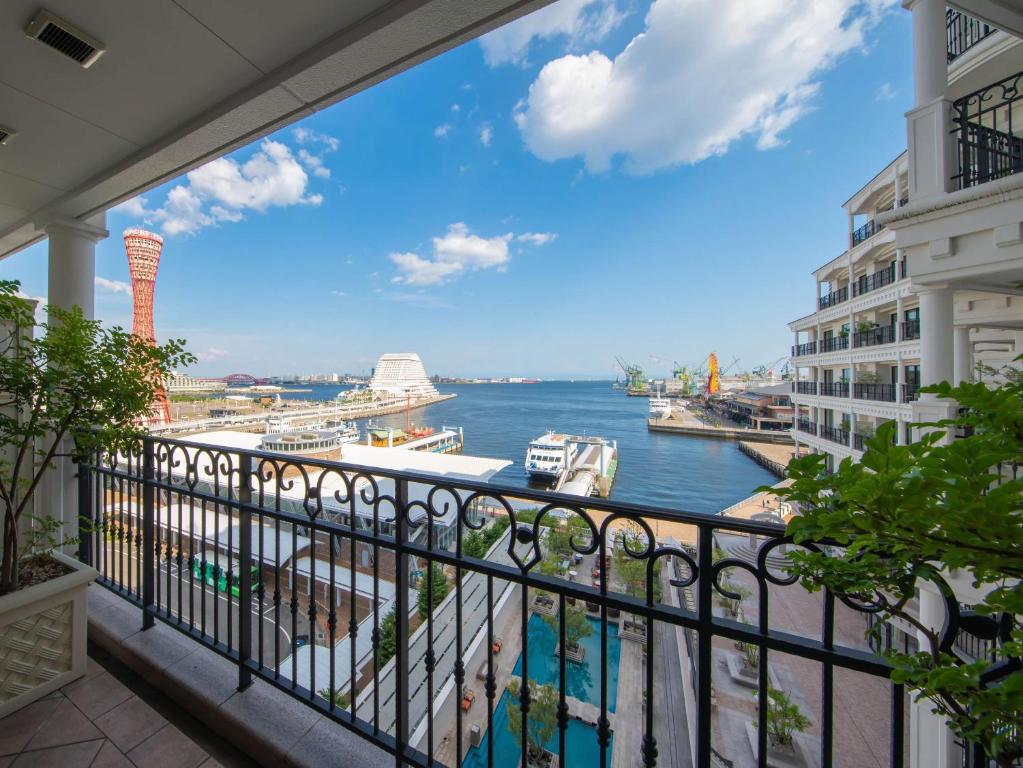
Harborland and Meriken Park deliver the Kobe we see in travel photographs: the red Port Tower, the Maritime Museum’s white roof, illuminated boats, the Ferris wheel and reflections trembling across the harbor.
Harborland combines shopping, restaurants and entertainment along the waterfront, while Meriken Park provides open public spaces and some of Kobe’s best-known landmarks.
This is a lovely place to stay with children because the promenades are wide and the Anpanman Children’s Museum is nearby. It is equally good for couples who would prefer a harbor walk to another evening squeezed into a crowded entertainment district.
The compromise is transport. Kobe and Motomachi stations are accessible, but neither feels as effortlessly connected as Sannomiya.
Hotel La Suite Kobe Harborland
Best for: Romantic trips, celebrations and spacious rooms
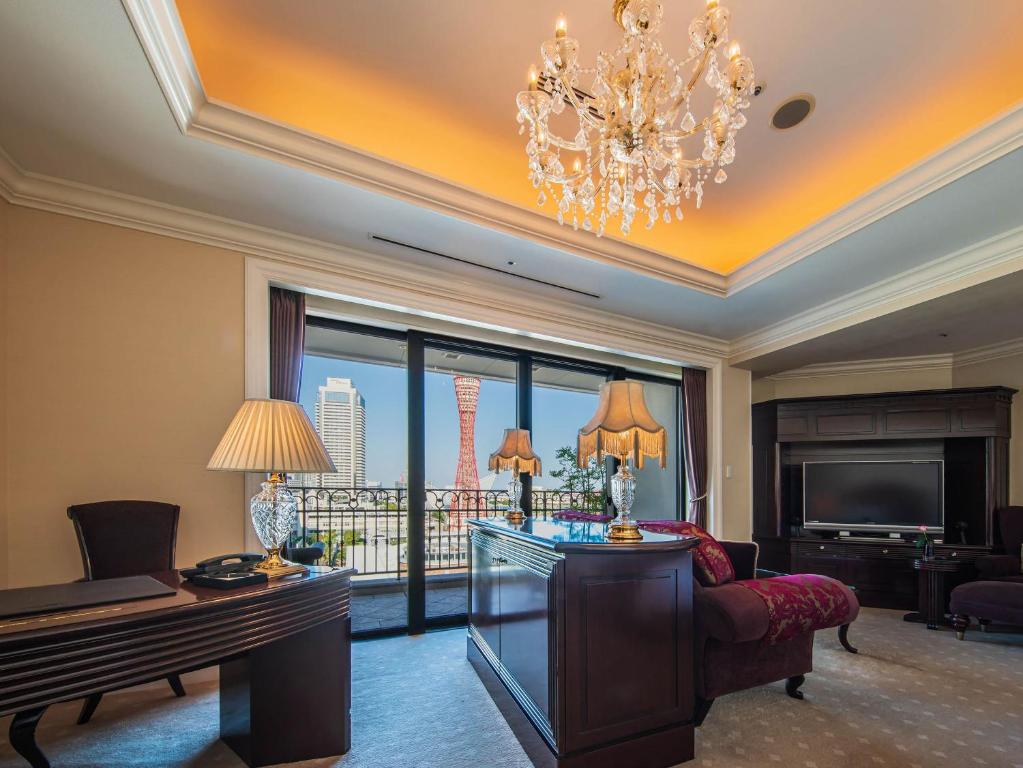
Hotel La Suite Kobe Harborland is a small luxury waterfront hotel with only 70 rooms. Rooms face the water and are designed to feel considerably more spacious and residential than a typical Japanese city hotel.
This is the hotel we choose when the accommodation is meant to be part of the trip rather than merely the building where we charge our phones. Harbor views, large bathrooms and an intimate atmosphere make it especially suitable for anniversaries and slower Kobe stays.
Its location also works well for leisurely walks through Harborland and Meriken Park.
Why we like it: spacious waterfront accommodation with a sense of occasion.
Keep in mind: rates are firmly in the luxury category.
Booking tip: Reserve early for weekends and request the view you prefer. The room orientation matters when the harbor is the main reason for staying here.
Kobe Meriken Park Oriental Hotel
Best for: Panoramic harbor views and family waterfront stays
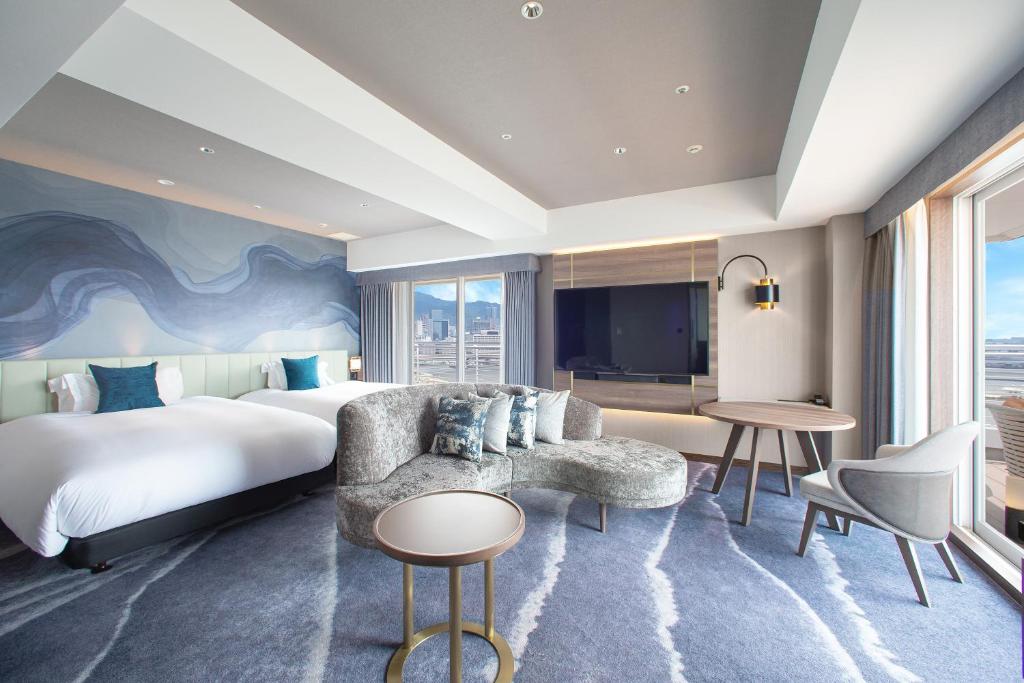
Kobe Meriken Park Oriental Hotel sits on the edge of Meriken Park, surrounded by water on three sides. Every guest room has a private balcony, with views varying according to the side of the building.
The ship-like building is one of Kobe’s recognizable waterfront landmarks. West-facing rooms can overlook Harborland and the Ferris wheel, while other sides reveal the port, city or open water.
It feels removed from downtown despite being close to major attractions. Families gain easy access to the park and waterfront, while couples can sit on the balcony as Kobe lights up after dark.
Why we like it: private balconies and a genuine harbor-resort atmosphere.
Keep in mind: the hotel is not directly beside a major railway station.
Booking tip: Do not book the cheapest available room without checking the view. Paying slightly more for the right orientation can transform the experience.
Hotel Okura Kobe
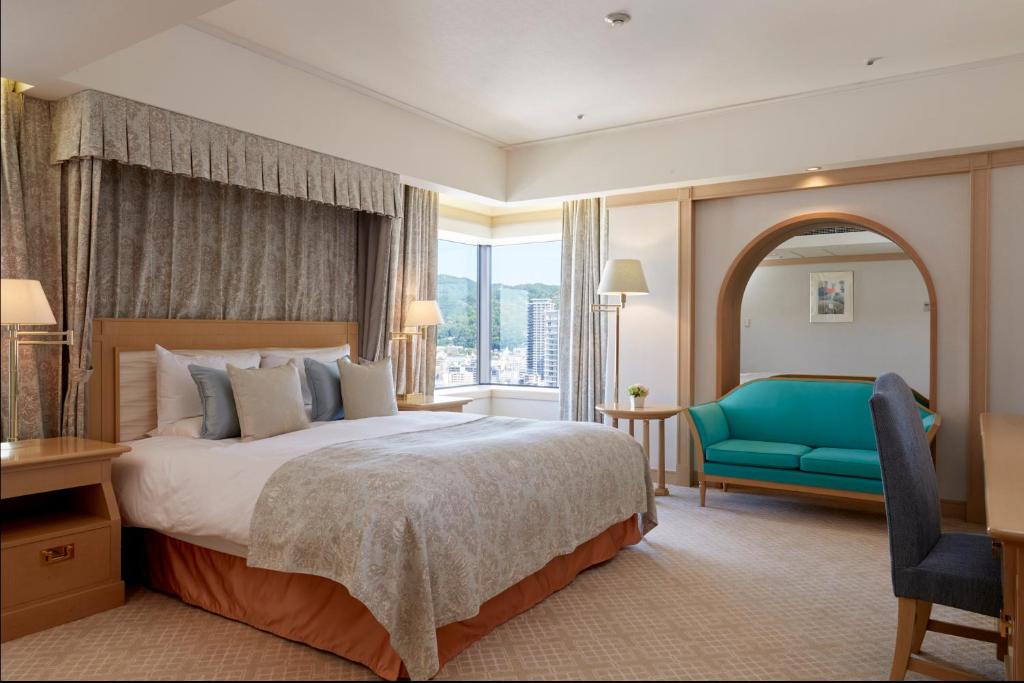
Best for: Classic service, larger rooms and multigenerational trips
Hotel Okura Kobe rises above Meriken Park and combines waterfront views with the traditional service style associated with the Okura brand. Rooms face different sides of Kobe, including Harborland, the city, Port Island and Osaka Bay.
Standard rooms are relatively spacious compared with many central Japanese hotels, and some categories can accommodate three people. The hotel also operates a complimentary shuttle between the property and Sannomiya.
This is a reassuring option for families, older travelers and anyone who appreciates full-service hotels over minimalist self-check-in concepts.
Why we like it: spacious rooms, polished service and convenient shuttle transport.
Keep in mind: some interiors have a more traditional look than newer boutique hotels.
Booking tip: West-facing rooms are worth considering for Port Tower and Harborland views.
4. Kitano and Shin-Kobe: Best for Shinkansen Access and Quieter Evenings
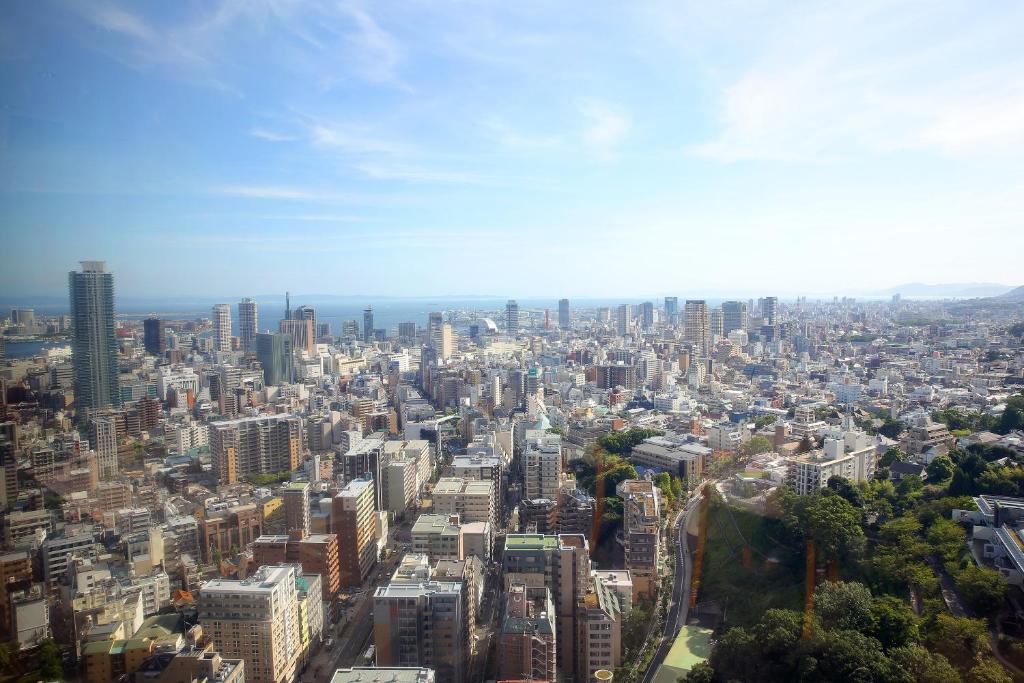
Shin-Kobe sits just north of central Sannomiya at the foot of the mountains. It is the city’s Shinkansen station, making this the easiest area for travelers arriving directly from Tokyo, Hiroshima or Fukuoka.
Nearby Kitano developed as a residential neighborhood for foreign merchants after Kobe’s port opened to international trade. Today, its sloping streets are lined with historic Western-style houses, cafés and small museums.
This part of Kobe feels calmer and greener than Sannomiya, but the hills are real. What looks like a harmless ten-minute walk on a map can become a suitcase-based endurance event.
ANA Crowne Plaza Kobe
Best for: Shinkansen arrivals and travelers with heavy luggage
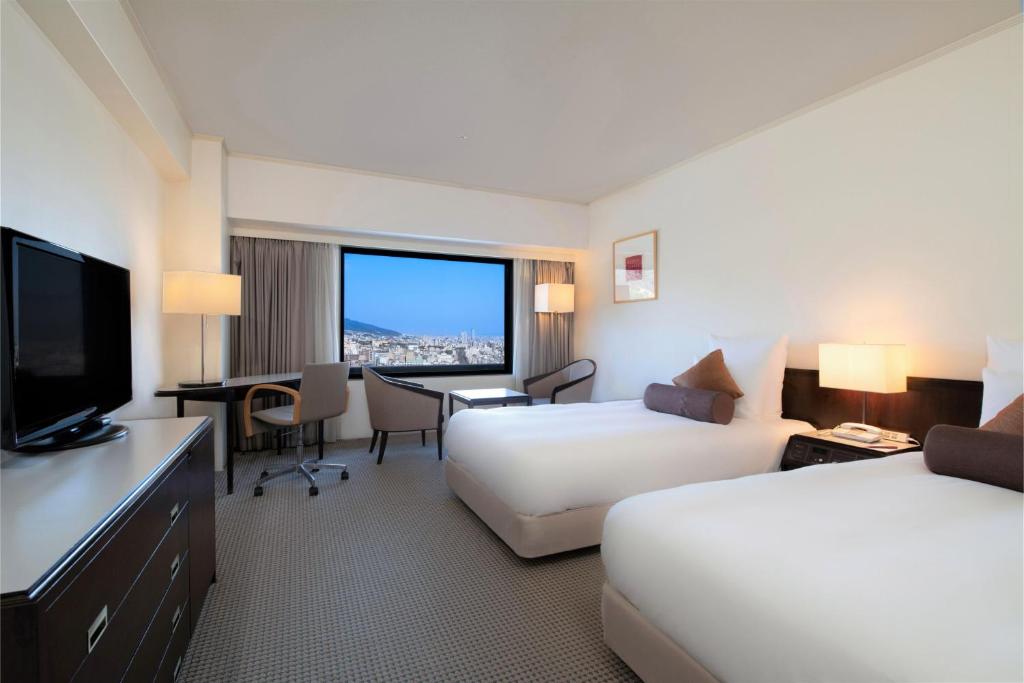
ANA Crowne Plaza Kobe is directly connected to Shin-Kobe Station. The city centre is one subway stop away, and the airport limousine bus also serves the hotel.
Few Kobe hotels make arrival easier. We can step off the bullet train, follow the signs and reach reception without dragging suitcases through central streets.
The high-rise rooms offer city or mountain views, and the location is convenient for the Nunobiki Ropeway and the walking routes toward Kitano.
Why we like it: the simplest possible Shinkansen connection.
Keep in mind: the immediate area is quieter at night and has fewer casual restaurants than Sannomiya.
Booking tip: This hotel makes particular sense for one-night stays before an early departure. For a longer visit, decide whether you are comfortable taking the subway into town each day.
Hotel Piena Kobe
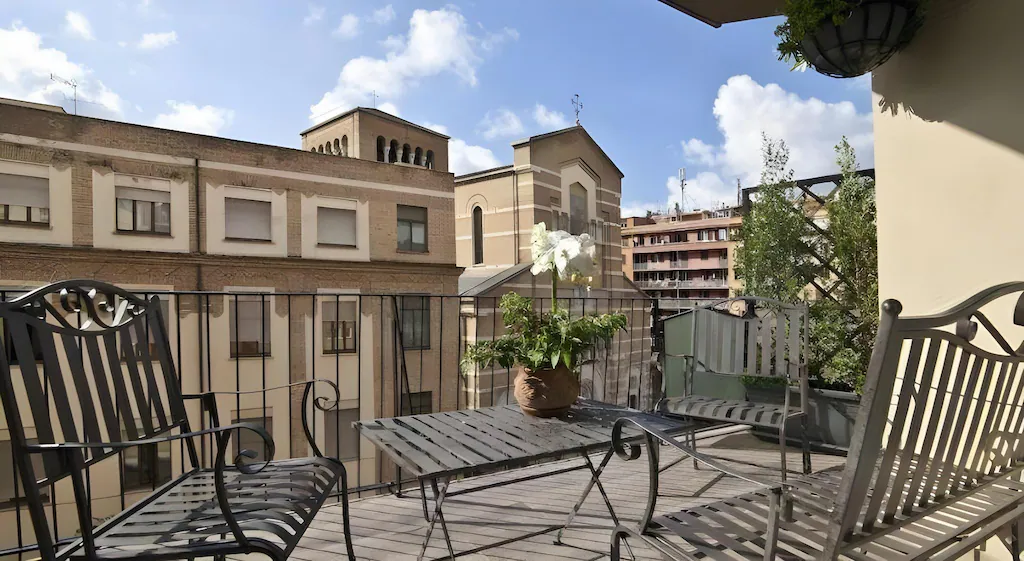
Best for: Breakfast lovers and couples seeking a quieter central hotel
Hotel Piena Kobe sits between Shin-Kobe and Sannomiya, close enough to reach both areas on foot. It is especially known for its elaborate breakfast, combining Japanese dishes, French-influenced items, cakes and produce from Hyogo Prefecture.
The hotel has a softer, more decorative atmosphere than a typical business property. It works well for couples and food-focused travelers who want something memorable without paying waterfront luxury prices.
We are still within reach of Sannomiya’s restaurants, although the walk back becomes noticeably less charming when it is raining.
Why we like it: distinctive rooms and one of Kobe’s best-known hotel breakfasts.
Keep in mind: it is not directly beside either major station.
Booking tip: Choose a breakfast-inclusive plan when available. Staying here and skipping breakfast rather defeats the point.
Kobe Kitano Hotel
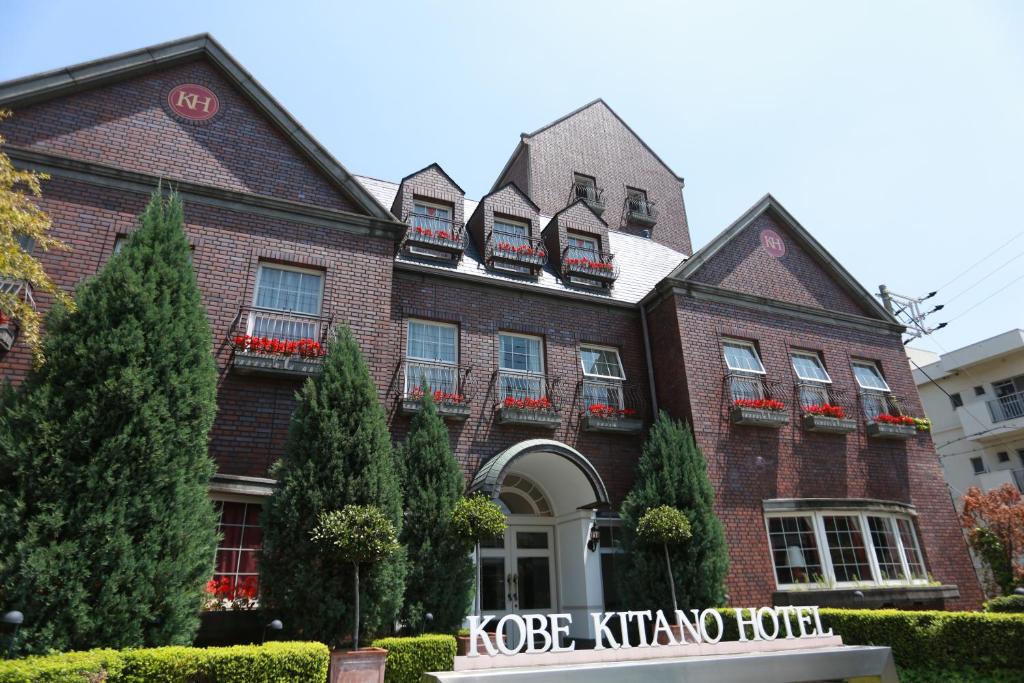
Best for: Boutique luxury, food-focused stays and special occasions
Kobe Kitano Hotel is a small European-style hotel in the fashionable Kitano district. It has around 30 individually styled rooms and is particularly associated with its elaborate European breakfast experience.
This is more auberge than conventional city hotel. The brick exterior, elegant interiors and restaurant-led identity suit travelers who want to slow down and enjoy the property.
Kitano’s historic houses and cafés are nearby, while Sannomiya remains reachable downhill. The return journey, naturally, is uphill. Kobe likes to make us earn our breakfast.
Why we like it: intimate atmosphere and a strong sense of place.
Keep in mind: it is less convenient for travelers planning frequent train journeys.
Booking tip: Check exactly which meals are included. Breakfast is an important part of the experience and may not be included in every rate.
5. Arima Onsen: Where to Stay Near Kobe for Hot Springs
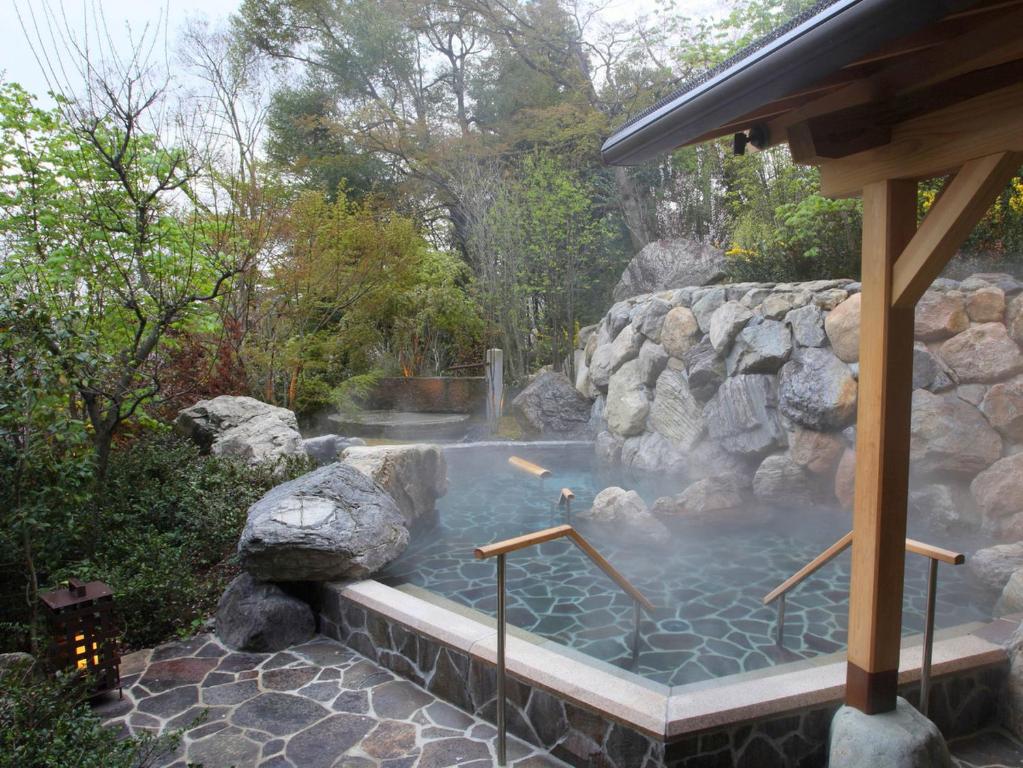
Arima Onsen is technically part of Kobe, but it feels like a separate destination. Narrow lanes, traditional inns and mineral-rich hot springs replace the port towers and shopping arcades of central Kobe.
It is possible to visit Arima as a day trip, but staying overnight gives us something the afternoon crowds miss: a quiet evening, a multi-course dinner and an early-morning soak before the streets wake up.
We would not base an entire sightseeing-heavy Kobe trip here. Instead, add one night in Arima Onsen before or after staying downtown.
Arima Grand Hotel
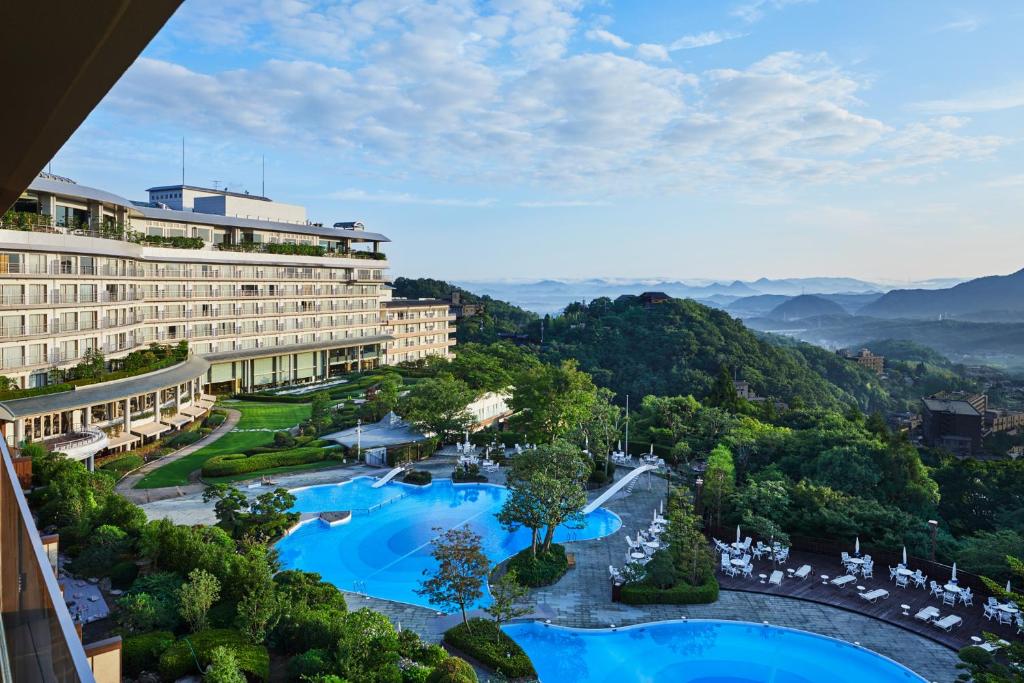
Best for: Families and first-time ryokan guests who want extensive facilities
Arima Grand Hotel is a large hillside property offering Japanese-style rooms, Western-style rooms and rooms with private open-air baths. Its bathing facilities include multiple hot-spring areas and reservable private baths.
This is a comfortable introduction to Arima for travelers who feel uncertain about smaller traditional inns. The range of rooms and facilities means couples, families and multigenerational groups can usually find an arrangement that works.
The hotel’s elevated position also provides broad views across the surrounding hills.
Why we like it: extensive facilities and plenty of room choices.
Keep in mind: it feels more like a full-scale resort than an intimate historic ryokan.
Booking tip: Book a half-board plan so dinner and breakfast are included. Also check whether your room has a private bath or whether a reservable bath must be booked separately.
Arima Onsen Tocen Goshobo
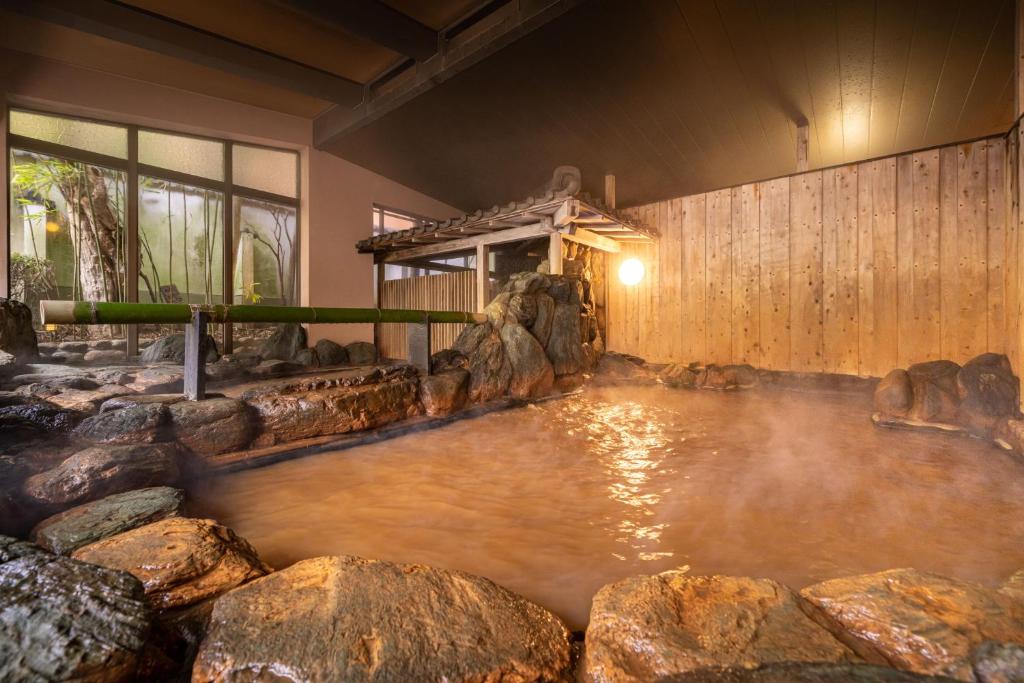
Best for: Historic atmosphere and a traditional ryokan experience
Tocen Goshobo is one of Arima’s historic inns, positioned beside the river and within a short walk of Arima Onsen Station. Its rooms use traditional elements such as tatami flooring, futon bedding and shoji screens.
This is the choice for atmosphere. The building has the creaks, corners and accumulated character that newer luxury hotels spend fortunes attempting to recreate.
It is better suited to travelers who actively want a traditional experience than those looking for elevators, identical modern rooms and uncomplicated Western bedding.
Why we like it: history, central location and genuine ryokan character.
Keep in mind: old buildings can include stairs, uneven levels and less sound insulation.
Booking tip: Read the room description carefully and confirm whether the room has beds or futons, a private bathroom and included meals.
Arima Onsen Gekkoen Korokan
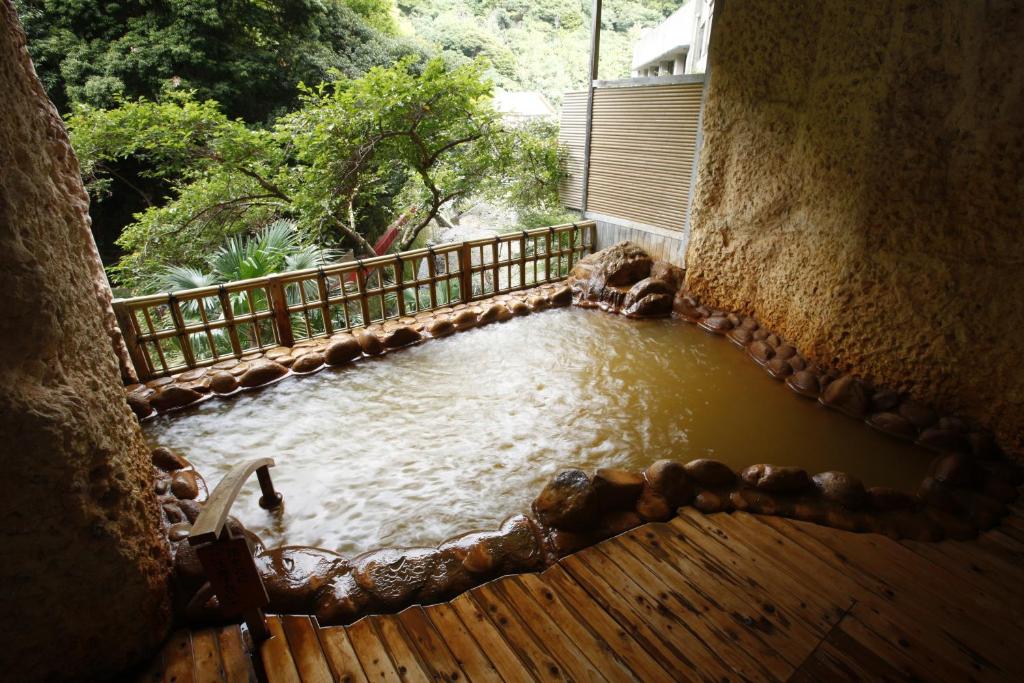
Best for: Valley views, couples and a refined onsen stay
Gekkoen Korokan overlooks a wooded valley and offers both Japanese and Western-influenced room choices. Some rooms feature private open-air baths, while the property also provides access to larger hot-spring bathing areas.
The surroundings feel peaceful, particularly when the foliage changes in autumn. This is a strong choice when we want a traditional onsen stay but prefer a larger, more accessible building than the oldest ryokan properties.
Couples should consider the private-bath room categories, especially when communal bathing does not appeal.
Why we like it: mountain scenery and a good mix of traditional and modern comfort.
Keep in mind: private-bath rooms are considerably more expensive and sell out first.
Booking tip: Reserve dinner with the room. Ryokan meals often require advance preparation and may not be available when added at the last minute.
6. Port Island and Rokko Island: Best for Families, Events and Larger Hotels
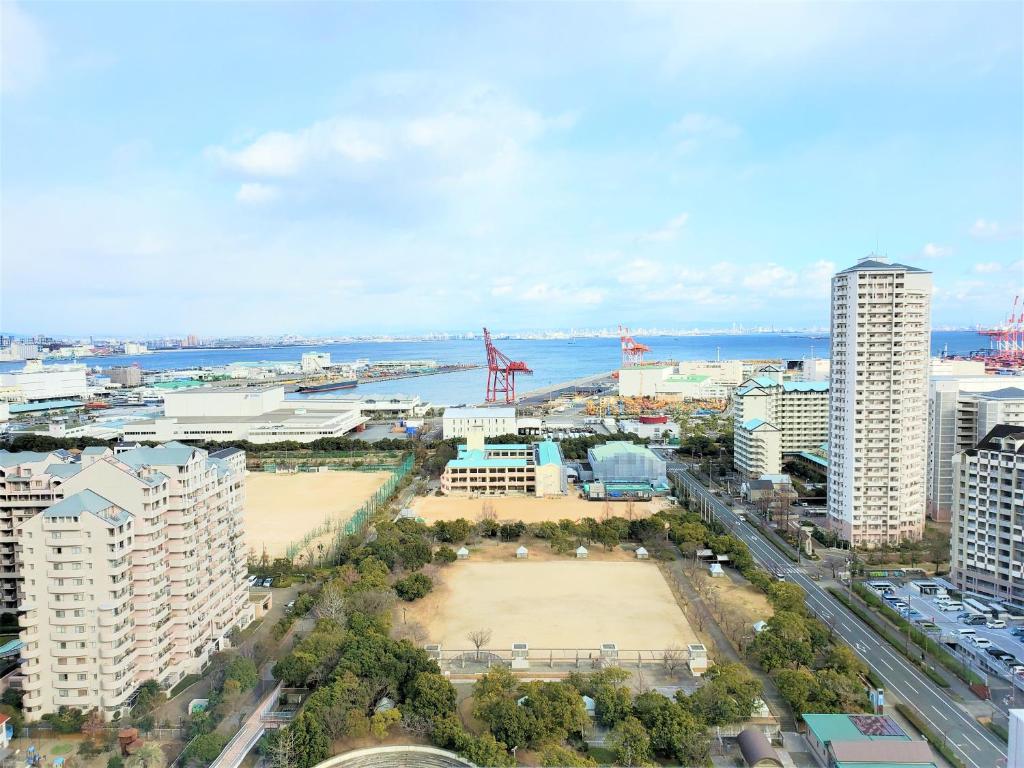
Kobe’s artificial islands sit away from the dense city centre and offer wider roads, modern buildings and large resort-style hotels.
Port Island is connected to Sannomiya and Kobe Airport by the Port Liner. Rokko Island is farther east and connects to central rail lines through the Rokko Liner.
These are not the most atmospheric areas for a first Kobe visit. However, they can make sense for families seeking larger rooms, travelers attending events, airport stopovers or visitors who prefer a self-contained hotel with several facilities.
Kobe Portopia Hotel
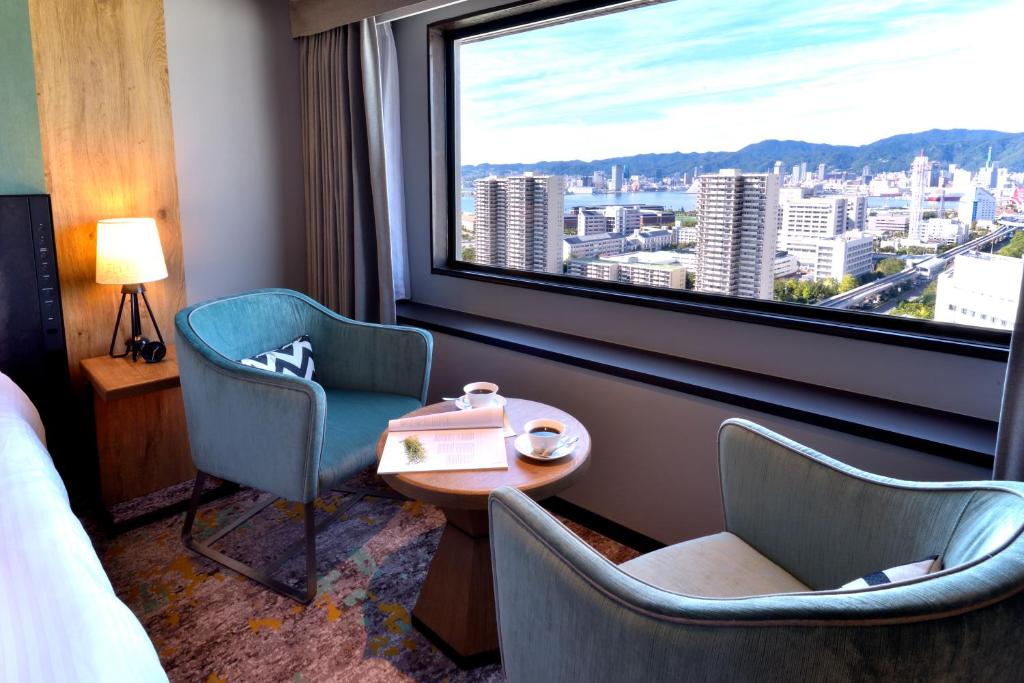
Best for: Families, conferences and Kobe Airport access
Kobe Portopia Hotel is a large city-resort property on Port Island. Its room selection includes twins, triples, quadruples, family rooms, balcony rooms and higher-floor executive accommodation.
The varied room categories are useful for families who are tired of searching for central hotels that expect everyone to sleep in one double bed.
Port Island also offers straightforward transport to Sannomiya and Kobe Airport, making this a convenient arrival or departure base.
Why we like it: extensive room choices and strong family practicality.
Keep in mind: spontaneous evening walks through atmospheric old streets are not really the point here.
Booking tip: Compare the Main Building and South Wing carefully. Room size, views and balcony access vary considerably.
Kobe Bay Sheraton Hotel & Towers
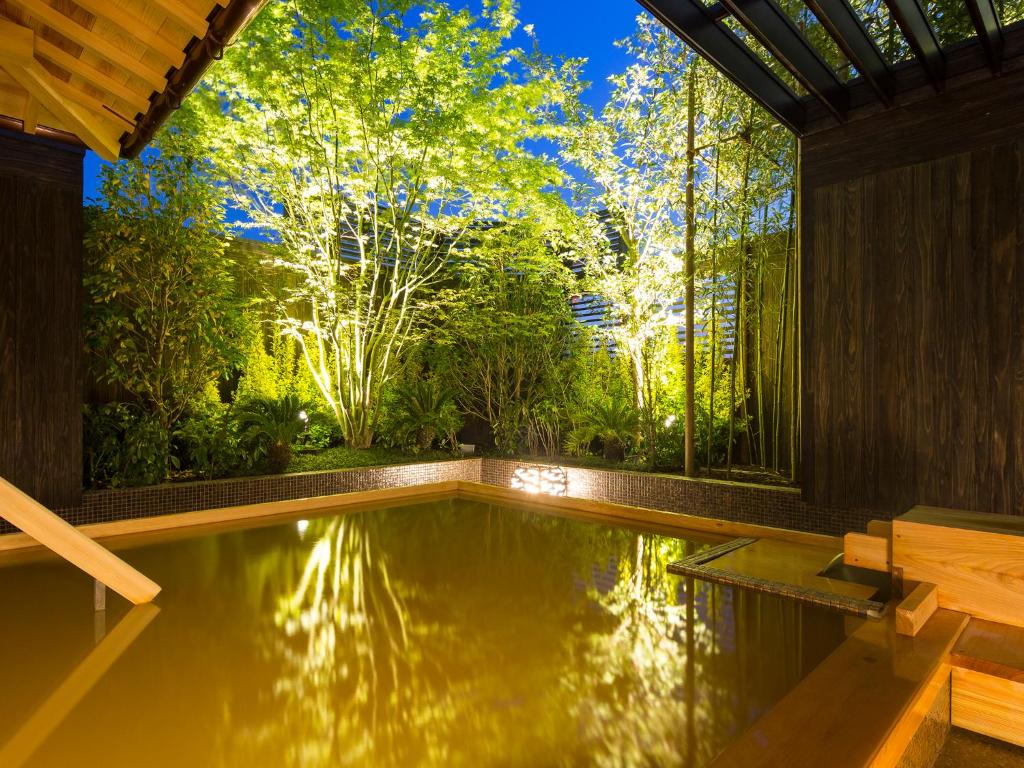
Best for: Onsen facilities without staying in Arima
Kobe Bay Sheraton Hotel & Towers stands beside Island Center Station on Rokko Island. The hotel includes restaurants, leisure facilities and natural hot-spring bathing, with transport links toward central Kobe and Kansai International Airport.
This can be a clever alternative when we want a full-service hotel and an onsen experience but do not have time to add Arima to the itinerary.
The area is quieter than downtown Kobe, and the railway journey into the centre adds time. In return, we gain space, facilities and a more relaxed resort feeling.
Why we like it: natural hot springs within a large international-style hotel.
Keep in mind: check the current rules and charges for spa access, as access can depend on the room plan.
Booking tip: Look for packages that explicitly include Hamaizumi hot-spring access rather than assuming every rate provides identical benefits.
Hotel Plaza Kobe
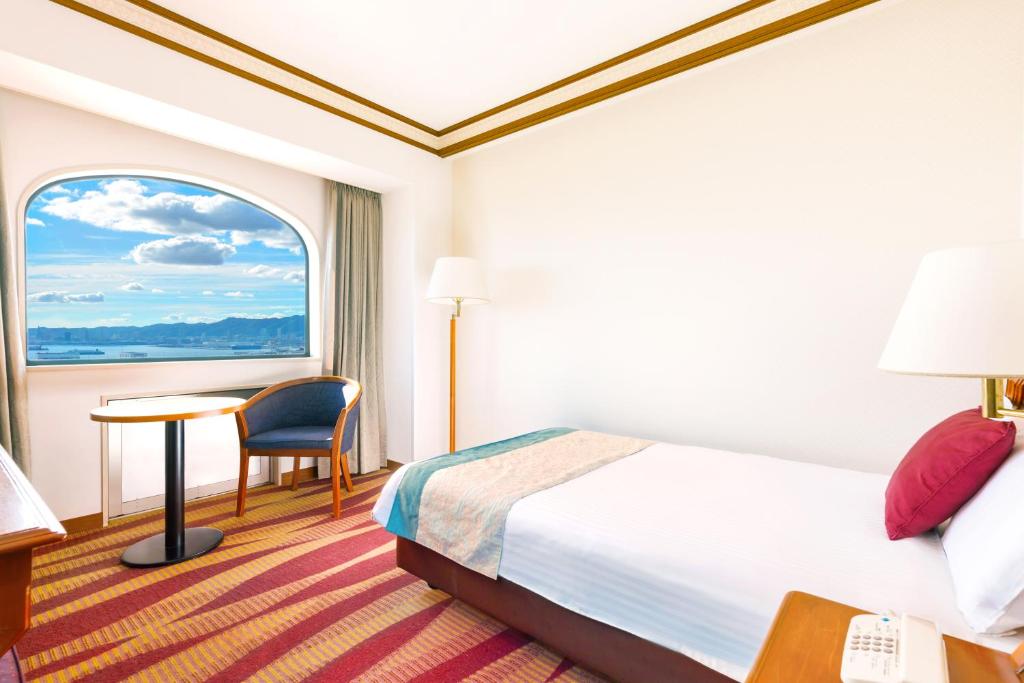
Best for: Families seeking value and high-floor views
Hotel Plaza Kobe occupies the upper floors of a building on Rokko Island, with every guest room positioned on the 12th floor or above. Room types include family-friendly Hollywood twins and larger options with four permanent beds.
This is one of the more useful Kobe choices for larger families. Four proper beds are far preferable to discovering at check-in that “sleeps four” means two adults, one sofa and a child balanced optimistically across the luggage rack.
The elevated rooms provide views toward Kobe, Osaka, the bay or the surrounding mountains.
Why we like it: family room options and good value for the amount of space.
Keep in mind: reaching central Kobe requires the Rokko Liner and a connecting train.
Booking tip: Families should book one of the clearly designated four-bed or family room categories rather than relying on extra beds.
Which Kobe Area Should You Choose?
Choose Sannomiya for your first visit, especially when staying only one or two nights. It is the least complicated base and the easiest place from which to continue around Kansai.
Choose Motomachi when food, Chinatown, shopping and waterfront walks matter more than being directly beside the main transport hub.
Choose Harborland or Meriken Park for romance, family attractions and memorable Kobe views.
Choose Shin-Kobe or Kitano when arriving by Shinkansen, exploring the historic foreign residences or seeking quieter evenings.
Choose Arima Onsen for one indulgent night built around hot springs and meals rather than conventional sightseeing.
Choose Port Island or Rokko Island when you need larger family rooms, airport convenience, convention access or resort-style facilities.
Where We Would Stay in Kobe
For a straightforward first trip, we would stay at Remm Plus Kobe Sannomiya or Daiwa Roynet Hotel Kobe-Sannomiya PREMIER. Both make exploring easy and keep the train logistics mercifully simple.
For a more atmospheric city stay, Dormy Inn Kobe Motomachi offers an excellent combination of Chinatown access and hot-spring bathing.
For a special trip, we would choose Hotel La Suite Kobe Harborland and leave enough time to enjoy the room rather than racing through a packed itinerary.
Traveling with children? Hotel Okura Kobe, Kobe Portopia Hotel and Hotel Plaza Kobe offer more practical room choices than many compact central hotels.
And when the itinerary allows it, we would divide the trip: spend two nights in central Kobe, then finish with one night in Arima Onsen. City lights first, hot springs second. We have made worse decisions.
Frequently Asked Questions About Where to Stay in Kobe
What is the best area to stay in Kobe for first-time visitors?
Sannomiya is the best all-round area for a first visit. It has the city’s main concentration of railway and subway connections, direct access to the Port Liner and plenty of restaurants and shops.
Is it better to stay in Kobe or Osaka?
Stay in Kobe when you want relaxed evenings, waterfront scenery, easier access to Arima Onsen or more time for Kobe itself. Stay in Osaka when nightlife, Universal Studios Japan or late-night urban entertainment is the main priority.
The two cities are close enough that visiting one from the other is easy, but changing hotels is not always worth the effort for a very short Kansai trip.
How many nights should we stay in Kobe?
Two nights is a good amount for central Kobe, allowing one full sightseeing day without rushing. Add a third night when including Arima Onsen, Mount Rokko, the Nada sake district or a slower family itinerary.
Is Kobe easy to explore without a car?
Yes. Central Kobe’s main attractions are connected by trains, subways and buses, and many areas between Sannomiya, Motomachi and the waterfront are walkable.
A car is generally unnecessary unless Kobe is part of a wider road trip through less accessible areas of Hyogo Prefecture.
Where should families stay in Kobe?
Harborland is particularly convenient for families because of its open waterfront spaces, shopping facilities and access to the Kobe Anpanman Children’s Museum.
Hotel Okura Kobe, Kobe Portopia Hotel and Hotel Plaza Kobe are also worth considering because they offer larger room categories or rooms designed for several guests.
Where should couples stay in Kobe?
Harborland and Meriken Park are the strongest choices for couples. The waterfront is attractive after dark, and hotels such as Hotel La Suite Kobe Harborland and Kobe Meriken Park Oriental Hotel make the accommodation part of the experience.
Kitano also works well for couples seeking boutique hotels, historic streets and a quieter atmosphere.
Is Arima Onsen close enough to central Kobe?
Arima Onsen can be reached from central Kobe by train or bus, but it is better treated as a separate overnight experience rather than a base for daily central-Kobe sightseeing.
For the most balanced itinerary, stay in Sannomiya, Motomachi or Harborland first, then spend your final night in Arima.
Should we stay near Kobe Station or Sannomiya Station?
Sannomiya has better overall transport connections and more restaurants, so it is usually the better first-time base.
Kobe Station is useful for Harborland, the Anpanman Children’s Museum and waterfront attractions. It can be a good choice for families or travelers who prefer quieter evenings near the bay.
- Nagoya rainy day with kids in 2026 (Cool Indoor Things to Do )
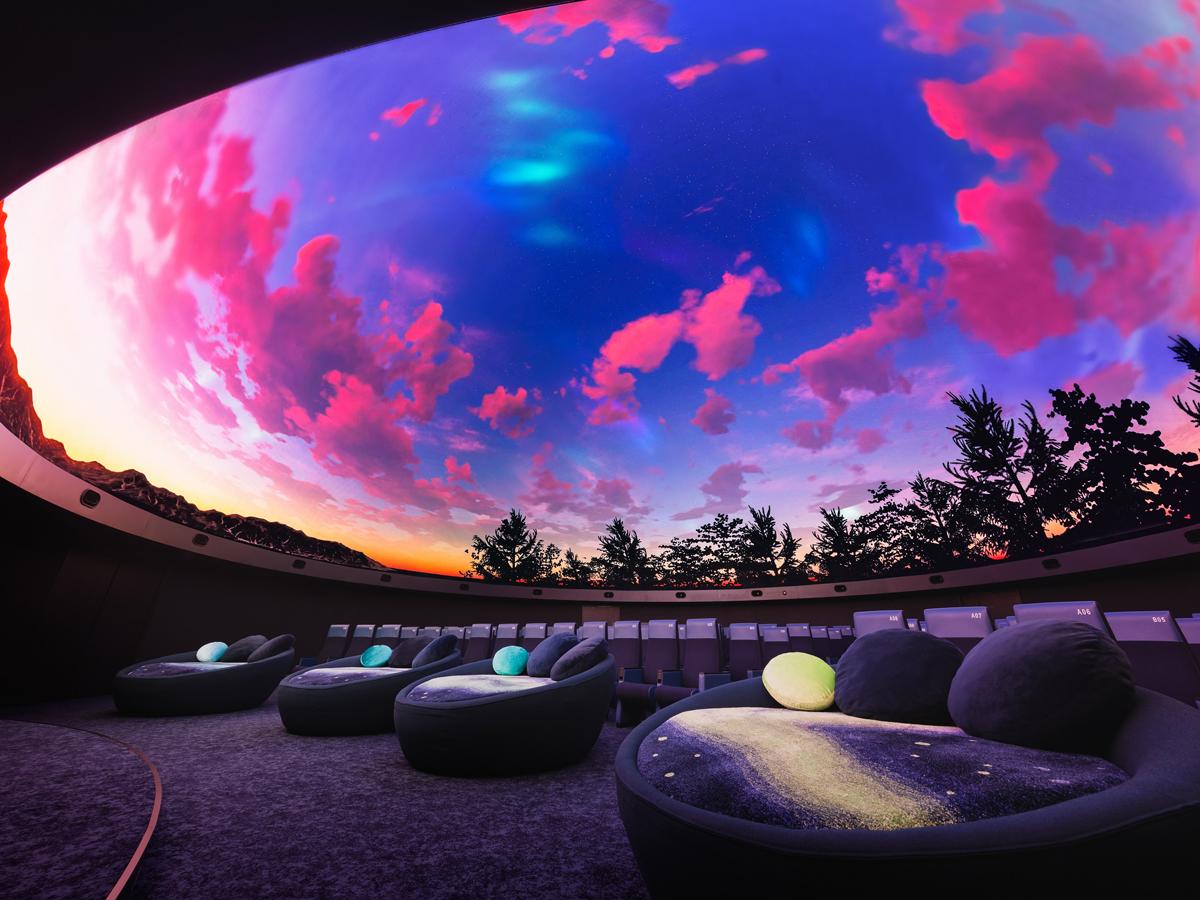 Rain in Nagoya does not have to mean surrendering the day to the hotel room. In fact, Nagoya is unusually good at indoor sightseeing. You have one of Japan’s best science museums, enormous aquariums, real Shinkansen trains, hands-on industrial museums, planetariums, covered shopping streets, and enough underground passages around Nagoya Station to lose an entire… Read more: Nagoya rainy day with kids in 2026 (Cool Indoor Things to Do )
 - Best Gachapon in Tokyo (2026): 20 Places to Find Capsule Toys
 You start with one. A tiny plastic capsule rolls out of the machine containing a miniature ramen bowl, sleepy cat or suspiciously realistic washing machine. Then you notice the machine next to it. And the one next to that. Twenty minutes later, you’ve somehow spent ¥3,000 and are emotionally invested in completing a collection of… Read more: Best Gachapon in Tokyo (2026): 20 Places to Find Capsule Toys
 - All Japanese KitKat Flavours List: The Ultimate Japan KitKat Guide
 Walk into a Japanese convenience store looking for a KitKat and things can get out of hand surprisingly quickly. You came for chocolate. Five minutes later, you’re holding matcha, strawberry, sake and something involving sweet potato, wondering whether wasabi chocolate is a terrible idea or exactly the souvenir your friends deserve. Welcome to Japanese KitKats.… Read more: All Japanese KitKat Flavours List: The Ultimate Japan KitKat Guide
 - Sapporo rainy day with kids (2026): 7 Cool Indoor Things to Do
 You wake up in Sapporo, pull back the curtains, and there it is: rain. That does not mean the family sightseeing day is ruined. Sapporo is actually very good at bad-weather entertainment, with science museums, aquariums, indoor play areas, shopping complexes, museums, and even a chocolate factory where children can watch one of Hokkaido’s most… Read more: Sapporo rainy day with kids (2026): 7 Cool Indoor Things to Do
 - What To Do In Arashiyama With Kids: A Realistic One-Day Family Itinerary
 Arashiyama looks peaceful in photos: tall bamboo, forested hills, a wide river, and one of Kyoto’s most famous bridges. In reality, it is lively, busy, and full of families trying to fit a surprising number of things into one day. The good news? Arashiyama works brilliantly with kids when we keep the plan simple. The… Read more: What To Do In Arashiyama With Kids: A Realistic One-Day Family Itinerary