

Travel writing based on first-hand experience
Tokyo isn’t exactly short of places selling matcha. Walk through Shinjuku, Harajuku, or Ginza, and you’ll encounter enough matcha lattes, green tea parfaits, and suspiciously photogenic desserts to turn your entire afternoon green.
But finding genuinely good Japanese matcha powder to take home? That’s a different story.
The best matcha isn’t necessarily the one advertised with the biggest “ceremonial grade” label or the fanciest packaging. In Japan, traditional tea specialists often sell different blends depending on whether you prefer smooth, sweet matcha for drinking, a stronger variety for lattes, or something more sophisticated for preparing traditional Japanese tea.
And the good news is that you don’t have to travel all the way to Kyoto or Uji to find it.
In this guide, we’re sharing where to buy best matcha in Tokyo, including historic Japanese tea shops, respected matcha producers, and specialty stores where you can browse premium green tea powder, ask for recommendations, and sometimes enjoy a bowl of freshly whisked matcha before deciding what to buy.
Love Matcha? Explore More Japanese Tea, Food & Shopping Experiences in Tokyo!
Found your perfect matcha? Now it’s time to experience Japanese tea culture beyond the shopping bag! From traditional tea ceremonies and beautiful matcha cafés to incredible Japanese sweets and hidden restaurants, here are more Tokyo experiences worth adding to your itinerary.
Matcha & Japanese Tea Experiences
- Best Tea Ceremonies in Tokyo – Discover authentic Japanese tea ceremonies, hands-on matcha workshops, and memorable cultural experiences you can book.
- Where to Drink Matcha in Tokyo – Explore beautiful matcha cafés serving rich green tea lattes, parfaits, tiramisu, and traditional tea.
- Best Green Tea in Tokyo – Find specialty Japanese tea bars, traditional tea houses, and unique tea-tasting experiences.
Japanese Sweets & Restaurants
- Popular Japanese Sweets & Treats – From delicate wagashi and chewy mochi to traditional desserts, discover what to taste and where to find it.
- Best Places to Eat in Tokyo – Explore local favorites, unusual restaurants, hidden food spots, and unforgettable Japanese dining experiences.
- Where to Eat at Tokyo Station – Discover excellent lunch spots, Japanese noodles, bento, and delicious food around Tokyo’s busiest station.
More Unique Tokyo Shopping Finds
- Most Unique Stores in Tokyo – Discover unusual shops, Japanese sweets, character merchandise, and Tokyo-only gifts.
- What to Buy at Bic Camera Japan – Japanese beauty gadgets, electronics, and practical souvenirs worth bringing home.
- What to Buy at GU Japan – Affordable Japanese fashion, stylish everyday essentials, and great-value accessories.
- Best Gachapon in Tokyo – Find adorable capsule toys, quirky collectibles, and the best gachapon shopping spots.
Our tip: Pair your matcha shopping with a traditional tea ceremony or a visit to a Japanese sweets café. It’s one of the loveliest ways to experience Japanese tea culture beyond the souvenir shops!
Table of Contents
Where to Buy Best Matcha in Tokyo: Quick Recommendations
If you’re short on time, here’s where we’d go first:
- Best overall: Ippodo Tea – respected Kyoto tea specialist with excellent matcha for beginners and enthusiasts.
- Best traditional tea shop in Shinjuku: Cha no Ikeda-ya – carefully selected Japanese teas and delicious matcha soft serve.
- Best for matcha and tea ceremony equipment: Seishōen – traditional matcha, bamboo whisks, bowls, and Japanese tea utensils.
- Best for premium Uji matcha: Nakamura Tokichi Honten – a historic Kyoto brand with an elegant Ginza shop.
- Best for organic matcha: THE MATCHA TOKYO – modern Japanese brand specializing in organic matcha.
- Best for a leisurely tea tasting: Ippodo Tea Aoyama – quality matcha and a dedicated tearoom.
- Best for matcha shopping near Tsukiji Market: Jugetsudo – Japanese tea, matcha accessories, and an impressive bamboo-designed tea shop.
Where to Buy Best Matcha in Tokyo: 7 Best Places to Buy Matcha in Tokyo
1. Ippodo Tea – Best Place to Buy High-Quality Matcha in Tokyo
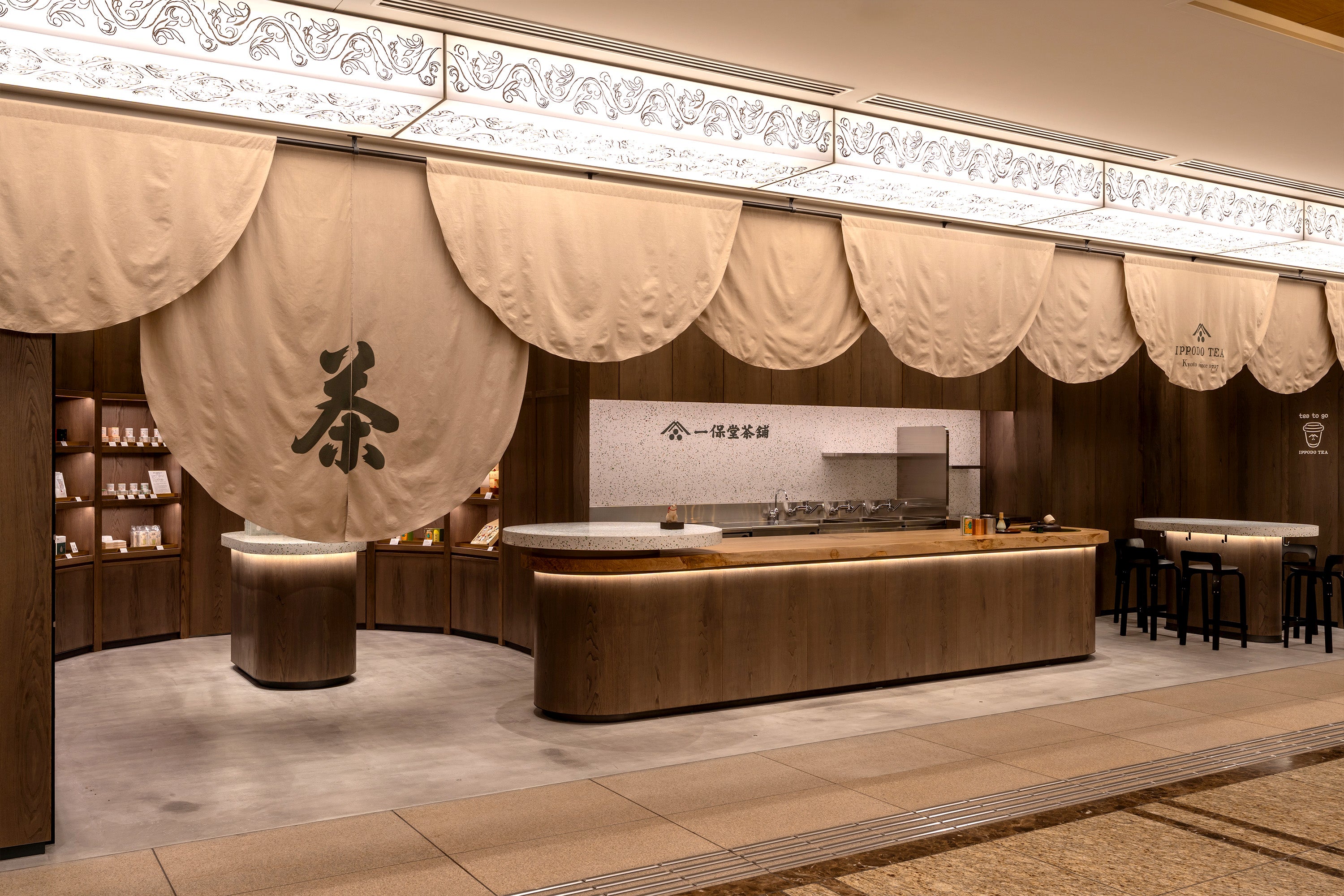
If we had to recommend just one place to buy matcha in Tokyo, Ippodo Tea would be our first stop.
Founded in Kyoto in 1717, Ippodo has spent centuries specializing in Japanese tea. Unlike trendy matcha cafés where the emphasis is often on sweet drinks and desserts, Ippodo takes the actual tea seriously.
Its selection includes everything from approachable everyday matcha to beautifully balanced premium blends with complex umami, subtle sweetness, and remarkably smooth finishes.
One of the biggest advantages of shopping at Ippodo is that the staff can help you choose a matcha based on how you intend to prepare it.
If you’ve never made matcha at home, don’t worry. You don’t need to know the difference between usucha and koicha before walking through the door.
Simply explain whether you want to drink your matcha with water or use it for lattes, and ask which products suit your budget.
Which Ippodo Matcha Should You Buy?
Here are several matcha varieties worth looking for:
- Sayaka-no-mukashi: An excellent starting point, with a mellow flavor and pleasant umami. Approximately ¥2,800 for 20g.
- Ikuyo-no-mukashi: A lighter, refreshing matcha that’s worth considering if you prefer a less intense tea. Approximately ¥1,400 for 20g.
- Ummon-no-mukashi: A premium matcha with pronounced umami and a particularly smooth, rich taste. Approximately ¥5,000 for 20g.
Prices and availability can change, particularly for premium or seasonal matcha.
For most first-time buyers, we’d recommend Sayaka-no-mukashi. It’s a sensible introduction to good Japanese matcha without immediately jumping to the most expensive tin.
You can also buy Japanese green teas such as sencha and gyokuro, together with tea gifts and convenient single-serving matcha packets.
Where to Find Ippodo in Tokyo
Ippodo’s convenient Shin-Marunouchi branch is located just outside Tokyo Station, making it an ideal stop before leaving the city.
You can also enjoy freshly prepared matcha at the counter before purchasing a tin to take home.
Best for: Authentic Japanese matcha, beginners, premium tea gifts, and travelers shopping near Tokyo Station.
Address: Shin-Marunouchi Building B1F, 1-5-1 Marunouchi, Chiyoda-ku, Tokyo.
Access: Approximately 2 minutes from Tokyo Station’s Marunouchi North Exit, connected by an underground passage.
Opening hours: 11:00 AM–9:00 PM Monday–Saturday; until 8:00 PM Sundays and holidays.
Official website: Ippodo Tea Shin-Marunouchi.
2. Cha no Ikeda-ya – Best Traditional Matcha Shop in Shinjuku

Hidden beneath one of the busiest railway stations in the world is a little Japanese tea shop that feels wonderfully old-fashioned.
Cha no Ikeda-ya (茶の池田や) has been serving tea lovers in Shinjuku since the postwar years, specializing in carefully selected Japanese tea leaves and matcha.
While Shinjuku is overflowing with department stores, electronics shops, and trendy cafés, Cha no Ikeda-ya offers something different: a traditional Japanese tea shop where the products matter more than flashy presentation.
The owner has extensive experience with Japanese tea-growing regions, including Shizuoka, and the shop has a reputation for carefully sourcing its products.
You’ll find different varieties of Japanese green tea, matcha powder, packaged tea gifts, traditional sweets, and other specialty products.

What Matcha Should You Buy at Cha no Ikeda-ya?
Look for pure matcha powder sold in sealed tins, particularly if you’re buying tea as a souvenir or planning to prepare traditional matcha at home.
There’s a varied selection of Japanese teas, so it’s worth asking the staff about the flavor profile, origin, and intended use of each matcha.
If you’re new to matcha, ask for something smooth and approachable rather than automatically choosing the strongest or most expensive variety.
And if you’re buying matcha as a gift, a neatly packaged tin makes a much better souvenir than a large bag of powder with no information about the producer.
Don’t Miss the Rich Matcha Soft Serve

One of the shop’s biggest attractions is its matcha soft serve ice cream.
Unlike overly sweet green tea desserts, this one offers a more pronounced tea flavor, with that slightly bitter finish that makes good matcha so distinctive.
There’s also a matcha-and-vanilla combination if you prefer something creamier and sweeter.
The shop serves matcha drinks too, so you can enjoy a quick tea break without sitting down in a formal tearoom.

Best for: Traditional Japanese tea shopping, matcha souvenirs, and matcha soft serve.
Address: Odakyu Ace South Building, 1-1 Nishi-Shinjuku, Shinjuku-ku, Tokyo.
Access: Underground shopping area near Shinjuku Station’s West Exit.
Opening hours: Approximately 10:00 AM–9:00 PM; published closing times vary, so check before a late visit.
Official shop information: Cha no Ikeda-ya.
3. Seishōen – Best for Traditional Matcha and Japanese Tea Ceremony Utensils

If you want to go a little deeper into the world of Japanese matcha, Seishōen (青松園) is a fantastic place to explore.
Located near Shinjuku Station’s West Exit, this long-established tea specialist has roots going back to the Taisho era.
Unlike many modern matcha shops, which concentrate mainly on lattes and desserts, Seishōen is deeply connected to Japan’s traditional tea ceremony culture.
Step inside and you’ll discover an impressive assortment of Japanese tea utensils, ranging from practical beginner-friendly equipment to carefully crafted traditional pieces.

What Can You Buy at Seishōen?
The shop specializes in authentic Japanese tea and tea ceremony equipment, including:
- Matcha powder: Different varieties suited to everyday drinking, tea practice, and more formal occasions.
- Chasen: Traditional bamboo whisks used to prepare matcha.
- Chawan: Japanese tea bowls, including handcrafted pieces.
- Chashaku: Bamboo scoops used to measure matcha powder.
- Tea ceremony accessories: Utensils and equipment for people interested in learning the Japanese tea ceremony.
- Sencha and other Japanese teas: Additional loose-leaf tea varieties for everyday drinking.
What makes Seishōen particularly useful is the depth of its selection. You can buy a straightforward beginner’s whisk or explore more specialized pieces traditionally used in Japanese tea ceremonies.

If you’re planning to prepare matcha regularly at home, we’d recommend buying a good bamboo whisk and a modestly priced tea bowl rather than spending your entire budget on an elaborate ceremonial set.
Quality matcha powder and the right whisk will make a much bigger difference to your daily tea than an expensive decorative bowl.
A Good Shop for Serious Matcha Beginners
Seishōen is especially appealing if you want to understand the difference between matcha prepared as usucha (thin tea) and koicha (thick tea).
These traditional preparations use different amounts of tea powder and water, and the appropriate matcha selection can vary accordingly.
The shop’s specialist knowledge is valuable when you’re uncertain what to buy. Rather than choosing based entirely on attractive packaging, explain how you plan to drink your tea and ask for a suitable recommendation.

Best for: Traditional matcha, tea ceremony enthusiasts, bamboo whisks, Japanese tea bowls, and authentic gifts.
Address: 1-5-1 Nishi-Shinjuku, Shinjuku-ku, Tokyo, Shinjuku West Exit Halc.
Access: Approximately 3 minutes on foot from Shinjuku Station.
Opening hours: 10:30 AM–6:30 PM; closed during specified summer and New Year holidays.
Official website: Seishōen.
Shopping tip: Cha no Ikeda-ya and Seishōen are both close to Shinjuku Station’s West Exit. If you’re staying in Shinjuku, you can comfortably visit both during the same shopping trip.
4. Nakamura Tokichi Honten – Best for Premium Uji Matcha in Ginza
Kyoto’s Uji district is internationally famous for Japanese green tea, and Nakamura Tokichi Honten is one of the historic names associated with the region.
Founded in 1854, this traditional tea company has spent generations producing and blending Japanese tea.
Fortunately, you don’t need to travel to Uji to try its products. Nakamura Tokichi has a beautiful shop inside GINZA SIX, one of Tokyo’s most sophisticated shopping complexes.
The Ginza location combines a retail tea shop with a café, making it a great choice if you want to purchase premium matcha while also enjoying a proper Japanese green tea dessert.
Which Nakamura Tokichi Matcha Should You Buy?
The brand sells several varieties of Uji matcha, including blends intended for everyday enjoyment and more premium traditional preparations.
Products worth asking about include:
- Fuji-no-Shiro: An approachable Uji matcha with a mellow flavor. Approximately ¥2,297 for a 30g tin.
- Sho-no-Mukashi: A higher-priced matcha worth considering if you prefer something smooth and refined. Approximately ¥3,658 for a 30g tin.
- Seikan-no-Shiro: Another option from the brand’s premium selection, approximately ¥3,130 for 30g.
The exact selection can change, and popular matcha products may sell out.
We particularly like the idea of buying one everyday matcha and one more premium tin. That way, you can compare the flavors at home rather than relying entirely on what the packaging promises.
Try the Matcha Desserts Before You Leave
The Ginza café is known for its matcha desserts, including parfaits and other green tea creations.
Expect a noticeably stronger Japanese tea character than you’d find in many ordinary matcha-flavored sweets.
It can be busy, particularly on weekends. Café seating isn’t normally reservable, so visiting outside the busiest afternoon hours is a sensible idea.
Best for: Premium Uji matcha, traditional Japanese tea gifts, and sophisticated matcha desserts.
Address: GINZA SIX, 4F, 6-10-1 Ginza, Chuo-ku, Tokyo.
Access: Approximately 2 minutes from Ginza Station.
Opening hours: Tea shop 10:30 AM–8:30 PM; café last orders generally 7:30 PM.
Official website: Nakamura Tokichi Ginza.
5. THE MATCHA TOKYO – Best for Organic Matcha Powder
If your idea of a perfect matcha shopping experience involves minimalist Japanese design, high-quality organic tea, and a proper matcha latte, THE MATCHA TOKYO is probably going to appeal to you.
This contemporary Japanese tea brand specializes in organic matcha and has several locations across Tokyo, including Omotesando, Harajuku, Shibuya, and Shinjuku.
Unlike traditional tea houses that concentrate on ceremonial equipment, THE MATCHA TOKYO presents matcha as something you can enjoy every day, whether whisked with water or mixed into a latte.
The brand works with Japanese tea producers and offers different matcha blends designed around specific flavor profiles and preparations.
Best Matcha to Buy at THE MATCHA TOKYO
There are two particularly interesting options:
- Tokyo Rich: An organic blend with a pronounced matcha flavor, suitable for lattes and recipes containing milk or sugar. Approximately ¥3,200 for 20g.
- Japan Premium: An organic blend with pronounced umami and relatively low bitterness, designed to be enjoyed straight. Approximately ¥3,800 for 20g, with tin-packaged versions also available.
If you mostly make iced matcha lattes at home, Tokyo Rich is the more practical choice.
If you’re interested in appreciating the flavor of matcha itself, Japan Premium would be the more interesting purchase.
Just remember that organic matcha isn’t automatically better than conventionally grown matcha. Flavor, freshness, sourcing, and processing still matter.
Best for: Organic Japanese matcha, matcha lattes, modern tea gifts, and travelers exploring Omotesando or Harajuku.
Address: 5-11-13 Jingumae, Shibuya-ku, Tokyo (Omotesando location).
Opening hours: Generally 11:00 AM–7:00 PM; cashless payments only.
Other Tokyo locations: Harajuku, Shibuya Miyashita Park, NEWoMan Shinjuku, Tokyo Skytree Town, and Ebisu.
Official website: THE MATCHA TOKYO Locations.
6. Ippodo Tea Aoyama – Best for Shopping and Enjoying a Traditional Matcha
If you like the sound of Ippodo’s tea selection but prefer something a little calmer than shopping around Tokyo Station, head to the brand’s Aoyama store and tearoom.
Located in one of Tokyo’s most stylish neighborhoods, this branch combines a Japanese tea shop with a welcoming tearoom where you can sit down and enjoy carefully prepared green tea.
It’s particularly appealing if you want to slow down for an hour, appreciate the differences between Japanese tea varieties, and browse at your own pace.
The store carries matcha, sencha, gyokuro, tea gifts, and Japanese tea utensils, while the tearoom offers Japanese teas accompanied by sweets and light food.
The biggest advantage here is being able to connect the shopping experience with the actual taste of Japanese tea.
Instead of selecting a tin because it looks attractive, you can enjoy a cup of tea and learn a little more about its preparation.
Best for: A relaxed matcha-shopping experience, tea tasting, premium matcha gifts, and traditional Japanese tea.
Address: 2F, 4-23-6 Minami-Aoyama, Minato-ku, Tokyo.
Access: Approximately 10 minutes on foot from Omotesando Station.
Opening hours: Tuesday–Sunday, 10:00 AM–6:00 PM; closed Mondays.
Payment: Cashless only.
Official website: Ippodo Tea Locations.
7. Jugetsudo Tsukiji – Best for Matcha Gifts and Japanese Tea Culture
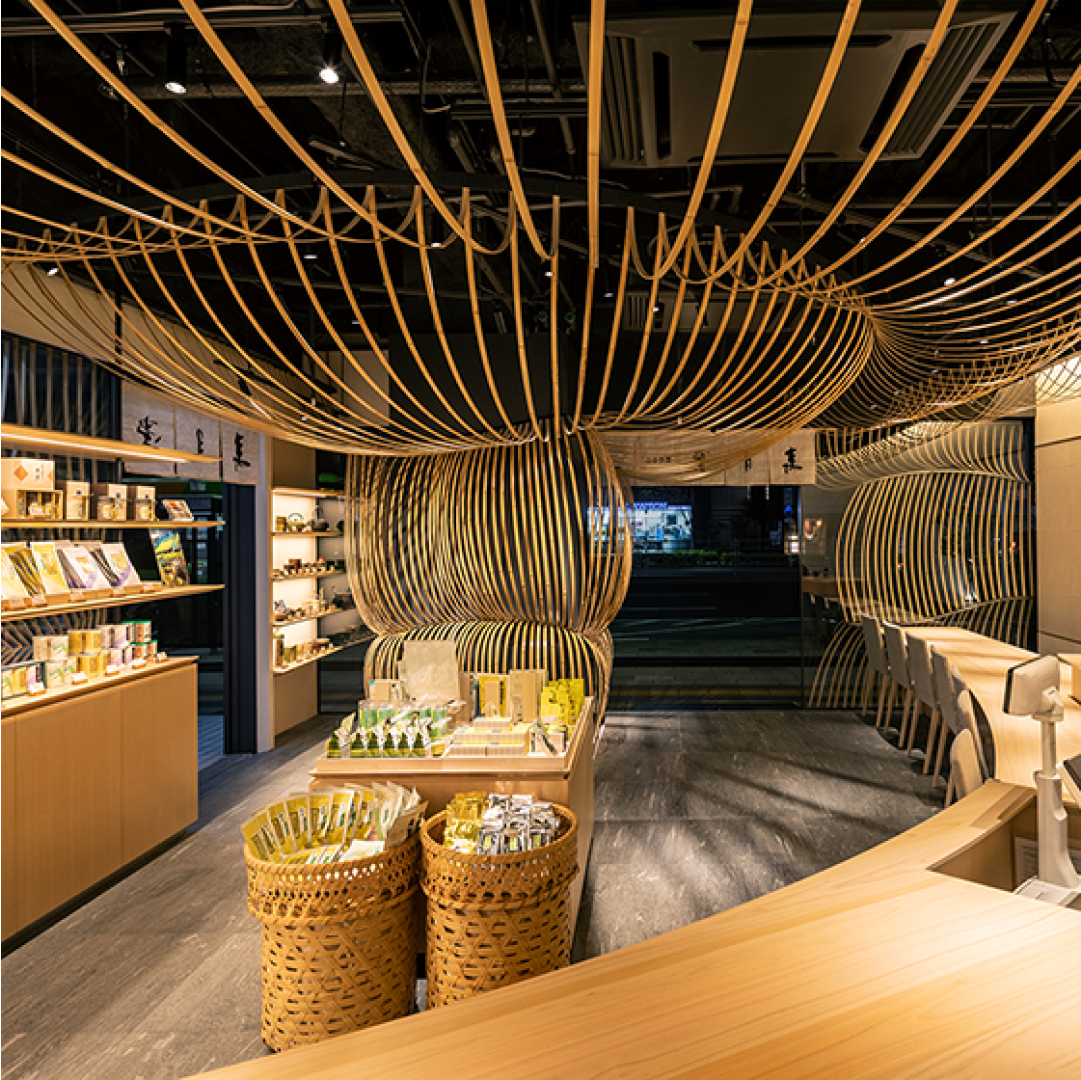
Just a short walk from the bustling stalls of Tsukiji Outer Market, Jugetsudo offers an entirely different atmosphere.
The shop is famous for its extraordinary bamboo interior, designed by Japanese architect Kengo Kuma.
Curving bamboo elements sweep across the ceiling and walls, creating a beautiful space that feels part traditional tea house, part contemporary art installation.
But Jugetsudo isn’t simply an attractive café. It’s a specialist Japanese tea brand established by the historic Maruyama Nori company.
Its tea collection includes carefully selected matcha, sencha, gyokuro, and other Japanese green teas, together with accessories for preparing tea at home.
What Matcha Should You Buy at Jugetsudo?
Jugetsudo offers matcha products for several purposes, including traditional tea preparation, everyday drinking, and matcha lattes.
Look for its Fuji no Haru matcha if you want a variety marketed for lattes, or ask the staff about matcha intended for drinking traditionally with water.
The brand also offers tea utensils and starter sets, making this a convenient place to buy a complete matcha gift rather than just a container of powder.
And if you have time, stop for a tea in the beautiful bamboo-lined surroundings before continuing your Tsukiji sightseeing.
Best for: Matcha gifts, Japanese tea accessories, premium green tea, and architecture lovers.
Address: Tsukiji Kyoeikai Building 1F, 4-7-5 Tsukiji, Chuo-ku, Tokyo.
Access: Near Tsukiji and Higashi-Ginza stations.
Opening hours: Generally 9:30 AM–5:30 PM, with shorter Sunday and public holiday retail hours. The tearoom is closed on Sundays and public holidays.
Official website: Jugetsudo Tea House.
How to Choose the Best Matcha in Japan
Shopping for matcha in Japan can be surprisingly confusing, especially when you’re faced with several nearly identical green tins labeled entirely in Japanese.
Fortunately, you don’t have to become a tea ceremony expert to make a good purchase.
1. Decide How You Want to Drink Your Matcha
This is the most important question to answer before buying anything.
- For drinking with water: Choose a balanced matcha with pleasant umami, natural sweetness, and relatively little bitterness.
- For matcha lattes: Look for a fuller-flavored matcha that won’t disappear when mixed with milk.
- For baking: A more affordable matcha with a pronounced flavor is usually sufficient.
- For traditional tea ceremonies: Ask the shop for a matcha suitable for usucha or koicha, depending on how you intend to prepare it.
There’s little point spending a fortune on an exceptionally delicate premium matcha if you’re planning to mix it with large amounts of milk, vanilla syrup, and ice.
2. Don’t Trust the Words “Ceremonial Grade” Alone
Outside Japan, matcha is often marketed as either “ceremonial grade” or “culinary grade.”
However, ceremonial grade isn’t an officially standardized Japanese quality classification. Different brands can use the term in different ways.
Traditional Japanese tea producers are more likely to describe their matcha by its individual product name, quality level, flavor, and suitability for different preparations.
When possible, buy from an established tea specialist that can explain where its matcha comes from and how it’s intended to be enjoyed.
3. Check the Ingredients
For authentic unsweetened matcha powder, the ingredient list should contain only powdered green tea.
Look for 抹茶 (matcha) or 緑茶 (green tea) on Japanese packaging.
If you’re buying a matcha latte mix, check whether it contains sugar, powdered milk, or other added ingredients.
There’s nothing wrong with a sweetened matcha mix if that’s what you enjoy, but it isn’t the same product as pure matcha powder.
4. Pay Attention to Freshness and Packaging
Matcha is sensitive to light, heat, oxygen, and moisture.
Choose a properly sealed package and check the best-before date. Opaque tins or sealed pouches are particularly useful when transporting matcha home.
Once opened, keep the powder tightly sealed and use it while it’s still fresh. Premium matcha can lose its delicate aroma and flavor surprisingly quickly after opening.
Unless you drink matcha every day, buying several small tins is usually more practical than opening one enormous bag.
How Much Does Good Matcha Cost in Tokyo?
Prices vary depending on the producer, quantity, tea quality, and current availability, but these are useful rough expectations for packaged matcha:
- Budget matcha: Approximately ¥800–¥1,500 for a small package. Often suitable for everyday use or stronger-flavored preparations.
- Good everyday drinking matcha: Approximately ¥1,500–¥3,000 for around 20–30g.
- Premium matcha: Approximately ¥3,000–¥5,000 or more for a small tin, particularly for refined traditional blends.
- Exceptional or limited-production matcha: Can cost considerably more, especially when supply is restricted.
These are broad shopping estimates rather than fixed price categories. A larger package isn’t automatically better value, and prices per gram can vary substantially.
For a first purchase, we’d suggest setting aside around ¥2,000–¥3,000 for a small tin of good drinking matcha.
That should give you enough choice without spending premium-tea money before you know which flavors you prefer.
What Else Should You Buy With Your Matcha?
If you’re buying authentic Japanese matcha for the first time, bringing home a few basic accessories is worth considering.
- Chasen (竹筅): A bamboo whisk that helps distribute matcha evenly through water and creates a fine layer of foam.
- Chawan (茶碗): A matcha bowl, traditionally used for whisking and drinking tea.
- Chashaku (茶杓): A bamboo scoop for measuring matcha powder.
- Matcha sieve: Useful for breaking up clumps before whisking, especially with finely milled powder.
- Chasen holder: Helps the bamboo whisk maintain its shape between uses.
Our recommendation: Start with a decent bamboo whisk and use a wide bowl you already own. You can always buy a handcrafted Japanese tea bowl later.
Seishōen in Shinjuku and Jugetsudo in Tsukiji are particularly good places to browse traditional tea accessories.
Useful Japanese Phrases for Buying Matcha
You don’t need to speak Japanese to buy matcha in Tokyo, especially at larger tea shops. However, knowing a few simple phrases can make the experience easier.
- 抹茶はありますか? (Matcha wa arimasu ka?) – Do you have matcha?
- おすすめの抹茶はどれですか? (Osusume no matcha wa dore desu ka?) – Which matcha do you recommend?
- ラテ用の抹茶はありますか? (Rate-yō no matcha wa arimasu ka?) – Do you have matcha for lattes?
- 砂糖は入っていますか? (Satō wa haitte imasu ka?) – Does it contain sugar?
- これは何グラムですか? (Kore wa nan-guramu desu ka?) – How many grams is this?
And if all else fails, pointing at the tin and smiling usually works surprisingly well.
FAQs About Buying Matcha in Tokyo
Where is the best place to buy authentic matcha in Tokyo?
Ippodo Tea is one of the strongest choices for authentic Japanese matcha, particularly if you’re looking for quality powder to prepare at home. Its Shin-Marunouchi branch is convenient for Tokyo Station, while the Aoyama location offers a more relaxed tea-shopping experience. Nakamura Tokichi in Ginza and Seishōen in Shinjuku are also excellent options.
Can you buy good Uji matcha in Tokyo?
Yes. You don’t need to travel to Kyoto to buy Uji matcha. Respected Kyoto tea producers such as Ippodo Tea and Nakamura Tokichi operate shops in Tokyo, where you can purchase matcha and other Japanese tea products.
Where can I buy matcha powder in Shinjuku?
Cha no Ikeda-ya in Odakyu Ace and Seishōen near the Shinjuku West Exit are two convenient traditional tea shops. Cha no Ikeda-ya is especially good for tea souvenirs and matcha desserts, while Seishōen specializes in matcha and tea ceremony equipment.
Where can I buy organic matcha in Tokyo?
THE MATCHA TOKYO specializes in organic Japanese matcha and has several locations across the city, including Omotesando, Harajuku, Shibuya, and Shinjuku. Its Tokyo Rich blend is suitable for lattes, while Japan Premium is designed for enjoying the flavor of matcha itself.
Is matcha cheaper in Japan?
Matcha can be better value when purchased directly from Japanese tea specialists, particularly because you’re buying locally and may have access to a wider selection. However, premium matcha is not necessarily inexpensive in Japan, and popular products can become difficult to find when demand is high.
Can I bring matcha powder home from Japan?
In many countries, commercially packaged matcha powder intended for personal consumption can be brought home, but import rules depend on your destination. Keep the tea in its original packaging and check your country’s customs and agricultural regulations before traveling.
How long does matcha stay fresh?
Unopened matcha should be stored according to the manufacturer’s instructions and used before its best-before date. Once opened, its aroma and flavor begin deteriorating as the powder is exposed to oxygen, light, heat, and moisture. For the best taste, keep it well sealed and finish it reasonably soon after opening.
Where Should You Buy Matcha in Tokyo? Our Final Recommendation
If you only have time to visit one Japanese tea shop, we’d choose Ippodo Tea. Its excellent selection, approachable matcha varieties, and knowledgeable staff make it a dependable starting point whether you’re buying your first tin or looking for something more sophisticated.
For shoppers staying in Shinjuku, Cha no Ikeda-ya and Seishōen make a particularly good combination. The first is perfect for browsing Japanese teas and enjoying matcha soft serve, while the second is ideal for finding traditional matcha equipment.
If you’re specifically after premium Uji matcha, head to Nakamura Tokichi in Ginza. And if organic matcha is your priority, THE MATCHA TOKYO is worth exploring.
Whatever you choose, don’t feel pressured to buy the most expensive powder in the shop. Good matcha is the matcha you actually enjoy drinking, whether that’s a delicate bowl of traditional Japanese tea or a homemade iced latte on a warm afternoon.
And once you’ve found your favorite? Buy an extra tin. It’s one Japanese souvenir that probably won’t spend the next five years collecting dust on a shelf.