
I spill travel tips , and show you the Japan that tourists usually miss.
Want to know what to do in Kawagoe? You’ll wander Kashiya Yokocho for retro candy, duck into cozy cafés, and toss a wish at Hikawa Shrine where hundreds of ema flutter like sails. It’s an easy day trip, big on charm, light on logistics.
Planning more easy escapes from Tokyo? Read these next
Table of Contents
How to get to Kawagoe from Tokyo
You can get there in several easy ways from Shinjuku . The Seibu-Shinjuku Line takes you directly from Seibu-Shinjuku Station to Hon-Kawagoe Station in about 60 minutes for around ¥500 , and the JR Saikyo Line goes to Kawagoe Station from Shinjuku Station in about 50 minutes for ¥ 760 . From both stations, you can easily explore the city on foot.
How to get around Kawagoe
From either of the two stations mentioned, you can explore the city on foot. Alternatively, you can take the bus to get around. A one-day ticket costs ¥400 and allows unlimited bus travel.
What to do in Kawagoe
The most charming aspect of the city lies in its streets lined with old, traditional buildings, though these aren’t original to that era but rather 19th-century reconstructions. An excellent way to experience it is to wander its streets and feel transported to another time. The best times to visit Kawagoe are spring , when the cherry blossoms are in bloom, and autumn , when the city is blanketed in red foliage .
Kawagoe Kumano-jinja Shrine

This Shinto shrine is a delight, with beautiful corners, gardens, and a path lined with paper lanterns. It is dedicated to the deity of good fortune and marriage .
At the various shrines that make up the complex, you can place your hands on a crystal ball to hear words from the deity Yataragasu , acquire talismans of snakes or birds , cleanse money to attract good fortune, or pass under the eel ring or chinowa , a sacred circle of straw, to cleanse yourself and receive blessings.
Renkei-ji Temple

Renkei-ji Temple was founded in the 15th century, and it also boasts lovely gardens, especially during cherry blossom season. It’s less visited, with a sense of peace and tranquillity.
Taisho Roman Yume Street
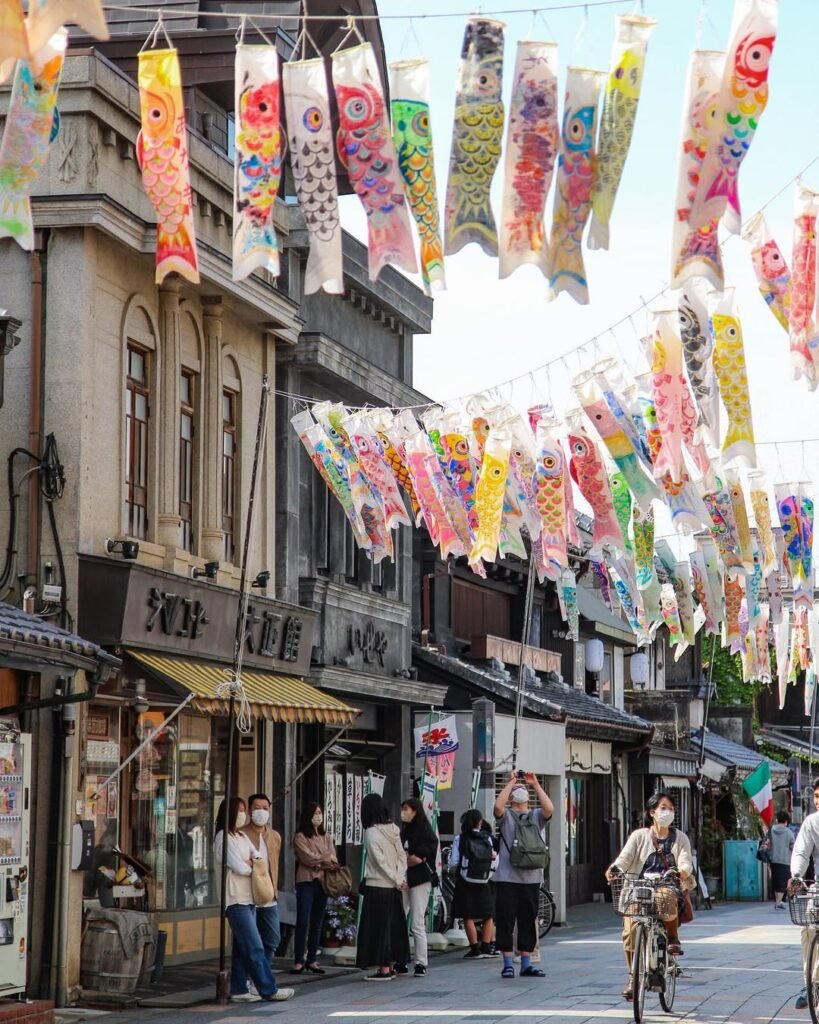
Taisho Roman Yume Street is a pleasant pedestrian street in the centre of Kawagoe, filled with charming shops, some very touristy, that recreate the atmosphere of the Taisho period , in the early 20th century.
Kurazukuri no Machinami (Warehouse Street)

Kurazukuri no Machinami is the main street and the one with the most preserved historic buildings. The warehouses built in the Kurazukuri style are particularly noteworthy. These buildings are now filled with shops and restaurants. Besides the charm of the shops themselves, it’s worth going inside to see what the houses were like during the Edo period. At the end of the street is the Kawagoe Festival Hall, where important festivals related to local culture and traditions are held, and where you can see examples of the floats that parade in the famous Kawagoe Matsuri.
Toki no Kane (Clock Tower)
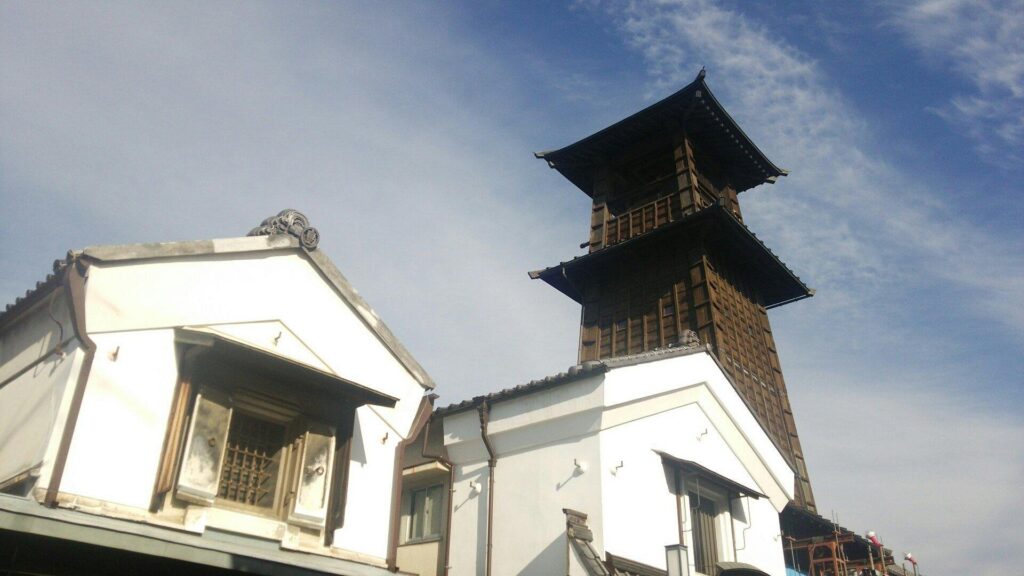
In the heart of the city, on a charming pedestrian street and nestled among other historic buildings, stands the Clock Tower , a wooden structure over 400 years old , though rebuilt several times. Its bells chime four times a day. Passing beneath the tower, you reach the Yakushi Shrine , dedicated to the Medicine Buddha , believed to have the power to cure illnesses, and next to it, the Inari Shrine , which is said to bring good fortune.
Kashiya Yokocho (Sweet Street)
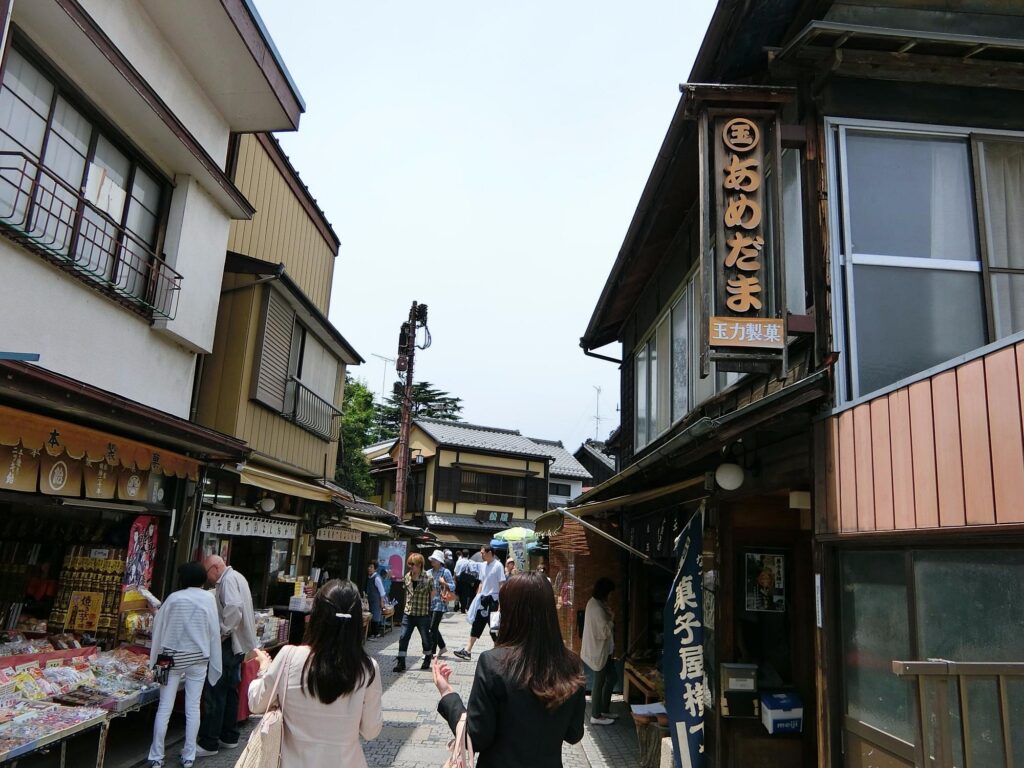
Kashiya Yokocho, a picturesque street, is lined with traditional shops selling handmade Japanese sweets . Here you can sample karinto (fried crackers), senbei (rice crackers), or fu (a long stick made of wheat gluten), and of course, a wide variety of candies and sweets. The alley itself is worth exploring, cobbled and lined with old buildings that evoke a bygone era in Japan.
Hikawa Shrine

Hikawa Shrine, a tranquil sanctuary greeted by a gigantic torii gate, is dedicated to the goddess of love, so it’s common to see locals and tourists visiting to make romantic requests. The sanctuary also features a wind-chime tunnel, creating a very special and relaxing atmosphere.
Kitain Temple

Before reaching the Kitain temple you will come across the curious Narita-san Kawagoe Betsuin temple , which stands out for the image of Ofuda-sama , surrounded by flames and with a flaming sword in his hands.
The Kitain Buddhist temple dates back to the 9th century. It has a deep connection to Japanese history, as several of its buildings originated from Edo Castle (present-day Tokyo) and Kawagoe Castle , of which only the nearby Honmaru Palace and its beautiful gardens remain. It is well worth exploring the halls relocated here from Edo Castle, filled with lavish paintings and murals and surrounded by tranquil gardens that exude peace. Outside, a splendid pagoda and a purification fountain with intertwined dragons are particularly striking. A beautiful forest surrounds the temple, perfect for a stroll.
You must visit the more than 500 statues at Rakan , which represent the Buddha’s disciples who have attained nirvana . No two statues are alike, and their facial expressions are sometimes playful, sometimes angry, or occasionally bored. Walking among the forest of sculptures that seem to watch you is a curious experience. Entry to the halls, gardens, and statues costs ¥500 .

What to eat and where to eat in Kawagoe
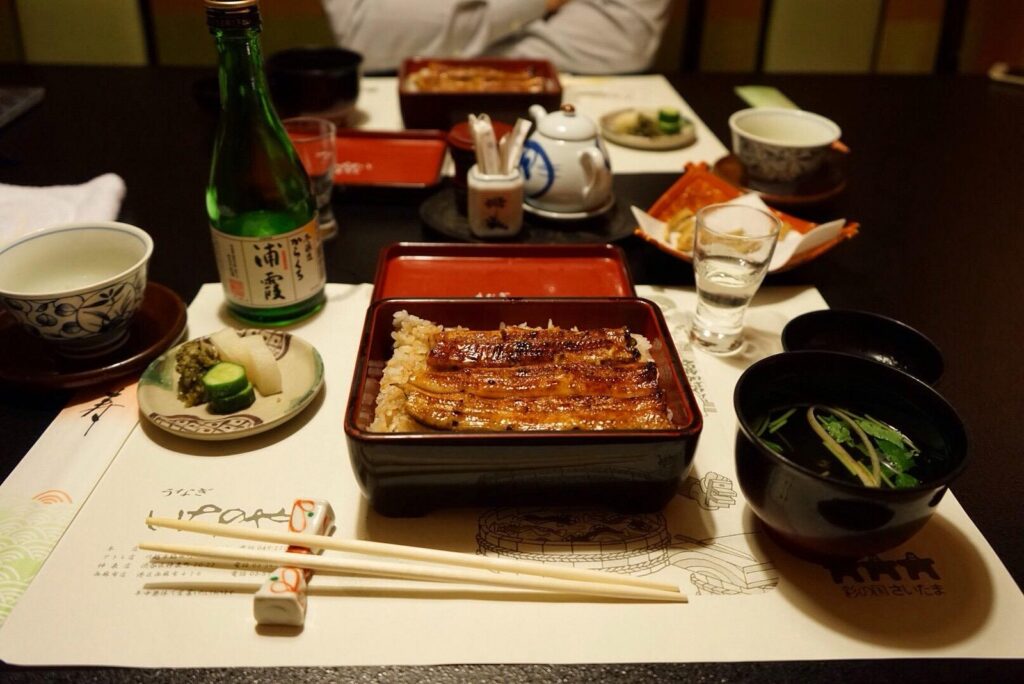
Kawagoe is known not only for its historical beauty but also for its delicious local cuisine . One of the most famous dishes is grilled eel ( unagi ), served over rice and drizzled with a sweet and savory sauce. You can enjoy this delicacy at traditional restaurants like Ogakiku or Ichinoya , both very popular with locals and tourists.
Another Kawagoe specialty is sweet potato sweets ( imo gashi ), such as imo yokan , a sweet sweet potato paste, or imo senbei , sweet potato crackers, available in many shops on Kashiya Yokocho and Kurazukuri Street . Also try dango , rice dough balls skewered on a stick and coated in sweet soy sauce.
Where to stay in Kawagoe
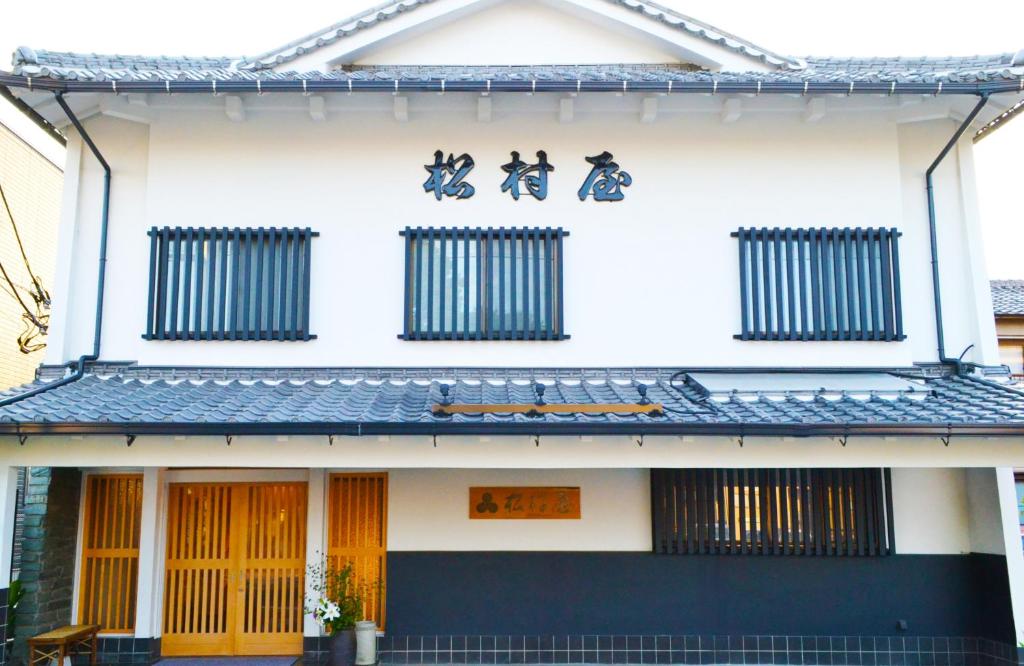
While a day trip to Kawagoe is the norm, it can be worthwhile to stay in the city and discover its charming corners once the tourists have left and tranquility reigns.
For overnight stays in Kawagoe, you can choose between traditional and more modern options. Here are a few suggestions:
- Ryokan Matsumuraya is a traditional Japanese ryokan with futons on tatami mats, located near the main tourist attractions—ideal if you’re looking for a complete cultural experience.
- Kawagoe Prince Hotel is a more modern hotel with all contemporary amenities, just minutes from Kawagoe Station;
- Super Hotel Saitama Kawagoe is a comfortable and budget-friendly option, perfect for those seeking an affordable stay without straying too far from the main tourist sites.
- What To Do In Arashiyama With Kids: A Realistic One-Day Family Itinerary
- 20 Best Things to Do in Shiga (2026): Lake Biwa, Castles, Shrines and More
- 30 Best Things to Do in Wakayama And Around (2026): Castles, Sacred Trails, Beaches, Hot Springs & Mildly Dramatic Rock Formations

- What to Do in Enoshima (2026): Best Sights, Sunset Views & Hidden Gems

- Best Things to Do in Gunma (2026): Hot Springs, Mountains, Flower Parks & Wild Little Detours