I spill travel tips , and show you the Japan that tourists usually miss.
Here is a realistic 14 day Japan itinerary with kids, based on a first-time route that mixes the big classics with one smaller nature escape. We keep the must-see cities — Tokyo, Kyoto, Nara, and Osaka — but also squeeze in a short detour to Shikoku, because after too many megacities, we all deserve mountains, hot springs, and a little breathing space.
This itinerary is designed for families who want variety without moving hotels every five minutes.We travel by train where it makes sense, stay in practical bases, and leave enough room for playgrounds, snacks, tired legs, and the occasional “we are doing absolutely nothing for one hour” moment. Revolutionary, but necessary.
Table of Contents
14 Day Japan Itinerary with kids Overview
For a first family trip to Japan, this route keeps things fairly simple while still giving you a good mix of city energy, temples, food, nature, hot springs, and a more local side of the country.
- Days 1–4: Tokyo — Asakusa, Yanaka, Shibuya, Meiji Jingu, Akihabara, gardens, and skyline views.
- Days 5–8: Kyoto — temples, Gion, cycling, Nishiki Market, Kurama, and an onsen escape.
- Day 9: Nara — deer, temples, covered arcades, and a gentle old-town break.
- Days 10–12: Shikoku — Tokushima, Iya Valley, ryokan stays, hot springs, vine bridges, and Seto Inland Sea views.
- Days 13–14: Osaka — Osaka Castle, Dotonbori, Kids Plaza, food, and one last blast of city chaos.
Could you spend more time in every place? Absolutely. Japan is greedy like that. But if you only have two weeks, this route gives you a strong first taste without trying to swallow the entire country whole.
Days 1–4: Tokyo
Tokyo is enormous, but strangely, it does not always feel aggressive. Yes, it has neon, giant crossings, packed trains, and more neighborhoods than any human can reasonably process. But it also has quiet side streets, temple courtyards, riverside walks, parks, playgrounds, and tiny restaurants where you can feed the whole family without selling a kidney.
Day 1: Arrive in Tokyo and Settle into Asakusa
For a family stay, Asakusa is a brilliant base. It is atmospheric, calmer than Shinjuku or Shibuya, close to Senso-ji Temple, full of little shopping streets, and well connected by subway. It also gives you that “old Tokyo” feeling without being isolated from the rest of the city.
If you want a good-value family hotel in Asakusa, look at KOKO HOTEL Residence Asakusa Kappabashi. It is apartment-style rather than fancy, but that is exactly why it works with kids: family rooms, kitchenettes, private bathrooms, and more space to spread out after a long Tokyo day. It is also around a 9-minute walk from both Senso-ji Temple and Tawaramachi Station, so you get the old-town atmosphere without being trapped in tourist chaos. Very useful when someone needs noodles, laundry, or silence — possibly all three.
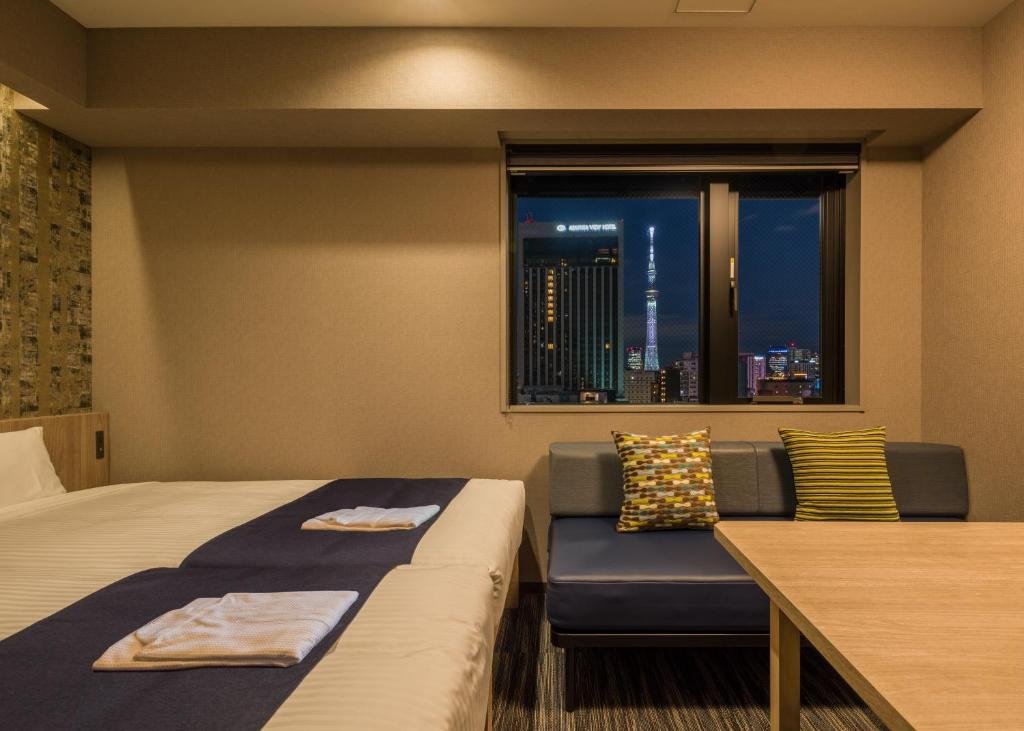
Superior Room at KOKO HOTEL Residence Asakusa Kappabashi
Two other strong Asakusa family picks are Asakusa Tobu Hotel and Richmond Hotel Premier Asakusa International. Choose Asakusa Tobu Hotel if you want the easiest station access, family rooms, and even playful Hello Kitty room options. Choose Richmond Hotel Premier Asakusa International if you want a reliable, highly rated hotel close to Senso-ji, restaurants, and shopping streets, with some rooms offering views toward Tokyo Skytree or the temple area.
Do not try to conquer Tokyo on arrival day. That way lies jet lag, confusion, and someone crying in a convenience store because the rice balls are too mysterious. Instead, settle into your accommodation, walk around Asakusa, and visit Senso-ji Temple if you have energy.
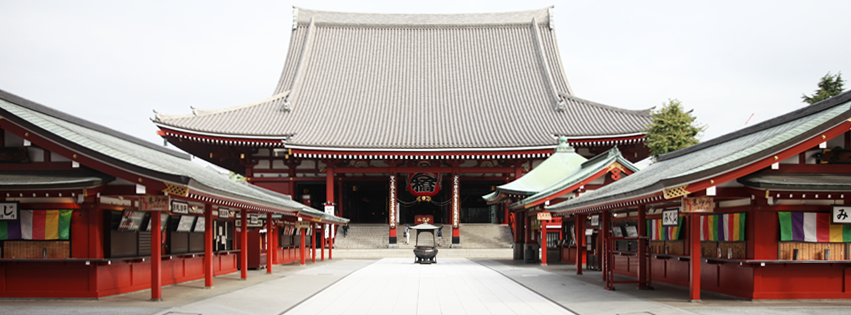
Wander along Nakamise Street, try a few snacks, look at the temple lanterns, and let the neighborhood introduce Japan gently. If you are traveling with younger children, find a nearby playground and let them burn off flight energy while you pretend sitting on a bench is a cultural activity. It counts.
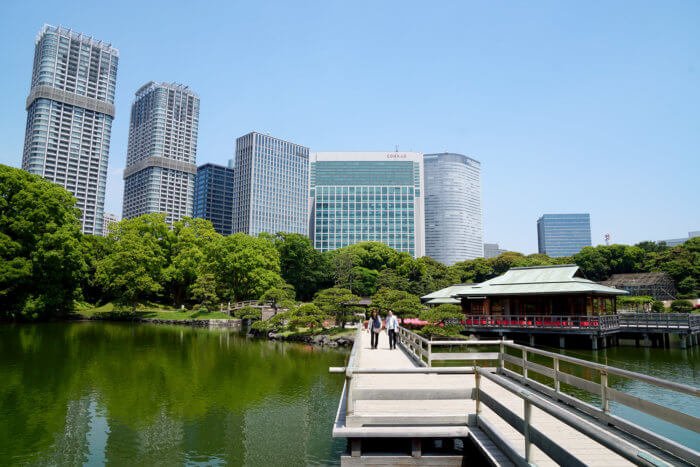
Day 2: Imperial Palace, Tokyo Station, and Hamarikyu Garden
Start with the area around the Imperial Palace. You cannot freely wander through the main palace grounds, which can feel slightly disappointing if you were expecting royal drama, but the surrounding gardens, moats, and wide paths are still beautiful.
From there, continue to Tokyo Station. The red-brick Marunouchi building is gorgeous, and the underground food halls nearby are dangerously useful for lunch. In the afternoon, head to Hamarikyu Garden, a spacious riverside garden where city towers rise behind ponds and old teahouses. If you are staying in Asakusa, consider taking a boat along the river to make the journey more fun for kids.
Day 3: Akihabara, Ueno, and Yanaka
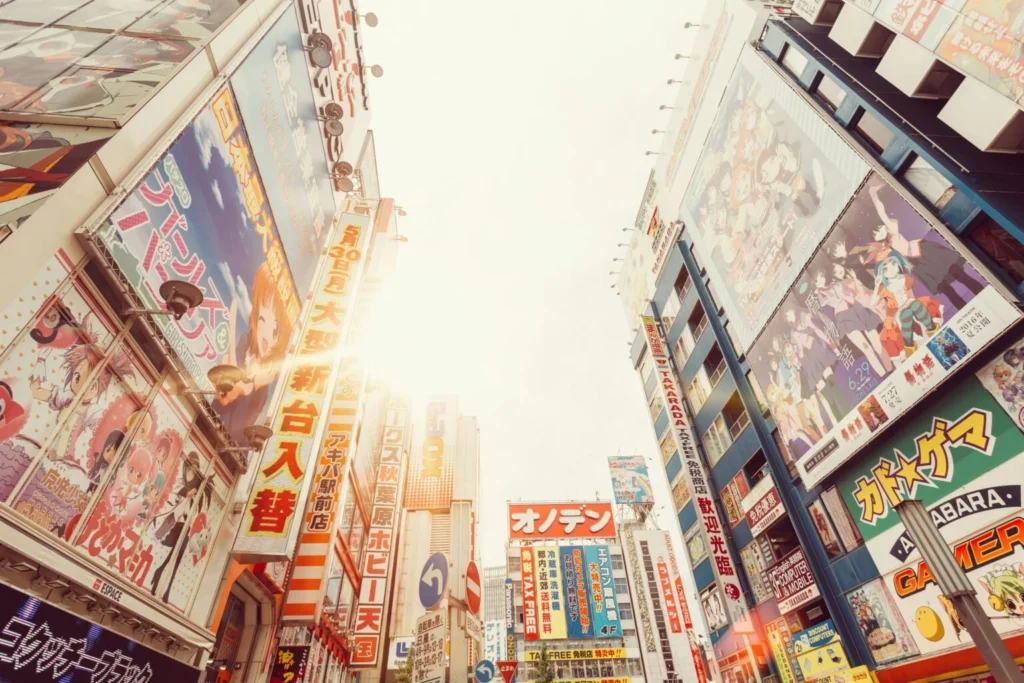
Spend the morning in Akihabara (Our Akihabara guide here) , Tokyo’s Electric Town. This is where neon signs, manga shops, game stores, electronics, arcades, anime goods, and themed cafés all pile on top of each other in glorious visual chaos. Even if you are not a hardcore anime or gaming fan, it is worth visiting just to see this loud, weird, very Tokyo side of the city.
After Akihabara, head toward Ueno Park for a slower pace. There are museums, temples, a zoo, and open spaces, plus playground breaks if needed. From Ueno, walk toward Yanaka (Our Yanaka guide here), one of Tokyo’s most charming old neighborhoods. Yanaka has low-rise streets, small temples, cemeteries, little shops, and the lovely Yanaka Ginza shopping street.
If Tokyo’s skyscraper side feels too much, Yanaka is the antidote. It is slower, softer, and full of small discoveries — the kind of place where “just a quick walk” becomes the best part of the day.
Day 4: Shibuya, Meiji Jingu, Yoyogi Park, and Shinjuku Views
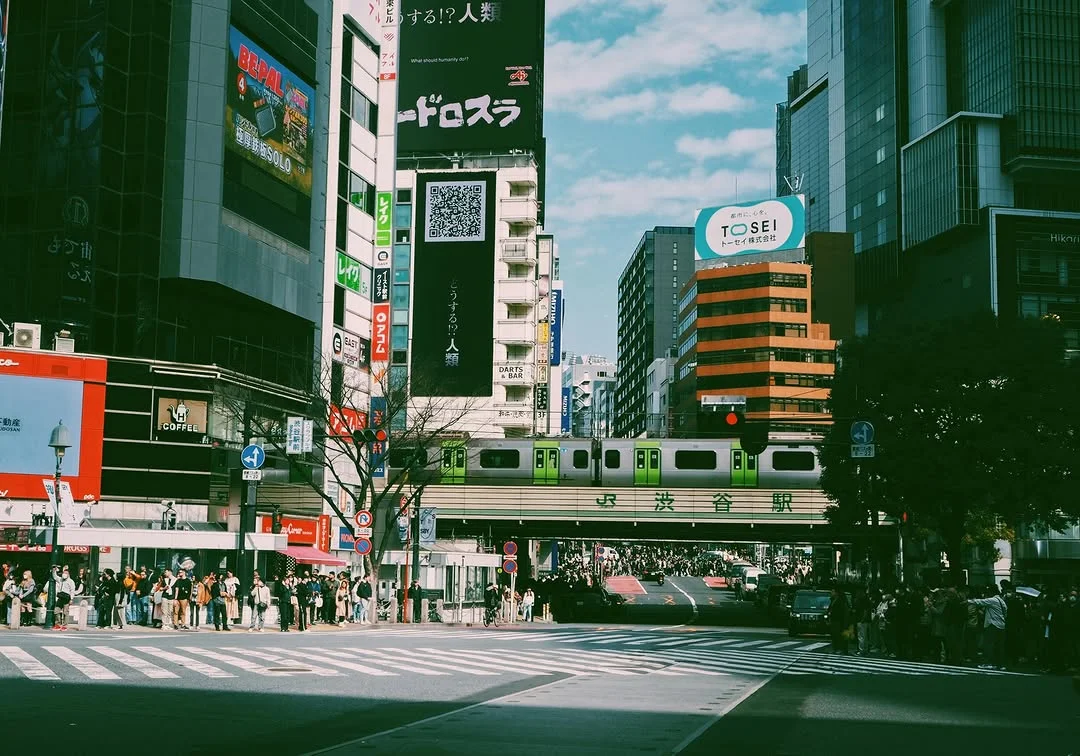
Today is the classic west Tokyo day. Start in Shibuya (Check out our Shibuya guide) for the famous crossing. It is most dramatic when busy, so do not go too early unless you enjoy underwhelming world-famous intersections. From there, continue to Meiji Jingu Shrine, a peaceful shrine hidden inside a forest beside Harajuku.
Next, walk through Yoyogi Park. It is a great place to let kids run, snack, or simply exist without being asked to admire another cultural monument. If you still have energy, continue to Shinjuku and visit the Tokyo Metropolitan Government Building for a free panoramic view of the city.
Family tip: Tokyo works best when you focus on a few neighborhoods each day rather than trying to cross the entire city repeatedly. The trains are excellent, but tired children do not care about excellent infrastructure. They care about snacks and sitting down.
Days 5–8: Kyoto
On Day 5, take the Shinkansen from Tokyo to Kyoto. It is fast, smooth, and honestly one of the easiest long-distance train journeys you can do with kids. Bring snacks, book seats if you want peace of mind, and enjoy watching the scenery change from city sprawl to mountains, fields, and smaller towns.
Kyoto is also a big city, but it feels different from Tokyo. It is surrounded by mountains, crossed by rivers and canals, and full of temples, shrines, narrow lanes, traditional houses, and quiet corners. It is also very good for wandering, cycling, and getting “accidentally” lost in photogenic streets. Terrible hardship, obviously.
Day 5: Travel to Kyoto and Explore Gion
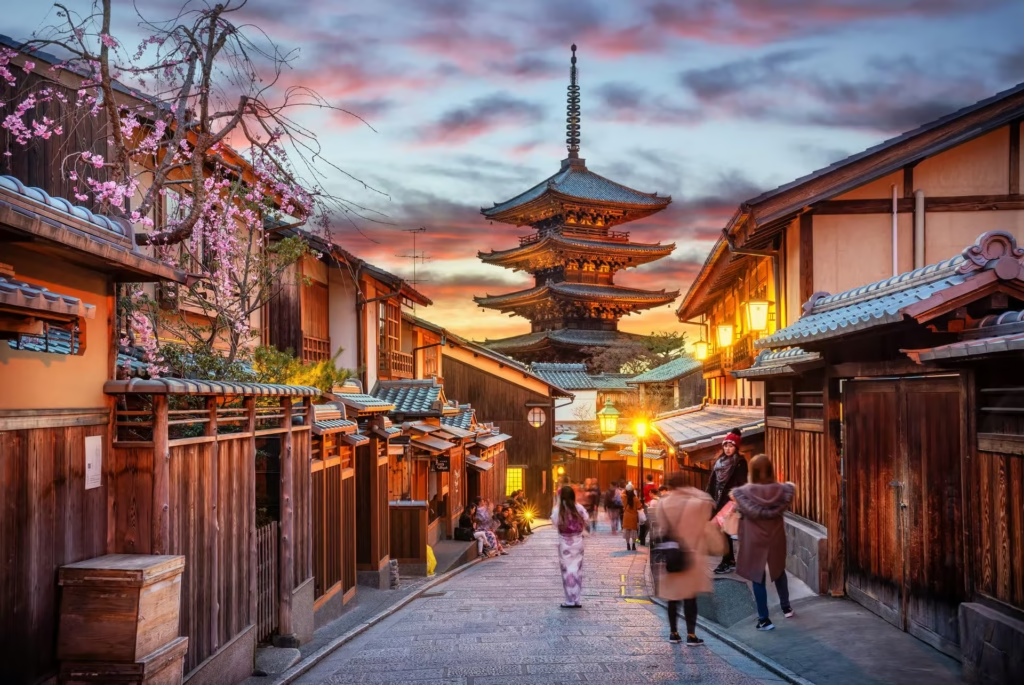
After arriving in Kyoto, keep the day light. Check into your accommodation (Check our post Where To Stay in Kyoto), then head to Gion, Kyoto’s famous geisha district. The streets are atmospheric, with old wooden buildings, teahouses, shrines, shops, and restaurants.
Do not treat Gion like a checklist. Just wander. Cross the little bridges, peek down side streets, and enjoy the evening light. With kids, stop often. Kyoto rewards slow walking much more than forced efficiency.
Day 6: Heian Shrine, Philosopher’s Path, and Eastern Kyoto
Start with Heian-jingu Shrine, a large and striking Shinto shrine with a huge gate and spacious grounds. If there is a performance or cultural event happening during your visit, even better — Kyoto loves giving you little moments that feel accidentally cinematic.
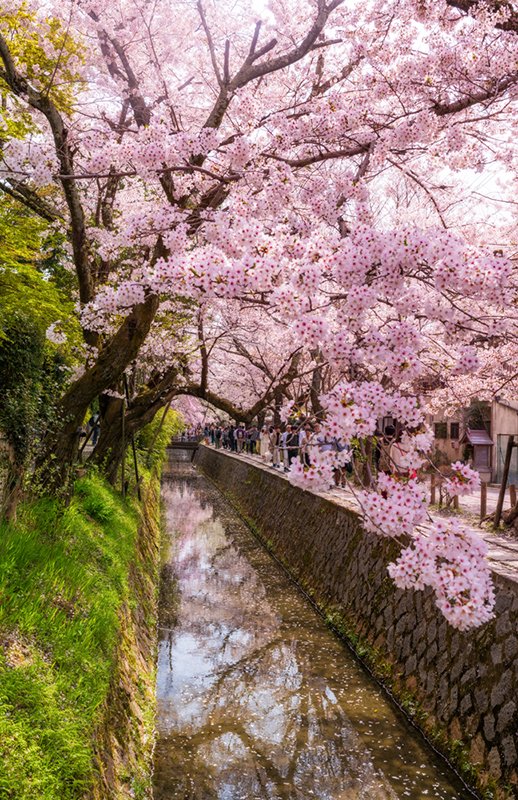
From there, make your way toward the Philosopher’s Path, a peaceful walking route along a canal. It passes temples, small cafés, and quiet residential corners. It is especially beautiful in cherry blossom season, but even outside peak bloom, it is a gentle and family-friendly walk.
If your children are still in good spirits, add one or two nearby temples. If not, do not force it. Kyoto has more temples than your itinerary has emotional capacity. Choose quality over temple fatigue.
Day 7: Kurama, Mountain Air, and an Onsen
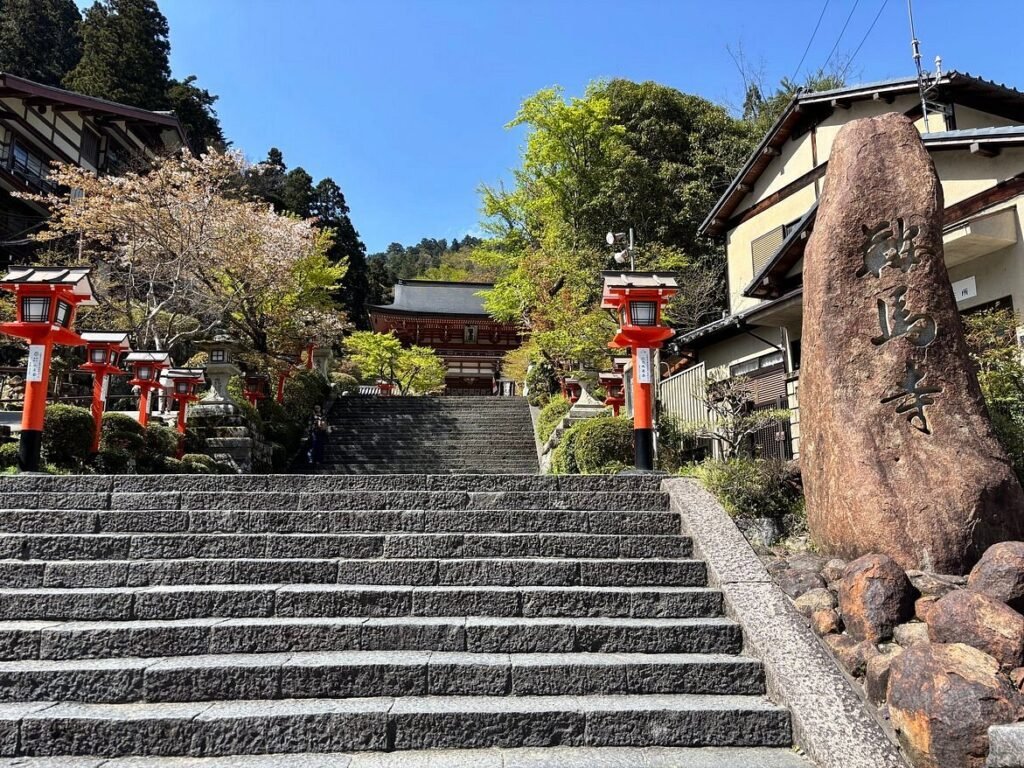
One of Kyoto’s best surprises is how quickly you can escape into nature. Take the train to Kurama, a mountain village north of the city. The train ride itself is part of the fun: buildings gradually thin out, the city disappears, and suddenly you are in the green hills.
In Kurama, you can visit the temple, ride the funicular, enjoy forest views, or take on a longer walk if your family has the energy. With smaller children, keep it simple. Mountain paths plus tired legs plus parental ambition is a suspicious combination.
End the day with a hot spring if possible. An onsen after a day in the mountains is one of those Japan experiences that makes you briefly forget every travel inconvenience that came before it.
Day 8: Kyoto by Bike, Nishiki Market, and Kiyomizu-dera
Kyoto is fairly flat, and away from the main roads, many streets are pleasant for cycling. If your family is comfortable on bikes, rent bicycles and explore along the river, through backstreets, and between quieter neighborhoods. Child seats are usually available from rental shops, but book or check ahead if you need one.
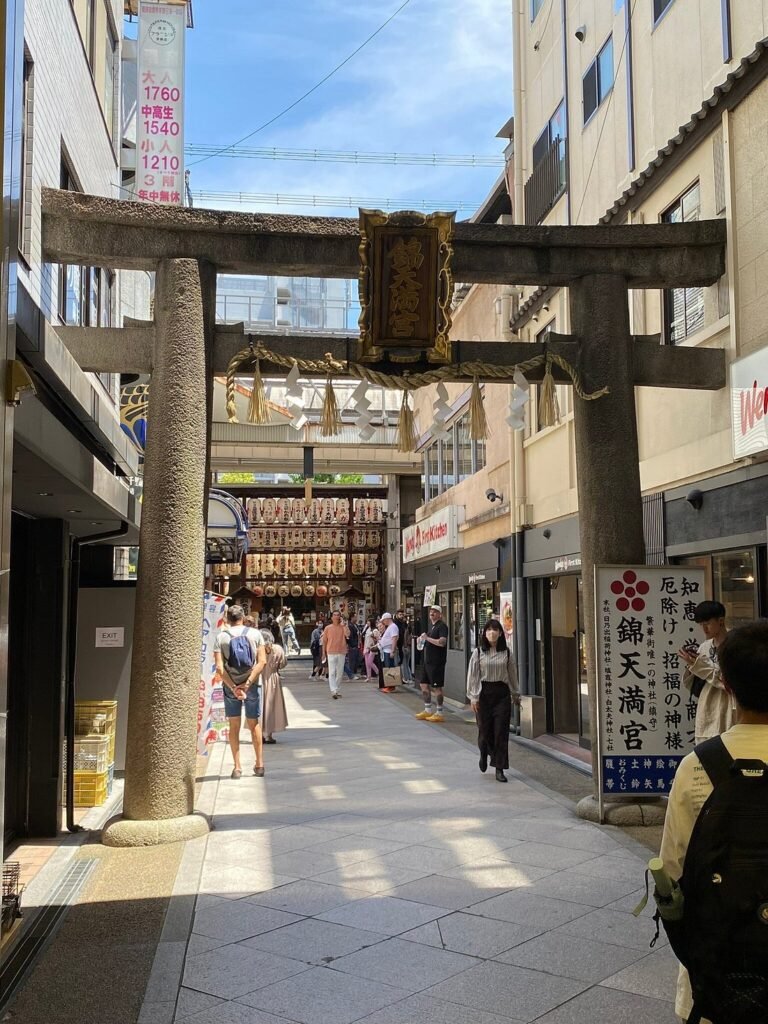
Later, visit Nishiki Market, a long covered shopping street filled with snacks, pickles, sweets, seafood, tea, knives, and all the edible mysteries you did not know you needed. This is a good place to graze rather than sit down for a formal meal.
In the afternoon, head toward Kiyomizu-dera, one of Kyoto’s most famous temples. The walk up through Ninenzaka and Sannenzaka is beautiful but touristy, so expect crowds. The temple views over Kyoto are worth it, especially if you arrive early or later in the day when the tour-group tide begins to soften.
Family tip: Kyoto is wonderful with children if you balance temples with parks, snacks, riverside walks, and play breaks. Do not plan five “must-see” temples in one day unless your children have secretly been replaced by calm elderly historians.
Day 9: Nara
Nara is an easy trip from Kyoto, and for a 14-day itinerary, one full day is enough for most families. You can visit as a day trip and return to Kyoto, or stay overnight if you want a slower pace before heading toward Shikoku.
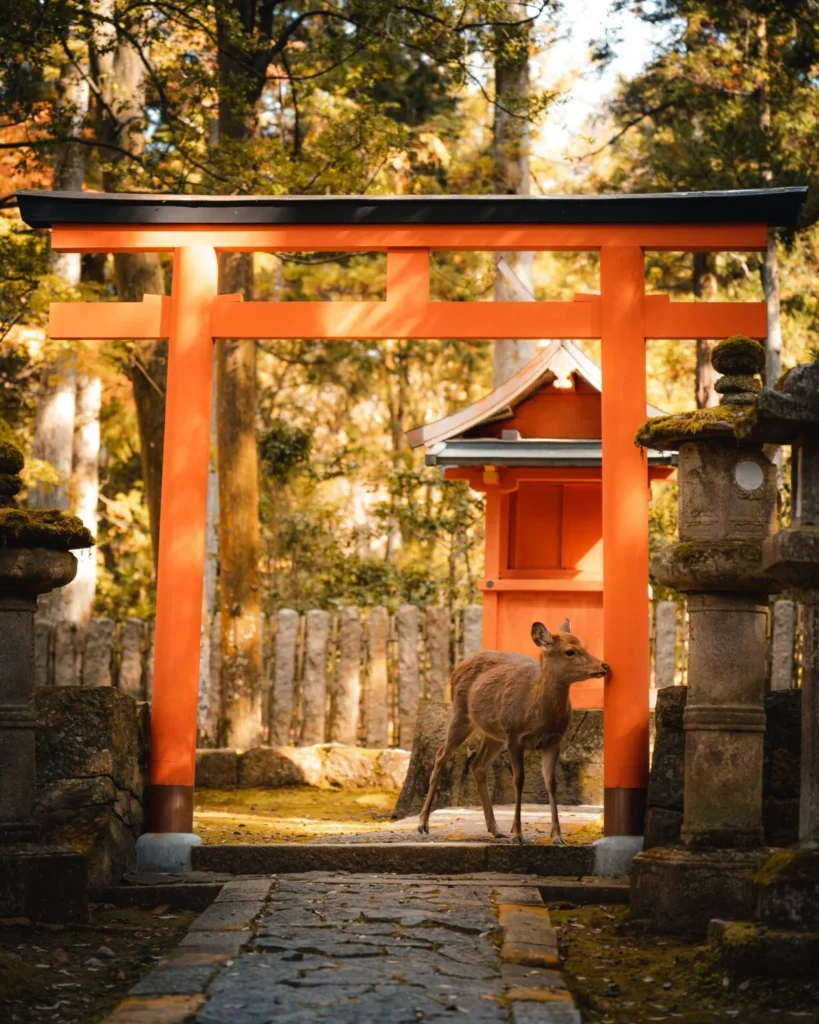
The main reason everyone comes to Nara is the deer. They roam freely around Nara Park, bow for crackers, follow tourists with unsettling confidence, and generally behave like they own the place. Which, to be fair, they basically do.
Beyond the deer, Nara has beautiful temples and shrines, including Todai-ji, home to a giant Buddha statue. The park itself is large and atmospheric, and it works well for families because sightseeing feels more like wandering through a huge open landscape than dragging children between separate attractions.
Also leave time for Nara’s covered shopping arcade, where you can find local crafts, small restaurants, snacks, and cafés. If you are traveling with children, try to visit the small mechanical toy museum if it is open — it is a charming stop where kids and adults can handle traditional toys and feel briefly like time travel has excellent customer service.
Read our Perfect 1 Day Nara Itinerary: Temples, Nature and Food
Days 10–12: Shikoku
After Tokyo, Kyoto, and Nara, a short Shikoku escape gives this itinerary some fresh air. Shikoku is one of Japan’s four main islands, but it feels much quieter than the big tourist triangle. For families, it is a lovely way to add mountains, hot springs, traditional inns, and slower scenery to the trip.
With only three days, keep Shikoku focused. Do not try to circle the whole island. That would be itinerary violence. Instead, choose a compact route such as Tokushima, the Iya Valley, and Takamatsu.
Day 10: Travel to Tokushima and Ease into Shikoku
Travel from Nara or Kyoto toward Tokushima. This will take a few hours, so treat the day as a transition rather than a heavy sightseeing day. Once you arrive, explore gently, find dinner, and if there is a traditional dance performance or local cultural show available, this is a great introduction to the region.
If you are traveling with children, this is also where you lower expectations. A travel day with one nice dinner and everyone still speaking to each other? Success. Frame it proudly.
Day 11: Iya Valley, Vine Bridges, and Ryokan Time
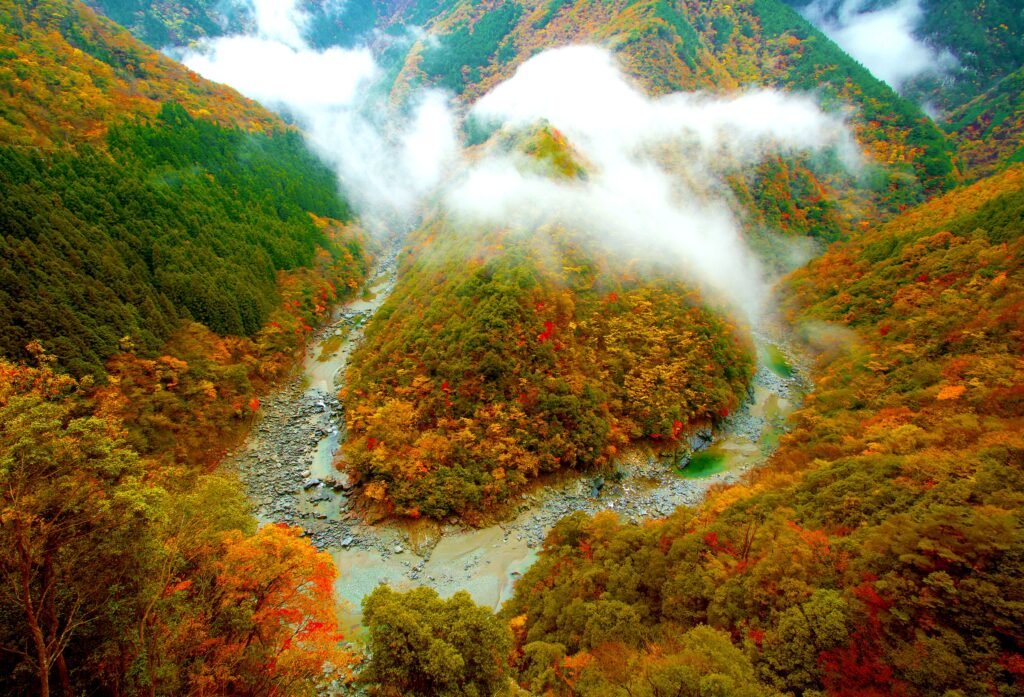
Head inland toward the Iya Valley, one of Shikoku’s most beautiful mountain areas. It is known for steep green valleys, rivers, quiet villages, hot springs, and traditional vine bridges. The famous vine bridge is impressive, slightly wobbly, and exactly the kind of thing that makes children either thrilled or suspicious. Both reactions are valid.
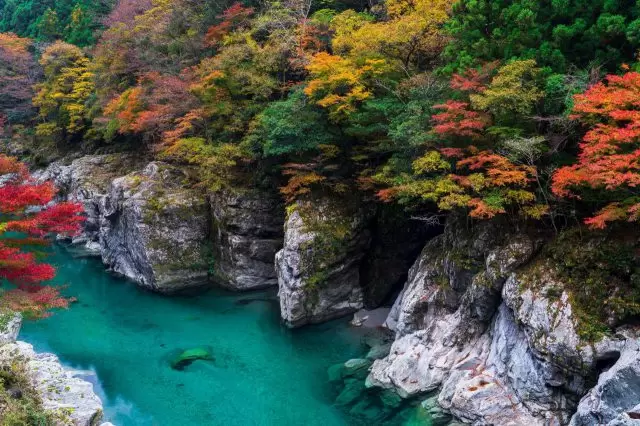
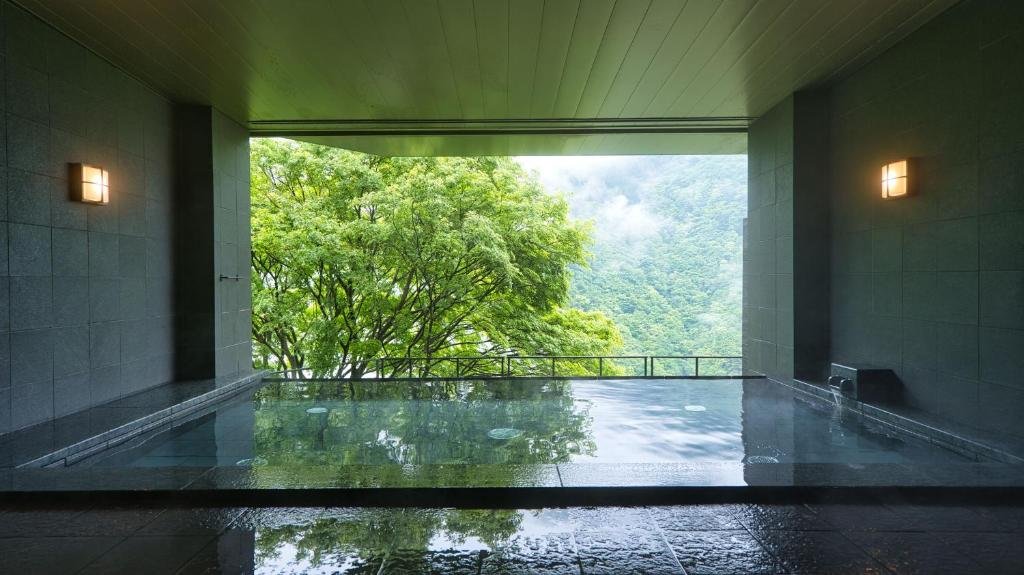
You don’t travel all this way for wild scenery, mountain air, and proper outdoor adventures only to skip the hot springs. Hotel Iya Onsen delivers exactly the kind of steamy, valley-deep magic we’re here for. To reach its rotenburo — the open-air bath — you ride a cable car for about five minutes, dropping roughly 170 meters down into the valley. And in autumn? Expect the whole slope to flare up in color, because apparently the forest likes to be dramatic too.
Keep sightseeing light: the bridge, a viewpoint, a short walk, and hot springs are enough. The point here is not to rush. The point is to let Shikoku be quiet at you.
Day 12: Takamatsu and the Seto Inland Sea
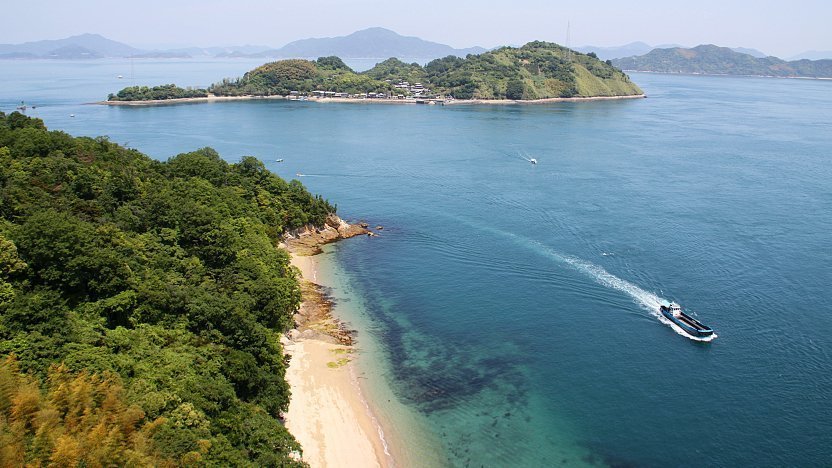
Travel toward Takamatsu, a practical gateway to the Seto Inland Sea. If your timing works, you can take a short ferry to one of the nearby islands or simply enjoy the city at a relaxed pace.
Depending on your family’s energy, consider cycling on a small island, visiting a garden, or just walking by the port. The Seto Inland Sea has a softer, slower feeling than the big cities, and it gives this 14-day Japan itinerary a different texture before you finish in Osaka.
Family tip: Shikoku is wonderful, but it does require more planning than Tokyo or Kyoto. Check transport connections carefully and avoid changing bases too many times. With kids, one good mountain stay is better than three rushed stops and a suitcase rebellion.
Days 13–14: Osaka
Osaka is loud, hungry, commercial, funny, and a little chaotic. It may not charm everyone immediately, especially after Kyoto’s temples and Shikoku’s mountains, but it is still worth ending here for food, easy transport, and a final burst of urban Japan.
For families, Osaka works best when you do not treat it like a polished cultural capital. Treat it like a giant food playground with some excellent rainy-day attractions and a castle thrown in for historical balance.
Read our full guide: Things to Do in Osaka with Kids: Best Family Attractions, Playgrounds, Museums and Food Spots
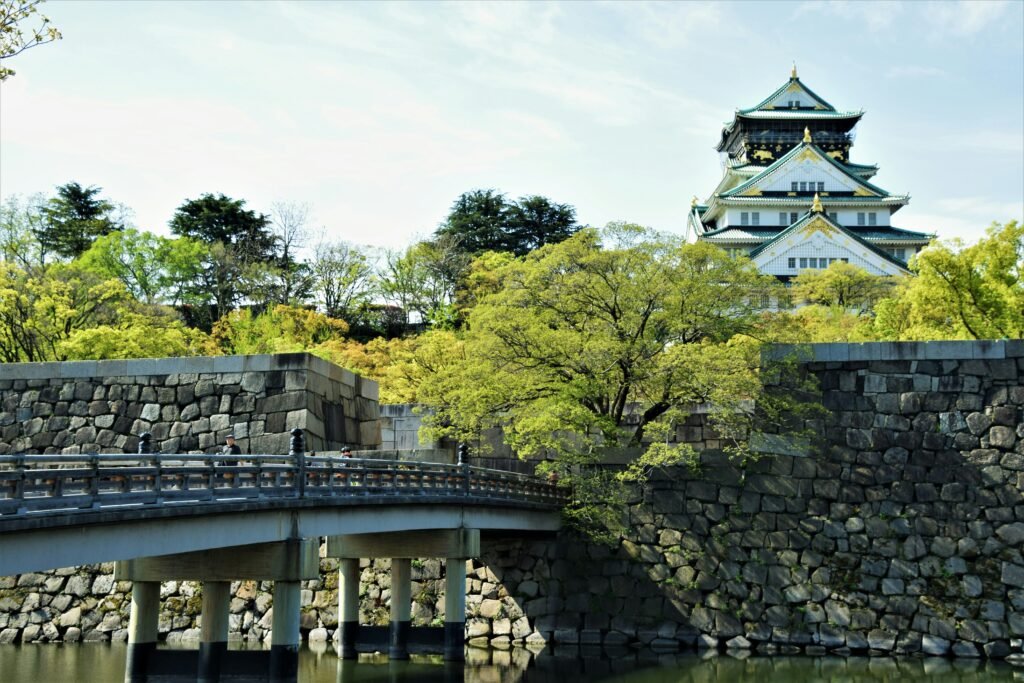
Day 13: Osaka Castle, Tenjinbashisuji, and the Museum of Housing and Living
Start with Osaka Castle. The current castle is a reconstruction, but the building is striking, and the museum inside gives an introduction to the city’s history. The best part may be the view from the top, where you get a 360-degree panorama of Osaka. If your children like elevators, heights, or dramatic buildings, this is an easy win.
Later, visit the Osaka Museum of Housing and Living, which recreates an Osaka neighborhood from the 1830s. It is indoors, visual, and much more fun than a standard history museum. You can walk through old-style streets, houses, and shops, and sometimes kimono rental is available for photos.
From there, walk along Tenjinbashisuji, Japan’s longest covered shopping street. It is perfect if the weather is bad, if everyone wants snacks, or if you enjoy long arcades where “just a quick look” becomes a whole afternoon.
Day 14: Kids Plaza, Dotonbori, or Minoh Park
For your last day, choose based on weather and energy.
- If you have kids who need play time: go to Kids Plaza Osaka, a mix of science museum and indoor playground.
- If you want classic Osaka chaos: explore Dotonbori, with its giant signs, food stalls, restaurants, lights, and crowds.
- If you need nature before leaving Japan: take a trip to Minoh Park, about 15 kilometers north of Osaka, for a walk to the waterfall.
Dotonbori is touristy, noisy, and completely over-the-top, but it is also very Osaka. Go for takoyaki, okonomiyaki, neon signs, and the feeling that the city has decided moderation is for other prefectures.
Minoh Park, on the other hand, is a peaceful escape with a walk to a waterfall, little restaurants, temples, shops, and the local specialty: momiji tempura, or fried maple leaves. Yes, really. Japan looked at a leaf and said, “Snack?” Respect.
If you are flying out of Kansai or continuing elsewhere in Japan, keep this final day flexible. Ending a two-week family trip with a relaxed morning is much better than sprinting through Osaka with luggage, children, and unrealistic confidence.
Is 14 Days Enough for Japan with Kids?
Yes — 14 days is enough for a first family trip to Japan, as long as you do not try to see everything. This route gives you Tokyo, Kyoto, Nara, Osaka, and a short nature-focused escape in Shikoku. That is already a lot.
The trick is to accept that you will miss things. You will not see every temple in Kyoto. You will not visit every Tokyo neighborhood. You may skip the Golden Pavilion, Kyoto Tower, or half the museums on your list. This is not failure. This is sanity.
Japan is incredibly easy to travel around, but family travel has its own rhythm. Children need parks, snacks, rest, laundry, playgrounds, and random time to stare at vending machines. Build that into the itinerary, and the whole trip becomes much better.
Our Impressions of Japan as a Family Destination
Japan is one of the easiest countries we have traveled in as a family. Before arriving, we worried about the language barrier, public transport, food, costs, and the general intensity of moving around with a child. In reality, Japan felt safe, clean, organized, welcoming, and surprisingly manageable.
Japan Is Easier Than It Looks
At first glance, Japanese train maps look like someone spilled noodles onto a planning board. But once you start using the system, it is much less terrifying. Stations are well organized, trains are frequent, and many signs include English or Romanized station names.
Connections between trains, subways, and buses are usually smooth, and Google Maps is extremely helpful. You still need patience, especially in huge stations like Tokyo, Shinjuku, or Osaka, but overall, getting around Japan is far easier than it looks from the outside.
Japan Feels Very Safe
Japan feels incredibly safe for family travel. You will see children commuting alone, people sleeping on trains with bags in their laps, and a general level of social trust that can feel almost unreal if you are coming from many Western countries.
Of course, you still need normal travel awareness. But the overall feeling of safety makes family travel much less stressful.
Japanese Food Is Great for Kids
If your child does not love spicy food, Japan is a relief. Many everyday dishes are mild, comforting, and easy for kids to try: ramen, udon, rice bowls, sushi rolls, tempura, gyoza, curry rice, grilled fish, omelets, convenience-store snacks, and more.
Small restaurants can be affordable, and convenience stores are genuinely useful for quick meals, drinks, snacks, and emergency “we need food now” moments. Which, on family trips, is not an emergency. It is a recurring theme.
Japan Is Clean, But Trash Cans Are Rare
Japan is famously clean, yet public trash cans can be surprisingly hard to find. The usual solution is to carry a small bag for your rubbish and throw it away later at your accommodation or where bins are available.
This is especially important with kids, because snacks create wrappers, wrappers create clutter, and clutter creates the kind of backpack archaeology nobody asked for.
Practical Tips for a 14-Day Family Trip to Japan
Transport: Should You Get a Japan Rail Pass?
Do the math before buying a Japan Rail Pass. It can be worth it if you are taking several long-distance Shinkansen journeys, but it is not automatically the best choice for every family itinerary.
For this 14-day route, compare the cost of individual tickets for Tokyo to Kyoto, Kyoto/Nara to Shikoku, Shikoku to Osaka, and any other major trips. If the total is not clearly higher than the pass price, individual tickets may be simpler.
Also remember that local transport in cities usually is not covered in the way travelers imagine. Japan has many train companies, subway systems, buses, and private lines. The pass is useful, but it is not a magic wand. A shame, honestly.
Use an IC Card for Local Transport
An IC card such as Suica, Pasmo, or Icoca makes city transport much easier. Instead of buying individual tickets for every subway, train, or bus ride, you tap in and out using prepaid credit.
You can also use IC cards in many convenience stores, vending machines, lockers, and shops. For families, this removes a huge amount of small daily friction. Anything that avoids a ticket-machine debate while a train is arriving deserves applause.
Accommodation: Apartments Can Work Well for Families
For family travel, apartments or apartment-style hotels can be very useful. Having a washing machine, small kitchen, dining space, and separate sleeping area can make the trip much easier than staying in tiny hotel rooms every night.
In Tokyo, areas like Asakusa can be especially good for families because they are calmer, atmospheric, and well connected. In Kyoto, staying near a subway or useful bus route matters more than being beside one famous temple. In Osaka, pick somewhere with good access to the places you actually plan to visit, not just somewhere that looks central on a map.
Pocket Wi-Fi or eSIM Makes Life Easier
Having reliable internet in Japan is extremely useful, especially for Google Maps, train connections, restaurant searches, translation, and checking opening times. You can use a pocket Wi-Fi device, an eSIM, or a local SIM depending on your phone and travel style.
For families, internet access is not just convenient. It is the difference between “we calmly found the next train” and “we are standing in a station corridor looking betrayed by technology.”
Cash Is Still Useful
Japan is much more card-friendly than it used to be, but cash is still useful, especially for smaller restaurants, temples, buses, markets, lockers, and rural areas. Keep some yen with you at all times.
Foreign cards usually work well at ATMs in convenience stores such as 7-Eleven and at post offices. Do not wait until you have 300 yen left and one hungry child before looking for an ATM. That is not budgeting. That is theatre.
Japan with a Baby or Toddler
Japan is surprisingly practical with babies and toddlers. Public toilets are usually clean, and changing tables are common in stations, department stores, museums, and larger public facilities. Many restrooms also have baby seats inside the stall, which is a tiny miracle if you are traveling alone with a child.
Strollers are generally manageable in Japanese cities thanks to elevators and accessible stations, though some older areas, small restaurants, and busy streets can still be awkward. A lightweight stroller or carrier can be useful, depending on your child’s age and your itinerary.
Diapers and baby products are available, but not always in convenience stores. Larger supermarkets, drugstores, and baby stores are better places to look. If your child uses specific products, bring enough for the first few days so you are not hunting for them immediately after arrival.
Playgrounds Are Worth Planning Around
Japan’s big cities do have playgrounds, but they are not always obvious. Before booking accommodation, check whether there is a park or playground nearby. A good playground at the end of the day can save everyone’s mood.
This is not a minor detail. Children need space to play without being told to be quiet in temples, trains, museums, restaurants, shops, and hotel corridors. Find playgrounds. Use them. Worship them quietly.
Final Thoughts: Is Japan Worth Visiting with Kids?
Yes. Japan is a fantastic family destination: safe, clean, efficient, delicious, varied, and full of experiences that work for both adults and children. In two weeks, you can see futuristic Tokyo, atmospheric Kyoto, deer-filled Nara, mountain scenery in Shikoku, and food-obsessed Osaka without turning the trip into a military campaign.
The main rule is simple: do less than you think you can. Japan rewards curiosity, but it also rewards patience. Leave space for playgrounds, train snacks, riverside walks, convenience-store discoveries, quiet temples, and moments where nobody is “making the most of it” for a while.
- Nagoya rainy day with kids in 2026 (Cool Indoor Things to Do )
- Best Gachapon in Tokyo (2026): 20 Places to Find Capsule Toys
- All Japanese KitKat Flavours List: The Ultimate Japan KitKat Guide
- Sapporo rainy day with kids (2026): 7 Cool Indoor Things to Do
- What To Do In Arashiyama With Kids: A Realistic One-Day Family Itinerary