
I spill travel tips , and show you the Japan that tourists usually miss.
Welcome to Kyoto, Japan’s cultural heart—the place where so many “classic Japan” moments were born (tea culture, Zen aesthetics, shrine etiquette, seasonal rituals… the whole mood). On this trip, we went all in: 18 temples/shrines and sacred sites—a mix of hidden pockets of calm and headline landmarks—plus five totally different tours that cracked open Kyoto’s culture and history from multiple angles. Everything else? We wandered, got happily lost, and kept stumbling into that Kyoto magic where a modern street suddenly turns into a lantern-lit time capsule.
In this article, we’re taking you through five best Kyoto experiences: a tranquil Zen day, a breezy e-bike deep dive, an atmospheric night walk through Gion, a proper tea ceremony, and a dreamy light-art evening in the Botanical Garden.
More Kyoto ideas for your trip
- ➡️ Traveling as a family? Read our guide to the best things to do in Kyoto with kids.
- ➡️ Hungry? Discover where to eat in Kyoto– 20 famous restaurants perfect for lunch or dinner
- ➡️ Looking for quiet, lesser-known places with atmosphere? Explore these hidden gems in Kyoto.
- ➡️ Want to turn your trip into something memorable? Browse our favorite tea ceremonies in Kyoto.
- ➡️ Staying with children? Here are our picks for the best family-friendly hotels in Kyoto.
- ➡️ Prefer stylish stays with character? Start with these boutique hotels in Kyoto.
- ➡️ Building a more romantic Kyoto itinerary? Don’t miss our roundup of romantic things to do in Kyoto.
- ➡️ Heading out after dark? Pair your itinerary with our guide to Kyoto nightlife.
Table of Contents
The 18 Kyoto temples and shrines (and other sacred stops) we visited
- Komyo-in
- Tofuku-ji
- Shorin-ji
- Chishakuin
- Sanjusangen-do
- Hokan-ji
- Ryozen Kannon
- Nishiki Tenmangu
- Tatsumi jinja
- Heian jingu
- Nanzen-ji
- Honenin
- Shimogamo
- Sento Palace
- Yasaka
- Seigan-ji
- Hozo-ji
- Fushimi Inari Taisha
Our top 3
- Fushimi Inari Taisha
- Honenin Temple
- Ryozen Kannon Temple
5 Best Kyoto Experiences
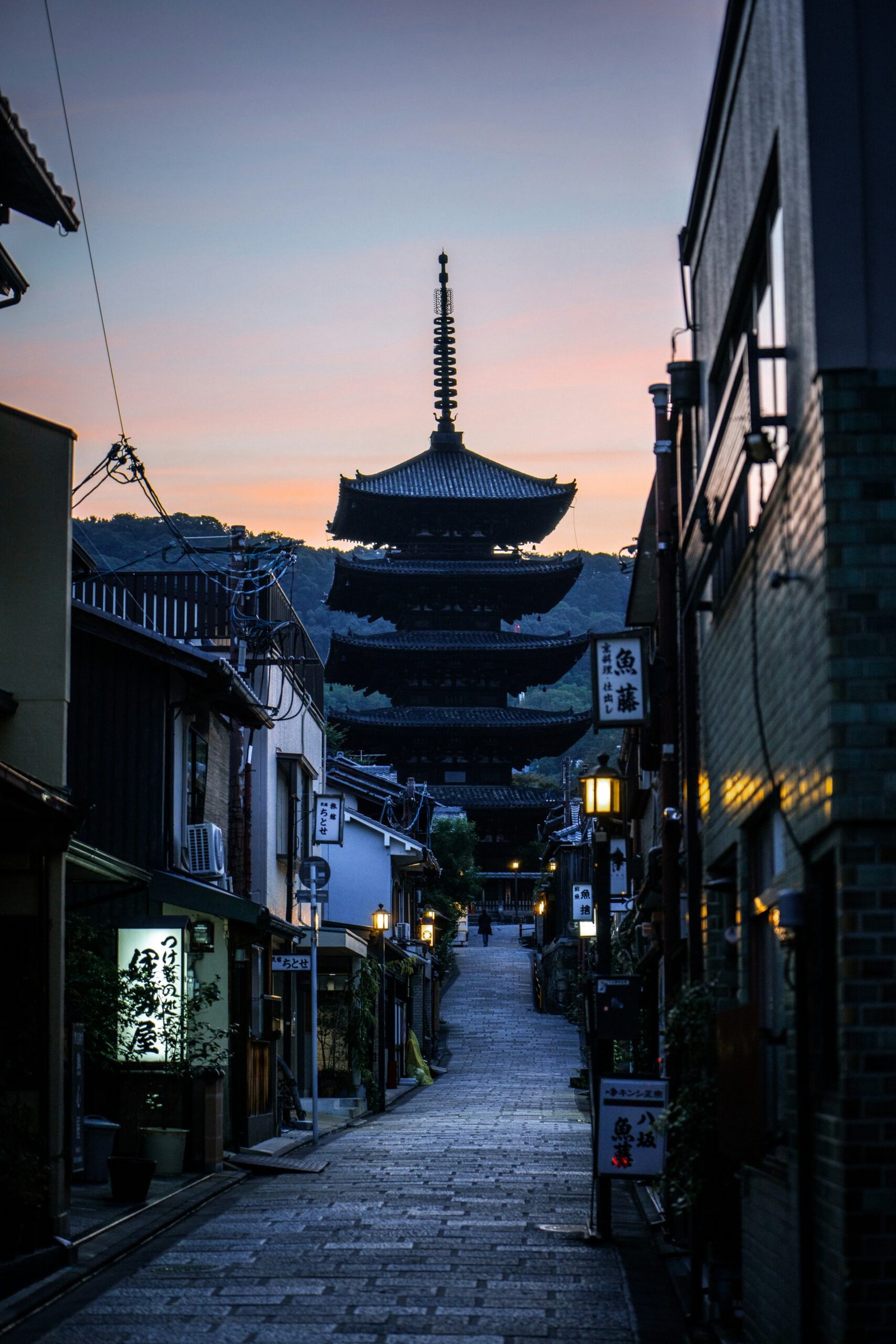
Here are our personal highlights—five experiences that made Kyoto feel layered and alive. We went from the quiet discipline of Zazen to the freedom of cycling through shrine-lined streets, then into Gion after dark when the lanterns do most of the talking. Add a tea ceremony that felt like watching living art, and a nighttime light show in the Botanical Garden that turned plants into a glowing dream.
Weather note (late October)
At the end of October, Kyoto stayed around 22–25°C, often cloudy and very humid. One guide mentioned it was still roughly 6°C above average at that time. Across Japan in October, we saw a broad range—about 19–29°C—with Koyasan feeling the coldest and Osaka the warmest.
Experience #1: Zen Meditation & Garden Tour (Komyo-in + Zazen with a monk)
We left Hiroshima early to make our Zen Meditation & Garden Tour with Magical Trip—and it ran like a well-oiled Japanese train schedule: smooth, punctual, no drama. We even managed to drop our luggage at the accommodation before meeting the group.
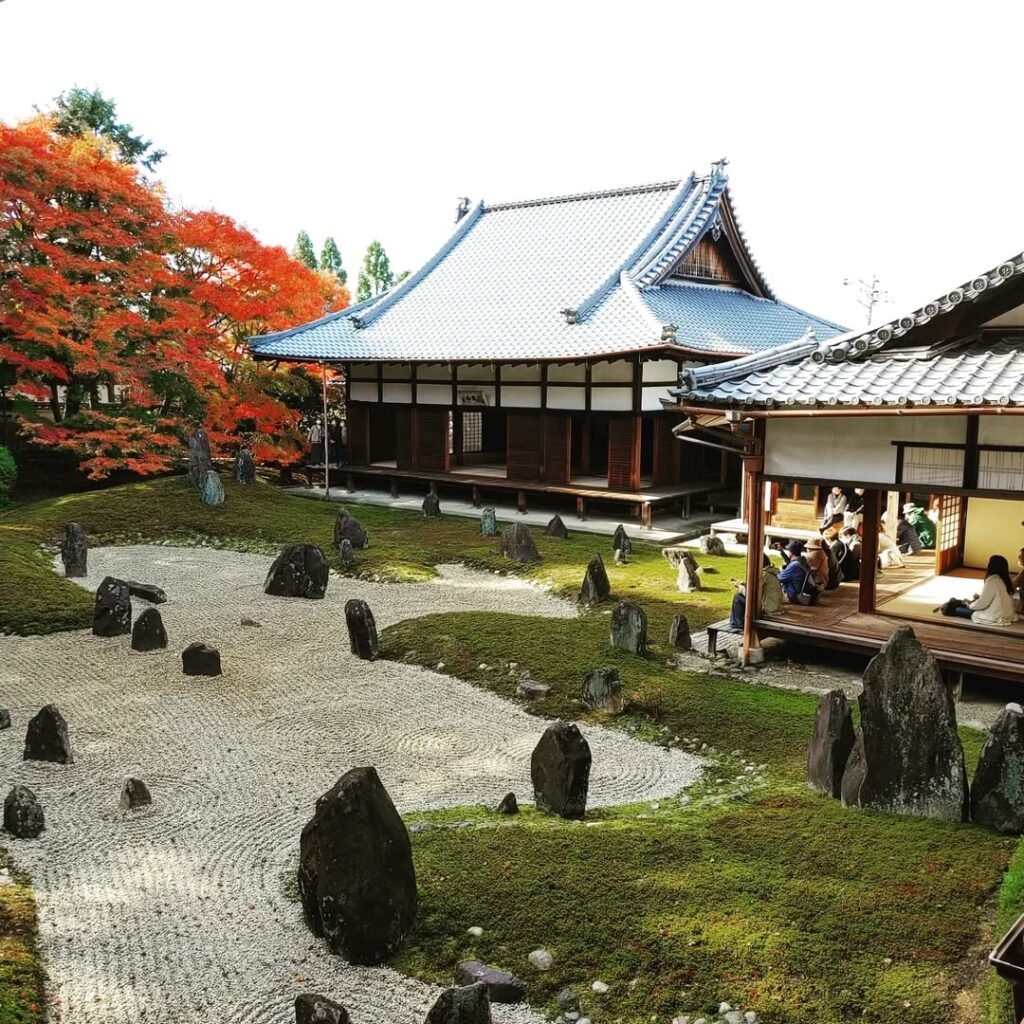
Our first stop was Komyo-in Temple, a sub-temple of Tofuku-ji. The second we stepped inside, Kyoto’s volume knob turned down. Komyo-in is known for Buddhist art and statues, but its real superpower is the Zen garden: calm, balanced, and so intentional it almost feels like the air is arranged.
The Zen Garden (why it’s memorable)
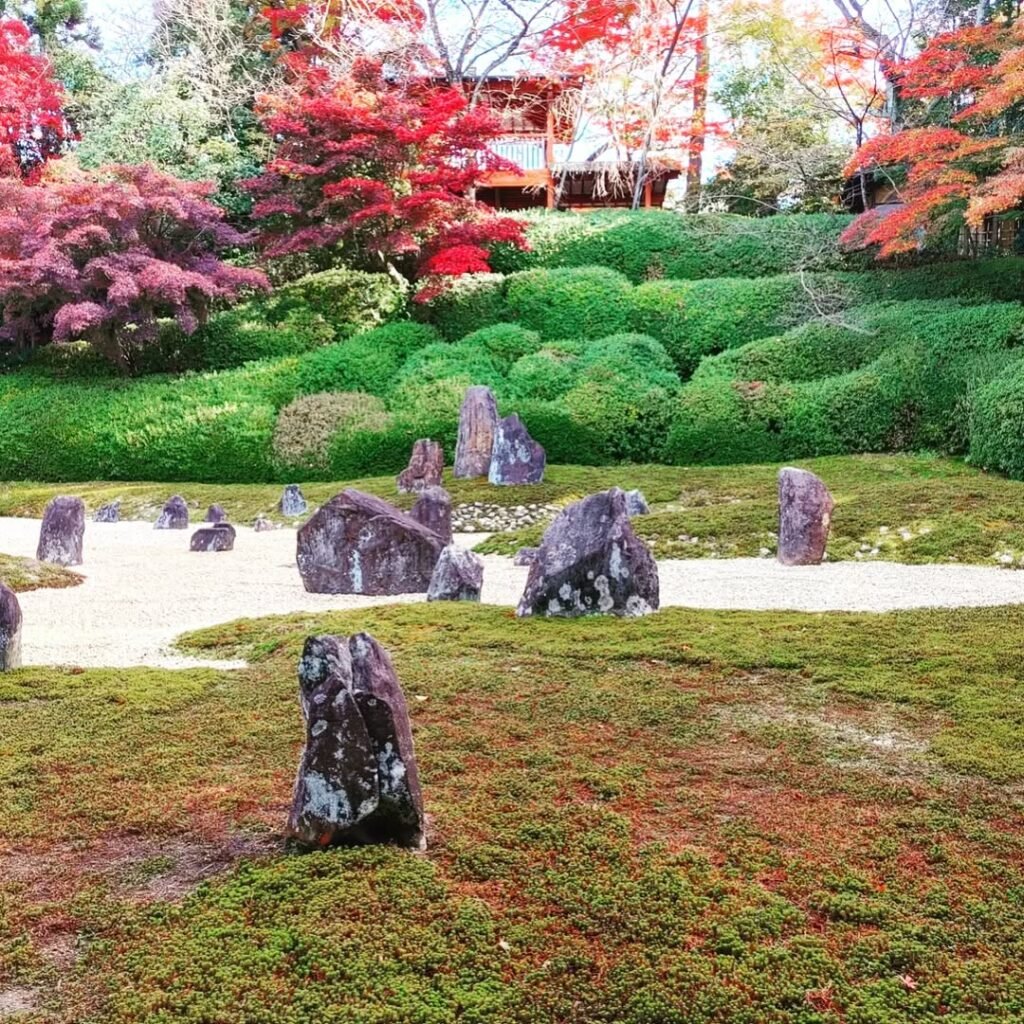
The main garden, Zen Garden, is a dry landscape garden created in 1939. Here, 75 stones sit on velvety moss and white pebbles—often interpreted as an ocean and rocks. Even the architecture participates: windows, walls, and shoji carry moon imagery, and the teahouse is positioned so the moonrise in the east becomes part of the scene from the garden.
Visiting hours: approx. 7:00 a.m. to sunset (season-dependent)
Entrance fee: 500 yen
Did you know? Zen gardens don’t use water—raked gravel and sand suggest flow, and every stone and plant is deliberately placed.
Afterward, we joined a Zazen session at Shorin-ji Temple, guided by a monk—one of those experiences that sticks to you long after the trip.
What Zen meditation (Zazen) felt like
In Zazen, the focus is on posture and breath: straight spine, hands folded in the lap, eyes slightly open (to keep the mind from drifting into sleep or fantasy land). The monk guided us into slow inhalations and exhalations—not to “erase thoughts,” but to notice them and let them pass.
Here are the biggest takeaways we wrote down:
- The brain produces a constant stream of thoughts (you’ll often see an estimate of tens of thousands per day).
- Even a simple task like counting breaths can be weirdly hard.
- The goal isn’t to fight thoughts—more like watching them glide past “like scenery from a train window.”
- The skill is not reacting or judging what pops up.
- Our minds usually live in the past or future; Zazen trains the “here and now.”
- Breath is the one lever we can consciously adjust—and it can steady the mind through the body.
What made this tour special
- A full one-hour Zen meditation session
- Context and insight into Zazen from a guide
- A true dry landscape Zen garden moment
- A traditional Buddhist lunch (Shojin Ryori) to round it out
Pro tip: Do this early in your Kyoto stay. It’s like resetting your brain’s tab count before you open 200 new ones.
Close to: Tofuku-ji area (for Komyo-in)
How to do it: book a small-group tour (or go independently for Komyo-in, then choose a temple offering meditation)
Budget: Komyo-in entry + tour fee (varies), plus any lunch add-on
Experience #2: Kyoto e-bike tour
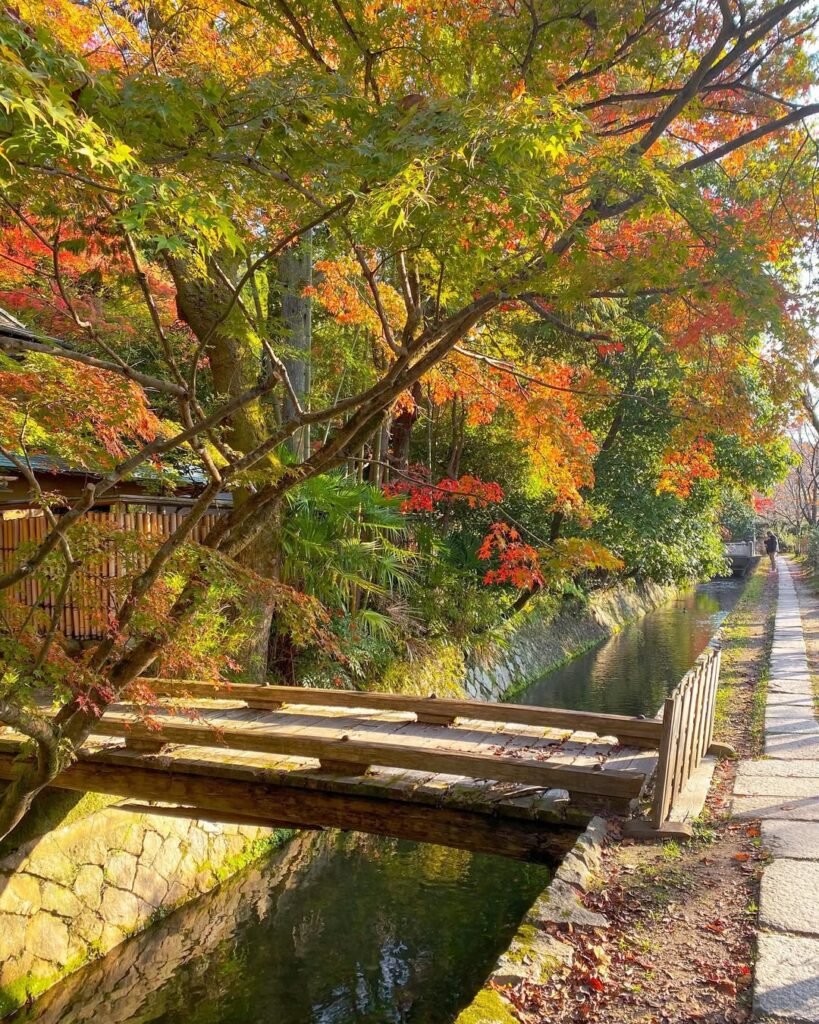
If you want Kyoto to feel wide open, we strongly recommend an e-bike tour with Aska. Ours was four hours, starting at 9:00 a.m., under perfect conditions: bright sun, blue sky, mild warmth—the kind of morning where Kyoto looks like it’s showing off.
E-bikes were comfortable and made distances effortless, which is the secret sauce: you see more, but you don’t arrive exhausted. The route hit big names like Gion, Heian Shrine, and the Kyoto Imperial Palace, but the real joy was the quieter, less-visited corners we would never have found alone.
Our favorite riding segments
- The gentle glide along the Philosopher’s Path
- The atmosphere around Nanzen-ji
- The calm beauty of Honen-in
- The sheer scale of the Kyoto Imperial Palace
Imperial Palace note: the grounds are enormous—allow 10–20 minutes just to walk from the park entrance to the palace area.
If you want Kyoto like a local—relaxed, curious, and slightly smug about how much you’re seeing—this is the move.
Two insider tips we loved
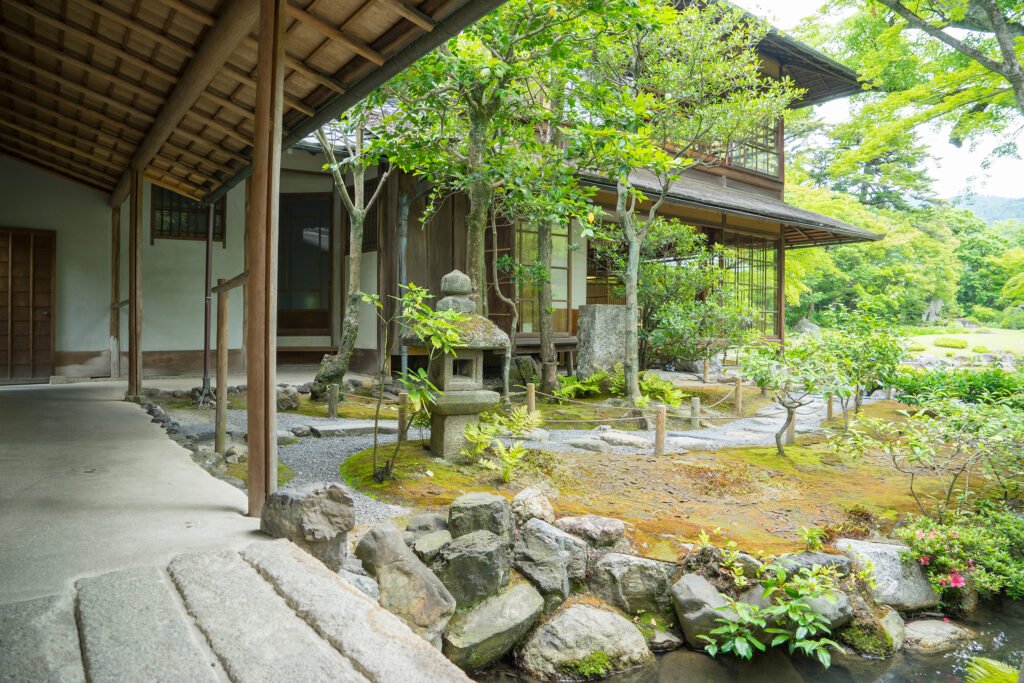
- Murinan Garden near Nanzen-ji: especially beautiful in the rain, designed so a fresh “scene” opens around each corner. Reservation-only entry, hourly slots between 9:00 a.m. and 5:00 p.m., with limited visitors.
- Hyotei next door: a gourmet restaurant with a 400-year history and three Michelin stars (yes, Kyoto plays at that level).
Close to: Higashiyama / central Kyoto corridor
How to do it: book an e-bike tour; bring layers (mornings can be cooler than afternoons)
Budget: tour fee + optional garden reservation fee + snacks (because you’ll deserve them)
Pro tip: Start early. Kyoto looks softer, quieter, and more cinematic before the crowds fully wake up.
Experience #3: Kyoto Night Free Walking Tour (Gion after dark)
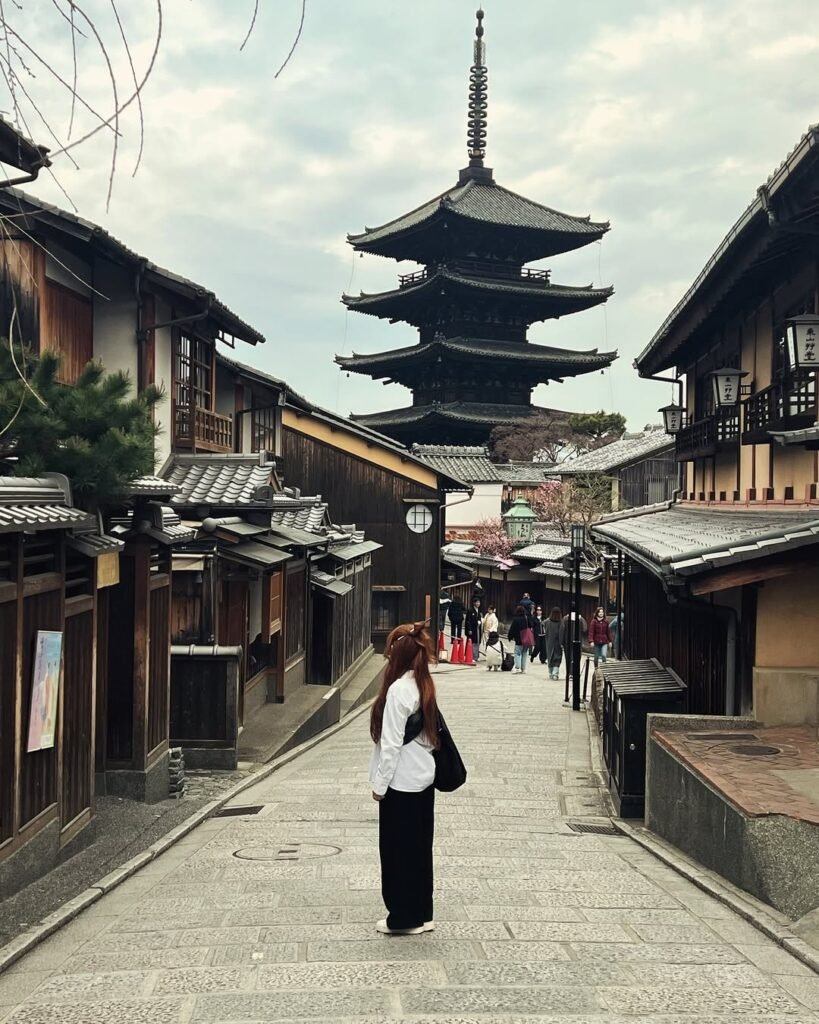
Kyoto in daylight is beautiful. Kyoto at night—especially in Gion—is something else entirely. On the Kyoto Night Free Walking Tour with Kyoto Localized, we walked through lantern-lit lanes, past machiya townhouses, and into the living history of geisha culture.
The tour explores Gion in its calmer hours, when alleyways glow and the district stops feeling like a checklist and starts feeling like a story. Hanamikoji Street is a standout—quietly famous, visually gentle, and still deeply tied to the world of geiko and maiko.
Gion and nearby Higashiyama are among Kyoto’s oldest areas. Even with tourists, the traditional feel survives because so many historic buildings are preserved and still used.
What we learned about geiko and maiko (Kyoto-specific geisha culture)
- Kyoto still has five authentic geisha districts.
- Becoming a geiko is intensive: typically 5–6 years of training (dance, music, performance, etiquette).
- Maiko start young (often around 15) as apprentices. Training is described as “free,” but apprentices traditionally work without pay, and may avoid modern communication during the early period.
- Their hairstyles are maintained with serious effort, and they sleep in ways designed to preserve styling.
- Geiko perform in small private settings (often 5–10 people).
- Many retire in their 30s–40s, traditionally linked to marriage/family timing.
- Japan has far fewer geisha than before; estimates often place the number at around 1,000 nationwide, and many leave early.
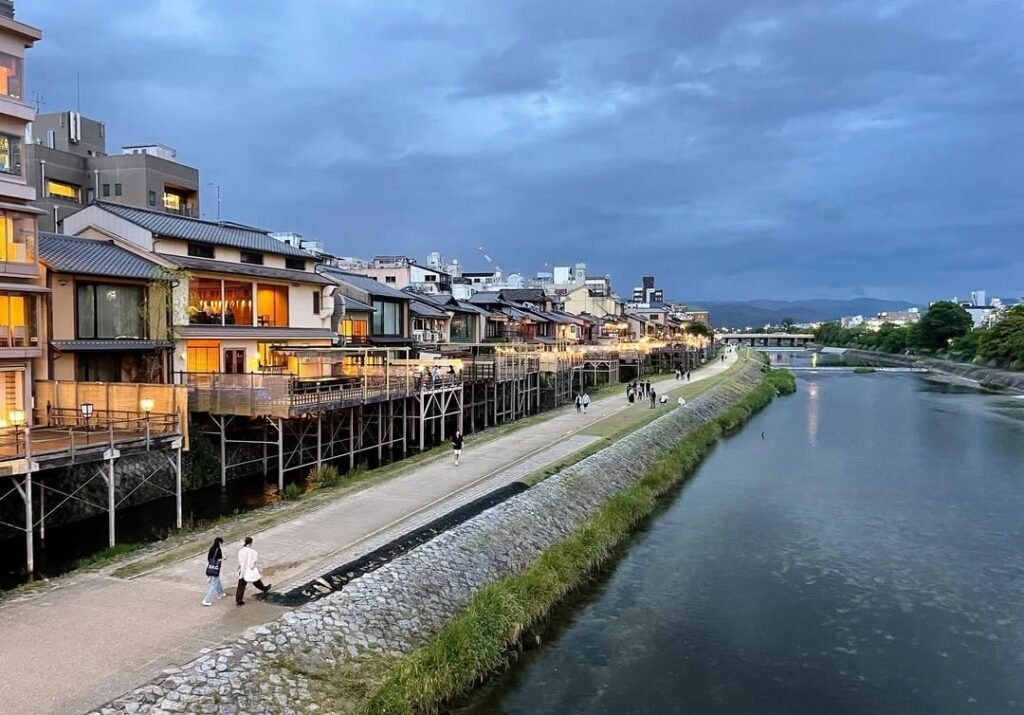
Nearby tip: Pontocho Lane is gorgeous in the evening—traditional teahouses, moody lighting, and an easy place to grab a drink.
Going-out tips
- Jam + Sake Bar (170 Tokiwacho): around 30 regional sakes
- Umineko Koto CRAFT BEER STAND: great craft beer stop
Close to: Gion-Shijo / Kawaramachi nightlife zone
How to do it: join a night walking tour for context (Gion hits differently when you understand the “why”)
Pro tip: Keep your camera respectful—this area has real working culture, not just “tourist scenery.”
Experience #4: Kyoto tea ceremony (Camellia Tea Ceremony)
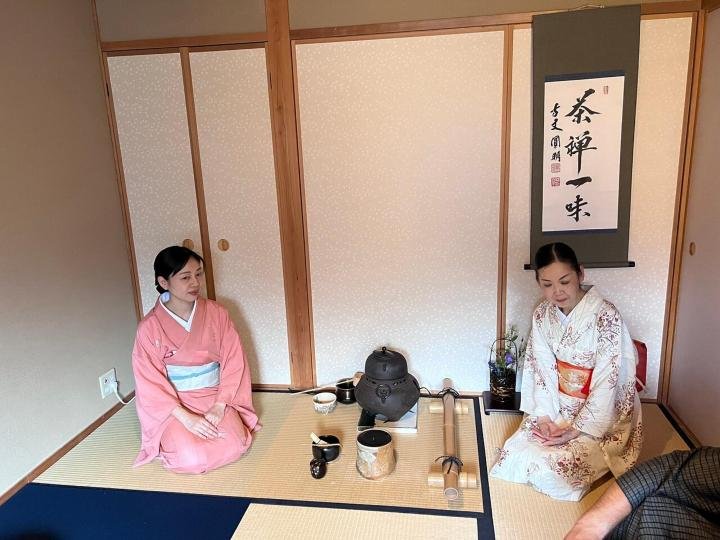
We booked our tea ceremony with Camellia Tea Ceremony, hosted in the Flower Teahouse, shared with two other travelers—small, intimate, and easy to follow even if tea etiquette isn’t your natural habitat.
You can also rent a kimono there (they quoted 6,000 yen for the full day, 9 a.m. to 5 p.m.).
What we learned (and loved)
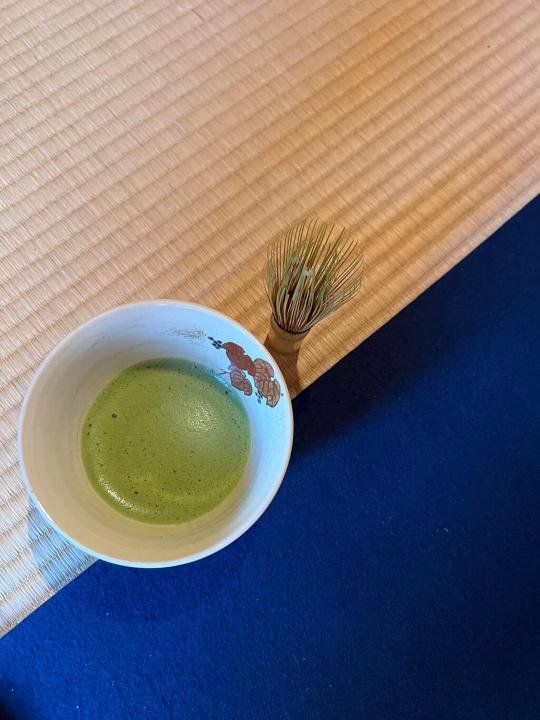
- The tea ceremony is rooted in centuries of tradition and deeply connected to Uji matcha culture.
- Matcha is praised for vitamins/minerals and often associated with “wellness” and anti-aging claims.
- The ceremony isn’t only tea—it’s an embodied form of the Zen principles: Harmony, Respect, Purity, Tranquility.
- The practice is about focusing on one thing, fully.
- A typical tea ceremony can run 1–2 hours (ours was shorter—around 45 minutes).
- “Osakini” (“I go first”) is used as polite etiquette to maintain harmony.
- Tea bowls are treated as artworks: rotated as you drink, handled with a specific routine—right hand to lift, supported by the left.
What captivated us was the precision: every movement felt inevitable, like watching choreography written by centuries. Turning the bowl. The measured pour. The small bow. The silence that somehow felt friendly. Afterwards, we got to prepare our own matcha—suddenly realizing how much skill hides behind something that looks so effortless.
Kyoto Tea Ceremony – My Kyoto Experiences
Every movement was precise, every step made perfect sense. That’s art.
Shopping tip: Ippodo has been selling Japanese tea for over 300 years. The main Kyoto shop has a café and offers tea-making classes.
Close to: central Kyoto (depending on teahouse location)
How to do it: book ahead for small groups
Budget: ceremony fee + optional kimono rental
Pro tip: Don’t schedule this when you’re rushing. The point is slowness.
Experience #5: Kyoto Botanical Garden (Light Cycles)
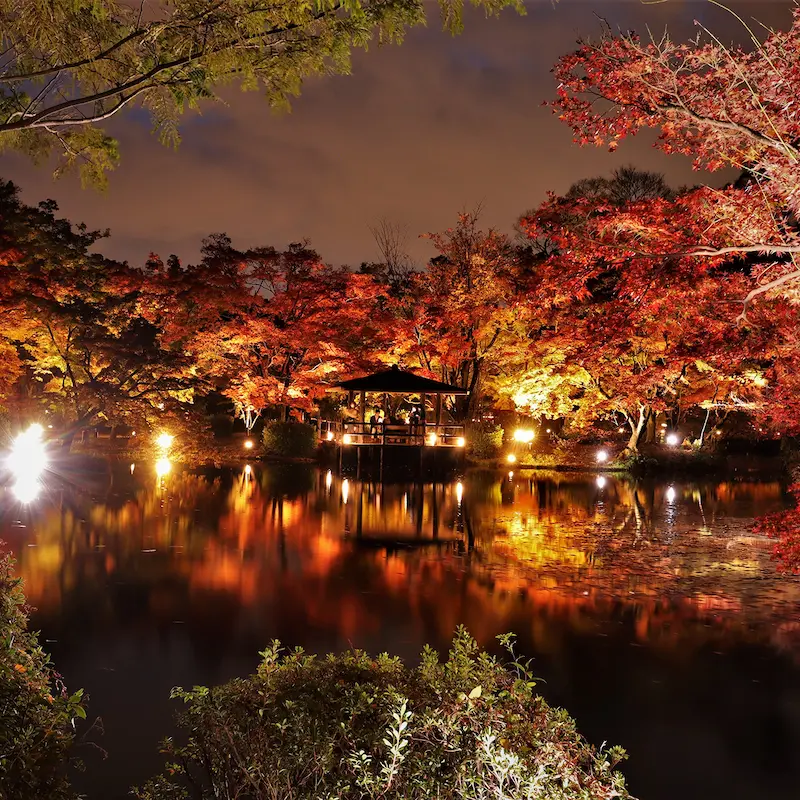
One evening, we visited Light Cycles in the Botanical Garden (running October to December 2024). The combination of nature and modern light art created a calm, slightly surreal atmosphere—plants becoming silhouettes, pathways turning into glowing scenes, and the whole garden feeling like a living installation.
The Kyoto Botanic Garden celebrated its 100th anniversary in 2024 and is considered one of Japan’s leading botanical gardens, with around 12,000 species and about 120,000 plants. Looking forward, the garden aims to contribute to global efforts around biodiversity conservation.
Botanical Garden in Kyoto – Kyoto Experiences
Close to: northern Kyoto (easy as an evening “different pace” activity)
How to do it: check seasonal event dates and entry rules
Budget: garden ticket + event ticket (if separated)
Pro tip: This is a perfect “rest day” activity—your feet get a break, your brain still gets wonder.
What are your personal Kyoto highlights? And if you’ve got a favorite temple that deserves a spot on the next itinerary, we’re always collecting excuses to go back.