
I spill travel tips , and show you the Japan that tourists usually miss.
Worried that rain might throw your Kyoto plans off course? Don’t write the trip off just yet. Kyoto can be just as enchanting — and sometimes even more atmospheric — when the skies turn gray.
In this guide, we’re sharing what to do in Kyoto in the rain, from immersive temple experiences to landscapes that become even more beautiful in the rain. It is a chance to see a different side of the city — quieter, moodier, and every bit as memorable.
More Kyoto ideas for your trip
➡️ Hungry? Discover where to eat in Kyoto– 20 famous restaurants perfect for lunch or dinner
- ➡️ Traveling as a family? Read our guide to the best things to do in Kyoto with kids.
- ➡️ Need an easy lunch stop between rainy-day sights? Check our picks for where to eat in Kyoto with kids.
- ➡️ Looking for quiet, lesser-known places with atmosphere? Explore these hidden gems in Kyoto.
- ➡️ Want to turn a wet-weather day into something memorable? Browse our favorite tea ceremonies in Kyoto.
- ➡️ If you are planning your base carefully, see where to stay in Kyoto for the best neighborhoods and hotel picks.
- ➡️ Staying with children? Here are our picks for the best family-friendly hotels in Kyoto.
- ➡️ Prefer stylish stays with character? Start with these boutique hotels in Kyoto.
- ➡️ Building a more romantic Kyoto itinerary? Don’t miss our roundup of romantic things to do in Kyoto.
- ➡️ Still planning experiences for your itinerary? Here are some of the best Kyoto experiences to book ahead.
- ➡️ Heading out after dark? Pair your itinerary with our guide to Kyoto nightlife.
Table of Contents
1. Slow down at the mountaintop café Mo-An / Jodoji, Sakyo-ku
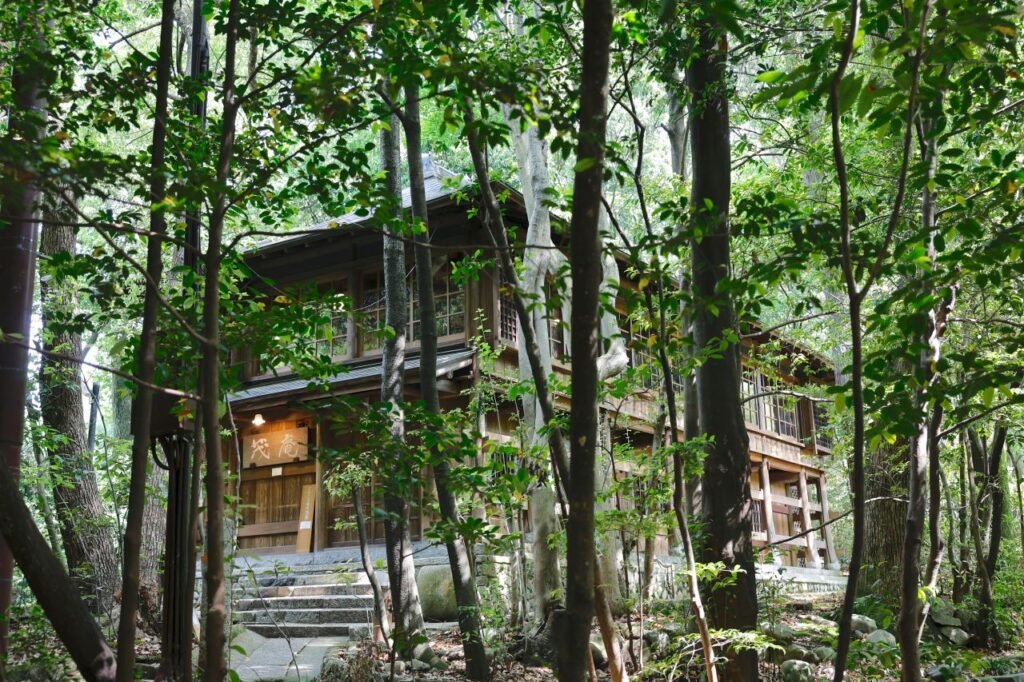
Climbing up Yoshida Mountain already feels like stepping out of the city and into another tempo entirely. And then, tucked along the way, we find Mo-An — a beautifully atmospheric café set inside a building that was originally constructed as a tea room in the Taisho era. Yes, it is exactly the kind of place rainy-day Kyoto dreams are made of.
Inside, tea and sweets arrive in a setting that feels hushed, elegant, and just a little cinematic. From the large second-floor windows, the surrounding greenery spills into view, and when rain begins to fall, the whole scene turns soft and almost unreal. Raindrops sliding through the trees, mist clinging to the leaves, that quiet mountain stillness — it all feels like a film set, except you are actually in it, warm cup in hand.
This is the sort of café where time stretches out. You come here not just to eat or drink, but to pause. To listen. To let the rain do half the work.
- Opening hours: 12:00–17:00 (last order 16:30)
- Closed: Mondays and Tuesdays (open on public holidays)
- Address: 8 Yoshida Kaguraoka-cho, Sakyo-ku, Kyoto City, Kyoto Prefecture (summit of Yoshida Mountain)
- Access: 14-minute walk from the Jodoji bus stop
- Reservations: Preferred
- Website: mo-an.com/
2. Make your own dyed piece and step into Kyoto’s textile culture at ANDO / Gojo
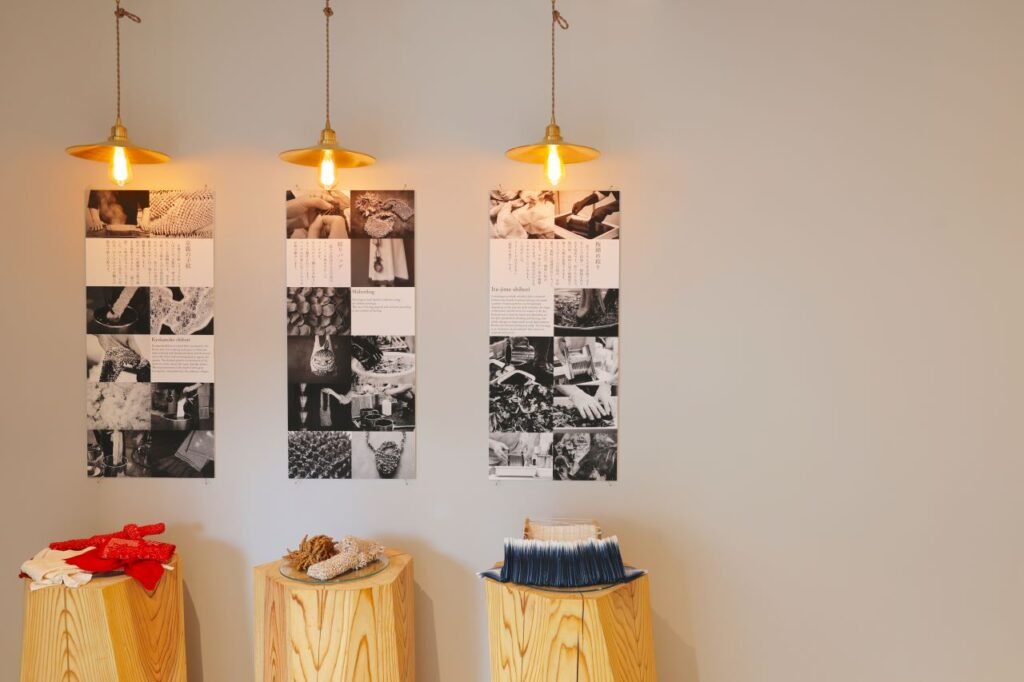
Founded in Kyoto in 1923, ANDO is a long-established maker of traditional Japanese clothing accessories with more than a century of history behind it. That alone would be reason enough to stop by. But what makes this place especially memorable is the hands-on dyeing experience, which lets us do more than just admire Kyoto’s craftsmanship from a distance.
The shop stands along Yanagibaba-dori, an area that was once packed with businesses specializing in dyeing and shibori tie-dye techniques. In other words, this is not some random workshop dropped into a tourist neighborhood. It belongs here. And that sense of continuity is part of the charm.
ANDO created its workshop to make traditional dyeing and tie-dyeing techniques feel approachable again — something to try, not just something to read about in a museum caption. You can choose from easy-to-use items like T-shirts or furoshiki wrapping cloths, then pick your favorite combination from 20 dye colors to create a piece that is entirely your own. Around you, the shop is lined with bright, carefully crafted tie-dyed goods, each one showing off the richness of these time-honored techniques.
It is creative, tactile, and unexpectedly calming. A good rainy-day plan? Absolutely.
- Opening hours: 9:30–17:00
- Closed: Sundays and public holidays
- Duration: 90 minutes
- Experience fee: From 5,500 yen
- Dates: Check the website calendar
- How to apply: Reserve via the website by the day before, or by phone on the day of your visit
- Address: 327 Kashiwaya-cho, Yanagibaba-dori Gojo-agaru, Shimogyo-ku, Kyoto City, Kyoto Prefecture
- Access: 7-minute walk from Exit 1 of Gojo Subway Station / 8-minute walk from Exit 3 of Kiyomizu-Gojo Station on the Keihan Line
- Website: ando-kyo.co.jp/workshop
3. Admire a Japanese garden with exquisite warabi mochi at Rokujuan / Karasuma Oike

Some Kyoto places do not merely serve dessert — they stage it. Rokujuan is one of them.
Set inside the former Kubo family residence, a registered tangible cultural property that was once associated with painter Imao Keinen, this elegant spot makes a strong case for lingering. The building itself is worth the visit, but then there is the garden: meticulously maintained, deeply peaceful, and the sort of setting that makes you instinctively lower your voice.
Here, you can sit back and take in that beautiful Japanese garden while enjoying one of the shop’s signature sweets. The standout is Hanawarabi, a delicate warabi mochi topped with edible flowers. It looks almost too perfect to eat — like a tiny art piece arranged on a plate — but the texture is the real surprise: smooth, soft, and almost melting the moment it touches your mouth.
On request, the staff can also explain the history and features of the building, which adds another layer to the experience. So yes, this is dessert, but it is also architecture, heritage, atmosphere, and a very Kyoto kind of indulgence.
- Opening hours: 8:00–20:00 (last order 19:00)
- Closed: Irregularly
- Address: 101 Nishirokkaku-cho, Rokkaku-dori Shinmachi Nishi-iru, Nakagyo-ku, Kyoto City, Kyoto Prefecture
- Access: 7-minute walk from Exit 6 of Karasuma Oike Subway Station
- Website: rokujuan.com/
4. Blend your own bottle of sake at My Sake World Kyoto Kawaramachi Store / Shijo Kawaramachi
Kyoto has no shortage of sake experiences, but this one adds a twist: instead of simply tasting, you actually get to create your own original blend.
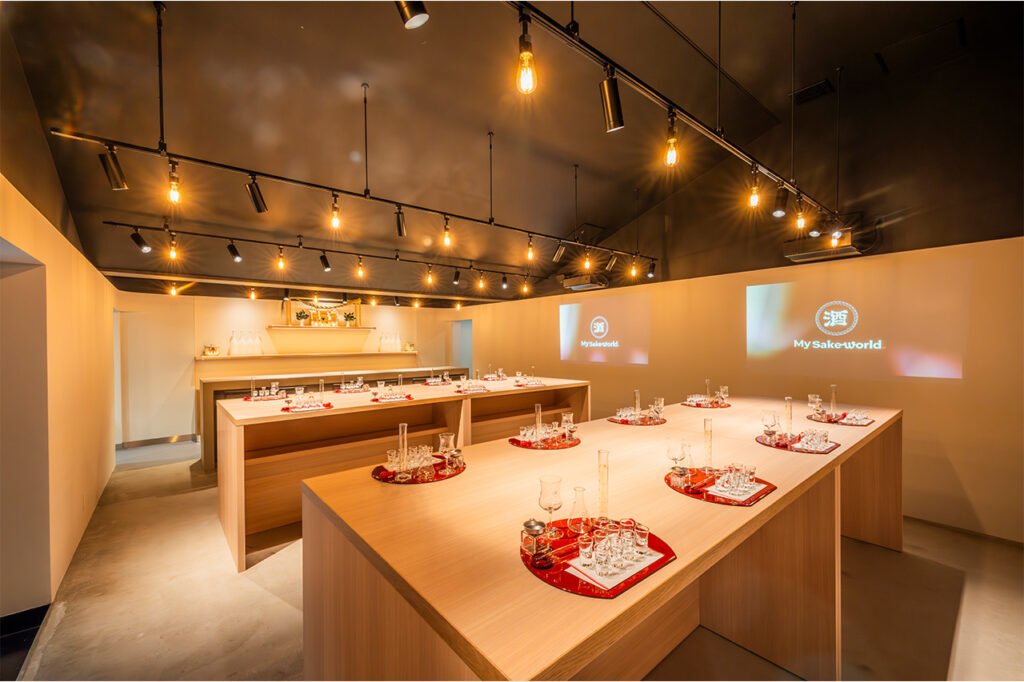
At My Sake World Kyoto Kawaramachi, the concept is both fun and surprisingly educational. The facility offers a hands-on sake-blending experience using eight different sake labels from Kyoto and other regions of Japan. These include a range of styles — Daiginjo, nama-zake, junmai-shu, aged sake, and more — giving you real room to experiment.
As the staff explain each variety, you taste and compare before deciding which types to combine. Little by little, your own version of “My Sake” takes shape. Once you settle on the blend, the staff bottle it for you that same day in the adjacent Sake Brewing Room, so you can take your custom creation home as both souvenir and memory. Not bad, honestly.
Same-day reservations are accepted, and there are also paid tasting menus and sake comparison experiences available. The space itself is generous enough for groups of up to 30 people, so it works whether you are traveling solo, with friends, or just need a rainy-day plan that feels a bit more original than another café stop.
- Experience times: 13:00–20:00
- Reservation slots: 13:00, 14:00, 15:00, 16:00, 17:00, 18:00, 19:00
- Duration: About 50 minutes (plus around 30 minutes for the sake-making process)
- Price: 5,900 yen
- Languages: Japanese, English, and Chinese
- Reservations: Recommended
- Address: 711 Uematsu-cho, Teramachi-dori Matsubara-sagaru, Shimogyo-ku, Kyoto City, Kyoto Prefecture
- Access: 7-minute walk from Exit 3 of Kiyomizu-Gojo Station on the Keihan Line / 8-minute walk from Exit 10 of Kyoto Kawaramachi Station on the Hankyu Line
- Instagram: instagram.com/mysakeworld/
5. Take in a green gorge from Tofuku-ji’s covered bridge / Higashiyama
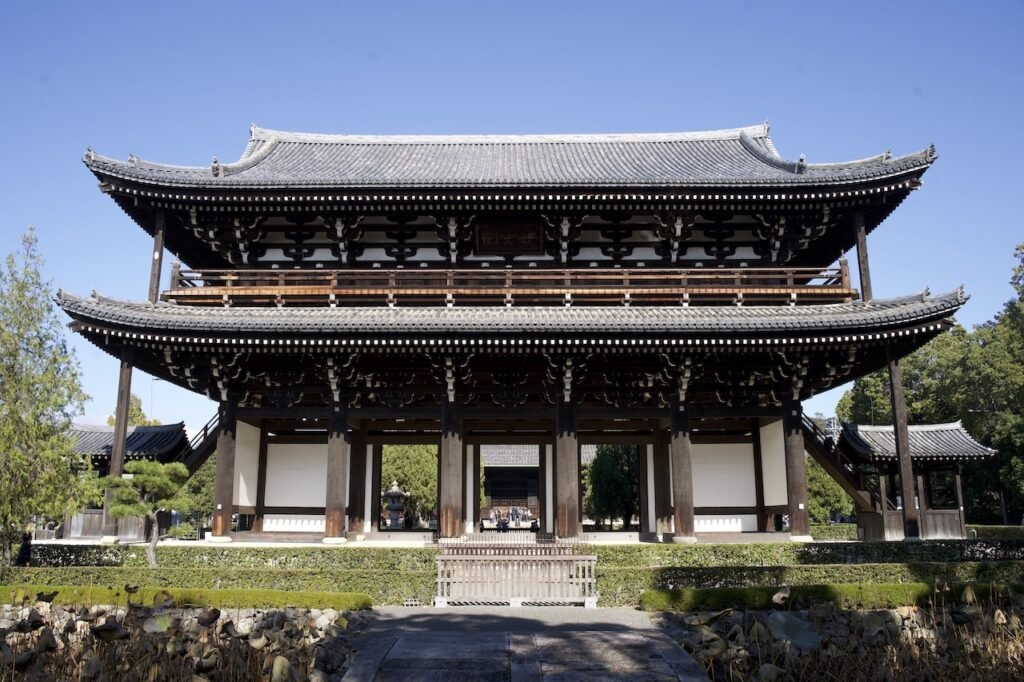
Most people know Tofuku-ji Temple as one of Kyoto’s great autumn foliage spots. Fair enough. But the temple in the rainy season? That is where things get especially magical.
This major temple, the head temple of the Tofuku-ji branch of Rinzai Zen Buddhism, is stunning when everything turns green. From Tsutenkyo Bridge, the covered bridge spanning the valley within the temple grounds, you can look out over a sweeping canopy of fresh maple leaves. In May and June, the new greenery feels almost luminous. By summer, around 2,000 Japanese and Chinese maple trees fill the ravine in thick, layered shades of green that are genuinely breathtaking.
And then there is the Hojo, or abbot’s quarters, where you can sit quietly on the veranda and gaze out at the temple’s famous gardens. Designed by landscape architect Mirei Shigemori, these gardens spread across the east, west, north, and south sides, each one with its own rhythm and composition. It is the sort of place that makes you want to stay longer than planned, which is exactly why you should.
Do not rush this visit. Tofuku-ji rewards slowness.
- Visiting hours: 9:00–16:00
- Admission: Tsutenkyo Bridge & Kaisando Hall: Adults 600 yen / elementary and junior high school students 300 yen
- Hojo garden: Adults 500 yen / elementary and junior high school students 300 yen
- Combined ticket: Adults 1,000 yen / elementary and junior high school students 500 yen
- Note: Combined ticket available except in autumn; hours and fees for Tsutenkyo Bridge & Kaisando Hall vary by season
- Address: 778 Honmachi 15-chome, Higashiyama-ku, Kyoto City, Kyoto Prefecture
- Access: 6-minute walk from JR/Keihan Tofukuji Station
- Website: tofukuji.jp/
6. Try Zen meditation in Gion at Ryosokuin Temple / Gion
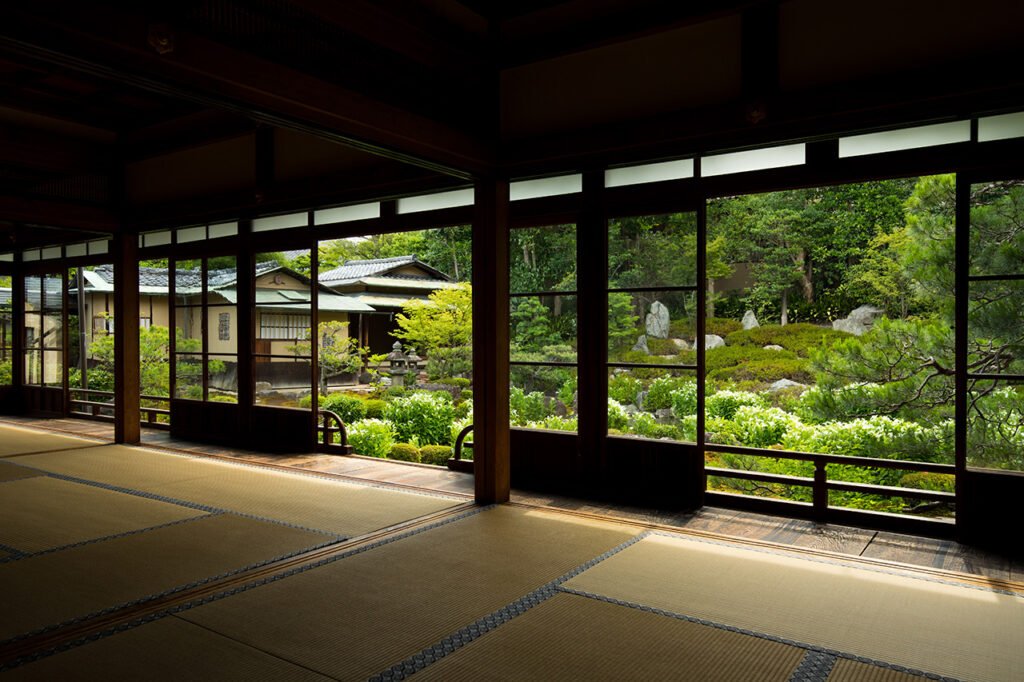
Just when Gion feels at its busiest, Kyoto does what Kyoto does best and hides a quiet world a few steps away.
Ryosokuin, a sub-temple of Kenninji, sits within easy reach of both Gion and Kawaramachi, yet the atmosphere feels miles removed from the city’s motion. It is especially well known for its Zen meditation experiences, which offer a gentle, accessible introduction to the practice in a genuinely serene setting.
In the cool stillness of the morning, participants learn the essentials of zazen: how to settle the body through posture, how to release tension rather than fight it, and how to let awareness rest on the breath. In other words, how to stop gripping so tightly for a while. There is something deeply grounding about doing this in a temple rather than, say, an app between notifications.
During the early summer special opening, the temple’s Hangesho Garden can also be visited, and photography is allowed in the garden. In summer, insect repellent, a towel, and water are recommended — practical Kyoto advice, because enlightenment is lovely but so is not being eaten alive by mosquitoes.
- Zen meditation dates: Check the temple website
- Duration: 60 minutes (explanation, meditation, Dharma talk)
- Donation: 3,000 yen
- Includes: Worship of the principal image, garden stroll, and free meditation
- How to apply: Online or by phone (reservations accepted up to 1 hour before the start)
- Hangesho Garden special opening: June 1 to July 13, 2025
- Hours: 12:00–16:00 (gate closes at 16:30)
- Admission: Adults 1,000 yen / junior and senior high school students 500 yen
- Address: 591 Komatsu-cho, Higashiyama-ku, Kyoto City, Kyoto Prefecture
- Access: 5-minute walk from Higashiyama Yasui bus stop / 7-minute walk from Exit 1 of Gion-Shijo Station on the Keihan Line
- Website: ryosokuin.com/
7. Learn why Japanese tea tastes better when you actually know what you are doing at Fukujuen Kyoto Main Store / Shijo Karasuma
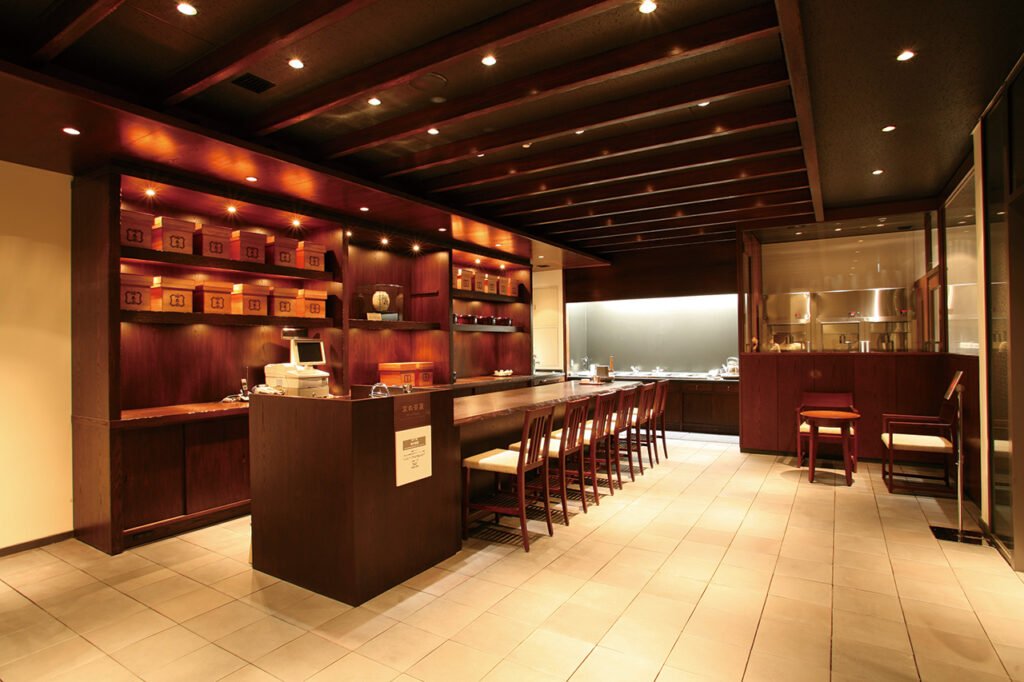
We all think we know tea. Then a place like Fukujuen comes along and humbles us a little.
Founded in 1790, this long-established Uji tea company offers a range of tea experiences at the basement-level Kyo no Chagura inside its Kyoto main store. Led by certified Japanese tea instructors, the workshops go beyond simple tastings and actually teach you how to understand what is in the cup — and why brewing method changes everything.
One of the highlights is the tea-brewing workshop, where you discover just how much flavor, aroma, and texture can shift depending on water temperature, steeping time, and technique. Apparently that tea you casually throw together at home? It had potential. Lots of it.
There are also blending workshops where you can create your own favorite tea, plus matcha experiences and tastings designed to make Japanese tea culture feel far more approachable than intimidating. If the weather outside is gray, there are worse ways to spend an hour than learning to make your daily drink taste dramatically better.
- Tea Brewing Workshop hours: 11:00–18:00
- Duration: 60 minutes
- Price: 3,300 yen
- Custom Blend Tea Making hours: 11:00–18:00
- Duration: 90 minutes
- Price: 5,500 yen per person
- Capacity: 1–6 people (for 6 or more, inquire directly)
- Reservations: Required by phone or online for all programs
- Address: 19 Tateurihigashi-cho, Shimogyo-ku, Kyoto City, Kyoto Prefecture
- Access: Just a short walk from Exit 12 of Shijo Subway Station and Karasuma Station on the Hankyu Line
- Website: fukujuen-kyotohonten.com/
8. Copy sutras among four distinctive gardens at Myokenji Temple / Nishijin
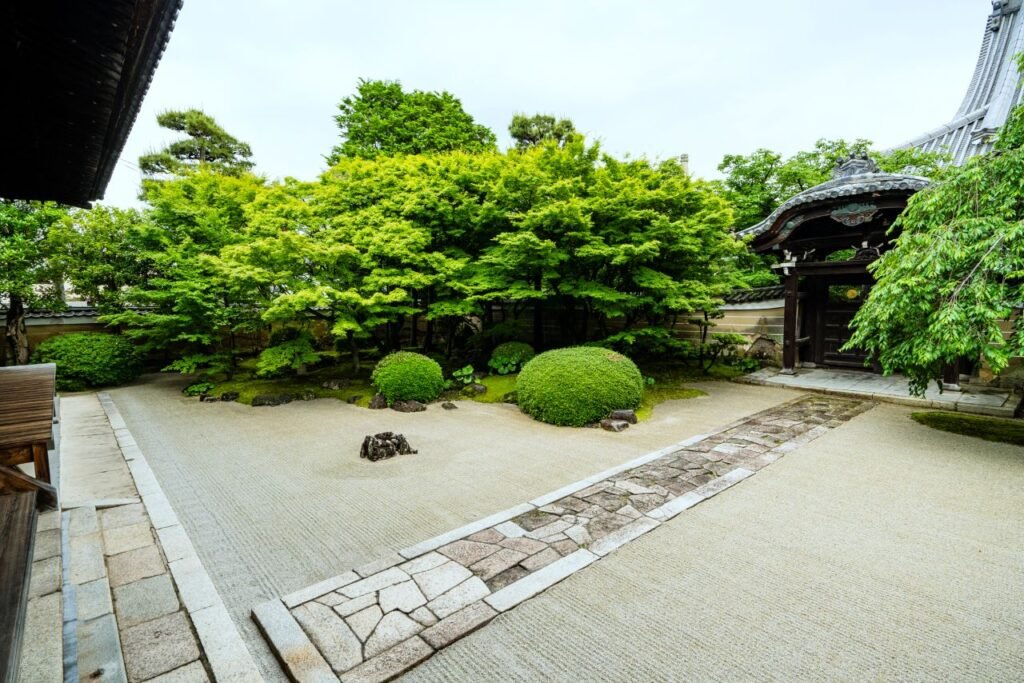
If you want a rainy-day experience that feels deeply Kyoto without being overly performative, Myokenji Temple is an excellent choice.
This temple, the first Nichiren Buddhist temple established in central Kyoto and once a favored lodging place of Toyotomi Hideyoshi, offers a sutra copying experience that invites visitors into a slower, more reflective kind of activity. Participants copy a passage from the Lotus Sutra, considered one of the most important teachings in Buddhism, in a quiet act that blends concentration, prayer, self-reflection, and, yes, a little calligraphy practice too.
It is not flashy. That is the point.
Once you finish, you can explore the temple grounds, including the impressive main hall — one of the largest in Kyoto — and the four strikingly different gardens. Among them is the Shikai Shodo Garden, each space offering its own seasonal beauty and atmosphere. The whole experience feels grounding in the best way, especially when rain softens the sounds around you.
- Hours: 10:00–16:30 (during temple opening hours)
- Duration: About 45 minutes
- Donation: 1,500 yen (includes temple admission)
- Reservations: Not required; walk-ins welcome
- Note: If all seats are taken, there may be a wait, so allow extra time
- Address: 514 Myokenji-mae-cho, Kamigyo-ku, Kyoto City, Kyoto Prefecture
- Access: 5-minute walk from the Horikawa Teranouchi bus stop / 10-minute walk from Kuramaguchi Subway Station
- Website: shikaishodo-myokenji.org/
9. Try the surprisingly addictive fan-throwing game at Ogiya Hangesho / Shimizu Gojo
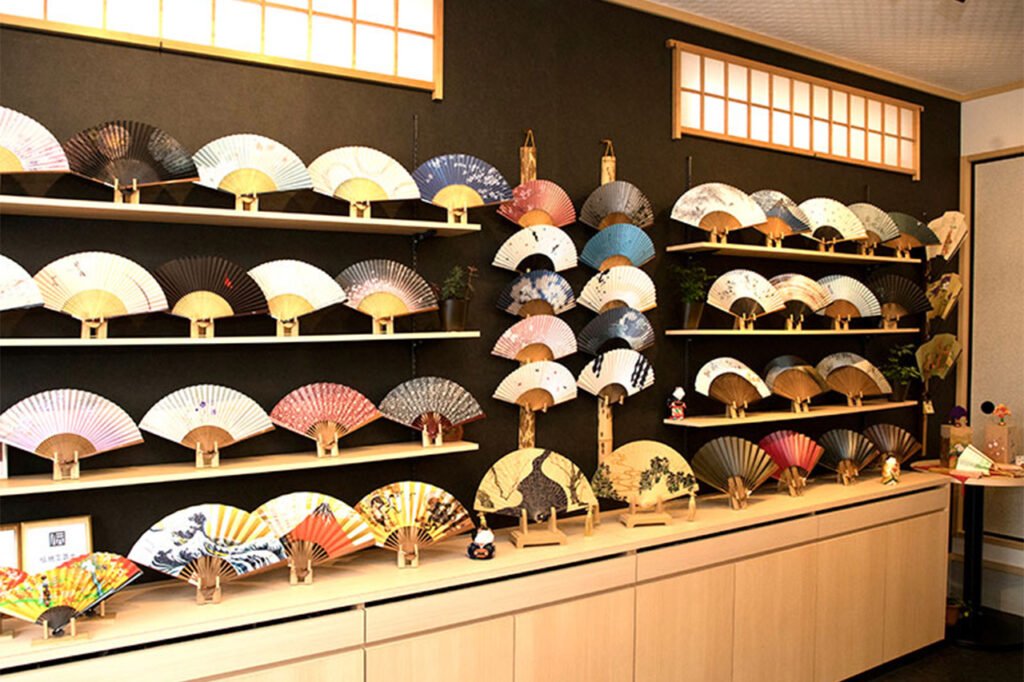
Kyoto can be elegant. Kyoto can be refined. Kyoto can also involve throwing fans at a target and getting wildly competitive about it.
At Ogiya Hangesho, a specialty Kyoto fan shop near Miyagawa-cho, you can try Tosenkyo, a traditional parlor game that dates back to the Edo period. The rules are simple enough: players throw folding fans at a target and score points depending on how the fan lands. It sounds graceful. It is. It is also unexpectedly thrilling.
The shop offers a wonderful setting for the experience, and tea and sweets are included, which feels appropriately Kyoto. For something even more special, you can also arrange a Tosenkyo experience with a geisha — a distinctive and very memorable cultural activity, though definitely not the budget option.
There is also a fan painting workshop, where you create your own design on the paper, after which a professional artisan assembles it into an actual folding fan and ships it to you around a month later. Not a bad souvenir, really.
- Fan-throwing game reception hours: 10:30–17:30 / Saturdays 13:00–17:00
- Duration: About 60 minutes
- Price: 2,500 yen per person (includes tea and sweets)
- Reservations: Required / available for groups of 2–6 people
- Fan Painting Experience reception hours: Monday, Wednesday, Friday, Saturday 13:00–15:00
- Duration: About 90 minutes
- Price: From 3,500 yen per person
- Reservations: Required / for 2–4 people
- Geisha Tosenkyo Experience: 30,000 yen for 2 people, plus 2,500 yen for each additional guest
- Address: 535 Morishita-cho, Honmachi-dori Gojo-agaru, Higashiyama-ku, Kyoto City, Kyoto Prefecture
- Access: 4-minute walk from Kiyomizu-Gojo Station on the Keihan Line
- Website: hangesho.com/
10. A must for sake lovers: visit the newly refreshed Gekkeikan Okura Memorial Museum / Fushimi
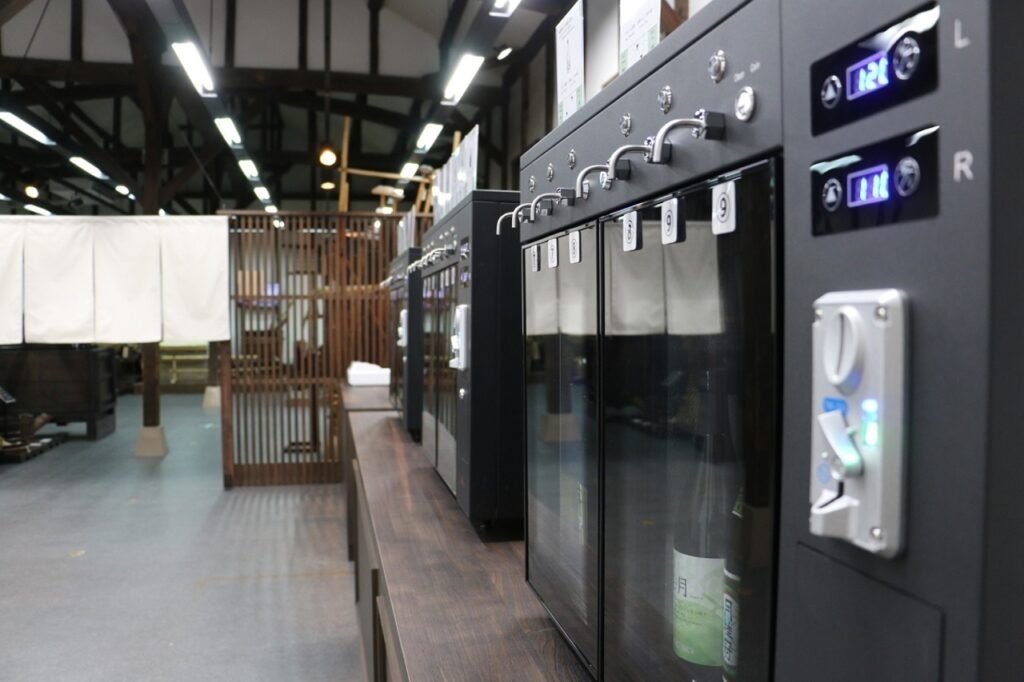
Fushimi and sake go together the way Kyoto and temples do. So if you are even mildly interested in Japanese rice wine, the Gekkeikan Okura Memorial Museum deserves a place on your list.
After renovations, the museum reopened in February 2024 with a more comfortable and polished setup, including a refreshed entrance hall, a brand shop stocked with carefully selected products, and an updated tasting corner. The museum is housed in a brewery with more than a century of history, which gives the whole visit a sense of place that feels far richer than a generic tasting room.
The tasting area now offers around ten kinds of sake selected according to the season. Visitors can choose three favorites and sample them using a coin-operated server — which is either charmingly efficient or dangerously enabling, depending on how your day is going.
Whether you are already a sake enthusiast or just curious, the renovated museum makes for an easy and enjoyable introduction to Kyoto’s brewing culture.
- Opening hours: 9:30–16:30 (last entry 16:00)
- Closed: Obon (August 13–16), New Year holidays (December 28–January 4), and irregular closure days
- Duration: Around 40–60 minutes
- Admission: Ages 20 and over: 600 yen (includes tasting of 3 types of sake)
- Admission: Ages 13–19: 100 yen (includes souvenir)
- Address: 247 Minamihama-cho, Fushimi-ku, Kyoto City, Kyoto Prefecture
- Access: 6-minute walk from the north exit of Chushojima Station on the Keihan Line
- Website: gekkeikan.co.jp/enjoy/museum/
11. Refresh your mind with Buddhist image copying at Zuishin-in Temple / Ono
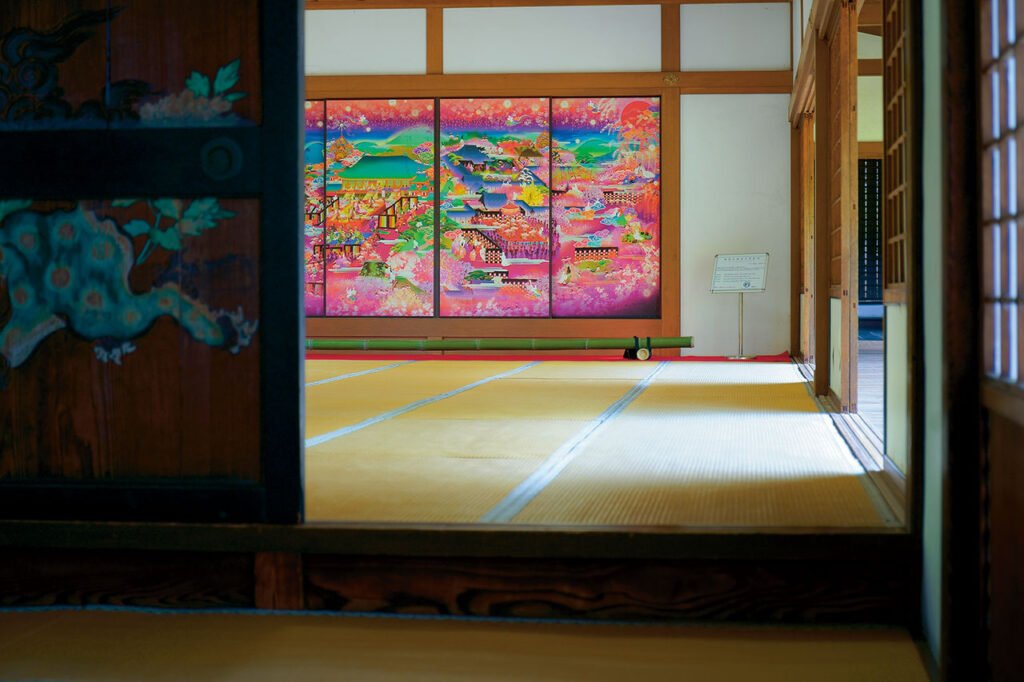
Known for its ties to Ono no Komachi and its famous plum blossoms, Zuishin-in Temple offers an experience that feels both meditative and slightly unexpected: Buddhist image copying.
Instead of copying sutras, participants trace a chosen image, and one of the options is Ono no Komachi herself. There is something wonderfully unusual about that. As you focus on the lines, your mind gradually settles, and the act becomes less about perfect technique and more about quiet concentration. By the end, many visitors find themselves feeling lighter — mentally, emotionally, even physically.
The temple has much more to explore afterward, including a moss garden and striking fusuma sliding-door paintings created by contemporary artists, both of which make excellent photo stops. So while the copying experience may be the headline, this is very much a full temple visit rather than a one-note activity.
- Reception hours: 9:00–14:00
- Duration: 1.5 to 3 hours, depending on the selected image
- Donation: 2,000 yen (includes admission)
- How to apply: By phone
- Note: Same-day reservations accepted, though the experience may not be available during memorial services or temple events
- Address: 35 Ono-Goryo-cho, Yamashina-ku, Kyoto City, Kyoto Prefecture
- Access: 5-minute walk from Ono Subway Station
- Website: zuishinin.or.jp/
12. Walk through Japanese history at Nijo Castle / Horikawa Nijo
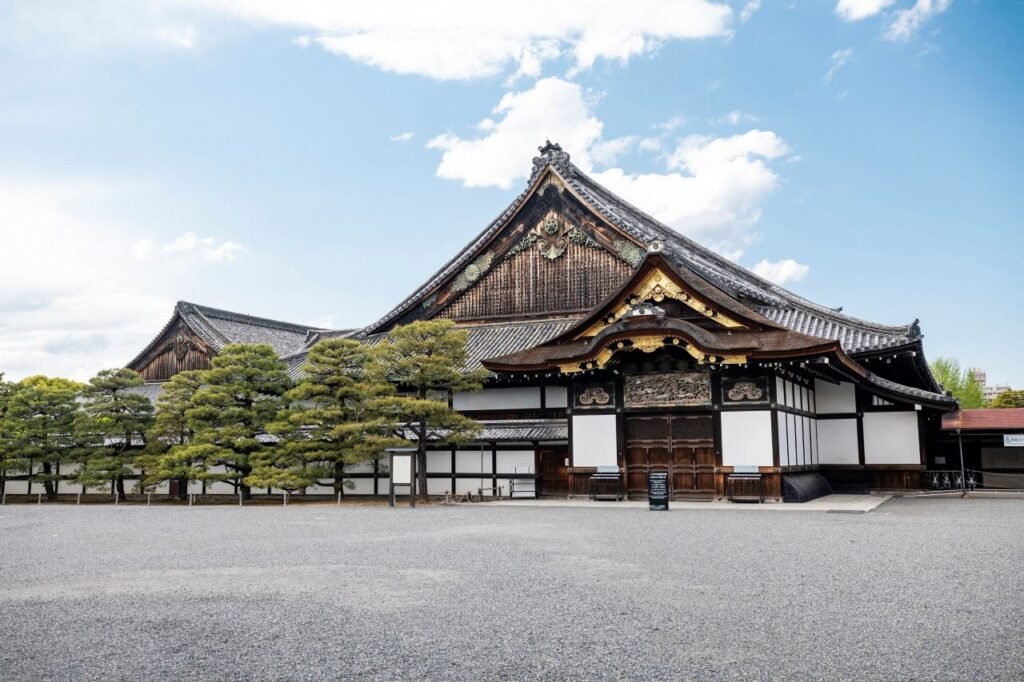
Some places in Kyoto feel beautiful. Nijo Castle feels consequential.
Built by Tokugawa Ieyasu, this vast historic complex is one of the city’s essential cultural sites, and not only because it is impressive to look at — though it absolutely is. Inside Ninomaru Palace, visitors can see around 3,600 screen paintings by the Kano school, including 1,016 designated as Important Cultural Properties of Japan. Rooms decorated with pine trees, hawks, tigers, and seasonal motifs unfold in an almost overwhelming display of power and taste.
The castle also played a direct role in Japanese political history. It was here that the 15th shogun, Tokugawa Yoshinobu, announced his intention to return political power to the Emperor, a defining moment in the end of the Tokugawa shogunate. So yes, this is a beautiful site — but also a place where history actually shifted.
Registered as a UNESCO World Cultural Heritage Site in 1994, Nijo Castle remains one of Kyoto’s most important landmarks and one of the clearest windows into Japan’s feudal past.
- Castle entry hours: 8:45–16:00 (grounds close at 17:00)
- Ninomaru Palace entry hours: 8:45–16:10
- Closed: December 29–31
- Admission: Adults 1,300 yen / junior and senior high school students 400 yen / elementary school students 300 yen
- Address: 541 Nijojo-cho, Nijo-dori Horikawa Nishi-iru, Nakagyo-ku, Kyoto City, Kyoto Prefecture
- Access: Just a short walk from Nijojo-mae Subway Station
- Tel: 075-841-0096
- Website: nijo-jocastle.city.kyoto.lg.jp/
13. Enjoy art and architecture at the Kyoto City Kyocera Museum of Art / Okazaki
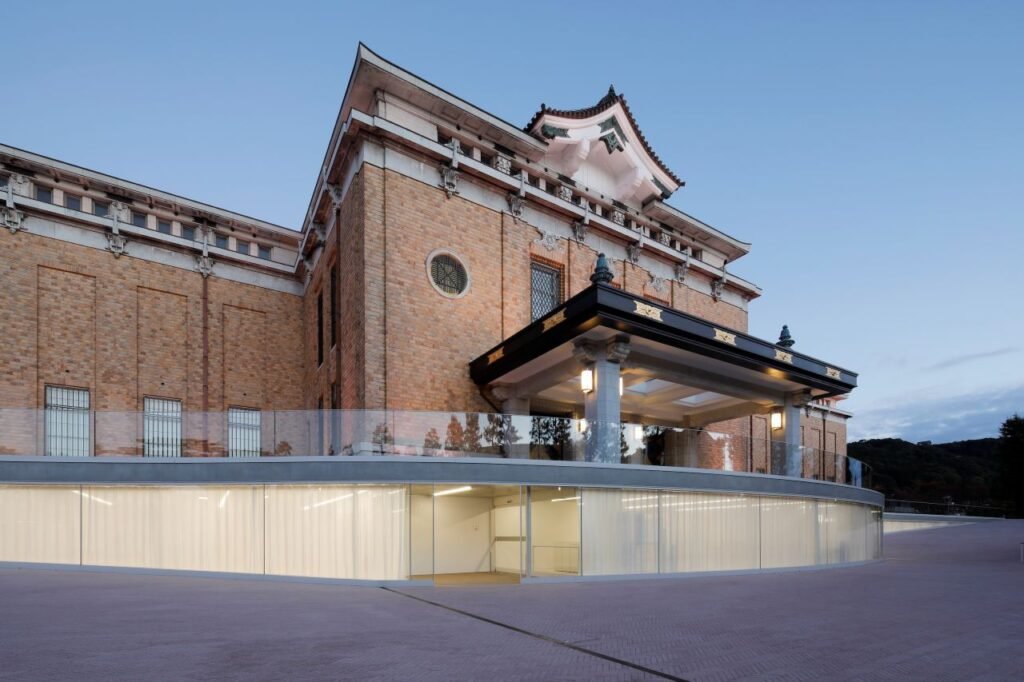
Kyoto does old-world beauty exceptionally well, but it also knows how to do reinvention. The Kyoto City Kyocera Museum of Art is one of the clearest examples.
Located in the cultural heart of the Okazaki area, this museum is one of the city’s flagship art institutions. Its 2020 renovation managed something difficult: preserving the historic character of the original building while introducing a new wing built to accommodate contemporary art, along with a café and museum shop that make the whole visit feel even more inviting.
The result is a space where past and present genuinely work together. The main building’s central hall, with its dramatic spiral staircase, is especially striking, and the museum is full of corners, lines, and details that all but beg to be photographed. Traditional Japanese and Western design influences coexist here with a modern sensibility, making the building itself as much of an attraction as whatever exhibition happens to be on display.
In other words, even before you look at the art, there is already plenty to admire.
- Opening hours: 10:00–18:00
- Last entry: Varies depending on the exhibition
- Closed: Mondays (unless Monday is a public holiday), and December 28–January 2
- Admission: Varies by exhibition
- Address: 124 Okazaki Enshoji-cho, Sakyo-ku, Kyoto City, Kyoto Prefecture
- Access: Short walk from the Okazaki Park Museum / Heian Shrine bus stop / about 8 minutes on foot from Higashiyama Subway Station
- Website: kyotocity-kyocera.museum/
14. Dive into Japan’s manga culture at the Kyoto International Manga Museum / Karasuma Oike
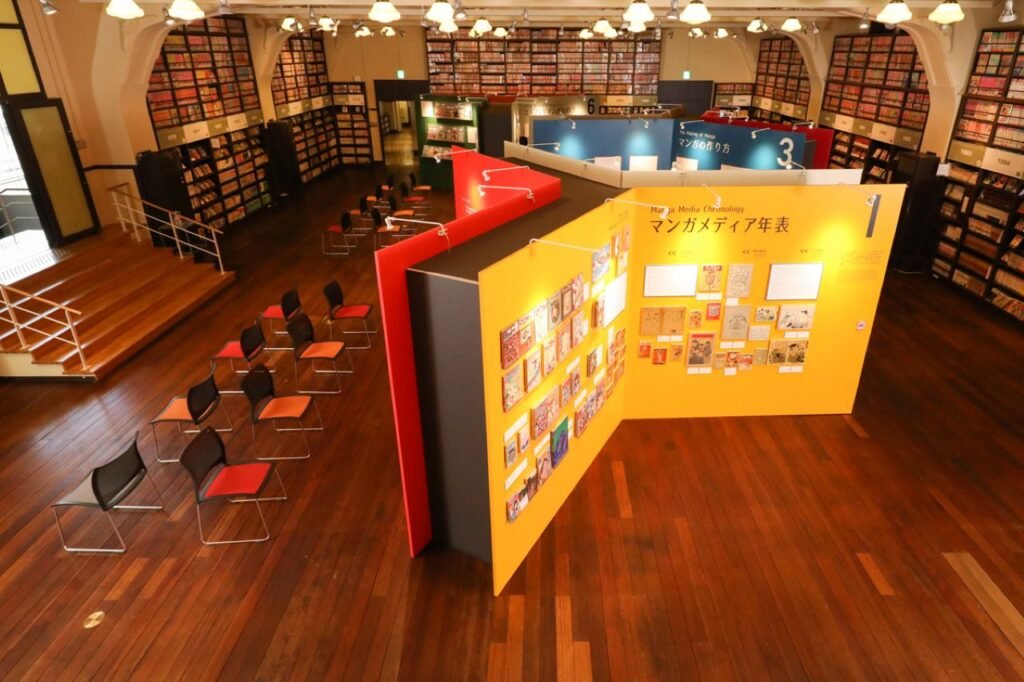
For rainy days, this one is almost unfairly good.
The Kyoto International Manga Museum is part museum, part library, and entirely devoted to manga in all its forms. Its collection includes roughly 300,000 items, ranging from Edo-period caricatures and ukiyo-e prints to modern bestsellers and manga from around the world. And the best part? Most of it is available to read freely on site.
The most eye-catching feature is the famous Manga Wall, a towering bookshelf lined with around 50,000 manga volumes, largely published from the 1970s onward. It is one of those spaces that makes even non-manga readers pause for a second and think, all right, this is impressive.
Beyond the shelves, the museum also hosts events and special exhibitions that explore manga from different cultural, artistic, and historical angles. So whether you come as a lifelong fan or just want to understand why manga matters so much in Japan, this is one of the easiest and most enjoyable places to do it.
- Opening hours: 10:00–17:00 (last entry 16:30)
- Closed: Wednesdays (or the following day if Wednesday is a public holiday), New Year holidays, and certain maintenance periods
- Admission: Adults 1,200 yen / junior and senior high school students 400 yen / elementary school students 200 yen
- Address: 452 Kanefuki-cho, Karasuma-dori Oike-agaru, Nakagyo-ku, Kyoto City, Kyoto Prefecture
- Access: 2-minute walk from Karasuma Oike Subway Station
- Website: kyotomm.jp/
15. Step into a drifting jellyfish world at Kyoto Aquarium / Umekoji Park
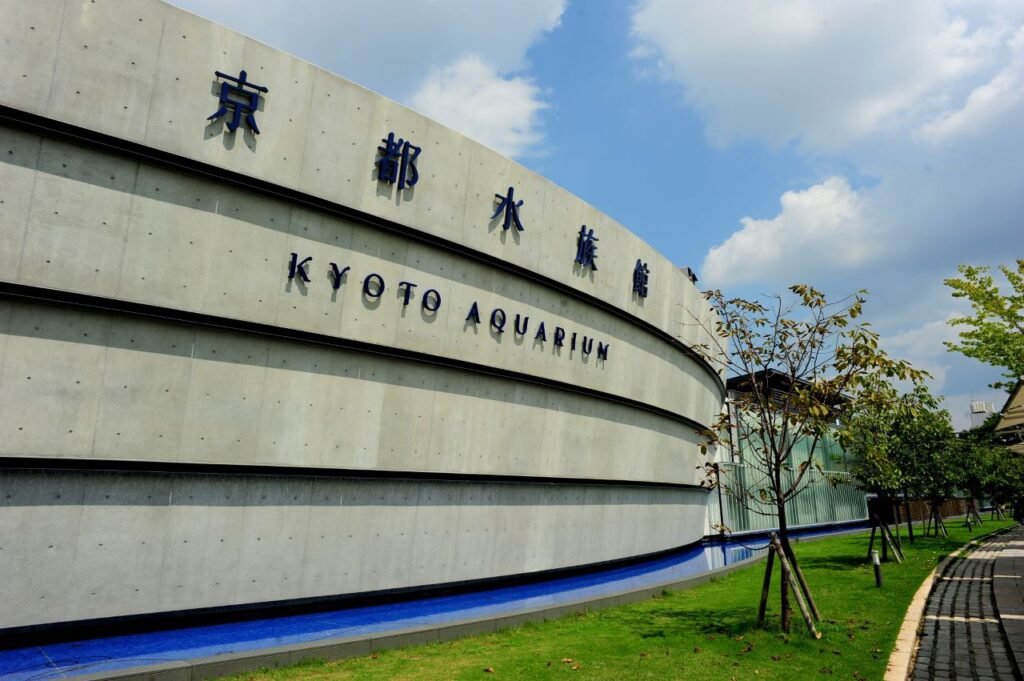
Inside the green expanse of Umekoji Park, surrounded by lawns and trees, Kyoto Aquarium offers a very different kind of escape: one into rivers, oceans, and floating worlds of translucent creatures.
The aquarium is home to around 250 species and 15,000 marine animals, arranged across ten themed zones. Some focus on local ecology, such as the Kyoto River area with its giant salamanders, while others recreate the wider marine environment of the Kyoto Sea in a large central tank. But the real standout for many visitors is Jellyfish Wonder.
This dreamy zone showcases around 30 species and 5,000 jellyfish, displayed in carefully designed tanks that reflect their different habitats. The most popular feature is the 360-degree panoramic tank called GURURI, where moon jellyfish drift all around you in a strangely hypnotic display. It is immersive, mesmerizing, and one of those rainy-day attractions that makes you forget the weather entirely.
- Opening hours: 10:00–18:00
- Last admission: 1 hour before closing
- Note: Hours may vary by season; temporary closures may occur
- Admission: Adults and university students 2,400 yen / high school students 1,800 yen / elementary and junior high school students 1,200 yen / ages 3 and up 800 yen
- Address: 35-1 Kankiji-cho, Shimogyo-ku, Kyoto City, Kyoto Prefecture (inside Umekoji Park)
- Access: 7-minute walk from Umekoji-Kyotonishi Station / about 15 minutes on foot from Kyoto Station
- Website: kyoto-aquarium.com/index.html
16. Unwind in a nostalgic retro bathhouse at Hinode-yu / Nishikujo
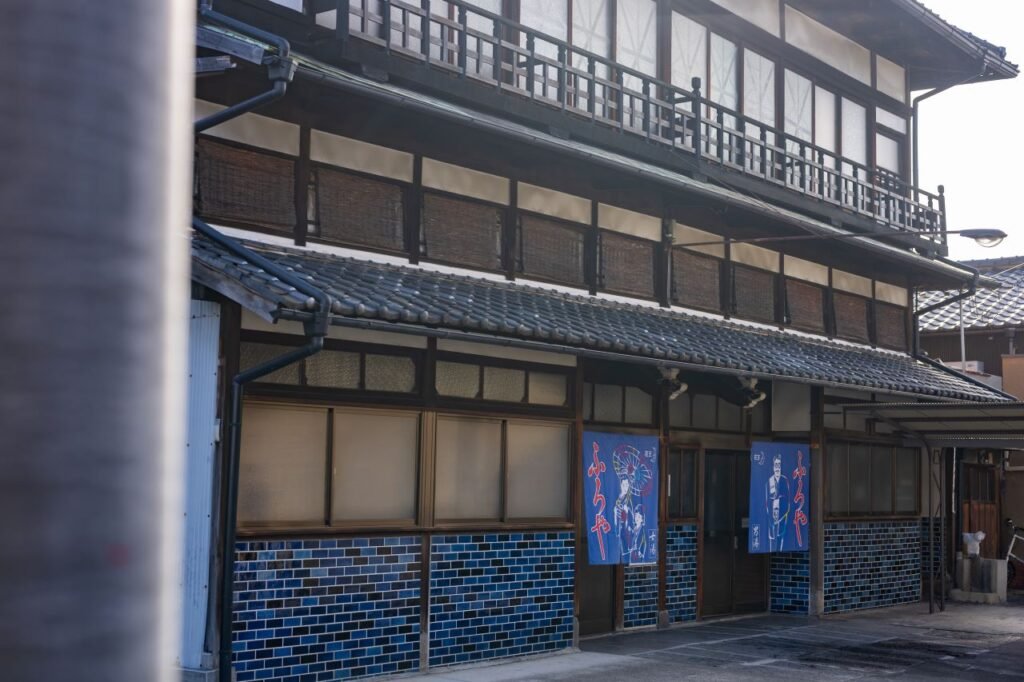
There is something deeply satisfying about escaping a rainy Kyoto afternoon by disappearing into a bathhouse that feels almost unchanged from another era.
At Hinode-yu, that is exactly the appeal. This old-school sento, built more than 90 years ago, still preserves its Showa-era atmosphere beautifully. The tiled walls, wooden lockers, and spacious changing room all carry the kind of lived-in retro charm that newer bathhouses simply cannot imitate. You half expect someone to say, “Let’s meet back here in an hour,” before disappearing behind the noren curtain.
Adding to the nostalgia are the vintage massage machines in the changing area, which only deepen the sense that you have somehow slipped backward in time.
On a damp day, it is hard to imagine a better plan than sinking into warm water while the rain continues somewhere outside, no longer your problem.
- Opening hours: 16:00–23:00
- Closed: Thursdays
- Admission: Junior high school students and older 550 yen / elementary school students 200 yen / infants 100 yen
- Address: 26-6 Nishikujo Karahashi-cho, Minami-ku, Kyoto City, Kyoto Prefecture
- Access: 5-minute walk from Toji Station on the Kintetsu Line
- Website: eonet.ne.jp/~hinodeyu/
17. Watch Kyoto’s long-running non-verbal hit GEAR / Sanjo
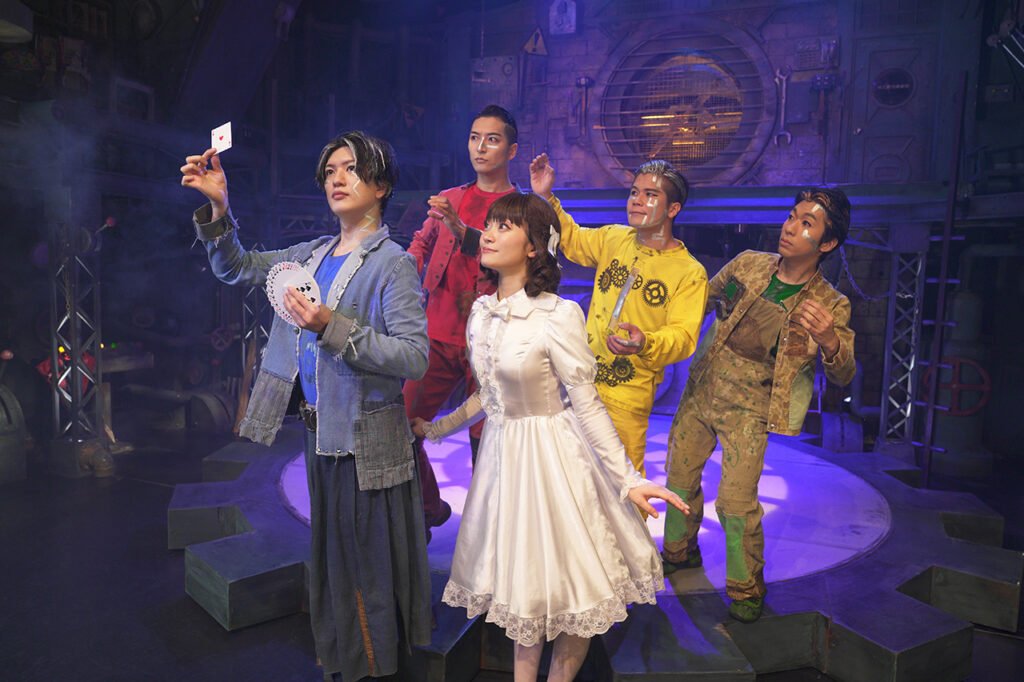
Sometimes the best rainy-day plan is simple: go somewhere indoors and let someone else do the dazzling.
That is where GEAR comes in. Created in Kyoto and now in its remarkable 14th year, this non-verbal performance has staged more than 4,800 shows and welcomed over 340,000 audience members. It was Japan’s first long-running non-verbal theater production, and it has earned its place as one of Kyoto’s most distinctive entertainment experiences.
Because there is no language barrier, it works beautifully for a wide range of audiences, from children to adults, from locals to international visitors. The storytelling is visual, physical, inventive, and emotional in a way that makes it easy to follow and hard to forget. It is the kind of show that feels polished yet imaginative — high quality without becoming stiff.
There are also some useful discount offers, including reduced weekday prices for visitors during their birthday month and for those aged 50 and over. Rain outside, world-class performance inside, no umbrella drama once you are seated — honestly, perfect.
- Dates and times: Check the official website
- Ticket prices: General admission S seat 7,200 yen / elementary to high school students S seat 5,200 yen / preschool children (ages 4–6) 1,200 yen
- Venue: ART COMPLEX 1928, 3F
- Address: 56 Benkeiishi-cho, Nakagyo-ku, Kyoto City, Kyoto Prefecture
- Access: 7-minute walk from Kyoto Shiyakusho-mae Station
- Website: gear.ac/
18. See Kyoto’s famous framed garden at its rainiest, dreamiest best at Enkoji Temple / Ichijoji
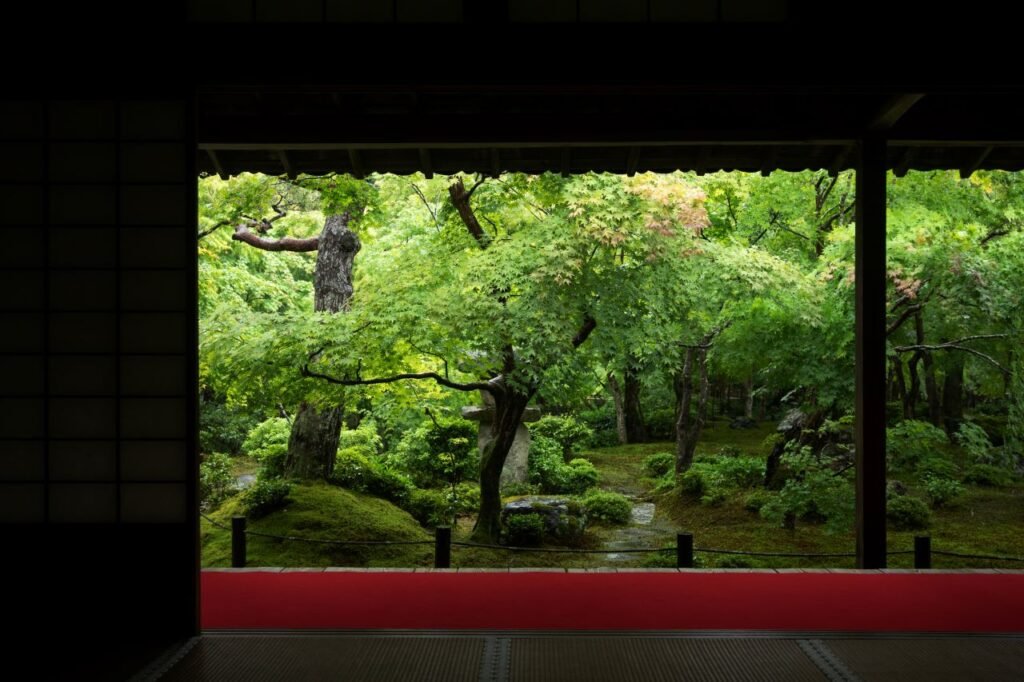
If there is one garden in Kyoto that seems made for rainy days, it might be the one at Enkoji Temple.
Originally established in 1601 by Tokugawa Ieyasu as the Enkoji School, the temple has a remarkable history and is known as Japan’s only training hall built exclusively for nuns. Every Sunday morning, visitors can even join a Zen meditation session in the historic Zen hall. But the main visual draw for many people is the famous framed garden view from the main hall.
The Jūgyū no Niwa, or Ten Ox Garden, appears like a living painting when seen from inside. And on rainy days, it becomes even more extraordinary. Drops of rain gather on moss, slide from maple leaves, and deepen every shade of green in the landscape. It is one of those scenes that feels almost too composed to be real, yet there it is, quietly happening in front of you.
After paying your respects, take a walk through the grounds with an umbrella. Along the paths, you may come across small, charming Jizo statues watching over the garden. It is a place that invites lingering — and rewards it.
- Visiting hours: 9:00–17:00
- Admission: Adults 800 yen / children 500 yen
- Zen Meditation Experience: 2,000 yen
- Includes: Breakfast, garden viewing, temple work, and Dharma talk
- Reservations: Must be made by 17:00 the day before
- Address: 13 Ichijoji Kotani-cho, Sakyo-ku, Kyoto City, Kyoto Prefecture
- Access: 17-minute walk from Ichijoji Station on the Eizan Railway
- Website: enkouji.jp/
19. Make your own Kyoto pottery at Zuiko Kiln Kyoto Kiyomizu Store / Yasaka

In Kyoto’s Kiyomizu area, where ceramics are part of the neighborhood’s identity, Zuiko Kiln offers the kind of hands-on experience that leaves you with more than just photos.
Established in 1771, this long-running kiln lets visitors try a pottery wheel experience and create their own Kyoto ware or Kiyomizu ware piece under the guidance of skilled craftspeople. And yes, there is something humbling about watching clay wobble under your hands while an expert calmly turns it into something elegant-looking five seconds later.
That unpredictability is part of the fun. Pottery wheel making is tactile, a little messy, slightly nerve-racking, and deeply satisfying once the form finally begins to appear. Since the final shape always depends partly on touch and chance, every piece turns out a little different — which is exactly what makes it feel personal.
The lighter plans start from 2,900 yen, making it easy to try even if you are not ready to declare yourself an artist after one rainy afternoon in Kyoto.
- Opening hours: 10:00–17:00 (last entry 16:30)
- Closed: Open daily
- Duration: 20 minutes or more
- Experience fee: From 2,900 yen
- Address: 385-5 Yasaka-kami-cho, Higashiyama-ku, Kyoto City, Kyoto Prefecture
- Access: 3-minute walk from the Kiyomizu-do bus stop / 17-minute walk from Exit 6 of Gion-Shijo Station on the Keihan Line
- Website: taiken-kiyomizu.com/
20. Experience Kyoto’s theatrical tradition at Minamiza Theatre, Japan’s oldest theater / Shijo
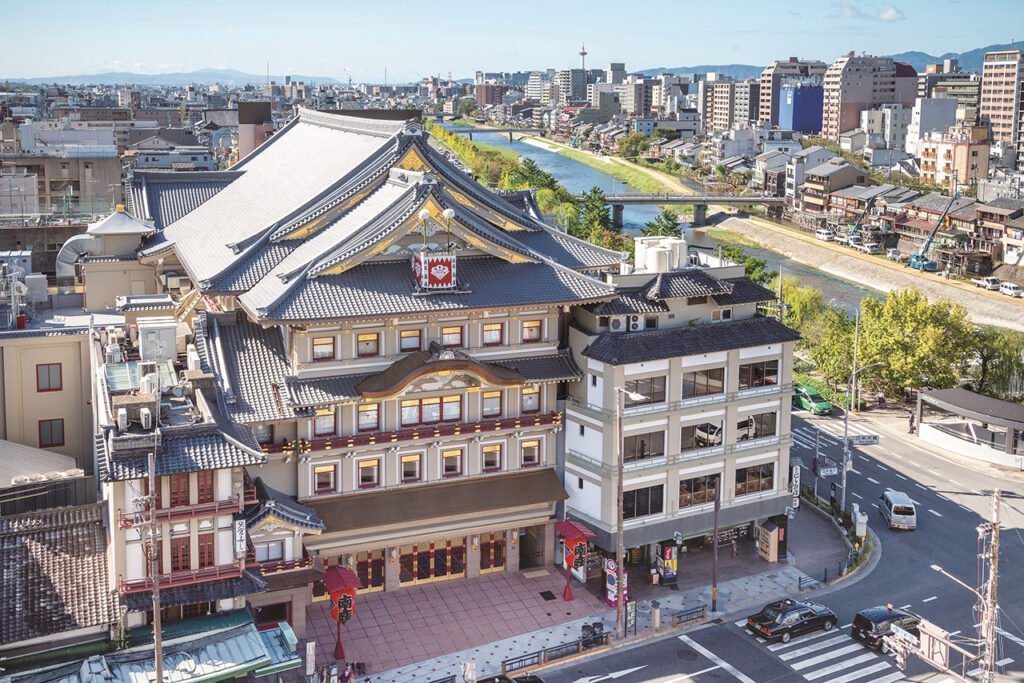
Near Gion-Shijo Station stands one of Kyoto’s great cultural institutions: Minamiza Theatre, widely regarded as the oldest theater in Japan.
Its history stretches back to the early Edo period, when the Shijo area was already known as a lively entertainment district. That long theatrical legacy still shapes the atmosphere here today. Performances range from classical traditional arts to more contemporary productions, which means there is often something on the calendar even if you are not a seasoned kabuki devotee.
The building itself is part of the appeal. Registered as a Tangible Cultural Property, Minamiza retains elegant architectural details from the early Showa era, including beautiful chandeliers and lattice-pattern ceilings. So even before the curtain rises, the interior already gives you plenty to admire.
For travelers looking to experience Kyoto’s theatrical culture without having to gamble on the weather, this is one of the city’s most rewarding indoor stops.
- Performance schedule: Check the official website
- How to book: Website, phone (0570-000-489), or theater box office
- Address: Higashizume, Shijo Ohashi Bridge, Higashiyama-ku, Kyoto City, Kyoto Prefecture
- Access: Just a short walk from Gion-Shijo Station on the Keihan Line
- Website: shochiku.co.jp/play/theater/minamiza/
- 14 Best Day Trips From Kyoto: Hot Springs, Castles, Lakes and Easy Escapes
- What to Do in Gion Kyoto in 2026: Beautiful Streets, Shrines and Local Experiences

- Where To Eat In Kyoto (2026): 20 Famous Restaurants Perfect for Lunch or Dinner
- Best Bars In Kyoto (2026): 11 Sensational Spots to Experience
- What To Do in Kyoto (2026): Best Things to Do, Itinerary & Visiting Tips
