
I spill travel tips , and show you the Japan that tourists usually miss.
Packing for Japan can be trickier than it looks. One moment you’re slurping ramen under neon lights in Tokyo, the next you’re hiking temple steps in Kyoto or soaking in an onsen in Hakone. The weather swings with the seasons, space is tight, and convenience stores have everything you didn’t know you needed.
So here’s a complete packing list for Japan trip built for real travelers — light enough for trains, versatile enough for city and countryside, and practical for anyone traveling solo, as a couple, or with kids. From the right shoes to power adapters, here’s exactly what to bring (and what you’ll definitely regret packing).
| ➡️Planning a trip to Tokyo ? Discover top things to do in Tokyo, local eats, cultural spots, seasonal events, and day trips in this complete Tokyo travel guide—perfect for first-time visitors and returning travelers alike. Before you close the suitcase, these Japan shopping guides are worth a detour: ➡️The Don Quijote finds everyone seems to leave with ➡️Best Japanese clothes brands worth noticing ➡️Tokyo shopping spots for things beyond standard souvenirs ➡️Beauty products from Japan with a loyal following ➡️ Coolest gift shops in Tokyo ➡️Where to buy stationery in Japan |
Table of Contents
Packing List For Japan Trip
Spring clothes
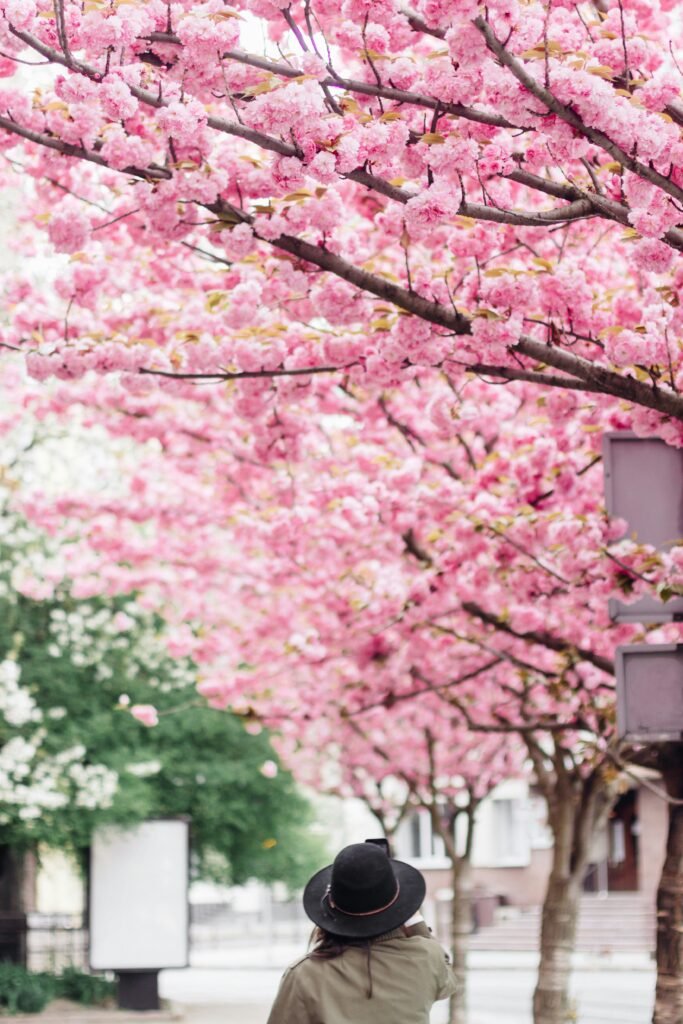
During the months of March, April, and May, temperatures gradually rise. However, in spring , there is often a significant difference between daytime and nighttime temperatures . In addition, there are significant week-to-week fluctuations, which can make deciding what to pack very difficult.
Therefore, it’s important to check the weather and temperature forecast a few days before your trip, either on your mobile phone’s weather app or online. However, the most important thing is to dress in layers that you can add and remove as the day’s temperature changes. A fleece jacket is a good option, especially for the beginning and end of the day when temperatures are cool.
Of course, be prepared to have to carry your jacket in your hands on warmer days. That’s why we recommend jackets that take up little space or that fit folded into your backpack, for more comfortable travel. This isn’t always possible, of course, because in March , for example , temperatures are still somewhat chilly, with lows of 5°C and highs of 15°C in Tokyo, so a winter coat is usually necessary.
In April , temperatures rise, but since there can be cold, windy days, it’s advisable to bring a thick jacket and layers to adapt to the weather changes. For example, in Tokyo, the low is usually around 10°C, while the high can exceed 20°C. With this difference in daytime and nighttime temperatures, layers will be necessary .
Finally, in May , the cold weather eases in the mornings and evenings, so you won’t need as much warm clothing as in previous months. In Tokyo, for example, the low is around 15°C, while the high often exceeds 25°C. Furthermore, at the end of May, the humidity increases, so it’s recommended to wear light, breathable clothing.
Also, in spring it is quite possible that it will rain someday, so it is best to bring a light raincoat or buy a transparent umbrella at any konbini .
Summer clothes
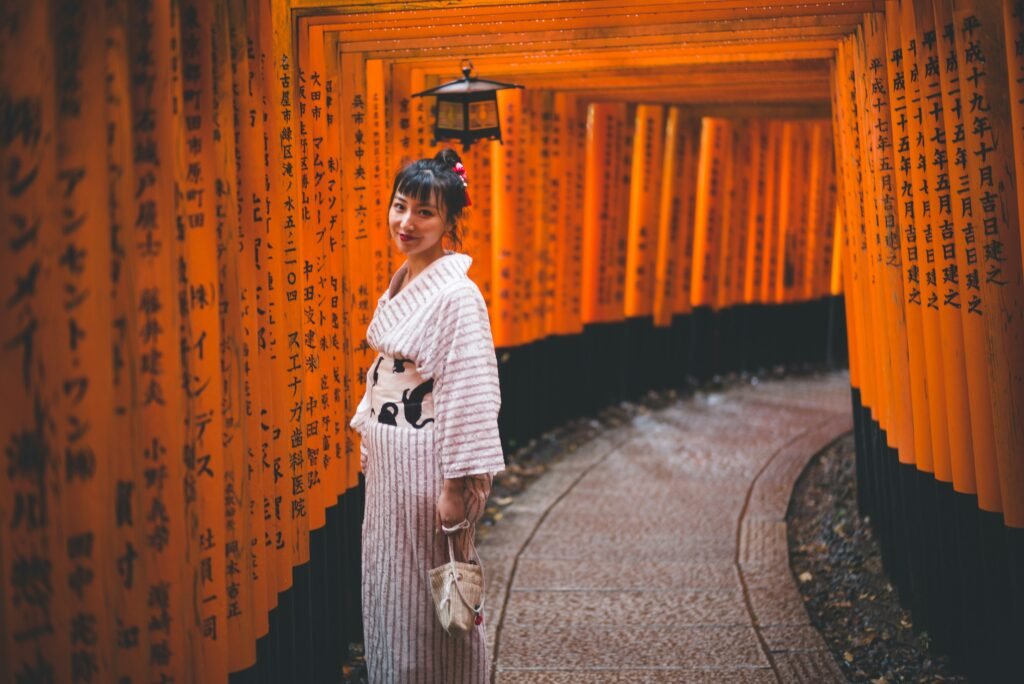
During the months of June, July, and August, Japan is extremely hot and humid , making the feeling of being stuffy considerably higher. In Tokyo, for example, temperatures can reach 35°C and the humidity can reach 95%. Therefore, it’s best to wear lightweight, breathable clothing made of cotton, linen, or faux silk, for example, which are very light and cool fabrics.
Basically, avoid jeans, which will make you extremely hot, and then go from there. You can wear long linen pants, for example, shorts, skirts, dresses, etc. Basically, breathable clothing that doesn’t stick to your skin. Also, take advantage of being in Japan and buy clothes at Uniqlo with their AIRism technology , supposedly ideal for withstanding high temperatures.
It’s so hot and humid that you’ll see many Japanese people wearing a towel around their neck or forehead. It’s called tenugui , and you can buy them all over the country in a wide variety of fabrics, sizes, and designs. They’re perfect for wiping away sweat and also as a souvenir from a specific place. But be sure to wash them while you’re in Japan!
Additionally, you’ll notice that it’s common in Japan to wear loose clothing, and that Japanese people wear a lot of sun protection when dressing . Therefore, you won’t see many strapless tops, for example. In fact, many women wear long gloves that cover their arms on the outside, and large visors to protect their faces from the sun.
In general, people in Japan dress somewhat more “modestly” in the summer, and Japanese women don’t usually show their shoulders or cleavage. In fact, they sometimes wear short-sleeved shirts under strapless dresses. However, they can wear very short skirts and pants, but this is more a cultural issue than a religious one. So don’t worry if you want to visit temples or shrines in the summer wearing strapless tops and short tops.
We also recommend packing a cap or hat , as well as sunglasses and, of course, sunscreen. We also recommend a swimsuit or bikini, in case you visit a beach during your trip.
Also, since you’re in Japan, head to a drugstore and buy some heat-relieving products. There are tons of different options, from refreshing wet wipes to ice packs that you activate by tapping them.
As for footwear, we again recommend comfortable, breathable shoes, as you’ll be walking a lot. You can wear sandals if that’s more comfortable, but keep in mind that your feet will probably get quite dirty.
For this reason, I recommend always carrying clean socks in your backpack . This way, when you have to take off your shoes in temples, shrines, or traditional houses with tatami floors, you can put them on over them and avoid dirtying the floor.
Also, keep in mind that June and the first few weeks of July are the rainy season, or tsuyu . Rainfall can be a nuisance, but it doesn’t have to affect you that much.
Additionally, the first typhoons of the season can begin to arrive in August , so it’s important to bring a breathable raincoat (or buy an umbrella) and wear waterproof footwear.
On the other hand, if you’re going to climb Mount Fuji in July and August, you’ll need warm clothing, as it can get extremely cold at the top.
Fall clothes
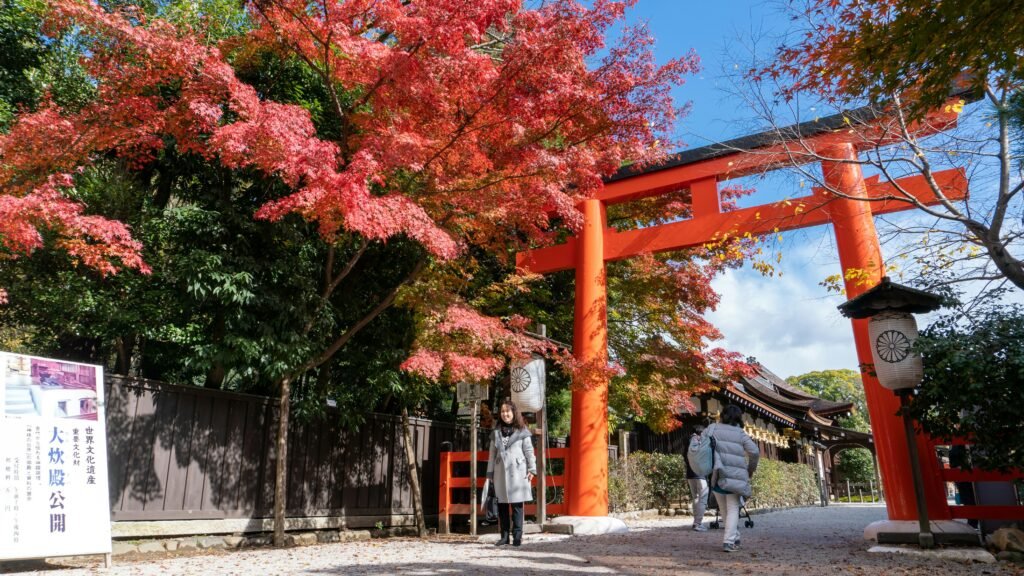
During the months of September, October, and November , the temperature fluctuates dramatically. In September , it can still be very hot and humid, as in the pre-summer months, with lows above 20°C and highs close to 30°C in Tokyo.
However, as a general rule, changes are already noticeable in October . In Tokyo, lows are usually around 15°C and highs are around 22°C. November , meanwhile, tends to get quite cold, with lows below 10°C and highs of around 15°C in Tokyo.
As is often the case in spring, there can be a significant difference between daytime and nighttime temperatures , as well as significant changes from one day to the next. Therefore, it’s important to check the weather forecast a few days before traveling.
If you’re traveling in early fall , you’ll only need a mid-season jacket for the evenings. But if you’re traveling in late fall, you’ll probably need a winter coat. As for clothing, it’s advisable to pack layers to adapt to the ever-changing conditions of this season. As in spring, a fleece jacket can be a good option for mornings and evenings.
Winter clothing
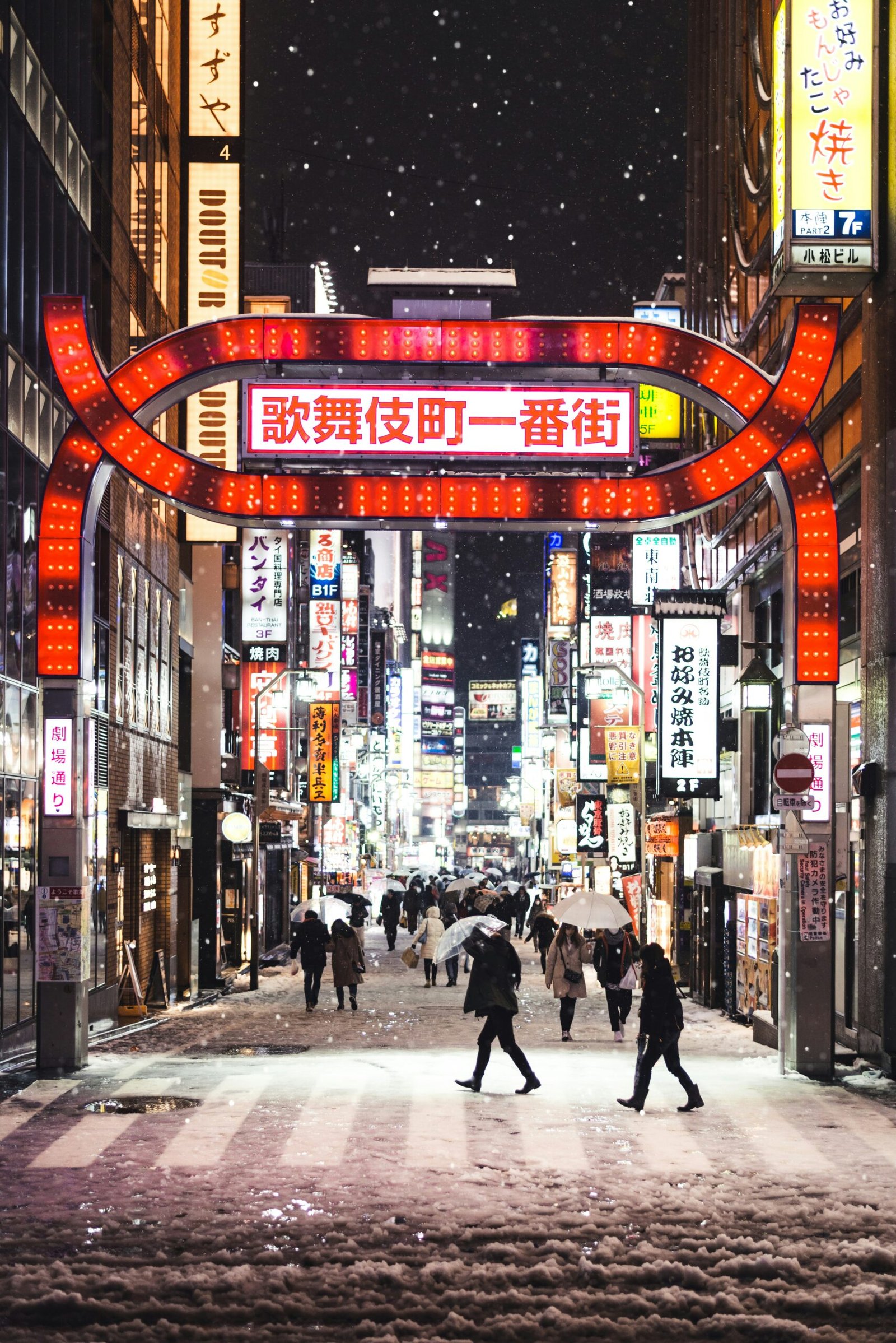
The months of December, January, and February are cold, especially in the northern half of the country. You’ll need a good winter coat (a waterproof one, if you’re traveling north), along with a scarf, gloves, and a hat, as well as clothing that retains body heat, such as wool. And since you’re in Japan, you can take advantage of the opportunity to buy Heattech thermal clothing at Uniqlo , which is much lighter.
You can wear jeans, although in some climates you’ll need thermal pants underneath, as jeans retain too much cold. If you’re wearing a skirt or dress, pack thick tights and socks, because you’ll be out and about a lot, and your feet can easily get cold.
Consider that in Tokyo, for example, in December the minimum temperatures are 4°C and the maximum 12°C, and they drop even further in January , with minimum temperatures of 2°C and maximum temperatures of 10°C, similar to those in February . In Nagano, for example, in the heart of the Japanese Alps , the minimum temperatures are always below 0°C and the maximum temperatures barely reach 5°C. The difference is considerable, so check the temperatures in the regions you plan to visit during your trip.
If you’re traveling through Tokyo or Kyoto, you can wear regular closed-toe shoes, such as sneakers. However, if you’re traveling to areas of the Japanese Alps, the Tohoku region , or Hokkaido Island , you’ll encounter a lot of snow. In this case, it’s recommended to wear waterproof or Gore-Tex mountaineering shoes that provide stability and keep your feet warm and dry throughout the day. If there’s also a lot of snow, crampons can help prevent slipping.
I also recommend packing an extra pair of socks in your backpack . As I mentioned before, in Japan you have to take off your shoes a lot, and in winter, walking on the wooden platforms of some temples can end up with frostbite. Therefore, if you have to take off your shoes to visit a place, wear a double layer of socks to keep warm.
The best thing is that in winter it is cold, but it hardly ever rains and you will rarely need a raincoat or buy an umbrella at the konbini .
Yes, you can take advantage of your time in Japan to buy traditional kairo warmers at konbini and drugstores —for your hands, feet, or body—they’re wonderful!
Footwear for traveling to Japan
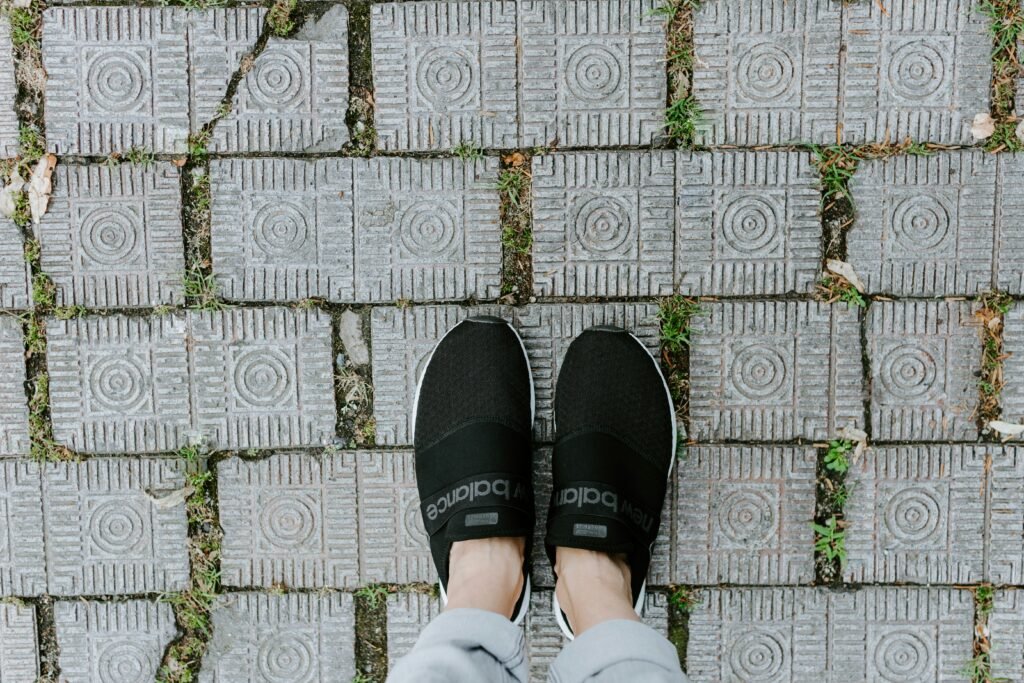
During your trip to Japan you will be walking a lot, so in addition to the considerations we mentioned above, it is important to wear comfortable and breathable shoes .
Probably the best option for many people is sneakers , which you can walk in all day without any problems. It’s important that they have plenty of cushioning in the back to ensure comfort for your heel. In summer, you can wear sandals, but they must be suitable for walking several kilometers, otherwise your feet will suffer (Teva shoes, for example).
Another important aspect is that the shoes are easy to put on and take off . As mentioned above, in Japan you’ll often have to take off your shoes to visit temples, castles (especially the original 12 ), and even restaurants, so comfortable shoes that you can easily put on and take off are ideal. You can opt for slip-on shoes, like Merrell Jungle Moc or Sketchers, for example.
Finally, another important detail regarding footwear is socks. Since you’ll need to take off your shoes often, always wear clean, hole-free socks.
What to add to your toiletry bag
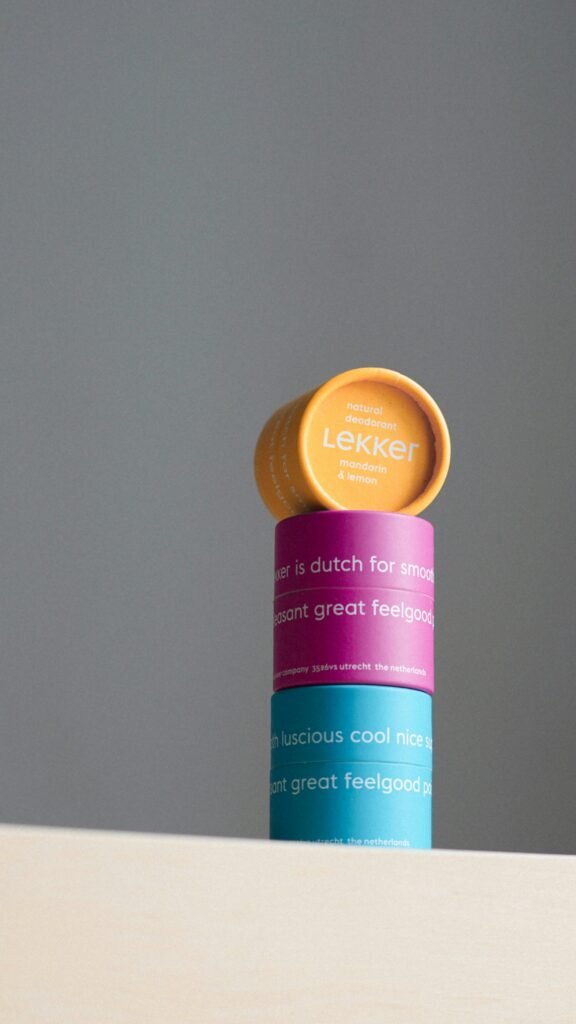
Your toiletry bag for your trip to Japan should contain the essentials for your personal hygiene . Most hotels and ryokans have shampoo, conditioner, body wash, and even moisturizer, so you don’t need to pack any of these items if you don’t want to.
Many business hotels also provide toothbrushes and toothpaste, but we honestly think it’s better to bring your own. Also, add a deodorant , but don’t make it too strong, and leave the cologne or fragrance at home . Japanese people aren’t used to strong perfumes, so avoid them. In fact, many top-tier restaurants specifically ask you to go without perfume.
Also bring your favorite skincare , although keep in mind that you can buy very good cosmetics and makeup in Japan . If you need them, bring feminine hygiene products, because the ones available in Japan are quite different, and it’s often difficult to find tampons, for example, since sanitary pads tend to be more common.
In addition to the basics, we usually also bring powdered detergent to wash some clothes in our hotel room. Most business hotels have laundromats with coin-operated washers and dryers, making it easy to do laundry while traveling. But sometimes you just need to wash a small item of clothing or get rid of an unwelcome stain.
I also usually carry a small sewing kit, with some thread in different colors, a couple of buttons, and some needles. Ideal for small repairs.
Basic travel first aid kit

Aside from your toiletries, don’t forget to pack a travel first-aid kit to treat minor injuries or aches and pains. Pack some pain relievers and general medications for headaches, colds, diarrhea, or constipation, for example, all common ailments experienced by any traveler.
Also bring some adhesive bandages and antiseptic cream to disinfect wounds, in case you fall and hurt yourself. Also, since you’ll be walking a lot, bring bandages and blister dressings (like Compeed), as well as anti-chafing cream , especially if you’re traveling in the summer. The one from Decathlon is wonderful. I’ve had to use this a lot because we tend to walk a lot.
In any case, you can get many of these things at any pharmacy or drugstore.
Obviously, the first-aid kit is only for minor injuries or general aches and pains . If you need additional help, contact your travel insurance to consult a doctor. Also, if you need other specific medications, please check the information from the Japanese Ministry of Health, Labor, and Welfare.
Hand luggage
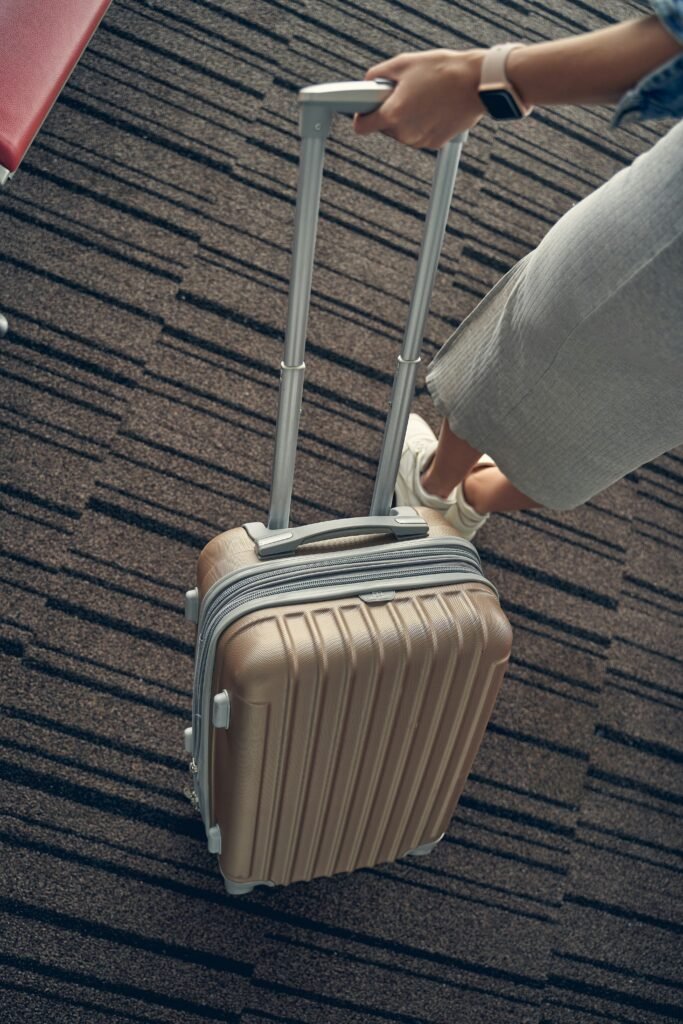
As with any trip, I recommend bringing carry-on luggage in addition to your checked bag for traveling to Japan. In your carry-on luggage, you should pack a change of clothes (in case of delays in baggage delivery), personal documents , a cell phone charger, and a reusable water bottle.
It’s also a good idea to pack a small toiletry bag with some essentials, such as pain relievers, a toothbrush and toothpaste, moisturiser and lip balm, and eye drops, because the airplane environment is often very dry. Keep in mind, however, the liquid restrictions in carry-on luggage.
I always carry also:
- Cloth or warm masks
- Earplugs like Loop Earplugs , which are fantastic for long flights, and/or noise-cancelling headphones.
- Comfortable, loose-fitting tracksuit-style clothing. Ideal for changing into on the plane for a more relaxed fit.
- Neck pillow. I don’t usually use one, but many people find it helpful.
This way, I not only rest during the flight, but I also refresh myself as soon as I arrive in Japan, thus largely avoiding jet lag .
Suitcase or backpack?
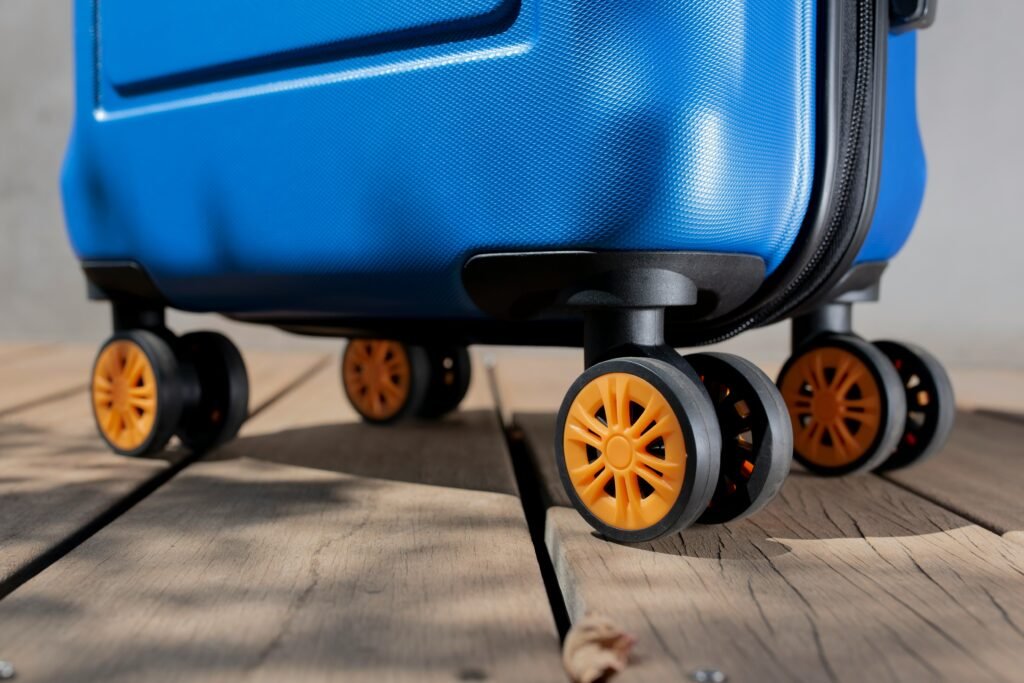
I am often asked whether it’s better to travel to Japan with a suitcase or a backpack , and the simplest answer is that you can travel however you want . If you’re used to carrying a backpack, great. If you prefer to travel with a wheeled suitcase, that’s also great.
Keep in mind that both suitcases and backpacks are a nuisance on public transportation , especially large ones. In fact, when traveling in Japan, it’s best to send your luggage with the takkyubin service like Yamato , which is why I prefer to travel with a wheeled suitcase. I can fill it with purchases and souvenirs and send it from hotel to hotel without having to carry it around.
I also always carry a small carry-on suitcase to store my clothes when I’ve sent a large suitcase to another destination. These types of suitcases fit easily into the lockers found in major stations, subways, and on the ground floors of shopping centers.
These days, I also prefer to travel light and, if necessary, use the washing machines in business hotels . That’s why I usually travel with carry-on luggage, which fits perfectly on trains and doesn’t pose any problems.
However, if the trip is long, I opt for larger suitcases . If you’re not using takkyubin (which I highly recommend), check the luggage restrictions on certain train lines to avoid any problems.
Don’t forget to pack these!
Finally, some more items you can’t forget at home:
- Passport and documents . Check the requirements for traveling to Japan to find out if your country is visa-exempt, among other things.
- Travel insurance . Healthcare in Japan is good, but expensive. Therefore, it’s essential to have good travel insurance with comprehensive coverage.
- JR Pass or Regional Passes . To get your JR Pass in Japan, you’ll need the exchange order that your provider sends to your home. The same applies to some regional passes (with others, you’ll receive a QR code online), so keep the exchange order with your passport so you don’t forget it.
- Suica cards or similar for transportation . Suica or Pasmo cards are wallet cards that allow you to conveniently pay for transportation, but also for taxis, konbini , vending machines, and more. You can purchase them before your trip so you don’t waste time when you arrive.
- Internet with an eSIM, SIM, or pocket Wi-Fi . You have three options for internet access in Japan. My favorite is the eSIM , but if your phone isn’t compatible yet, buy a SIM or rent a pocket Wi-Fi before your trip.
- Power strip and adapter . Buy an adapter for Japan , where the voltage is 110V and the plug is similar to the American one, flat. I always recommend carrying a power strip to connect multiple devices using a single adapter.
- Chargers and extra batteries . Remember to bring chargers for your phone, camera, tablet, computer, and more. And bring an extra battery , because with so many photos, videos, and Google Maps, you’re going to need it. The one we use is linked. However, keep in mind that, for years now, you’ll have to keep them in your carry-on luggage, not in your checked baggage. Also, starting in July 2025, Japanese airlines require that they be kept visible, rather than stored in overhead bins.
- Revolut or N26 cards . The best way to pay in Japan, saving you money on currency exchange fees. You can now pay with these cards in most locations.
- Cash . Exchange some money into yen so you have cash as soon as you arrive in Japan. This way, you can easily pay for small purchases in places where cards aren’t accepted, such as convenience stores or some temples.
- Cloth and plastic bags. Always carry a cloth bag in your backpack so you can store your konbini purchases without having to pay for their plastic bags. But also bring a plastic bag that you can use as a “trash can” to temporarily store waste, as there are few street trash cans in Japan.
- Travel notebook . Ideal for collecting rubber stamps (not stamp pads ), as well as all kinds of souvenirs from your trip.
FAQs: Packing List for Japan Trip
1. What type of clothes should I pack for Japan?
It depends on the season.
- Spring (March–May): Light jacket, long sleeves, comfortable sneakers.
- Summer (June–August): Breathable clothes, sandals, hat, mini towel (it gets humid!).
- Autumn (September–November): Layered outfits, cardigan or light coat.
- Winter (December–February): Warm coat, gloves, scarf, and heat packs (sold everywhere).
2. Do I need a power adapter in Japan?
Yes, if your plugs aren’t Type A or B. Japan uses 100V with two flat pins (same as the U.S.). European plugs won’t fit without an adapter. Bring a universal adapter with USB ports.
3. What shoes are best for Japan?
Comfortable slip-on shoes or sneakers. You’ll walk a lot and take shoes off often at temples, ryokans, and some restaurants. Avoid boots or anything complicated.
4. Should I bring cash or just use cards?
Japan is becoming more card-friendly, but cash is still king in small restaurants, local markets, and rural areas. Carry around 10,000–20,000 yen in cash, and withdraw more at convenience store ATMs (7-Eleven and FamilyMart are reliable).
5. What travel essentials should I not forget?
- Suica or Pasmo IC card (or the mobile app version)
- Pocket Wi-Fi or eSIM
- Japan Rail Pass (if you plan intercity travel)
- Reusable water bottle
- Small foldable umbrella
- Compact reusable shopping bag (Japan loves eco-bags)
- Toiletries (though hotels provide basics)
6. What not to pack for Japan?
- Oversized luggage (hard to manage on trains)
- Hairdryers or irons (most hotels have them)
- Too many toiletries (drugstores carry top Japanese brands)
- Loud or revealing clothes (temples and shrines prefer modest attire)
7. How can I pack light but smart?
Plan mix-and-match outfits, use packing cubes, and leave a little space for souvenirs — because you will shop. Convenience stores and coin laundries make traveling light totally doable.
8. What about medicine and prescriptions?
Bring enough for your whole trip and keep it in the original packaging. Some medications (like strong painkillers or ADHD meds) are restricted — check Japan’s customs website before arrival.