
I spill travel tips , and show you the Japan that tourists usually miss.
Nagoya rarely gets the same level of hype as Tokyo, Kyoto, or Osaka, which is exactly why we like it. Japan’s fourth-largest city has plenty going on, but without the exhausting chaos. We get grand castles, excellent museums, buzzing shopping streets, kid-friendly attractions, and a food scene that is wildly underrated. One minute we are wandering through historic grounds at Nagoya Castle, the next we are diving into local specialties like miso katsu, hitsumabushi, and tebasaki.
What makes Nagoya especially appealing is how easy it is to explore. The city is well connected, refreshingly manageable, and packed with attractions that suit just about every type of traveler, whether you are into history, anime, architecture, railways, family days out, or simply eating your way across Japan one glorious meal at a time.
In this guide, we are rounding up the best things to do in Nagoya, from must-see landmarks and cultural sights to fun indoor spots and local neighborhoods worth adding to your itinerary.
Plan Your Nagoya Trip
From family-friendly attractions to where to stay and what to eat, these Nagoya guides will help you pull the whole trip together without the usual planning headache.
- ➡️ Find the best area to stay in Nagoya
- ➡️ Explore the best day trips from Nagoya
- ➡️ See the best things to do in Nagoya at night
- ➡️ Discover the best shopping in Nagoya
- ➡️ Pick the best restaurants in Nagoya
- ➡️ Follow our one-day Nagoya itinerary
- ➡️ Use this 2-day Nagoya with kids itinerary
- ➡️ Uncover Nagoya hidden gems most visitors miss
Table of Contents
Getting Around Nagoya
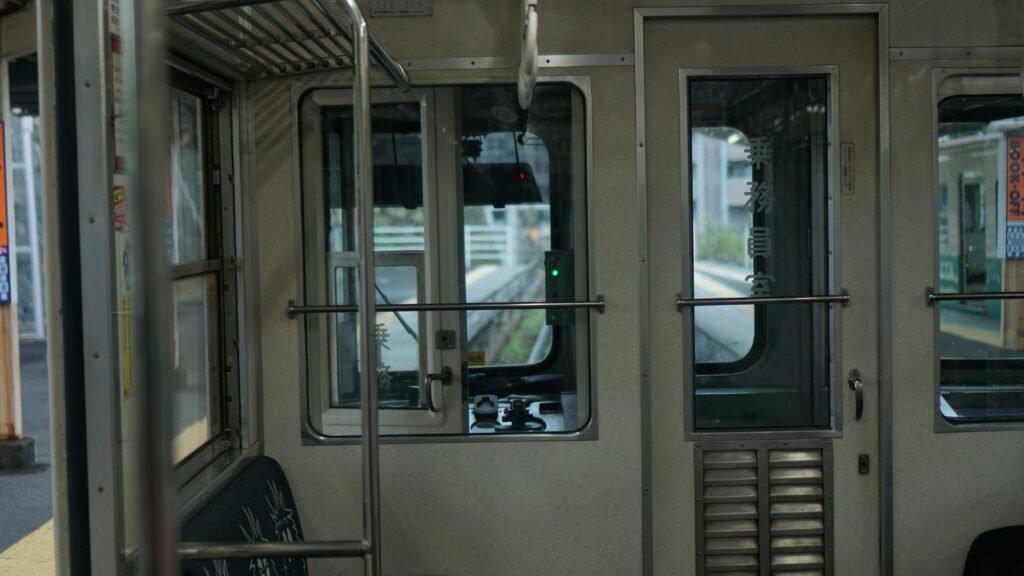
Getting around Nagoya is refreshingly easy once we get the lay of the land. The city is compact, orderly, and far less overwhelming than Tokyo or Osaka, which means you can spend less time squinting at maps and more time actually enjoying the place. For most travelers, the subway is the easiest way to move between major sightseeing areas, shopping districts, and food spots.
Nagoya’s public transport network is built around the subway, JR lines, Meitetsu trains, and buses. If you are staying near Nagoya Station or in the Sakae area, you will already be in one of the best-connected parts of the city. The subway is especially handy for reaching places like Nagoya Castle, Osu Shopping Street, Sakae, and the Nagoya City Science Museum.
Using an IC card such as Manaca, Suica, or Pasmo makes things much smoother. You can simply tap in and out on trains, subways, and most buses without buying individual tickets every time. This is the no-drama option, and we strongly recommend it.
Taxis are clean, reliable, and useful when you are tired, carrying shopping bags, or traveling with children, but they are much more expensive than public transport. For airport access, the Meitetsu train is one of the easiest ways to travel between Chubu Centrair International Airport and central Nagoya.
If you plan to see several attractions in one day, it is worth checking transport passes for the subway and bus network. Nagoya is also more walkable than many people expect, especially around central districts, so combining short train rides with walking is often the smartest strategy.
Our tip? Base yourself near Nagoya Station or Sakae, grab an IC card, and use the subway as your default. Nagoya is one of those cities that feels pleasantly manageable once you start moving around.
Things to do in Nagoya: Top places to visit
Nagoya Castle
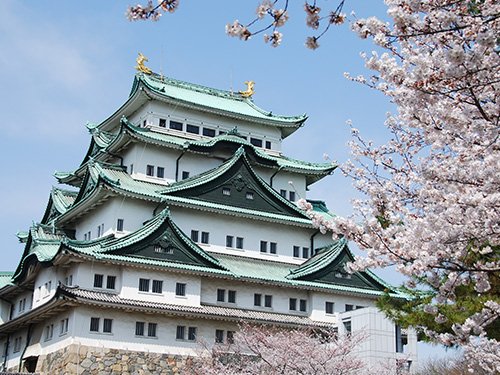
Nagoya Castle, once designated as Japan’s first National Treasure for a castle, flourished as the home of the Owari Tokugawa family, the most prominent of the Tokugawa clan’s three main branches.
For 260 years, throughout the Edo period, Nagoya Castle stood as the seat of the Owari Tokugawa family. The Honmaru Palace was considered one of the finest examples of a modern-era castle palace, and together with the main keep, it became the first castle structure in Japan to receive National Treasure status in 1930. Today, Nagoya Castle is designated as a National Special Historic Site, placing it among the country’s most important castles.
Although the Honmaru Palace was destroyed in an air raid, painstaking restoration work has brought back much of its former splendor, allowing visitors to admire its magnificent appearance once again. The Ninomaru Garden is also a standout, said to be the largest surviving garden of a former feudal lord’s residence in Japan. And if luck is on your side, you might even run into the Nagoya Omotenashi Bushotai or the Tokugawa Ieyasu and Hattori Hanzo Ninja Team, who bring a little theatrical flair to the grounds.
Nagoya Castle
Address: 1-1 Honmaru, Naka-ku, Nagoya City, Aichi Prefecture 460-0031
Business Hours: 9:00 AM – 4:30 PM (last entry to Honmaru Palace at 4:00 PM)
Closed on: Year-end and New Year holidays (subject to change depending on events)
Fee: Adults 500 yen, Nagoya City senior citizens 100 yen, junior high school students and younger free
Access:
- By train: Around 5 minutes on foot from Exit 7 of Shiyakusho Station on the Nagoya Municipal Subway Meijo Line
- By car: Around 5 minutes from the Marunouchi Exit of the Nagoya Expressway Inner Ring Road
Parking: Available
Parking Fee: 180 yen per 30 minutes
Site URL: nagoyajo.city.nagoya.jp/
Atsuta Shrine
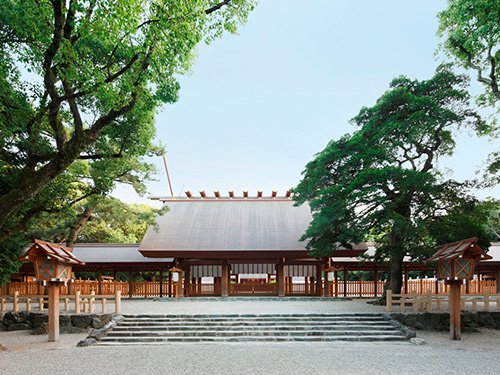
Atsuta Shrine is one of Japan’s most revered shrines and the sacred home of the legendary Kusanagi-no-Tsurugi, the Grass-Cutting Sword.
Among Japan’s many shrines, Atsuta Shrine is often described as second in prestige only to Ise Grand Shrine. It enshrines one of Japan’s Three Sacred Treasures, the Kusanagi-no-Tsurugi, giving it enormous historical and spiritual significance.
The shrine grounds span roughly 200,000 square meters, with a serene atmosphere shaped by centuries-old trees, including an enormous camphor tree believed to be over 1,000 years old. The Atsuta Shrine Treasure Museum is also worth visiting, housing around 6,000 artifacts and helping tell the story of the shrine’s long religious history. Beyond the main shrine, there are 43 additional shrines on and beyond the grounds, and around 70 festivals and ceremonies take place here each year. The most important is Atsuta Matsuri, held on June 5, when an imperial envoy attends on behalf of the Emperor.
Atsuta Shrine
Address: 1-1-1 Jingū, Atsuta-ku, Nagoya City, Aichi Prefecture 456-8585
Business Hours:
- Jingu Shrine: Open 24 hours (worship available all day; gift shop open from 7:00 AM until around sunset)
- Prayer services: 8:30 AM – 4:00 PM
- Treasure Hall: 9:00 AM – 4:30 PM (last entry 4:00 PM)
- Kusanagi Hall: 9:00 AM – 4:30 PM (last entry 4:00 PM)
Closed on: - Jingu: Open daily
- Treasure Museum: Last Wednesday of every month and the following day, plus December 25–31
- Kusanagi Treasure Museum: Tuesdays before holidays, plus December 25–31
Fee: - Treasure Hall: Adults 500 yen, elementary and junior high school students 200 yen
- Kusanagi Hall: Adults 500 yen, elementary and junior high school students 200 yen
- Combined ticket: Adults 800 yen, elementary and junior high school students 300 yen
Separate fees may apply during special exhibitions.
Access: - By train: About 3 minutes on foot from Jingumae Station on the Nagoya Railroad
Parking: Available
Parking Fee: Free
Site URL: atsutajingu.or.jp/jingu/
Kinshachi Yokocho
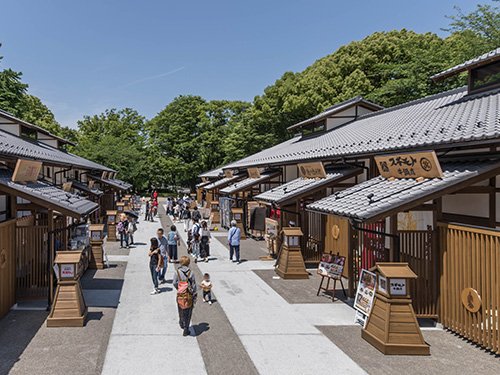
Kinshachi Yokocho is one of Nagoya’s signature gourmet spots, bringing together the city’s flavors, history, and culture in one easy-to-stomach location.
Right next to Nagoya Castle, Kinshachi Yokocho is a food street dedicated to showcasing Nagoya’s culinary identity. This is where you come when you want the classics: miso katsu, miso nikomi udon, and a rotating lineup of seasonal and limited-time dishes.
At Nagoya Specialty Miso Katsu Yabaton Nagoya Castle Kinshachi Yokocho Store, the popular Golden Miso Katsu Gozen features carefully selected premium pork cuts. At Yamamotoya Sohonten, you can try one of Nagoya’s defining comfort foods: rich, hearty miso nikomi udon made with the city’s beloved red miso.
Kinshachi Yokocho
Address:
- General area: Ninomaru and Sannomaru area, Naka Ward, Nagoya City, Aichi Prefecture 460-0001
- Yoshinao Zone: 1-2-3 to 1-5 Sannomaru, Naka Ward, Nagoya City
- Muneyoshi Zone: 1-2 and 1-3 Ninomaru, Naka Ward, Nagoya City
Access: - By train:
- Main Gate Area / Yoshinao Zone: About 10 minutes on foot from Exit 7 of Shiyakusho Station on the Meijo Subway Line, or about 10 minutes on foot from Exit 1 of Asamacho Station on the Tsurumai Subway Line
- East Gate Area / Muneharu Zone: Immediately outside Exit 7 of Shiyakusho Station on the Meijo Subway Line
- By car: Around 8 minutes south from Kurokawa Exit of the Nagoya Expressway No. 1 Kusunoki Line, or around 5 minutes north from Marunouchi Exit of the Nagoya Expressway Urban Ring Road
Parking: Use Nagoya Castle’s Main Gate Parking Lot or Ninomaru East Parking Lot
Site URL: kinshachi-y.jp/
Nagoya specialty miso katsu Yabaton Yabacho Main Store
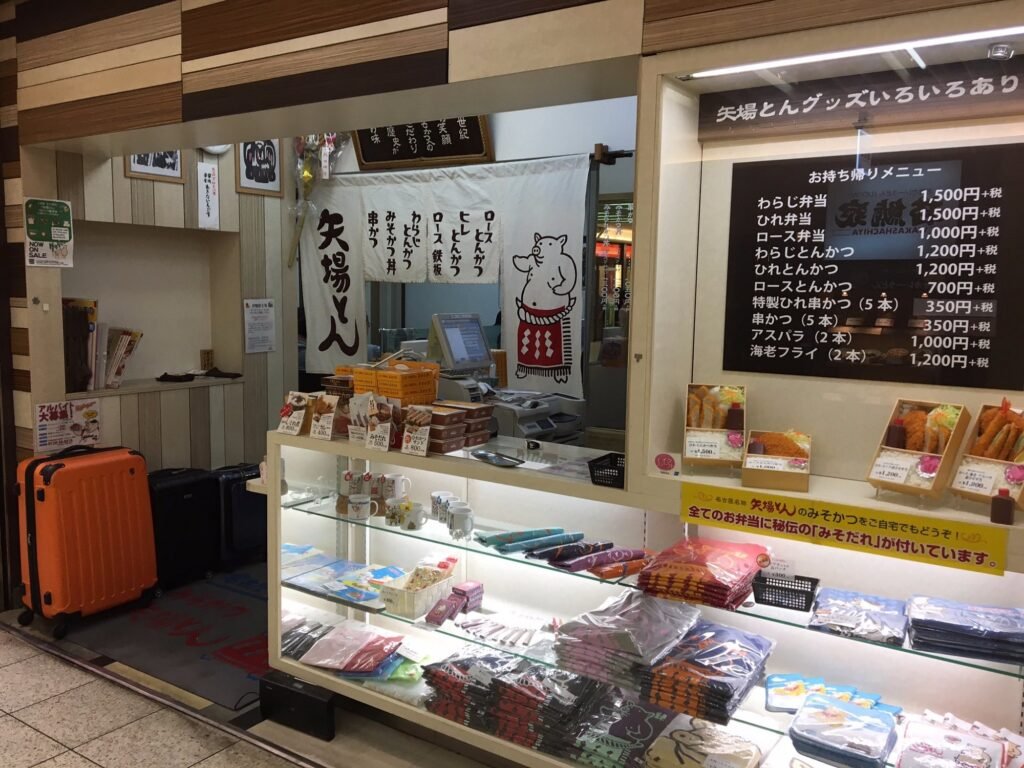
Yabaton’s Yabacho Main Store is the flagship branch of one of Nagoya’s most iconic miso katsu restaurants.
Gourmet
If Nagoya has a signature dish, miso katsu is absolutely in the conversation, and Yabaton is one of its most famous names. This flagship store has been serving its specialty for more than 70 years.
While today’s miso katsu is often associated with thick red miso sauce ladled generously over the cutlet, Yabaton stays true to an older style inspired by kushikatsu dipped in dote nabe. The staff serve each plate with care, matching quality ingredients and frying techniques to the rich miso sauce. Beyond the star dish, there are also a la carte favorites worth trying, including the quietly beloved natural jumbo shrimp tempura.
Yabaton Yabacho Main Store
Address: 3-6-18 Osu, Naka-ku, Nagoya City, Aichi Prefecture 460-0011
Business Hours: 11:00 AM – 9:00 PM
Closed on: None
Access:
- By train: About 5 minutes on foot from Exit 4 of Yabacho Station on the Meijo Subway Line, or about 5 minutes on foot from Exit 9 of Kamimaezu Station
Parking: Available
Parking Fee: Free
Site URL: yabaton.com/
Higashiyama Zoo and Botanical Garden
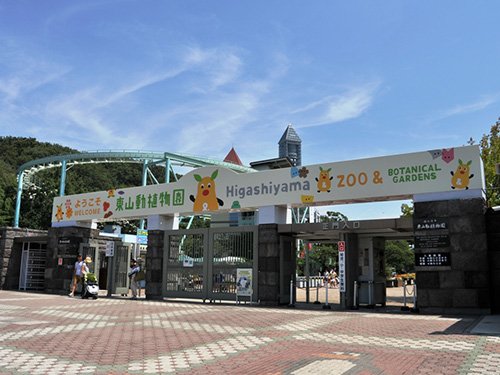
Higashiyama Zoo and Botanical Garden is one of Nagoya’s best all-ages attractions and boasts the largest number of animal species in Japan.
Home to around 500 animal species, this major zoo and botanical garden offers far more than a quick wander between enclosures. Alongside its animals, visitors can enjoy flower gardens, rose gardens, and a Japanese garden, making it a lovely place even for those who are only mildly zoo-obsessed.
Popular residents include giraffes, lions, koalas, and the famously handsome gorilla Shabani, who somehow achieved celebrity status in the media. The zoo’s exhibits are thoughtfully designed, including an Asian elephant area modeled after the elephants’ natural environment in Sri Lanka. Near the koala enclosure, the outdoor learning zone called Koala Forest lets children learn while they explore, which is the sort of educational trick parents appreciate.
Higashiyama Zoo and Botanical Garden
Address: 3-70 Higashiyamamotomachi, Chikusa-ku, Nagoya City, Aichi Prefecture 464-0804
Business Hours: 9:00 AM – 4:50 PM (last entry and ticket sales at 4:30 PM)
Closed on: Mondays
(If Monday is a national holiday or substitute holiday, the park closes on the next non-holiday.)
Also closed during the New Year holidays.
Fee: Adults 500 yen, Nagoya residents aged 65 and over 100 yen, junior high school students and younger free
Access:
- By train: 3 minutes on foot from Exit 3 of Higashiyama Park Station on the Higashiyama Subway Line, or 7 minutes on foot from Exit 6 of Hoshigaoka Station
- By car: About 15 minutes from Nagoya IC, about 10 minutes from Kamisha IC, Kamisha Minami IC, or Yotsuya Exit
Parking: Available
Parking Fee: Regular cars 800 yen, motorcycles 400 yen
Site URL: higashiyama.city.nagoya.jp/
LEGOLAND® Japan Resort
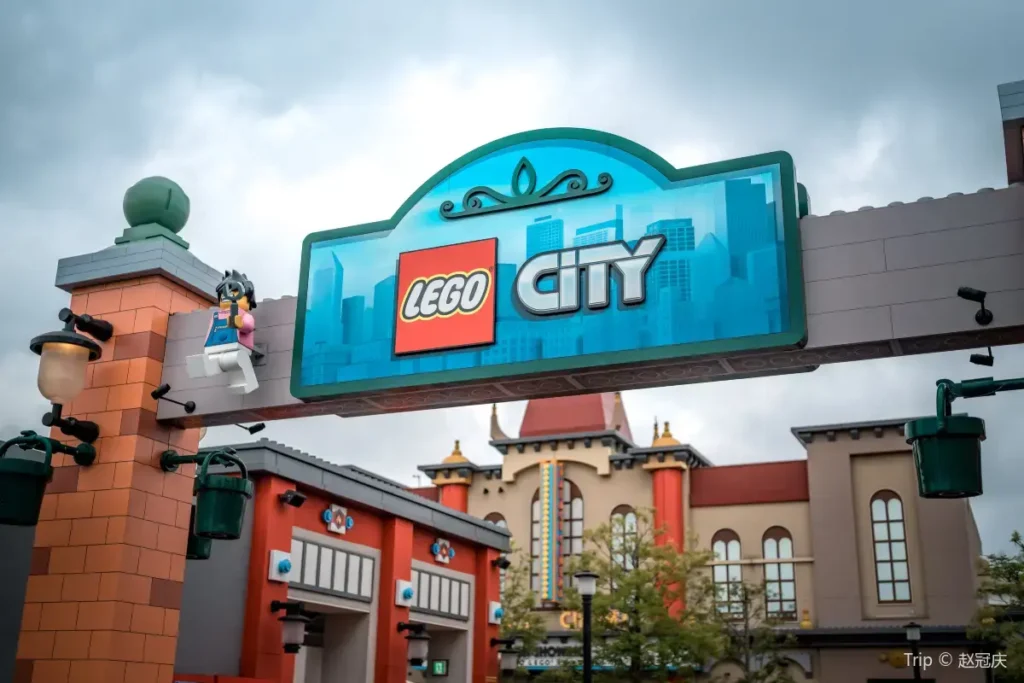
LEGOLAND® Japan Resort is exactly what it sounds like: a full-blown LEGO universe where children and their families can spend an entire day building, riding, splashing, and generally refusing to be bored.
LEGOLAND Japan Resort combines LEGOLAND Japan, LEGOLAND Japan Hotel, and SEA LIFE Nagoya into one family-focused destination. It is especially designed for children aged 2 to 12, with interactive attractions themed around LEGO worlds, hands-on building experiences, and rides the whole family can enjoy together.
If you want to lean fully into the theme, the LEGOLAND Japan Hotel is the obvious move. Rooms include dedicated children’s spaces, treasure boxes, and even in-room treasure hunts. The hotel also offers creative workshops and water play areas in select rooms or by reservation. Within the same complex, SEA LIFE Nagoya gives families an interactive aquarium experience with themed zones inspired by the Kiso River, coral reefs, and shipwrecks.
LEGOLAND® Japan Resort
Address: 2-2-1 Kinjo-futo, Minato-ku, Nagoya City, Aichi Prefecture 455-8605
Business Hours: 10:00 AM – 4:00 PM
Business days and hours may change without notice, so check the official website before visiting.
Fee: Adults (13+) from 4,600 yen, children (3–12) from 3,400 yen
Access:
- By train: About 8 minutes on foot from Kinjo-futo Station on the Nagoya Rinkai Rapid Railway
- By car: About 5 minutes from Meiko Chuo Interchange on the Isewangan Expressway
Parking: Use nearby coin-operated parking lots
Site URL: LEGOLAND.jp
Nagoya City Archives
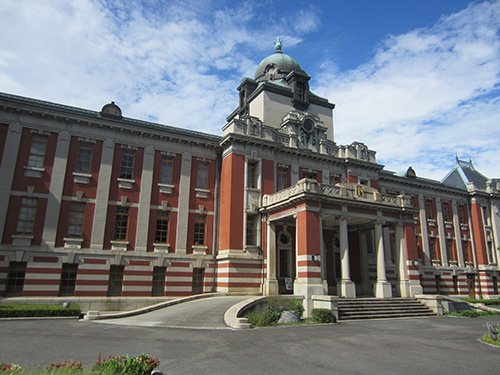
Nagoya City Archives is one of those places that quietly sneaks up on you. It looks elegant from the outside, then lures you in with history, architecture, and the kind of old-world atmosphere that makes you walk a little slower.
Built in 1922, this striking red-brick structure is designed in the Neo-Baroque style and carries the weight of the Taisho era in every detail. Inside, visitors can explore official records, historical materials, and administrative documents in the reading room. One particularly unusual feature is the preserved former detention cell, where you can actually see the inside of a real historic jail cell.
The building also hosts meetings and exhibitions, so it continues to function as a gathering place rather than just a dusty relic. The surrounding area is worth a stroll too, with spots like Catholic Chikara-machi Church and the charming historic streets of Shirakabe, Chikara-machi, and Shomoku-machi, where old residences, walls, gates, greenery, and early modern architecture still survive.
Nagoya City Archives
Address: 1-3 Shirakabe, Higashi-ku, Nagoya City, Aichi Prefecture 461-0011
Business Hours: 9:00 AM – 5:00 PM
Closed on: Mondays (or the following weekday if Monday is a public holiday), the third Thursday of the month (or fourth if the third Thursday is a holiday), and New Year holidays
Fee: Free
Access:
- By train: About 8 minutes on foot from Exit 2 of Shiyakusho Station on the Meijo Subway Line
Parking: Available
Site URL: nagoya-info.jp/spot/detail/154/
Tsurumai Park
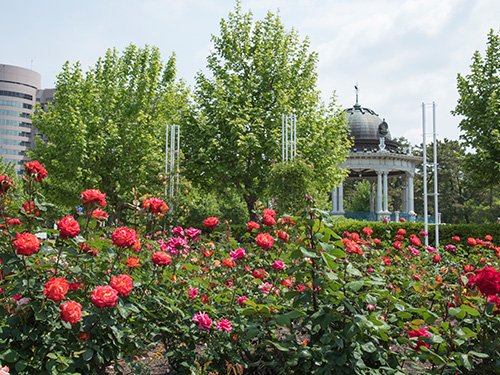
Tsurumai Park is one of Nagoya’s best-known green spaces and one of Japan’s top cherry blossom viewing spots.
With a history stretching back more than a century, Tsurumai Park is particularly famous for its approximately 700 Somei Yoshino cherry trees, which earned it a place among Japan’s Top 100 Cherry Blossom Viewing Spots. In spring, the place becomes a full-on blossom spectacle, but the park stays appealing year-round thanks to its roses, irises, open greenery, and blend of Japanese and Western-style garden design.
The fountain tower, concert hall, Kochogaike Pond, and Ryugaike Pond all add to the atmosphere, creating a park that feels both historic and relaxed. It is a favorite for recreation, casual strolls, picnics, and a bit of breathing room in the city.
Tsurumai Park
Address: 1-1 Tsurumai, Showa-ku, Nagoya City, Aichi Prefecture 466-0064
Closed on: None
Fee: Free
Access:
- Located right next to JR Chuo Line Tsurumai Station
- Also right next to Exit 4 of Tsurumai Station on the subway
Parking: Available
Parking Fee: 180 yen per 30 minutes
Site URL: tsurumapark.info/
Tokugawa Art Museum
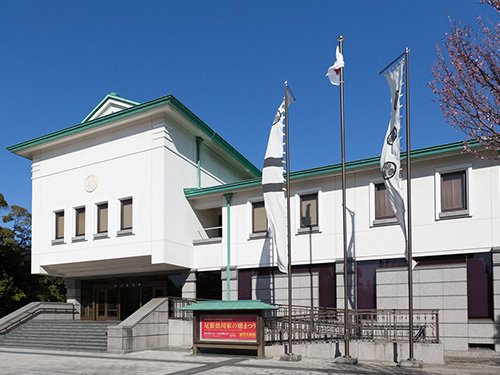
The Tokugawa Art Museum preserves the treasures of the Tokugawa family and offers one of the richest glimpses into samurai-era elite culture anywhere in Japan.
Art museums and museums
The museum’s collection comes from Tokugawa Ieyasu and the Owari Tokugawa family, the most prestigious of the Tokugawa shogunate’s three main branches. This is not some tiny room with a few dusty screens and one suspiciously dim spotlight. The collection includes 9 National Treasures, 59 Important Cultural Properties, 46 Important Works of Art, and around 1,000 swords, making it one of Japan’s most important repositories of daimyo heirlooms.
It’s the sort of museum that answers questions you did not even know you had, like what exactly a daimyo owned, used, displayed, and passed down. More than that, it serves as a major center for understanding Edo-period daimyo culture and the historical legacy Japan continues to value today.
Tokugawa Art Museum
Address: 1017 Tokugawa-cho, Higashi-ku, Nagoya City, Aichi Prefecture 461-0023
Business Hours: 10:00 AM – 5:00 PM (last entry 4:30 PM)
Closed on: Monday (or the following weekday if Monday is a public holiday or substitute holiday)
Fee: General admission 1,400 yen, high school and university students 700 yen, elementary and junior high school students 500 yen
High school students and younger enter free every Saturday.
Access:
- By train: About 10 minutes on foot from the south exit of JR Ozone Station
- By car: About 30 minutes from Nagoya IC or Ichinomiya IC
Parking: Available
Parking Fee: Free
Site URL: tokugawa-art-museum.jp/
Nagoya Port Aquarium
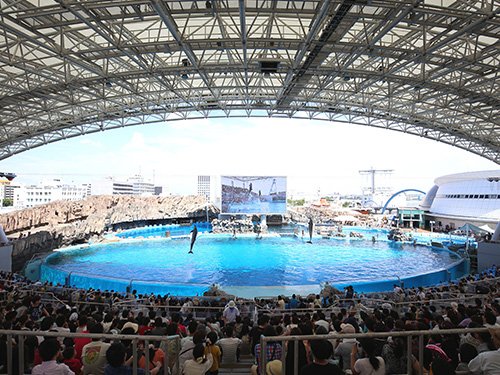
Nagoya Port Aquarium is one of the city’s most popular family attractions, with large marine exhibits, dynamic performances, and enough underwater drama to keep everyone entertained.
The aquarium houses around 500 species of marine life and features one of the largest outdoor pools in Japan, where visitors can watch energetic dolphin shows. Inside the North Building, huge glass windows on the second floor offer memorable underwater views of dolphins, orcas, and beluga whales. If you linger, you may even hear the hauntingly beautiful sounds of the belugas.
The aquarium also adds an educational layer, with skeletal replicas and reconstructed illustrations of ancient whales, including Pakicetus, one of the earliest known ancestors of whales. So yes, it is cute, but it also quietly teaches you things while you are busy admiring extremely photogenic sea life.
Nagoya Port Aquarium
Address: 1-3 Minatomachi, Minato-ku, Nagoya City, Aichi Prefecture 455-0033
Business Hours:
- Regular season (spring break to end of November): 9:30 AM – 5:30 PM
- Golden Week and summer holidays: 9:30 AM – 8:00 PM
- Winter season (December to before spring break): 9:30 AM – 5:00 PM
Last admission is one hour before closing.
Closed on: Mondays (or following day if Monday is a public holiday)
No closures during Golden Week, July–September, or spring/winter school holidays
Winter maintenance closures may occur.
Fee: Adults and high school students 2,030 yen, elementary and junior high school students 1,010 yen, preschoolers aged 4+ 500 yen
Access: - By train: About 5 minutes on foot from Exit 3 of Nagoya Port Station on the Meiko Subway Line
- By car: About 10 minutes from Minato-Akemi Interchange
Parking: Garden Wharf Parking Lot or Garden Wharf West Parking Lot
Parking Fee: 100 yen per 30 minutes, maximum 1,000 yen per 24 hours
Site URL: nagoyaaqua.jp/
SCMAGLEV and Railway Park
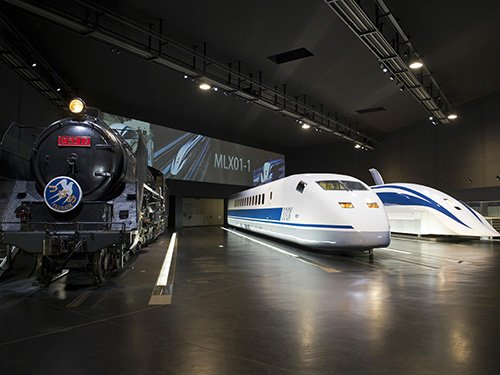
The SCMAGLEV and Railway Park is a dream stop for train lovers, curious kids, and anyone who has ever wondered how Japan got so very good at moving people at absurd speed.
This interactive railway museum focuses on the Tokaido Shinkansen and the evolution of high-speed rail technology. It features everything from steam locomotives and conventional trains to superconducting maglev trains, showing how railway engineering developed over time.
With 39 real train cars on display, a mini-theater simulating a 500 km/h journey, and hands-on simulators that let visitors try life as a train driver or conductor, this place manages to be both educational and seriously fun. Models, panels, and interactive exhibits make it accessible for children, while adults can happily geek out over the technical side of things.
SCMAGLEV and Railway Park
Address: 3-2-2 Kinjo-futo, Minato-ku, Nagoya City, Aichi Prefecture 455-0848
Business Hours: 10:00 AM – 5:30 PM (last entry 30 minutes before closing)
Closed on: Tuesdays (or the following day if Tuesday is a public holiday), New Year holidays
Fee: Adults 1,000 yen, elementary/junior high/high school students 500 yen, preschoolers aged 3+ 200 yen
Access:
- By train: About 2 minutes on foot from Kinjo-futo Station on the Nagoya Rinkai Rapid Railway
- By car: About 3 minutes from Meiko Chuo Interchange
Parking: Use nearby municipal parking lots
Site URL: museum.jr-central.co.jp/
Chubu Electric Power MIRAI TOWER
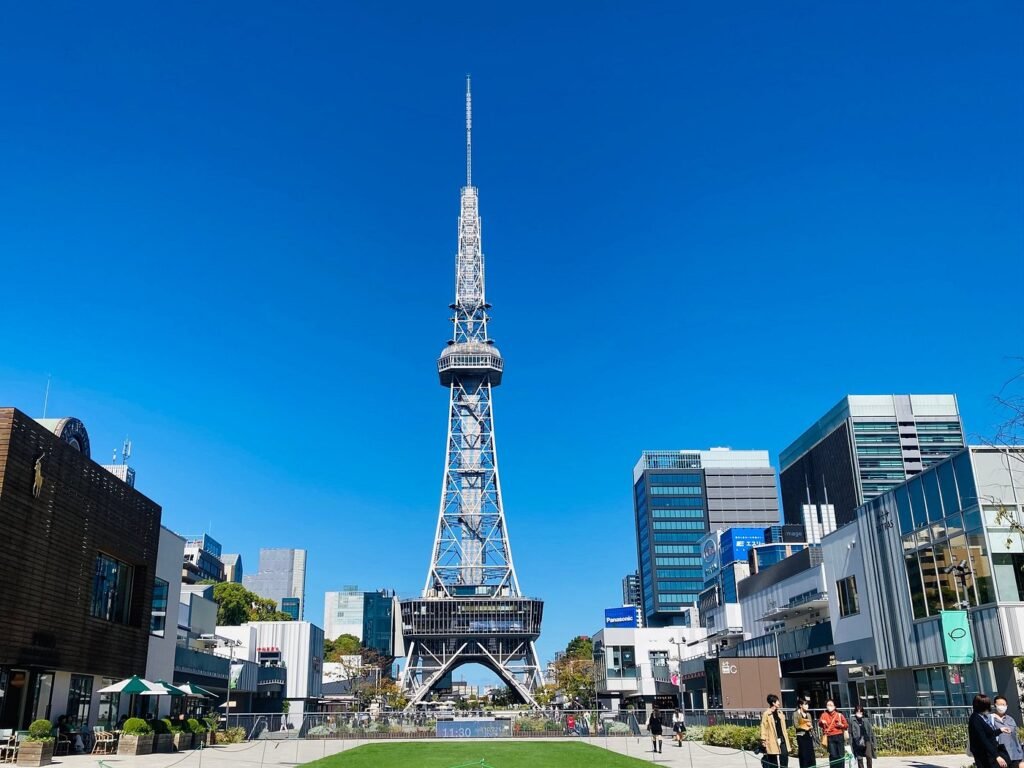
Chubu Electric Power MIRAI TOWER is one of Nagoya’s most recognizable landmarks and still manages to look impressively futuristic for a structure with this much history.
Originally known as the Nagoya TV Tower, this was Japan’s first integrated radio tower and is now a nationally registered tangible cultural property. After major renovations, it reopened in September 2020 with new additions including a hotel and shops inside the tower itself.
The indoor observation deck, known as the Sky Deck, offers sweeping views of the city, enhanced by mirrored ceilings and floors that make the whole space feel even more dramatic. The tower’s lighting system has also evolved with the Kirameki installation, using the latest LED technology and 16.7 million colors to create dazzling displays. In May 2021, it officially relaunched under its current name, and it remains a symbol of how Nagoya likes to blend heritage with reinvention.
Chubu Electric Power MIRAI TOWER
Address: 3-6-15 Nishiki, Naka Ward, Nagoya City, Aichi Prefecture 460-0003
Business Hours:
- Weekdays and Sundays: 10:00 AM – 9:00 PM (last entry 8:40 PM)
- Saturdays: 10:00 AM – 9:40 PM (last entry 9:20 PM)
Closed on: None
The facility may close for maintenance around twice a year.
Fee: Adults (high school students and older) 900 yen, elementary and junior high school students 400 yen, preschool children free
Prices and hours may vary depending on events.
Access: - By train: Directly connected to Exit 4B of Hisaya-Odori Station on the Meijo and Sakuradori subway lines
- By car: About 3 minutes from the Higashi-Shinmachi Exit of the Nagoya Expressway Inner Ring Road
Parking: None
Site URL: nagoya-tv-tower.co.jp/
nagoya-info.jp/spot/detail/9/
Toyota Commemorative Museum of Industry and Technology
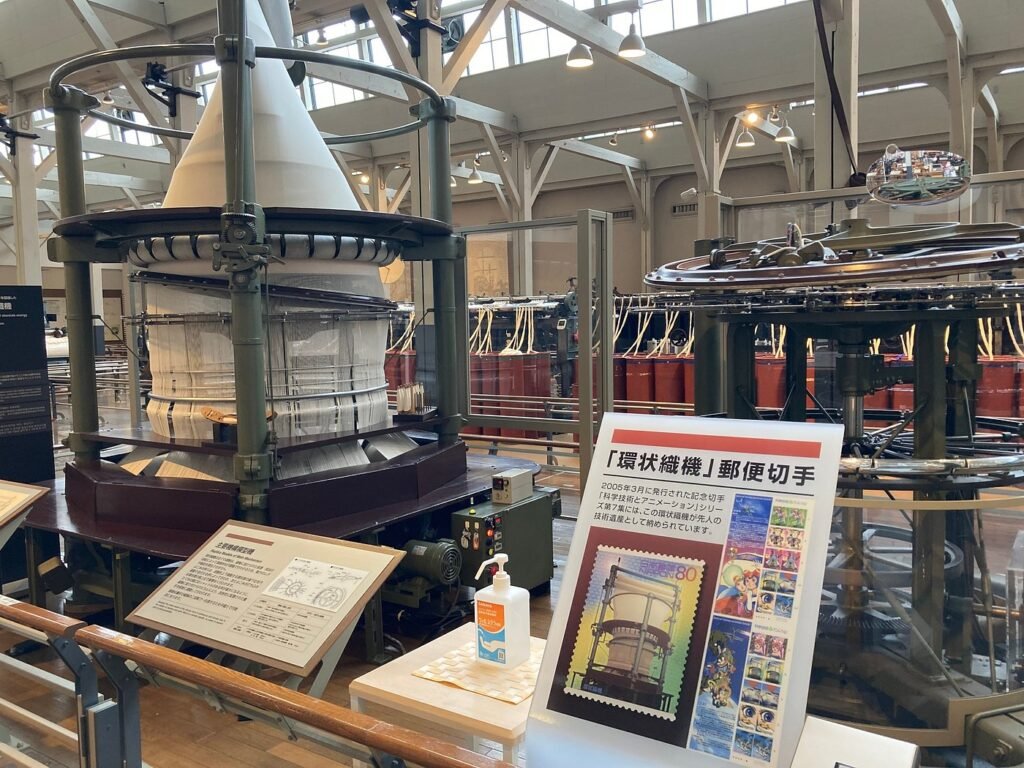
The Toyota Commemorative Museum of Industry and Technology is where Nagoya reminds you that industry can, in fact, be fascinating.
Set inside a preserved Taisho-era red-brick factory at the birthplace of the Toyota Group, this museum traces the development of both textile machinery and automotive technology. Through full-scale machinery, live demonstrations, and well-designed exhibits, it makes industrial history surprisingly vivid.
This is very much a place where you can see, learn, and be properly impressed. Families, engineering-minded kids, and anyone who loves watching machines actually do things will find plenty to enjoy here.
Toyota Commemorative Museum of Industry and Technology
Address: 4-1-35 Noritake-shinmachi, Nishi-ku, Nagoya City, Aichi Prefecture 451-0051
Business Hours: 9:30 AM – 5:00 PM (last entry 4:30 PM)
Closed on: Monday
Fee: Adults 500 yen, seniors (65+) 300 yen, junior and senior high school students 300 yen, elementary school students 200 yen
Access:
- By train: About 3 minutes on foot from Sakae Station on the Nagoya Main Line
- By car: About 5 minutes from the Meidocho Exit on the Nagoya Expressway Route 6 Kiyosu Line
Parking: Available
Parking Fee: Free
Site URL: tcmit.org/
Nagoya Port Wildflower Garden Bluebonnet
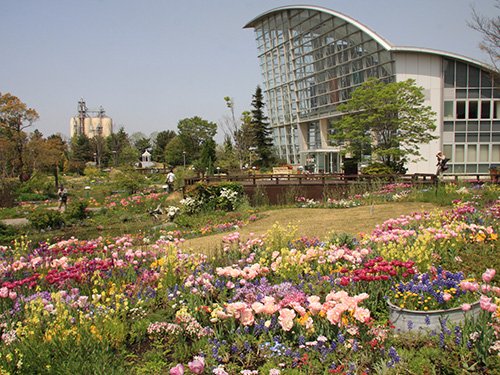
Nagoya Port Wildflower Garden Bluebonnet is a quiet, flower-filled escape with seasonal blooms, themed gardens, and a breezy setting by the sea.
Created by Chubu Electric Power to mark its 50th anniversary, this natural-style garden is surrounded by both greenery and waterfront scenery. The site includes 23 themed gardens, each with its own character, from a wildflower hill designed around continuous seasonal blooming to an elegant English garden created by a leading British garden designer.
There is also a hands-on community garden in the southern area, where citizen volunteers engage in horticultural welfare activities and programs related to food education, flower education, and community-building. It is gentle, pretty, and a nice counterpoint to Nagoya’s heavier-hitting urban attractions.
Nagoya Port Wildflower Garden Bluebonnet
Address: 42 Shiomi-cho, Minato-ku, Nagoya City, Aichi Prefecture 455-0028
Business Hours:
- Early March to late November: 9:30 AM – 5:00 PM
- Early December to late December: 9:30 AM – 4:00 PM
Closed on: Mondays (unless Monday is a public holiday, then the following day), Nagoya Port Festival days, member-only and special event days, and winter closure from late December to late February
Fee: Adults 300 yen, seniors 200 yen, elementary and junior high school students 150 yen, children under 6 free
Access: - By train and bus: About 40 minutes by bus from Kanayama Station, then about 3 minutes on foot from the Wildflower Garden bus stop
- By car: About 5 minutes from Meiko Shiomi Interchange or Funami Interchange
Parking: Available
Parking Fee: Free
Site URL: wfg-bluebonnet.com/
aichi-now.jp/spots/detail/936/
Dai Nagoya Building
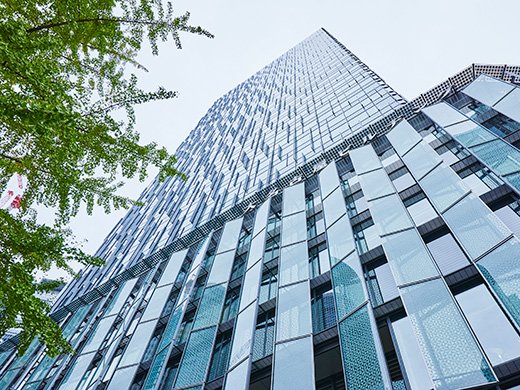
Dai Nagoya Building is one of the most convenient places in the city for shopping, dining, and taking a small rooftop break between sightseeing missions.
Just steps from Nagoya Station, this large commercial complex is built around the ideas of quality and seasonality. Inside, you will find a broad mix of polished shops, making it useful for everything from gift hunting and souvenir shopping to personal splurges and last-minute practical buys.
The restaurant lineup is equally strong, with well-known local names alongside famous eateries from across Japan. On the 5th floor, the Sky Garden shifts with the seasons, featuring decorations like cherry blossoms in spring and sunflower displays in summer. It’s a pleasant surprise in the middle of a busy shopping complex and a good spot to slow down for a minute.
Dai Nagoya Building
Address: 3-28-12 Meieki, Nakamura Ward, Nagoya City, Aichi Prefecture 450-6490
Business Hours:
- Shops & Services: 11:00 AM – 9:00 PM
- Restaurants & Cafes: 11:00 AM – 11:00 PM
Hours may vary by store.
Closed on: January 1
Access: - By train: Around 1–5 minutes on foot from JR Nagoya Station, Kintetsu Nagoya Station, Meitetsu Nagoya Station, and Nagoya Municipal Subway Nagoya Station depending on line and exit
Parking: Available
Parking Fee: - 7:00 AM – 12:00 AM: 340 yen per 30 minutes
- 12:00 AM – 7:00 AM: 170 yen per 30 minutes
No entry between 12:00 AM and 7:00 AM
Site URL: dainagoyabuilding.com/
Oasis 21
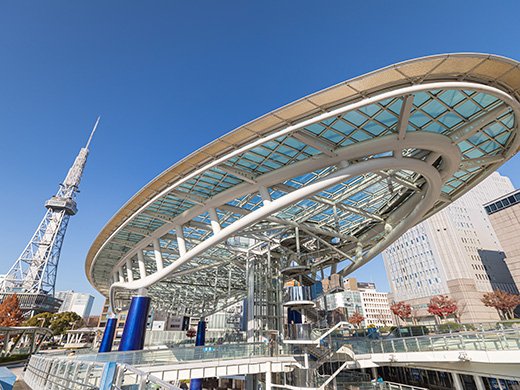
Oasis 21 is one of Nagoya’s most photogenic modern landmarks, crowned by a giant glass “water spaceship” that looks exactly as dramatic as it sounds.
This distinctive complex combines design, public space, shopping, and transit all in one. Its signature feature, the Water Spaceship, is a glass roof filled with water, creating a futuristic effect that feels especially striking when lit up at night.
Below it, you’ll find the green open area called Green Earth, the event-friendly Galaxy Square, shopping areas, and a bus terminal. It is the kind of place that works whether you want to take photos, rest between sightseeing stops, or simply admire a very specific kind of urban ambition.
Oasis 21
Address: 1-11-1 Higashi-Sakura, Higashi-ku, Nagoya City, Aichi Prefecture 461-0005
Access:
- By train: Directly connected to Sakae Station on the Higashiyama and Meijo subway lines, and immediately accessible from Sakaemachi Station on the Meitetsu Seto Line
- By car: About 5 minutes from Higashi-Shinmachi Interchange on the Nagoya Expressway Inner Ring Road
Parking: Use nearby coin-operated parking lots
Shirakawa Park
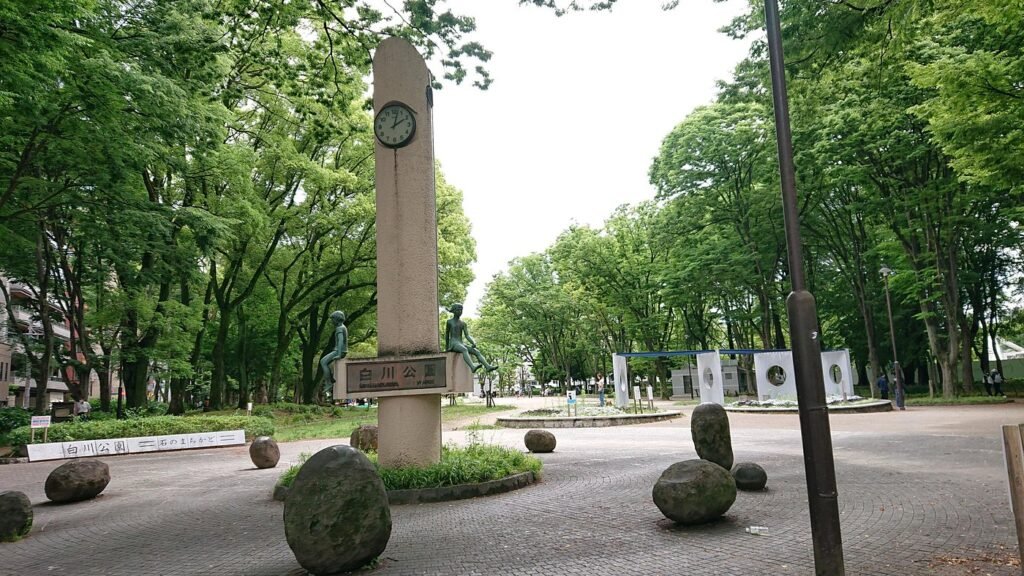
Shirakawa Park is where nature, sculpture, fountains, and some of Nagoya’s most important museums all politely share the same address.
Park
Located in the heart of the city, Shirakawa Park is home to both the Nagoya City Science Museum and the Nagoya City Art Museum, which means it is rarely quiet for long. Its most iconic feature is the fountain installation Rainbow Dance Shirakawa, which becomes a playful focal point in front of the science museum.
The park’s Sculpture Promenade adds another layer, combining trees, unusual artworks, and surrounding architecture into a walk that feels both urban and artistic. It is a nice in-between place: part cultural stop, part breathing space, part quick sit-down before the next museum.
Shirakawa Park
Address: 2-17 Sakae, Naka-ku, Nagoya City, Aichi Prefecture 460-0008
Access:
- By train: About 5 minutes on foot from Exit 5 of Fushimi Station, about 7 minutes from Osu Kannon Station, and about 10 minutes from Yabacho Station
- By car: Parking gets very crowded on holidays and during events, so public transportation is recommended
Parking: Available (8:00 AM – 9:00 PM)
Parking Fee: Regular cars 180 yen per 30 minutes, motorcycles 100 yen per 30 minutes
Site URL: city.nagoya.jp/ryokuseidoboku/page/
Nagoya City Museum of Art
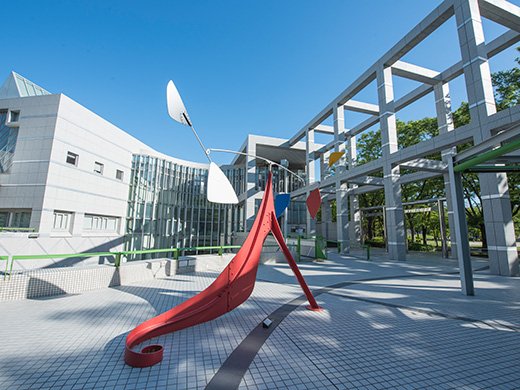
Nagoya City Museum of Art offers a wide-ranging collection, from local artists to international movements, making it an appealing stop even for people who do not usually declare museum day with much enthusiasm.
Located within Shirakawa Park, the museum hosts both special exhibitions and permanent exhibitions. Special exhibitions focus on individual artists or themes and tend to shift the museum’s mood each time, while the permanent collection includes around 8,100 works displayed according to seasonal themes.
The collection spans local artists as well as works connected to the School of Paris, the Mexican Renaissance, and contemporary art. That range makes it a good place for both serious art lovers and casual visitors who just want to wander until something catches their eye.
Nagoya City Museum of Art
Address: 2-17-25 Sakae, Naka-ku, Nagoya City, Aichi Prefecture 460-0008 (within Shirakawa Park)
Business Hours: 9:30 AM – 5:00 PM
On Fridays, excluding public holidays, open until 8:00 PM. Last entry is 30 minutes before closing.
Closed on: Mondays (open on public holidays, closed the following weekday), and during exhibition changeovers or construction periods
Fee: General admission 300 yen, high school and university students 200 yen, Nagoya residents aged 65 and over 100 yen, junior high school students and younger free
Access:
- By train: About 8 minutes on foot from Fushimi Station, about 7 minutes from Osu Kannon Station, and about 10 minutes from Yabacho Station
Parking: None (use nearby paid parking lots)
Site URL: art-museum.city.nagoya.jp/
Osu Kannon (Hōshōin)
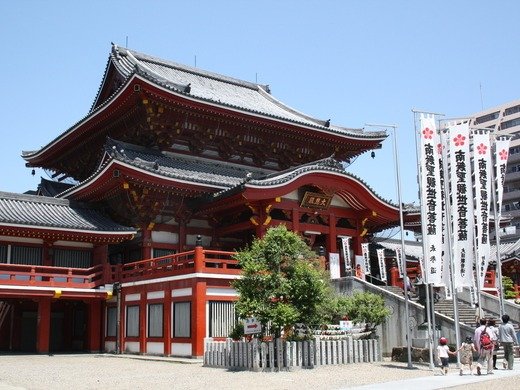
Osu Kannon is one of Japan’s three great Kannon temples and one of those places that still feels deeply woven into local life rather than staged just for visitors.
Officially known as Kitano-san Shinfuku-ji Hōshōin, Osu Kannon is a special head temple of the Chizan branch of Shingon Buddhism. It is especially busy during Hatsumode, the first temple visit of the new year, but the temple remains lively year-round. On the 18th of every month, a memorial service and antique market are held in honor of the principal deity, the Holy Kannon, and another antique market takes place on the 28th.
The temple is said to bring blessings for academic success, passing exams, family safety, business prosperity, and protection from misfortune. Nearby, the Osu Shopping Street adds a completely different energy, with local food, fashion, and a bustling neighborhood feel that makes this a particularly fun stop to combine with wandering and snacking.
Osu Kannon (Hōshōin)
Address: 2-21-47 Osu, Naka-ku, Nagoya City, Aichi Prefecture 460-0011
Business Hours:
- Main hall: 6:00 AM – 7:00 PM
- Temple office: 9:00 AM – 5:00 PM
Closed on: None
Fee: Free
Access: - By train: A short walk from Exit 2 of Osu Kannon Station on the Tsurumai Subway Line
- By bus: Direct buses also available from Nagoya Station, Sakae Station, and Kanayama Station
- By car: About 2 minutes from Shirakawa IC on the Nagoya Expressway
Parking: Use nearby coin-operated parking lots
Site URL: osu-kannon.jp/index.html
Tokugawa Garden
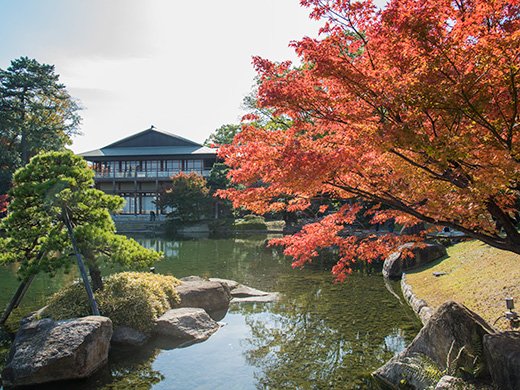
Tokugawa Garden is a beautiful Japanese garden that turns natural scenery into something slightly theatrical—in the best possible way.
Photo courtesy of: Nagoya Convention & Visitors Bureau
This garden is designed to evoke Japanese natural landscapes, with a waterfall feeding into a pond that represents the sea. Using changes in elevation, existing woodland, and dramatic rock arrangements, it creates a setting that feels both carefully composed and deeply connected to nature.
The garden’s atmosphere shifts beautifully with the seasons, making it one of those places that rewards repeat visits. Flowers, trees, water, and stone all work together here in a way that feels especially calming after a busy stretch of city sightseeing.
Tokugawa Garden
Address: 1001 Tokugawa-cho, Higashi-ku, Nagoya City, Aichi Prefecture 461-0023
Business Hours: 9:30 AM – 5:30 PM (last entry 5:00 PM)
Closed on: Monday (or the following day if Monday is a public holiday)
Fee: General admission 300 yen, city residents aged 65 and over 100 yen, junior high school students and younger free
Access:
- By train: About 10 minutes on foot from the south exit of Ozone Station, or about 15 minutes on foot from Kurumamichi Station
- By car: Accessible via several expressway routes and exits including Hikiyama, Kurokawa, and Higashishinmachi
Parking: Available
Parking Fee: 100 yen per 25 minutes
Site URL: tokugawaen.aichi.jp/
Todagawa Children’s Land
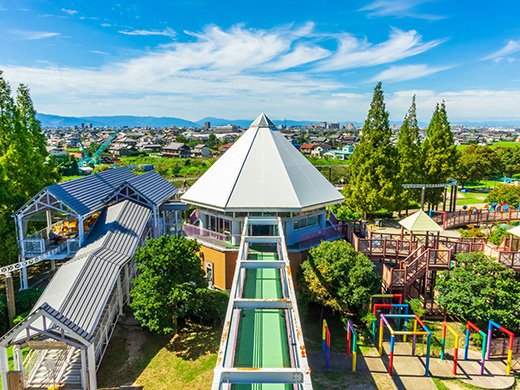
Todagawa Children’s Land is one of Nagoya’s best family spots for active outdoor play, especially if your child has energy to burn and no interest in quietly admiring anything.
This is Nagoya City’s only large-scale children’s center, designed to let kids roam, climb, splash, and play in nature. The big draw is its massive wooden playground, one of the largest in the Tokai region, with around 30 different types of play equipment. There is also a shallow wading pool for smaller children, making it a strong warm-weather option.
Another popular feature is the cycle monorail, where parents and children pedal together. It costs just 100 yen per person per lap, which feels like a very fair price for the sort of memory that tends to get talked about later.
Todagawa Children’s Land
Address: 1-3616 Harutano, Minato-ku, Nagoya City, Aichi Prefecture 455-0873
Business Hours:
- April to September: 9:00 AM – 6:00 PM
- October to March: 9:00 AM – 5:00 PM
Closed on: Every Monday (or the following weekday if Monday is a public holiday), December 29 to January 3
Fee: Free admission
Some rides and playground equipment require a fee.
Access: - By train and bus: Reachable by bus from Takahata Station, Tokaidori Station, Haruta Station, Kohoku Station, or Nagoya Station, followed by a short walk
- By car: About 8 minutes from Tomita IC or 5 minutes from Nanyo IC
Parking: Available
Parking Fee: Free, though 500 yen per vehicle during major events
Site URL: todagawa.jp/index.html
Nagoya City Museum
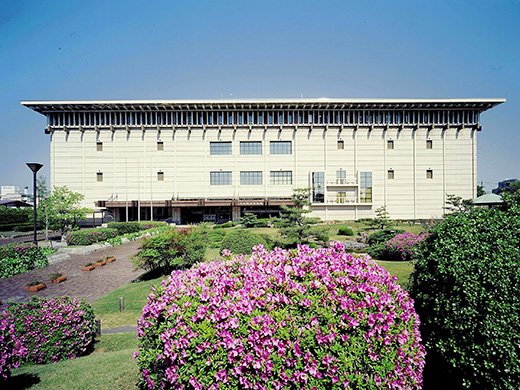
Nagoya City Museum is the place to go if you want the big-picture story of the Owari region, from the Paleolithic era all the way to the present.
Opened in 1977, this history museum’s permanent exhibition, The History of Owari, uses around 1,000 artifacts to trace the region’s development across thousands of years. The first-floor special exhibition gallery hosts rotating shows focused on both major cultural heritage from Japan and abroad and more regional themes tied to Nagoya and the wider Owari area.
There is also a Japanese garden in front of the museum, which adds a seasonal, peaceful touch before or after your visit.
Nagoya City Museum
Address: 1-27-1 Mizuho-dori, Mizuho-ku, Nagoya City, Aichi Prefecture 467-0806
Business Hours: 9:30 AM – 5:00 PM (last entry 4:30 PM)
Closed on: Mondays (open if public holiday, closed following weekday), the fourth Tuesday of each month (unless public holiday), facility maintenance days, and New Year holidays
Fee: General admission 300 yen, university and high school students 200 yen, junior high school students and younger free, city residents aged 65 and over 100 yen
Access:
- By train: Walk 150 meters south from Exit 4 of Sakurayama Station
- By bus: Around 17 minutes by city bus from JR Kanayama Station
Parking: Available (8:45 AM – 5:30 PM)
Parking Fee: Regular cars 300 yen, large vehicles 1,200 yen
Site URL: museum.city.nagoya.jp/
Meijo Park
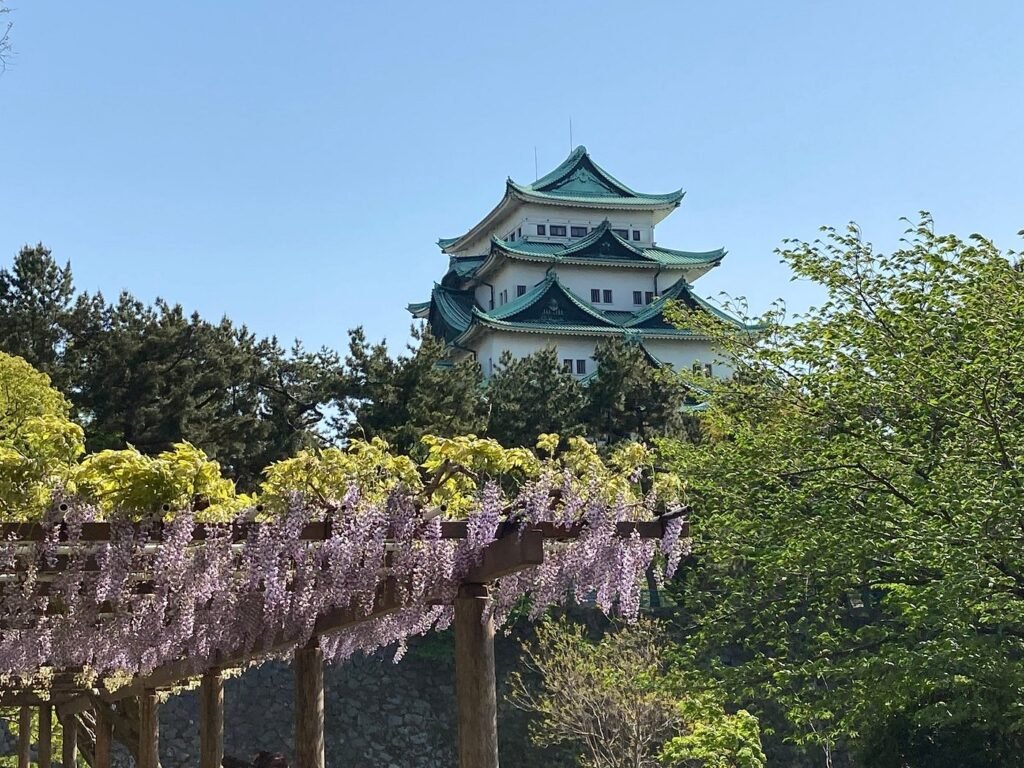
Meijo Park is one of Nagoya’s best-loved city parks, with broad lawns, flowers in every season, and a long history tied to the landscape around Nagoya Castle.
The North Garden area of Meijo Park lies just north of Nagoya Castle’s moat. Its roots go back to the early Edo period, when the area formed part of Ofuke Garden, a landscape shaped from natural marshland around the same time the castle was built.
After disappearing during the Meiji period and later becoming a wasteland following the 1945 air raids, the area was redeveloped as part of Nagoya’s postwar reconstruction. Features such as Ofuke Pond, a central lawn, and a running course through wooded areas were gradually added. Today, it is one of the city’s representative parks, beloved for seasonal flowers, open green space, and its easy access.
Castle Park (North Garden)
Address: 1-2-25 Meijo, Kita-ku, Nagoya City, Aichi Prefecture 462-0846
Access:
- By train: About 3 minutes on foot from Meijo-Koen Station on the Meijo Subway Line
- By bus: About 1 minute on foot from Meijo-Koen or Meijo-machi bus stop
- By car: About 10 minutes from the Kurokawa Exit of the Nagoya Expressway No. 1 Kusunoki Line
Parking: Available
Parking Fee: Refer to the official website
Site URL: meijyo-fp.com/index.html
FAQs About Things to Do in Nagoya
What are the best things to do in Nagoya for first-time visitors?
If it’s your first time in Nagoya, start with the city’s biggest hits: Nagoya Castle, Atsuta Shrine, Osu Kannon, and the Tokugawa Art Museum. Add in a food stop at Kinshachi Yokocho or Yabaton for miso katsu, then round things off with Oasis 21 or MIRAI TOWER for modern city views. Nagoya is one of those cities where we can bounce from samurai history to futuristic architecture to comfort food in a single day without breaking a sweat.
Is Nagoya worth visiting for tourists?
Yes, Nagoya is absolutely worth visiting, especially if you like a mix of history, museums, family attractions, and excellent local food without the crush of Tokyo or Kyoto. It often gets skipped in favor of bigger-name cities, which is exactly why it works so well. We get major sights, easier logistics, and fewer crowds. Very rude of it to be this convenient.
How many days do you need in Nagoya?
Two to three days is a good amount of time for Nagoya. One day lets you see the headline attractions, but two or three days gives you room to explore museums, gardens, family-friendly spots like LEGOLAND Japan or the railway museum, and actually stop to eat properly instead of sprinting past bowls of miso nikomi udon like a fool.
What is Nagoya best known for?
Nagoya is best known for Nagoya Castle, Atsuta Shrine, the Tokugawa legacy, Toyota-related museums, and its bold local food scene. Signature dishes include miso katsu, miso nikomi udon, hitsumabushi, and tebasaki chicken wings. It is also known for family attractions such as the SCMAGLEV and Railway Park, Nagoya Port Aquarium, and LEGOLAND Japan Resort.
What are the best things to do in Nagoya with kids?
Nagoya is surprisingly good for families. Top things to do with kids include LEGOLAND Japan Resort, Nagoya Port Aquarium, Higashiyama Zoo and Botanical Garden, the SCMAGLEV and Railway Park, and Todagawa Children’s Land. If your child likes trains, animals, hands-on museums, or places where they can climb things and burn off energy, Nagoya quietly overdelivers.
Are there free things to do in Nagoya?
Yes, there are several free things to do in Nagoya. You can visit parks like Tsurumai Park, Meijo Park, and Shirakawa Park, wander around Osu Shopping Street, explore the grounds of Atsuta Shrine, and enjoy public spaces like Oasis 21. Nagoya is not one of those cities that demands you pay admission every time you want to look at something interesting.
What are the best food experiences in Nagoya?
Nagoya is a great city for eating well. Try miso katsu at Yabaton, miso nikomi udon at Kinshachi Yokocho, hitsumabushi eel, tebasaki wings, and local sweets in shopping areas like Osu or around Nagoya Station. This is not a city for timid flavors. Nagoya cuisine tends to be rich, deeply savory, and very attached to red miso, as it should be.
Can you visit Nagoya Castle if the main keep is closed?
Yes, Nagoya Castle is still worth visiting even though the main keep is closed. The restored Honmaru Palace is one of the main highlights, and the castle grounds, gates, stone walls, and gardens still make it one of the city’s most important sightseeing spots. You are not just turning up for one tower and going home disappointed.
What are the best museums in Nagoya?
Some of the best museums in Nagoya include the Tokugawa Art Museum, Toyota Commemorative Museum of Industry and Technology, Nagoya City Museum, Nagoya City Art Museum, and the SCMAGLEV and Railway Park. Whether you are into samurai culture, trains, industry, or fine art, Nagoya has a museum for your niche little heart.
Is Nagoya a good base for a Japan itinerary?
Yes, Nagoya works very well as a base thanks to its central location and strong train connections. It sits conveniently between Tokyo, Kyoto, and Osaka, and it also gives easy access to places like Inuyama, Gifu, and the Kiso Valley. We can use it as a practical stopover, but it also deserves time in its own right instead of being treated like a glorified transfer point.
- What To Do In Arashiyama With Kids: A Realistic One-Day Family Itinerary
- 20 Best Things to Do in Shiga (2026): Lake Biwa, Castles, Shrines and More
- 30 Best Things to Do in Wakayama And Around (2026): Castles, Sacred Trails, Beaches, Hot Springs & Mildly Dramatic Rock Formations
- What to Do in Enoshima (2026): Best Sights, Sunset Views & Hidden Gems

- Best Things to Do in Gunma (2026): Hot Springs, Mountains, Flower Parks & Wild Little Detours