

Travel writing based on first-hand experience
Picture Shibuya in the late 1990s. Schoolgirls in impossibly loose socks drift past record shops, platform boots clatter along the pavement, and somewhere upstairs in SHIBUYA109, the latest must-have outfit is selling out. The hair is blonde, the skirts are short, and nobody seems remotely interested in blending in.
Welcome to Japanese gyaru fashion: one of Japan’s most flamboyant, misunderstood and endlessly reinvented street-style movements.
And yes, it gets confusing. Is gyaru the same as ganguro? What’s the difference between yamamba and manba? Where do princess-like hime gyaru outfits fit into a subculture famous for neon makeup? We are untangling the names, following gyaru’s journey from 1990s Shibuya to its 2026 revival, and showing you how to recognize — or try — the looks for yourself.
Love Gyuru Fashion? Discover More Japanese Fashion & Shopping Guides!
Jirai Kei is just one corner of Japan’s wonderfully eccentric fashion scene. From dreamy Lolita dresses to edgy Harajuku streetwear and vintage treasures, there’s a whole wardrobe of Japanese styles waiting to be explored.
- Japanese Lolita Fashion: Styles, Brands & Where to Shop – Discover Gothic Lolita, Sweet Lolita, beautiful dresses, and the best shops for authentic pieces.
- Japanese Fashion Styles: Your Guide to Tokyo’s Most Iconic Looks – From Gyaru to Mori Kei and alternative Harajuku fashion, explore the subcultures shaping Japanese street style.
- Where to Buy Clothes in Japan: Best Fashion Stores & Boutiques – Find Japanese clothing brands, affordable fashion chains, independent boutiques, and secondhand gems.
- Harajuku Shopping Guide: Fashion Boutiques & Quirky Shops – Explore Tokyo’s famous fashion district, from Takeshita Street to stylish boutiques and hidden vintage stores.
- Vintage Clothes in Tokyo: Best Thrift & Secondhand Shops – Hunt down unique fashion pieces in Shimokitazawa, Koenji, Harajuku, and beyond.
- What to Buy at GU Japan: Affordable Japanese Fashion Finds – Stylish everyday clothing, trendy pieces, and budget-friendly accessories worth adding to your suitcase.
Tokyo shopping tip: If alternative Japanese fashion is your thing, start in Harajuku for independent boutiques and head to Shibuya for trend-driven fashion. Leave some room in your suitcase. You’ll need it.
Table of Contents
What Is Gyaru Fashion?

Gyaru (ギャル) is Japan’s pronunciation of the English word gal. Today it describes a fashion and youth-culture tradition built around conspicuous styling, friendship, confidence and making an impression. Think expressive makeup, carefully styled hair, noticeable accessories and outfits that refuse to fade into the wallpaper.
But gyaru is an umbrella term, not one single outfit. Some gals prefer bronzed skin and bleached hair. Others go for elegant dresses, glamorous eveningwear, cute princess accessories, surf-inspired streetwear or a comparatively subtle everyday look. You can recognize gyaru through the overall styling and attitude; a tan is not a membership requirement.
The Japanese term gyaru-kei simply means gyaru-style fashion, and is often used for looks that do not fit neatly into a more specific substyle. You’ll also hear gal used in English-speaking fan communities.
Gyaru vs. ganguro vs. yamamba: the quick answer
- Gyaru: the broad fashion and cultural movement.
- Kogyaru / kogal: the schoolgirl-associated look that helped make gyaru famous in the 1990s.
- Ganguro: a dramatically tanned branch of gyaru, particularly associated with the late 1990s.
- Yamamba / yamanba: an especially theatrical look with contrasting pale makeup and elaborate hair.
- Manba: a related, colorful extreme-tan look that became especially visible in the early 2000s.
- Kuro gyaru: a broad term used for darker-tanned gyaru styles, not one rigid uniform.
The categories overlap, and their meanings have shifted. Even within Japan, people do not always agree on the exact boundary between styles.
The History of Japanese Gyaru: From Shibuya to the World
1980s: party girls, surfer style and the roots of gyaru
Although modern gyaru became famous in the 1990s, the word gyaru was already circulating in Japan much earlier. During the 1980s, it was associated with fashionable, outgoing young women, often linked to nightlife and consumer culture.
At the same time, Shibuya was turning into Tokyo’s great youth hangout. Fashion-conscious teenagers gathered around its shops and clubs. Some belonged to chiimaa (チーマー), groups of young men who organized parties and later acquired a reputation for fights and delinquency. Not every girl in the surrounding scene was part of that behavior, of course, but its nightlife and social circles helped shape the early gyaru look.
There was also paragyaru (パラギャル), a small surfer-inspired trend influenced by sunny Los Angeles aesthetics: tanned skin, lighter hair, casual clothes and a perpetual holiday mood. Along with Shibuya’s preppy shibukaji style, it helped supply the ingredients for the next big thing.
Early 1990s: kogyaru rebels rewrite the school uniform
The kogyaru (コギャル), also spelled kogal, became unmistakable on the streets of Shibuya. Their formula was wonderfully simple: take a standard school uniform, then make it your own. Shorter pleated skirts, baggy white loose socks, loafers, cardigans, light brown or bleached hair, and increasingly bold makeup did the trick.
Some early participants attended affluent private schools, but the look spread far beyond that circle. Kogyaru was as much about taking control of an otherwise strictly regulated appearance as it was about buying clothes. In a culture where school rules often dictated hair color and uniform details, even a small alteration could make a fairly loud statement.
The term’s origin is debated. One widely repeated explanation says nightclub doormen used it for underage girls trying to pass as older gals. Either way, the word became a defining label for the high-school fashion boom.

Mid-1990s: Namie Amuro, platform boots and the SHIBUYA109 boom
The style exploded beyond school gates as singers, magazines and fashion retailers amplified it. Namie Amuro became a major influence: fans nicknamed Amuraa copied her long hair, tanned makeup, miniskirts and platform boots. Ayumi Hamasaki later helped popularize accessories, animal prints and glamorous early-2000s looks.
And then there was SHIBUYA109, or Marukyu, the cylindrical shopping landmark near Shibuya Crossing. It opened in 1979, but its shift toward teenage women’s fashion in the mid-1990s made it a genuine gyaru institution. Shop assistants developed celebrity-like status, and brands such as me Jane, EGOIST, CECIL McBEE and COCOLULU became the stuff of shopping pilgrimages.
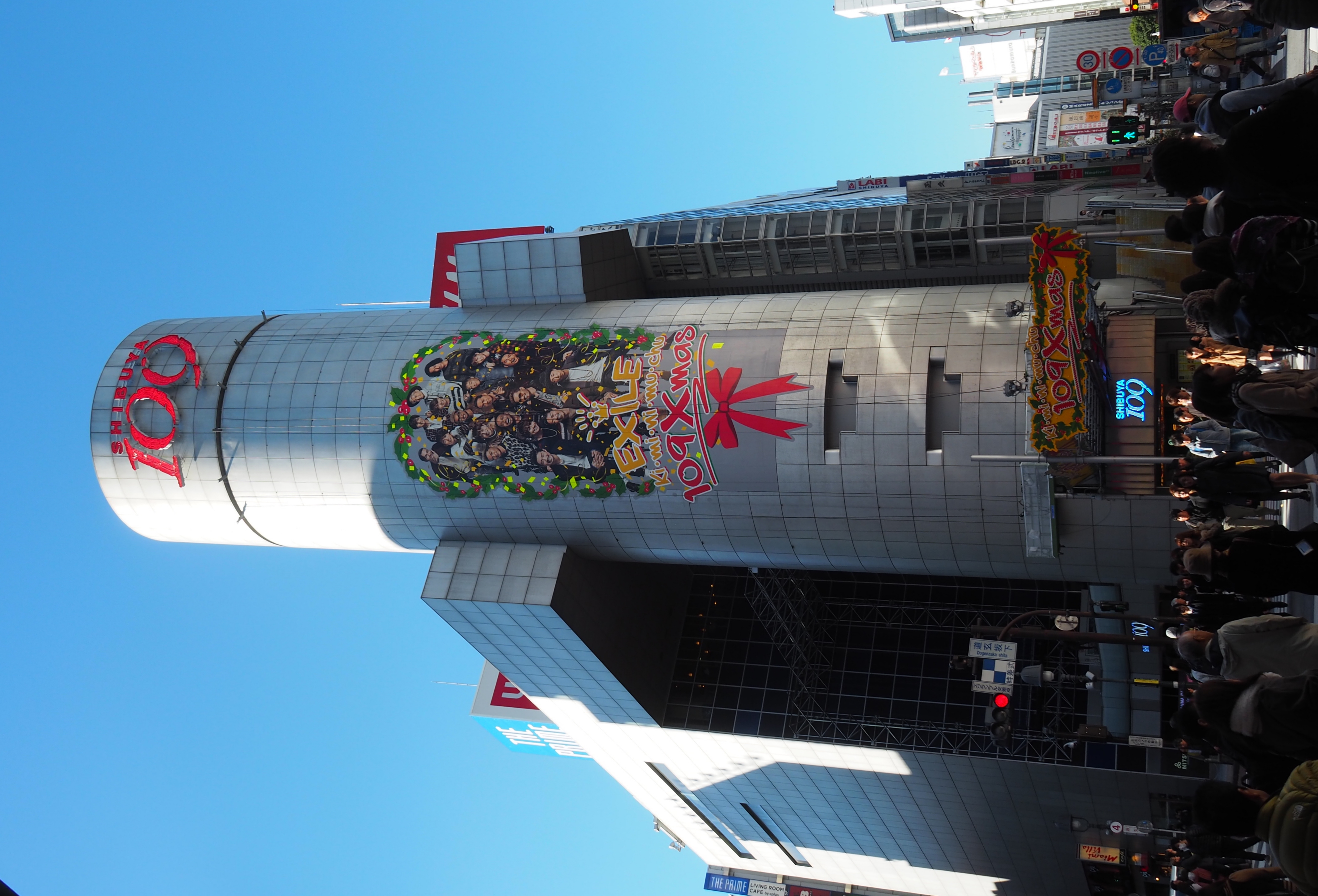
Visiting Tokyo? SHIBUYA109 is at 2-29-1 Dogenzaka, Shibuya, a short walk from Shibuya Station. Allow around 45–90 minutes to browse. It’s an excellent place to understand how the original gyaru shopping scene helped shape present-day Tokyo fashion, even though the mix of brands changes over time.
1995–2000: egg magazine, purikura and the gyaru boom
The magazine egg launched in 1995, initially with a different audience in mind. Its candid street photographs of Shibuya girls struck a nerve; by April 1997, the magazine had shifted decisively toward a gyaru readership. Its photographs, trend reports and real-life personalities helped give gyaru a voice of its own.
Instead of waiting for a fashion editor to declare the latest trend, girls could see what other girls were wearing on the street — then remix it themselves. Other magazines, including Popteen, Cawaii! and later Ranzuki, contributed to the wider scene at different points in its history.
Purikura (プリクラ) photo-sticker booths also became a social ritual. Friends posed together, added doodles and hearts, and collected the resulting little photo stickers. Long before every phone camera came with filters, this was one of the most delightfully extra ways to document your outfit.

The stereotypes and the moral panic
Not everybody welcomed the look. Newspaper and magazine coverage frequently portrayed kogyaru as materialistic, sexually reckless or delinquent. The national debate over enjo kōsai (compensated dating) became entangled with the image of schoolgirls in fashionable uniforms.
Those claims should not be treated as a description of the whole subculture. Historians and researchers have pointed out how much of the public narrative relied on sensationalism, sexualization and assumptions about young women. A fashion choice was not evidence of anyone’s personal behavior.
Late 1990s–2000s: ganguro, manba and the spectacular extremes
As gyaru reached the mainstream, some participants pushed the style in precisely the opposite direction: darker tans, lighter hair, brighter clothes and much more striking makeup. Ganguro emerged as one of the movement’s most recognizable looks around the end of the 1990s.
Soon, yamamba and manba took the drama even further. White eyeliner and lip color contrasted with dark facial makeup; hair became enormous, and colorful flowers, beads, stickers and tropical motifs entered the picture. We are a long way from school-uniform rebellion now — this was fashion as a full-volume performance.
Not every gyaru embraced these extremes, and their visibility did not mean they represented the majority. The more theatrical styles became less common in everyday Tokyo streetwear during the 2000s, while other gyaru branches grew more polished, feminine or casual.

2010s–2026: gyaru survives, evolves and returns
The story doesn’t end with a handful of vintage magazine covers. Gyaru mama — mothers who continued dressing as gals — made it obvious that this was not simply something everyone abandoned on graduation day. Circles and communities, including Black Diamond, helped keep darker-tan gyaru traditions visible in the 2010s. International fans developed their own gaijin gyaru communities as well. The international magazine Papillon launched in 2019 and featured overseas gal communities, including the French circle Gyaransu, in a 2020 issue. Those projects are part of the movement’s international history, not a promise that the original publications or groups remain active today.
The magazine egg stopped regular print publication in 2014 and revived online in 2018. Meanwhile, nostalgia for late-Heisei fashion has brought back tiny T-shirts, hibiscus flowers, leopard print, decorated bags and the beloved excess of Y2K accessories.
In 2026, gyaru is alive as a subculture and an influence, although not as one giant trend that every teenager follows. SHIBUYA109’s trend researchers describe a wider revival of Heisei and 2000s-era styles, with younger people remixing rather than simply copying old outfits. That distinction matters: today’s fashion landscape is more varied, and you are much more likely to see an individual gyaru-inspired detail than a street full of identical 1999 looks.
The Main Gyaru Styles Explained
Different looks rose at different times, and several were never sharply defined. Here are the names worth recognizing without needing a fashion-subculture dictionary in your handbag.
1. Kogyaru / Kogal — the original schoolgirl look
Think altered school uniforms, pleated miniskirts, loafers, cardigans, loose socks and brown or blonde hair. The look is strongly linked with Shibuya’s 1990s teenage fashion boom. It is a historical style reference, not a claim about what Japanese students wear today.
2. Ganguro — the dark-tan rebel
Ganguro (ガングロ) combines a pronounced tan or dark-toned makeup with light hair, statement eyes and bright or contrasting clothing. The point was to look different from Japan’s conventional ideal of fair skin and dark hair. The striking finish became a symbol of late-1990s gyaru.
3. Yamamba / Yamanba — theatrical contrast
Yamamba (ヤマンバ) takes the extreme look further with stark pale makeup around the eyes and mouth, a deep tan or dark base, teased hair, artificial flowers and colorful accessories. The word is linked to a figure from Japanese folklore, but in street fashion it refers to this deliberately exaggerated visual style.
4. Manba and Banba — colorful, playful maximalism
Manba (マンバ) is closely related to yamamba and known for vivid hair, bright decorations and conspicuous white facial highlights. Banba is often used for a comparatively toned-down or differently styled variation. Definitions vary between eras and communities, so don’t treat them as scientifically separate species of gal.
5. Kuro gyaru — darker-tan gyaru
Kuro means black or dark in Japanese. Kuro gyaru is an informal umbrella description of gyaru looks centered on tanned or dark-toned styling. It can overlap with ganguro and later circles such as Black Diamond. Not all dark-tan gyaru dress as manba, and not all gyaru tan their skin.
6. Hime gyaru — princess dressing turned up to eleven
Hime gyaru (姫ギャル) swaps surf colors for princess glamour: voluminous curls, bows, roses, lace, frilly dresses, jeweled accessories and elaborate nails. Pink and cream appear often, though the look is not limited to pastel colors. Himekaji is the softer, more casual cousin — princess-inspired without requiring an entire royal wardrobe.
7. Agejo — glamorous, dressed-up gal
Agejo (アゲ嬢) takes inspiration from glamorous nightlife and hostess-club fashion: carefully curled hair, fitted dresses, lashes, heels, sparkle and polished accessories. It is more evening-out glamour than beach-party rebellion.
8. Onee gyaru — the grown-up sister
Onee gyaru (お姉ギャル), or older-sister gyaru, favors an elegant, sexy and more streamlined wardrobe: fitted tops, dresses, jackets, boots and refined makeup. It helped show that gyaru could evolve beyond the teen-uniform aesthetic.
9. Amekaji — American casual with gyaru energy
Amekaji (アメカジ) means American casual. In gyaru circles that can mean denim, logo T-shirts, hoodies, sneakers, baseball influences and relaxed pieces styled with the hair, makeup and accessories of the gal scene. Surf-inspired and colorful variations are particularly recognizable.
10. Tsuyome and rokku — powerful or rock-inspired gyaru
Tsuyome literally suggests a stronger or more intense approach: bold lashes, prominent hair, statement outfits and attitude. Rokku gyaru takes cues from rock fashion with black pieces, leather-look fabrics, studs, distressed denim and dramatic eyes. Neither requires a fixed checklist.
11. Gyaru-o — the men’s version
Gyaru-o (ギャル男) refers to male fashions influenced by gyaru: styled or lightened hair, tans in some eras, flashy accessories, fitted clothing and a nightlife-friendly silhouette. It developed alongside the women’s scene rather than being simply identical clothes worn by men.
12. Gyaru mama and gaijin gyaru — communities, not strict outfits
A gyaru mama is a mother who identifies with or retains gal fashion. Gaijin gyaru is a term used in many international fan circles for gyaru enthusiasts outside Japan. Neither refers to one single makeup technique or clothing silhouette. Clubs, online communities and friendship have always mattered as much as buying the right boots.
How to Dress in Japanese Gyaru Fashion
The great secret is that gyaru works best when the outfit looks intentional, not like ten unrelated trends collided in your suitcase. Choose a substyle first, then build around a few recognizable elements.
10 signature Heisei-era gyaru fashion pieces
- Platform shoes and boots: almost inseparable from the 1990s Amuraa look; also useful for modern Y2K outfits.
- Loose socks or leg warmers: the classic schoolgirl reference, especially with loafers or chunky shoes.
- Chibi T-shirts: small fitted tees, sometimes cropped and sometimes finished with large logos.
- V-neck tops: an easy starting point for more mature or early-2000s-inspired gal outfits.
- Leopard-print accessories: a bag, belt or scrunchie gives the effect without turning the entire outfit into animal print.
- Oversized sunglasses: the glamorous, slightly diva-ish finishing touch.
- Hibiscus hair clips: a tropical signature associated with brands such as ALBA ROSA.
- Statement bags: think LOVE BOAT nostalgia, bold logos, charms, prints and dangling keychains.
- Faux-fur tail accessories: a quirky early-2000s throwback that can hang from a bag rather than your waist.
- Decorative scrunchies and hair accessories: inexpensive, easy to pack and very much in the spirit of gyaru personalization.

Our tip for a wearable 2026 version: pick one statement item, then let it do the talking. A hibiscus clip and a fitted tee with regular jeans? Easy. A leopard-print bag with platforms and a simple outfit? Also works. You don’t have to reproduce an entire old magazine spread to make a convincing nod to the look.
Gyaru hair: volume comes first
Historical gyaru hairstyles featured bleached blonde or light-brown hair, highlights, extensions, layered cuts, teased crowns and dramatic curls. Later styles also explored ash tones, honey-brown shades, pastel colors and more natural finishes.
If you are experimenting, you can achieve the overall impression with clip-in extensions, a styled wig, curled lengths or a little controlled volume. Permanent bleaching is optional, and a healthy scalp is considerably more useful than a perfect recreation of a 2001 photo shoot.
Gyaru makeup: all eyes on the eyes
Classic gyaru makeup puts particular emphasis on eyeliner, lashes and making the eyes stand out. Depending on the era and substyle, you might see:
- Bold upper liner and a softly emphasized lower lash line.
- False eyelashes or well-separated, lengthening mascara.
- Warm eyeshadow, shimmer or high-contrast pale shadow in theatrical styles.
- Defined brows, blush and glossy or highlighted lips.
- Decorative rhinestones or stickers in particularly extravagant looks.
Circle lenses also appear in some gyaru makeup traditions, but they aren’t essential. If you use them, treat them as contact lenses: get the right fit, follow hygiene guidance and avoid unknown sellers. Likewise, a tan is not necessary — and protecting your skin from UV damage is far more sensible than sunbathing for a costume.
Gyaru nails: tiny artworks, not an afterthought
If gyaru had a museum, its nail-art wing would be spectacular. Long acrylic or gel extensions, glitter, rhinestones, pearls, bows, floral motifs and three-dimensional charms all have a place in the aesthetic.
For an easy version, try glossy pink or nude nails with one rhinestone accent, or mix different designs in one color palette for a nuance nail effect. Hime gyaru looks especially good with roses and pearls; stronger styles can go full sparkle. Short nails are perfectly fine too — the decoration matters more than the length.
Famous Gyaru Brands: Then and Now
Certain labels are practically stitched into gyaru history. If you are looking at vintage magazine scans or searching resale sites, these names are worth knowing.
Five iconic Heisei-era gyaru brands
- CECIL McBEE: polished, feminine Shibuya shopping culture and the classic grown-up gal look.
- EGOIST: sleek, striking outfits and one of the names closely associated with SHIBUYA109’s fashion boom.
- COCOLULU: brightly colored casualwear, logos and a surf-inspired edge.
- ALBA ROSA: hibiscus designs and a tropical beach aesthetic; especially collectible secondhand.
- PinkyGirls: sweeter, girlish pieces with florals, ribbons and princess-like touches.
Other names to search for include me Jane, LOVE BOAT, ROSE FAN FAN, d.i.a. and MA*RS. Many of these are most relevant as vintage labels, so do not assume every original shop or current collection still exists.
Where to Buy Gyaru Clothes in Tokyo in 2026
SHIBUYA109 — the essential first stop
If you only have time for one gyaru-related shopping destination, make it SHIBUYA109. It’s the movement’s best-known retail landmark, and a useful starting point for both fashion and people-watching.
- Location: 2-29-1 Dogenzaka, Shibuya, Tokyo.
- Getting there: walk from Shibuya Station toward the Hachiko exit and Shibuya Crossing.
- Allow: roughly 45–90 minutes, longer if you are trying things on.
- Price level: varies from midrange streetwear to more expensive fashion pieces.
Best for: understanding the culture’s shopping history, contemporary Shibuya trends and finding a statement piece.
WEGO — accessible Y2K and gal-inspired streetwear
WEGO is a practical budget-friendly option for fitted tees, bag charms, accessories, nostalgic prints, denim and seasonal revivals. There are stores at SHIBUYA109 and in Harajuku, so you can work one into a Tokyo shopping day easily.
Best for: putting together a modern gyaru-inspired outfit without investing in expensive vintage pieces.
GYDA — a polished, contemporary gal aesthetic
GYDA offers more fitted, feminine, denim-heavy and West Coast-influenced pieces that suit a grown-up or everyday gal look. Its official store directory lists a location at SHIBUYA109, 5F.
Best for: modern, wearable gyaru influences rather than exact historical recreations.
SPINNS, GU and Shimamura / Avail — easy pieces on a budget
SPINNS is worth checking for playful youth fashion, animal prints and retro accessories. GU is useful for the basics — fitted tops, denim, hoodies, skirts and platform-inspired seasonal shoes — that you can style with one louder gyaru item. For more budget shopping ideas, see our guide to what to buy at GU in Japan. Shimamura and its Avail stores are good for affordable trend-led pieces, although product selection changes rapidly and the nearest branches may not be in central Tokyo.
Best for: building the wardrobe slowly instead of paying a collector’s price for everything.
Vintage and secondhand shops — for the real Heisei finds
If you want a genuine ALBA ROSA piece, an old LOVE BOAT bag or a logo tee that looks straight out of an egg spread, try secondhand fashion stores and Japanese resale platforms. Harajuku and Shimokitazawa are sensible neighborhoods to browse, although individual shops won’t reliably stock a specific gyaru label.
Search the brand name plus 平成ギャル (Heisei gyaru), ギャル服 (gyaru clothes) or 古着 (secondhand clothing) on Japanese resale sites. Check measurements and condition carefully: vintage sizing, worn elastic and peeling faux leather can make a beautiful bargain less beautiful on arrival.
Shopping reality check: there is no single Tokyo shop that always carries every gyaru substyle. A vintage manba outfit and a current onee-gyaru wardrobe may require completely different places to shop.
Gyaru Culture Beyond Clothes: Music, Purikura and Friendship
Gyaru was never just an excuse to buy an impressively tall pair of boots. The movement came with its own music, friendship networks, social rituals and ways of being seen.
J-pop helped spread the look through stars such as Namie Amuro and Ayumi Hamasaki. Parapara dancing, club nights and meetups were part of different periods of the scene. Gyaru circles (gyaru-sa) gave friends a reason to gather, coordinate outfits and create a shared identity. Meanwhile, egg made everyday street fashion personalities famous long before influencer culture had a name for them.
Gyaru characters have also entered manga and anime. Gal Gohan, for example, features a gyaru heroine, while other series use gal fashion and slang to communicate a strong, sociable or unconventional personality. Those fictional portrayals can be fun, but they aren’t documentaries about real women in the subculture.
Is Gyaru Fashion Still Popular in Japan?
Yes, but it looks different from its peak. You are unlikely to step out of Shibuya Station in 2026 and find that everybody has a ganguro tan and sky-high boots. Instead, you’ll see fragments of the original look inside today’s wider fashion mix: decorated phone cases, platform shoes, tiny tees, pronounced lashes, leopard print and nostalgic hair accessories.
The community itself hasn’t vanished. Vintage collectors, contemporary gyaru models, global fan circles and people who never stopped dressing this way continue to reinterpret it. Some embrace full retro looks; others prefer a little gal energy with a modern wardrobe.
And that is probably gyaru’s most enduring quality. It was never really about obeying a neat rulebook. It was about taking whatever fashion was supposed to look like, and making it yours.
Japanese Gyaru Fashion FAQs
What does gyaru mean in Japanese?
Gyaru (ギャル) comes from the English word gal. In Japanese it can refer broadly to a fashionable, outspoken or gal-styled young woman, but in fashion discussions it usually means the gyaru subculture and its many looks.
Is gyaru the same as ganguro?
No. Ganguro is one branch of gyaru, strongly associated with dark tans, pale or bleached hair, and eye-catching makeup. Gyaru also includes lighter, more glamorous and casual styles.
What’s the difference between ganguro, yamamba and manba?
Ganguro is the broader dark-tan style; yamamba and manba are more theatrical related looks, especially known for contrasting white makeup, colorful hair and accessories. Historical usage varies, so the boundaries aren’t always exact.
Do you need tanned skin to be gyaru?
No. Many gyaru styles have natural or lighter skin tones, and you can use the hairstyle, makeup, clothing and accessories without tanning. There is no need to damage your skin for the look.
Where can I buy gyaru fashion in Tokyo?
Start with SHIBUYA109 for its historical connection and present-day fashion, then try WEGO, GYDA or SPINNS for wearable pieces. For original 1990s and 2000s labels, search specialist secondhand stores and Japanese resale sites.
Is gyaru fashion still around in 2026?
Yes. It has a smaller, more diverse presence than during the mass-market boom of the late 1990s and early 2000s, but gyaru communities, vintage collectors and Heisei-inspired trends remain active.
Can foreigners wear gyaru fashion?
Yes. International enthusiasts participate in gaijin gyaru communities and adopt or reinterpret gyaru looks. Understanding the style’s Japanese roots and crediting its creators is part of appreciating it properly.
Explore More Japanese Fashion & Tokyo Shopping Guides
From gothic elegance and rebellious Shibuya fashion to Tokyo’s best vintage shops, Japan’s fashion scene never runs out of surprises. If Visual Kei caught your attention, these guides will take you even deeper into Japanese street style.
Japanese Fashion Subcultures & Styles
- Jirai Kei Fashion in Japan – Dark-cute outfits, oversized ribbons, makeup, and where to buy jirai kei clothing.
- Japanese Lolita Fashion Guide – Discover Gothic Lolita, Sweet Lolita, classic silhouettes, brands, and styling tips.
- Ultimate Guide to Japanese Fashion Styles – From Mori Kei to Harajuku streetwear, explore Japan’s most iconic looks.
- 14 Best Japanese Streetwear Brands – Discover cult Japanese labels, experimental designers, and statement clothing.
- 40 Best Japanese Fashion & Lifestyle Brands – Explore Japanese labels known for innovative design, craftsmanship, and distinctive style.
Where to Shop for Japanese Fashion
- Where to Buy Clothes in Japan – The best places to shop for Japanese fashion, from budget clothing to secondhand treasures.
- Best Vintage Clothing Shops in Tokyo – Explore Harajuku, Shimokitazawa, Koenji, and Tokyo’s secondhand fashion scene.
- What to Do in Harajuku: Fashion, Shops & Street Culture – Discover Tokyo’s legendary alternative-fashion neighborhood and its must-visit shops.
- What to Buy at GU Japan – Affordable Japanese fashion, trendy silhouettes, and stylish everyday pieces.
- What to Buy at Uniqlo Japan – The best Japanese basics, accessories, travel-friendly clothing, and special collections.
- Best Shoes to Buy in Japan in 2026: 10 Japanese Brands Worth Shopping
- Mori Girl Fashion (2026): The Ultimate Guide to Japan’s Dreamy Forest-Girl Style
- Best Watches To Buy In Japan: From Affordable Classics to Luxury Timepieces (2026)
- Everything About Japanese Gyaru Fashion: History, Styles, Makeup & Where to Shop (2026)
- Visual Kei Fashion in Japan: Complete Guide to Styles, Brands & Where to Buy (2026)