I spill travel tips , and show you the Japan that tourists usually miss.
Imagine a Japanese rock star stepping onto the stage wearing a Victorian-inspired coat, towering boots, silver chains, dramatic eye makeup, and a hairstyle that seems to defy several laws of physics. Now imagine another musician in a pastel hoodie covered in cartoon characters, with bright pink hair and matching accessories. Both could belong to the same Japanese subculture.
Welcome to Visual Kei fashion, one of Japan’s most theatrical and gloriously unconventional style movements. Born from the country’s underground rock scene in the 1980s, Visual Kei (ヴィジュアル系) combines music, fashion, makeup, and performance into something much bigger than an ordinary clothing trend.
Think gothic aristocrats, glam-rock rebels, punk vampires, anime-inspired hairstyles, and enough lace to keep a Victorian dressmaker busy for years. But behind the elaborate costumes is a fascinating history of individuality, music, and Japanese youth culture.
In this guide, we’ll explore what Visual Kei means, how its styles differ, which Japanese brands to know, and how to shop online from Japan even if you live overseas.
Explore More Japanese Fashion & Tokyo Shopping Guides
From gothic elegance and rebellious Shibuya fashion to Tokyo’s best vintage shops, Japan’s fashion scene never runs out of surprises. If Visual Kei caught your attention, these guides will take you even deeper into Japanese street style.
Japanese Fashion Subcultures & Styles
- Everything About Japanese Gyaru Fashion – Bold makeup, extravagant hairstyles, and Shibuya’s rebellious fashion culture.
- Jirai Kei Fashion in Japan – Dark-cute outfits, oversized ribbons, makeup, and where to buy jirai kei clothing.
- Japanese Lolita Fashion Guide – Discover Gothic Lolita, Sweet Lolita, classic silhouettes, brands, and styling tips.
- Ultimate Guide to Japanese Fashion Styles – From Mori Kei to Harajuku streetwear, explore Japan’s most iconic looks.
- 14 Best Japanese Streetwear Brands – Discover cult Japanese labels, experimental designers, and statement clothing.
- 40 Best Japanese Fashion & Lifestyle Brands – Explore Japanese labels known for innovative design, craftsmanship, and distinctive style.
Where to Shop for Japanese Fashion
- Where to Buy Clothes in Japan – The best places to shop for Japanese fashion, from budget clothing to secondhand treasures.
- Best Vintage Clothing Shops in Tokyo – Explore Harajuku, Shimokitazawa, Koenji, and Tokyo’s secondhand fashion scene.
- What to Do in Harajuku: Fashion, Shops & Street Culture – Discover Tokyo’s legendary alternative-fashion neighborhood and its must-visit shops.
- What to Buy at GU Japan – Affordable Japanese fashion, trendy silhouettes, and stylish everyday pieces.
- What to Buy at Uniqlo Japan – The best Japanese basics, accessories, travel-friendly clothing, and special collections.
Table of Contents
What Is Visual Kei Fashion?

Visual Kei (ヴィジュアル系), also abbreviated V-Kei or V系, is a Japanese music-centered subculture known for dramatic costumes, expressive hairstyles, makeup, and androgynous aesthetics. The Japanese word kei (系) means a type, system, or category. Unlike many Japanese street-fashion movements, Visual Kei developed around rock bands and their stage identities rather than a single neighborhood’s clothing trends.
Musicians drew on glam rock, punk, metal, gothic art, historical dress, and fantasy to create coherent visual worlds, and fans began adapting these looks for concerts and everyday wardrobes. Some bands wear black lace and ruffled shirts; others favor brightly colored tops and playful streetwear. Visual Kei is not one fixed fashion or musical genre. Appearance is the connecting thread, not an obligatory dress code.
What Makes Visual Kei Unique?
- Hair: teased, layered, spiky or asymmetrical cuts, sometimes in unusual colors.
- Makeup: heavy eyeliner, smoky eyes, pale or contrasting foundations, and graphic details.
- Androgyny: clothing and beauty choices that challenge conventional gender presentation.
- Costumes: tailored coats, corset-style details, long jackets, lace and ruffles.
- Rock influences: chains, buckles, leather, studs, crosses, mesh, and distressed fabrics.
- Personal identity: styling that reflects a band’s artistic world—or your own.
The History of Visual Kei Fashion in Japan
The 1980s: The Birth of Visual Shock
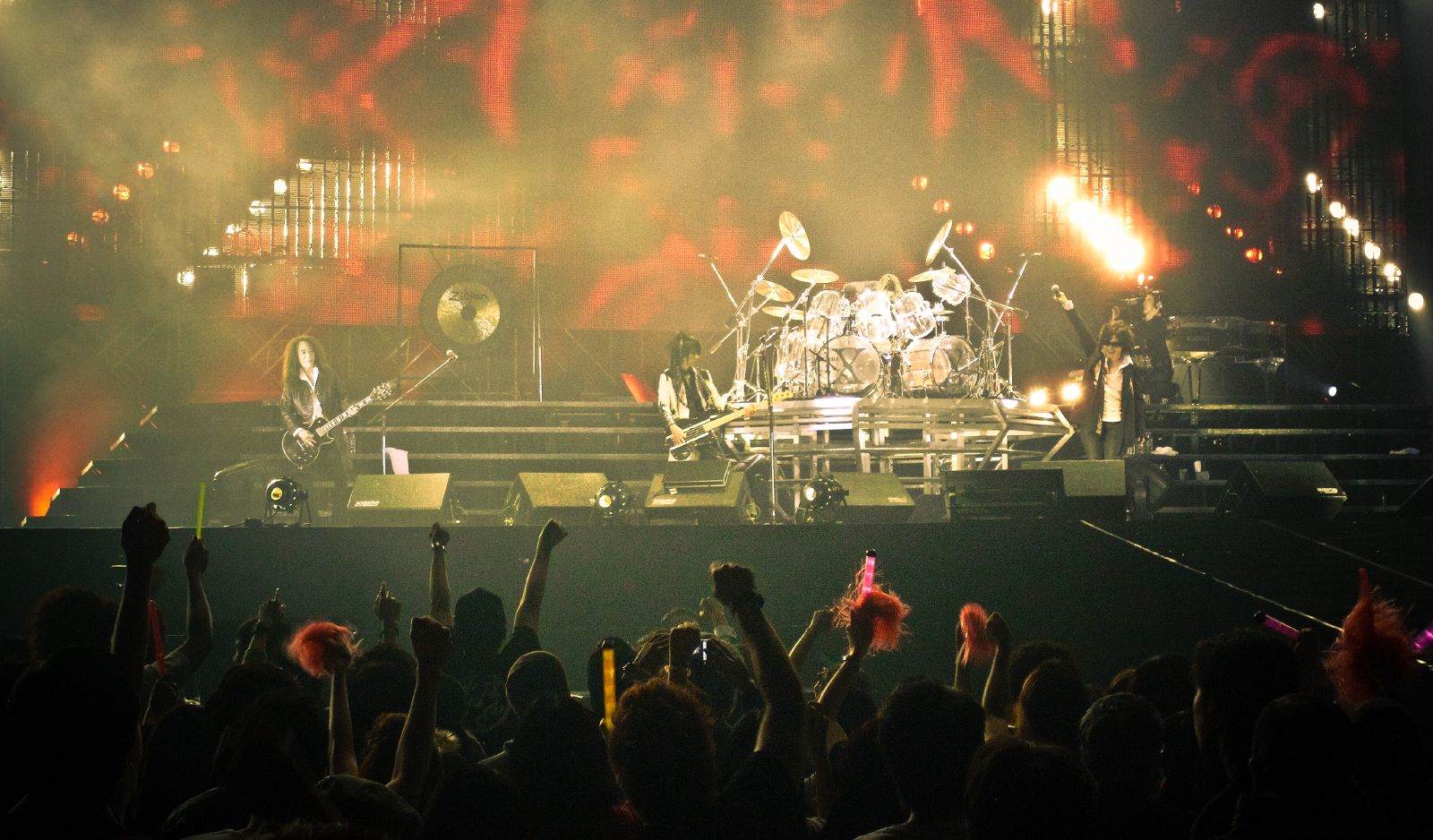
Visual Kei’s roots lie in Japan’s 1980s rock scene. Groups including X Japan, BUCK-TICK, DEAD END, and D’ERLANGER experimented with elaborate costumes and powerful stage imagery, drawing partly on Western glam rock, punk, new wave, and heavy metal. Their music wasn’t identical, but their visual impact was unmistakable.
X Japan, initially called X, helped popularize a spectacular version of this look: huge teased hairstyles, flamboyant outfits, and energetic performances. Their 1989 album Blue Blood included the phrase “Psychedelic Violence Crime of Visual Shock,” closely associated with the term Visual Kei. Exactly how the name emerged is debated; the movement grew through several interconnected bands and scenes rather than one inventor.
The 1990s: From Underground Music to Mainstream Fame
During the 1990s, Visual Kei became a significant part of Japanese popular culture. Bands such as LUNA SEA, MALICE MIZER, GLAY, Kuroyume, and later Dir En Grey attracted attention through concerts, music television, recordings, and magazines. Fashion evolved with them: some performers used dark, fitted rock outfits, while others embraced historical European dress, theatrical gothic looks, or androgynous elegance.
MALICE MIZER became particularly well known for intricate costumes influenced by Victorian fashion, gothic imagery, and elaborate theatrical staging. Meanwhile, X Japan’s hide helped make striking hair colors and individualistic styling recognizable to a broader audience.
The 2000s: Color, Playfulness, and International Fans
In the 2000s, the scene branched into even more visual directions. Oshare Kei favored cheerful colors, playful accessories, graphic tops, and contemporary streetwear. Bands including AN CAFE, LM.C, and SuG illustrated the lighter side of a scene often stereotyped as exclusively dark.
Other bands, including the GazettE and Versailles, proved just how broad Visual Kei could be, spanning polished modern rock looks and elaborate historical-inspired costumes. Online fan communities, videos, magazines, and international concerts helped the aesthetic travel beyond Japan.
Visual Kei Fashion Today
Visual Kei no longer occupies exactly the same mainstream position it held in its commercial heyday. But the culture is far from a museum exhibit. Musicians continue to create dramatic identities, contemporary alternative labels draw on its aesthetics, and vintage clothing, CDs, magazines, and concert merchandise have become collectible pieces of fashion history.

The Main Types of Visual Kei Fashion
Visual Kei contains several recognizable aesthetic directions, though the labels aren’t rigid: bands evolve, and fans often mix elements freely. Here are the ones most useful to know.
1. Kote Kei: Heavy, Dark, and Elaborate
Kote Kei (コテ系) emphasizes the darker and more theatrical side of classic Visual Kei. Think deep purple, black, silver, elaborate lace, leather, mesh, crosses, chains, and heavy eye makeup. Silhouettes can be tight and structured, with long coats, dramatic sleeves, and carefully sculpted hair.
Bands such as La:Sadie’s, groups associated with the Matina label, and early PIERROT provide useful references for classic, darker visual styling. Some looks lean toward stage performance rather than practical everyday clothes—and that’s precisely the appeal.
Best for: Gothic-fashion fans and anyone fascinated by the more extreme 1990s aesthetic.
Try it: Black fitted trousers, a lace or mesh top, a sharp jacket, several silver accessories, and dramatic eyeliner.
2. Oshare Kei: Colorful, Cute, and Playful
Oshare Kei (お洒落系) uses a brighter, more casual visual language. The Japanese word oshare means stylish. Instead of predominantly black outfits and gothic symbolism, you’ll often see vivid colors, cartoon graphics, checks, colorful hoodies, layered accessories, and energetic hairstyles.
Groups associated with this style include AN CAFE, early BAROQUE, Kra, LM.C, and SuG. Oshare Kei can feel closer to lively Japanese street fashion than an elaborate concert costume.
Best for: Fans of colorful Harajuku-inspired outfits, cute graphics, and playful rock aesthetics.
Try it: A colorful graphic hoodie, checked trousers, bold accessories, and a dyed or layered hairstyle.

3. Gothic and Elegant Visual Kei
One of Visual Kei’s most memorable traditions takes inspiration from European historical dress, gothic fantasy, and theatrical romance. Expect high collars, velvet, lace, ornate jackets, ruffled shirts, long skirts, corset-style elements, and dramatic boots.
MALICE MIZER and Versailles are particularly useful references. Guitarist Mana also developed an influential gothic-fashion identity through the brand Moi-même-Moitié. This style sometimes visually overlaps with Gothic Lolita and Elegant Gothic Aristocrat fashion, although those are distinct traditions.
Best for: Victorian-inspired gothic fashion, ornate dark romance, and lavish stagewear.
Try it: A high-collared blouse, tailored black vest or coat, polished boots, and lace or cross jewelry.


4. Angura Kei: Japanese Underground Influences
Angura Kei (アングラ系) draws its name from the Japanese pronunciation of underground. In Visual Kei, it may involve Japanese traditional-clothing references, theatrical imagery, kimono-inspired details, wide sleeves, and experimental styling. It’s a reminder that Japanese musicians weren’t simply copying Western goth or glam fashion; they made something distinctly their own.
Best for: Fans of traditional Japanese silhouettes combined with experimental rock aesthetics.
5. Kurofuku Kei: Classic Black-Clad Rock
Kurofuku literally means black clothes. Kurofuku Kei is associated with some of the earlier, darker Visual Kei looks. It can be simpler than elaborate Kote Kei stagewear: think black shirts, tailored jackets, slim trousers, and dark boots. The borders between substyles are not always clear-cut.
Best for: A relatively understated, wearable gothic-rock wardrobe.
6. Eroguro Kei: Horror and the Grotesque
The term eroguro comes from an artistic tradition involving erotic and grotesque imagery. Within parts of the Visual Kei scene, it can describe provocative makeup, unsettling visuals, and deliberately theatrical horror elements. Certain periods of cali≠gari and Dir En Grey are associated with these influences. It’s more an artistic approach than a dependable shopping category.
Best for: Fans interested in performance art, underground culture, and experimental dark aesthetics.
Four Essential Elements of Visual Kei Clothing
Color: Black Isn’t the Only Option
The classic palette often combines black, white, deep purple, burgundy, silver, or red. But colorful branches of Visual Kei use pink, turquoise, yellow, and striking prints. Contrast matters more than any one mandatory color.
Silhouette: Layers and Shape
Look for fitted jackets, slim trousers, long coats, flowing shirts, asymmetrical hems, unusual sleeves, and purposeful layering. The same movement can produce a sharp, body-hugging outfit or a loose, brightly colored streetwear ensemble.
Decoration: The Little Things Do the Heavy Lifting
Chains, zippers, lacing, buckles, ruffles, straps, decorative belts, and gothic jewelry add visual impact. A plain black outfit can become recognizably Visual Kei-inspired with a distinctive coat and a few carefully chosen details.
Texture: Mix Matte, Glossy, and Sheer
Leather-look fabrics, velvet, vinyl, mesh, lace, and metallic materials all appear across different Visual Kei eras. Mixing textures gives an outfit depth, particularly when the entire palette is black.
Visual Kei Hairstyles: Dramatic Layers and Color
Hair is arguably the movement’s most immediately recognizable detail. In the 1980s and early 1990s, towering teased hairstyles drew heavily on glam metal. Later, sharp layers, asymmetrical fringes, two-tone colors, and carefully shaped spikes became popular.

For a beginner-friendly version, start with a layered haircut and a long side fringe. Blow-dry the roots for lift, separate sections with styling wax, then finish with hairspray. Temporary color or extensions can add drama without committing to permanent dye. Styling can take practice, so a wearable cut is a far better first experiment than attempting an entire arena-rock hairstyle before breakfast.
Visual Kei Makeup: Bold Eyes and Androgynous Styling
Visual Kei makeup isn’t restricted by gender. Heavy eyeliner, smoky eyes, extended eye shapes, sharply defined brows, pale or contrasting complexion products, and dark lipstick are all common in different eras. Some performers use full theatrical makeup, while others simply emphasize the eyes.
For an everyday interpretation, begin with a base that matches your skin, dark eyeshadow, and carefully applied eyeliner. Define the eyebrows, then choose either a neutral lip or a deeper color. You can build up to graphic eye designs and more elaborate looks later. The aim is a deliberate visual identity, not a prescribed makeup routine.

Visual Kei vs. Gothic Lolita and Jirai Kei
Visual Kei and Gothic Lolita may share black lace, ruffles, gothic jewelry, and historical references, but they developed as different movements. Gothic Lolita has its own fashion conventions and dress silhouettes; Visual Kei developed around bands and performance.
Similarly, modern jirai-kei may use black clothing, oversized sleeves, bows, and gothic-cute accessories, but it has a different cultural background. You’ll sometimes see the same labels appeal to fans of several styles. For more, read our complete Jirai Kei fashion guide.
How to Dress Visual Kei Without Wearing a Stage Costume
For a beginner outfit, try black trousers, a graphic top, a dark jacket with an unusual cut, boots, and one distinctive accessory. A layered hairstyle or smoky eyeliner can make the whole look feel more intentional.
For a gothic outfit, choose a ruffled black blouse, a fitted vest or jacket, patterned tights or slim trousers, layered jewelry, and boots. For an Oshare Kei-inspired outfit, experiment with a bright hoodie, playful prints, and colorful accessories.
How Much Does a Visual Kei Outfit Cost?
As an approximate planning budget, a secondhand or mixed high-street outfit might cost ¥5,000–¥10,000, a mid-range outfit combining specialist pieces ¥10,000–¥30,000, and a premium ensemble ¥30,000 or more. These are illustrative budgets rather than guaranteed shopping prices. Rare designer garments and archival pieces can cost far more.
Our advice: Buy one jacket or shirt you genuinely love first. There’s no need to invest in an entire theatrical wardrobe immediately.
Best Visual Kei Fashion Brands in Japan
Not every label below is an exclusively Visual Kei brand. Some are more accurately described as gothic, punk, or contemporary Japanese alternative streetwear. They’re included because they work especially well in Visual Kei-inspired wardrobes.
1. CIVARIZE: Dark Modern Rock Fashion
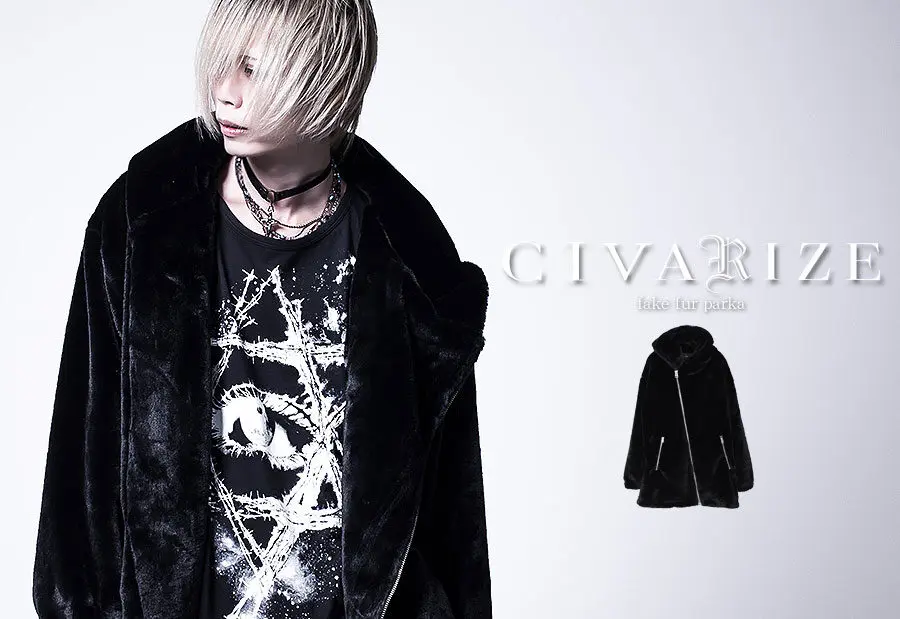
Best for: Statement jackets, sharp silhouettes, and polished gothic-rock looks.
CIVARIZE is a familiar name in contemporary Japanese Visual Kei-inspired fashion. Expect asymmetrical construction, layered fabrics, dramatic prints, slim trousers, and striking outerwear. It suits the darker, more tailored direction rather than colorful Oshare Kei.
Price level: High compared with ordinary Japanese fast fashion. Shop: CIVARIZE at ACRO TOKYO.
2. TRAVAS TOKYO: Dark-Cute Streetwear
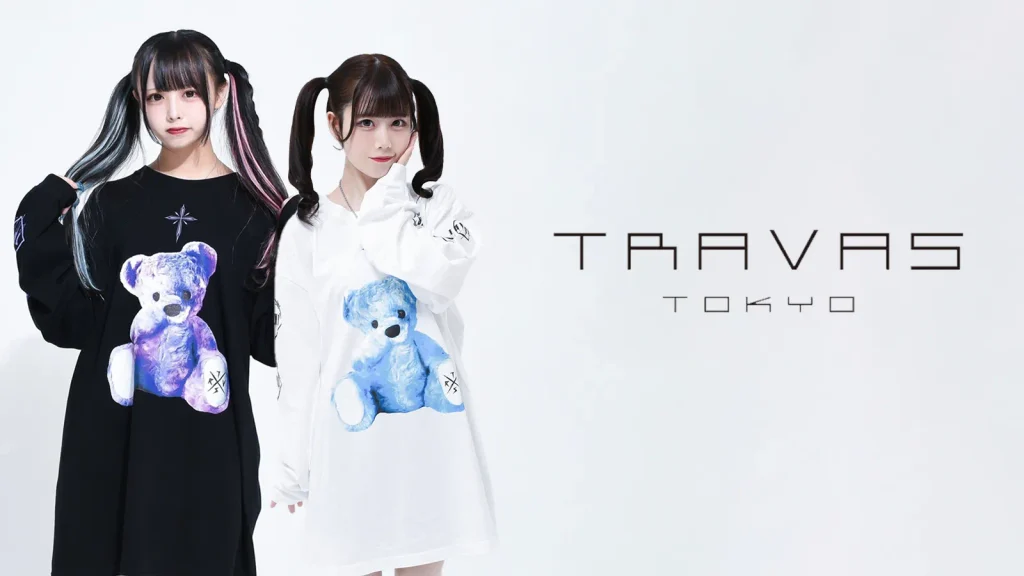
Best for: Oversized graphic hoodies and cute-meets-gothic outfits.
TRAVAS TOKYO is recognizable for its illustrated bear characters, character collaborations, and playful graphic clothing. The result works with Visual Kei-inspired streetwear as well as jirai-kei and kawaii alternative fashion. It’s not a historically traditional Visual Kei label, but it’s a practical choice for a casual, expressive look.
Price level: Medium to high. Shop: ACRO TOKYO Global.
3. REFLEM: Oversized Gothic Streetwear
Best for: Black streetwear, oversized silhouettes, and contemporary dark fashion.
REFLEM creates dramatic alternative clothing with monochrome palettes, large graphic tops, wide trousers, layered details, and decorative straps. Its aesthetic overlaps with jirai-kei and modern Japanese subculture fashion rather than traditional Visual Kei costumes.
Price level: Medium to high. Shop: ACRO TOKYO Global.
4. ALTER VENOMV: Expressive Japanese Punk
Best for: Unusual graphics, punk-inspired pieces, and alternative rock outfits.
ALTER VENOMV embraces unconventional designs and has been involved in collaborations with Visual Kei musicians. Look for bold prints, distinctive tops, complex cuts, and rock-inspired accessories.
Price level: Medium to high. Shop: ALTER VENOMV on Rakuten Japan.
5. SEX POT ReVeNGe: Classic Japanese Punk
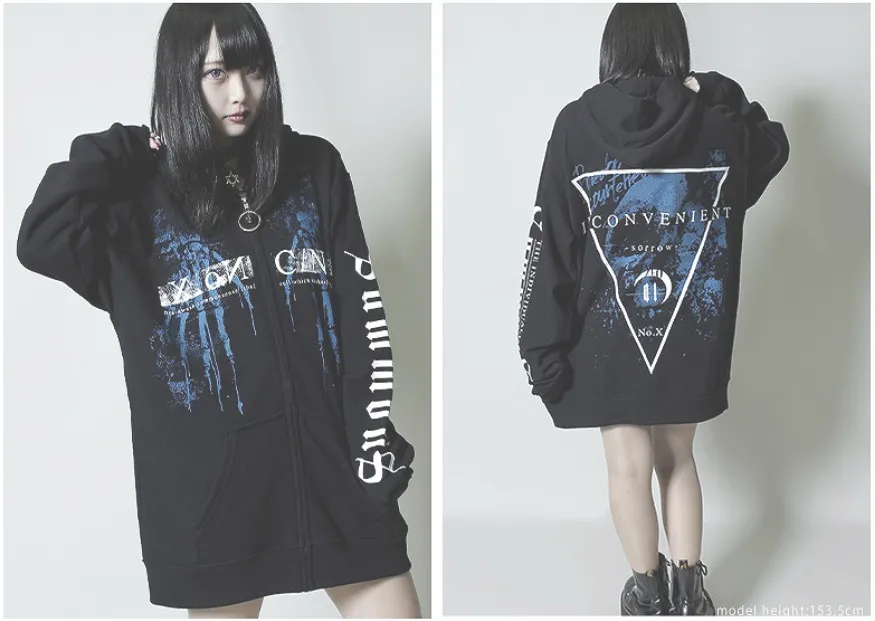
Best for: Punk graphics, skull motifs, chains, and edgy casual outfits.
SEX POT ReVeNGe has long been associated with Japanese rock and punk fashion. Its graphic shirts, outerwear, and accessories are easier to work into everyday outfits than an elaborate stage costume. Check seasonal sales if you’re buying on a budget.
Price level: Medium. Shop: SEX POT Official Web Shop.
6. KRY Clothing: Casual Rock and Gothic Streetwear
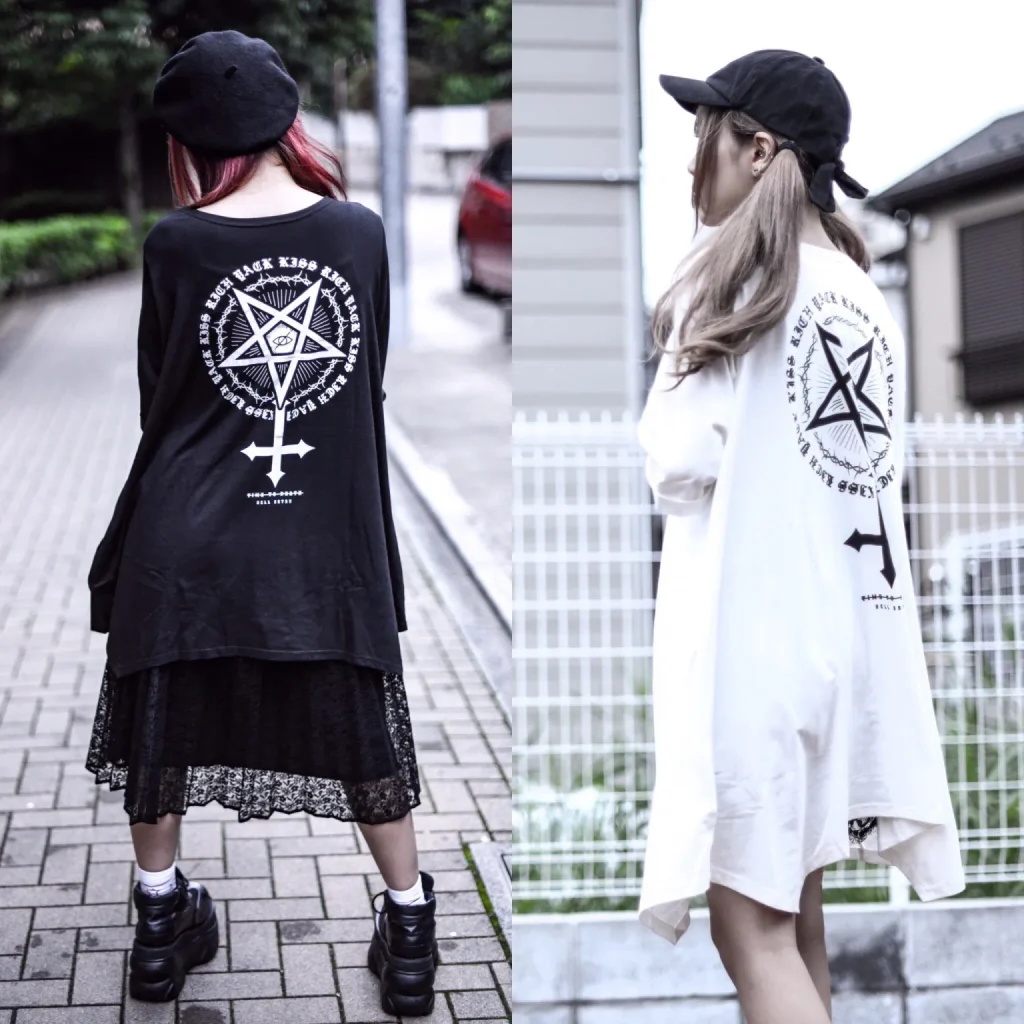
Best for: Wearable dark outfits and graphic tops.
KRY Clothing combines black, oversized cuts, striking prints, and playful rebellious styling. Many items work for concerts or everyday wear. Limited collections can sell out quickly, so check sizing and stock before ordering.
Price level: Relatively accessible among specialist brands. Shop: KRY Clothing.
7. Deorart: Gothic-Punk With a Playful Side
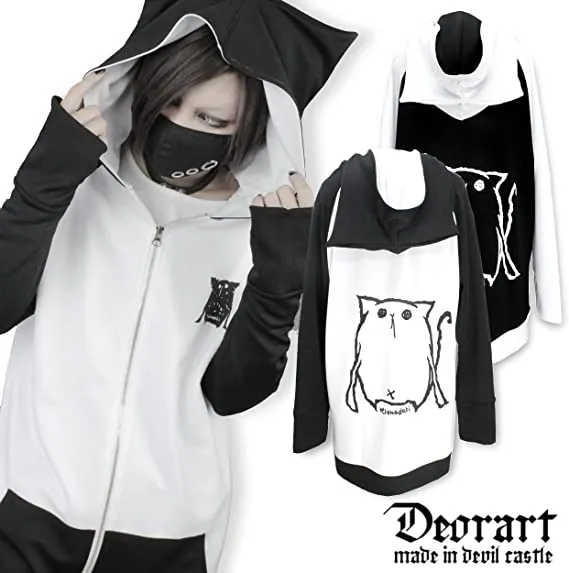
Best for: Versatile rock clothing, unisex outfits, and unusual accessories.
Deorart combines punk and gothic influences with oversized shapes, unusual collars, cute motifs, and occasional Japanese-inspired details. A plain black item can be mixed with everyday basics, while bolder pieces work as an outfit’s centerpiece.
Price level: Medium. Shop: Deorart Official Store or Deorart at CDJapan.
8. KINGLYMASK: Playful Graphics and Character Collaborations
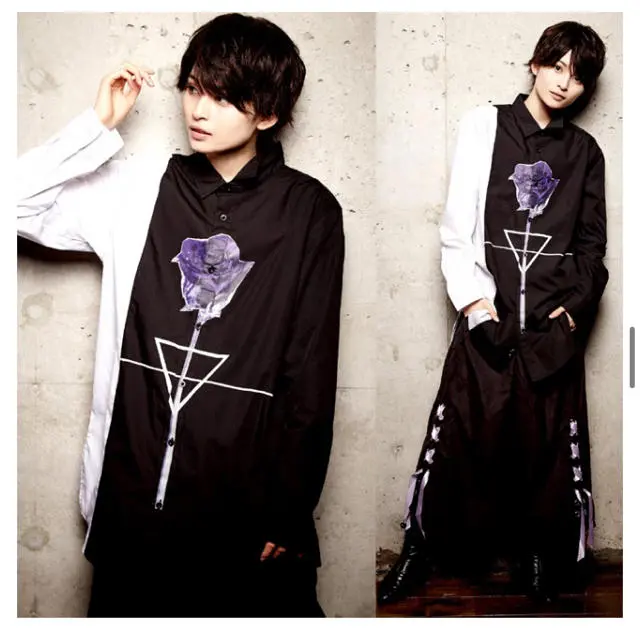
Best for: Cute-dark streetwear and colorful alternative outfits.
KINGLYMASK is known for striking graphics, animal motifs, character collaborations, and relaxed unisex silhouettes. Darker collections suit gothic-inspired looks, while colorful designs work with more playful streetwear.
Price level: Medium. Shop: KINGLYMASK Official Store.
9. FUNKY FRUIT: Experimental Harajuku Fashion
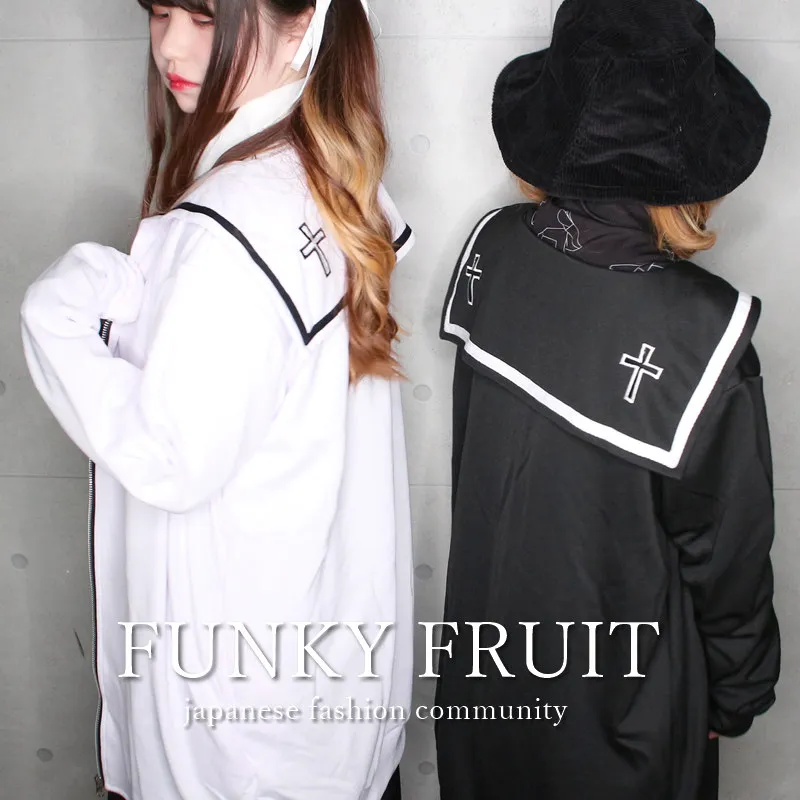
Best for: Offbeat silhouettes, unconventional streetwear, and layering.
FUNKY FRUIT has offered oversized hoodies, sailor-inspired designs, playful prints, and unusual Japanese alternative clothing. Not all of it is Visual Kei, but its distinctive shapes make it interesting for people who like fashion that doesn’t fit one category.
Price level: Varies, particularly on the secondhand market. Shop: Search for FUNKY FRUIT / ファンキーフルーツ on Japanese resale sites.
10. Drug Honey: Dark Graphic Streetwear
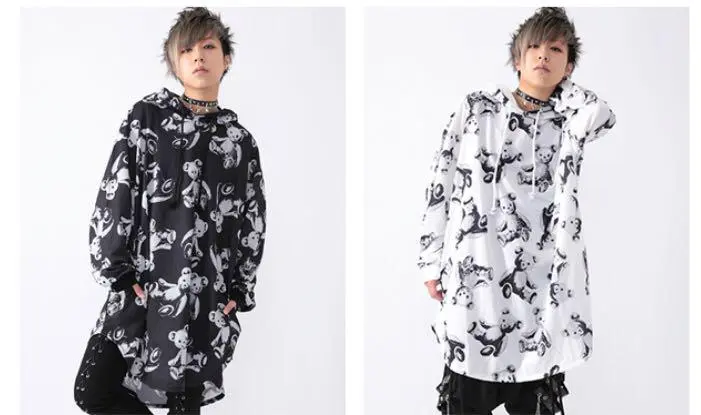
Best for: Accessible gothic-rock clothing and memorable illustrations.
Drug Honey creates alternative pieces with dark illustrations, animal motifs, and unisex casual shapes. It can be a budget-friendlier introduction to gothic streetwear than elaborate designer outerwear.
Price level: Relatively accessible, depending on availability. Shop: Drug Honey Official Store.
11. h.NAOTO: Avant-Garde Japanese Gothic Fashion
Best for: Premium statement garments, elaborate layering, and historic gothic-punk aesthetics.
Designer Naoto Hirooka’s h.NAOTO label is an important reference for Japanese alternative fashion. Its dramatic designs mix gothic, punk, theatrical, and historical influences. Archival items are especially interesting to collectors.
Price level: High to premium. Shop: h.NAOTO Official Store.
And What About Older Brands?
Labels such as ALGONQUINS and PUTUMAYO are important references in older Japanese alternative fashion, but you shouldn’t assume every archival brand has a functioning new-clothing shop today. Japan’s secondhand marketplaces are often the best route for vintage pieces, discontinued collections, and classic punk accessories.
Where to Buy Visual Kei Fashion in Tokyo
Harajuku: The Practical Starting Point
Although Visual Kei originated around music rather than one shopping street, Harajuku is a useful place to browse Japanese alternative fashion. Start with Laforet Harajuku, a fashion building known for its unusual labels, pop-ups, and subculture-oriented boutiques. Shop lineups change, so always check which brands are currently present. Allow around one to two hours if you want to browse properly.

Official website: Laforet Harajuku.
Closet Child: Secondhand Gothic and Punk
Closet Child is worth checking for secondhand Japanese Gothic Lolita, punk, and alternative clothing. Stock varies by branch, so you may find vintage accessories or discontinued garments one day and entirely different items the next.
Check current branches here: Closet Child Store Locations.
Don’t Overlook Japanese Online Resale Sites
Mercari Japan, Rakuten, and other Japanese marketplaces can be more useful than physical shops when you’re hunting for a specific older brand, band T-shirt, vintage issue of SHOXX, or out-of-print concert merchandise.
How to Buy Visual Kei Clothes Online From Japan
Here’s the part that saves international shoppers the most trouble: some Japanese clothing brands ship overseas, while others only serve domestic addresses. The easiest way to order depends on whether you’re shopping for new collections or rare secondhand pieces.
Option 1: Use an International-Friendly Japanese Store
Our first recommendation for beginners is ACRO TOKYO Global, particularly if you’re looking for modern alternative clothing by TRAVAS TOKYO or REFLEM. You can browse its international storefront and see the available shipping arrangements before placing an order.
CDJapan is another practical option for selected Japanese alternative fashion, music, and merchandise, including Deorart listings. KINGLYMASK provides overseas-shopping information on its official store as well.
Best for: New clothing and the least complicated buying process. Main disadvantage: You won’t necessarily find rare vintage items or every Japanese label.
Option 2: Use Neokyo for Japanese-Only Stores and Secondhand Finds
Neokyo is a Japanese proxy-shopping service. It can purchase eligible items on your behalf from supported Japanese marketplaces, receive them in a domestic warehouse, and arrange overseas shipment.
Here’s the simple process:
- Search for a brand or product through Neokyo. Japanese keywords often work best.
- Check the photographs, seller description, measurements, and condition.
- Submit the purchase request and pay the applicable item and service charges.
- Wait for the seller to send the item to Neokyo’s warehouse.
- Request packing and international shipment, ideally consolidating several eligible small orders if that reduces costs.
The service publishes a standard ¥350 per-item purchasing fee, packing starting at ¥500, and 45 days of free warehouse storage (October 2026 information). Domestic postage, overseas shipping, optional fees, and import charges are additional; always check the current schedule before paying.
Best for: Rare Visual Kei jackets, older h.NAOTO pieces, discontinued SEX POT shirts, vintage magazines, and concert merchandise. Main disadvantage: Fees accumulate quickly on low-value purchases, and proxy returns can be restrictive.
Option 3: Order Through Rakuten Japan
Rakuten Japan includes many specialist sellers, but not every shop ships internationally. If you can place your own Japanese order, a forwarding service such as Rakuten Global Express may provide a Japanese receiving address and forward the parcel overseas.
A forwarding service isn’t quite the same as a proxy: usually you complete the original checkout yourself. That can be tricky when a shop requires Japanese payment methods or account information.
Option 4: Search Mercari Japan for Discontinued Clothing
Mercari Japan is particularly useful for vintage pieces, rare collaborations, band T-shirts, accessories, promotional photos, and out-of-print magazines. International eligibility varies, so a compatible proxy may be necessary.
Be careful with sellers who don’t provide measurements, photographs of the actual item, or clear condition descriptions. A rare label doesn’t automatically mean a listing is good value.
Japanese Search Terms That Actually Help
| Japanese | Meaning |
|---|---|
| ヴィジュアル系 / V系 | Visual Kei |
| V系 ファッション | Visual Kei fashion |
| V系 服 | Visual Kei clothes |
| ゴシック ファッション | Gothic fashion |
| ゴシック パンク | Gothic punk |
| メンズ / レディース | Men’s / women’s |
| ユニセックス | Unisex |
| 古着 / 中古 | Secondhand / used |
| 公式通販 | Official online store |
| ジャケット / ブーツ | Jacket / boots |
For example, V系 ジャケット 中古 searches for secondhand Visual Kei-style jackets. Add a specific brand name to narrow the results.
How to Order Japanese Clothing Online While Visiting Japan
If you’re traveling through Tokyo, domestic online shopping can sometimes save a wasted shopping trip, but you’ll need a reliable delivery arrangement.
Can I Ship an Order to My Hotel?
Sometimes. Ask your hotel before placing the order, then confirm its required guest name, address format, acceptable arrival dates, and policy on collecting parcels. Avoid ordering expensive or time-sensitive items unless the arrival window fits your stay. A package arriving after checkout is a nuisance, not a souvenir.
Can I Collect Orders at a Convenience Store?
Some retailers and delivery services allow convenience-store pickup, but this depends on the shop, shipping option, identification requirements, and payment method. Don’t assume every Japanese website offers it.
Four Things to Check Before Ordering From Japan
1. Size Measurements
Japanese clothing sizes vary widely across brands. For fitted jackets, trousers, and vintage pieces, trust measurements in centimeters more than S, M, or L. Common Japanese labels include 肩幅 (shoulder width), 身幅 (body width), 着丈 (garment length), 袖丈 (sleeve length), ウエスト (waist), and 股下 (inseam).
2. Shipping, VAT, and Customs
Calculate the total delivered price, not just the listing. International delivery, domestic postage, proxy or forwarding charges, carrier administration fees, VAT, and customs duties can make a cheap item surprisingly expensive. For EU buyers, imports from Japan can incur VAT and customs charges even on relatively low-value orders. Check the rules and charges applicable on your ordering date.
3. Returns and Condition
Some Japanese brands restrict cancellations, and secondhand purchases or proxy orders can be difficult to return. Inspect seller photos, look for damage and missing accessories, and confirm policies before you pay.
4. Restricted Items
Aerosols, perfume, nail polish, some batteries, and certain materials may be subject to international shipping restrictions. Ordinary garments are usually simpler to ship than beauty products or complicated accessories.
Visual Kei Magazines, Collectibles, and Fashion History
Magazines including SHOXX, Cure, and FOOL’S MATE were much more than concert advertisements. They documented band hairstyles, elaborate costumes, stage identities, interviews, and the changing fashions of the scene. Before social media, a magazine spread could be the best available reference for recreating your favorite musician’s look.
Today, secondhand copies of these magazines, concert booklets, posters, CDs, artist photographs, and fan-club merchandise help preserve Visual Kei’s material history. They’re often worth searching for alongside clothing if you’re particularly interested in the 1990s or 2000s.
Frequently Asked Questions About Visual Kei Fashion
Is Visual Kei a fashion style or a music genre?
Visual Kei is a Japanese music-centered subculture strongly associated with visual presentation. Its bands play several kinds of music, and its distinctive clothing and makeup have influenced street fashion.
Can I wear Visual Kei clothing without listening to the music?
Yes. Anyone can enjoy its styling, although learning about the bands and history helps distinguish Visual Kei influences from general gothic and punk fashion.
Is Visual Kei only for men?
No. Androgynous beauty and experimentation with gendered presentation are established parts of the culture. The clothing isn’t restricted to a particular gender.
Is Visual Kei the same as Gothic Lolita?
No. They sometimes share lace, gothic imagery, and historical references but developed as distinct cultural movements.
Which are the most famous Visual Kei bands?
Widely known names include X Japan, BUCK-TICK, LUNA SEA, MALICE MIZER, Dir En Grey, the GazettE, Versailles, and AN CAFE. They represent different periods and styles.
What’s the difference between Kote Kei and Oshare Kei?
Kote Kei usually refers to darker, heavier, more elaborate classic looks. Oshare Kei tends toward bright colors, playful graphics, and casual streetwear.
Where can I buy authentic Visual Kei fashion online?
For modern clothing, start with official Japanese labels and international-friendly retailers such as ACRO TOKYO Global or CDJapan. For rare vintage fashion, browse eligible Japanese secondhand marketplaces through a proxy such as Neokyo.
Is Visual Kei fashion expensive?
It can be, particularly for elaborate designer outerwear or rare vintage pieces, but you can build an inspired wardrobe with secondhand clothes and a few distinctive accessories.
Where should I shop for Visual Kei fashion in Tokyo?
Begin in Harajuku, especially Laforet Harajuku for alternative-fashion shopping and Closet Child for secondhand gothic and punk clothing. Check current shop information before visiting.
Final Thoughts: Why Visual Kei Fashion Still Matters
Visual Kei is a fascinating example of music and fashion evolving together. It began with Japanese rock musicians creating theatrical identities and grew into a culture encompassing music, clothing, hair, makeup, magazines, and collecting.
The result is wonderfully varied: black velvet and Victorian-inspired jackets, colorful graphic hoodies, gothic makeup, dramatic hairstyles, and personal interpretations that refuse to follow an ordinary dress code.
If you’re curious about Visual Kei, start with the music, explore the different styles, and buy one or two pieces that genuinely appeal to you. You don’t need a custom-made stage costume to appreciate its distinctive place in Japanese culture. Sometimes a striking jacket, unusual haircut, and a little confidence are more than enough.
- Best Shoes to Buy in Japan in 2026: 10 Japanese Brands Worth Shopping
- Mori Girl Fashion (2026): The Ultimate Guide to Japan’s Dreamy Forest-Girl Style
- Best Watches To Buy In Japan: From Affordable Classics to Luxury Timepieces (2026)
- Everything About Japanese Gyaru Fashion: History, Styles, Makeup & Where to Shop (2026)
- Visual Kei Fashion in Japan: Complete Guide to Styles, Brands & Where to Buy (2026)