
I spill travel tips , and show you the Japan that tourists usually miss.
The people of Japan, particularly those residing inOkinawa, are renowned for theirremarkable longevity, with men living up to 81 years and women exceeding 87 years! As the population ages, the archipelago is seeing an increasing number of elderly individuals, with centenarians setting new records. What are thesecrets behind Japanese longevity? Is it their genetics, dietary habits, lifestyle choices, or spiritual practices? To shed light on this demographic phenomenon, we present eight secrets straight from the Land of the Rising Sun that can help you lead a long and healthy life.
Discover 8 Japanese Longevity Secrets:
1. Food
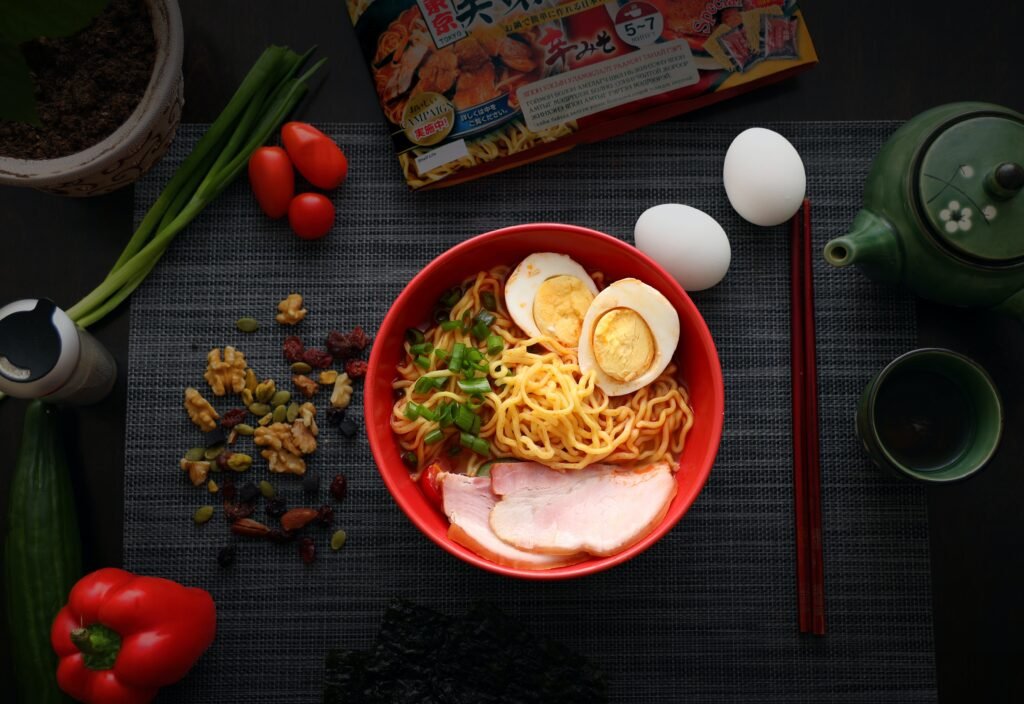
As we all know, maintaining a healthy diet is one of the fundamental pillars of a healthy lifestyle. On the island of Okinawa, residents often harvest fresh vegetables from their gardens, including eggplants, red beans, and cabbage. The Japanese people consume seasonal, fresh, and natural products, which help them stay in shape for a long time.
The traditional Japanese meal centres on cooked rice, known as “gohan” (御飯), which serves as the basis for many dishes, including sushi, donburi (rice bowls), and onigiri (a type of rice ball snack popular among children). A typical meal consists of a bowl of rice with three sides and miso soup. Key ingredients in Japanese cuisine include vegetables, fish (such as salmon and mackerel), eggs, pasta, soybeans, seaweed, ginger, and fermented foods. Conversely, Japanese people consume little meat, processed foods, and dairy products. Consequently,their food is rich in minerals, vitamins, fiber, and omega-3 fatty acids, while being low in bad fats and sugars.
However, consuming healthy food is only half the equation. The cooking method also plays a crucial role since high-temperature, long-term cooking can alter food’s nutritional value. Japanese cuisine often features raw dishes, which help preserve vitamins and nutrients. In cooking, Japanese cuisine emphasises light, quick preparations, with a preference for “al dente” consistency.
Lastly, the Japanese consume a lot of green tea, especially the famous matcha, known for its antioxidant properties that preserve aging while maintaining good hydration. If you want to learn more about matcha, read our complete guide.
So, incorporating these Japanese dietary habits into your lifestyle can be a great way to promote health and longevity.
2. Hara hachi bu

In addition to focusing on healthy eating, the Japanese prioritize the quality of their food over quantity by consuming only what they need to meet their nutritional requirements. They practice the principle of “Hara hachi bu,” which means “the 80% belly rule,” whereby they stop eating once they feel 80% full. This approach helps them avoid overeating and the weight gain that comes with it.
Another significant difference is the way food is eaten. In the West, meals are often consumed hastily, without much thought given to the flavors. However, the Japanese approach food mindfully, savoring each bite. In the Land of the Rising Sun, food is considered an art, and much attention is paid to its presentation. Japanese cuisine often combines textures, colors, and tastes to create a visually appealing dish that is as delicious as it looks. By eating mindfully and taking pleasure in their food, the Japanese can savor their meals fully and derive maximum satisfaction from them.
3. The Japanese lifestyle

The saying “the world belongs to those who get up early” holds true in the archipelago, where many Japanese are early risers. Starting the day with physical exercise is crucial for gently awakening the body and boosting vitality. To counteract the stress that often accompanies work and daily life, the Japanese engage in calming activities such as meditation, calligraphy, ikebana (floral art), or Kodo (the art of appreciating fragrances). Moreover, soaking in a thermal bath or onsen is a cherished tradition deeply ingrained in the Land of the Rising Sun.
A healthy diet, physical activity, and relaxation are the essential components of a healthy Japanese lifestyle.
4. Exercise

In Japan, physical exercise is not just a hobby; it’s a way of life that is deeply ingrained in the culture. From an early age, children are encouraged to join sports clubs or engage in artistic hobbies, which they often continue throughout their school years. This emphasis on staying active continues into adulthood and even retirement, with many elderly people taking up cycling, jogging, or fitness walking to stay in shape.
One unique aspect of Japanese physical exercise is the rajio taiso, a gentle gym routine practised by 27 million Japanese. This morning ritual is enjoyed by people of all ages and physical abilities and has even been adopted by companies to keep employees healthy and productive. Studies have shown that regular physical activity can confer numerous health benefits, including reducing the risk of chronic diseases and improving mental health. In Japan, physical exercise is not just a way to stay in shape; it’s a way of life that promotes overall well-being.
5. Access to healthcare
The Japanese healthcare system is considered one of the best in the world due to its numerous clinics and specialized doctors. There are two types of public health insurance available to the Japanese. The first, accessible to all, is the national health insurance, which covers up to 70% of healthcare costs. The second is employee social insurance, which benefits employees. This insurance, paid for by the employer and the employee, covers 80% of the employee’s healthcare costs and the expenses of their dependents. The quality of care and ease of access to healthcare services certainly contribute to the overall health of the population in Japan.
6. Community
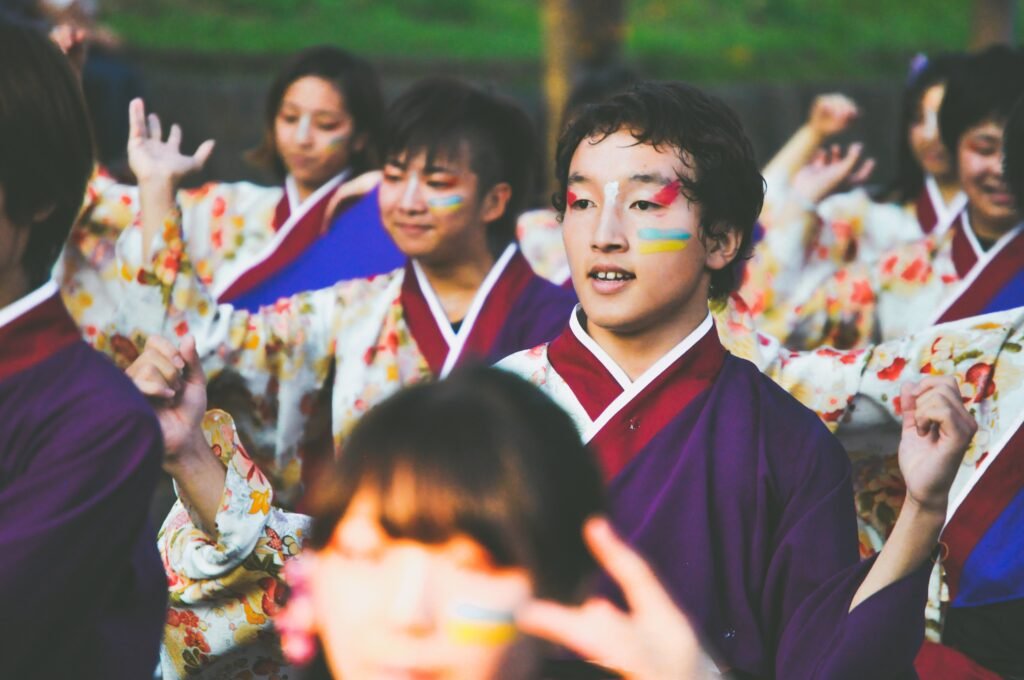
In Japan, the value of “living together” is instilled from an early age. Community and group spirit are highly valued in Japanese culture, where the common interest is always placed before personal interest. Family is also highly regarded, and the Japanese often live in warm, supportive environments surrounded by loved ones. In Okinawa, the village of Ogimi is home to a community of centenarians who enjoy chatting, helping each other, and laughing together. According to locals, living with others is the secret to a happy and long life.
7. Ikigai
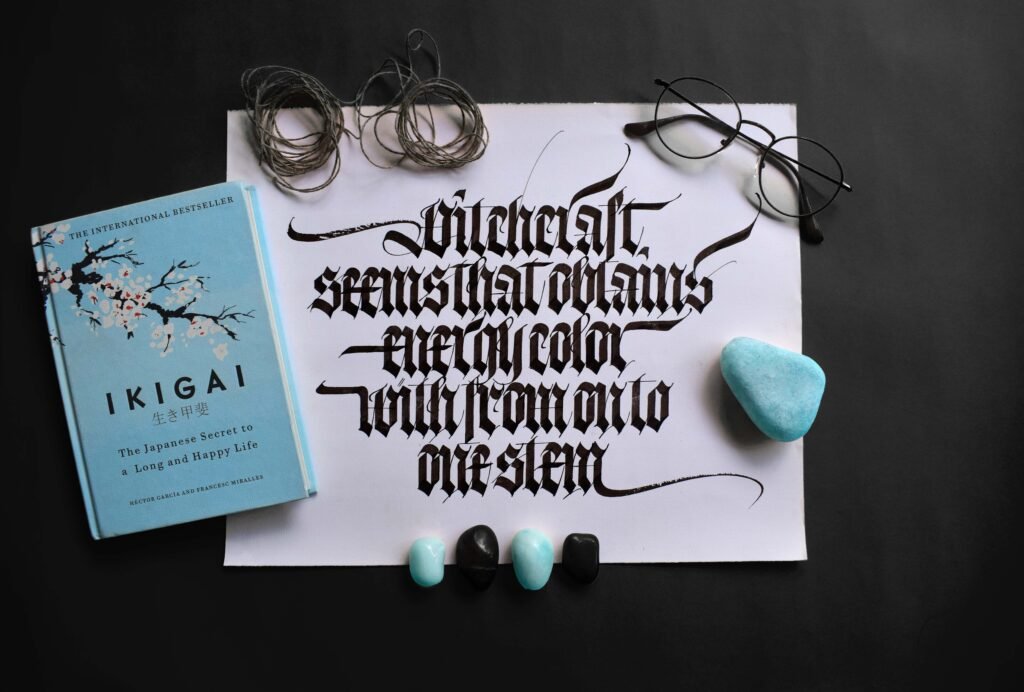
Living a long life is not just about adding more years to your existence, but about finding meaning and purpose in your life. This is the core philosophy behind ikigai, a way of life originating in Okinawa that has gained popularity worldwide.
In Okinawa, many elderly people continue to work not only to sustain themselves but also to maintain social connections. In the village of Ogimi, renowned for its artisanal textile production, older women practice “basho-fu” weaving, a common ikigai.
Ikigai is about finding the perfect balance between what you love to do, what you are good at, what you can be paid for, and what the community needs. When these four elements intersect, they create a sense of fulfilment in your work and your passions, as well as a feeling of usefulness to others. Discovering your ikigai can guide you on your path to happiness and a meaningful life.
8. Spirituality
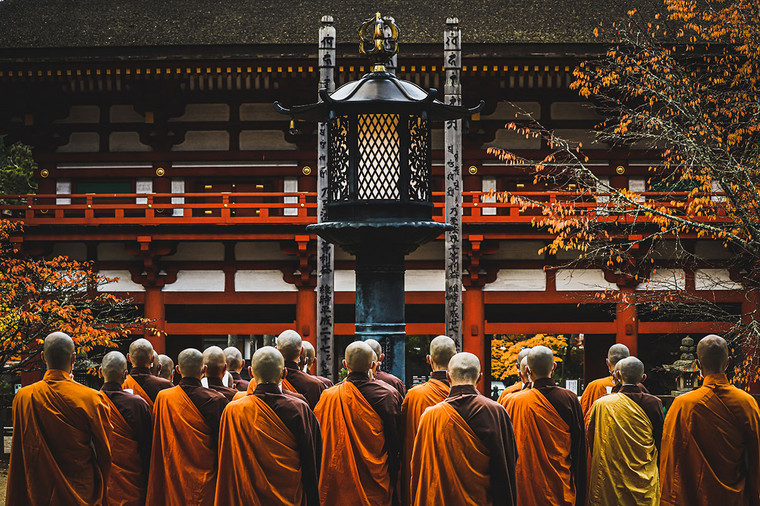
Spirituality is deeply ingrained in Japanese culture, and many of its practices can help promote longevity. Rituals from both Shinto and Buddhist traditions are everyday in Japan and provide a sense of purpose and a connection to something greater than oneself. Studies have shown that people who attend places of worship live longer than those who don’t, and that meditation is a common practice in Japan with well-established health benefits. By concentrating on feelings and breathing deeply, one can release tension and bring calmness to the mind and body. This results in a decrease in the stress hormone cortisol, which in turn can help preserve cells from ageing. Moreover, scientific studies have shown that meditation can reduce the risk of cardiovascular disease. The Zen-like calm of the Japanese is one of the keys to a longer, healthier life.
- Nagoya rainy day with kids in 2026 (Cool Indoor Things to Do )

- Best Gachapon in Tokyo (2026): 20 Places to Find Capsule Toys
- All Japanese KitKat Flavours List: The Ultimate Japan KitKat Guide
- Sapporo rainy day with kids (2026): 7 Cool Indoor Things to Do
- What To Do In Arashiyama With Kids: A Realistic One-Day Family Itinerary