
I spill travel tips , and show you the Japan that tourists usually miss.
Meet 8 iconic Japanese tea types—matcha, sencha, hojicha, genmaicha, and more. Taste notes, brewing tips, and what to order hot or iced.
Planning more matcha, tea, and Japan food adventures? Read these next
Table of Contents
About Tea
Tea holds great cultural significance in Japan and has been a part of the country’s traditions for centuries. Known as “Cha” in Japanese, tea was first introduced by the Chinese Empire during the Nara period in the 8th century. It was then cultivated in Zen temples, serving as a means of relaxation and meditation. Similarly, in China, tea held great cultural significance before becoming an iconic drink in Japan through the tea ceremony.
The most famous tea in Japan is the unique and frothy matcha, which is now consumed at any time of day.
What are the different Japanese tea types ?
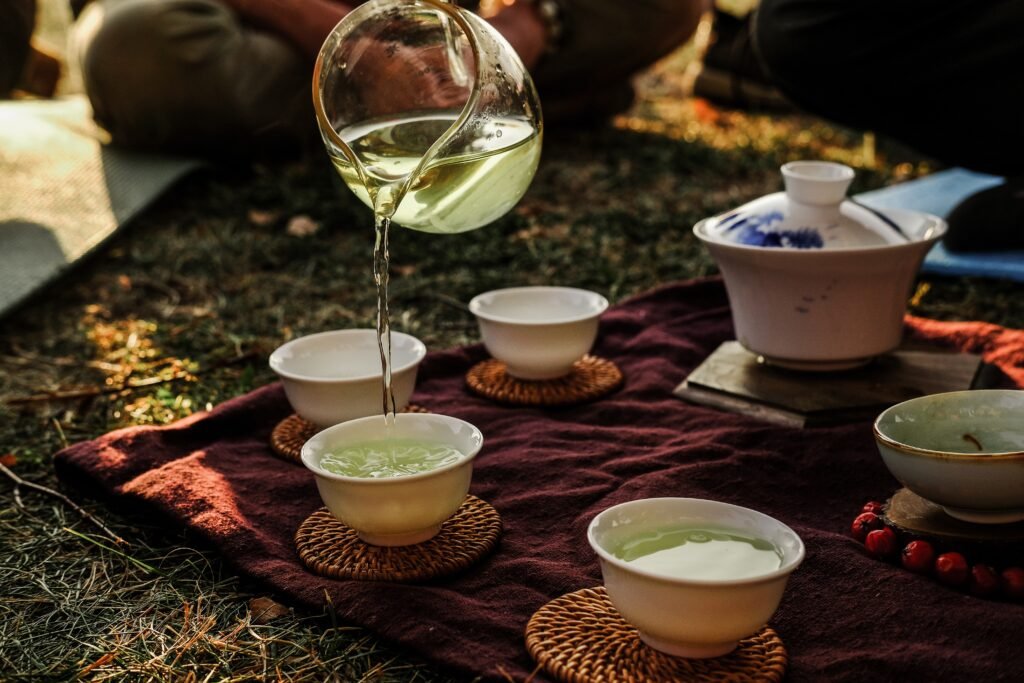
Tea is deeply ingrained in Japanese culture and has been for centuries. Tea in Japan is grown in distinct regions and boasts unique flavors. With an annual production of 82,000 tons, Japanese tea outstrips Chinese production. However, only 3% of Japanese tea is exported, leaving much of the world unfamiliar with its diverse offerings.
The Western market has traditionally favored black tea, making it difficult for Japanese green tea to gain traction. Nonetheless, the popularity of Japanese culture has spurred a renewed interest in Japanese tea.
Japan’s love for tea is reflected in its 300,000 tea shops and impressive consumption rate of 910 grams per person per year. That’s equivalent to 455 cups of tea, or one and a half cups per day! Tea in Japan is categorized by color: green, white, and black. While the majority of production is green tea, black tea is also quite popular.
What are the best Japanese green teas?
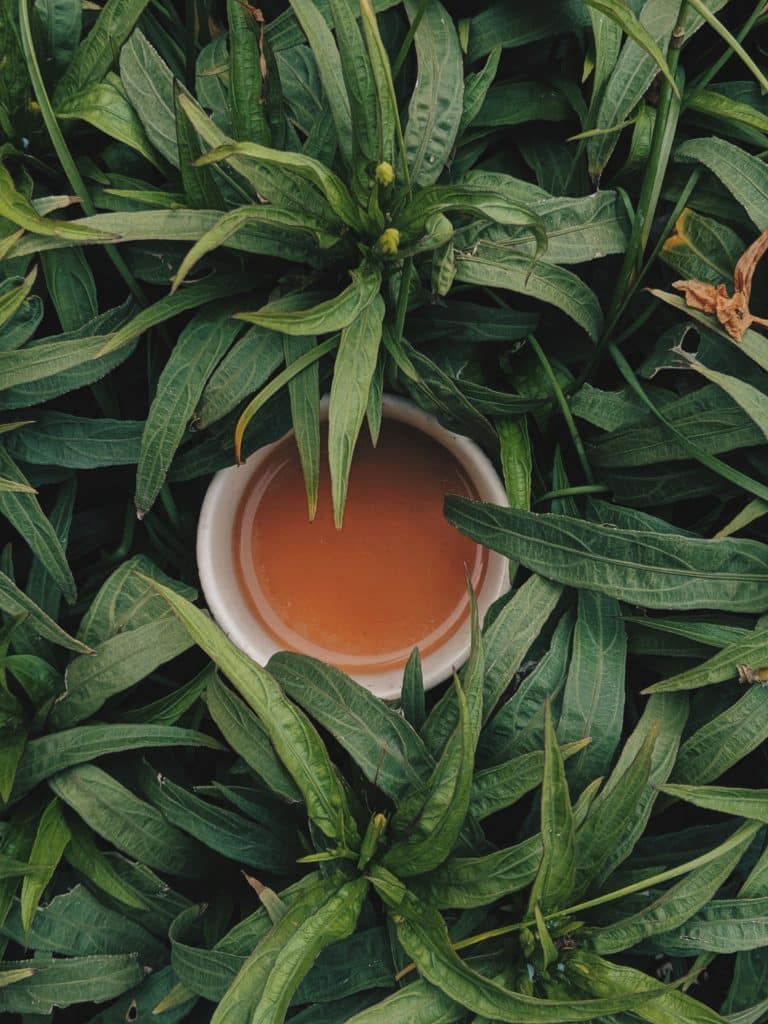
Matcha
Stone-milled tencha with a velvet body and deep umami.
- Taste notes: sweet green, nori, cocoa finish (higher grades).
- Brewing tips: sift; 2 g to 60–70 ml water at 70–80 °C (usucha); whisk in “M” motions until frothy. For a thicker bowl (koicha), double the powder and use ~40 ml.
- Order hot/iced: Hot, straight for purity; iced matcha or matcha latte in summer.
Sencha
Japan’s everyday green—bright and refreshing.
- Taste notes: steamed greens, citrus, gentle astringency.
- Brewing tips: 2 g per 100 ml at 70–80 °C for 60–90 sec; cooler water softens bitterness. Second steep 20–30 sec.
- Order hot/iced: Hot with meals; ask for mizudashi (cold-brew) sencha for a sweeter iced version.
Oolongcha
Lightly to medium-oxidized “blue” tea (often served bottled in Japan).
- Taste notes: floral, honey, toasted grain depending on roast.
- Brewing tips: 90–95 °C, 1–2 min (western) or quick 20–30 sec gong-fu style, multiple infusions.
- Order hot/iced: Great iced with meals; hot if you want the florals to pop.
Bancha
Later-season leaf; easygoing and food-friendly.
- Taste notes: toasty straw, mild sweetness, low bitterness.
- Brewing tips: 80–90 °C for 30–60 sec; it’s forgiving.
- Order hot/iced: Hot after meals; iced bancha is a crisp, low-caffeine sipper.
Gyokuro
Shade-grown “jade dew,” prized for lush umami.
- Taste notes: sweet pea, buttered greens, oceanic depth, almost brothy.
- Brewing tips: Use more leaf, less water: ~3 g per 40–50 ml at 50–60 °C for 90–150 sec; sip slowly.
- Order hot/iced: Hot, brewed low-temp; cold-brew gyokuro concentrates sweetness for summer.
Kukicha
“Twig tea” from stems and leaf veins—light and friendly.
- Taste notes: sweet hay, vanilla hint, soft nuttiness.
- Brewing tips: 70–80 °C for 60–90 sec; low bitterness, great for multiple steeps.
- Order hot/iced: Hot in the afternoon; iced kukicha is delicate and refreshing.
Hojicha
Roasted bancha/sencha/kukicha; amber in the cup, comfort in the nose.
- Taste notes: caramel, roasted nuts, cocoa shell, zero grassiness.
- Brewing tips: 90–100 °C for 30–60 sec; hard to oversteep.
- Order hot/iced: Hot after dinner, or iced/latte style (low caffeine) any time.
Genmaicha
Sencha (or bancha) blended with roasted/popped rice.
- Taste notes: toasty, nutty, a little sweet—comforting and smooth.
- Brewing tips: 80–90 °C for 60–90 sec; the rice buffers bitterness.
- Order hot/iced: Hot with sushi or simple meals; iced genmaicha is crowd-pleasing and aromatic.
Less-seen but worth a look:
- Aracha (unrefined, robust)
- Tamaryokucha (curly leaf, bright and citrusy),
- Kabusecha (lightly shade-grown, soft umami)
- Fukamushicha (deep-steamed, thick body)
- Funmatsucha (powdered but not ceremonial)
- Tencha (pre-matcha leaf)
- Mecha (bud tips, punchy)
- Konacha (fine particles, sushi-bar classic)
- Kamairicha (pan-fired, chestnutty).
Brew: most at 70–80 °C for ~60 sec (kamairicha a touch hotter), and try any of them as a simple mizudashi for a sweeter iced pour.
What is the difference between green tea and black tea?
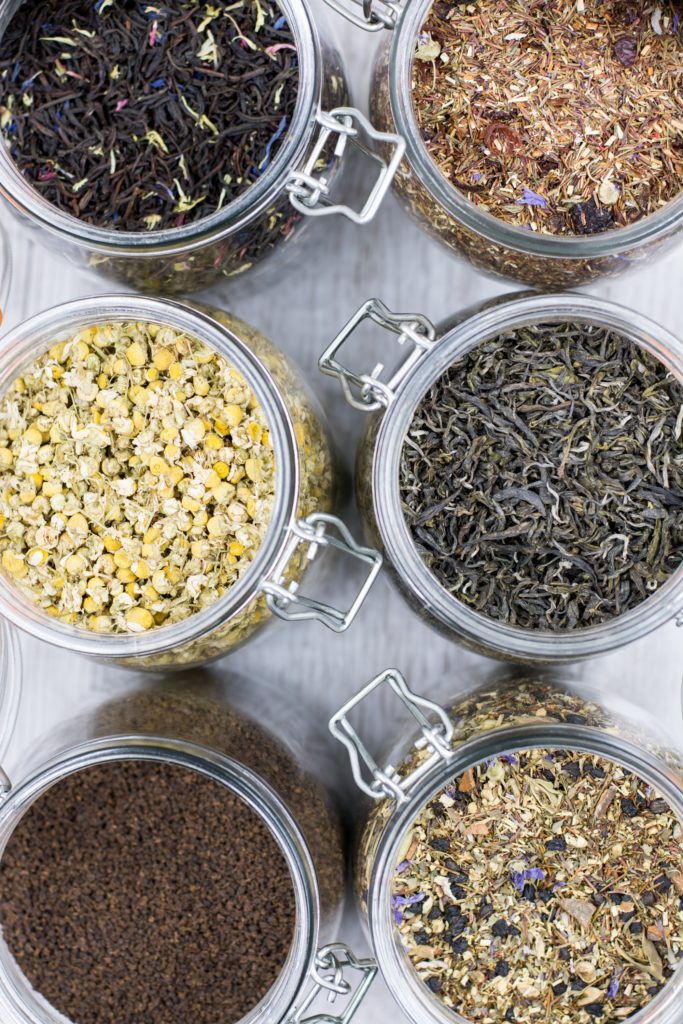
Did you know that all types of teas, including black and green teas, come from the same type of shrub called the Camellia sinensis, or Chinese camellia? The difference lies in the manufacturing process and codes, which determine the tea’s taste and color.
Green tea is delicate and needs to be processed rapidly after picking to prevent oxidation, which can accelerate the aging process. This is undesirable because green tea is often marketed as an “antioxidant,” “rejuvenating,” “slimming,” and “toning” product. To preserve these properties, the tea is steamed at 50 degrees Celsius in circular vats before being rolled and dried.
Black tea, on the other hand, is intentionally oxidized by withering and rolling its leaves and then fermenting them at a controlled humidity level. Unlike green tea, black tea contains less antioxidants but more theaflavins, which aid digestion and reduce stress. This may explain why black tea is typically consumed in the afternoon while green tea is preferred in the morning.
What are the methods of making tea?
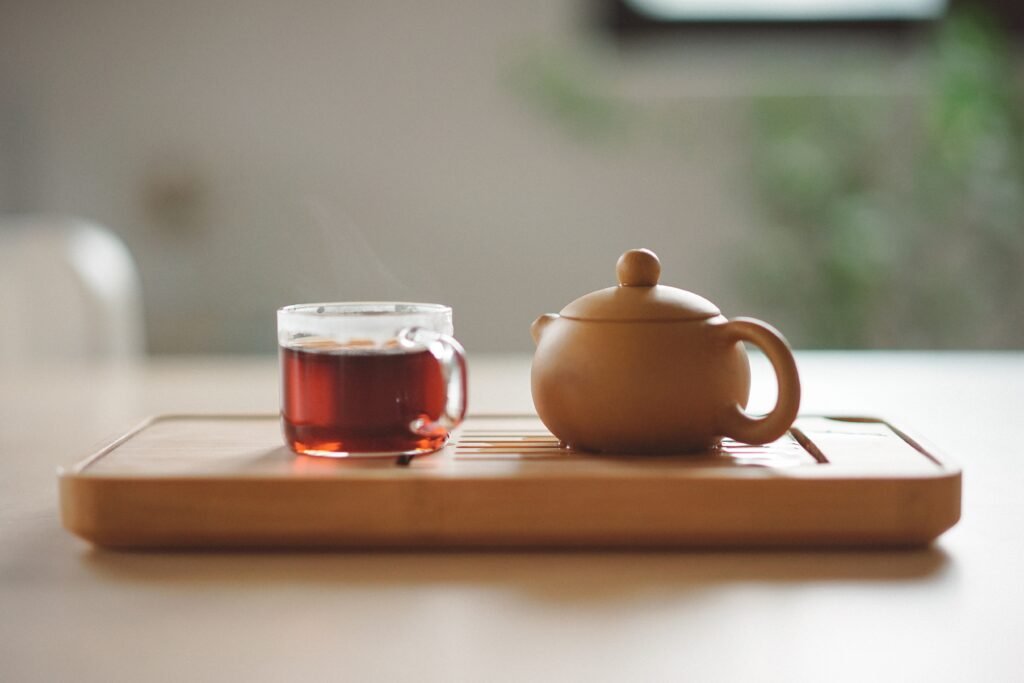
The tea-making process can vary depending on the desired color and taste, but all teas come from the same initial tea leaf, the Camellia sinensis plant. To ensure that the tea leaves retain their antioxidant properties, there are specific steps that must be followed.
The tea-making process consists of five essential steps, which are generally applied differently depending on the type of tea being produced.
Firstly, the tea leaves are withered to soften and dry them. For black tea, the next step is rolling, which leads to the fermentation of the leaves.
To stop oxidation of the leaves, the crucial step of fixing is carried out before the leaves are dried. The tea leaves are then put into bags before the final step, during which the flavors are released and fermentation is completed.
Finally, the tea is kept free of oxygen to prevent microorganisms from developing, ensuring that the taste remains fresh and vibrant.
Why do people drink so much tea in Japan?
In Japan, tea is the quintessential drink of choice. Similar to how Coke is a staple in the United States, tea is readily available on every table in Japan, often replacing water (without sugar, of course). Beverage dispensers offer an assortment of cold teas with various flavors and innovative designs. Tea is omnipresent in Japan, not only in beverages but also in food, particularly in desserts such as matcha mochi, matcha bubble tea, matcha cheesecake, and many more.
Japanese people hold tea in high regard for its exquisite taste and numerous health benefits, particularly Sencha tea. It not only provides a refreshing sensation but also contains several essential nutrients that are beneficial for health, such as reducing the risk of cardiovascular disease. Given that Japan experiences cold winters and hot, humid summers, it is imperative to stay hydrated, making tea an ideal drink of choice.
What is the tea ceremony?
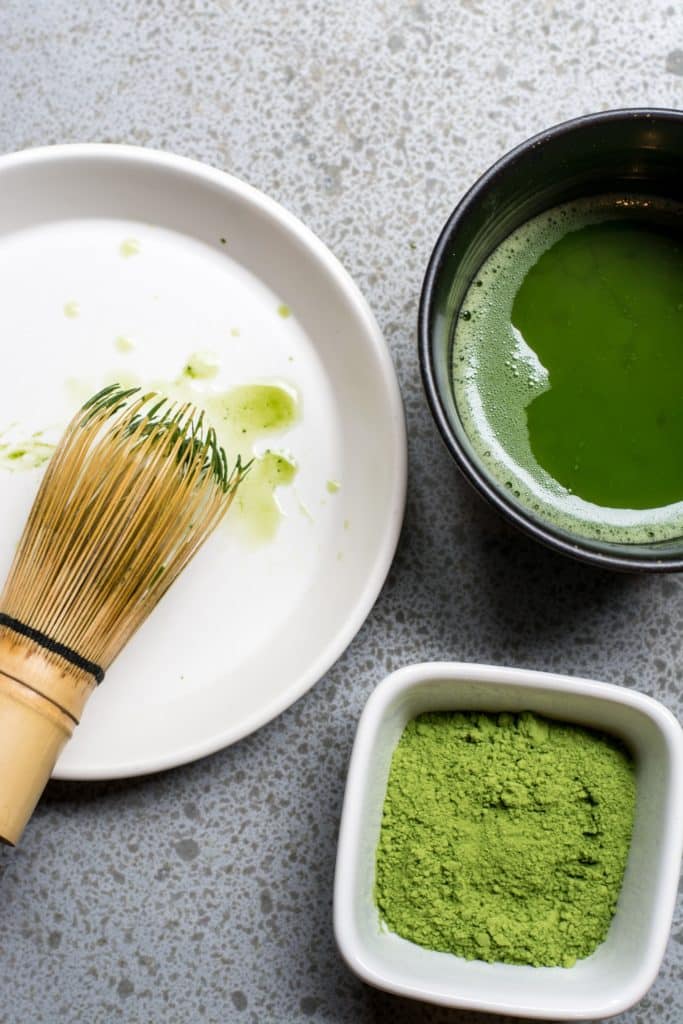
In Japan, depending on where you are, your tea can be prepared and consumed in a different way and be the subject of a real ceremony. As previously explained, tea was originally consumed mainly in Zen spaces, the tea ceremony being added as a traditional art inspired in part by Zen Buddhism.
How is the tea ceremony performed?
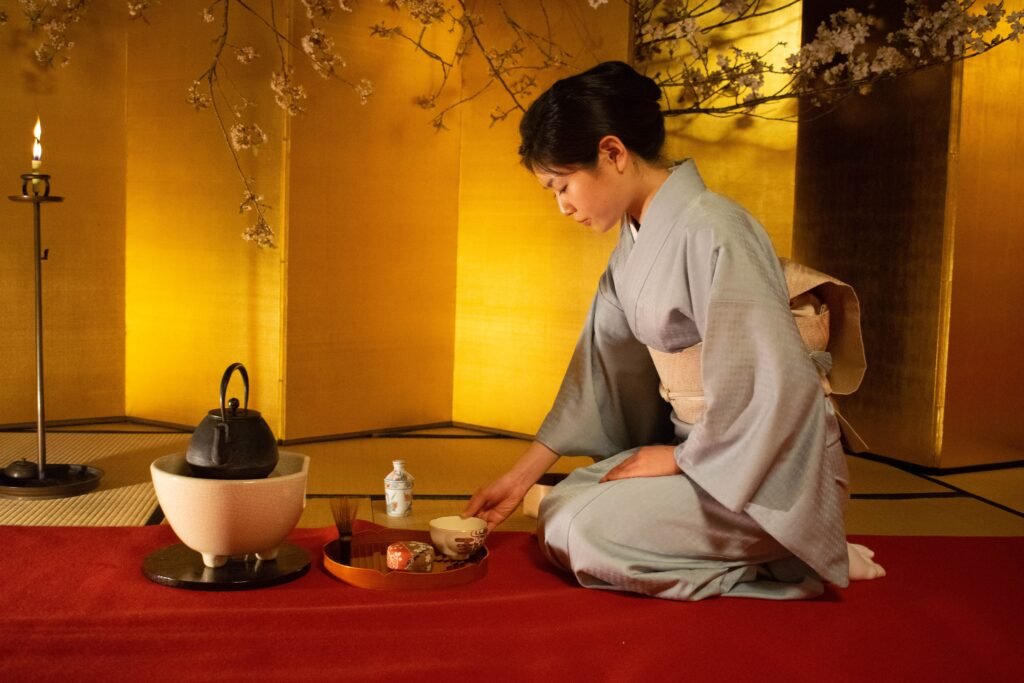
The ceremony is very calm and zen to watch, and the preparation can take about 20 minutes before tasting this sweet green tea beverage. Green tea is presented in powder form, often referred to as matcha tea.
The preparation consists of beating the powder and hot water using a small bamboo utensil and transferring the different passages of the preparation into different elements until the finality of the preparation is reached and shared with its guests: this is called the tea path or chado in Japanese. Only an experienced practitioner can perform the tea ceremony and there are real certifications to obtain the certification.
➡️READ ALSO: 16 Best Teahouses in Tokyo for a Zen Experience
FAQs: Japanese Tea Types
What are the main Japanese green teas I’ll see on menus?
Most common: Sencha (everyday green), Gyokuro (shade-grown, umami-rich), Kabusecha (lightly shade-grown), Shincha (first-flush spring tea), Hojicha (roasted, toasty), Genmaicha (sencha + roasted rice), Bancha (late-season), Kukicha (twig tea), Matcha (stone-milled powder).
If I only try two, which give the biggest contrast?
Order Gyokuro (deep umami, sweet, low bitterness) and Hojicha (roasty, caffeine-friendlier). You’ll taste Japan’s two extremes in one sitting.
How do I avoid bitter green tea when brewing at my Airbnb?
Use 70–80 °C water for sencha/gyokuro, 60–70 °C for premium gyokuro, and 90–100 °C for hojicha/genmaicha. Short infusions (40–90 sec) and more leaf than you think (about 2 g per 100 ml).
What should I order iced in summer?
Mizudashi (cold-brewed) sencha or gyokuro for sweetness, iced hojicha if you want low caffeine, and bottled unsweetened ocha from convenience stores (look for 緑茶 “ryokucha”).
Is matcha at cafés the same as tea-ceremony matcha?
Not usually. Ceremonial settings use usucha/koicha with high-grade matcha. Cafés may use barista-grade (great for lattes)—ask for straight matcha (hot water only) if you want the pure taste.
I need low-caffeine options—what should I look for?
Hojicha, Genmaicha, and Bancha are naturally lower; Mugicha (barley tea) and Sobacha (buckwheat) are caffeine-free and kid-friendly.
What regions are best for buying tea as a souvenir?
Uji (Kyoto) for matcha/gyokuro, Shizuoka and Kagoshima for sencha, Yame (Fukuoka) for gyokuro/sencha. Department-store depachika counters carry all of them if you can’t travel.
How much should good tea cost, and how much do I buy?
Solid everyday sencha: ¥1,000–¥1,800 / 100 g; premium sencha: ¥2,000–¥3,500; gyokuro/matcha jump higher. 50–100 g pouches are perfect for gifts and fly home easily.
Loose leaf or tea bags—what’s smarter for travel?
Loose leaf tastes better and packs flat; pyramid bags from specialty shops are a great compromise. Keep everything sealed + away from heat/light.
How do I ask for something umami-forward vs. roasty in a shop?
Umami-rich: 「旨味が強いお茶はありますか?」(umami ga tsuyoi ocha wa arimasu ka?)
Roasty: 「香ばしいお茶はありますか?」(kōbashi-i ocha wa arimasu ka?)
What’s the difference between Genmaicha and Hojicha lattes I see everywhere?
Hojicha latte = roasty, cocoa-like, low bitterness. Genmaicha latte adds a toasted rice note—think nutty cereal milk.
Can I bring tea home in my carry-on? Any freshness tips?
Yes—tea is fine in carry-on. Choose nitrogen-flushed, zip-seal pouches, keep unopened until home, and drink within 3–6 months (matcha: 1–2 months after opening).
Any one-line guide to menu kanji?
緑茶 (ryokucha)=green tea; 煎茶 (sencha); 玉露 (gyokuro); かぶせ茶 (kabusecha); 新茶 (shincha/first flush); ほうじ茶 (hojicha); 玄米茶 (genmaicha); 番茶 (bancha); 茎茶/茎ほうじ (kukicha); 抹茶 (matcha); 麦茶 (mugicha); そば茶 (sobacha).
- Nagoya rainy day with kids in 2026 (Cool Indoor Things to Do )

- Best Gachapon in Tokyo (2026): 20 Places to Find Capsule Toys
- All Japanese KitKat Flavours List: The Ultimate Japan KitKat Guide
- Sapporo rainy day with kids (2026): 7 Cool Indoor Things to Do

- What To Do In Arashiyama With Kids: A Realistic One-Day Family Itinerary