I spill travel tips , and show you the Japan that tourists usually miss.
Fukuoka is one of those cities that makes trip planning feel almost unfairly easy. We’ve got historic shrines, leafy parks, coastal scenery, and the biggest entertainment district in Kyushu all packed into one lively, easy-to-navigate destination. Then there’s the food, which is reason enough to show up hungry: mentaiko, rich tonkotsu ramen, and bubbling pots of motsunabe are all very much part of the plan.
In this guide, we’re sharing 2 days in Fukuoka itinerary to help you make the most of Fukuoka, whether you’re here for a quick overnight stay, a fuller two- or three-day visit, or just a half-day or day trip. Along the way, we’ll also cover the city’s must-see sights and some excellent places to eat, so you can piece together a trip that feels smooth, fun, and delicious from start to finish.
Read More Fukuoka Guides
Table of Contents
How Many Days Do You Need to See Fukuoka?
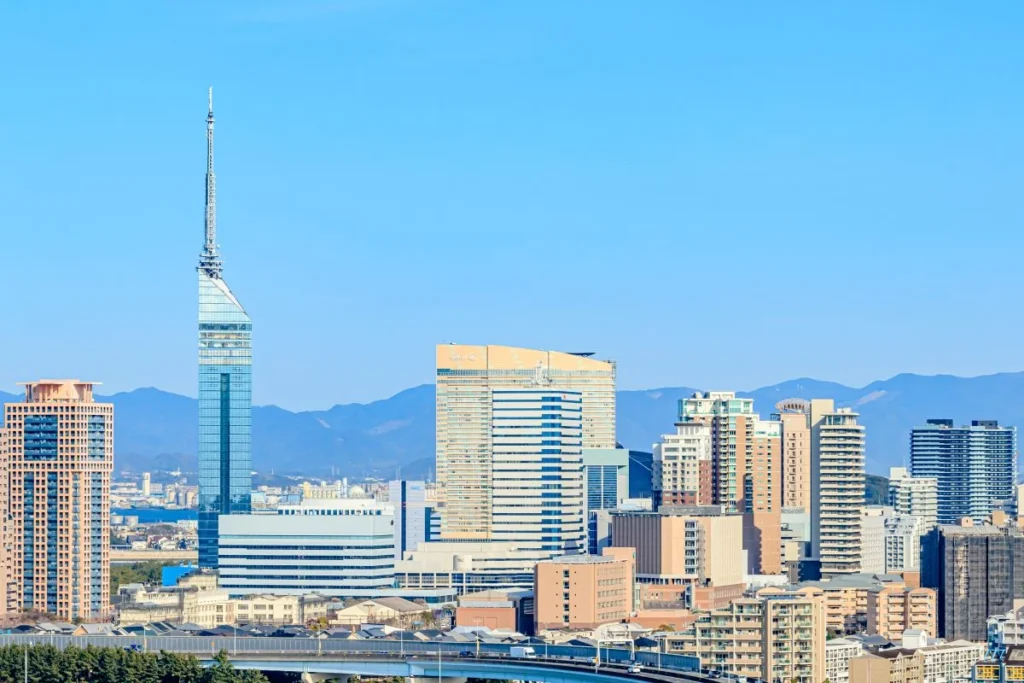
Fukuoka is one of those rare cities that doesn’t punish you for being short on time. You can land, drop your bags, and still get a genuinely satisfying taste of the place without needing a full week of logistical gymnastics. The big draw here is how compact everything feels: major sights sit relatively close to the city center, and the subway and bus network make it easy to move around without wasting half your day in transit.
Even on a 1-night, 2-day trip, you can cover a surprising amount of ground. We’re talking about everything from the scholarly calm of Dazaifu Tenmangu Shrine to the neon-and-noodle energy of Nakasu’s yatai stalls, plus old-school shopping streets like Kawabata-dori and the polished convenience of Tenjin and Hakata Station. Fukuoka does an excellent job of squeezing food, culture, and shopping into one very manageable city break.
That said, if you can stretch your visit to 2 nights and 3 days, do it. That extra day opens the door to easy side trips beyond the city, including Itoshima, Yanagawa, or even Kitakyushu, and that’s when the trip starts to feel less like a quick sampler and more like a proper escape.
A Recommended 2 Days Fukuoka Itinerary
Fukuoka serves up an easy mix of history, local flavor, shopping, and street life, which makes it ideal for a short but satisfying city break. Here’s a model itinerary for making the most of two days and one night in the city, without turning your trip into a frantic race.
Day 1 — 11:00 | Head to Dazaifu Tenmangu Shrine
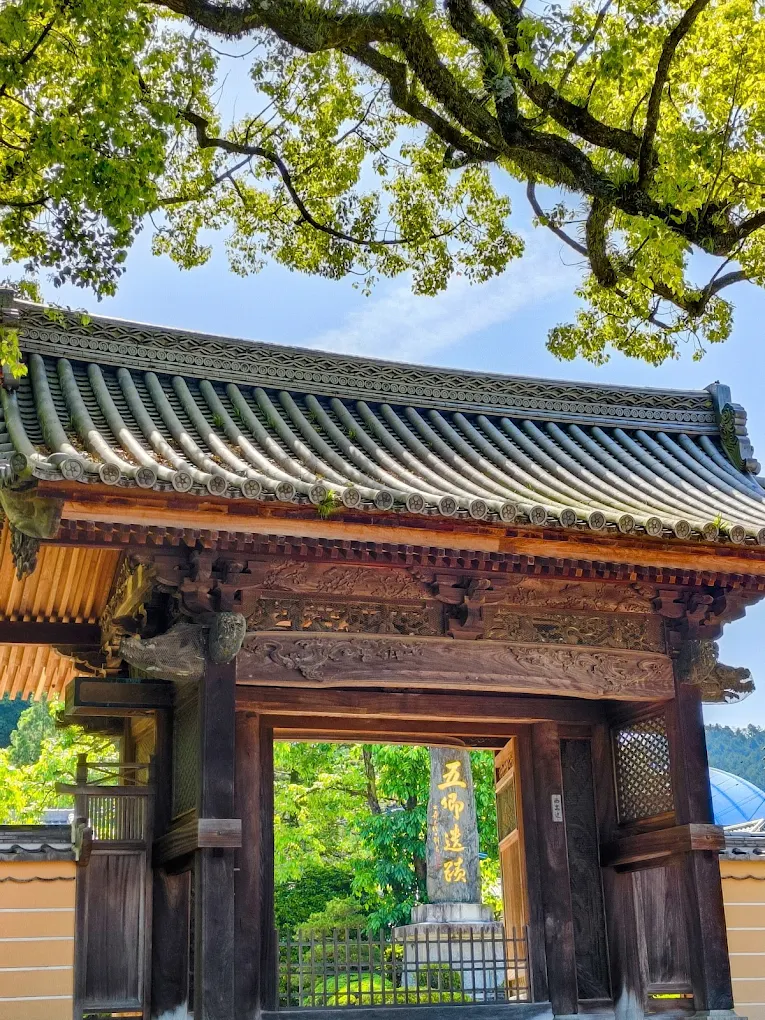
Start your trip at Dazaifu Tenmangu Shrine, one of the most important historic shrines in the region. Located in Dazaifu City, it is dedicated to Sugawara no Michizane, a Heian-period scholar and statesman who came to be revered across Japan as the god of learning.
The shrine grounds are especially famous for their plum trees: around 6,000 trees across 197 varieties bloom here between February and March, painting the whole area in soft reds and whites. One of the most beloved features is the sacred plum tree known as Tobiume, or the “Flying Plum,” which legend says flew from Kyoto to remain with Michizane.
There’s plenty to explore beyond the blossoms. The shrine’s main hall, designated an Important Cultural Property, is a major highlight, as is the Taiko Bridge, which symbolizes the past, present, and future. Don’t miss the shrine’s sacred ox statues either—locals say that stroking the head brings wisdom, which, frankly, seems worth trying.
If you have time, stop by the treasure hall, where you can see artifacts connected to Michizane and important cultural items including the National Treasure Kan’en.
Day 1 — 12:30 | Lunch Along the Shrine Approach
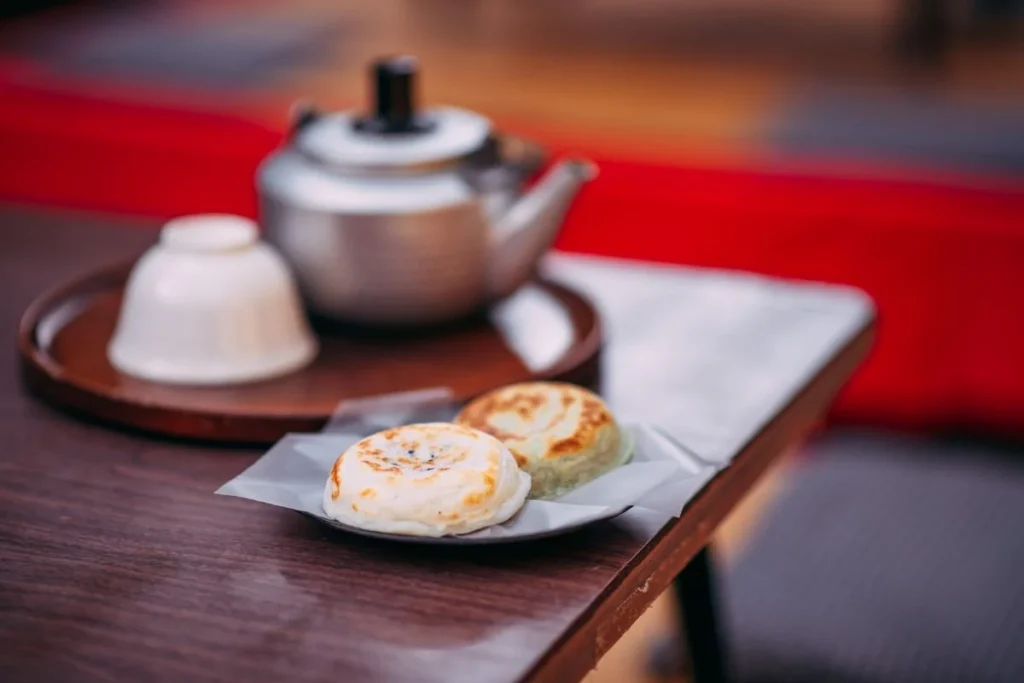
Once you’ve finished exploring, make your way back along the approach leading from Nishitetsu Dazaifu Station to the shrine. This roughly 250-meter stretch is lined with restaurants, snack shops, and cafés, and it’s a fun place to linger rather than rush through.
You’ll find a wide range of lunch options here, from restaurants serving fresh seafood sushi to places focusing on dishes made with seasonal vegetables and wild mountain plants.
And yes, this is also where you absolutely need to try Umegae Mochi, Dazaifu’s signature sweet. There are more than 30 shops selling it along the approach, usually for around 150 yen each. The basic idea stays the same—sweet bean filling wrapped in soft dough and lightly grilled—but the sweetness and texture vary just enough from shop to shop to make comparison a very respectable travel activity.
Day 1 — 14:00 | Visit the Kyushu National Museum

Next up is the Kyushu National Museum, about a 10-minute walk from Nishitetsu Dazaifu Station. This is not the kind of museum you visit out of duty and then forget by dinner. It’s one of the best places in the region to understand how Japanese culture developed through long centuries of exchange with the rest of Asia.
The exhibits trace history from the Paleolithic period through the Edo period, placing Japanese culture in a broader Asian context and clearly showing how international contact shaped religion, art, politics, and daily life.
A standout feature is the Super High-Definition Theater, where Japanese art and history are presented through immersive, large-scale visuals. There’s also Ajippa, an interactive exhibition area designed for both children and adults, with hands-on ways to explore cultures from Asia and Europe. In other words: not just glass cases and whispered boredom.
Day 1 — 16:00 | Check In Near Hakata Station
By late afternoon, head back into the city and check into a hotel near Hakata Station. This is one of the most convenient areas to stay in Fukuoka, especially if you’re visiting for a short trip.
Hotels here work brilliantly as a sightseeing base because you’re within walking distance of the station and have easy access to the subway, buses, and airport. The smooth connection from Fukuoka Airport is a huge plus too—less dragging luggage around, more time actually enjoying yourself.
You’ll find every kind of accommodation here, from more upscale hotels to practical budget stays, so it’s easy to choose something that matches your style and your wallet.
Top 3 hotel picks near Hakata Station in Fukuoka
Choosing where to stay in Fukuoka can feel deceptively simple until you open the map and realize Hakata Station is basically the city’s transport brain, survival hub, and launchpad rolled into one. Stay here, and we’re talking quick airport access, easy shinkansen connections, plenty of places to eat when your energy collapses, and a base that makes the whole trip run smoother. These are the three hotels we’d put at the top of the list.
1. Oriental Hotel Fukuoka Hakata Station
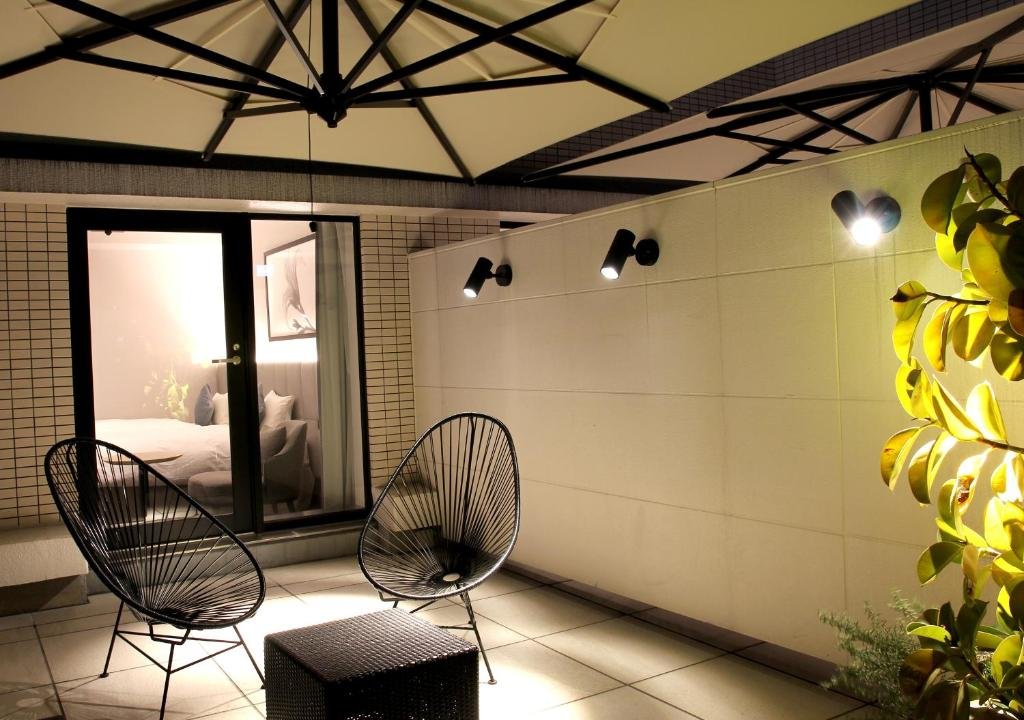
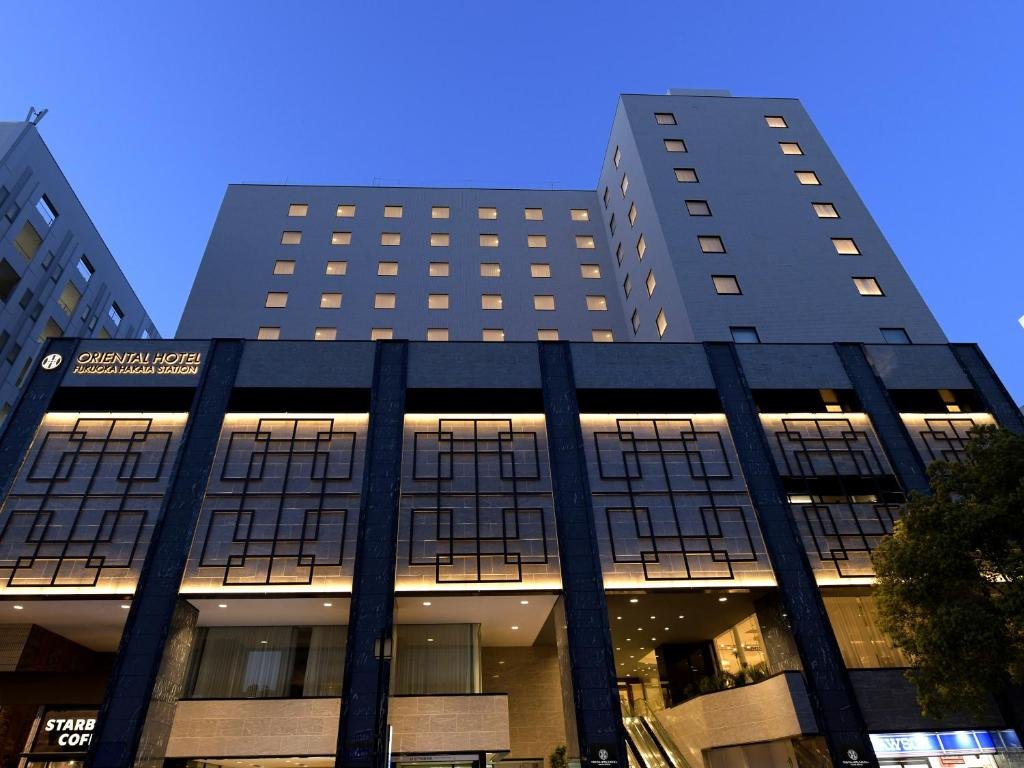
If we want the easiest possible arrival, this is the one. The Oriental Hotel sits right by Hakata Station, which means you can roll off the train, drag your suitcase for what feels like five seconds, and be done with the whole logistical ordeal.
What we love is how ridiculously convenient it is. This is the kind of hotel that works beautifully if you are arriving late, leaving early, planning day trips, or simply do not want to waste precious travel energy figuring things out. It makes Fukuoka feel immediately manageable, which is exactly what we want after a long journey.
What we love: unbeatable station access, stress-free arrivals, perfect for short stays and transport-heavy itineraries.
2. THE BLOSSOM HAKATA Premier
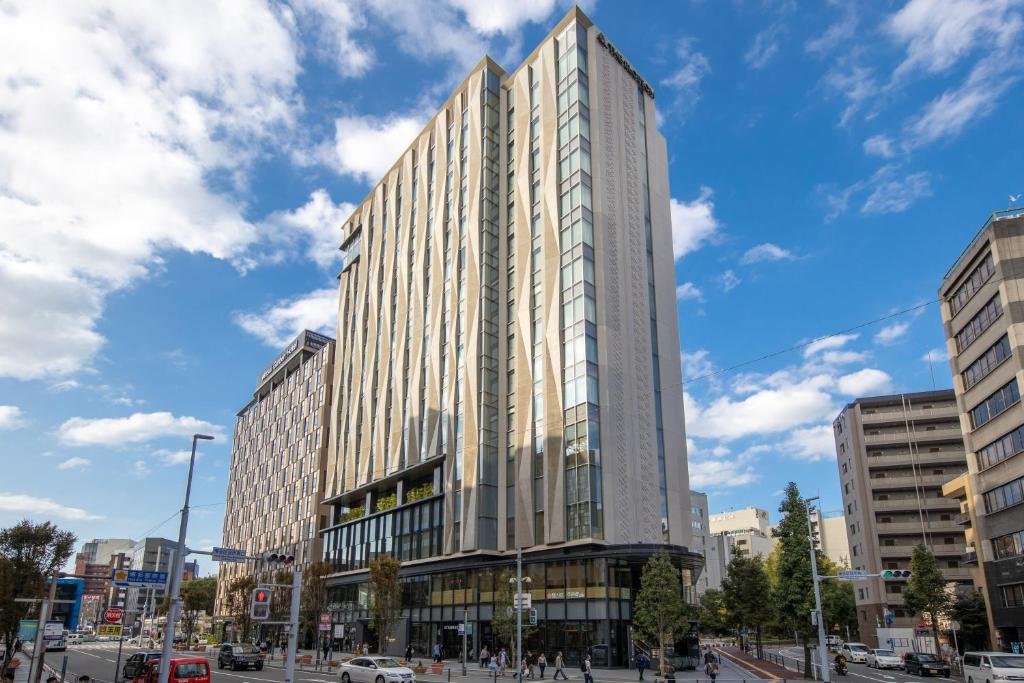
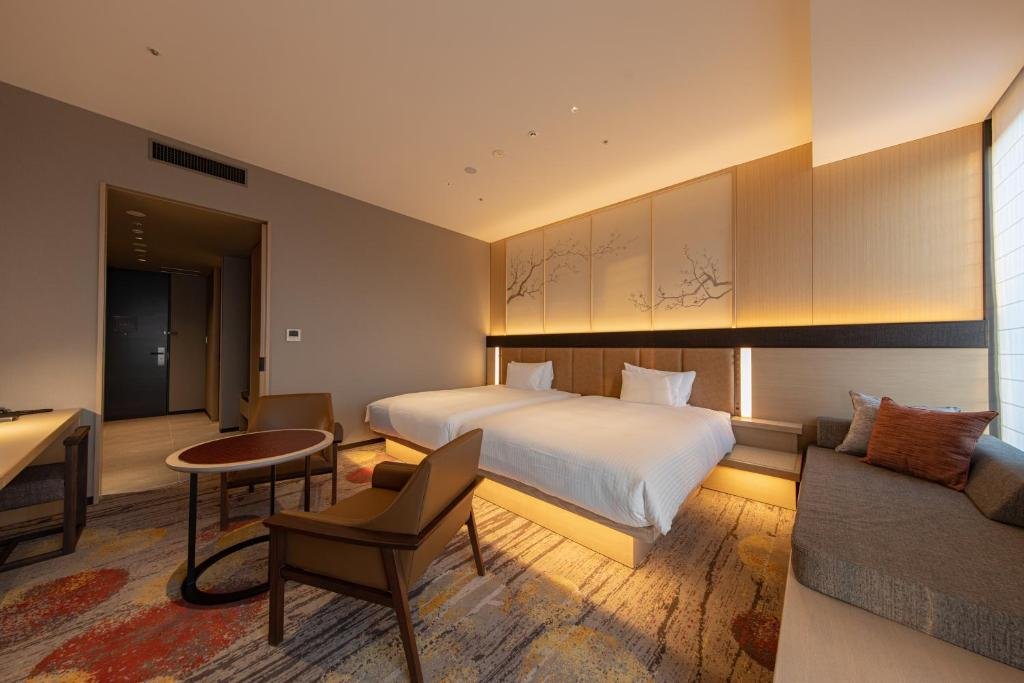
This is the pick we’d go for if we wanted something that still feels practical, but a bit more polished and special. It’s within easy walking distance of Hakata Station, so you still get all the transport benefits, but the overall feel is more refined and a little more elevated.
We like this one for travelers who want convenience without falling fully into business-hotel territory. After a day of temple hopping, shopping, or eating our way through the city, it’s nice to come back somewhere that feels calm, stylish, and just a little more luxurious.
What we love: sleek design, comfortable upscale feel, and a great balance between location and atmosphere.
3. Mitsui Garden Hotel Fukuoka Gion
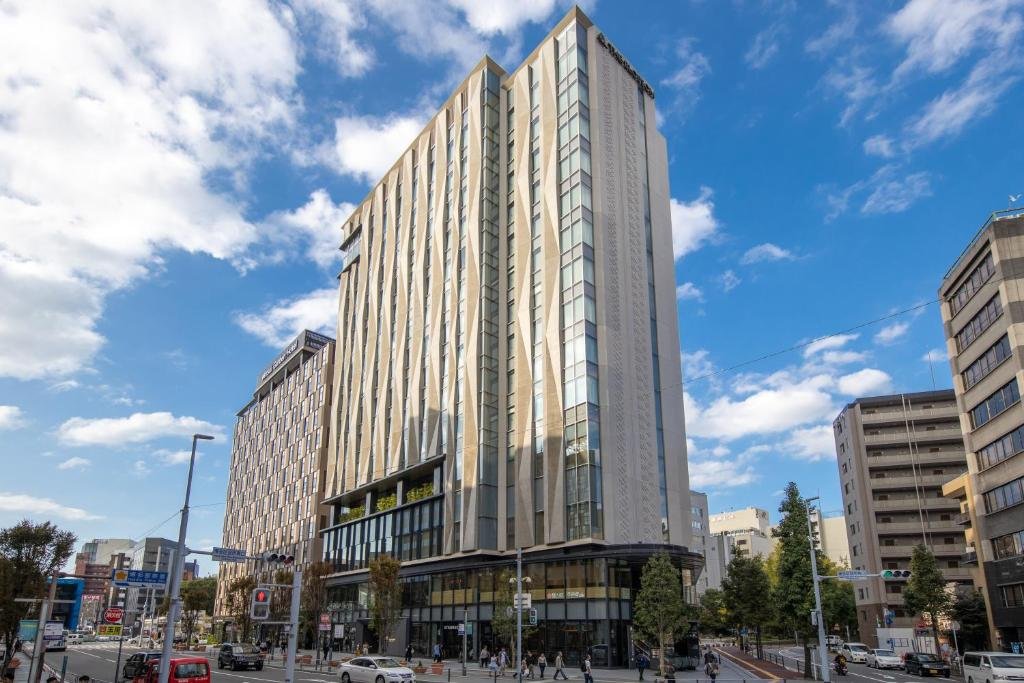
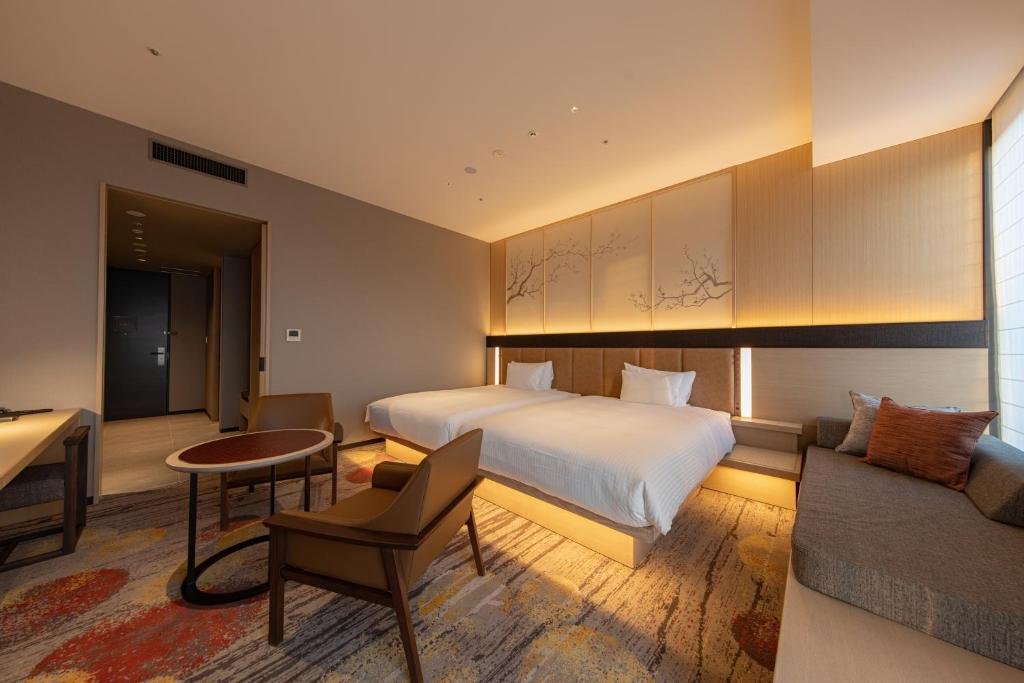
This one is a very strong all-rounder. It’s close enough to Hakata Station to be extremely convenient, but it also has a bit more personality than your average functional city hotel. If we want comfort, location, and a stay that feels slightly more memorable, this is a very solid choice.
One of the standout features here is the public bath, which is exactly the sort of thing that starts sounding glorious after a full day of walking around Fukuoka. It also feels like a nice middle ground for travelers who want easy access to the station without staying somewhere that feels too plain or generic.
What we love: rooftop public bath, great value for the location, and a comfortable stay with more character.
Day 1 — 18:00 | Dinner in Nakasu: Yatai or Motsunabe
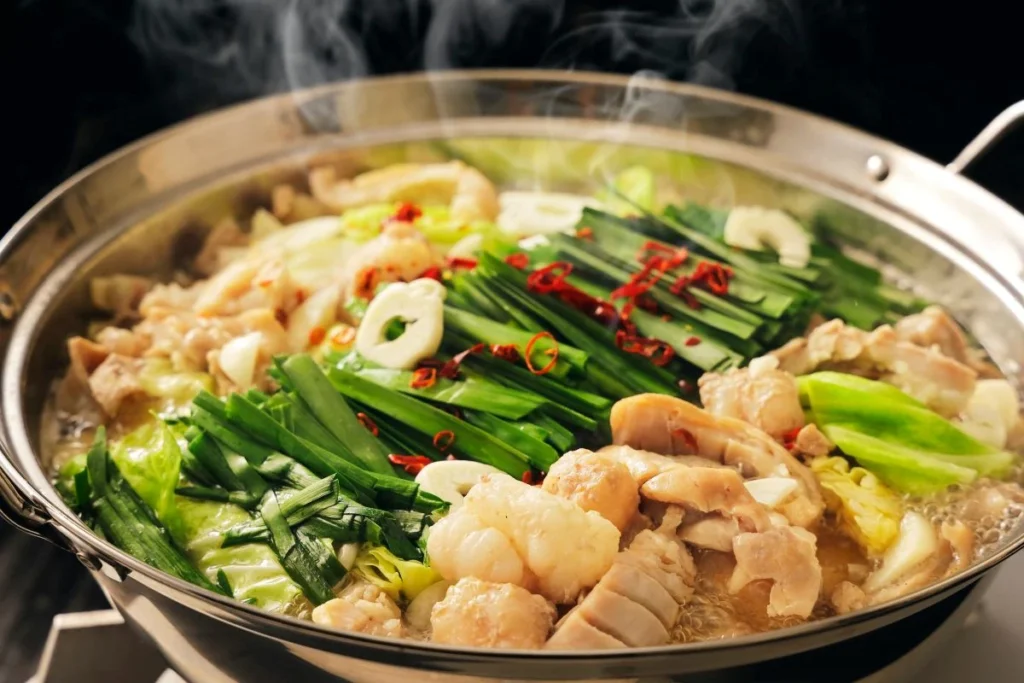
When evening rolls around, head to Nakasu, where food stalls and restaurants give the district its lively after-dark personality. This is one of the best places to dive into Fukuoka’s local food culture.
A must-try here is motsunabe, Fukuoka’s famous offal hot pot. Made with fresh beef offal and a richly seasoned broth, it’s deeply flavorful, warming, and far more delicious than the word “offal” may have led you to believe. Whether you prefer a polished restaurant with a relaxed atmosphere or an old-school local institution, Nakasu gives you plenty of options.
Day 1 — 20:00 | Evening Walk Around Tenjin and Canal City
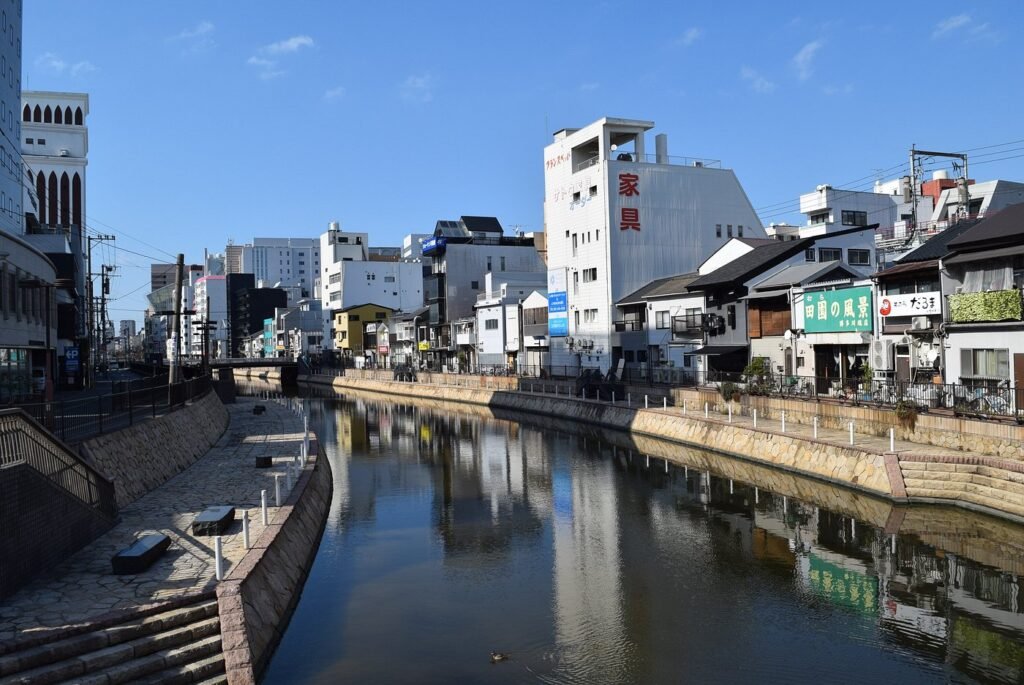
After dinner, keep the night going with a stroll through Tenjin and the surrounding area. Fukuoka after dark has a very particular charm: glowing stall lights, river reflections, and just enough old-school energy to feel atmospheric without trying too hard.
The food stalls near the water and the neon glow around Naka River give the whole area a cinematic feel. If you’re in the mood for something a little flashier, walk over to Canal City Hakata, a major shopping and entertainment complex about 10 minutes on foot from Tenjin. Its fountain show—complete with projection mapping, lighting, and high-powered sound—is one of the city’s most entertaining nighttime attractions.
Not a bad way to end day one.
Day 2 — 9:00 | Check Out and Have Breakfast in Tenjin
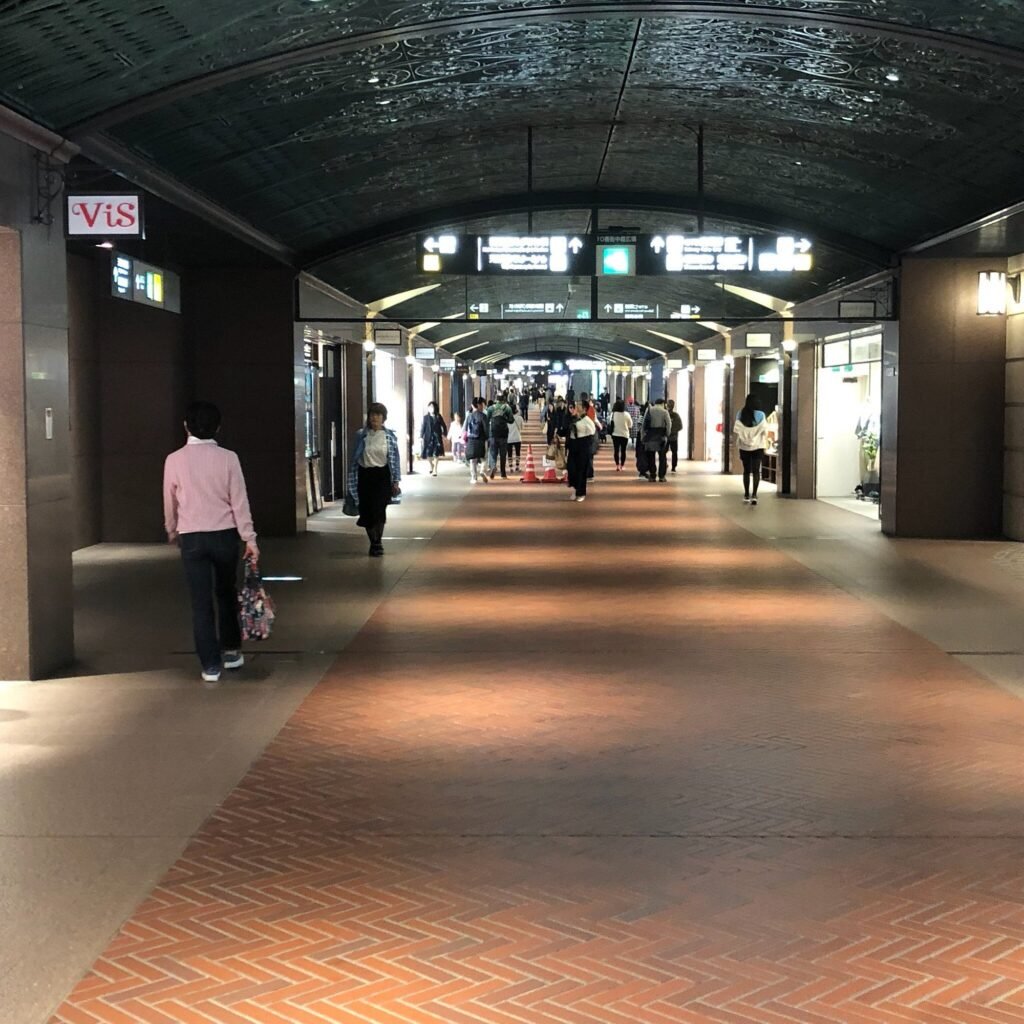
After checking out of your hotel, start the second day with breakfast in Tenjin. For something quick and convenient, the Tenjin Underground Shopping Mall is a great option.
There are more than 10 restaurants here that work well for breakfast, and many offer morning-only menus. You can keep it simple with a bakery café and fresh bread, or go more local with a comforting bowl of dashi chazuke. Japanese, Western, and Chinese breakfast options are all easy to find, so whether you want something light or a more substantial start, you’re covered.
Day 2 — 10:00 | Kushida Shrine and Kawabata Shopping Street
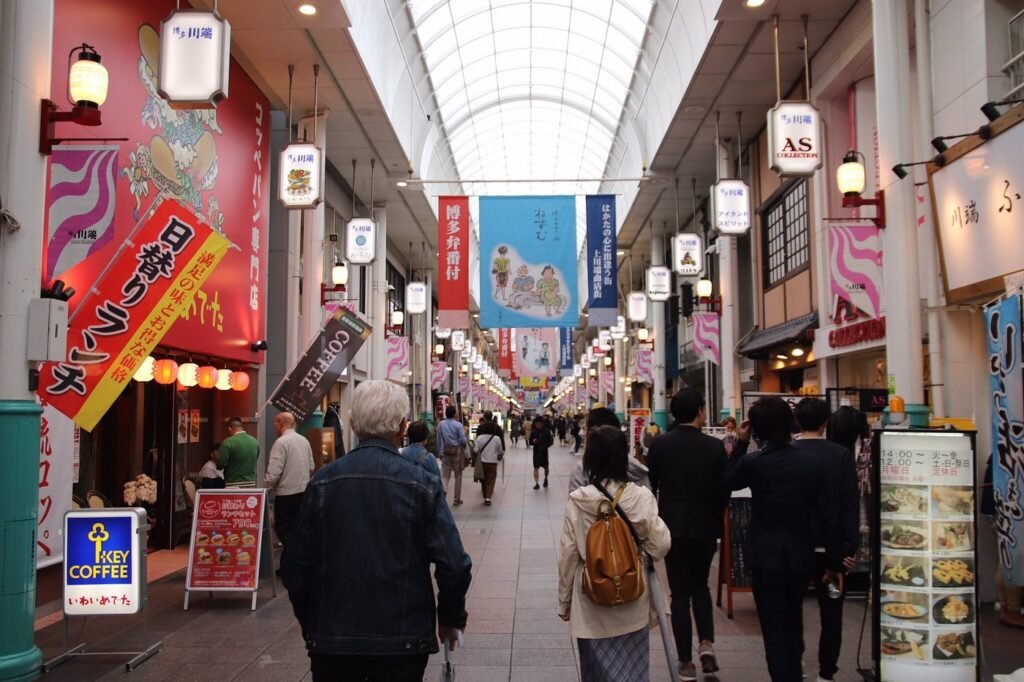
Start your morning in Hakata Ward at Kushida Shrine, affectionately known by locals as Okushida-san. This shrine is deeply woven into Hakata’s identity and is often referred to as the guardian shrine of the district.
One of its most famous features is the enormous sacred ginkgo tree known as Kushida no Ginkgo, believed to be around 1,000 years old and seen as a symbol of longevity.
Just a three-minute walk away is Kawabata-dori Shopping Street, a covered arcade stretching for about 400 meters and lined with around 130 shops. This is where old Hakata lingers in the best way. You’ll find stores selling traditional items such as Hakata dolls and Hakata lanterns, mixed in with restaurants, snack spots, and casual clothing shops.
It’s a great place to browse for souvenirs, nibble your way through local specialties, and soak up a more nostalgic side of the city.
Day 2 — 11:30 | Lunch at a Popular Local Spot
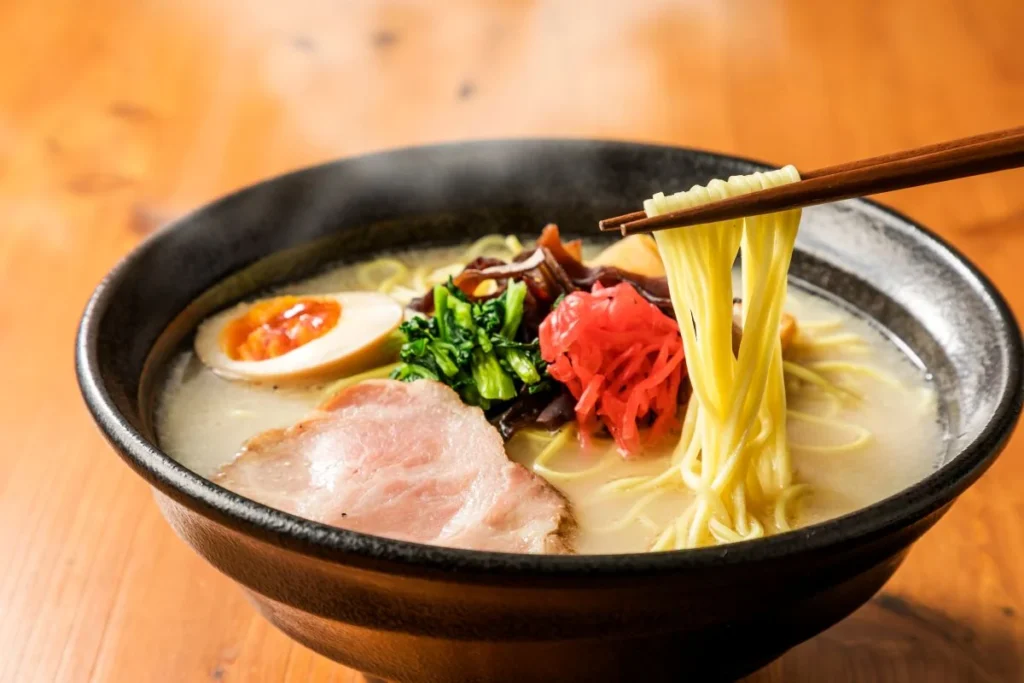
For lunch, make room for one more deep dive into Fukuoka’s food scene. This is the moment to go for one of the city’s signature dishes if you haven’t already.
Top choices include mizutaki, a chicken hot pot with a rich, nourishing broth; motsunabe, if you’re ready for round two; and of course Hakata ramen, famous for its aromatic pork-bone broth and thin noodles. You’ll also find plenty of lunch options built around local ingredients like mentaiko and fresh seafood.
In Fukuoka, lunch is not really a side quest. It’s the main event wearing a more casual outfit.
Day 2 — 13:00 | Souvenir Shopping at Hakata Station
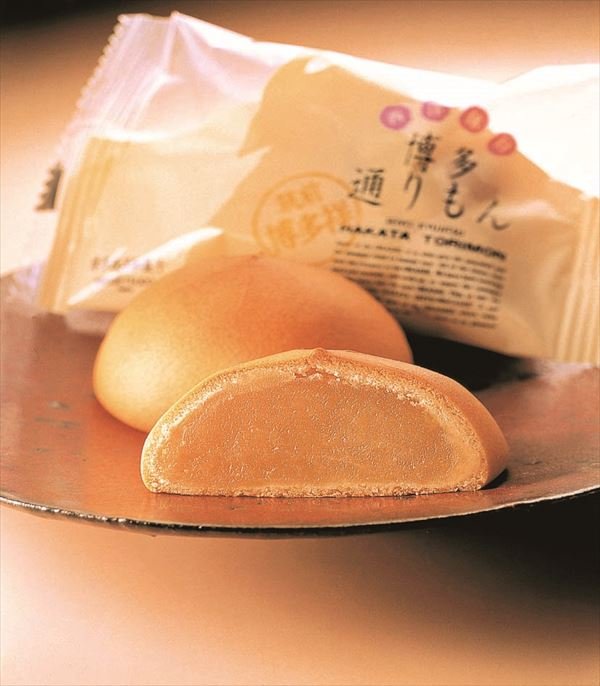
After lunch, head over to Hakata Station for souvenir shopping. The station and its surrounding buildings are packed with shops, making it one of the easiest places in the city to pick up gifts and edible souvenirs before you leave.
Classics like mentaiko and Hakata Torimon are always solid choices, but there’s plenty more to browse, including seasonal sweets and regional specialties. Even if you think you’re “just taking a quick look,” budget some time here. Fukuoka is very good at making people buy snacks they hadn’t planned on buying.
Day 2 — 14:00 | Transfer to the Airport
Once you’ve finished shopping, make your way to the airport. Fukuoka Airport is famously close to the city center, and from Hakata Station it takes only about 5 minutes on the Airport Line to reach it.
The domestic terminal also has a good selection of restaurants and souvenir shops, so it’s a useful final stop for one last meal or any emergency gift-buying you forgot to do in town.
And that’s the beauty of Fukuoka: even the trip home feels easy.
Have One More Night? Make It a 2-Night, 3-Day Trip
If you can add one extra night to your itinerary, Fukuoka becomes even more rewarding. That third day gives you time to move beyond the city and explore nearby destinations that add coastlines, canals, or old port-town atmosphere to the trip.
Drive to Itoshima and Linger at a Seaside Café
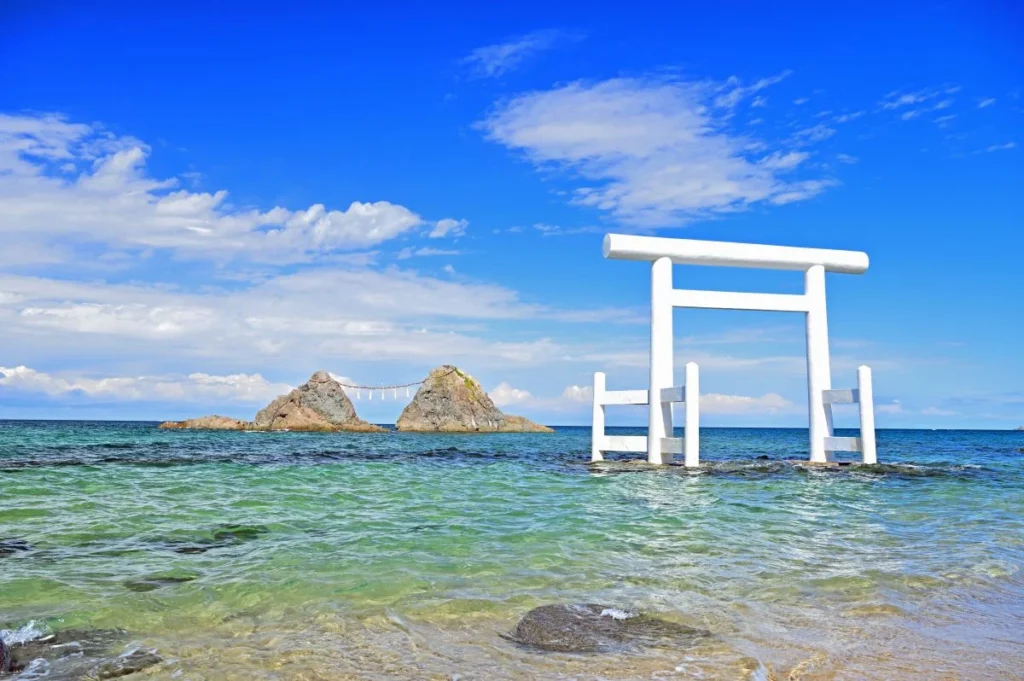
About 40 minutes by car from Fukuoka City, Itoshima is a favorite getaway for people craving sea views, fresh air, and a slower pace.
One of the best-known sights here is Sakurai Futamigaura, where the offshore Meotoiwa rocks and the striking white torii gate create one of the area’s most photogenic coastal scenes, especially at sunset. A drive along the shoreline is part of the fun, and the area is dotted with stylish cafés where you can settle in on an open terrace and pretend you have nowhere to be.
Food is another reason to come. Itoshima is known for dishes and sweets made with fresh local ingredients, and in winter, oyster huts pop up across the area, serving freshly caught oysters grilled barbecue-style.
Take a Canal Boat in Yanagawa and Eat Steamed Eel
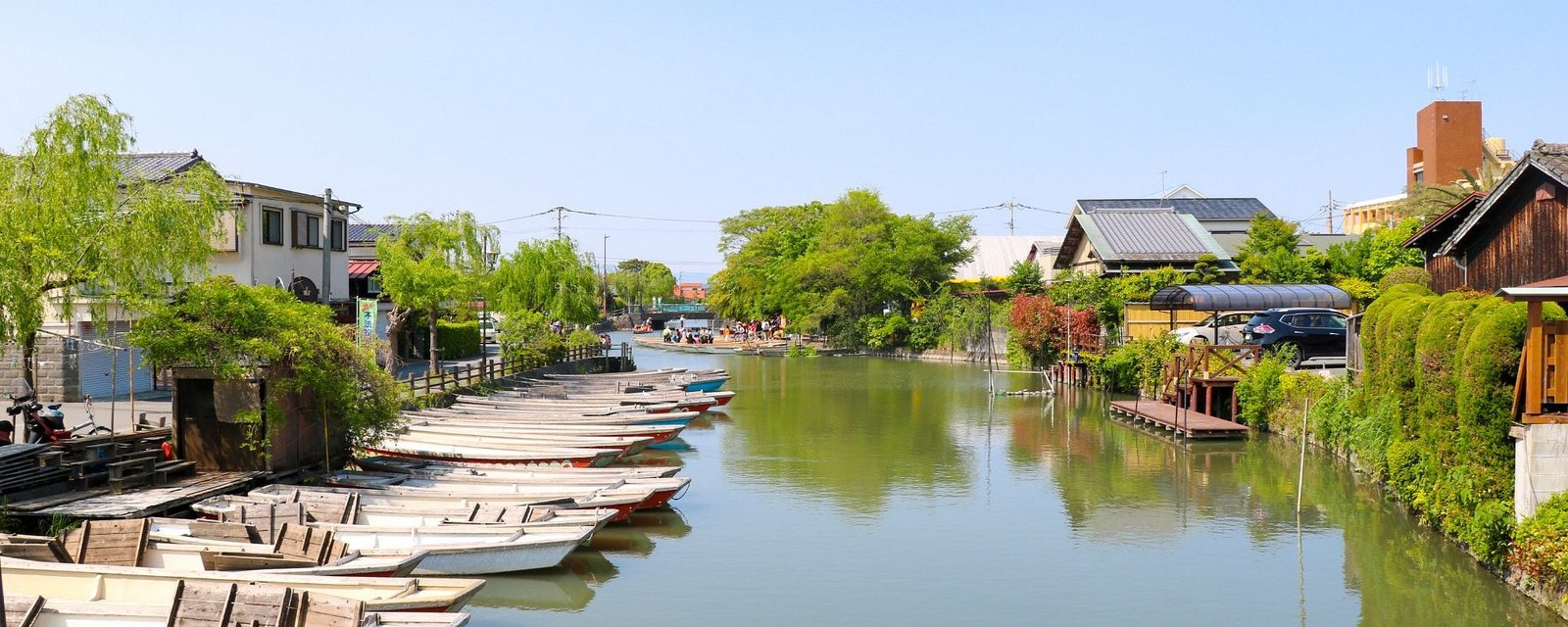
If you’d rather trade the coast for canals, Yanagawa makes a memorable day trip. Located in southwestern Fukuoka Prefecture along the Ariake Sea, this city is famous for its waterways, with canals covering about 10% of the urban area.
The signature experience here is a canal cruise, where flat-bottomed boats glide through the waterway network past old townscapes and seasonal scenery. The route usually connects areas around Yanagawa Station, Okihata, and Ohana, and the atmosphere is shaped as much by the scenery as by the boatmen themselves, whose commentary, songs, and pole-handling skills are part of the experience.
Before heading back, try Yanagawa’s famous unagi no seiro mushi—eel grilled over charcoal, placed over rice seasoned with a sweet-savory sauce, then steamed in a bamboo basket. It’s rich, fragrant, and very much the kind of meal that justifies a detour.
Combine Mojiko Retro with Kitakyushu Sightseeing
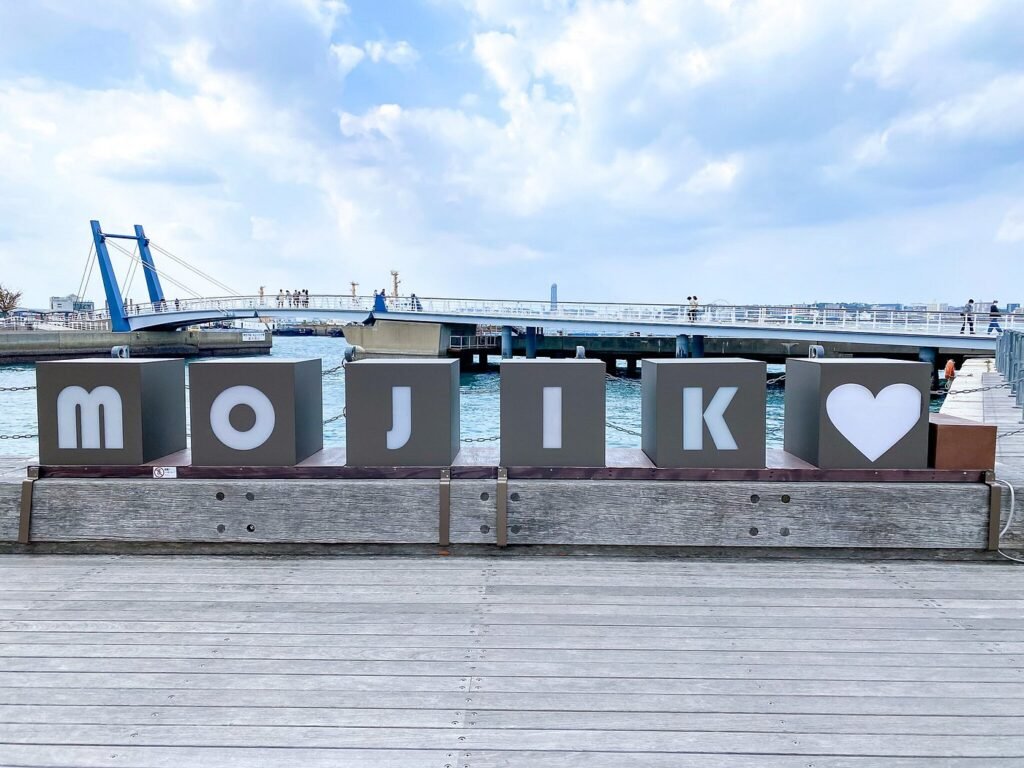
For something with a little more architectural nostalgia, head north to Mojiko Retro, a port district at the northern tip of Kyushu that blends sea views, historic buildings, and a slightly exotic old-harbor feel.
The broader Kanmon area is designated a Japan Heritage site, and one of the best stops is the Kanmon Strait Museum, where you can learn about the strait’s history and culture through exhibits, visuals, and food-related experiences.
Also worth visiting is the Mojiko Retro Observation Room on the 31st floor, which offers panoramic views across the Kanmon Strait and toward Shimonoseki. The daytime views are excellent, but the night view—recognized as part of Japan’s Night View Heritage—is particularly memorable.
If you still have energy, you can expand the day with stops at Kokura Castle or even Ainoshima Island.
Great Routes for Travelers Short on Time
Even if you only have half a day or a long layover, Fukuoka is still worth tackling. One of the best short routes starts from Hakata Station and combines a historic shrine, lunch, shopping, and a final stop for old-town atmosphere before heading back to the airport.
Recommended Half-Day or Day-Trip Route
- 09:00 – Arrive at Fukuoka Airport
- 10:00 – Visit Dazaifu Tenmangu Shrine and stroll the approach for around 2 hours
- 12:00 – Travel by train, about 40 minutes
- 12:40 – Lunch in Tenjin, around 1 hour
- 13:40 – Shopping and a short wander in Tenjin, around 30 minutes
- 14:10 – Travel by subway and on foot, about 10 minutes
- 14:20 – Visit Kushida Shrine and Kawabata-dori Shopping Street, about 1 hour
- 15:20 – Travel by subway, about 5 minutes
- 15:25 – Browse and shop for souvenirs at Hakata Station, about 40 minutes
- 16:05 – Travel by subway, about 5 minutes
- 16:10 – Return to Fukuoka Airport
This route gives you a surprisingly rounded introduction to the city: a major historic shrine, local lunch, shopping, and a taste of Hakata’s old-town charm. If you have more flexibility, extend your time in Dazaifu or Tenjin. And if you can stay into the evening, squeeze in dinner or a snack at Nakasu Yatai-gai for a final hit of Fukuoka flavor.
Where to Stay in Fukuoka for Sightseeing
Where you stay in Fukuoka can shape the whole trip. The city has several neighborhoods that work particularly well for visitors, depending on whether you prioritize transport, shopping, or food.
Around Hakata Station
If convenience is your top priority, stay near Hakata Station. This area has excellent access to the Kyushu Shinkansen, the subway, buses, and Fukuoka Airport, making it especially useful for short stays.
It’s also packed with restaurants and large shopping facilities, so you’ll have easy access to Fukuoka staples like ramen, motsunabe, and mentaiko without needing to travel far. For efficiency, it’s hard to beat.
Tenjin
If your ideal city break includes plenty of shopping, cafés, department stores, and beauty browsing, Tenjin is the obvious choice.
As one of the largest shopping districts in Kyushu, it offers everything from major department stores to underground malls and more independent boutiques. The food scene is equally strong, with izakayas, cafés, bars, and easy access to Fukuoka’s famous food stalls. It’s a good fit for travelers who want to stay in the middle of the action.
Nakasu
For travelers who want to lean hard into Fukuoka’s night food culture, Nakasu is the most atmospheric option.
This area is best known for the yatai stalls along the Nakagawa River, where you can sample local favorites like ramen, yakitori, and oden in a lively open-air setting. Since many spots stay open late, staying nearby makes perfect sense if your evenings revolve around eating, drinking, and wandering. It’s also close to both Hakata and Tenjin, so you don’t lose convenience in exchange for atmosphere.
What to Eat in Fukuoka
Fukuoka is one of Japan’s great food cities, and yes, you should absolutely arrive hungry. The local food culture is rich, comforting, and gloriously unpretentious. These are four dishes and specialties you shouldn’t skip.
Tonkotsu Ramen
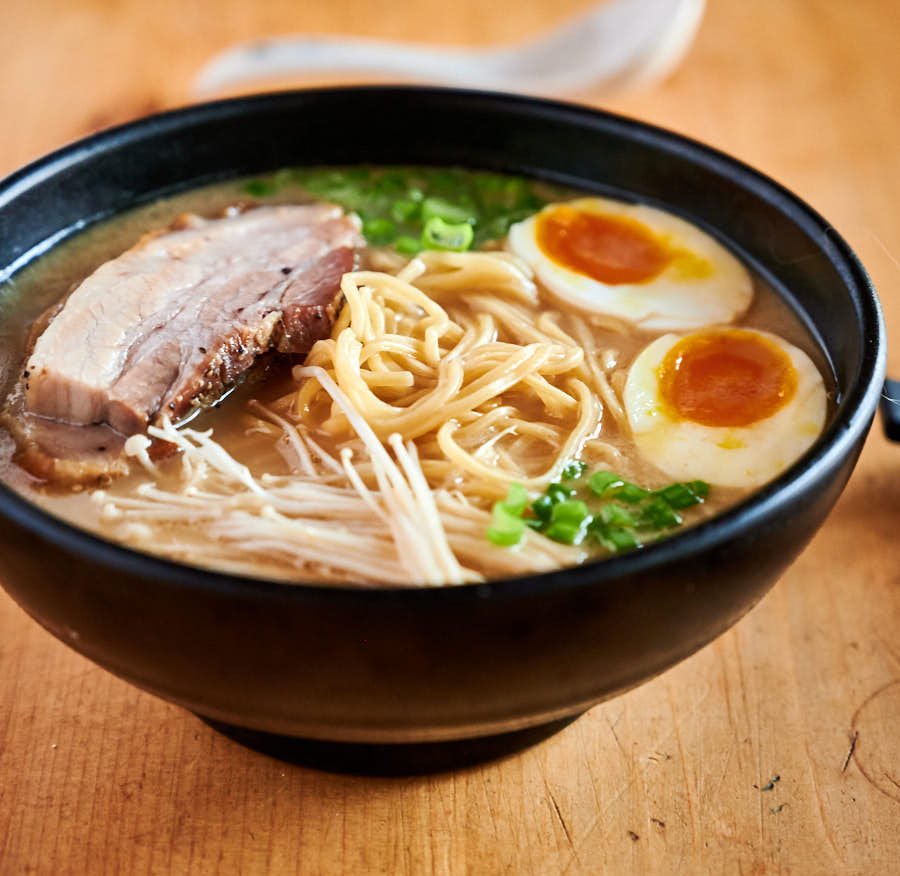
Fukuoka’s signature ramen is defined by its rich, cloudy pork-bone broth and thin, straight noodles. There are said to be more than 1,000 ramen shops across the prefecture, and each one brings its own spin to the broth, noodle texture, and balance of flavor.
From humble street stalls to famous long-running shops, tasting the differences from place to place is part of the fun.
Mentaiko
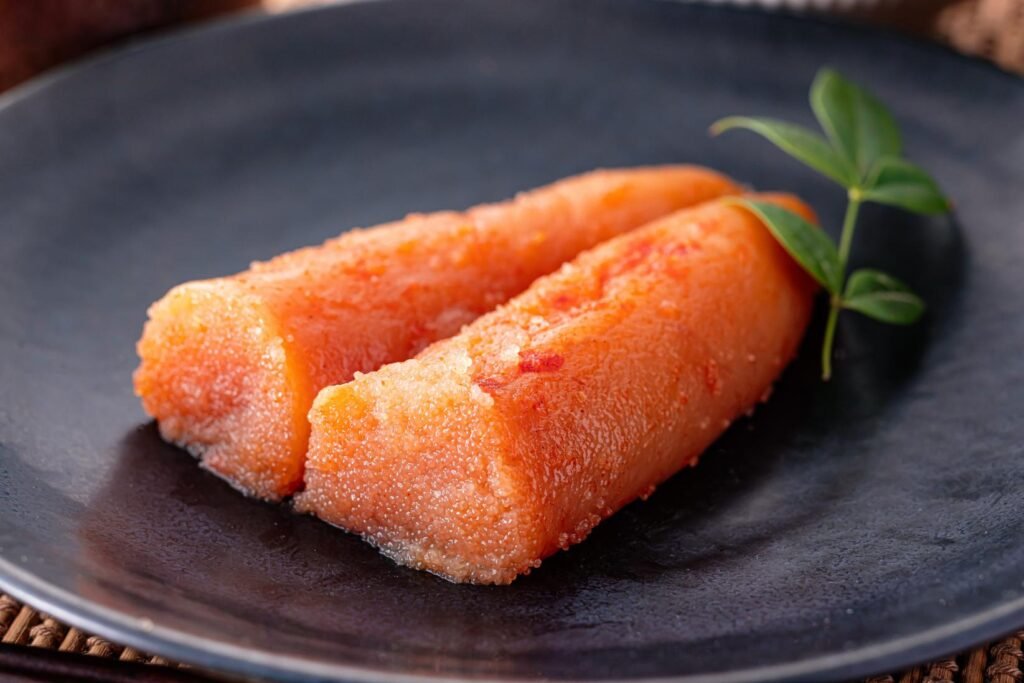
A classic Fukuoka souvenir, karashi mentaiko is pollock roe seasoned with chili and other flavorings. It works beautifully with rice, pairs well with drinks, and also shows up in dishes like omelets, tamagoyaki, and pasta.
There’s a huge range to choose from, including milder versions, reduced-salt options, and varieties flavored with ingredients like wine or yuzu. You’ll also find mixed products such as sardine mentaiko and squid mentaiko. Since every shop has a slightly different style, it’s worth tasting around until you find your favorite.
Motsunabe
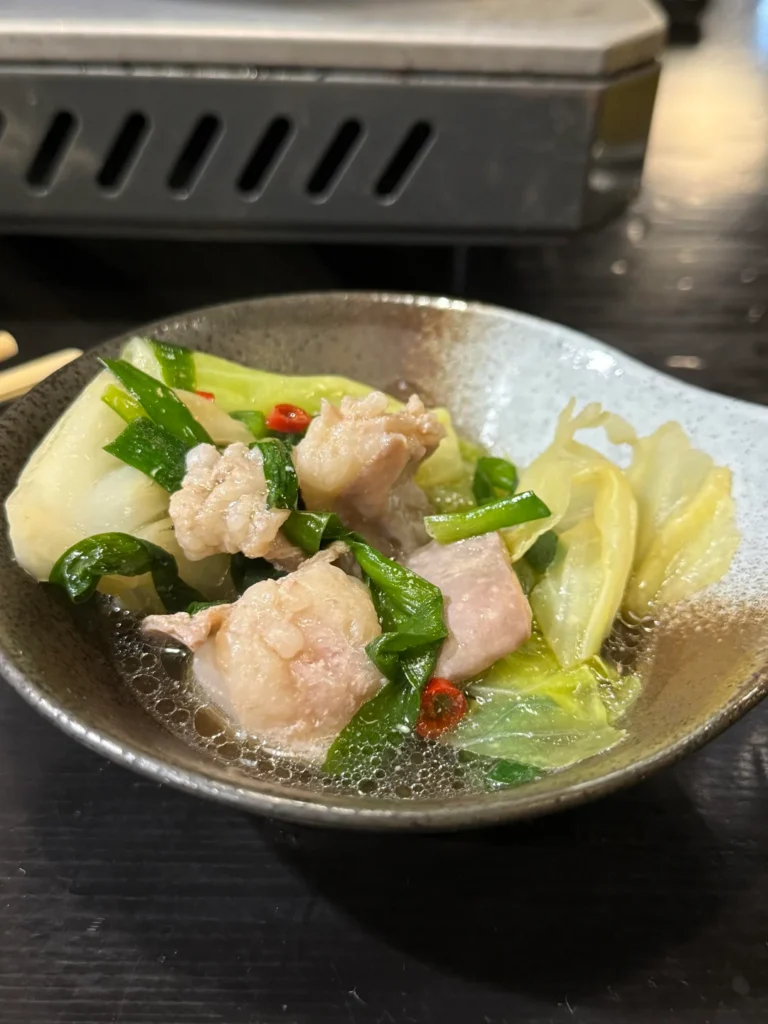
Fukuoka’s beloved motsunabe combines tender beef offal with a deeply flavored broth, often sharpened with garlic and chili. Add cabbage, chives, and other vegetables, and you get something hearty, flavorful, and surprisingly balanced.
Restaurants across the city each have their own take, from soy sauce-based broths to richer miso versions. And the finishing touch matters: the remaining broth is often enjoyed with champon noodles or turned into rice porridge so none of that flavor goes to waste.
Mizutaki
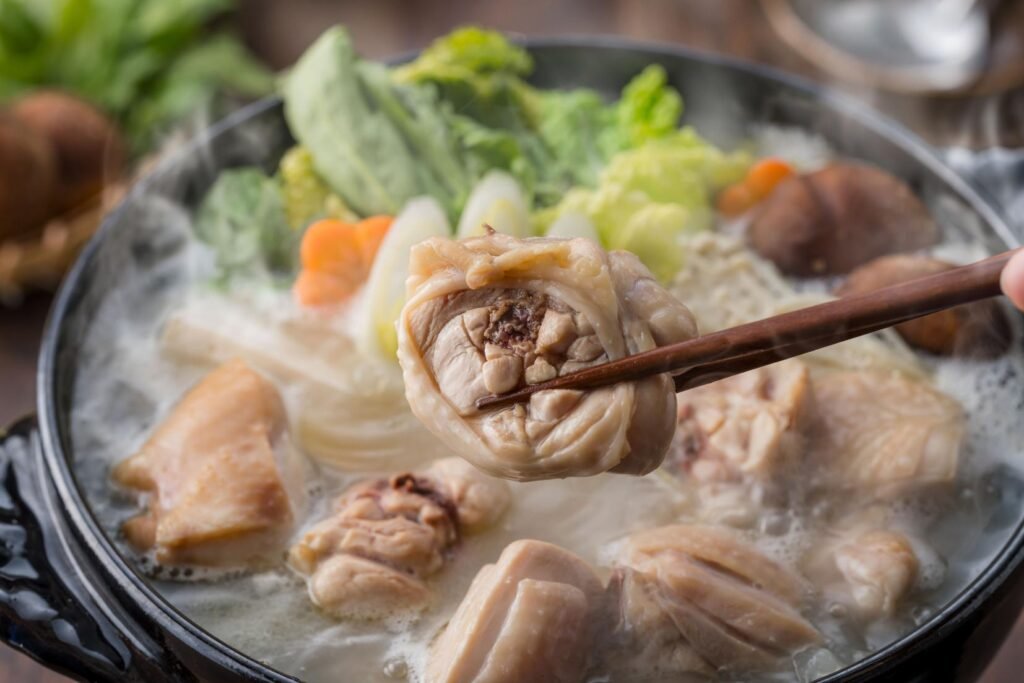
Another local favorite, mizutaki is a chicken hot pot built around a cloudy broth packed with savory depth. The ingredients are simple—chicken and seasonal vegetables, mostly—but when done well, the result is elegant, deeply satisfying, and far more nuanced than it first appears.
Many restaurants take pride in simmering the broth for long hours or using local Hakata Jidori chicken. Served with ponzu or house sauces, it’s one of Fukuoka’s most comforting meals.
- What To Do In Arashiyama With Kids: A Realistic One-Day Family Itinerary
- 20 Best Things to Do in Shiga (2026): Lake Biwa, Castles, Shrines and More
- 30 Best Things to Do in Wakayama And Around (2026): Castles, Sacred Trails, Beaches, Hot Springs & Mildly Dramatic Rock Formations
- What to Do in Enoshima (2026): Best Sights, Sunset Views & Hidden Gems

- Best Things to Do in Gunma (2026): Hot Springs, Mountains, Flower Parks & Wild Little Detours