I spill travel tips , and show you the Japan that tourists usually miss.
Discover the best things to do in Itoshima—waterfalls, sea views & forests. Savor Ichiran ramen and Forest Café & historic Dazaifu on one day itinerary. A perfect Fukuoka getaway for couples, friends & families.
Read Also
Table of Contents
Essential Travel Info to Know Before Visiting Itoshima
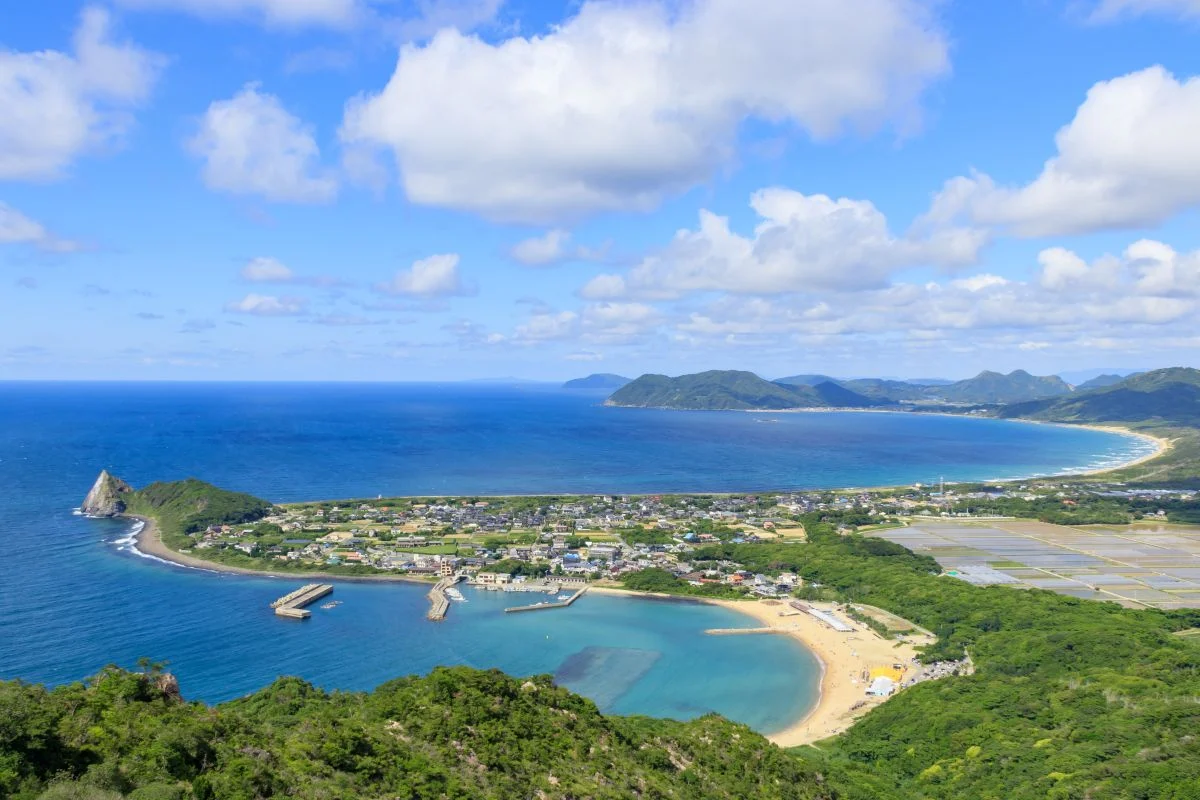
Itoshima is the kind of place that makes us feel smug about leaving the city for the day. One minute we are in central Fukuoka, surrounded by stations, traffic lights, and convenience stores on every corner. The next, we are staring at waterfalls, palm-fringed beaches, mountain trails, and seaside cafés that look as if they were designed for people who own linen shirts and excellent cameras.
Set within easy reach of Fukuoka City, Itoshima is one of the most popular nature escapes in the region, and for good reason. You get sea, mountains, countryside, stylish cafés, craft workshops, and enough scenic stops to keep both serious sightseers and casual wanderers very happy. And yes, if you know the transport options, travel times, and best seasons ahead of time, you can absolutely make the most of it even on a limited schedule.
Just 40 minutes from central Fukuoka: what makes Itoshima so special?
Itoshima sits close enough to downtown Fukuoka to feel convenient, but far enough away to feel like a proper escape. It is about 40 minutes from Tenjin by express bus and around 35 minutes via the subway Airport Line, which means the city-to-nature transition is delightfully fast. One of the best things about Itoshima is how much variety it packs into one area. Along the Genkai Sea, you have dramatic coastline, beaches, and sunset views. Inland, the Seburi mountain range and quiet rural landscapes add a completely different mood.
How long do you need to explore Itoshima?
If we want to see Itoshima properly and without stress, a car makes things much easier. The main coastal driving route stretches for roughly 50 kilometers and takes around 1 hour and 30 minutes to drive without long stops. Add in sightseeing, photos, food, café breaks, and the occasional “wait, pull over, this view is absurd” moment, and a half-day trip usually comes out to around 5 to 6 hours.
If you want to go beyond the coast and include mountain-side highlights such as Shiraito Falls, then a full-day itinerary is the better call. In that case, plan on around 7 to 8 hours. From Fukuoka Airport or Hakata Station, the journey takes about 35 minutes by expressway or roughly 1 hour via regular roads, so it is worth factoring in the return trip too. Itoshima may be close to the city, but it still deserves a little breathing room in the schedule.
Can you enjoy Itoshima without a car?
Yes, and this is where Itoshima pleasantly surprises people. While driving is the easiest way to cover more ground, sightseeing here without a car is absolutely possible. Buses and rental bicycles make a decent team, especially if you are happy to travel a little slower and focus on a handful of well-chosen stops instead of trying to conquer the entire peninsula in one heroic sweep.
A direct bus service from JR Chikuzen-Maebaru Station to Futamigaura began operating from October 1, 2025, which made access much easier. There is also the West Coast Liner express bus from Hakata Station, which reaches Futamigaura in about 1 hour and 10 minutes one way. Once you arrive, you can combine the Itoshima Sunset Line bus with rental bicycles to explore the coast and major sights more freely. In other words: no car, no problem—just slightly more planning and a little less spontaneity.
When is the best time of year to visit Itoshima?
Spring through autumn is the sweet spot. That is when Itoshima really leans into its whole “look at me, I’m picturesque in every direction” routine.
In spring, flower lovers get the good stuff: rapeseed blossoms, cherry blossoms, and azaleas. Summer brings the cooling pleasures of the Mirror Sea, beach days, and the misty relief of Shiraito Falls. Autumn is excellent too, especially for cosmos fields and fiery fall foliage.
Winter, however, can be a bit more dramatic in the windy department. Some attractions also become less accessible. The Keya no Omon sightseeing boat, for example, shuts down every year from December to mid-March. That said, winter still has its own appeal. This is the season for food-focused trips—think oyster hut lunches, strawberry picking, and generally eating our way through the colder months with zero guilt.
Things to do in Itoshima: Perfect 1-Day Itoshima Itinerary
If it is your first time in Itoshima, the classic route is the way to go. This one-day plan covers the area’s greatest hits: nature, viewpoints, local food, photogenic stops, and a sunset finale that absolutely earns its reputation.
10:00 | Depart from Chikuzen-Maebaru Station and head to Shiraito Falls
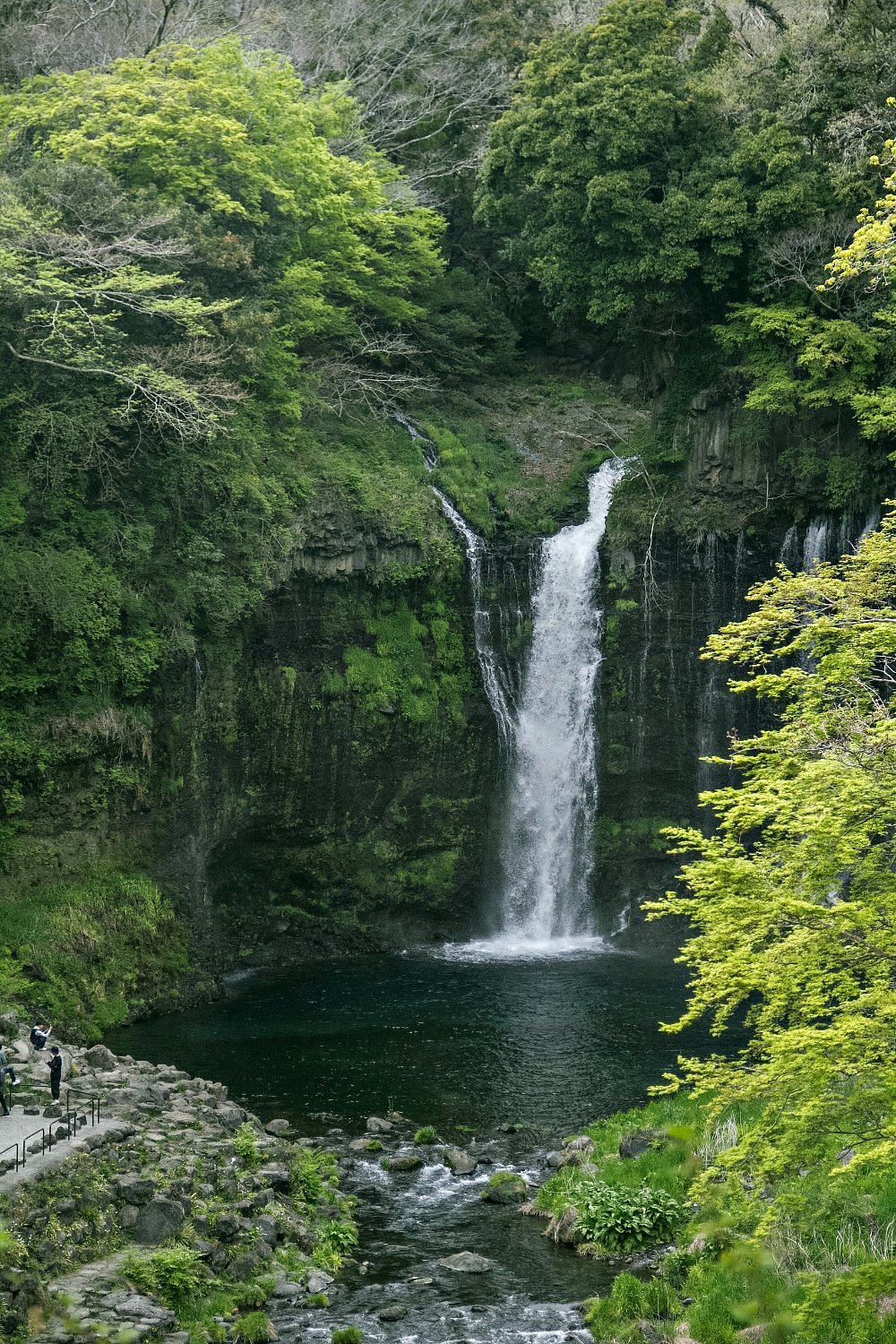
Start the day from JR Chikuzen-Maebaru Station and make your way to Shiraito Falls. By car, it takes about 20 minutes from the Maebaru Interchange, and there is free parking available, which is always a small joy.
If you are using public transport, take the Itoshima City Community Bus Shiraito Line from the south exit of Maebaru Station. The bus ride takes around 25 minutes, followed by about 25 minutes on foot along a nature trail from the bus stop to the waterfall. Because buses are limited, it is smart to check the timetable in advance rather than relying on vibes and optimism.
12:00 | Lunch near Shiraito Falls
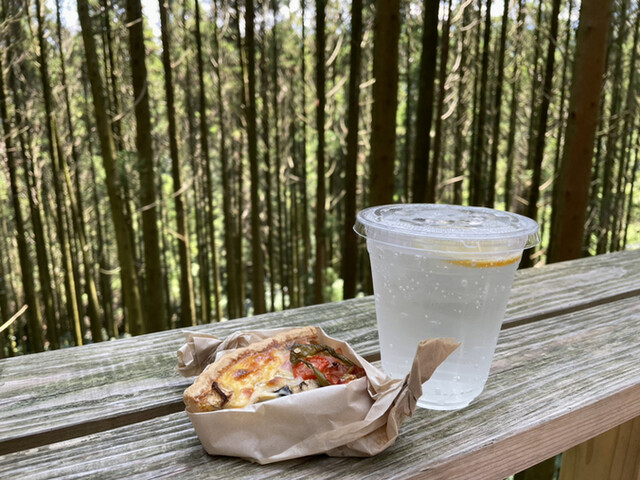
After soaking up the fresh air and waterfall mist, lunch is next—and frankly, you will have earned it.
The popular Shirahamaya is a full trout feast: grilled with salt, deep-fried, and marinated, all in one set. It is the sort of meal that makes us briefly consider becoming the kind of people who talk seriously about regional freshwater fish.
Another lovely stop is Shiraito no Mori, an experiential tourist farm about 8 minutes by car from Shiraito Falls. Inside, Mori no Cafe Midori no Uta has a treehouse-style terrace where you can unwind in the middle of all that greenery. Very wholesome. Very scenic. Very easy to linger longer than intended.
13:30 | Take a sightseeing boat to Keya no Oto
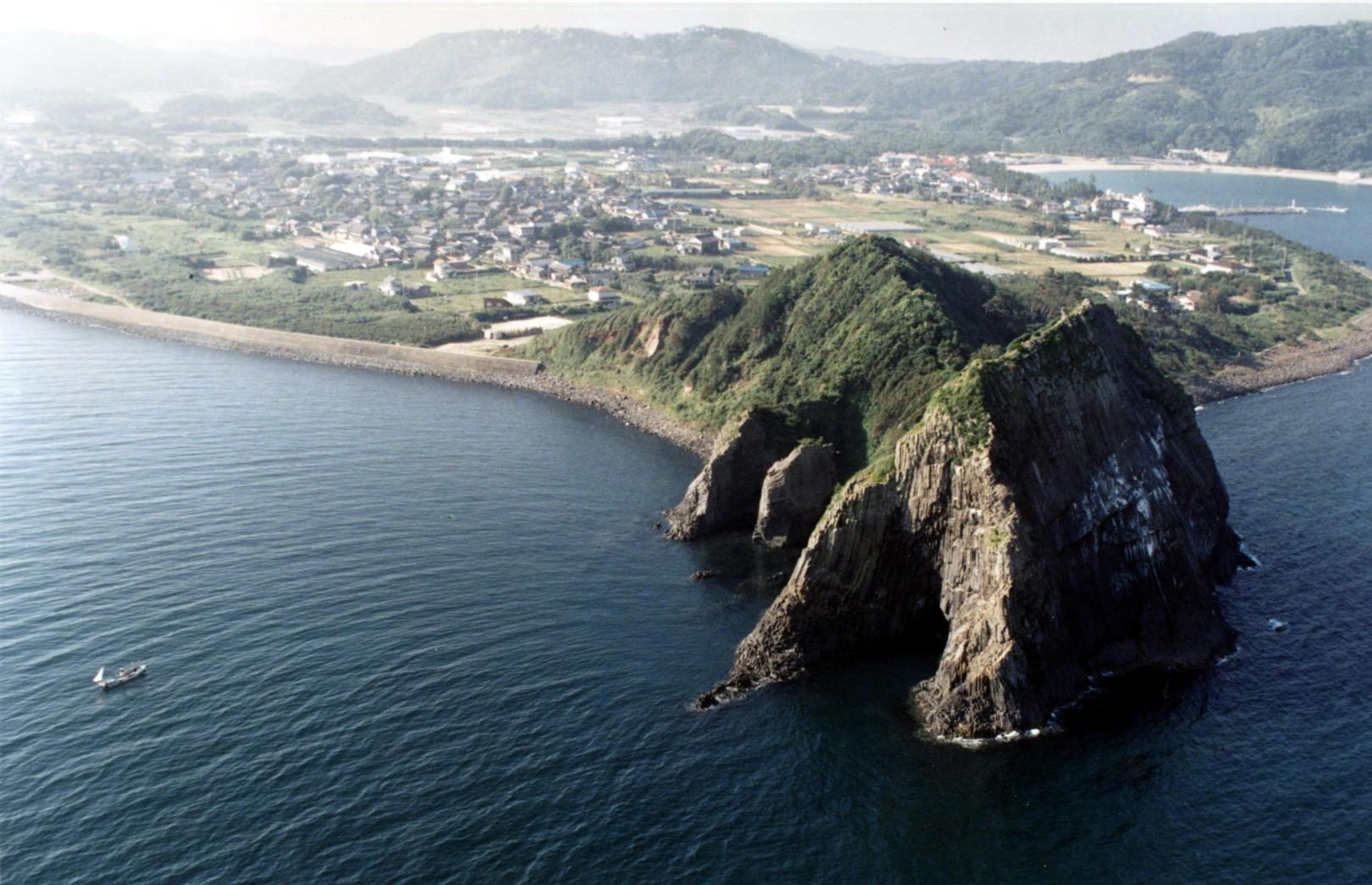
Once lunch is dealt with, head for one of Itoshima’s most impressive natural landmarks: Keya no Oto, the largest basalt cave in Japan. The sightseeing boat cruise lasts about 25 minutes and gives you a close-up look at this enormous sea cave, which measures 64 meters high and 90 meters deep. In person, it feels properly dramatic.
Boat tours run from April to November, but here is the catch: they are often cancelled on windy days, sometimes for about a third of the month. And yes, even if the morning departures run, afternoon tours may still be cancelled. So before you go, check with the Keya no Oto Sightseeing Company. It is one of those places where nature is in charge, and nature is not always in a cooperative mood.
14:30 | Stroll through Keya no Oto Park
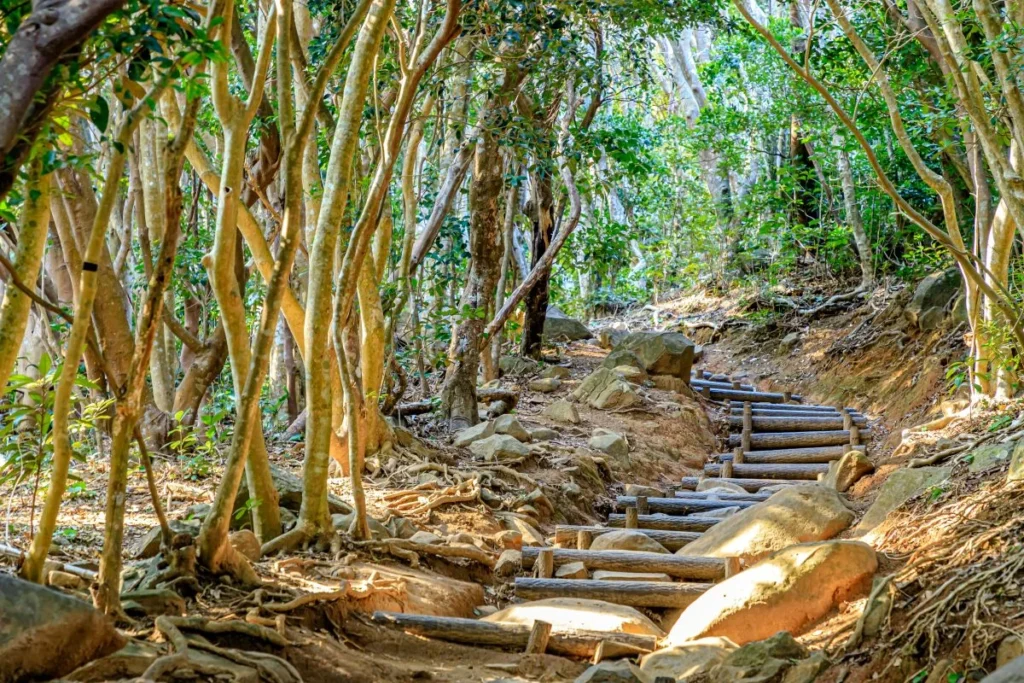
After the boat ride, slow things down with a walk through Keya no Oto Park. From the parking lot, head past Taiso Shrine and follow the tree-lined path toward the sea. After about 10 minutes through a tunnel-like stretch of greenery, you reach an observation deck with a fantastic view of the back side of Keya no Omon.
The parking lot holds around 50 cars. If you are coming by bus, it is about an 8-minute walk from Keya Koshuten. Easy enough, and well worth the detour.
15:30 | Tea break at a seaside café
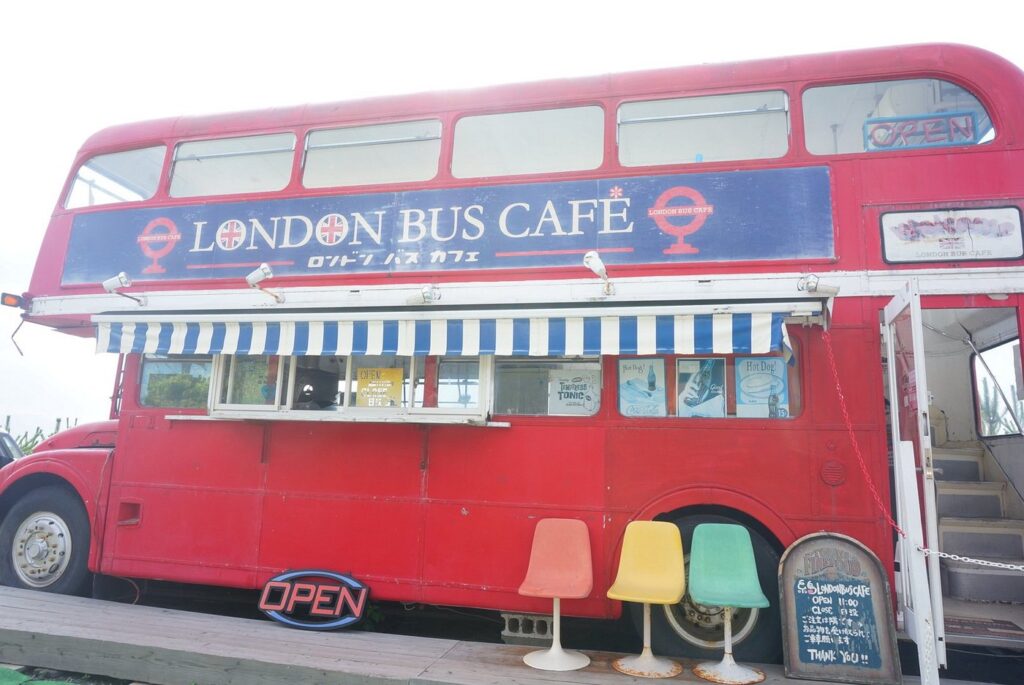
After a run of natural sights, this is the moment to sit down, reset, and consume something cold, sweet, or caffeinated.
Along Sunset Road, Itoshima LONDON BUS CAFE is one of the best-known seaside stops. You will know it when you see it: a bright red London bus against the blue sea, which is not exactly subtle but is undeniably charming. As the afternoon light softens, grab a gelato and look out over Nokita Beach from the second floor. It is cheerful, slightly kitschy, and somehow exactly right.
16:00 | Take photos at the Palm Tree Swing
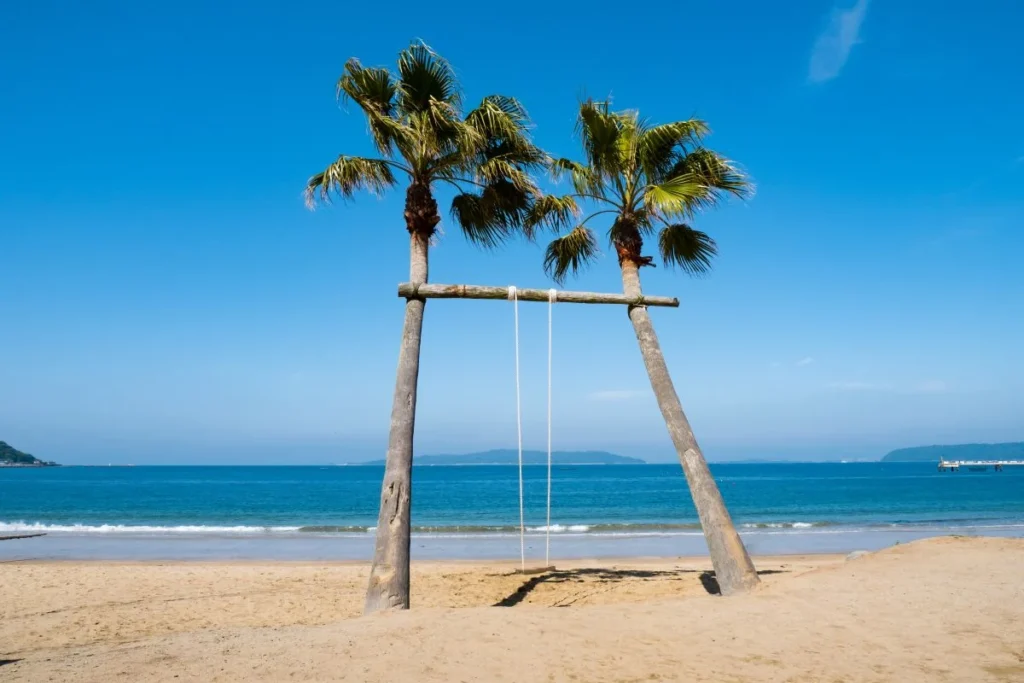
At 4:00 PM, it is time for one of Itoshima’s classic photo spots: Palm Tree Swing. Located within the grounds of Harbor House BBQ Garden, the swing hangs between two palm trees right on the sandy beach. It is impossible to miss and, unsurprisingly, very popular.
With the ocean stretching out in front of you, a well-timed swing makes it look as though you are flying straight over the water. Social media loves it. Younger travelers especially love it. And yes, even the most cynical among us may end up taking more photos than planned.
17:30 | End the day at Sakurai Futamigaura for sunset
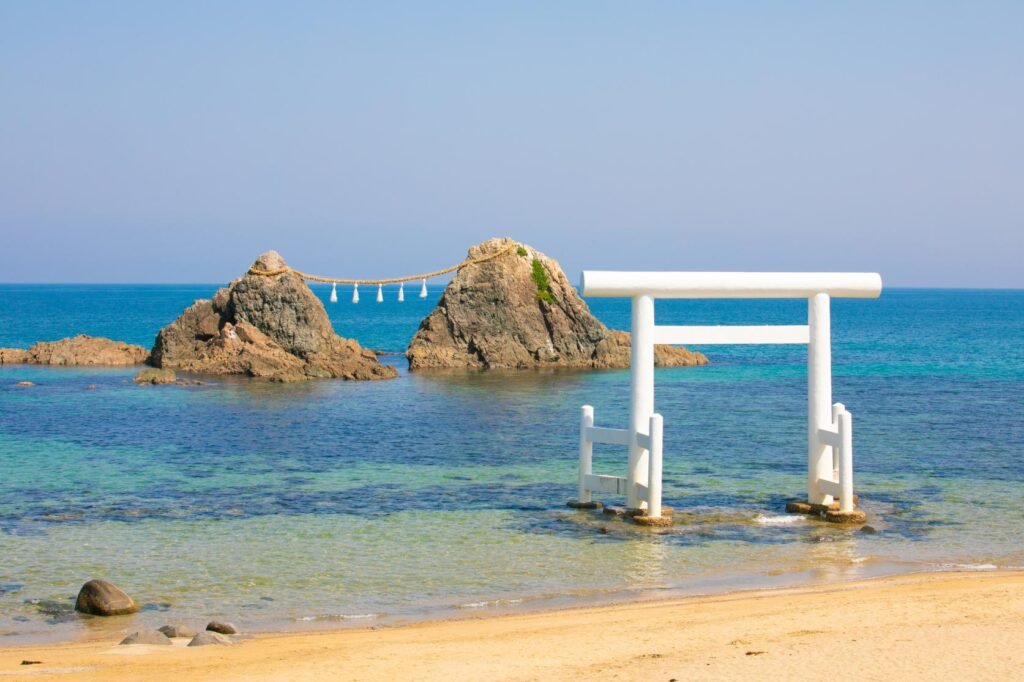
For the grand finale, head to Sakurai Futamigaura, one of the most famous sunset spots in the area. Offshore, around 150 meters out, stand the Meoto Iwa, or Husband and Wife Rocks, connected by a sacred shimenawa rope. They have long been worshipped as sacred objects, and they carry a quiet, mythic atmosphere that becomes even stronger in the evening light.
The male rock is 11.8 meters high, the female rock is 11.2 meters high, and the rope connecting them stretches 30 meters and weighs about a ton. Around the summer solstice in June, visitors gather to see the sun set neatly between the two rocks. It is one of those views that feels almost suspiciously well-composed.
Build Your Own Itoshima Trip by Theme
One of the nicest things about Itoshima is how easy it is to tailor the day to your mood. Whether you want romance, history, crafts, or something a little more active, there is room to mix and match.
For history lovers | Shrines and the Itokoku Historical Museum
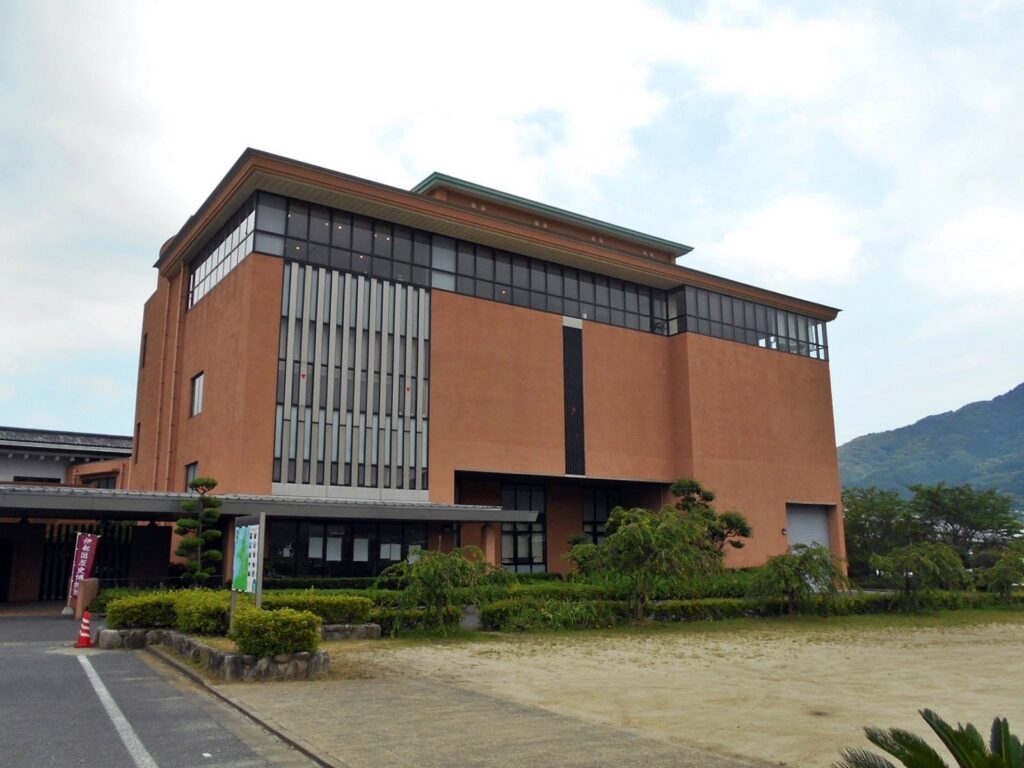
If old places, sacred spaces, and buried stories are more your thing, Itoshima has plenty to offer. The area is home to several notable shrines, including Sakurai Shrine near Futamigaura, Hakusan Shrine, which dates back to the Heian period, and the small island shrine affectionately known as Hakoshima-sama.
There is also Sennyoji Temple on the slopes of Mt. Raizan, a popular power spot with a solemn, spiritual atmosphere. And then there is the Itokoku Historical Museum, where you can see cultural artifacts including national treasures unearthed from the Hirabaru ruins, along with hands-on workshops that bring the history to life a bit more than a row of display cases ever could.
For active travelers | Mt. Tateishi and the Itoshima Buggy
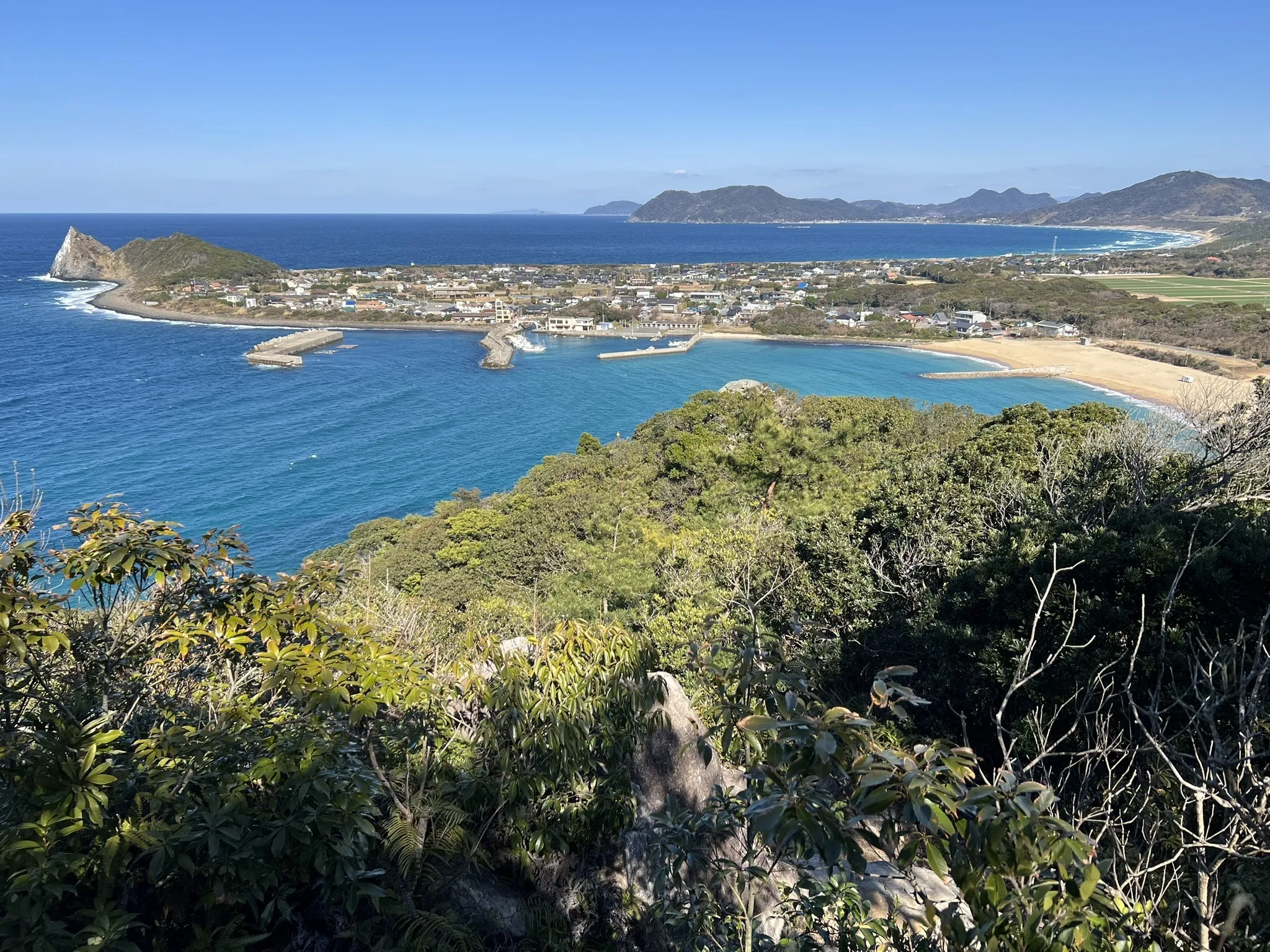
If sitting still is not your strength, go active. Mt. Tateishi in Keya is a friendly little hike with a summit elevation of 210 meters. The walk from the trailhead takes around 30 minutes, making it beginner-friendly but still satisfying enough to feel like you did something mildly impressive before lunch.
At the top, you get a full 360-degree panoramic view over the Genkai Sea, Keya, Himejima Island, and even Karatsu in the distance. Another fun option is the Itoshima Buggy, a small open vehicle that gives you an exhilarating ride along the beachside. It is breezy, playful, and exactly the sort of thing that makes adults act like children again.
Things To do in Itoshima in Every Season
Itoshima changes beautifully with the seasons, which means the right time to visit really depends on what kind of trip you want.
Spring | Strawberry picking and rapeseed flower fields
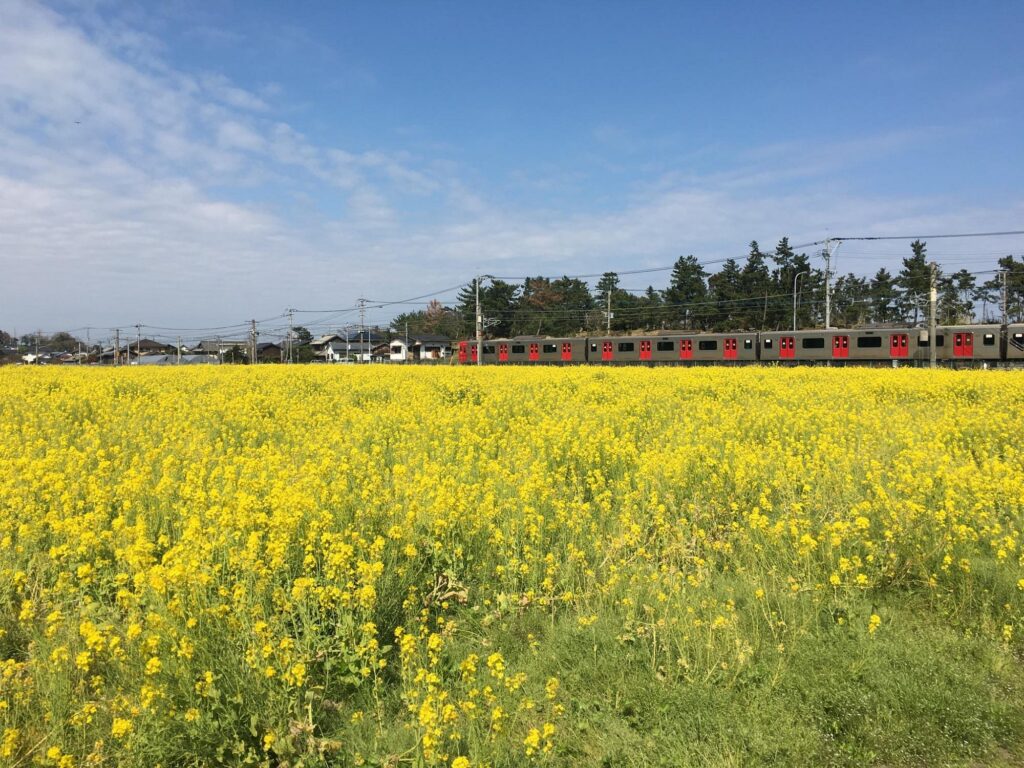
Strawberry picking begins in December and continues until around May, but spring is peak strawberry season. Freshly picked berries here are sweet, juicy, and dangerously easy to keep eating in quantities that no longer feel recreational.
Another classic spring stop is the rapeseed flower field in front of Fukufuku no Sato. The bright yellow landscape is pure seasonal drama, and the direct sales store nearby makes it even better with local vegetables and fresh fish from the Genkai Sea. Flowers and snacks in one stop? Efficient.
Summer | Beach days and sunset road drives
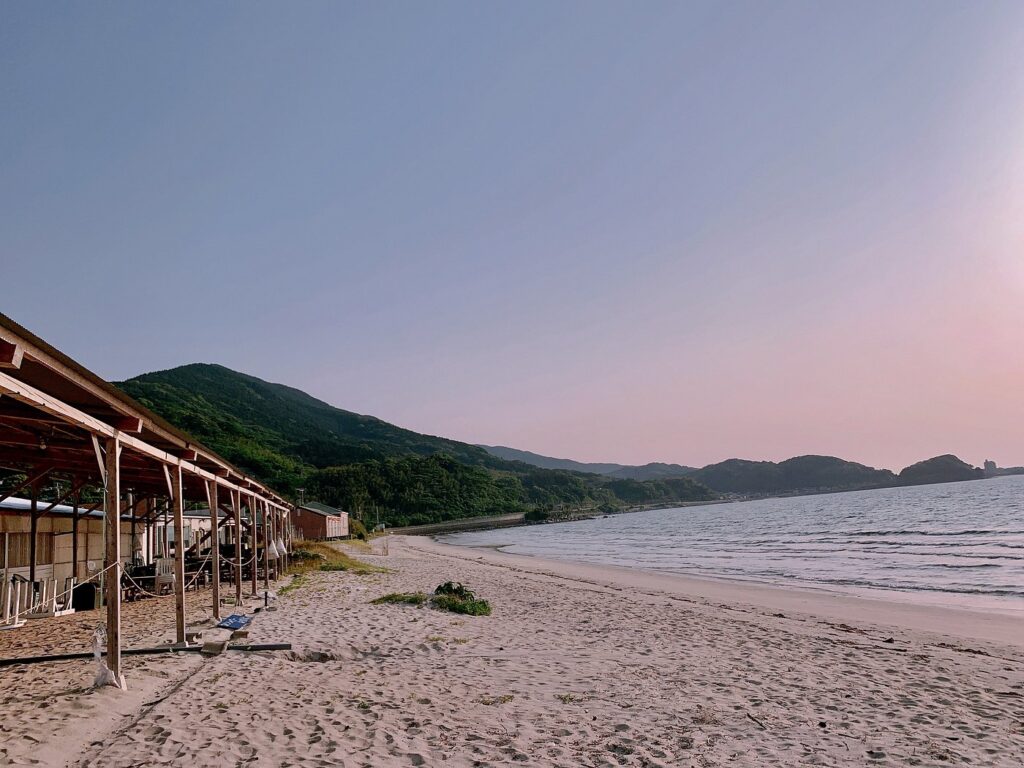
Summer in Itoshima is made for the coast. Swimming and scenic drives are the headline acts.
The city has two designated swimming beaches: Fukae Beach and Keya Beach. Both are popular, have good water quality, and come with proper beach huts and facilities. They are usually open from late June to late August. Other beaches, including Heinohama and Anekohama, do not have sufficient facilities and can be dangerous because of rip currents, so swimming is prohibited there. In other words: use the official beaches, and do not let a beautiful shoreline trick you into a bad idea.
Autumn | Fiery foliage at Raizan Sennyoji Daihioin Temple
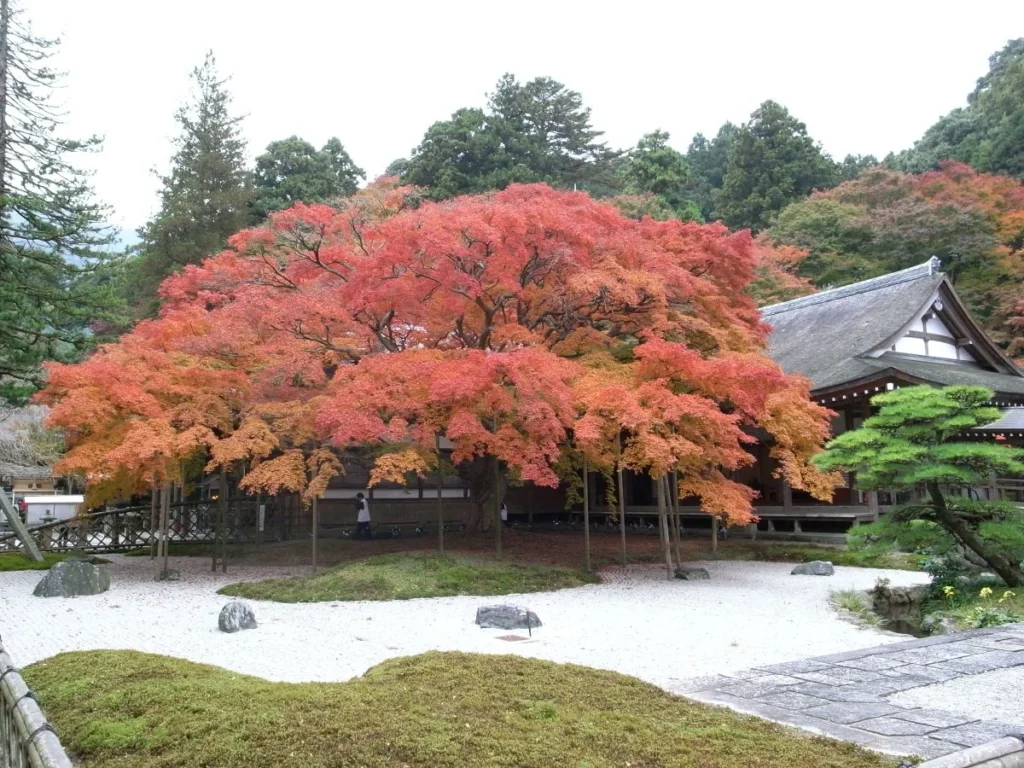
Autumn in Itoshima has one undeniable star: Raizan Sennyoji Daihioin Temple on Mt. Raizan. This historic temple holds numerous cultural treasures, including the Wooden Standing Statue of the Thousand-Armed Kannon, an important national cultural property from the Kamakura period.
On the grounds stands a huge maple tree said to be around 400 years old, and in autumn its fan-shaped branches blaze bright red. Nearby, Raizan Shrine is home to an enormous ginkgo tree believed to be over 900 years old. So yes, if you enjoy your temple visits with a side of outrageous foliage, this is your season.
Winter | Oyster huts and cold-weather comfort food
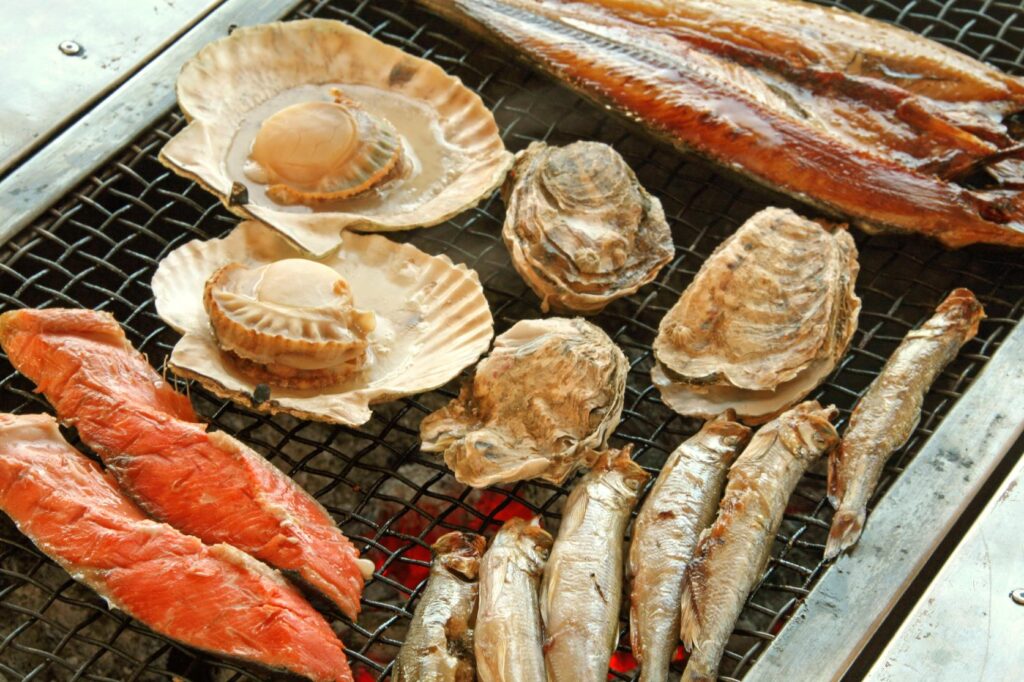
Winter belongs to the oyster huts. Every year, more than 20 of them open across six districts in Itoshima, serving freshly harvested oysters grilled over charcoal. They are social, smoky, delicious, and a major seasonal ritual.
You can also grill other seafood such as turban shells and squid, and many places let you bring your own rice, condiments, and alcohol, which makes the whole thing feel slightly chaotic in the best way. Oyster huts operate in areas including Fukuyoshi, Fukae, Kaburi, Funakoshi, and Kishi, among others. Since each hut has its own operating period and opening hours, it is worth checking in advance before turning up hungry and overly confident.
A Food Lover’s Guide to Itoshima: 3 Must-Try Gourmet Highlights
Itoshima does not just look good—it eats well too. Surrounded by sea and farmland, the area is packed with fresh local produce, seafood, and regional specialties that easily justify the trip on their own.
Seafood rice bowls | A treasure chest from the Genkai Sea
Itoshima’s seafood rice bowls are one of the most popular local dishes, and it is not hard to see why. They showcase the freshest seafood from the Genkai Sea in one gloriously overfilled bowl. The wild sea bream raised in these fast-moving waters is especially prized for its concentrated umami and firm texture.
Across Itoshima’s ten fishing ports, different seafood comes in depending on the season, so the bowls change throughout the year. The result is something that feels both luxurious and deeply local—a proper edible snapshot of the coastline.
Itoshima Beef and Itoshima Pork | Rich, juicy, and worth the appetite
Itoshima Beef and Itoshima Pork are premium local meat brands raised carefully in the area’s natural environment. Itoshima Beef, a variety of Japanese Black cattle, is known for its fine texture, tenderness, and consistently high quality. It regularly wins top awards at prefectural competitions, which is not exactly a casual flex.
Itoshima Pork is produced with close attention to feed, water, and rearing methods, and the result is meat with especially sweet, flavorful fat. Both are widely enjoyed at direct sales outlets and restaurants, often as BBQ or steak. This is not the moment for restraint.
Oysters | The undisputed stars of winter
When winter arrives, Itoshima oysters take center stage. Grown in nutrient-rich waters shaped by the Tsushima Current and the Seburi mountains, they are plump, briny, and packed with flavor.
From October to April, oyster huts pop up across areas such as Fukuyoshi, Fukae, Kaburi, Funakoshi, Kishi, and Nokita, where oysters are grilled in the shell over charcoal. Some places allow you to bring your own sides and drinks, which only adds to the fun. Local fishermen are also developing larger-sized oysters, so the winter seafood scene here keeps getting even better.
For a memorable trip, Itoshima is hard to beat
Itoshima manages to pack an absurd amount into one destination: clear water, dramatic sunsets, ancient shrines, scenic drives, mountain trails, craft workshops, and food that changes beautifully with the seasons. One trip can mean waterfall walks and cave cruises. Another can be all oysters and strawberry picking. Another can be sunsets, cafés, and photos you will absolutely post.
Whether you are traveling as a couple, with family, or with friends, Itoshima makes it very easy to build a day that feels both relaxing and full. For a destination so close to Fukuoka, it delivers a surprising amount of magic. And honestly, that is the sort of day trip we like best.
- Japan Slow Travel Itinerary (2026): A 3-Week Route for Seeing More by Rushing Less
- Japan Solo Travel for Introverts Itinerary: A Calm 10-Day Route Through Tokyo, Kyoto, Nara and Osaka
- Honeymoon in Japan Itinerary (2026): Romantic Places, Dreamy Hotels & Easy Trip Ideas
- Two Weeks in Japan (2026): The Perfect Itinerary for First-Time Travelers
- Ultimate Japan Alps Itinerary (2026): What To See And Do in 2 Days