
I spill travel tips , and show you the Japan that tourists usually miss.
Discover how to get around Kyoto—trains, buses, subways—plus money-saving tips for travelers.
The two primary ways to get around Kyoto are buses and the subway. Using these will let you visit most of the major sights, so this article focuses on how to get around with each.
Planning more of your Kyoto and Japan adventure?
Now that you know how to navigate the city without accidentally boarding a bus to nowhere, explore the temples, bamboo groves, and riverside scenery in our guide to what to do in Arashiyama. For a calmer route through the country, follow our Japan slow travel itinerary, or decide where Kyoto fits into your trip with our roundup of the best places to visit in Japan.
Table of Contents
How to Get Around Kyoto: Two Bus Services You’ll Use Most in Kyoto
For sightseeing in Kyoto, the buses you’ll use most frequently are Kyoto City Bus and Kyoto Bus. With these two, you can cover the famous attractions, so keep them in mind as your go-to transport.
Kyoto City Bus: Covers the Classic Sights
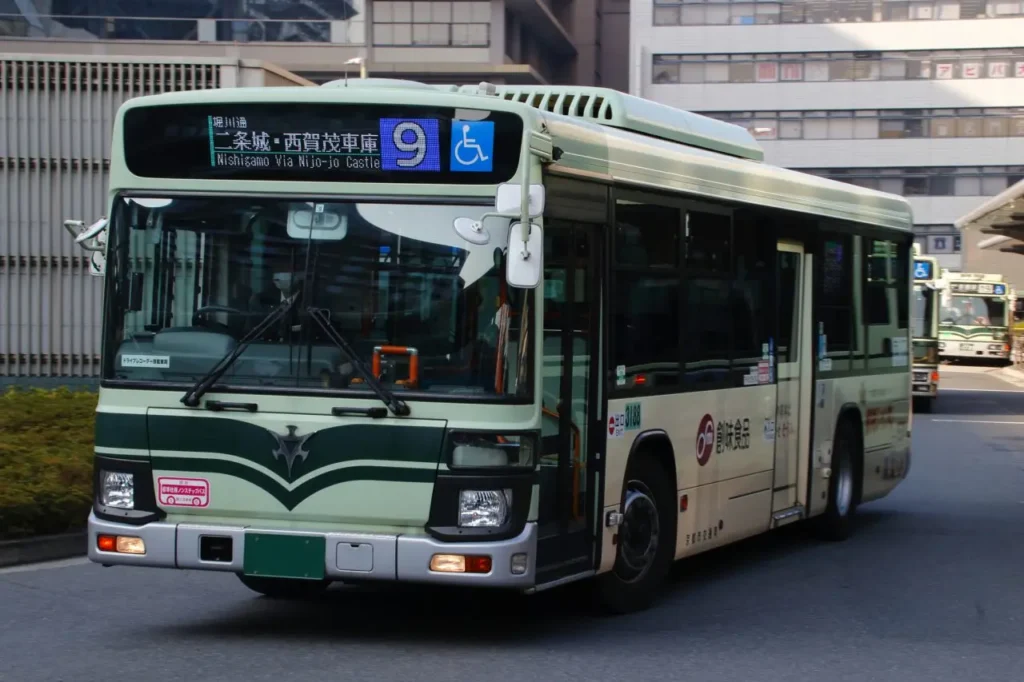
Kyoto City Bus runs throughout the entire city. You can get to Kyoto’s iconic spots such as Kinkaku-ji, Kiyomizu-dera, and Fushimi Inari Taisha almost exclusively with City Buses.
Do note there are many overlapping routes, so double-check before boarding to avoid mistakes. Buses typically run 4–6 times per hour (every 10–15 minutes) from morning to evening, with many routes’ last buses around 22:00–23:00 (varies by route).
Fares are either a flat zone fare = ¥230 (children ¥120) or distance-based beyond that zone; most tourist sites fall within the flat zone. City Buses are easy to spot with their light green livery.
Remember the City Bus look so you board the right one!
Kyoto Bus: Less Crowded, More Niche Spots
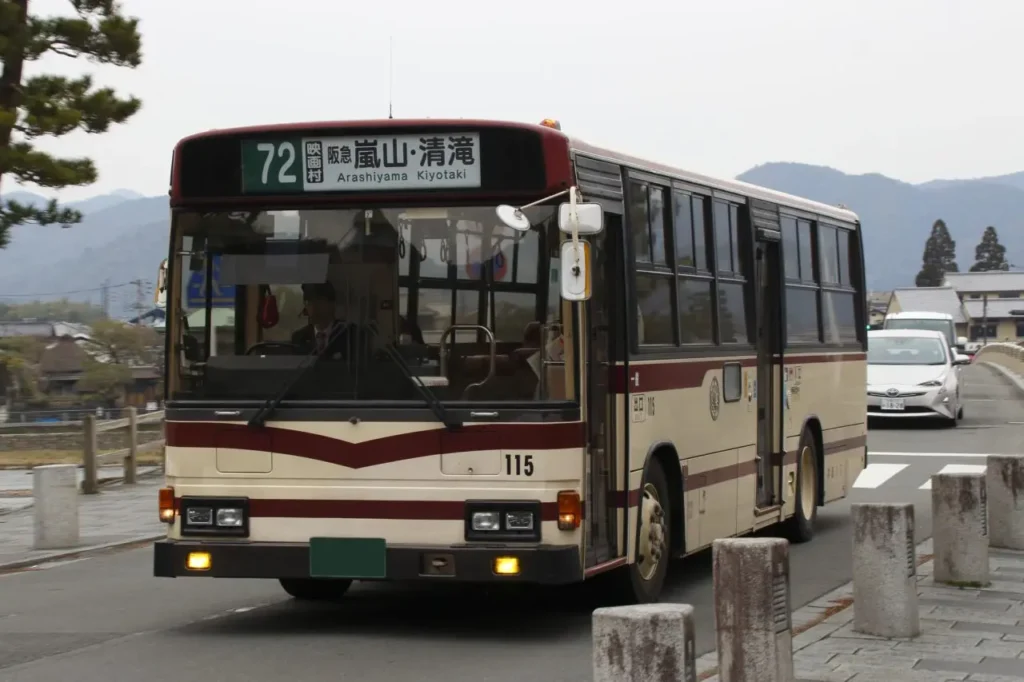
Like City Bus, Kyoto Bus also serves the wider Kyoto area, but it’s a different company. It’s useful for slightly off-the-beaten-path places like Sanzen-in, Suzumushi-dera, and Jakko-in.
Service frequency is lower—about 2–3 buses per hour (every 30–40 minutes), and most routes finish by around 19:30. Because most tourists ride City Buses, Kyoto Bus is often less crowded—good if you prefer a calmer trip.
Some sights have stops for both services; if timing works, Kyoto Bus can be a smart choice. Kyoto Bus vehicles are cream/white with a red stripe, making them easy to distinguish from the green City Buses.
Think “cream with a red line” for Kyoto Bus.
READ ALSO: 15 Hidden Gems in Kyoto That Locals Love (But Tourists Miss)
How to Board and Pay on Buses
In Kyoto, board at the rear and exit/pay at the front. The fare display at the front shows the price, which varies by distance outside the flat zone.
You can pay by cash or IC card. If paying cash, take a numbered ticket when you board; with an IC card, tap when boarding. Cash change machines are on board, but carrying coins speeds things up.
Worried about calculating fares? Use an IC card. With the Subway & Bus One-day Pass (see below), insert the pass the first time, then simply show the printed side to the driver from the second ride onward.
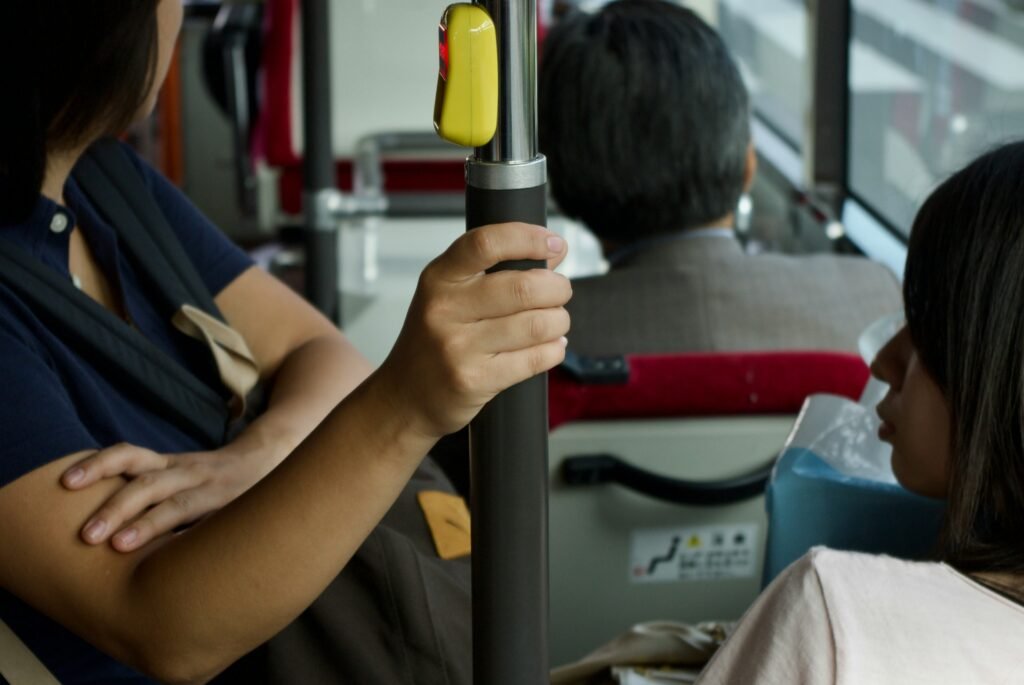
Don’t forget to press the stop button before your stop—otherwise the bus won’t halt.
Bus Crowding Tips
Kyoto gets extremely busy in peak seasons. In particular, autumn foliage (early Nov–early Dec) brings heavy congestion, which can slow buses and fill them to capacity. In such cases, trains may be faster—consider mixing in rail depending on conditions to save time and energy.
How to Get Around Kyoto: The Two Subway Lines You’ll Actually Use
Kyoto’s subway network is limited (many cultural assets underground), but combining subway + bus is efficient and comfortable. For sightseeing you’ll mainly use:
- Karasuma Line (north–south)
- Tozai Line (east–west)
Karasuma Line
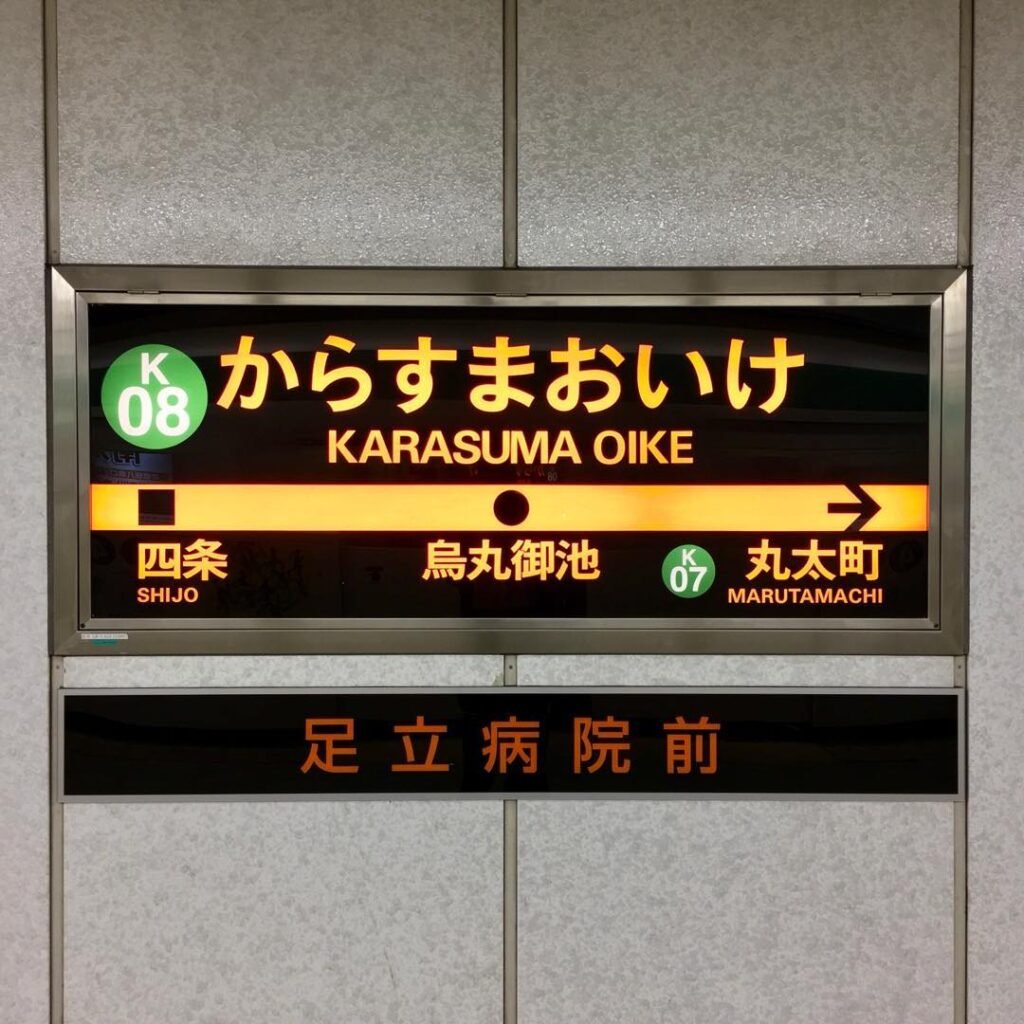
Runs from Kokusaikaikan to Takeda (15 stations). Notable spots walkable from stations include:
- Kamigamo Shrine (Kamowakeikazuchi-jinja)
Among Kyoto’s oldest shrines. Over 60 buildings within wooded grounds; 2 National Treasures and 41 Important Cultural Properties. About 15 minutes on foot from Kitayama Station. - Nishiki Market
“The Kitchen of Kyoto,” lined with Kyoto specialties—vegetables, lake fish, yuba, namafu, pickles, and more. About 3 minutes from Shijo Station. - Kyoto International Manga Museum
Japan’s first comprehensive manga museum/library (opened 2006) with ~300,000 items; ~50,000 manga available to browse. About 2 minutes from Karasuma Oike Station.
Tozai Line

Runs from Rokujizo to Uzumasa Tenjingawa (17 stations). Highlights include:
- Nijo-jo Castle
Built by Tokugawa Ieyasu (completed 1603), part of the UNESCO “Historic Monuments of Ancient Kyoto.” 1 minute from Nijojo-mae Station. - Toei Kyoto Studio Park
Film theme park with period-drama sets, ninja/haunted attractions, children’s experiences, and more. About 12 minutes from Uzumasa Tenjingawa Station. - Kyoto City KYOCERA Museum of Art
Reopened in 2020; houses 3,800+ works across Japanese/Western art, sculpture, prints, crafts, and calligraphy. About 16 minutes from Sanjo Keihan Station.
Best Deal When Using Subway + Bus: “Subway & Bus One-day Pass”
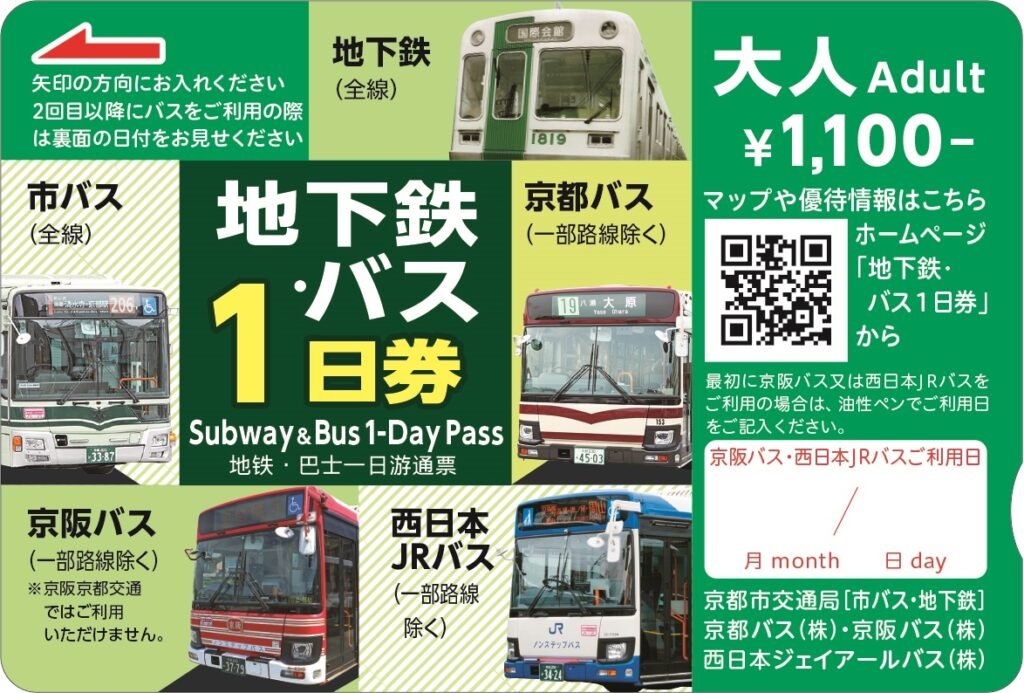
If you’ll combine both, get the Subway & Bus One-day Pass. It covers all Kyoto City Subway & City Bus plus parts of Kyoto Bus, Keihan Bus, and West JR Bus, reaching nearly all major sights.
You’ll also get discounts at ~60 spots (shrines/temples, restaurants, etc.).
Where to buy: Bus Information Center in front of Kyoto Station, Kotochika Kyoto (Subway Kyoto Station), inside Karasuma Oike Station, etc.
Price: Adults ¥1,100 / Children ¥550.
Going to Arashiyama? Take JR
Most places are easy with subway+buses, but Arashiyama is notably quicker by JR Sagano Line from Kyoto Station—around 15 minutes, roughly half the time of bus/subway combos.
From Kyoto to Osaka & Nara (from JR Kyoto Station)
| Destination | Line | Time | One-way Fare |
|---|---|---|---|
| Osaka Station | JR Kyoto Line Rapid (for Himeji) | ~30 min | ¥580 |
| Shin-Osaka | JR Tokaido Shinkansen (Hikari/Kodama/Nozomi) | ~15 min | ¥1,450 |
| Nara Station | JR Miyakoji Rapid (for Nara) | ~45 min | ¥720 |
You can also reach Shin-Osaka by JR Kyoto Line Rapid in ~25 min for ¥580—choose based on time vs. cost.
FAQs: How to Get Around Kyoto
What’s the best way to get around Kyoto?
The city’s bus and subway networks cover most attractions. Many visitors combine buses for short trips with trains or subways for longer routes.
Do I need an IC card in Kyoto?
Yes, cards like Suica, ICOCA, or PASMO make travel easier. You just tap in and out, and they work across buses, subways, and even shops.
Is there a Kyoto subway?
Yes. Kyoto has two subway lines: the Karasuma Line (north–south) and the Tozai Line (east–west). They connect to major areas but don’t reach every attraction.
Are buses reliable in Kyoto?
Kyoto’s buses reach nearly all major temples and shrines, though they can be slow during rush hour and crowded in peak tourist season.
Can I rent a bicycle in Kyoto?
Yes. Kyoto is flat and bike-friendly, making cycling a great way to explore neighborhoods, shrines, and riverside paths at your own pace.
How much do taxis cost in Kyoto?
Taxis are more expensive than buses or trains but are convenient late at night or for direct access to temples in hilly areas.
Is there a pass for unlimited travel?
Yes. Options include the Kyoto City Bus & Subway Pass and regional passes like the Kansai Thru Pass, depending on your itinerary.
Can I use Suica or ICOCA in Kyoto?
Yes. Both work seamlessly on Kyoto buses, subways, and trains, as well as in shops and vending machines.
How do I get from Kyoto Station to Arashiyama?
Take the JR Sagano Line from Kyoto Station to Saga-Arashiyama (about 15 minutes), then walk or take a local bus to the bamboo grove.
Is walking a good way to see Kyoto?
Absolutely. Many temples and districts (like Gion, Higashiyama, and Philosopher’s Path) are best enjoyed on foot.