I spill travel tips , and show you the Japan that tourists usually miss.
I land in Tokyo, drop my bags, and suddenly… it’s just me. No partner to negotiate lunch with, no kids to drag away from gachapon machines. Just you, your Suica card, and an entire megacity. Now what?
Here are the best things to do solo in Tokyo: so doing things solo in Tokyo feels less “alone at the school cafeteria” and more “main character in a very well-shot movie.”
Planning more solo Tokyo adventures? Read these next
- Shopping In Tokyo: Best Areas, Malls & Markets
- Best Hotels for Solo Travelers in Tokyo: Safe, Stylish & Easy to Explore From
- Is Shibuya Sky Worth It? Honest Review, Best Time & Tips
- Best Theme Parks In Tokyo For Ultimate Solo Fun
- Best Contemporary Art Galleries In Tokyo
- What To Do In Roppongi Hills: Tokyo’s Coolest Culture Spot
Table of Contents
Tips: Things To Do Solo in Tokyo
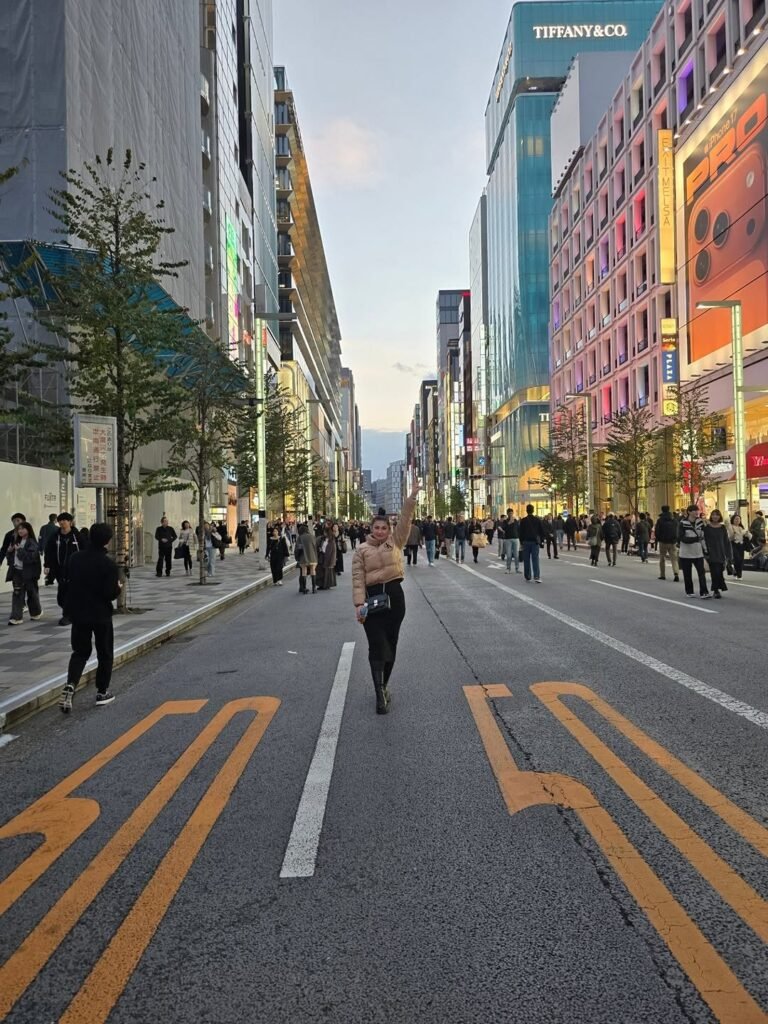
Embrace the fact that Tokyo loves solo people
Tokyo is basically built for people doing their own thing. You’ll see office workers eating alone, students gaming alone, people singing alone in karaoke booths. No one cares that you’re by yourself (in the best way possible).
- Look for counter seats in ramen shops, sushi bars, and kissaten (old-school cafés).
- Try “hitori” (solo) experiences: solo yakiniku, solo karaage bars, even “one-person karaoke” booths.
Pro tip: If you feel awkward walking in alone, just say with a smile:
“Hitori desu” (ひとりです – “Just one person”).
You’ll usually be guided to a seat before you have time to overthink anything.
Use trains as your solo superpower
When we travel with others, train changes can feel like a group negotiation. Alone? You move like a ninja.
- Download a transit app (like Google Maps or Japan Travel) and zoom in on exits—Shinjuku Station has the emotional energy of a maze.
- Avoid rush hour if crowds drain you: roughly 7:30–9:30 and 17:00–19:30 on weekdays.
- Start with easier hubs like Shibuya, Ueno, or Tokyo Station before you tackle the chaos of Shinjuku.
Pro tip: Stand to the side of doors and escalators, not in the middle. Tokyo runs on invisible social rules, and being “in the way” is the one real faux pas.
Plan “anchor points” so you’re never just wandering
Wandering is romantic until you’re hungry, tired, and randomly stuck in a side street of office buildings with nothing open.
When I go out solo in Tokyo, I like to build the day around 3–4 “anchors”:
- One main sight (museum, temple, garden, view deck)
- One food mission (famous ramen, kissaten breakfast, dessert café, depachika food hall)
- One small neighborhood wander (Yanaka, Shimokitazawa, Nakameguro, Kagurazaka, etc.)
- One “treat yourself” moment (onsen, bookshop, arcade, karaoke, stationery shopping)
This way you always know what’s next, but you still have room to get pleasantly distracted by cat cafés and random shrines.
Pro tip: Save anchors as stars or hearts in Google Maps beforehand. When your brain is tired, you just follow the little icons instead of making new decisions.
Make peace with eating alone (Tokyo makes it easy)
If there’s one city where eating solo should be mandatory, it’s Tokyo. You don’t have to compromise on spice levels, queue length, or whether dessert “is necessary” (it is).
- Try ticket-style ramen shops: you order from a machine at the entrance, hand the ticket to staff, and slurp in peace.
- At convenience stores (konbini), grab onigiri, bento, salads, and sweets without any pressure.
- Department store food halls (depachika) are perfect for solo grazing—pick a little of everything and picnic in your hotel.
Pro tip: If a place looks super crowded and intimidating, peek inside:
If you see lots of solo diners at the counter, you’ve found a safe spot. Tokyo’s unspoken rule: counter = solo-friendly.
Use cafés, bookshops, and parks as your “base camps”
Tokyo can be intense—lights, sounds, announcements, people, everyone moving with purpose. When you’re solo, breaks aren’t optional; they’re survival tricks.
Some easy “base camp” types:
- Cafés: From hipster coffee shops in Shimokitazawa to chain cafés like Doutor or Tully’s—no one rushes you if you just sit and stare at your drink.
- Bookshops: Tsutaya in Daikanyama, big Kinokuniya branches, or random neighborhood bookshops are ideal for zoning out and people-watching.
- Parks and gardens: Ueno Park, Shinjuku Gyoen, Hibiya Park, and smaller neighborhood parks are great reset buttons.
Pro tip: When your social battery drops, don’t fight it. Make a rule: every time you feel overwhelmed, you go straight to the nearest café or park, order something, and do nothing for 20–30 minutes.
Stay connected (Wi-Fi and data are your sidekicks)
Getting lost solo is fun—until your battery hits 5%.
- Consider a pocket Wi-Fi or eSIM so you’re not hunting for hotspots.
- Carry a small power bank. Tokyo days get long, and maps + photos + translation apps drain your phone fast.
- Offline backup: screenshot your hotel address in Japanese, just in case you need to show it to a taxi driver or station staff.
Pro tip: Many cafés and some stations have Wi-Fi, but it’s not guaranteed everywhere. Assume you won’t have free Wi-Fi and treat it as a bonus when you do.
Learn a few magic phrases (and let the rest go)
You don’t need perfect Japanese. You just need a small toolkit and the confidence to use it.
- “Sumimasen” (すみません) – excuse me / sorry / thank you (Tokyo’s Swiss Army knife of words)
- “Eigo wa wakarimasu ka?” (英語はわかりますか?) – Do you understand English?
- “Kore kudasai” (これください) – This, please. (Point at menu/photo/food display.)
Combine pointing + smiling + these phrases and you can handle 90% of solo situations.
Pro tip: Don’t panic if someone speaks back in fast Japanese. Just smile and say:
“Yukkuri onegaishimasu” (ゆっくりお願いします – “Slowly, please”)
Most people will adjust, or switch to gestures and laughter, which also works.
Safety, boundaries, and gut feelings
Tokyo is very safe compared to most big cities, especially for solo travelers. But we still listen to our gut.
- Avoid super quiet backstreets late at night if you don’t feel comfortable—stick to main roads.
- In bars and nightlife areas, if someone makes you uncomfortable, you can just say “sumimasen” and walk away; nobody expects long explanations.
- Share your hotel location and rough day plan with someone back home, just for peace of mind.
Pro tip: If you’re ever really unsure, duck into a convenience store. Staff can help you call a taxi, check directions, or point you to the nearest station. Konbini are like tiny safe havens scattered all over the city.
Let yourself enjoy the “quiet” moments
The best part of being solo in Tokyo isn’t always the big sights. It’s the tiny, quiet moments:
- Watching commuters at a station platform as trains glide in and out.
- Sitting on a bench with konbini coffee, listening to cicadas in summer.
- Standing on a pedestrian bridge in Shibuya at night, neon reflecting off the bus roofs, realizing you got yourself all the way here.
You don’t have to fill every minute with activities to “justify” your trip. Sometimes doing “nothing” in Tokyo is the most powerful solo experience you can have.
Best Things To Do Solo in Tokyo
Solo Hotel Stay
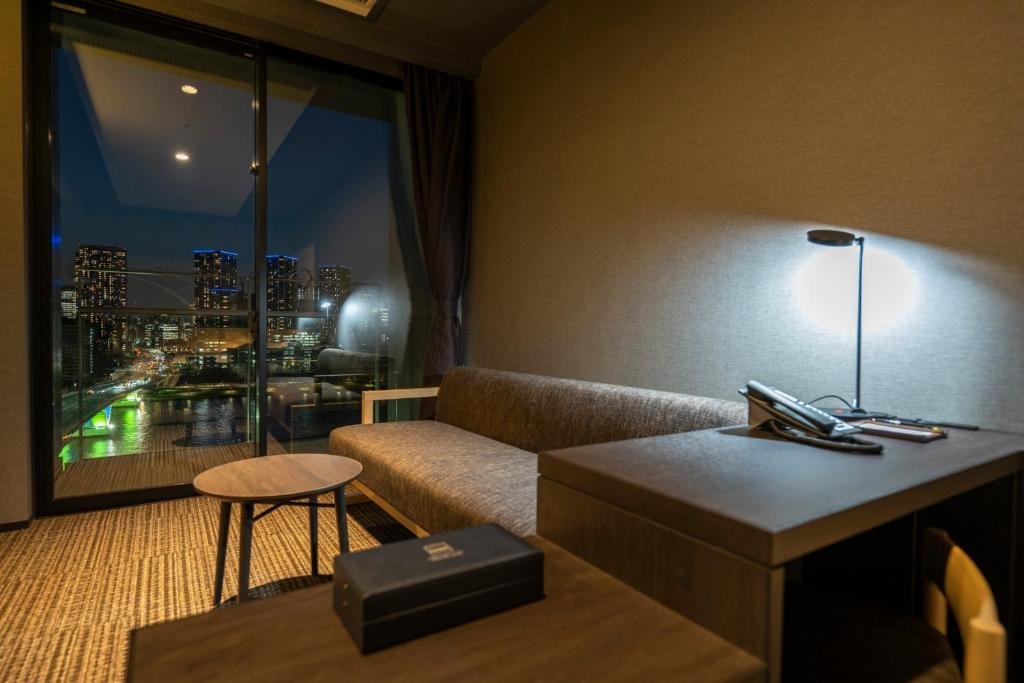
How about a solo hotel stay where you can unwind completely in your own space?
The photo shows La Vista Tokyo Bay, opened in 2022 and directly connected to Shijo-mae Station on the Yurikamome Line. On the top (14th) floor, the Natural Hot Spring View Large Bath features an indoor bath with floor-to-ceiling windows and an open-air bath where you can soak in the fresh air. Slipping into the hot water while gazing out at the sparkling night view feels like a tiny, private getaway.
Solo Morning Activities: Start your day off right with a delicious breakfast
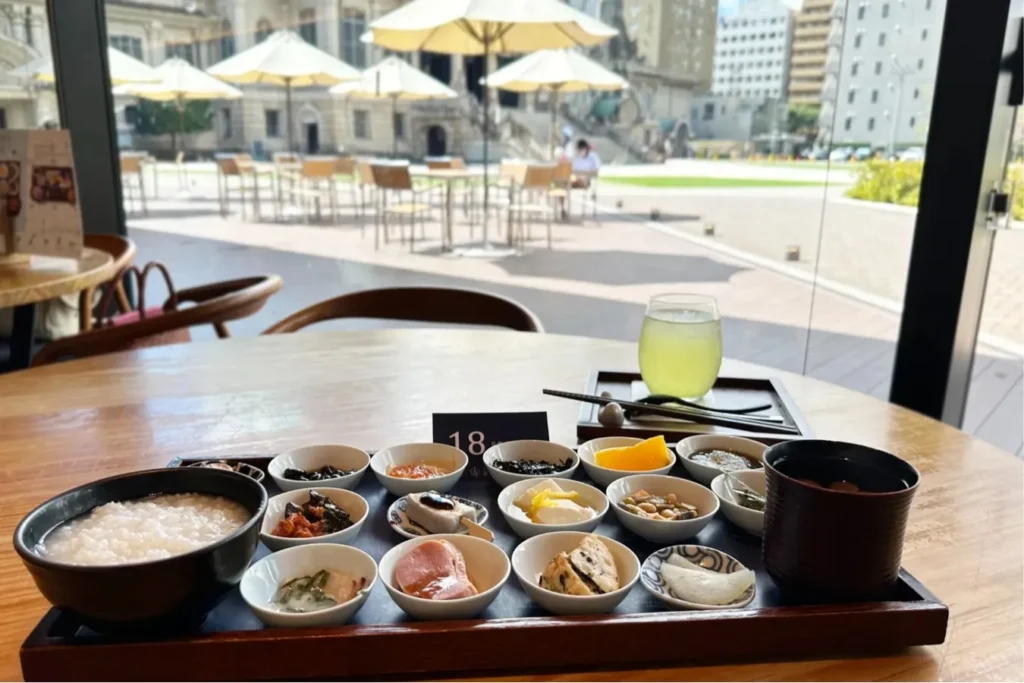
You want to make the most of your precious day off, right? One of the best ways to do that is to get up early and go out for breakfast.
The photo shows the famous “18-item breakfast” at Tsukiji Honganji Cafe Tsumugi, which has become popular as a “temple café where you can enjoy a seriously good breakfast.” Every day, crowds line up for this morning set—so much so that there are queues not only on weekends but even on weekdays. An average of around 120 servings sold per day says everything about how beloved it is.
Solo Bathhouse Visit: Reset your fatigue in a spacious bath
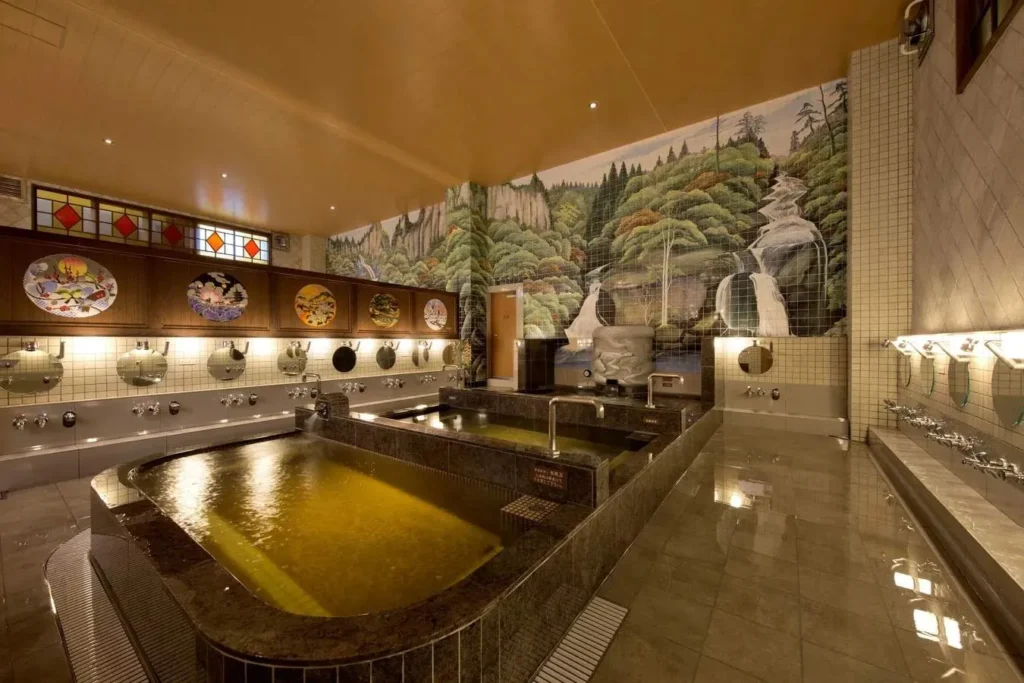
If you want to spend your day off really unwinding, head to a public bathhouse (sento), where you can relax in a large tub for a very reasonable price.
Alongside nostalgic, retro-style bathhouses, there’s also been a rise in stylish sento that have been renovated with modern or themed interiors. These unique spots feel completely different from “ordinary” public baths, so it’s fun to go bath-hopping and try a few.
The photo shows Hasunuma Onsen, renovated in 2017 to evoke a Taisho-era romantic atmosphere similar to the famous Dogo Onsen. The space uses plenty of plaster and natural wood, and gentle light filters in through stained-glass windows, creating a warm, inviting bath where you’ll want to linger.
Solo Museum Time: Enjoy artworks entirely at your own pace
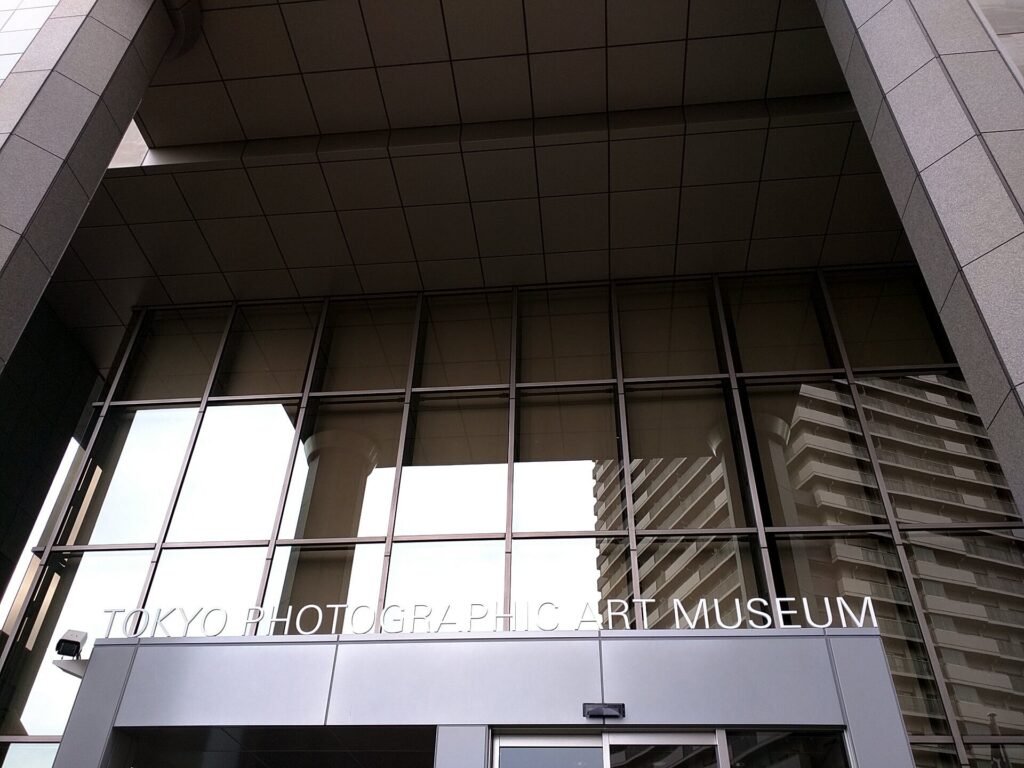
If you have a full day off with no rush, spending it at a museum is a wonderfully calm way to recharge.
You get to encounter artworks you’d rarely see in everyday life, and many museums also have cafés and well-stocked museum shops. It’s easy to spend an entire day surrounded by art—looking, thinking, resting, and wandering.
The photo shows the Tokyo Photographic Art Museum in Ebisu. It’s one of the few museums in the world dedicated specifically to photography and moving images, housing over 37,000 photographs, video works, and related documents (as of 2024). It’s the kind of place where you can dive deep into high-quality photographic and video works from Japan and around the globe.
Solo Café Time: Enjoy coffee in a nostalgic retro kissaten
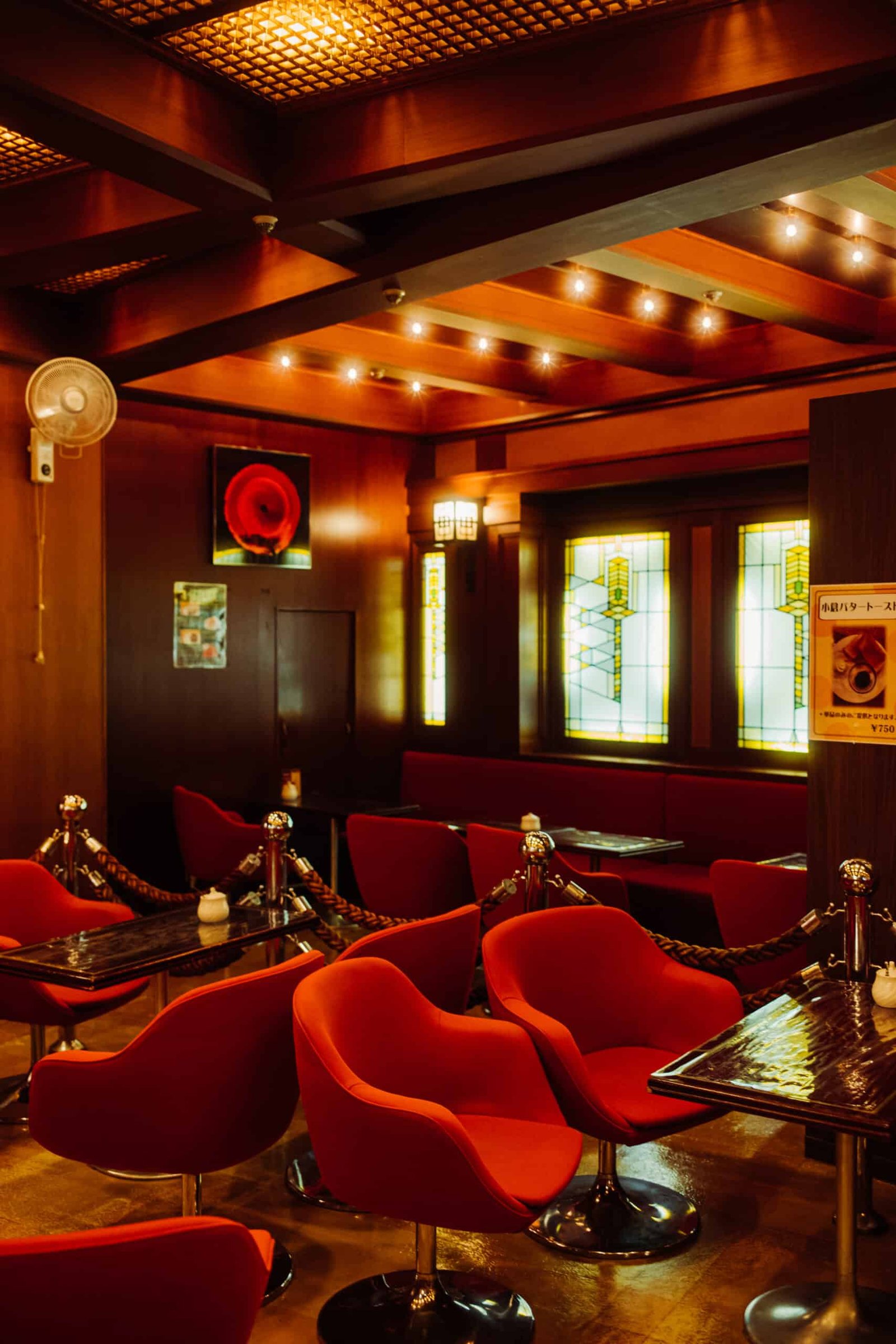
“What I really want is just a good cup of coffee and a quiet corner.” If that’s your mood, seek out a retro coffee shop (kissaten) that still preserves the Showa-era atmosphere.
Trendy cafés with minimal interiors and latte art are great, but traditional kissaten lined with stained glass, heavy wooden furniture, and well-worn leather sofas offer a completely different kind of comfort.
The photo shows Royal, a coffee shop in the first basement level of Tokyo Transportation Center (Tokyo Kotsu Kaikan), a long-loved landmark in front of Yurakucho Station. Since opening in 1965, it has served as a meeting spot, snack place, and conversation hub for locals for over half a century. It’s the perfect place to forget everyday rushes for a while and sink into a slower rhythm that has evolved right alongside the city.
Solo Rakugo: Drop into a yose and enjoy traditional performing arts
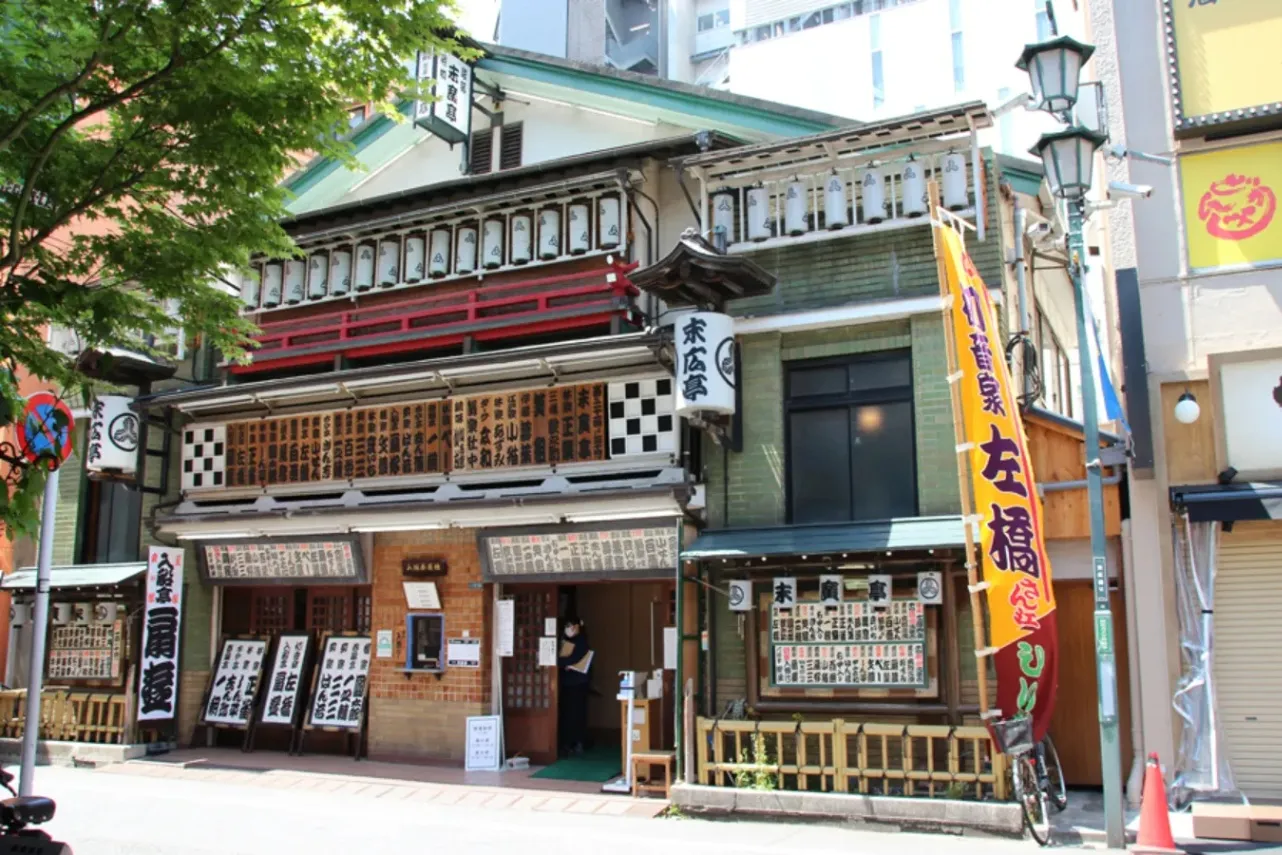
If you’re in the mood for something distinctly Japanese, why not stop by a yose, a traditional vaudeville theater?
A yose is a compact venue where you can enjoy a variety of live performing arts: rakugo (comic storytelling), manzai (comic duos), daikagura (variety performance with juggling and dance), and more. They are open almost every day, and one of the best things is the flexibility—you can enter and leave when you like, making it easy to drop in by yourself whenever the mood hits.
The photo shows Shinjuku Suehirotei, the only remaining wooden yose in Tokyo, with a wonderful, nostalgic ambience. The current building was completed in 1946 and is designated a “regional cultural asset” by Shinjuku Ward. While you’re enjoying the performances, be sure to take a moment to appreciate the retro architecture itself—it’s part of the experience.
Solo Ramen: Savor a bowl crafted with serious passion
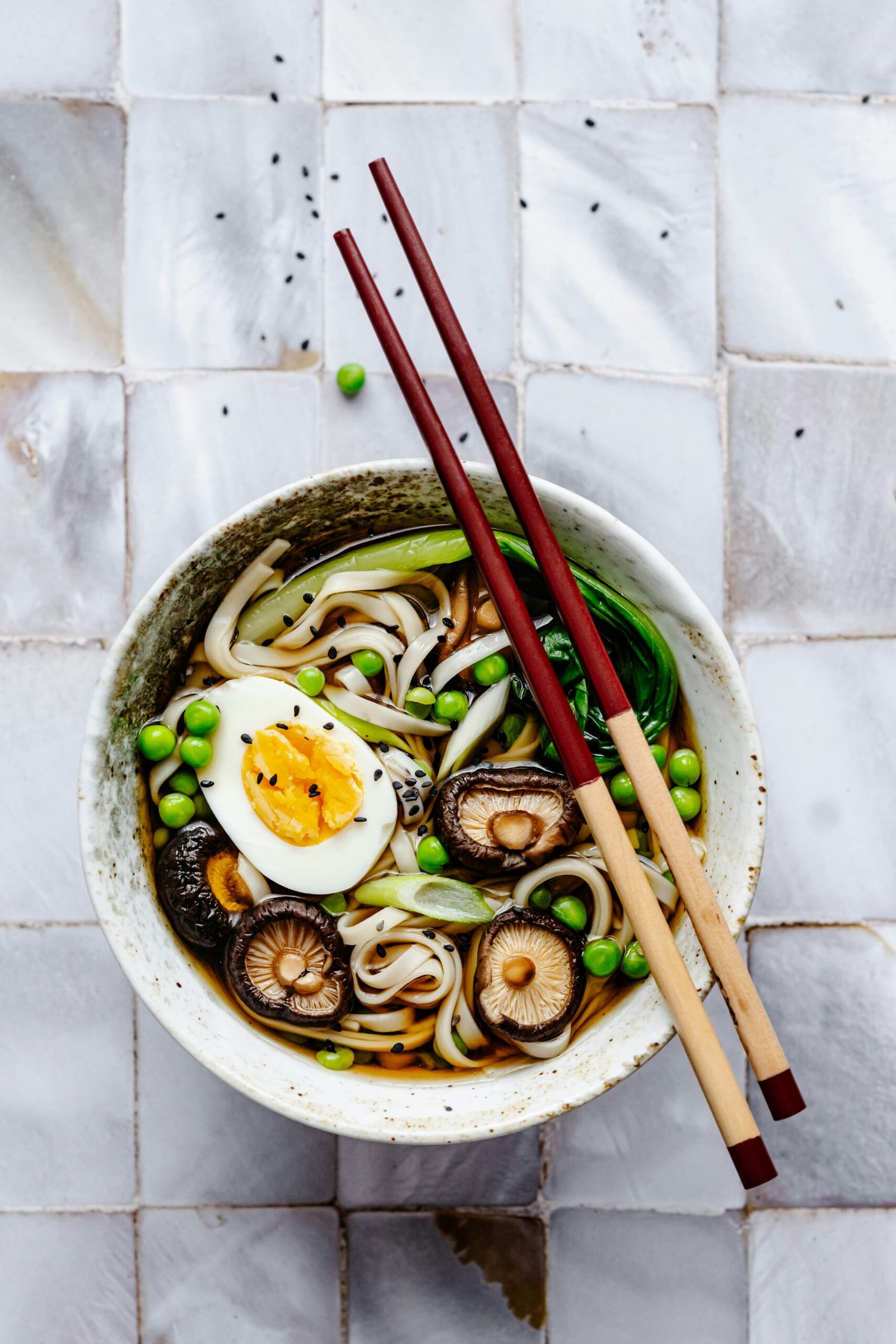
Eating ramen alone used to feel like a bit of a hurdle, but recently more shops have adopted bright, stylish interiors, making it much easier—especially for women—to enjoy a solo ramen outing.
If you take your time and really focus on a bowl built with a chef’s full dedication, you might discover a level of depth and nuance in ramen that you never noticed before.
Eat at the popular ramen restaurant Seijo Seika, their signature “Oyster Soba”, which is packed with rich oyster umami, is highly recommended.
The shop has only counter seats and a clean, café-like atmosphere, which has made it particularly popular among female customers.
Solo Shopping: Wander the stores entirely at your own pace
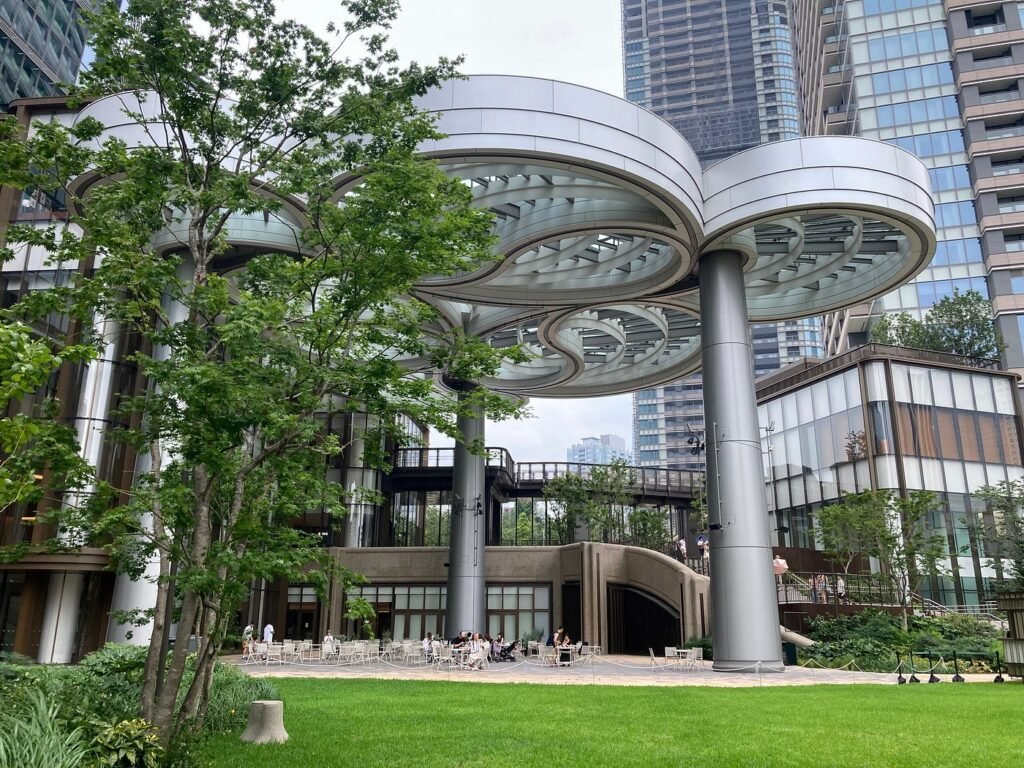
Shopping with friends is fun, but solo shopping has its own special charm: you can go whenever you want, browse as slowly (or quickly) as you like, and move entirely on your own schedule. Perfect for a day off when you want total freedom.
The photo shows Azabudai Hills, a major new landmark developed over about 35 years by Mori Building, the company behind Roppongi Hills and Toranomon Hills. The commercial zone is divided into several areas, such as Garden Plaza and Tower Plaza, and houses over 150 stores across approximately 23,000 m².
The lineup is incredibly varied—fashion, food, beauty, lifestyle goods, art, and more. It’s the kind of place where you can just wander, stop wherever your curiosity pulls you, and maybe discover a new favorite brand or café.
Solo Walk: Refresh yourself with nature in an urban oasis
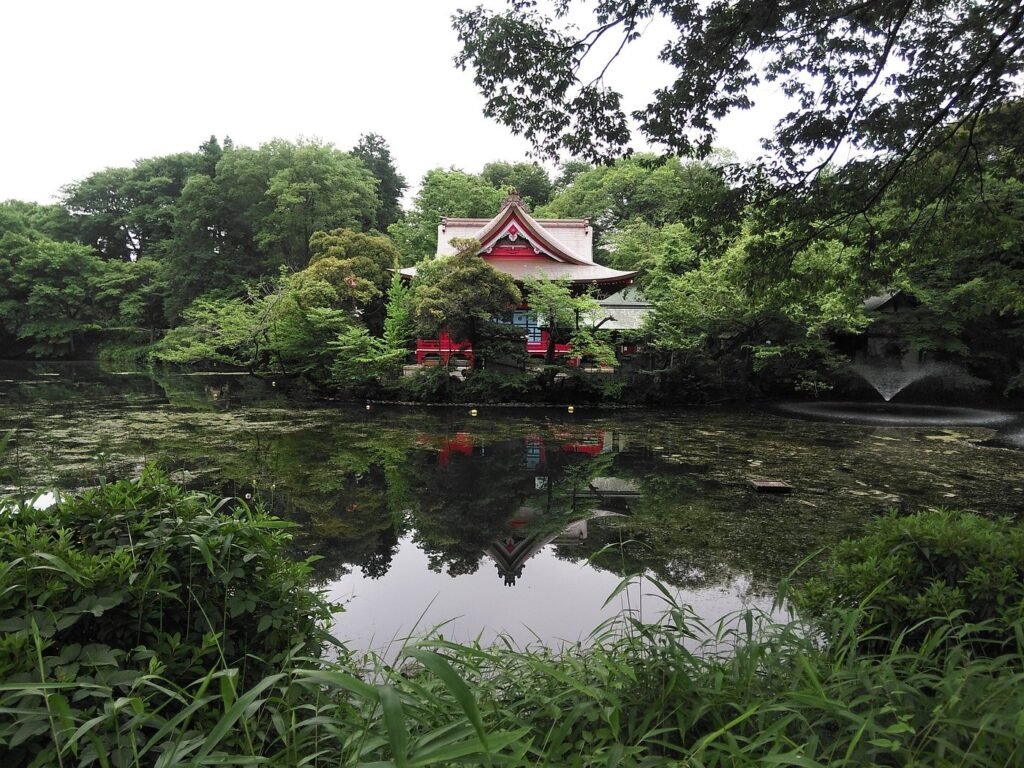
Sometimes you just want to leave the noise behind and reset your body and mind in nature. Even if you can’t travel far, Tokyo has plenty of big, green parks where you can do exactly that.
Inokashira Park is one such oasis, with around 16,000 trees spread across a 430,000 m² site. The area around Inokashira Pond, the symbolic heart of the park, is ideal for a gentle stroll.
At the western edge of the pond, you’ll find Inokashira Benzaiten, a famous hidden power spot dedicated to a water deity. Be sure to stop by and pay your respects before you continue your walk—it’s a nice way to quietly round off your nature break.
Reading Alone: Immerse yourself in a book at a book café
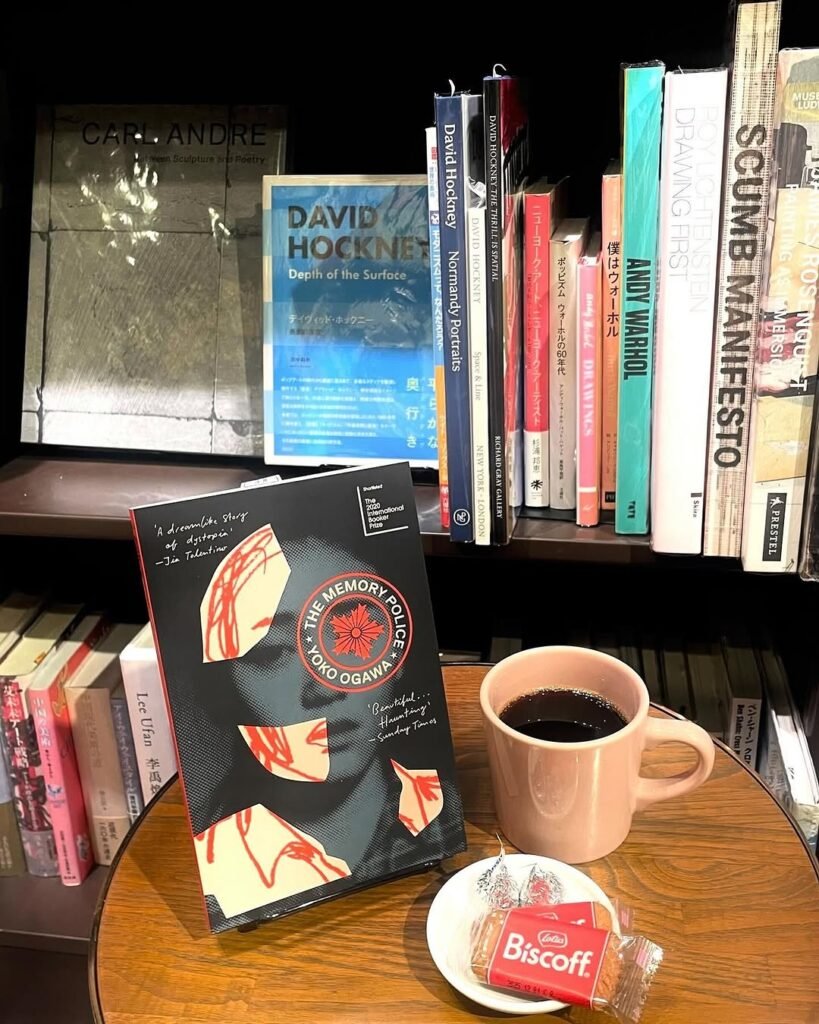
Another wonderful way to spend a solo day is to head to a book café, find a book that catches your eye, and completely lose yourself in reading. You can enjoy your own world while still feeling the gentle presence of other people around you—just enough company, without the pressure to talk.
About a one-minute walk from Roppongi Station, Bunkitsu is a book café where you can settle in from morning until night. The space holds around 30,000 books in many languages, and is fully equipped with power outlets and Wi-Fi, making it ideal for long stays. Coffee and green tea are available with free refills, and you can also enjoy meals from the café menu while turning pages.
It’s the perfect spot for a “just me and my book” kind of day.
- Nagoya rainy day with kids in 2026 (Cool Indoor Things to Do )
- Best Gachapon in Tokyo (2026): 20 Places to Find Capsule Toys
- All Japanese KitKat Flavours List: The Ultimate Japan KitKat Guide
- Sapporo rainy day with kids (2026): 7 Cool Indoor Things to Do
- What To Do In Arashiyama With Kids: A Realistic One-Day Family Itinerary