
I spill travel tips , and show you the Japan that tourists usually miss.
Kyoto has more temples than most of us could visit in a lifetime. And while we’re certainly not going to argue against the Golden Pavilion or Fushimi Inari Shrine, there’s a point when even the most enthusiastic traveler starts wondering: Can we actually do something here instead of just looking at beautiful old buildings?
Fortunately, Kyoto is exceptionally good at that.
You can learn to wield a samurai sword, make your own ramen, repair broken pottery with gold, meditate with Zen monks, or float down a river in a traditional wooden boat. And if you’re willing to venture a little farther, you can even explore the tea plantations responsible for some of Japan’s finest green tea.
Some experiences are wonderfully touristy. Others give you a closer look at crafts and traditions that Kyoto has preserved for centuries.
We’ve picked 15 genuinely worthwhile and unique experiences in Kyoto, focusing on activities you can actually participate in, memorable cultural encounters, and a few unusual places that deserve space in your itinerary.
Table of Contents
15 Best Unique Experiences in Kyoto
1. Learn to Wield a Samurai Sword at Samurai Kenbu Theater

Ever wondered what it takes to handle a Japanese sword without accidentally removing somebody’s head?
At Samurai Kenbu Theater, you can find out in a considerably safer environment.
Located near Sanjo Keihan, this Kyoto theater introduces visitors to kenbu, a traditional Japanese performing art combining sword movements, poetry, and dance.
You’ll watch instructors demonstrate graceful, surprisingly powerful movements before learning basic stances, sword-handling techniques, and a choreographed sequence yourself.
Costume packages also allow you to dress in traditional samurai attire, making the whole experience rather more memorable than watching another historical documentary.
Don’t worry: participants use practice swords, and experienced instructors guide the movements.
Why it’s worth doing: This isn’t simply a samurai-themed photo opportunity. You’re learning a genuine Japanese performing art while getting a taste of the discipline behind traditional sword movements.
Practical information:
- Location: 35-7 Sanchome, GOZAN Building B1F, Higashiyama, Kyoto
- Getting there: Approximately 3 minutes from Sanjo Keihan Station
- Duration: 1–2 hours, depending on your package
- Price: Around ¥5,000 for the show or ¥10,000 for a 90-minute lesson and demonstration
- Best for: Couples, solo travelers, older children and samurai enthusiasts
Booking tip: Choose a package that combines the performance and a hands-on lesson. You’ll get considerably more out of the experience than watching the show alone.
2. Take Part in an Authentic Japanese Tea Ceremony

There’s something almost hypnotic about watching an experienced tea master prepare matcha.
Every movement is deliberate. The utensils are carefully arranged, the tea bowl is turned a particular way, and even the simple act of drinking tea becomes a small ritual.
A traditional Japanese tea ceremony offers a fascinating introduction to Kyoto’s cultural heritage, and you don’t need to know anything about Japanese etiquette beforehand.
One particularly accessible option is Camellia Flower Teahouse, tucked away in the historic Higashiyama district.
During its English-language sessions, you’ll watch a tea ceremony demonstration, learn about its customs, and prepare your own bowl of matcha using a bamboo whisk.
You’ll also enjoy a traditional Japanese sweet, which provides a welcome contrast to matcha’s slightly bitter flavor. For an extra-special experience, you can add a kimono rental.
Why it’s worth doing: A tea ceremony helps you understand something about Kyoto that sightseeing alone rarely conveys: the importance of hospitality, attention to detail, and appreciation of small moments.
- Location: Camellia Flower Teahouse, Ninenzaka, Higashiyama
- Duration: Approximately 45 minutes
- Price: Shared ceremonies from ¥4,000 per adult, depending on the season
- Best for: First-time visitors, couples, solo travelers and cultural enthusiasts
- Family tip: Shared sessions welcome children aged 6 and older
Booking tip: Reserve a morning session before exploring the Higashiyama lanes and nearby temples. A tea ceremony also makes an excellent indoor activity during Kyoto’s hot, humid summers.
3. Make Your Own Ramen at Ramen Factory Kyoto
We all know that eating ramen in Japan is practically compulsory. But making the noodles yourself? That’s a different level of dedication.
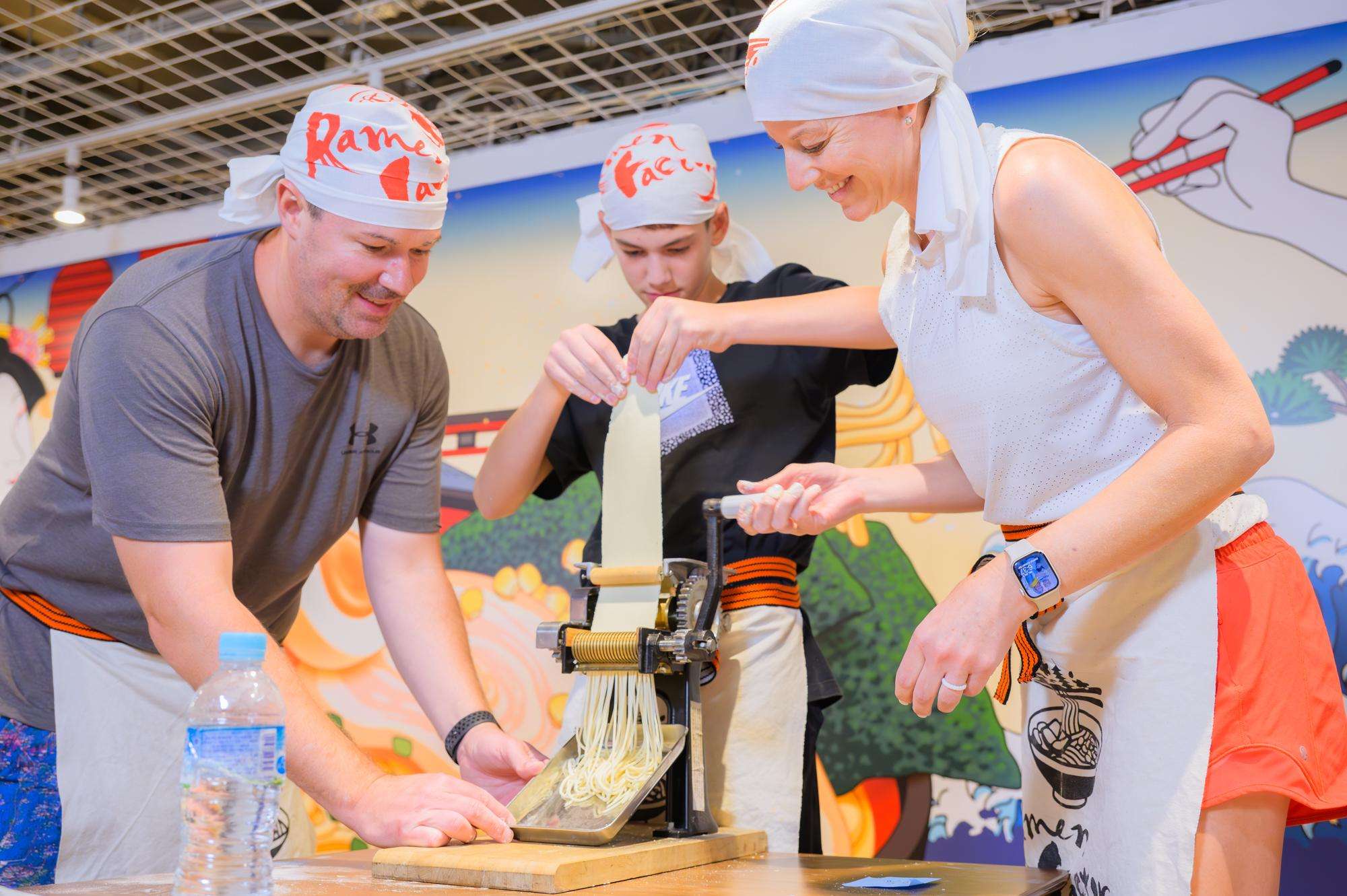
At Ramen Factory Kyoto, visitors get to experience what goes into preparing a proper bowl of Japanese ramen, from working the noodle dough to assembling the final dish.
The hands-on session involves kneading, rolling, and cutting fresh noodles before preparing the other elements of your bowl.
You’ll choose your preferred ingredients and flavors, follow the instructors’ guidance, and eventually sit down to eat your creation.
And after all that effort, it’s surprisingly satisfying to know that the noodles you’re slurping were made by your own slightly flour-covered hands.
The workshop is designed for beginners, with English-speaking instructors and options for different dietary requirements.
Why it’s worth doing: Ramen is one of Japan’s most recognizable dishes, and this experience gives you a practical understanding of the work behind it.
- Location: Near Demachiyanagi Station, Kyoto
- Duration: Approximately 90 minutes
- Best for: Food lovers, families, couples and solo travelers
- Family tip: Children aged 3 and older can participate
- Dietary options: Vegetarian, vegan, gluten-free and Muslim-friendly arrangements are advertised. Confirm your requirements in advance.
Booking tip: Reserve your preferred lunch or dinner session in advance. This doubles as a meal, so you won’t need to squeeze in another restaurant afterward.
4. Watch a Maiko Perform Traditional Kyoto Dance at Gion Corner

Seeing a geiko or maiko hurrying through Gion’s narrow streets might sound like a quintessential Kyoto experience. But following them around with a camera? Definitely not.
A much better way to appreciate Kyoto’s traditional performing arts is to attend a show at Gion Corner.
This small theater introduces visitors to several classical Japanese art forms in a single performance. Expect a combination of traditional music, flower arranging, tea ceremony, classical comedy, and dance.
The highlight for many visitors is Kyomai, Kyoto-style dance performed by maiko, apprentices training to become geiko.
The dances are graceful and understated, with elaborate costumes and carefully controlled movements. It’s an excellent introduction to cultural traditions that can otherwise be difficult for tourists to experience.
Why it’s worth doing: Gion Corner offers a legitimate, accessible opportunity to enjoy Kyoto’s traditional entertainment rather than treating working performers as street attractions.
- Location: 570-2 Gionmachi Minamigawa, Higashiyama
- Duration: Approximately 1 hour
- Performances: Evening shows are generally scheduled at 6 PM and 7 PM. Check your preferred date.
- Best for: First-time visitors, couples, families and Japanese culture enthusiasts
Booking tip: Reserve a performance before dinner in Gion or Pontocho. This is one of the easiest ways to build a memorable evening around a traditional cultural experience.
5. Experience Private Zen Meditation with a Buddhist Monk at Taizo-in Temple

Kyoto has hundreds of Buddhist temples, but how often do you get to experience one without the crowds, tour groups, or somebody waving a selfie stick in your peripheral vision?
At Taizo-in Temple, part of Kyoto’s enormous Myoshin-ji Zen temple complex, you can do something rather special: enjoy a private temple visit before opening or after closing hours, guided by an actual Buddhist monk.
This exclusive experience takes you inside one of Kyoto’s historic Zen temples with Deputy Head Priest Daiko Matsuyama, an internationally active Buddhist priest who has participated in discussions about spirituality around the world.
Instead of simply admiring the architecture, you’ll explore the temple’s beautiful gardens, learn about Zen philosophy, and practice zazen, the traditional Japanese form of seated meditation.
Imagine sitting on a wooden veranda, overlooking a traditional Japanese garden, with nothing but birdsong, rustling leaves, and the occasional intrusive thought reminding you about an email you forgot to answer three weeks ago.
Under the priest’s guidance, you’ll learn how to focus on your breathing, posture, and surroundings. No previous meditation experience is necessary.
The experience also includes a private introduction to the temple’s gardens and their symbolism. Depending on your selected program, you may explore areas normally inaccessible to ordinary visitors.
And because this is Kyoto, the experience finishes beautifully: with matcha green tea and traditional Japanese sweets overlooking the garden.
Why it’s worth doing: This isn’t an ordinary temple visit. It’s an opportunity to learn directly from a Buddhist priest, experience Zen meditation in an authentic setting, and explore a historic temple without the usual crowds.
- Location: Taizo-in Temple, Myoshin-ji complex, Ukyo Ward, Kyoto
- Getting there: Around a 10-minute walk from JR Hanazono Station
- Duration: Approximately 90 minutes
- Group size: Private experience for 1–10 participants
- Language: English-speaking host
- Best for: Couples, solo travelers, small private groups, and anyone interested in Japanese spirituality or traditional gardens
- Price level: Premium private experience. An additional ¥50,000 per group applies during the September 20–December 10 peak season, according to the operator
- Booking: Advance reservation required through Wabunka. Confirm the total private-group price before booking
Our tip: Choose the early-morning option if you love peaceful gardens and soft natural light, or an evening session for a more atmospheric experience. This is particularly appealing during Kyoto’s cherry blossom and autumn foliage seasons, although peak-season surcharges can make it considerably more expensive.
Want to experience Kyoto’s Zen traditions without the crowds? This private visit is particularly worthwhile if you prefer meaningful cultural experiences to conventional sightseeing.
6. Learn Kintsugi: The Japanese Art of Repairing Pottery With Gold

We normally throw broken ceramics away. In Japan, there’s a traditional craft that takes a rather different approach.
Kintsugi involves repairing broken pottery using lacquer and decorative metal powder, creating visible seams instead of hiding the damage.
The result can be more beautiful than the original object.
Kyoto is an excellent place to discover this traditional craft, especially if you’re interested in Japanese ceramics, design, or handmade souvenirs.
At Tsugu Tsugu Kyoto Studio, which opened in November 2026, visitors can join an English-language workshop using traditional urushi lacquer and genuine gold powder.
During the session, you’ll learn about the materials and principles behind kintsugi and complete the finishing stages of a specially prepared ceramic piece.
Unlike cheaper craft sessions that use modern substitutes, this particular workshop focuses on traditional materials.
Why it’s worth doing: It’s a meaningful introduction to Japanese craftsmanship, and you’ll leave with something you helped create.
- Location: Tsugu Tsugu Kyoto Studio, near Kiyomizu-Gojo Station
- Duration: 90 minutes
- Price: ¥22,000 per person
- Minimum age: 12
- Best for: Art lovers, couples, design enthusiasts and travelers looking for a special souvenir
Important: Traditional urushi lacquer can cause allergic reactions. Inform the studio about any relevant sensitivities before booking and follow the handling and curing instructions.
This is one of the more expensive Kyoto experiences on our list, so we wouldn’t recommend it to someone merely looking for an inexpensive afternoon activity. However, if you’re interested in traditional Japanese art, it’s an excellent splurge.
Explore traditional kintsugi workshops
7. Taste Your Way Through Nishiki Market

Nicknamed Kyoto’s Kitchen, Nishiki Market is one of the best places in the city to explore traditional Kyoto food.
This long, covered shopping street is packed with specialist food shops selling everything from Japanese pickles and fresh seafood to tofu products, sweets, and regional delicacies.
It’s a sensory overload in the best possible way. One minute you’re admiring beautifully arranged Japanese confectionery. The next, you’re trying to identify something mysterious on a skewer.
For a proper Kyoto food experience, look out for yuba (tofu skin), tsukemono (Japanese pickles), dashimaki tamago (rolled omelet), and traditional sweets flavored with matcha.
Rather than rushing through, take time to sample regional specialties and learn what makes Kyoto cuisine different from food in Tokyo or Osaka.
Important etiquette: Nishiki Market asks visitors not to eat while walking. Enjoy food at the shop where you purchased it or in an area designated for eating.
Why it’s worth doing: You can taste several Kyoto specialties in one compact area without committing to a full restaurant meal.
- Location: Nishikikoji Street, Nakagyo, central Kyoto
- Duration: 1–2 hours
- Best time: Late morning or lunchtime
- Price: Free to enter; food purchased separately
- Best for: Food enthusiasts, solo travelers, couples and families
- Opening hours: Individual shops set their own hours. Most operate during the day.
Booking tip: A guided Nishiki Market food tour is worthwhile if you’d like explanations of unfamiliar dishes and the stories behind local ingredients. Otherwise, exploring independently is perfectly manageable.
Book Nishiki Market guided tour
8. Make Beautiful Japanese Sweets in a Wagashi Workshop

Japanese sweets sometimes look almost too beautiful to eat.
Tiny cherry blossoms, delicate maple leaves, miniature fruits, and seasonal flowers are carefully shaped from sweet bean paste and rice-based ingredients.
These traditional confections are called wagashi, and Kyoto is one of the best places in Japan to discover how they’re made.
At Wagashi Issho, visitors can learn from an experienced Kyoto confectionery artisan.
You’ll watch a demonstration, work with the ingredients yourself, and discover how traditional Japanese sweets are shaped to reflect the seasons. The finished creations are usually enjoyed with Japanese tea.
The really entertaining part comes when you compare your first attempt with the instructor’s perfectly symmetrical masterpiece. Let’s just say that artistic talent is not compulsory.
Why it’s worth doing: Kyoto’s confectionery traditions are closely linked to tea culture, seasonal festivals, and traditional craftsmanship.
- Location: Wagashi Issho, 143 Honeyacho, Nakagyo, Kyoto
- Getting there: Approximately 5 minutes from Karasuma Oike Station
- Duration: Around 1–2 hours, depending on the class
- Best for: Couples, families, food lovers and creative travelers
- Booking: Reserve a suitable small-group or private workshop in advance
Booking tip: If you’re especially interested in Japanese tea culture, pair a wagashi workshop with a tea ceremony. You’ll understand considerably more about why these little sweets are such an important part of the tradition.
Explore the Wagashi Issho experience
9. Escape Arashiyama’s Crowds on a Traditional Japanese Boat
Arashiyama is one of Kyoto’s most beautiful neighborhoods. Unfortunately, everybody else seems to know that too.
Its famous bamboo grove and Togetsukyo Bridge can become exceptionally busy, particularly during cherry blossom season and autumn foliage.
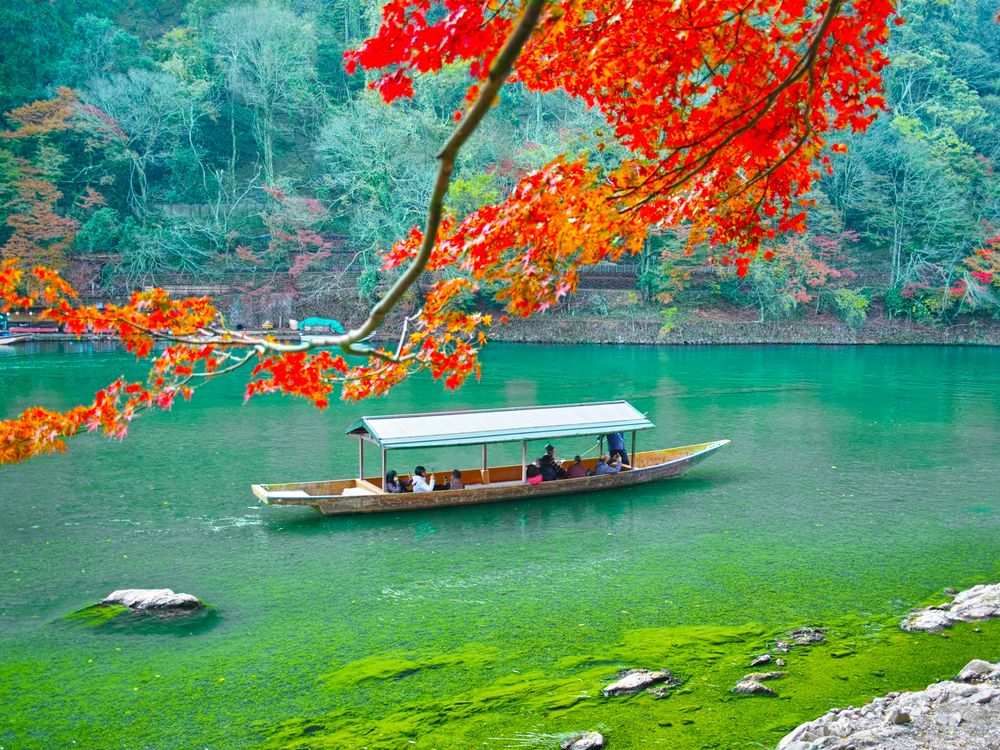
One of the loveliest ways to experience the area from a different perspective is to take a traditional Japanese houseboat along the Oi River.
Instead of fighting for space on a narrow walkway, you’ll glide through the scenery surrounded by wooded mountains.
The river looks especially beautiful in autumn, when the surrounding hills turn shades of orange, red, and gold.
Short sightseeing trips are available, while private charters offer a more leisurely experience. Some private arrangements can also include meals.
Why it’s worth doing: You get a peaceful perspective of Arashiyama without having to abandon one of Kyoto’s most popular sightseeing areas.
- Location: Boat piers near Togetsukyo Bridge, Arashiyama
- Duration: Approximately 30 minutes for a standard shared sightseeing boat
- Price: Shared rides around ¥1,500 per adult and ¥1,000 per child
- Best for: Couples, families, photographers and nature lovers
- Booking: Standard shared rides generally don’t require advance reservations
- Payment: Bring cash for tickets purchased at the pier
Travel tip: Combine the boat ride with Tenryu-ji Temple and the bamboo grove. It’s an easy way to turn your Arashiyama visit into a half-day outing rather than a quick photo stop. Boats are subject to weather and river conditions.
Explore Arashiyama’s traditional boat experiences
10. Visit a Traditional Sake Brewery in Fushimi
Kyoto isn’t just famous for temples, matcha, and beautiful gardens. It’s also one of Japan’s important sake-producing regions.
The district of Fushimi, south of central Kyoto, has a long history of brewing sake using its naturally occurring underground water.
One particularly accessible place to explore this tradition is the Gekkeikan Okura Sake Museum.
Housed in a historic brewery building, the museum introduces visitors to traditional sake-making equipment, brewing methods, and the development of one of Japan’s best-known sake producers.
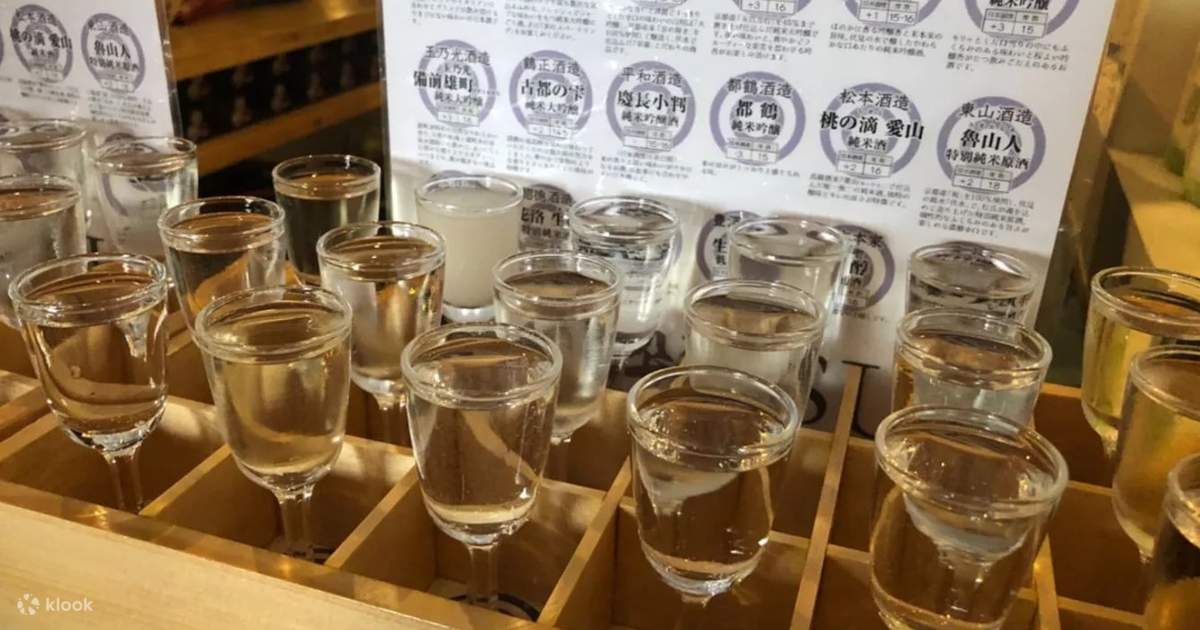
You’ll discover how sake is made, learn about the importance of rice and water, and finish with a tasting of different varieties.
Even if you’re not a particularly enthusiastic drinker, the historical displays and preserved brewery atmosphere are worth seeing. The surrounding streets are also wonderfully atmospheric, with traditional buildings and canals.
Why it’s worth doing: It’s a chance to explore a cultural tradition that has helped shape Kyoto’s food and drink culture.
- Location: 247 Minamihamacho, Fushimi, Kyoto
- Getting there: Approximately 5 minutes from Chushojima Station
- Opening hours: 9:30 AM–4:30 PM, last admission 4 PM
- Price: ¥600 for visitors aged 20 and older
- Duration: Approximately 45–60 minutes
- Best for: Adults interested in sake, Japanese food culture and traditional architecture
Booking tip: If you want to explore several breweries and compare different varieties of sake, a guided Fushimi brewery tour is worth considering. Alcohol tasting is restricted to visitors aged 20 and older.
Official Gekkeikan Okura Sake Museum information
11. Watch Kyoto’s Extraordinary Non-Verbal Theater Show, GEAR

Not every unique Kyoto experience involves ancient traditions.
If you’re looking for something contemporary, imaginative, and genuinely unusual, GEAR is an excellent choice.
Performed at a dedicated theater inside Kyoto’s historic 1928 Building, this long-running show combines mime, magic, dance, juggling, and striking visual effects.
The story unfolds in a fantastical world inhabited by mechanical characters, using movement, music, and visual storytelling rather than spoken dialogue.
This means you don’t need to understand a word of Japanese to follow what’s happening.
It’s also wonderfully unpredictable, with clever illusions and moments of comedy mixed into a surprisingly emotional story. While Kyoto is full of traditional cultural performances, GEAR offers something completely different.
Why it’s worth doing: It’s an original theatrical experience that works particularly well for international visitors because there’s no language barrier.
- Location: ART COMPLEX 1928, Sanjo-dori, central Kyoto
- Duration: Approximately 90 minutes
- Best for: Couples, families, theater enthusiasts and travelers seeking an evening activity
- Booking: Advance tickets are recommended, particularly for popular performances
Family tip: The show uses loud sound effects, darkness, and intense lighting. Visitors sensitive to sensory effects should check the performance information beforehand.
12. Discover Kyoto’s Fragrant Incense Traditions at Kunjyukan
Here’s a Kyoto experience that costs absolutely nothing and is still more interesting than plenty of paid attractions.
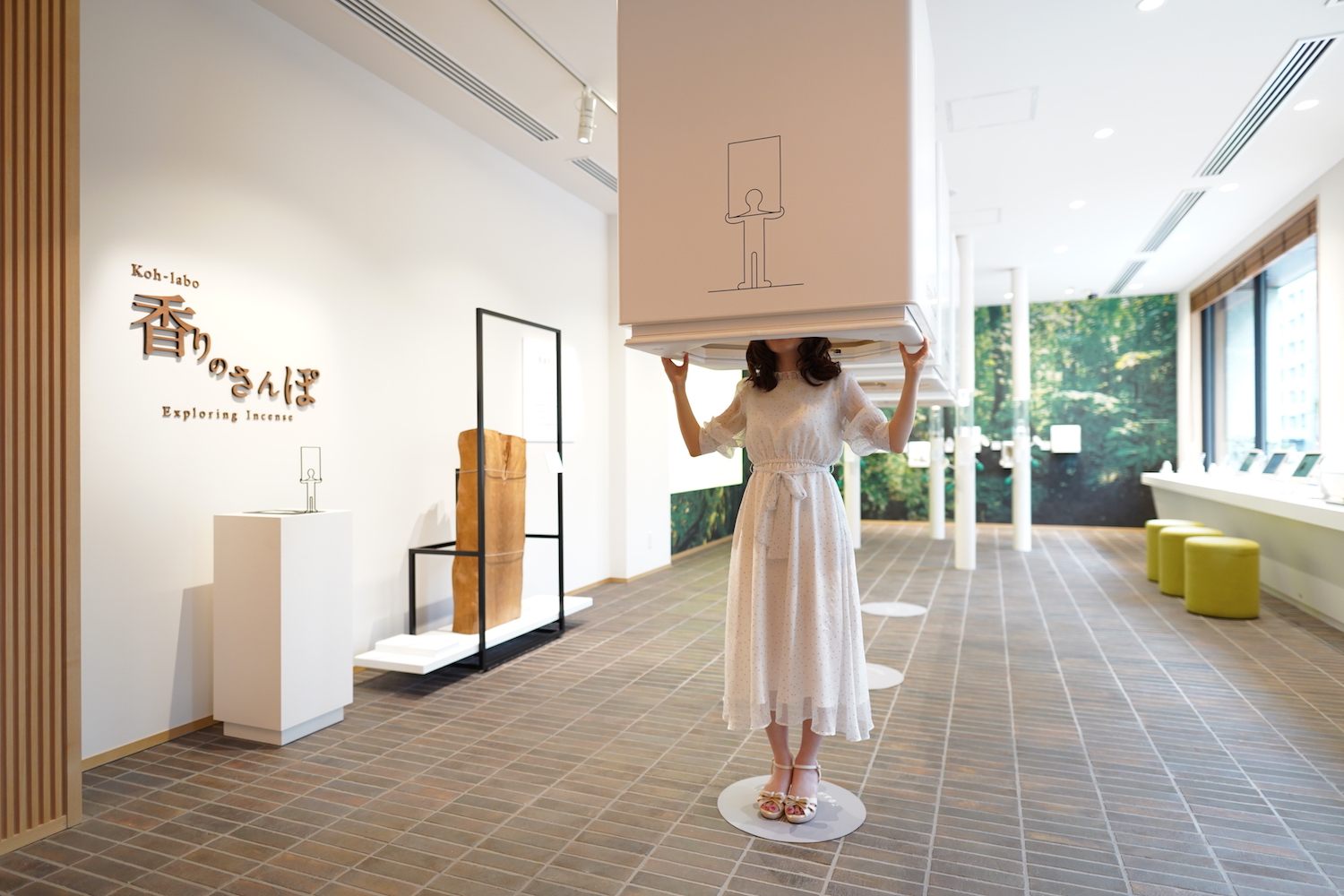
Kunjyukan, operated by historic Japanese incense maker Shoyeido, is a small museum dedicated to Japan’s fragrance culture.
Instead of focusing only on objects behind glass, its displays encourage visitors to explore different scents and learn about traditional incense ingredients.
The most unusual part of the exhibition is a series of large white fragrance boxes suspended from the ceiling. You actually place your head inside the boxes to experience different scents.
You can discover how fragrances are created, how incense has been used in Japanese culture, and why certain natural materials have been prized for centuries.
The facility connects to Shoyeido’s main store, where you can browse beautifully packaged incense and fragrance products. It’s an especially appealing stop if you’re looking for a distinctive souvenir that won’t take up half your suitcase.
Why it’s worth doing: It’s unusual, culturally relevant, easy to visit, and genuinely free.
- Location: Karasuma Nijo, Nakagyo, Kyoto
- Getting there: A short walk from Marutamachi Station
- Opening hours: 10 AM–5 PM, with irregular closures
- Admission: Free
- Duration: Approximately 30–45 minutes
- Best for: Curious travelers, fragrance lovers and craft enthusiasts
Travel tip: This is an easy addition to a sightseeing day around Karasuma Oike and the Kyoto Imperial Palace area.
Visit Kunjyukan’s official website
13. Step Into an Edo-Period Film Set at Uzumasa Kyoto Village
If your idea of a memorable Kyoto experience involves ninjas, samurai, and dramatically recreated historical streets, this one is for you.
Formerly known as Toei Kyoto Studio Park, Uzumasa Kyoto Village began reopening in phases in March 2026.
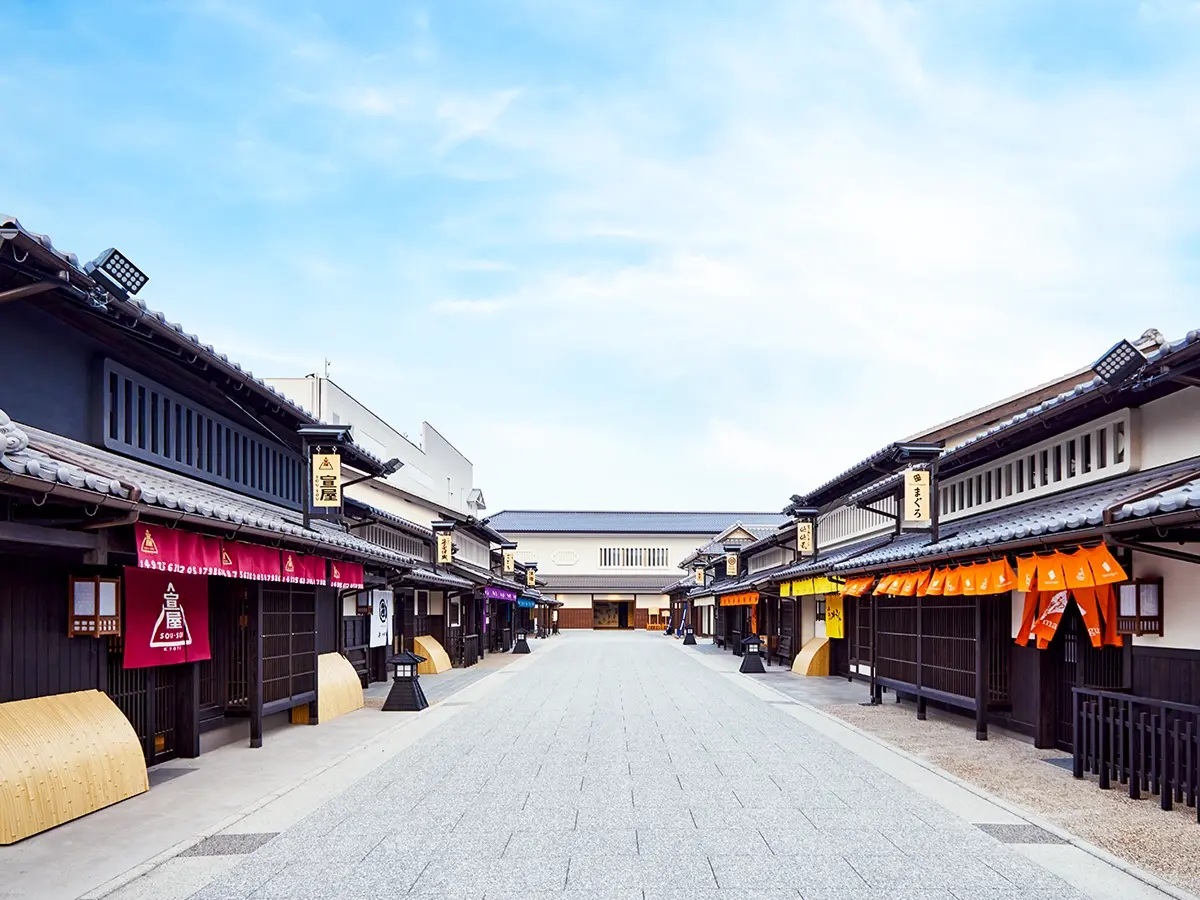
The attraction recreates the atmosphere of historical Japan, drawing on Kyoto’s long history as a center of Japanese period-film production.
Visitors can explore Edo-inspired streets, watch live entertainment, and try various themed activities.
Depending on the current program, you might encounter ninja challenges, escape rooms, historical costume experiences, or other interactive attractions.
It’s not a solemn cultural experience, and that’s precisely the point. Sometimes you just want to run around an elaborate historical movie set pretending to be a ninja.
Why it’s worth doing: This is a particularly good option for families or travelers who enjoy interactive attractions more than traditional museum displays.
- Location: Uzumasa, Ukyo Ward, Kyoto
- Duration: Approximately 2–4 hours
- Admission: Standard daytime tickets from around ¥2,800 for adults and ¥1,600 for children aged 3–12
- Best for: Families, teenagers, ninja enthusiasts and Japanese cinema fans
- Additional costs: Some interactive attractions require separate tickets
Booking tip: Check the current show schedule before choosing your visit time. If you’re planning to try several paid attractions, compare individual tickets with the available attraction pass.
14. Explore the Tea Plantations of Wazuka

Kyoto’s love affair with green tea becomes considerably more interesting when you leave the city and visit the places where it actually grows.
The rolling tea plantations of Wazuka, in southern Kyoto Prefecture, are among the most beautiful agricultural landscapes in the region.
Imagine green tea bushes stretching in neat rows across hillsides, interrupted by small villages and traditional farm buildings. It’s a completely different side of Kyoto from the crowded streets of Gion.
Several local producers offer guided experiences introducing visitors to tea cultivation, processing, and tasting.
Kyoto Obubu Tea Farms, for example, runs English-language tea tours that include the plantations, processing facilities, and guided tastings.
Another option is d:matcha Kyoto, which offers farm visits that may include tea picking, factory visits, tastings, and a tea-themed lunch.
Unlike a standard matcha café, you’ll learn how different growing and processing methods influence the flavors in your cup.
And once you’ve tried several varieties side by side, you might discover that Japanese green tea is far more varied than the supermarket version you’ve been drinking at home.
Why it’s worth doing: This is one of the best experiences for understanding Kyoto’s tea culture beyond the traditional ceremony.
- Location: Wazuka, southern Kyoto Prefecture
- Time needed: Allow most of a day, including travel
- Tour duration: Approximately 4 hours for comprehensive farm experiences
- Best for: Tea lovers, food enthusiasts, photographers and travelers who enjoy rural Japan
- Getting there: Public transport via JR Kamo Station and a local bus; check your tour’s transport arrangements
Booking tip: Reserve a guided tour rather than simply arriving at the fields. You’ll gain access to explanations and activities that aren’t available during an independent visit. Tea-picking opportunities depend on the season.
Explore Kyoto Obubu Tea Farms tours
Explore d:matcha’s tea farm experience
15. Soak in an Outdoor Hot Spring in the Kurama Mountains
After several days of sightseeing in Kyoto, your feet will probably have started drafting a formal complaint.
Fortunately, there’s a very Japanese solution.
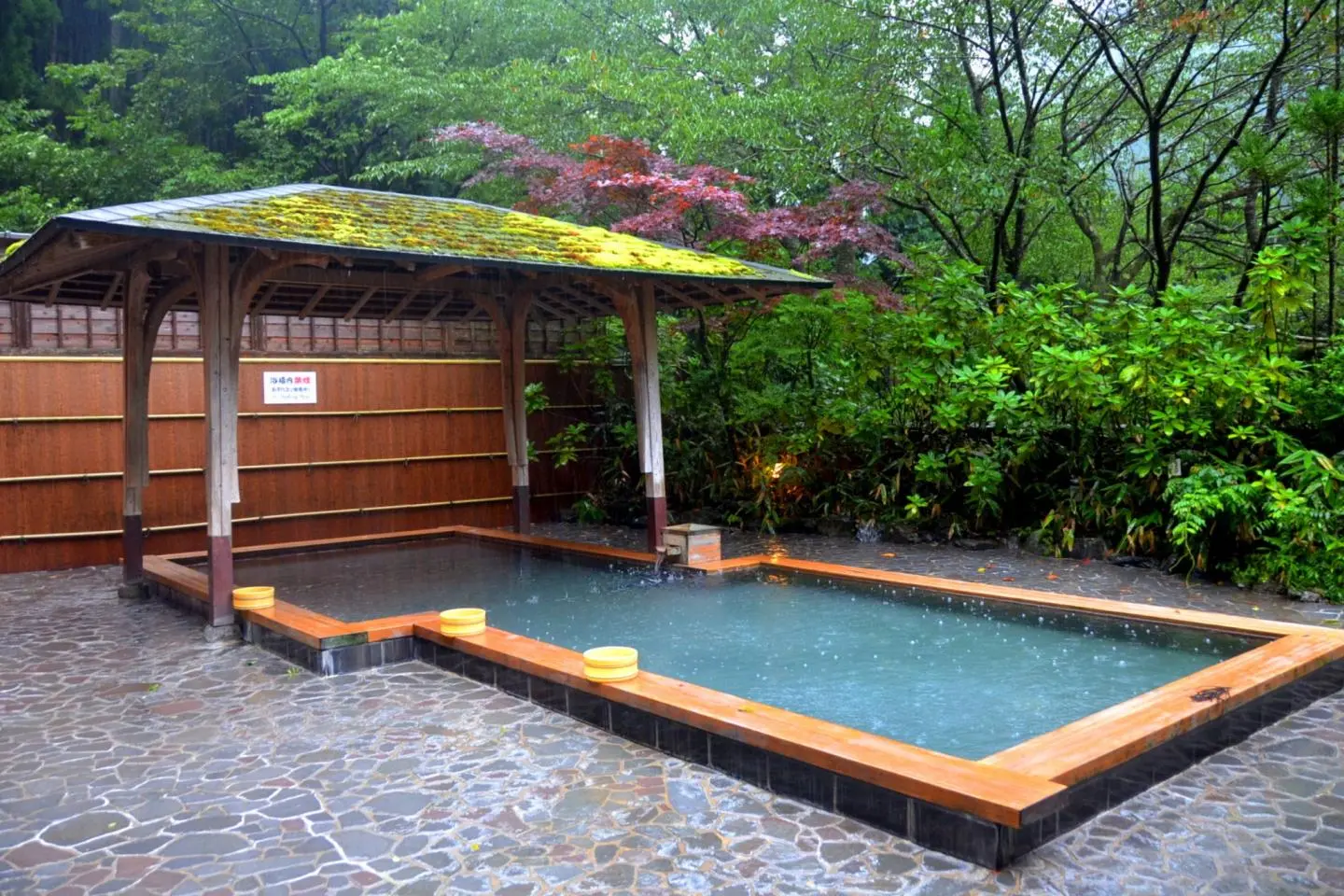
Head into the mountains north of the city and spend an afternoon at Kurama Onsen.
This traditional hot spring retreat sits among the wooded hills of Kurama, offering a wonderfully peaceful alternative to Kyoto’s busy central neighborhoods.
Its outdoor baths overlook the surrounding mountains, with particularly lovely scenery during autumn and spring.
There’s something rather satisfying about sitting in naturally heated water while looking out at the forest.
If you enjoy hiking, you can combine the experience with a visit to Kurama-dera Temple or explore the surrounding mountain area.
Why it’s worth doing: It’s a relaxing introduction to Japanese bathing culture in a setting that feels completely different from central Kyoto.
- Location: 520 Kurama Honmachi, Sakyo, Kyoto
- Getting there: Eizan Railway from Demachiyanagi to Kurama Station, followed by a walk
- Day spa hours: Generally 10 AM–9 PM
- Duration: Around 1–2 hours for bathing, plus travel
- Best for: Couples, solo travelers, hikers and nature lovers
- Booking: Regular day-spa visits generally don’t require advance reservations
Important bathing etiquette: Baths are separated by gender, and swimwear is not worn. Kurama Onsen permits tattoos according to its published bathing policy.
Travel tip: This is best treated as a half-day outing, especially if you’re combining the onsen with mountain walking. Check the current operating hours before leaving central Kyoto.
Visit the official Kurama Onsen website
Which Unique Kyoto Experiences Are Most Worth Booking?
If you’re visiting Kyoto for the first time and only have two or three days, we’d avoid stuffing your itinerary with workshops.
Kyoto is still a wonderful city for simply wandering around, ducking into tiny shops, and getting a little lost in its historic neighborhoods.
Instead, choose one or two experiences that fit naturally around your sightseeing.
How to Plan Your Experiences Around Kyoto
The easiest way to avoid wasting time on transport is to group activities by area.
- Gion and Higashiyama: Samurai Kenbu, tea ceremony, Zen meditation, kintsugi and Gion Corner.
- Central Kyoto: Nishiki Market, wagashi-making, incense museum and GEAR.
- Arashiyama: Traditional boat ride and nearby sightseeing.
- Western Kyoto: Uzumasa Kyoto Village.
- Southern Kyoto: Gekkeikan Sake Museum in Fushimi.
- Northern Kyoto: Kurama Onsen.
- Outside central Kyoto: Wazuka tea plantations.
For most travelers, two organized experiences in a single day are plenty. That leaves room to explore Kyoto without constantly watching the clock.
Discover More of Kyoto: Experiences, Hidden Gems & Local Favorites
Want to experience more of Kyoto beyond its famous temples and shrines? From atmospheric neighborhoods and traditional tea houses to unusual shopping discoveries, these guides will help you plan a more memorable trip.
- Best Things to Do in Kyoto – Essential attractions, itinerary ideas and practical travel tips.
- 15 Hidden Gems in Kyoto – Discover fascinating places that many international visitors overlook.
- 10 Best Tea Ceremonies in Kyoto – Find the perfect matcha experience, from traditional temples to historic Japanese townhouses.
- What to Do in Kyoto When It Rains – Creative workshops, cultural experiences and atmospheric indoor attractions.
- Best Things to Do in Gion – Explore Kyoto’s historic entertainment district, traditional streets and cultural treasures.
- Best Things to Do in Arashiyama – Riverside escapes, beautiful gardens and experiences beyond the bamboo forest.
- 25 Romantic Things to Do in Kyoto – Memorable experiences, peaceful hideaways and unusual date ideas for couples.
- Where to Buy Local Art in Kyoto – Independent galleries, contemporary ceramics and beautiful Japanese craftsmanship.
- What to Buy in Kyoto – Distinctive souvenirs, traditional sweets and locally made Japanese gifts.
- Where to Buy the Best Matcha in Kyoto – Traditional tea merchants and specialist matcha shops worth visiting.
- 14 Best Day Trips From Kyoto – Escape the city for mountain villages, hot springs and scenic countryside.
Frequently Asked Questions About Unique Experiences in Kyoto
What is the most unique thing to do in Kyoto?
For a memorable hands-on activity, try a samurai sword lesson, traditional kintsugi workshop, or Zen meditation session inside a Buddhist temple. A tea ceremony is one of the best introductions to Kyoto’s traditional culture, especially for first-time visitors.
What are the best Kyoto experiences for couples?
A traditional tea ceremony, Arashiyama riverboat ride, and evening performance at Gion Corner are particularly good choices. Couples interested in Japanese craftsmanship may also enjoy making wagashi or learning kintsugi together.
Are there unusual things to do in Kyoto with children?
Yes. Ramen-making classes, samurai experiences, and Uzumasa Kyoto Village are particularly appealing to families. GEAR is also entertaining for children who enjoy theatrical visual effects, although the show’s loud sounds and lighting may not suit everyone. Always check the minimum ages for workshops.
Can you book traditional Kyoto experiences as a solo traveler?
Absolutely. Shared tea ceremonies, meditation programs, ramen workshops, and many cultural activities welcome individual bookings. Solo travelers should check whether a workshop has a minimum group size or charges extra for private sessions.
Do you need to book cultural experiences in Kyoto in advance?
For popular samurai classes, tea ceremonies, cooking workshops, and theater performances, advance reservations are strongly recommended, especially during cherry blossom season and autumn foliage.
Free attractions such as Kunjyukan and independent visits to Nishiki Market generally don’t require bookings. Standard Arashiyama sightseeing boat rides and regular day-spa visits to Kurama Onsen can usually be arranged on arrival, subject to operating conditions.
What are the best unique experiences in Kyoto on a rainy day?
Ramen-making, kintsugi, wagashi workshops, tea ceremonies, and indoor theater performances are excellent rainy-day choices. Kunjyukan is another convenient indoor attraction, particularly if you’re looking for something inexpensive.
What are the best free unique experiences in Kyoto?
The Kunjyukan Incense Museum is one of Kyoto’s most unusual free attractions, offering interactive displays dedicated to Japanese fragrance culture. Exploring Nishiki Market and wandering through Fushimi’s historic sake district are also free, although food tastings and museum visits cost extra.
Final Thoughts: Kyoto Is Better When You Participate
It’s tempting to spend every day in Kyoto rushing from one famous temple to another.
And yes, those golden pavilions, ancient shrines, and beautifully landscaped gardens deserve their reputation.
But the experiences that stay with you longest aren’t necessarily the ones you photograph.
Sometimes it’s the bowl of ramen you made from scratch, the first time you managed to follow a samurai instructor’s movements, or the surprising quiet of a Zen temple.
Kyoto rewards curiosity.
So leave a little room in your itinerary to get your hands dirty, learn something unexpected, and experience the city beyond its postcard-perfect scenery.