I spill travel tips , and show you the Japan that tourists usually miss.
Planning your first trip to Japan is exciting. It’s also a fantastic way to end up with 47 open browser tabs, 200 places saved on Google Maps, and absolutely no idea how you’re going to fit everything into ten days.
One minute, you’re dreaming about cherry blossoms, steaming bowls of ramen, and neon-lit Tokyo streets. The next, you’re trying to figure out whether you need a Japan Rail Pass, how to book a bullet train, and why Google Maps wants you to change trains four times to travel six kilometers.
The good news? Japan is actually one of the easiest countries to explore independently once you understand a few basics.
You don’t need to speak fluent Japanese, book every train months in advance, or follow an expensive organized tour.
But there are some little things that can make an enormous difference to your experience. And surprisingly, they’re not always the things you’ll find in those endless 50 Things to Know Before Visiting Japan guides.
We’re talking about choosing the right hotel, finding cheaper meals, using Google Maps like someone who actually lives there, and avoiding the temptation to cram every Japanese landmark into one exhausting itinerary.
Here are seven practical tips for traveling to Japan for the first time that can save you money, time, and quite a few unnecessary headaches.
Table of Contents
1. Stop Buying Everything at Convenience Stores: Japanese Supermarkets Are Often Cheaper
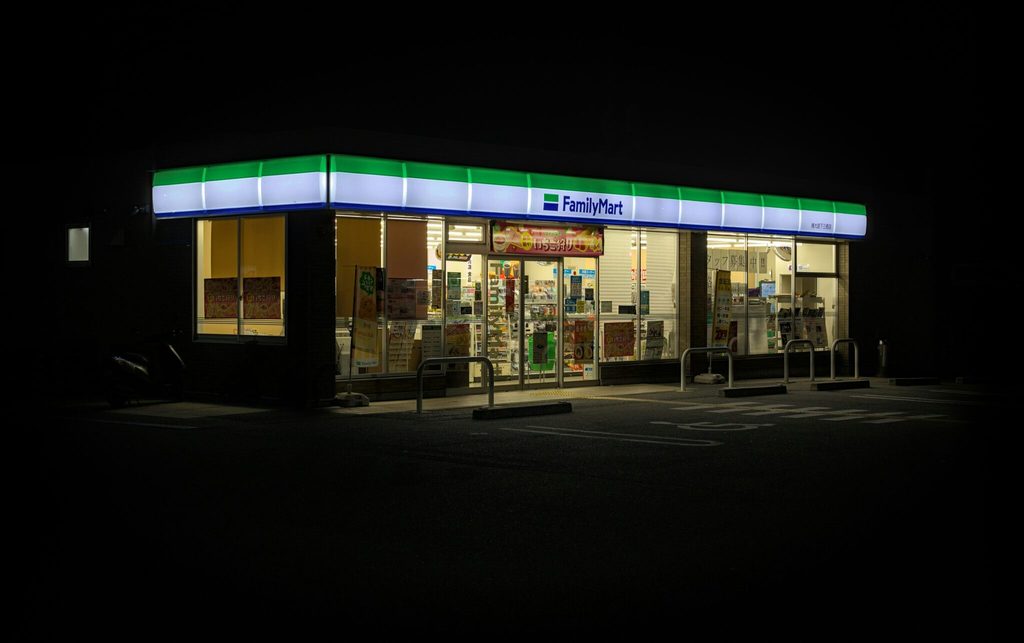
Let’s get one thing straight: Japanese convenience stores are wonderful.
We’re certainly not suggesting you skip the experience of wandering into a 7-Eleven at midnight and discovering an entire refrigerated section of surprisingly good food.
7-Eleven, FamilyMart, and Lawson are practically attractions in their own right.
Need an onigiri for breakfast? No problem. A decent coffee before catching a train? Easy. A surprisingly satisfying meal at 11 PM when every nearby restaurant has closed? They’ve got you covered.
But here’s something many first-time visitors don’t realize.
Convenience stores aren’t necessarily the cheapest places to buy everyday food in Japan.
And if you’re stopping at one three or four times a day, those small purchases can quietly eat into your travel budget.
Where to Find Cheaper Food in Japan
Instead of relying exclusively on convenience stores, look for Japanese supermarkets.
Some useful names to recognize include:
- Life (ライフ): A popular supermarket chain with fresh food, snacks, and prepared meals.
- AEON (イオン): A large retail group with supermarkets and stores across Japan.
- Seiyu (西友): Useful for groceries, everyday essentials, and ready-made food.
- OK Store (オーケー): A discount supermarket chain, particularly useful in areas where it operates.
- Gyomu Super (業務スーパー): A budget-friendly chain known for larger packs, frozen foods, and inexpensive groceries.
You’ll find different chains depending on the city and neighborhood.
The exciting part is that Japanese supermarkets aren’t just practical. They’re also genuinely interesting places to explore.
There are shelves of unfamiliar drinks, seasonal sweets, regional snacks, unusual desserts, freshly prepared sushi, and bento boxes that often look far more appetizing than anything you’d expect from supermarket food.
The Best Supermarket Trick: Look for Evening Discounts
Here’s where things get particularly interesting.
Many Japanese supermarkets discount prepared foods as closing time approaches.
You might find sushi, bento boxes, fried chicken, salads, or ready-made dinners marked down by 20%, 30%, or even 50%.
Look for these labels:
- 半額 (hangaku): Half price.
- 20%引: 20% off.
- 30%引: 30% off.
- 値引き (nebiki): Price reduction.
The exact timing depends on the supermarket, so don’t assume everything will suddenly be half-price at 7 PM.
But if you’re looking for an inexpensive dinner, it’s worth popping into a supermarket during the evening.
Our tip: Search Google Maps for スーパー (supermarket) near your hotel and save one or two convenient locations before arriving.
Best for: Budget travelers, families, longer stays, and anyone who doesn’t want to spend restaurant prices on every meal.
2. Search Google Maps in Japanese to Discover Places Other Tourists Miss
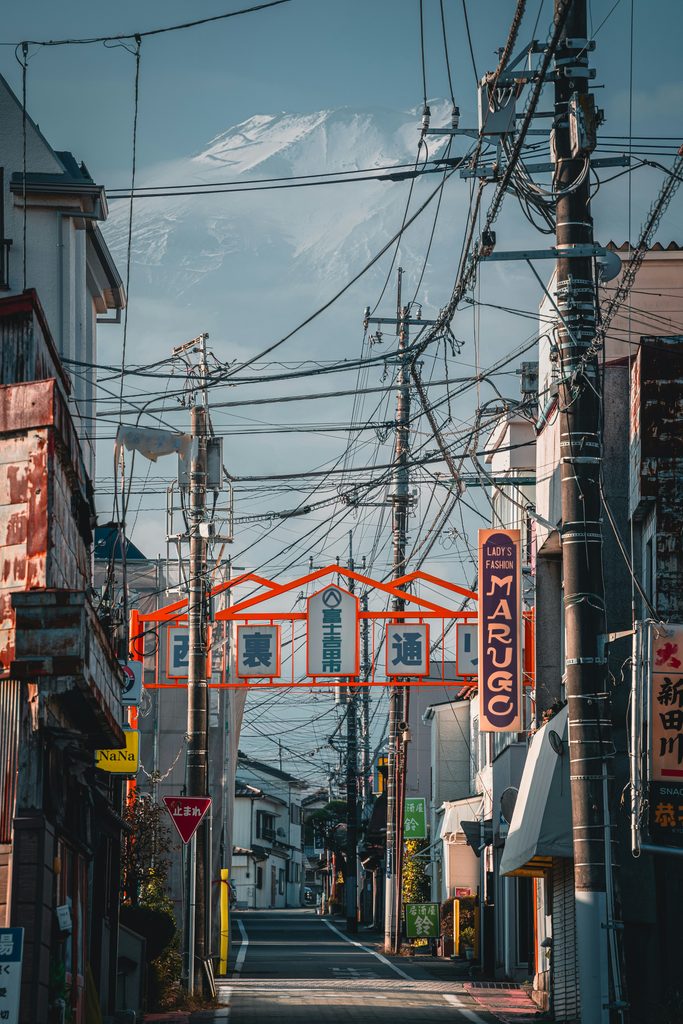
Google Maps will probably become your most-used app in Japan.
You’ll use it to find restaurants, navigate enormous train stations, locate your hotel, and work out which exit you should take from a subway station with approximately 700 of them.
Okay, perhaps not 700. But some Japanese stations certainly feel that way.
What many visitors don’t realize is that searching in Japanese can sometimes reveal places that don’t appear as prominently in English-language searches.
And no, you don’t need to learn Japanese to do this.
You just need a handful of useful words you can copy and paste.
Useful Japanese Words to Search on Google Maps
| Japanese | What to search for |
|---|---|
| スーパー | Supermarket |
| ドラッグストア | Drugstore, toiletries, cosmetics |
| 薬局 | Pharmacy, including prescription-dispensing pharmacies |
| コインロッカー | Coin lockers |
| コインランドリー | Self-service laundry |
| ラーメン | Ramen restaurant |
| 居酒屋 | Izakaya, Japanese pub |
| 焼肉 | Yakiniku, grilled meat |
| 銭湯 | Japanese public bath |
| カフェ | Café |
| 100円ショップ | 100-yen shop |
| 両替所 | Currency exchange office |
| 駅 | Railway station |
For example, imagine you’re exploring Kyoto and want to find a traditional public bath.
Searching for onsen might give you a mixture of tourist-oriented hot spring facilities and places outside the city.
Searching for 銭湯 is more likely to help you find neighborhood bathhouses.
Similarly, ドラッグストア can help you locate Japanese drugstores selling skincare, cosmetics, sunscreen, and everyday toiletries.
It’s a small trick, but a useful one.
Save More Than Just Tourist Attractions
Before leaving your hotel each morning, save the practical places you’ll need that day.
That means your hotel, a nearby station, somewhere to eat, a supermarket, and the general area where you plan to finish sightseeing.
Here’s another tip that can save you trouble.
Check which station exit Google Maps recommends.
Major Japanese stations can have dozens of exits, sometimes spread across enormous underground shopping complexes.
Choosing the wrong exit can leave you walking around several blocks or crossing busy roads unnecessarily.
Also, Google Maps isn’t infallible. Always double-check platform numbers, train destinations, and station signs, particularly when services have different stopping patterns.
Our tip: Create separate Google Maps saved lists for Tokyo, Kyoto, and Osaka. Keep restaurants and attractions grouped geographically instead of saving everything to one enormous list.
Best for: Independent travelers, food lovers, and anyone hoping to discover places beyond the usual tourist circuit.
3. A Cheap Hotel in the Wrong Location Can Cost You More Than You Save
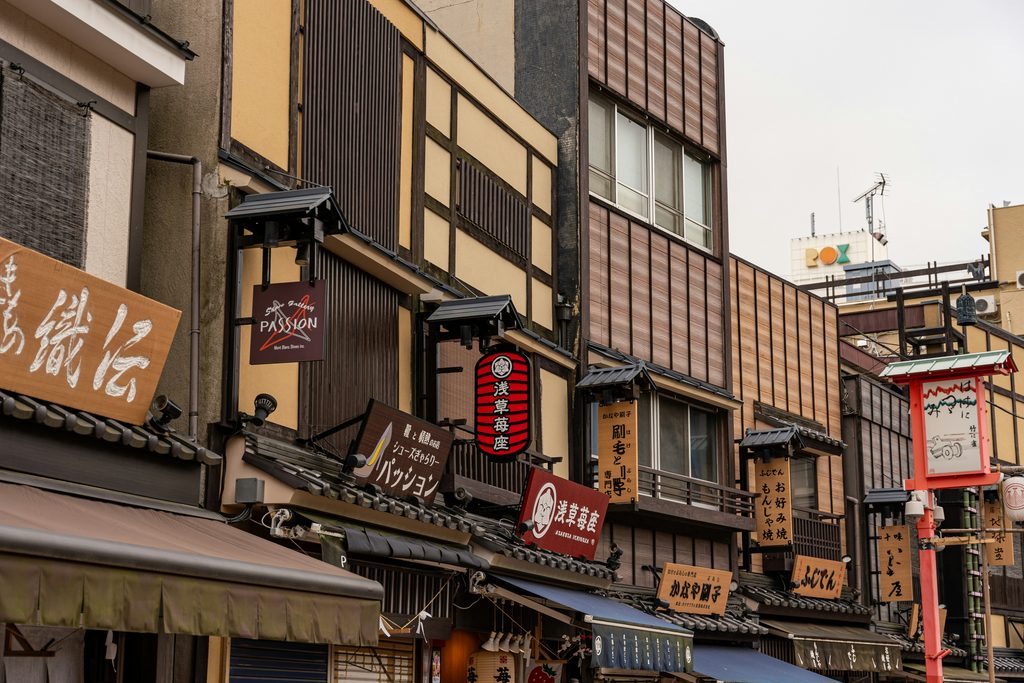
One of the biggest mistakes you can make when booking accommodation in Japan is choosing the cheapest hotel without properly checking its location.
And we understand the temptation.
You’ve already paid for international flights. There’s a long list of attractions you want to visit. You’re trying to keep your budget under control.
Then you find a perfectly decent-looking hotel that’s €20 cheaper per night than everything else.
Excellent, right?
Well, not necessarily.
Why Hotel Location Matters So Much in Japan
Imagine you’ve found a bargain hotel on the outskirts of Tokyo.
The room looks clean, the reviews are good, and you’re saving €20 a night.
But every morning, you spend 40 minutes traveling to the neighborhoods you actually want to explore.
And every evening, you have another long journey back.
Over five nights, that’s several hours spent commuting instead of sightseeing, eating, shopping, or simply enjoying Japan.
Suddenly, that bargain doesn’t look quite so attractive.
A well-located hotel can be worth more than a slightly cheaper room.
Where Should You Stay on Your First Trip to Japan?
You don’t necessarily need to stay in Japan’s most expensive or famous neighborhoods.
The important thing is finding somewhere with convenient transport connections.
Tokyo
Look for accommodation near a station with useful connections to the places on your itinerary.
Ueno, Asakusa, Shinjuku, and areas around Tokyo Station can all work well for different types of trips.
For example, Ueno is convenient for Narita Airport connections and exploring eastern Tokyo, while Shinjuku offers excellent transport connections and lively nightlife.
Kyoto
Think carefully about how you’ll get to the attractions you want to visit.
Staying around Kyoto Station can be practical if you’re making day trips or traveling with luggage.
Downtown Kyoto, around Shijo-Karasuma or Kawaramachi, can work better if you want restaurants, shopping, and central sightseeing within easy reach.
Osaka
Namba and Umeda are both convenient bases, but they offer different experiences.
Namba is excellent for nightlife, shopping, and exploring Dotonbori.
Umeda is a useful transport hub, particularly if you’re making day trips to nearby cities.
Shin-Osaka is convenient for bullet trains, although it’s not necessarily the most atmospheric place to stay.
The Three Things to Check Before Booking Any Hotel
Before clicking that booking button, check:
- Walking distance to the nearest useful station. Five minutes is excellent, but check the actual walking route rather than just the straight-line distance.
- Travel time to your main attractions. Try two or three realistic journeys in Google Maps.
- Connections for arrival and departure days. A convenient airport or Shinkansen connection is especially valuable when carrying luggage.
Don’t forget to check the most recent reviews for complaints about noise, tiny rooms, uncomfortable beds, or confusing check-in arrangements.
Japanese hotel rooms can be compact, especially in major cities. If you’re traveling with large suitcases, check the room size before booking.
Our tip: Choose your hotel based on where you’ll actually spend your days, not simply which neighborhood has the cheapest rooms.
Best for: First-time visitors, families, travelers with luggage, and anyone planning a multi-city trip.
4. You Don’t Need to Book Every Train in Japan – But Some Reservations Really Matter
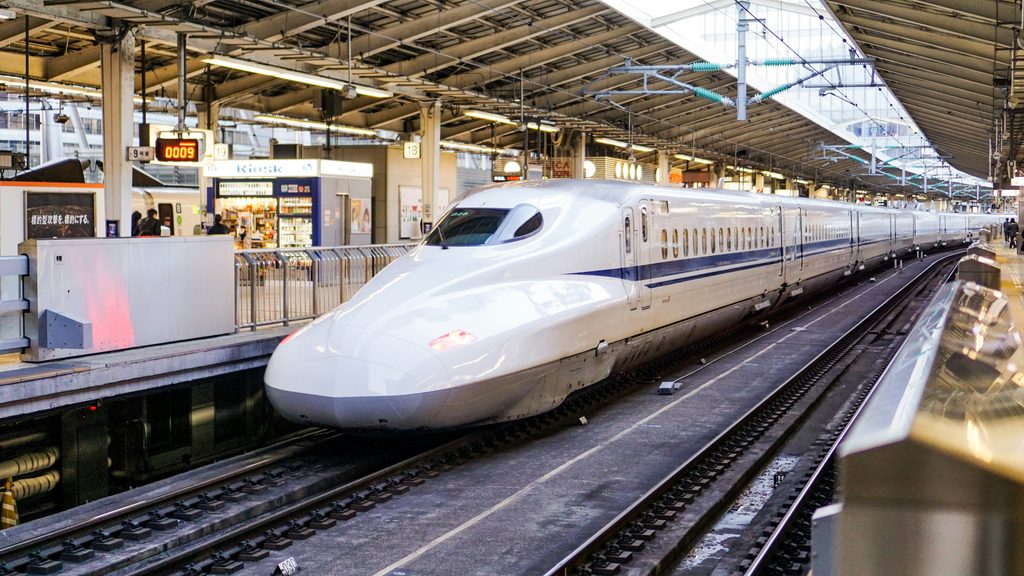
Japan’s railway system has an intimidating reputation.
There are bullet trains, local trains, express trains, subway networks, private railway companies, IC cards, rail passes, and different ticket types.
It’s enough to make anyone wonder whether they need an advanced degree in transportation engineering just to get from Tokyo to Kyoto.
Fortunately, it’s much easier than it looks.
The most important thing to understand is that not every journey requires advance planning or a seat reservation.
Trains You Usually Don’t Need to Book
For everyday travel around Tokyo, Kyoto, Osaka, and other cities, you can generally just turn up and travel.
This includes most:
- Subway services.
- Local and commuter trains.
- Ordinary city buses.
- Urban railway services without mandatory seat reservations.
An IC transport card makes this much easier.
Cards such as Suica, PASMO, and ICOCA allow you to tap in and out on many participating trains and buses.
You can also use them at many vending machines, convenience stores, and other businesses.
Our recommendation: Get a compatible IC card when you arrive, or set up a supported mobile version before your trip.
Tourist options include Welcome Suica and TOURIST PASMO, while Welcome Suica Mobile is available on compatible devices.
Just remember that an IC card doesn’t automatically replace a separate Shinkansen ticket or limited-express supplement.
Read the official Japan transport card guide
When Should You Reserve Trains in Advance?
There are several situations where booking ahead makes sense.
Long-distance Shinkansen journeys
If you’re traveling between Tokyo, Kyoto, Osaka, or Hiroshima, booking in advance is useful when you want a particular departure time or reserved seats together.
On ordinary travel days, you may find plenty of available trains, but holiday periods are a different story.
Japanese public holidays and peak travel periods
Trains can become particularly busy around Golden Week, Obon, and New Year.
The popular Nozomi Shinkansen operates with all reserved seating during designated peak periods, so don’t assume you can always board a non-reserved carriage.
Traveling with oversized luggage
This is important.
On the Tokaido, Sanyo, Kyushu, and Nishi-Kyushu Shinkansen routes, suitcases with a combined height, width, and depth exceeding 160 cm generally require a reservation for an appropriate oversized-baggage space.
For example, a suitcase measuring 80 × 50 × 35 cm has a combined dimension of 165 cm.
That means you’ll need to arrange suitable luggage space.
There is normally no additional charge for reserving the designated space with an eligible reserved-seat ticket, but boarding with oversized baggage without the required reservation can result in a fee.
Check JR Central’s official oversized-baggage rules
Long-distance buses and special transport
Highway buses, overnight buses, and some limited-capacity services are worth reserving ahead.
The same applies to certain popular tourist trains.
Don’t Automatically Buy the Japan Rail Pass
Here’s another common mistake: assuming every tourist needs a Japan Rail Pass.
That used to be a fairly straightforward recommendation for many itineraries.
Today, it’s important to calculate whether it actually saves money.
If you’re spending most of your trip in Tokyo, Kyoto, and Osaka, individual train tickets may work out cheaper.
And remember that the standard nationwide Japan Rail Pass doesn’t cover Nozomi and Mizuho services without purchasing an additional special ticket.
Our tip: Plan your intercity journeys first, compare the individual fares, and only then decide whether a rail pass is worthwhile.
Best for: Travelers visiting multiple cities, families, and anyone hoping to avoid expensive transport mistakes.
5. Don’t Build Your Entire Japan Trip Around Viral TikTok Restaurants
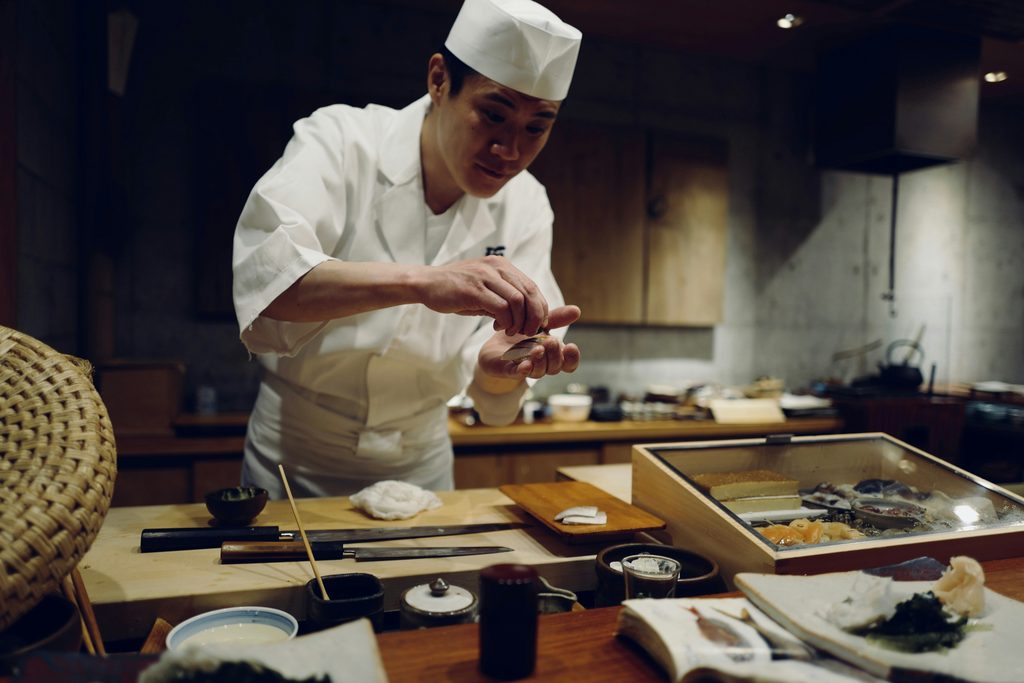
You’ve probably seen the videos.
A tiny ramen shop with an enormous queue. A café serving ridiculously fluffy pancakes. A sushi restaurant where everything looks incredible and supposedly costs almost nothing.
And naturally, you save them all.
Before you know it, you’ve got 36 restaurants marked as must-visit on Google Maps.
There’s just one small problem.
Japan is full of excellent places to eat, and the most viral restaurant isn’t necessarily the best one.
Sometimes, it’s simply the one that happens to have a good social media team.
The Problem With Viral Restaurants
Popular places can have:
- Long queues, particularly during lunch and dinner.
- Limited opening hours.
- Complicated reservation systems.
- Menus that sell out early.
- Rules requiring everyone to order a meal.
- Locations inconveniently far from your other sightseeing stops.
Imagine you’re spending the morning exploring Asakusa.
You’ve found an amazing-looking ramen restaurant on TikTok, but it’s on the opposite side of Tokyo.
You travel 45 minutes, join a queue for another hour, eat your ramen in 15 minutes, and then have to travel back.
That’s an enormous chunk of your day gone.
And the ramen might not even be better than the perfectly good restaurant you walked past near Sensoji Temple.
A Smarter Way to Find Restaurants in Japan
Instead of planning your day around individual restaurants, save several options in each neighborhood.
For example:
Shibuya: Save two ramen restaurants, one sushi option, and a casual café.
Asakusa: Save a traditional Japanese restaurant, a tempura place, and somewhere for a quick lunch.
Kyoto’s Higashiyama district: Find a few nearby restaurants that fit naturally into your temple-visiting route.
Then, when you’re hungry, open Google Maps and choose something convenient.
You’ll spend less time traveling specifically for meals and more time actually enjoying Japan.
How to Tell Whether a Japanese Restaurant Is Worth Visiting
Look beyond Instagram and TikTok.
Check Google Maps reviews, particularly recent comments about service, food quality, and waiting times.
You can also use Tabelog, one of Japan’s established restaurant-review and reservation platforms.
Remember that Japanese review scores aren’t always directly comparable with the extremely generous ratings you might be used to elsewhere.
A restaurant doesn’t need a perfect five-star rating to serve excellent food.
And don’t overlook small neighborhood restaurants, food halls, department-store basement food floors, and casual chain restaurants.
Japan has plenty of genuinely good affordable food.
Our tip: Save two or three restaurants near every major sightseeing area and treat viral restaurants as optional extras, not the foundation of your itinerary.
Best for: Food lovers, budget travelers, and anyone who doesn’t enjoy spending half their vacation standing in queues.
6. Stop Collecting Attractions and Start Making Actual Travel Decisions
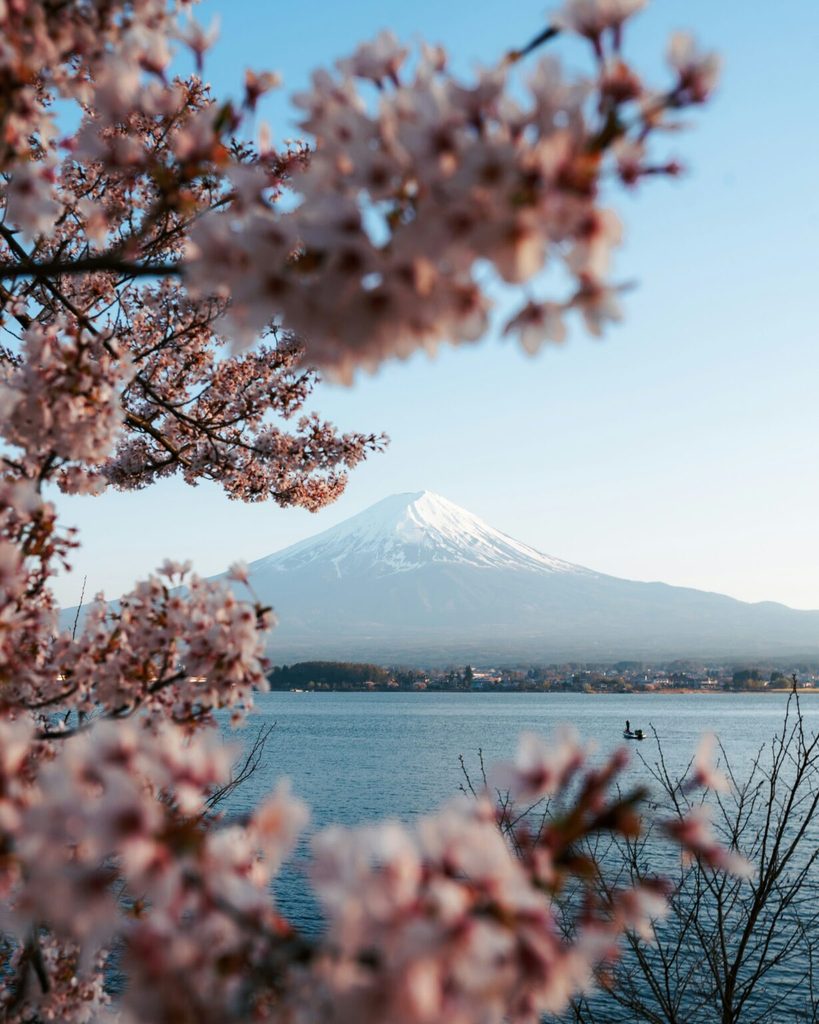
This might be the most important advice in the entire article.
A list of places you want to visit is not the same thing as a travel itinerary.
You can save every famous temple, viewpoint, café, shopping street, shrine, and restaurant in Japan.
You can spend weeks researching the best things to do in Tokyo.
But until you decide how those places fit together geographically and practically, you’re not really planning a trip.
You’re collecting possibilities.
And Japan offers a ridiculous number of possibilities.
Why First-Time Japan Itineraries Often Go Wrong
It’s tempting to imagine something like this:
Three days in Tokyo. One day around Mount Fuji. Two days in Kyoto. One day in Nara. One day in Osaka. Maybe Hiroshima. Perhaps Kobe.
Oh, and you really want to see Kanazawa.
And Nikko.
And that little village you saw in a video.
Before long, you’ve created an itinerary that looks less like a vacation and more like a military operation.
The problem isn’t that these places aren’t worth visiting.
It’s that you’re underestimating travel times, transfers, queues, walking distances, and how tiring sightseeing can become.
Plan Japan by Areas, Not Individual Attractions
Let’s take Tokyo as an example.
Instead of visiting one place in Asakusa, another in Shibuya, and then heading back across the city for something in Ueno, group nearby attractions together.
Example: A Sensible Tokyo Sightseeing Day
Spend the morning exploring Sensoji Temple and the surrounding streets of Asakusa.
Have lunch nearby.
In the afternoon, visit Ueno Park or another attraction in eastern Tokyo.
Leave the evening flexible for dinner, shopping, or something you discover along the way.
That’s a realistic day.
You won’t spend hours zigzagging across the city.
And you’ll actually have time to enjoy the places you’re visiting instead of rushing through them.
Decide These Things Before Building Your Itinerary
Start with the big decisions:
- How many nights will you spend in each city? Don’t keep changing hotels unnecessarily.
- Which attractions are your absolute priorities? Choose two or three major activities for each full day.
- Which places can you group geographically? Avoid crossing the same city repeatedly.
- Which activities need advance reservations? Book limited-entry attractions and popular experiences first.
- Where can you leave free time? Give yourself room for unexpected discoveries.
For a first trip of around ten days, a straightforward Tokyo–Kyoto–Osaka route is often more rewarding than trying to squeeze in half of Japan.
For example, you might spend four nights in Tokyo, three nights in Kyoto, and two nights in Osaka, departing on your final day.
That gives you nine nights and a manageable route, especially if you can fly into Tokyo and out of Kansai.
Naturally, the ideal balance depends on your interests.
Don’t Overestimate How Much You Can See in One Day
One of the biggest surprises for first-time visitors is how much walking a trip to Japan involves.
It’s easy to spend an entire day navigating railway stations, wandering through temple grounds, browsing shops, and exploring neighborhoods.
Those 20,000-step days add up quickly.
And after three or four packed sightseeing days, you might discover that you would quite like to sit down somewhere for an hour without feeling guilty about missing another shrine.
That’s perfectly reasonable.
Our tip: Plan two major sightseeing priorities per day, add one optional activity nearby, and leave the rest flexible.
A good itinerary should help you enjoy your trip, not make you feel as though you’re permanently running behind schedule.
7. Don’t Drag Your Suitcase Across Japan – Use Luggage Forwarding
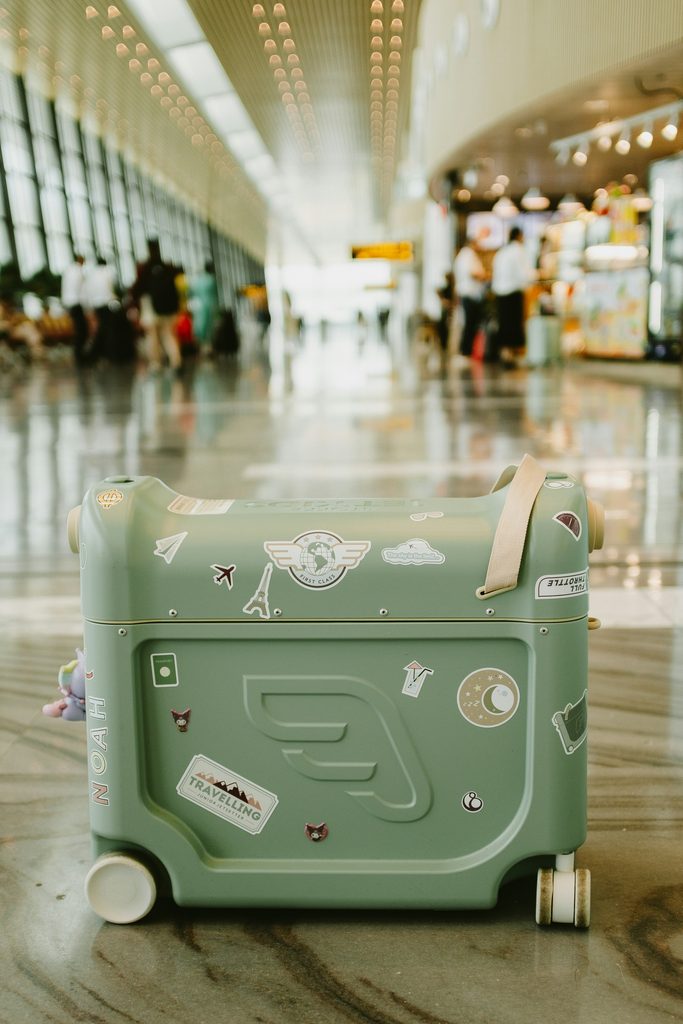
Here’s something that can make a surprisingly big difference to your trip.
Japan has an excellent luggage-delivery system that lets you send suitcases between hotels.
And once you realize how convenient it can be, dragging a giant suitcase through crowded railway stations starts looking like a very unnecessary hobby.
The service is commonly called takuhaibin, and one of the best-known providers is Yamato Transport, whose delivery service is often called TA-Q-BIN or Kuroneko Yamato.
How Does Luggage Forwarding Work in Japan?
Imagine you’re traveling from Tokyo to Kyoto.
You have a large suitcase, but you’d rather not drag it through Tokyo Station, onto the Shinkansen, and then across Kyoto.
Instead, you can ask your hotel to arrange luggage delivery to your next accommodation.
You complete a shipping form, pay the delivery fee, and hand over your suitcase.
It travels separately and is delivered to the destination.
Many hotels can help arrange this service, and designated convenience stores and airport counters also accept luggage shipments.
How Much Does Luggage Delivery Cost?
The price depends on the suitcase’s dimensions, weight, delivery distance, and the service provider.
For a typical checked suitcase traveling between major cities, budget roughly ¥2,000–¥3,500 per bag as an indicative range rather than a guaranteed quote.
Deliveries between major cities often arrive the following day, although longer routes, weather, and delivery cut-off times can affect arrival.
Some services offer same-day delivery on selected routes.
The Trick: Pack a Small Overnight Bag
Here’s what we recommend.
If you’re spending three nights in Tokyo before moving to Kyoto, send your large suitcase ahead and keep a small backpack containing:
- A change of clothes.
- Toiletries and essential medication.
- Phone chargers and electronics.
- Passport and valuables.
- Anything you might need before the suitcase arrives.
That way, you can travel comfortably without dragging a large bag around.
It’s especially useful if you’re traveling with children, visiting several cities, or planning a stop between hotels.
What About Coin Lockers?
Japan also has coin lockers at many railway stations.
Search Google Maps for コインロッカー, and you’ll often find storage facilities near major stations.
They’re useful if you have several hours between checking out of your hotel and catching your next train.
Just remember that large lockers can fill up quickly, especially in major stations and during popular travel periods.
Important: Before forwarding luggage, confirm that your destination accommodation accepts deliveries. This is particularly important for apartments, self-check-in properties, and smaller guesthouses without reception staff.
Read the official Japan luggage-delivery guide
Best for: Families, travelers with large suitcases, and anyone visiting multiple cities by train.
A Few Essentials to Sort Out Before Your First Japan Trip
The seven tips above will make traveling around Japan much easier, but there are a few basics worth arranging before you fly.
You don’t need an elaborate system. Just make sure the essentials are covered.
- Check your passport and entry requirements. Visa rules depend on your nationality, and requirements can change.
- Arrange mobile internet. A travel eSIM is convenient if your phone supports it and is unlocked. Otherwise, consider a physical SIM or pocket Wi-Fi.
- Set up an IC transport card. A compatible Suica, PASMO, or ICOCA makes everyday travel much easier.
- Carry some Japanese yen. Card payments are common in cities, but cash remains useful at smaller businesses, temples, and rural locations.
- Check which attractions require reservations. Popular museums, themed cafés, and special experiences may have limited availability.
- Download Google Translate. Its camera translation feature is particularly useful for menus, signs, and product labels.
- Save your hotel details offline. Keep the address in Japanese, a map pin, and your booking confirmation somewhere accessible without internet.
And don’t forget to check the weather for the particular regions you’re visiting.
Japan stretches across a considerable range of climates. A spring trip to Tokyo is a very different packing experience from visiting Hokkaido or Okinawa.
Frequently Asked Questions About Traveling to Japan for the First Time
Is Japan easy to travel around without speaking Japanese?
Yes. Japan is generally very manageable for independent travelers, particularly along popular routes between Tokyo, Kyoto, and Osaka. Major railway stations have English signage, and apps such as Google Maps and Google Translate make navigation much easier. Learning a few polite Japanese phrases is still helpful.
How many days do you need for your first trip to Japan?
We recommend approximately 10–14 days for a first trip if your schedule allows. That’s enough time to explore Tokyo, Kyoto, and Osaka at a comfortable pace without moving between cities every day. A shorter trip can still work well if you focus on fewer destinations.
Do I need a Japan Rail Pass for my first trip?
Not necessarily. The Japan Rail Pass can be good value for some itineraries involving substantial long-distance train travel, but individual tickets are often more economical for simpler Tokyo–Kyoto–Osaka routes. Compare the actual cost of your planned journeys before buying one.
Should I book Shinkansen tickets in advance?
For ordinary travel days, you can often purchase tickets closer to departure. However, reserving ahead is sensible if you’re traveling during busy holiday periods, need seats together, or have oversized luggage requiring designated storage space.
How much cash should I carry in Japan?
There’s no single ideal amount. Major hotels, department stores, and many restaurants accept cards, but small establishments and some rural locations still require cash. Carrying around ¥10,000–¥20,000 in accessible cash can be a practical starting point, with additional withdrawals as needed.
What is the biggest mistake first-time visitors make in Japan?
Trying to see too much in too little time. Japan has so many fascinating places that it’s tempting to overload your itinerary. Choosing fewer destinations, grouping activities by area, and leaving some unplanned time usually creates a much more enjoyable trip.
Is Japan expensive for tourists?
Japan can be expensive, especially when paying for hotels in popular neighborhoods, long-distance Shinkansen journeys, and major attractions. However, everyday food, public transport, and many sightseeing experiences can be reasonably affordable. Supermarkets, casual restaurants, and sensible hotel locations can help keep costs under control.
- 7 tips for traveling to japan for the first time (2026)
- Best Viewpoints in Osaka in 2026: 15 Amazing Observation Decks, Rooftops & Free Views
- Can Foreigners Buy Property in Japan: An Ultimate Guide How to Buy a House in 2026
- Best Viewpoints in Tokyo: 30+ Incredible Skyline Views, Rooftops & Free Observation Decks (2026)
- Best Toy Stores in Tokyo: 11 Brilliant Shops (2026)