
I spill travel tips , and show you the Japan that tourists usually miss.
Fukuoka is not usually the first place people mention when they talk about onsen in Japan. Tokyo gets the chaos, Kyoto gets the temples, Beppu gets the steam clouds, and Fukuoka is often left standing there with ramen in one hand and a perfectly good hot spring in the other. Rude, frankly.
But here is the lovely plot twist: Fukuoka has a surprisingly varied hot spring scene. We are talking riverside onsen towns, mountain resorts, island baths with sea views, historic public bathhouses, quiet ryokan retreats, and city-friendly hot springs close enough to Hakata that you can soak without turning your trip into a logistical puzzle.
Whether you want a quick bath near Fukuoka City, a scenic open-air soak under the stars, a traditional ryokan stay, or a proper countryside escape along the Chikugo River, these are some of the best hot springs in Fukuoka to add to your Kyushu itinerary.
Table of Contents
Best hot springs in Fukuoka
Kuroki Onsen

Kuroki Onsen sits deep in the green folds of southern Fukuoka Prefecture, where the mountains rise around Kuroki-machi in Yame City and the Yabe River slips through the landscape like it has somewhere secret to be. At around 460 meters above sea level, this is not your quick “oops, I accidentally wandered into a bathhouse” kind of onsen stop. This is a full nature reset.
The main base here is Greenpia Yame, a well-equipped hot spring resort with hotel rooms, cottages, a swimming pool, tennis courts, a futsal field, and a gymnasium. In other words, you can soak, sleep, swim, run around, and then soak again because clearly one bath was not enough.
The hot spring facility, Kutsurogi no Yu, uses water drawn from a private source around 1,600 meters underground. It has two large public baths and an open-air bath, with the men’s and women’s baths alternating daily. The real magic moment? Bathing outside under the starry mountain sky. Tokyo could never. Sorry, Tokyo.
The water is an alkaline simple hot spring, gentle on the skin and often associated with relaxation, fatigue recovery, cold sensitivity, neuralgia, muscle pain, and joint pain. Day visits are possible, but check the latest opening hours before you go, because mountain onsen logistics love to keep us humble.
| Information about Kuroki Onsen: Location: 10905 Kiya, Kuroki-machi, Yame City, Fukuoka Prefecture Spring temperature: 33°C Number of sources: 1 Water volume: 120 liters per minute Drinking: Not permitted Spring quality: Alkaline simple hot spring Traditionally associated benefits: Neuralgia, muscle pain, joint pain, fatigue recovery, cold sensitivity, and more Number of accommodations: 1 Access by public transport: From JR Hainuzuka Station, take the Horikawa Bus bound for Kuroki for around 40 minutes, get off at Kuroki Bus Depot, then take a taxi for around 20 minutes Access by car: Around 22 km from Yame IC on the Kyushu Expressway via National Route 442 and Prefectural Route 802 |
Hakata Onsen
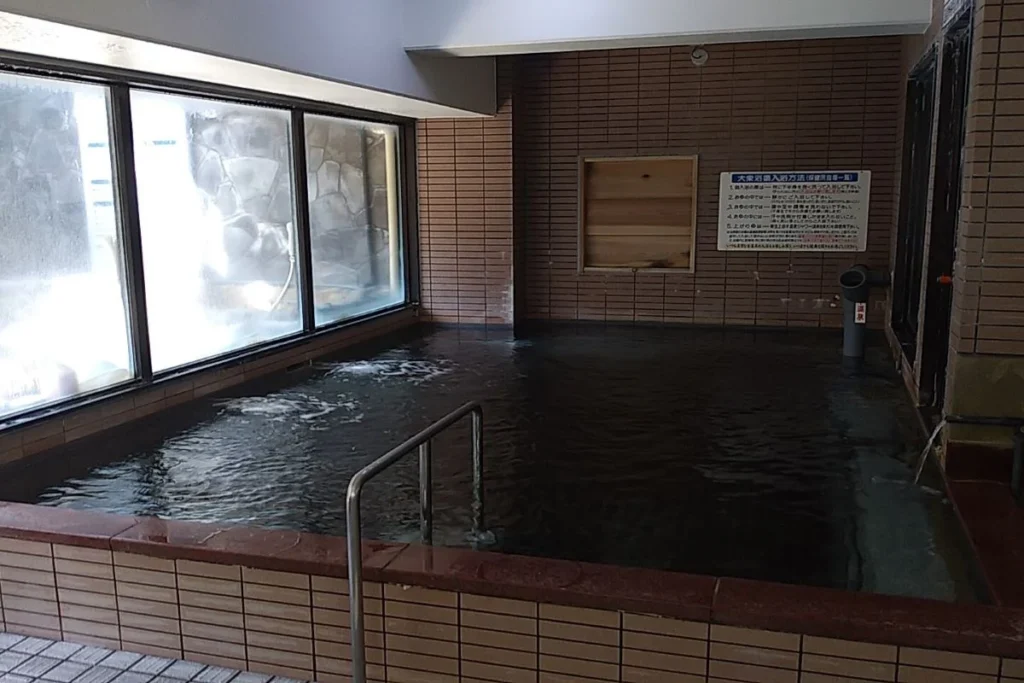
Hakata Onsen is proof that Fukuoka does not make you choose between city sightseeing and hot spring soaking. Located along the Nakagawa River, around 6 km southwest of Hakata Station, this onsen area feels surprisingly convenient. You can be in downtown Hakata, eat your weight in ramen, then escape to hot spring water without needing a dramatic mountain expedition. Very civilized..
You will find here the public bathhouse Hakata Onsen Motoyu, making this a practical stop even if you are not staying overnight. Since Hakata Onsen is close to Fukuoka Airport and easy to reach from the city, it works nicely as a base for sightseeing around Fukuoka Tower, Fukuoka PayPay Dome, and the city’s famous yatai food stalls.
The spring waters include calcium-sodium chloride springs and are traditionally associated with benefits for neuralgia, muscle pain, joint pain, cold sensitivity, fatigue recovery, frozen shoulder, chronic digestive issues, bruises, cuts, burns, skin complaints, hemorrhoids, and chronic gynecological conditions.
| Information about Hakata Onsen: Location: Miyake and Yokote, Minami-ku, Fukuoka City, Fukuoka Prefecture Spring temperature: 45.5°C to 58.6°C Number of sources: 10 Water volume: Varies by facility Drinking: Possible Spring quality: Calcium-sodium chloride spring and others Traditionally associated benefits: Neuralgia, muscle pain, joint pain, fatigue recovery, cold sensitivity, frozen shoulder, chronic digestive diseases, bruises, cuts, burns, chronic skin conditions, hemorrhoids, chronic gynecological conditions, and more Number of accommodations: 1 Access by public transport: Around 20 minutes by car from JR Hakata Station Access by car: Around 1 km from Notame Interchange on the Fukuoka Urban Expressway via National Route 385 |
Kubote Onsen
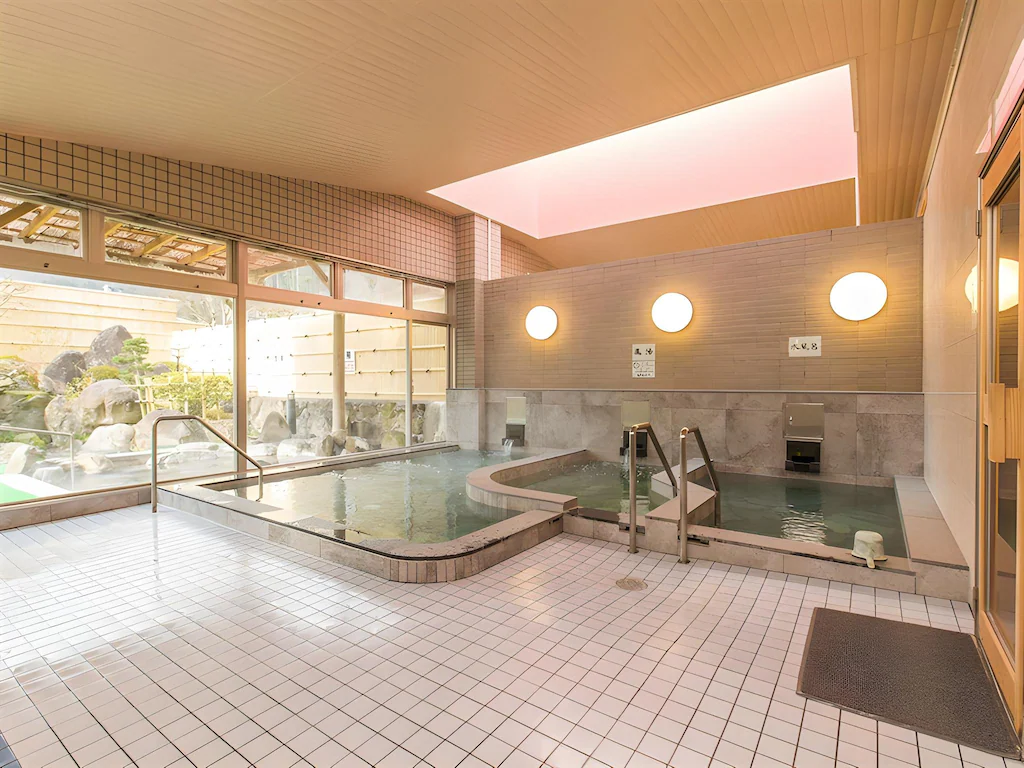
Kubote Onsen sits at the foot of sacred Mt. Kubote in Buzen City, where Fukuoka’s mountain side gets all atmospheric and quietly mythological. Mt. Kubote has long been known as a place of mountain worship, ascetic practice, and spiritual legends, including stories connected to the Karasu Tengu mentioned in the Nihon Shoki. Casual backdrop for a bath? Not exactly. We are soaking near ancient mountain-mysticism territory now.
The main inn here is Bokusen no Sato, known for its distinctive hot spring water, sometimes described as a sacred spring. After a major renovation that took around two years and was completed in 2017, the property added private baths and a beer hall while keeping the rustic mountain-village atmosphere intact. We love a glow-up that does not forget where it came from.
The baths include an open-air bath with a lovely sense of space, plus indoor baths, medicinal baths, a cold bath, and a sauna. Day visitors can also enjoy the facilities, making this a good choice if you are passing through the area and suddenly decide your muscles deserve diplomacy.
The restaurant is produced by Takakatsu, a Kyushu-based seafood restaurant group, and serves everything from local river fish raised in clear streams to seasonal seafood, mountain vegetables, and carefully selected meat dishes. You will find set meals, course menus, and à la carte options. Basically, come hungry. Arriving here “just for a bath” may become suspiciously meal-shaped.
Around the area, you can also enjoy trekking around Mt. Kubote, visiting sites connected to Kuroda Kanbei, or trying forest therapy, which uses the natural forest environment to support physical and mental wellbeing. The whole place has that deep-mountain, breathe-slower energy.
| Information about Kubote Onsen: Location: Shinose, Buzen City, Fukuoka Prefecture Spring temperature: 41°C Number of sources: 1 Water volume: 60 liters per minute Drinking: Not permitted Spring quality: Alkaline simple hot spring Traditionally associated benefits: Neuralgia, muscle pain, joint pain, fatigue recovery, cold sensitivity, frozen shoulder, bruises, chronic digestive conditions, hemorrhoids, and more Number of accommodations: 1 Access by public transport: From JR Ujima Station, take the Buzen City bus bound for Kubotai Museum for around 40 minutes, get off at Tozanguchi, then walk a short distance Access by car: Around 12 km from Buzen IC on the Higashi-Kyushu Expressway via National Route 10 and Prefectural Route 32 |
Kyukamura Shikanoshima Onsen Kin’in no Yu
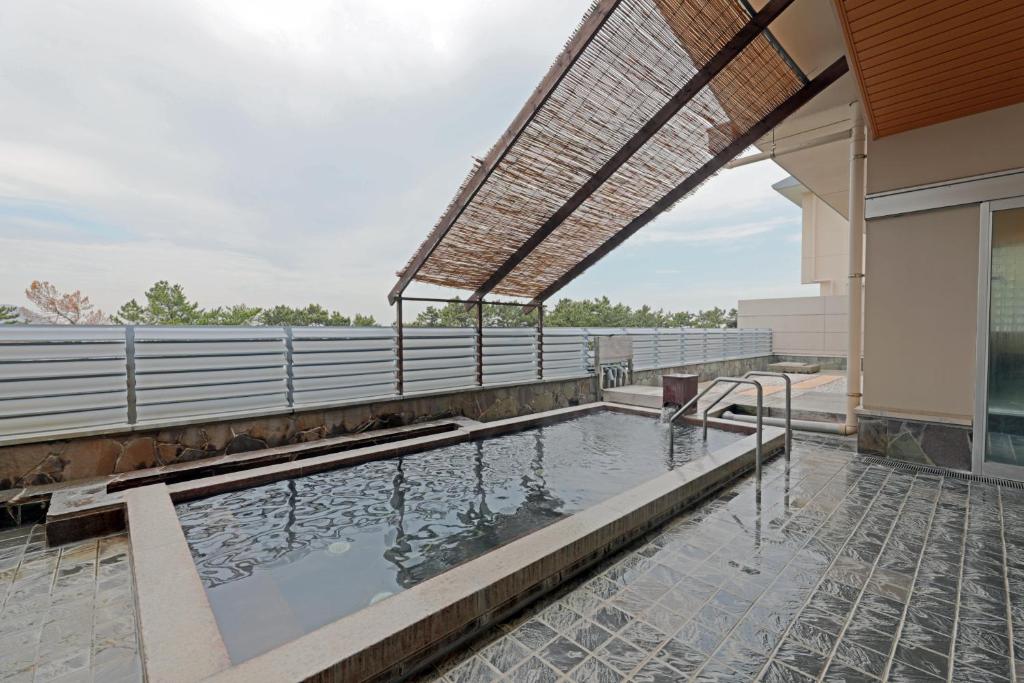
Kyukamura Shikanoshima Onsen Kin’in no Yu is the only hot spring on Shikanoshima Island, a windswept island in the Genkai Sea famous as the place where Japan’s ancient Golden Seal was discovered. So yes, this is a seaside soak with a side of historical drama. Very efficient.
The hot spring water is piped into the large public bath at Kyukamura Shikanoshima. Opened in 2005, it is a relatively modern hot spring, and its open-air bath comes with the kind of panoramic Genkai Sea view that makes you forget your inbox exists. Excellent. We support this.
The water contains a small amount of salt, helping the body retain warmth after bathing. Day-use bathing is also available, though you should check opening hours before heading out. Guests can also enjoy seafood from the Genkai Sea, making it a strong choice for anyone who believes a proper island day should include both soaking and eating something that recently knew the ocean personally.
This onsen works well as a base for relaxed coastal leisure, including driving, swimming, and exploring Shikanoshima’s scenic shoreline.
| Information about Kyukamura Shikanoshima Onsen Kin’in no Yu: Location: Katsuma, Higashi-ku, Fukuoka City, Fukuoka Prefecture Spring temperature: 37.8°C Number of sources: 1 Water volume: 250 liters per minute Drinking: Not permitted Spring quality: Sodium-calcium chloride strong saline spring Traditionally associated benefits: Neuralgia, muscle pain, joint pain, fatigue recovery, cold sensitivity, frozen shoulder, bruises, chronic digestive diseases, chronic skin conditions, cuts, burns, hemorrhoids, chronic gynecological conditions, skin beautifying effects, and more Number of accommodations: 1 Access by public transport: Around 15 minutes by scheduled shuttle bus from JR Nishitozaki Station Access by car: Around 27 km from Koga IC on the Kyushu Expressway via National Routes 3 and 495, plus Prefectural Routes 59 and 542 |
Akizuki Onsen
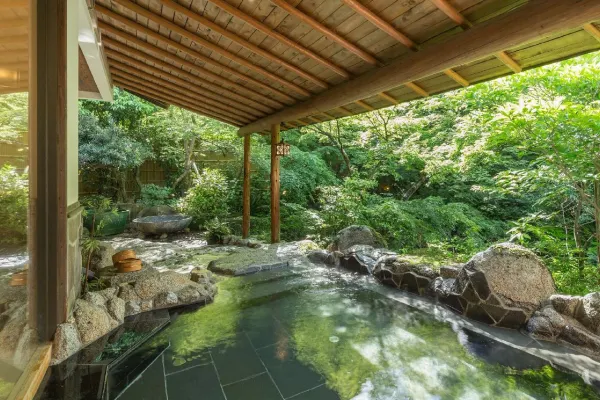
Akizuki Onsen hides in Akizuki, often called the “Little Kyoto” of Fukuoka. And yes, we know every charming historic district in Japan eventually gets called a Little Kyoto, but Akizuki earns it with quiet lanes, mountain scenery, seasonal beauty, and a mood that says, “Please walk slower. You are embarrassing yourself.”
The only inn carrying the Akizuki Onsen name is Akizuki Spa Ryokan Seiryuan, a secluded hot spring ryokan set on around 2,400 tsubo of land, or roughly 7,900 square meters. Despite the large grounds, there are only six guest rooms, which means privacy is very much part of the appeal.
Each room comes with its own private hot spring bath, surrounded by a beautiful Japanese garden. The property also has a bedrock bath and an esthetic treatment room, both requiring reservations. This is the kind of place where you do not “pop in.” You arrive, exhale, and accept that the rest of the world can manage without you for a while.
Set deep in the mountains, Seiryuan is especially good for travelers who want seasonal scenery, refined quiet, and the luxury of doing very little in a very beautiful place. A noble travel goal, frankly.
View Akizuki Onsen Ryotei Ryokan Seiryuan
| Information about Akizuki Onsen: Location: Akizuki, Asakura City, Fukuoka Prefecture Spring temperature: 31.4°C Number of sources: 1 Water volume: 70 liters per minute Drinking: Not permitted Spring quality: Alkaline simple hot spring Traditionally associated benefits: Neuralgia, muscle pain, joint pain, fatigue recovery, cold sensitivity, bruises, and more Number of accommodations: 1 Access by public transport: From Amagi Station on the Amagi Railway, take the Amagi Kanko Bus bound for Akizuki for around 18 minutes, get off at Akizuki, then walk around 10 minutes Access by car: Around 10 km from Amagi IC on the Oita Expressway via National Route 322 |
Harazuru Onsen
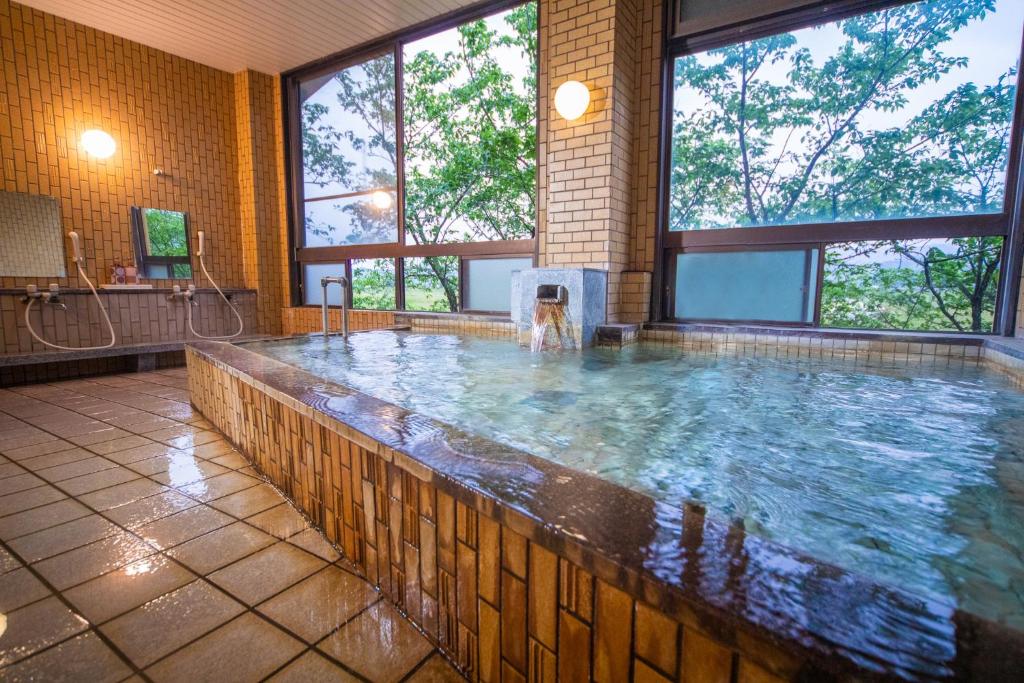
Harazuru Onsen is one of Fukuoka’s most atmospheric hot spring areas, set beside the Chikugo River, the largest river in Kyushu. It is known for its riverside scenery, traditional cormorant fishing, and hot spring waters often praised for their skin-beautifying qualities. So, yes, this place is doing quite a lot. We approve.
According to legend, Harazuru Onsen was discovered after an injured crane landed and bathed in the spring water. Whether or not the crane left a five-star review, the story stuck, and the area became known as one of Hakata’s inner retreats.
From May 20 to the end of September, visitors can watch cormorant fishing from a houseboat on the Chikugo River. In summer, the area also offers water activities such as kayaking and stand-up paddleboarding. One moment you are soaking in hot spring water; the next you are on the river pretending you have excellent balance. Travel keeps us honest.
Harazuru Onsen’s biggest pride is its water quality. The springs contain a balance of sulfur and minerals, with a gentle aroma that adds to the relaxing experience. There are around 10 hot spring facilities in the area, and some inns accept day visitors. Check bathing hours in advance, because showing up with a towel and false confidence is not a strategy.
After your bath, take a walk along the Chikugo River. The sunset reflected on the water is one of the loveliest scenes in the area, especially if you enjoy pretending you are in a slow Japanese film and not just digesting dinner.
| Information about Harazuru Onsen: Location: Haki Shiwa, Asakura City, Fukuoka Prefecture Spring temperature: 40°C to 60°C Number of sources: 22 Water volume: Varies by facility Drinking: Not permitted Spring quality: Alkaline simple hot spring, sulfur spring, bicarbonate spring, and others Traditionally associated benefits: Neuralgia, muscle pain, joint pain, fatigue recovery, frozen shoulder, cold sensitivity, bruises, chronic digestive diseases, cuts, burns, chronic skin conditions, hemorrhoids, chronic gynecological conditions, skin beautifying effects, and more Number of accommodations: 10 Access by public transport: Around 5 minutes by car from JR Chikugo-Yoshii Station Access by car: Around 4 km from Haki IC on the Oita Expressway via National Route 386 |
Chikugo River Hot Springs
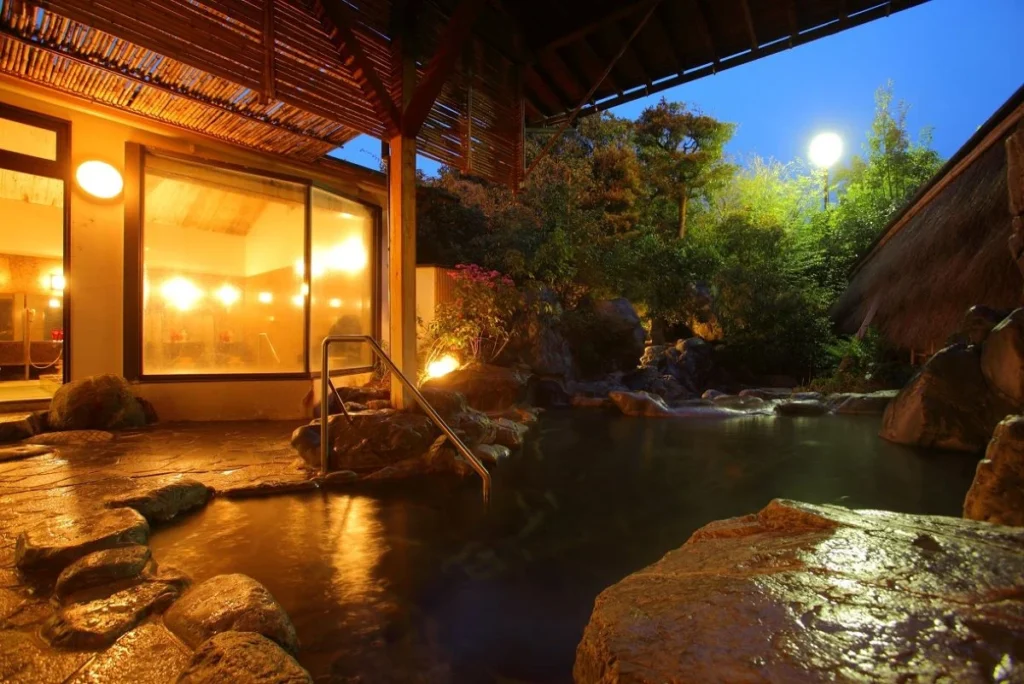
The Chikugo River Hot Springs area is a peaceful riverside onsen zone in Ukiha City, with six accommodations and a reputation for gentle, restorative waters. It was designated as a National Health Resort in 1968, thanks partly to its radium-rich hot springs and long-standing bathing culture.
Most accommodations offer day-use bathing, though operating hours vary, so check before setting off. This is not a huge neon-lit hot spring town; it is quieter, greener, and better suited to travelers who want seasonal countryside rather than souvenir chaos and mascot overload.
The surrounding area is rich in nature throughout the year. In spring, rape blossoms brighten the riverbanks; in summer, fishing becomes popular. Nearby tourist farms offer fruit picking, including strawberries, peaches, grapes, pears, and persimmons depending on the season. This means your onsen day can very easily become a fruit-picking, countryside-wandering, “how did we accidentally have the perfect day?” kind of situation.
The spring waters include alkaline simple springs and are traditionally associated with benefits for neuralgia, muscle pain, joint pain, fatigue recovery, frozen shoulder, cold sensitivity, bruises, chronic digestive issues, chronic skin conditions, cuts, burns, gout, hemorrhoids, and chronic gynecological conditions.
View accommodations in Chikugo River Hot Springs
| Information about Chikugo River Hot Springs: Location: Furukawa, Ukiha-machi, Ukiha City, Fukuoka Prefecture Spring temperature: 33°C to 44°C Number of sources: 7 Water volume: Unknown Drinking: Partially drinkable Spring quality: Alkaline simple hot spring and others Traditionally associated benefits: Neuralgia, muscle pain, joint pain, fatigue recovery, frozen shoulder, cold sensitivity, bruises, chronic digestive diseases, chronic skin conditions, cuts, burns, gout, hemorrhoids, chronic gynecological conditions, and more Number of accommodations: 6 Access by public transport: Around 5 minutes by car from JR Chikugo-Oishi Station Access by car: Around 3 km from Haki IC on the Oita Expressway via National Route 386 and Prefectural Route 52 |
Funagoya Onsen
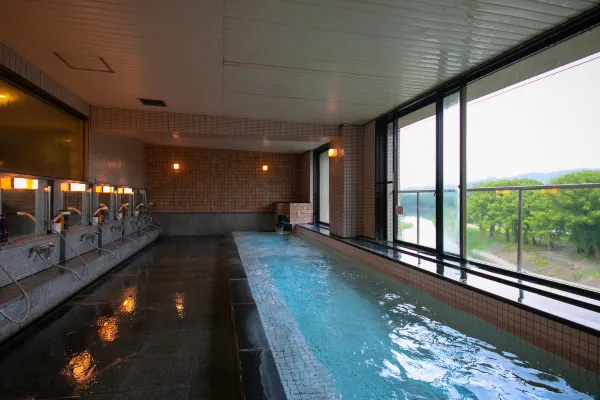
Funagoya Onsen sits near the meeting point of the Yabe River and Matsunaga River in southern Fukuoka Prefecture, and it is famous for something a little unusual: carbonated spring water with one of the highest carbon dioxide content levels in Japan. Yes, fizzy hot spring energy. Nature is weird. We love nature.
The iron-rich carbonated spring water has long attracted visitors and has traditionally been associated with gastrointestinal health and chronic constipation relief. At the Funagoya Hot Spring site, the mineral spring water can be enjoyed free of charge year-round. Always follow local guidance if drinking mineral spring water, because onsen water is not a casual “sip and see what happens” situation.
One of the best-known accommodations is Hotel Higuchi-ken, a long-established inn founded in 1886. Its bath overlooks the Yabe River and lets guests enjoy the area’s distinctive carbonated spring water. For day trips, Funagoya Koibotaru Onsenkan is a popular option, with bathing facilities, a souvenir shop selling local agricultural products and seafood, and a free footbath.
Access has improved thanks to Chikugo-Funagoya Station becoming a stop on the Kyushu Shinkansen. Translation: this onsen is much easier to work into a Fukuoka or Kyushu itinerary than its relaxed riverside mood might suggest.
| Information about Funagoya Onsen: Location: Funagoya Onsen, Chikugo City, Fukuoka Prefecture Spring temperature: Varies by facility Number of sources: Unknown Water volume: Varies by facility Drinking: Possible at the mineral spring site Spring quality: Iron-containing carbonated spring, carbon dioxide spring, and hot spring as defined by the Hot Spring Law Traditionally associated benefits: Neuralgia, muscle pain, joint pain, fatigue recovery, cold sensitivity, bruises, heart conditions, gastrointestinal diseases, cuts, diabetes, and more Number of accommodations: 3 Access by public transport: From JR Chikugo-Funagoya Station, take the Nishitetsu bus bound for Funagoya for around 5 minutes and get off at the final stop Access by car: Around 5 km from Yame IC on the Kyushu Expressway via National Routes 442 and 209 |
View accommodations in Funagoya Onsen
Futsukaichi Onsen
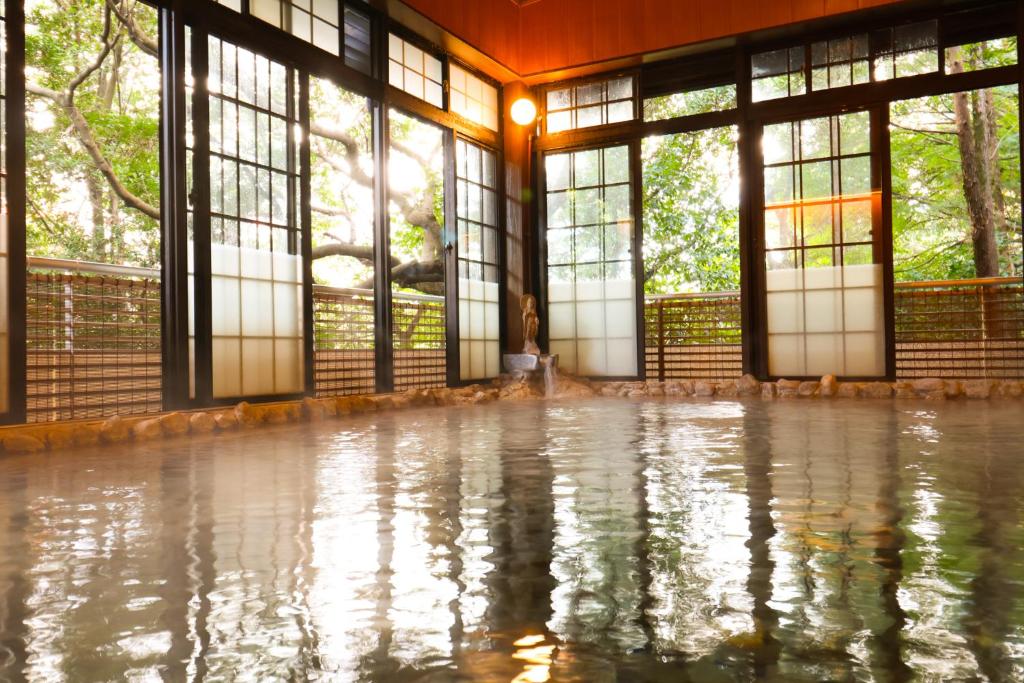
Futsukaichi Onsen is one of those historic hot springs that makes a modern spa day look like a recent hobby. With more than 1,300 years of history, it is even mentioned in the Manyoshu, Japan’s oldest poetry anthology. So yes, people were writing poems and soaking here while the rest of us were not even close to existing.
During the Nara period, literary figures such as Otomo no Tabito and Yamanoe no Okura are said to have visited for therapeutic bathing. In modern times, writers and poets including Natsume Soseki and Takahama Kyoshi also came here. During the Edo period, Futsukaichi Onsen was favored by the Fukuoka domain, giving the area a long and layered cultural pedigree.
The hot spring town still has two reasonably priced public baths, Hakata-yu and Gozen-yu, making it easy to experience the waters without staying overnight. But if you want the full historic-ryokan atmosphere, Daimaru Bessou is the classic name. Founded in 1865, this long-established inn has a Japanese garden of about 3,500 tsubo, or roughly 11,500 square meters, and has hosted members of the imperial family and other notable guests.
There are around seven accommodations scattered through the hot spring town, ranging from luxury ryokan to business hotels with hot spring baths. It is a good choice if you want history, easy access, and a proper onsen experience without disappearing too far into the mountains.
| Information about Futsukaichi Onsen: Location: Yumachi, Chikushino City, Fukuoka Prefecture Spring temperature: Around 54°C, depending on the source Number of sources: Unknown Water volume: Varies by facility Drinking: Not permitted Spring quality: Alkaline simple hot spring, radioactive spring Traditionally associated benefits: Neuralgia, muscle pain, joint pain, fatigue recovery, frozen shoulder, cold sensitivity, cuts, burns, bruises, chronic digestive diseases, hemorrhoids, and more Number of accommodations: 7 Access by public transport: Around 5 minutes by car from JR Futsukaichi Station Access by car: Around 2 km from Chikushino IC on the Kyushu Expressway via Prefectural Route 31 |
FAQs About Hot Springs in Fukuoka
Does Fukuoka have hot springs?
Yes, Fukuoka has several hot spring areas, including Hakata Onsen, Futsukaichi Onsen, Harazuru Onsen, Chikugo River Hot Springs, Funagoya Onsen, and more rural retreats such as Kuroki Onsen and Akizuki Onsen. It may not be as famous for onsen as Beppu or Yufuin, but Fukuoka has a surprisingly good mix of city baths, historic hot springs, riverside ryokan, and nature-based retreats.
What is the best hot spring near Fukuoka City?
Hakata Onsen is one of the easiest hot spring areas to visit from central Fukuoka. It is located around 6 km southwest of Hakata Station and can be reached in about 20 minutes by car. Futsukaichi Onsen is another convenient choice, especially if you want a more historic hot spring town feel without traveling too far from the city.
Can you visit Fukuoka hot springs as a day trip?
Yes, many hot springs in Fukuoka can be visited as day trips. Hakata Onsen, Futsukaichi Onsen, Harazuru Onsen, Chikugo River Hot Springs, Funagoya Onsen, Kuroki Onsen, and Kyukamura Shikanoshima Onsen all have facilities or inns that may allow day-use bathing. Opening hours and day-bath availability can change, so always check directly with the facility before you go.
Which Fukuoka onsen is best for a ryokan stay?
For a refined ryokan stay, Akizuki Onsen Ryotei Ryokan Seiryuan is a beautiful choice, with only a small number of rooms and private hot spring baths. Harazuru Onsen is better if you want a classic riverside onsen town with several accommodation options. Futsukaichi Onsen is a good pick if you want history, easy access, and long-established inns such as Daimaru Bessou.
Which hot spring in Fukuoka has the best view?
Kyukamura Shikanoshima Onsen Kin’in no Yu is one of the best choices for sea views, with an open-air bath overlooking the Genkai Sea. Harazuru Onsen is lovely for riverside scenery along the Chikugo River, especially around sunset. Kuroki Onsen is ideal if you prefer mountain scenery and a quiet, nature-focused setting.
Are there hot springs near Hakata Station?
Yes. Hakata Onsen is located about 6 km southwest of Hakata Station and is one of the closest hot spring options to central Fukuoka. It works well if you want a simple soak without leaving the city area for a full day.
Which Fukuoka onsen is good for families?
Greenpia Yame at Kuroki Onsen is a family-friendly option because it has accommodation, hot springs, a pool, tennis courts, a futsal field, and other leisure facilities. Kyukamura Shikanoshima can also work well for families who want a seaside stay with hot springs, seafood, and outdoor activities such as driving or swimming.
Which Fukuoka hot spring is best for history?
Futsukaichi Onsen is one of the most historic hot springs in Fukuoka, with more than 1,300 years of history and references in the Manyoshu, Japan’s oldest poetry anthology. It has been visited by literary figures, artists, and important historical guests over the centuries. Akizuki Onsen is also a good choice if you want a historic “Little Kyoto” atmosphere.
What is the most unusual hot spring in Fukuoka?
Funagoya Onsen is one of the most unusual hot springs in Fukuoka because it is known for its iron-rich carbonated spring water, with one of the highest carbon dioxide content levels in Japan. The mineral spring water has traditionally been associated with gastrointestinal health, and some facilities offer distinctive carbonated baths.
Do you need to stay overnight to enjoy onsen in Fukuoka?
No, you do not always need to stay overnight. Several Fukuoka hot springs offer day-use bathing, including public bathhouses, hotel baths, and onsen facilities. However, if you want the full ryokan experience with dinner, breakfast, private baths, and slower countryside time, staying overnight is absolutely worth it.
- Nagoya rainy day with kids in 2026 (Cool Indoor Things to Do )
- Best Gachapon in Tokyo (2026): 20 Places to Find Capsule Toys
- All Japanese KitKat Flavours List: The Ultimate Japan KitKat Guide
- Sapporo rainy day with kids (2026): 7 Cool Indoor Things to Do
- What To Do In Arashiyama With Kids: A Realistic One-Day Family Itinerary