
I spill travel tips , and show you the Japan that tourists usually miss.
Thinking about moving to Japan’s capital? Discover the real pros and cons of living in Tokyo—from career opportunities and endless entertainment to high costs, crowded trains, and city life challenges.
Planning More Tokyo Life and Travel Adventures?
Living in Tokyo sounds glamorous until we remember the rent, the crowds, the tiny apartments, and the train system that looks like a bowl of noodles had a nervous breakdown. But then Tokyo gives us safe streets, brilliant food, spotless convenience stores, neon nights, quiet temples, and neighborhoods so good we forgive almost everything. Use these guides to understand the city better — whether you’re moving, staying longer, or just testing the fantasy.
- Best Neighborhoods to Visit in Tokyo — the best next click if you want to understand Tokyo’s many personalities, from polished Ginza to chaotic Shinjuku and quieter local corners.
- Where to Stay in Tokyo — useful if you’re comparing areas, hotel bases, transport convenience, and the eternal question of whether Shinjuku is worth the chaos.
- How to Get Around Tokyo — practical help for trains, subways, IC cards, airport transfers, and surviving the map without emotionally folding.
- Best Places to Eat in Tokyo — because one of Tokyo’s biggest pros is food, and one of its biggest problems is choosing where to eat first.
- Japanese Konbini Guide — perfect for understanding the everyday convenience-store magic that makes Tokyo life dangerously easy.
- 3 Days in Tokyo Itinerary — handy if you want a short, structured route through Tokyo’s classic sights, food stops, and first-time highlights.
- One Day in Tokyo — ideal for testing the city at full speed when you only have one day and unreasonable ambitions.
- Unusual Things to Do in Tokyo — for the weird, wonderful, niche, and very Tokyo experiences that make living here feel like a side quest generator.
- Nightlife in Tokyo — useful for bars, clubs, late-night neighborhoods, and the version of Tokyo that wakes up properly after dark.
- Best Japan Itinerary — the bigger-picture guide if Tokyo is just the start and you’re wondering where life, travel, and train lines should take you next.
Table of Contents
The Biggest Advantages of Living in Tokyo
1. Endless Job and Education Opportunities
Tokyo is Japan’s economic engine. With about 260,000 companies (15.2% of the entire country’s total), the job market here is unmatched. There are countless roles across industries—from finance and tech to publishing and design—that you simply won’t find in smaller cities.
And it’s not just jobs. Tokyo is home to 138 universities, meaning you can study everything from mainstream programs to niche fields, and even take classes taught by world-renowned professors.
Note: If you study in Japanese: it’s tough. Academic Japanese is dense, full of kanji, and professors often assume native-level fluency. You’ll need JLPT N1 (the highest level) to survive most programs.
If you study in English: many universities (like Sophia, Temple University Japan, or international tracks at Waseda and Tokyo University) offer full programs in English. These are more accessible, though still academically challenging.
2. Higher Salaries
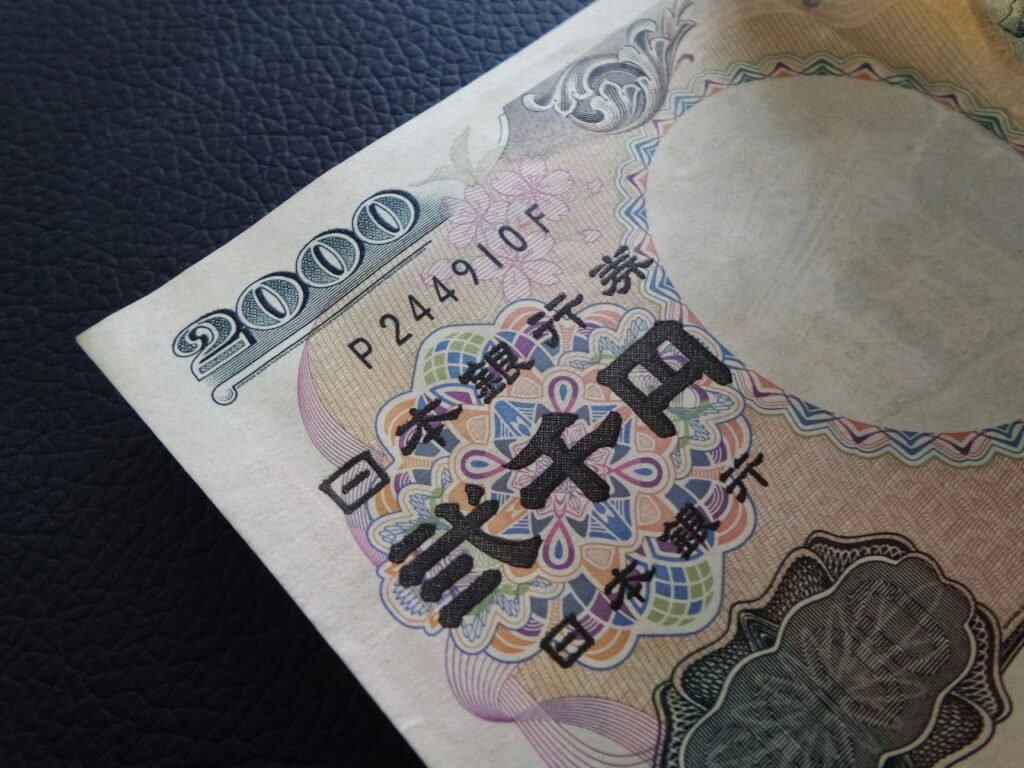
Money talks—and in Tokyo, it talks louder. Wages here are consistently higher than in the rest of Japan. The current minimum wage is 1,072 yen per hour, the highest in the nation.
For new graduates, the average starting salary is about 210,000 yen for university grads, 200,000 yen for junior college grads, and 180,000 yen for high school grads (before overtime pay and allowances). Many companies that include fixed overtime pay add another 30,000–50,000 yen on top.
3. Easy Access to Seminars and Skill-Building
Tokyo is a hub of learning outside of universities too. Free or low-cost seminars happen constantly—on everything from coding to design to marketing.
4. The Prestige of Living in Tokyo

Let’s be honest—sometimes it just feels good to say “I live in Tokyo.” Friends and relatives often see it as a mark of success.
5. No Car Required

In rural areas, life without a car feels impossible. Between gas, insurance, inspections, and repairs, vehicles are a money sink. Tokyo flips that equation.
READ OUR POST: How to Get Around Tokyo as a Tourist: 3 Easy and Stress-Free Ways to Explore the City
6. Meeting People from All Over the World

Tokyo isn’t just a Japanese city—it’s an international city. Whether at work, in your neighborhood, or even at your local café, you’ll meet people from every corner of the globe.
7. Always on the Cutting Edge
If you’re in fashion, design, or tech, Tokyo is a playground. Trends hit here first, and often much earlier than in the rest of Japan.
From food and retail to new services, Tokyo is where innovation debuts.
8. Instant Access to TV-Featured Shops
Ever see a restaurant or café on TV and wish you could try it? In Tokyo, you actually can—sometimes the very next day.
9. Long Store Hours (and Plenty of 24/7 Options)

Need groceries at 11 pm? Want breakfast at dawn? In Tokyo, no problem.
Many supermarkets stay open until midnight, countless restaurants close late, and convenience stores are literally everywhere. Tokyo makes life more flexible.
10. Instagrammable Spots Everywhere

For influencers and content creators, Tokyo is paradise. Cafés with gorgeous interiors, themed restaurants, colorful side streets, hidden shrines—every corner can be photo-worthy.
11. Non-Stop Events
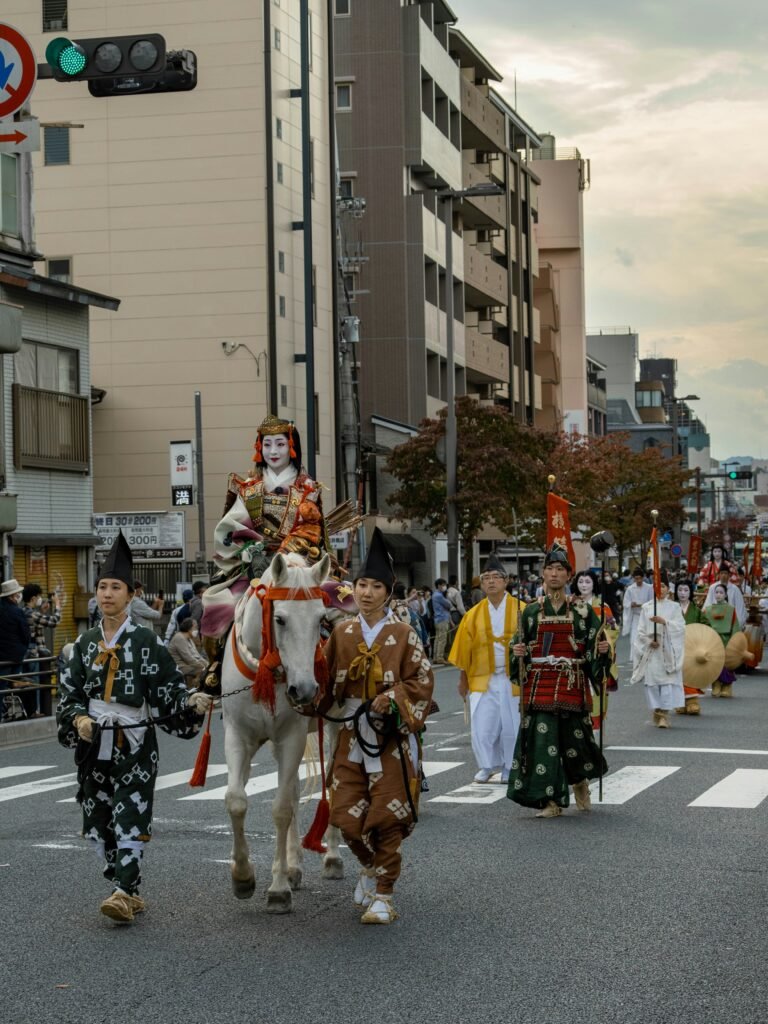
From concerts and theater performances to exhibitions and food fairs, Tokyo is buzzing every single day.
12. Plenty of Entertainment Options
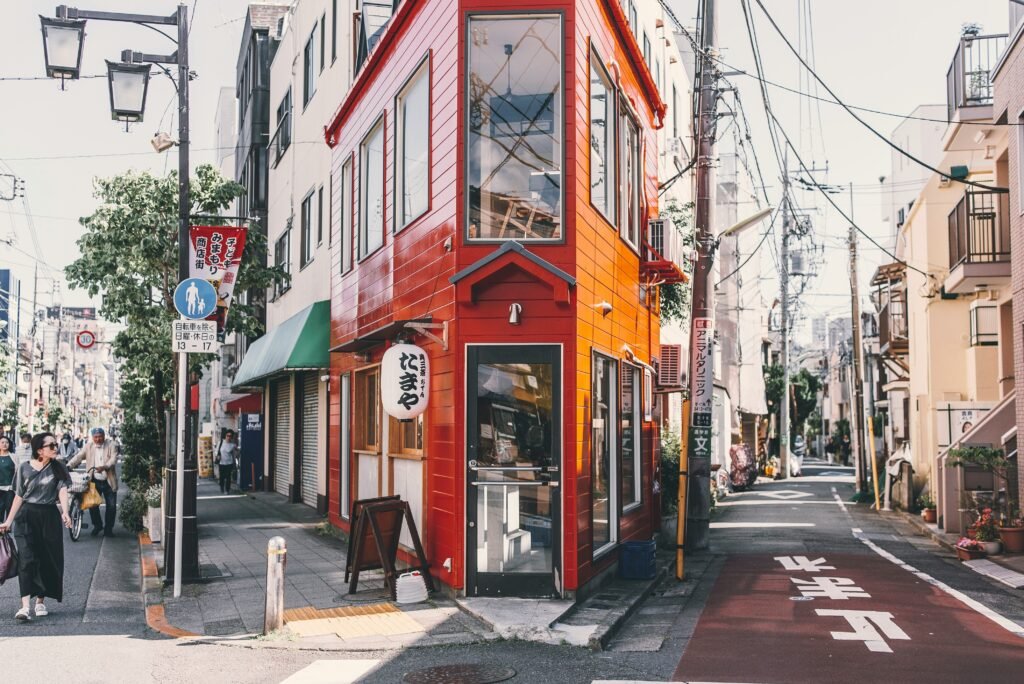
Dating, hanging out with friends, or just spending a free afternoon—you’ll never run out of choices. Karaoke, bowling, darts, billiards, arcades, theme parks like Disney or Sanrio Puroland… Tokyo offers endless possibilities.
13. Respect for Privacy
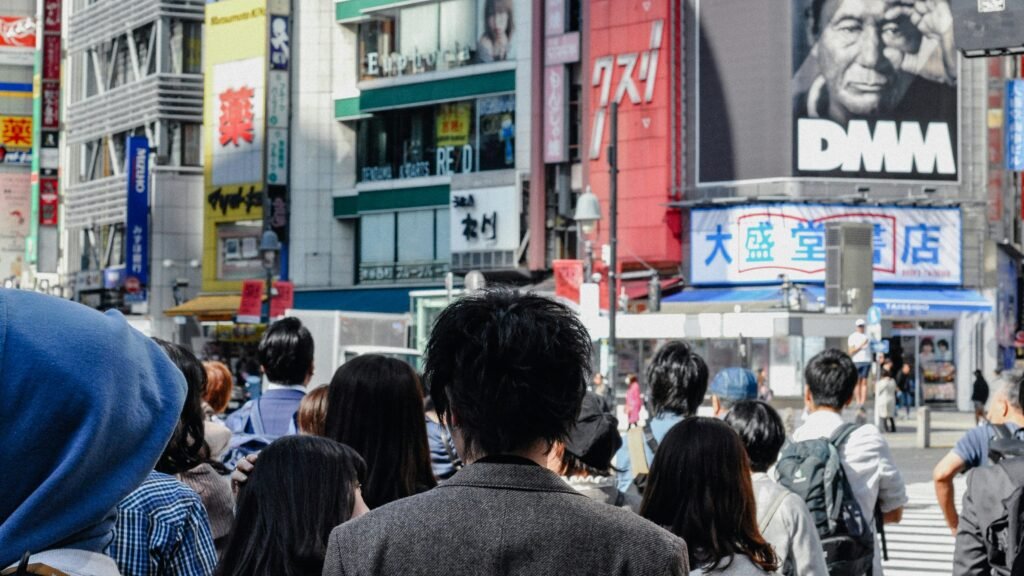
Tokyoites are often called “cold,” but many residents see this as a blessing. Unlike in small towns, where everyone asks about your job, relationships, or future, people here keep a respectful distance.
14. High Chances of Celebrity Sightings
Tokyo is the center of Japanese entertainment. It’s not unusual to see filming happening right on the street—or to run into celebrities casually shopping in neighborhoods like Roppongi or Nishiazabu.
15. Walking Becomes Exercise
With stations so close together, you’ll often find yourself walking instead of riding.
Even if you choose to live farther from the station for cheaper rent, the extra walking doubles as daily exercise.
16. Taxis Are Always Available

Tokyo has cabs circulating 24/7. On main streets, raising your hand is all it takes.
The Downsides of Living in Tokyo
But it’s not all glamour. Residents also point out serious challenges:
- Rent and living costs are high
- Crowds everywhere
- Rush-hour trains are exhausting
- Too many train lines (easy to get lost)
- Maze-like stations
- Many exploitative “black companies”
- Fierce job competition
- Countless temptations to overspend
- Frequent incidents and safety concerns
- Persistent street solicitors
- Extreme summer heat and harsh winter winds
- Air pollution and unappealing tap water
- Loneliness if you don’t make friends
- Expensive travel costs when visiting family
Cost of Living and Practical Tips
- Average monthly living expenses: 155,000 yen
- Minimum safe monthly income: 180,000 yen (20,000 yen is more comfortable)
- Moving costs: at least 500,000 yen upfront (including rent deposits, moving company fees, furniture, and first month’s expenses)
Rent rule: keep it under ¼ of your take-home salary, especially when you’re new to living alone. For example, if your take-home pay is 200,000 yen, aim for rent under 50,000 yen.
Affordable districts include Nerima, Itabashi, Katsushika, and Edogawa. Many first-time residents choose these areas for cheaper rent and reasonable access.
Who Thrives in Tokyo—and Who Doesn’t
Tokyo is right for you if:
- You’re ambitious and career-driven
- You want higher earnings
- You love being at the cutting edge of trends
- You thrive in busy, dynamic environments
- You prefer distance in social relationships
Tokyo may not suit you if:
- You don’t have clear goals here
- You’re prone to homesickness
- You dream of quiet, nature-filled living
- You struggle with budgeting and self-control
- You absolutely need a car
- Nagoya rainy day with kids in 2026 (Cool Indoor Things to Do )

- Best Gachapon in Tokyo (2026): 20 Places to Find Capsule Toys

- All Japanese KitKat Flavours List: The Ultimate Japan KitKat Guide
- Sapporo rainy day with kids (2026): 7 Cool Indoor Things to Do
- What To Do In Arashiyama With Kids: A Realistic One-Day Family Itinerary