I spill travel tips , and show you the Japan that tourists usually miss.
Planning to explore Japan by train? Discover everything you need to know about getting around Japan by train—JR Pass tips, bullet trains, local routes, and how to save money while traveling efficiently across the country.
Planning more Japan train adventures? Read these next
- Beginner’s Ultimate Guide To The Shinkansen Train In Japan
- Is Japan Rail Pass Worth It?
- Suica Card: Japan’s Iconic IC Travel Card And How To Use It
- How To Get Around Tokyo As A Tourist
- Ultimate Guide To Riding Shinkansen With Kids
- Best Apps For Japan Travel
- Best Japan Itinerary: Routes, Costs & Travel Tips
- Two Weeks In Japan Itinerary
Table of Contents
Traveling Japan by Train in 2026: The Complete Guide to Planning Your Trip
Japan by train sounds romantic, doesn’t it? We glide past rice fields, mountains, vending machines, neon cities, tiny rural stations, and one suspiciously perfect bento box, all while the train arrives so precisely on time that your home country’s railway system starts looking like performance art.
And honestly? The train is still the easiest, most reliable, and most useful way to travel around Japan in 2026. The network is huge, safe, clean, frequent, and wonderfully practical once you understand how the pieces fit together. The catch — because of course there is one — is that Japan’s rail system can feel like a puzzle box on your first trip.
JR lines, private railways, Shinkansen tickets, IC cards, reserved seats, regional passes, oversized luggage rules, station lockers, platform numbers, train names that sound like anime characters — it is a lot. But don’t panic. We’re going to untangle it calmly, with snacks.
This guide explains how to travel Japan by train in 2026, how the JR Pass works now, when regional passes make more sense, how to use IC cards like Suica and PASMO, how to ride the Shinkansen, and how to survive Japanese mega-stations without spiraling into existential despair near Exit B17.
JR Lines and the Japan Rail Pass
Let’s start with the big beast: JR, or Japan Railways. JR was created after the privatization of Japan National Railways in 1987, and today it operates much of the country’s long-distance rail network, including many local lines, limited express trains, and most Shinkansen routes.
For travelers, JR matters because the famous Japan Rail Pass only works on JR-operated services. It does not magically unlock every train, subway, tram, bus, cable car, ropeway, and mysterious mountain vehicle in Japan. We wish. Japan said no.
The JR Network
Japan Railways is divided into six regional passenger companies: JR Hokkaido, JR East, JR Central, JR West, JR Shikoku, and JR Kyushu.

This regional split matters because it affects which passes you can buy and where they are valid. A JR Kyushu pass, for example, is designed for Kyushu. It will not help you casually hop around Hokkaido like a rail-funded wizard. Regional passes are brilliant, but they are territorial little creatures.
National JR Pass vs Regional JR Passes
The national Japan Rail Pass is the best-known rail pass for foreign visitors. It gives unlimited travel on many JR trains across Japan for 7, 14, or 21 consecutive days, depending on which version you buy.
But here is the 2026 reality check: the national JR Pass is no longer an automatic bargain. After the major price increase in 2023, and with another agency-price increase coming from October 1, 2026, you really need to calculate before buying. The pass can still be worth it if you are covering long distances quickly — think Tokyo, Kyoto, Hiroshima, Fukuoka, maybe a dramatic detour because why sleep? — but for slower trips, one-region itineraries, or city-based travel, individual tickets or regional passes often win.
As of early 2026, the official national JR Pass prices are:
- 7-day Ordinary Pass: ¥50,000 adult / ¥25,000 child
- 14-day Ordinary Pass: ¥80,000 adult / ¥40,000 child
- 21-day Ordinary Pass: ¥100,000 adult / ¥50,000 child
- 7-day Green Car Pass: ¥70,000 adult / ¥35,000 child
- 14-day Green Car Pass: ¥110,000 adult / ¥55,000 child
- 21-day Green Car Pass: ¥140,000 adult / ¥70,000 child
From October 1, 2026, JR Group has announced higher prices for passes bought through overseas JR-designated agencies. The official online reservation service is expected to keep the current prices for a limited time, so in late 2026 the place where you buy your pass may affect the price. Yes, because travel planning needed one more spreadsheet. Naturally.
Before buying, check your itinerary using Japan Travel by Navitime or Jorudan. These tools show routes, times, transfers, and ticket prices, which makes them perfect for figuring out whether the pass actually saves money or just looks impressive in your inbox.
If the national JR Pass does not pay off, look at regional JR passes. These can be excellent value if your trip focuses on one part of Japan, such as Kansai, Kyushu, Tohoku, Hokkaido, or the Sanyo-San’in area. Regional passes often cover routes the national pass also covers, but at a lower price and with more sensible geography.
One important detail: some regional JR passes have different rules from the national pass. For example, the Sanyo-San’in Area Pass includes travel on Nozomi and Mizuho trains within its valid area, while the national JR Pass requires a separate Nozomi/Mizuho supplement ticket if you want to ride those fastest services.
Example: When Regional Passes Beat the National JR Pass
Let’s say we are spending around three weeks in Japan and focusing mainly on western Japan and Kyushu. Instead of buying one 21-day national JR Pass, it may be cheaper to combine a 7-day Sanyo-San’in Area Pass with one or more Kyushu regional passes, depending on the exact route.
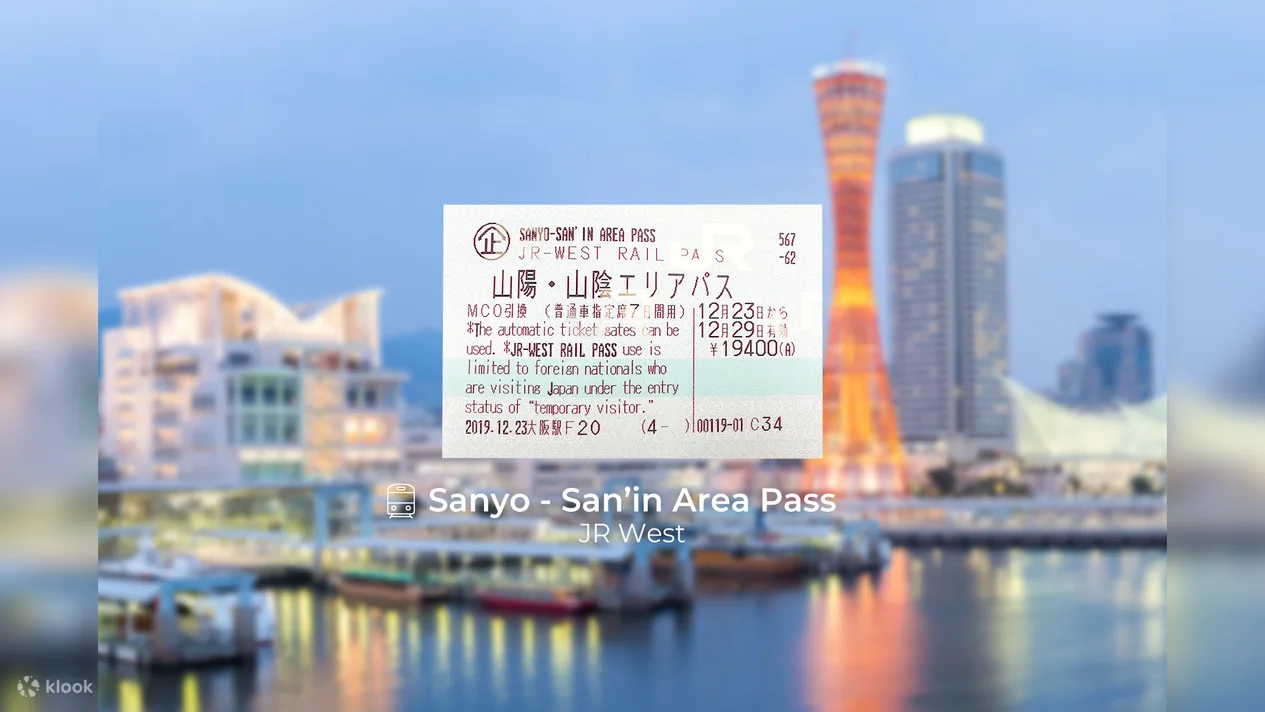
The moral of the story is not “buy this exact combination.” The moral is: don’t buy the national JR Pass just because every old Japan blog told you to. In 2026, the smart move is to build your route first, check real ticket prices, then compare individual fares, regional passes, and the national pass.
If you are crossing Japan at speed — Tokyo to Kyoto to Hiroshima to Fukuoka and back, for example — the national pass can still make sense. If you are staying mostly in Tokyo, Kansai, Kyushu, or Hokkaido, a regional pass or pay-as-you-go tickets may be better.
Ordering and Using the JR Pass in 2026

You can buy the national JR Pass through the official Japan Rail Pass reservation website or through authorized overseas agencies. If you buy through an agency, you usually receive an exchange order, which you then exchange for the actual pass after arriving in Japan. If you buy through the official online system, you can usually reserve seats online before collecting the physical pass in Japan.
Whatever option you choose, enter your name exactly as it appears on your passport. This is not the moment for creative spelling, nicknames, missing middle names, or “close enough.” Japan loves precision. Your passport loves precision. Your future tired self at the ticket office will also love precision.
You can collect or exchange your pass at major JR stations and international airports, including Tokyo, Kyoto, Osaka, Shin-Osaka, Narita Airport, Haneda Airport, Kansai Airport, Hakata, Sapporo, and many other major locations. JR station and pass exchange locations vary depending on the pass, so always check the official page for the specific pass you bought.
Once activated, your JR Pass works for consecutive calendar days, not 24-hour periods. A 7-day pass activated on Monday expires at the end of Sunday, even if your first ride on Monday was at 6 p.m. This tiny detail can be the difference between “excellent planning” and “why are we buying a full-price Shinkansen ticket at dawn?”
Modern JR Passes can be inserted into automatic ticket gates at many stations, which is much easier than the old manned-gate shuffle. Still, keep the pass safe. If you lose it, it generally cannot be reissued like a regular IC card. Guard it like a small rectangular dragon egg.
Private Train Lines in Japan
This is where the plot thickens. JR is huge, but it is not the whole story. Japan also has many private railway companies, and they are not side characters. In cities and regions, private lines can be faster, cheaper, more direct, or simply the only way to reach certain places.
Private Companies Are Everywhere
In large cities, private rail companies often run important commuter routes, airport links, subways, buses, and sightseeing lines. In Kyushu, for example, Nishitetsu operates train lines, buses, and even hotels. Around Tokyo, companies like Odakyu, Keio, Tobu, Seibu, Tokyu, Keisei, and Keikyu can be essential depending on where you are going.
The important bit: your national JR Pass will not work on most private railways, city subways, or non-JR buses. If you are staying in Tokyo, the JR Yamanote Line is covered by the JR Pass, but Tokyo Metro and Toei Subway are not. If you are going to Hakone, Nikko, Mount Koya, or some parts of Nara and Kyoto, private railways may be more useful than JR.
Private companies also sometimes have their own stations near JR stations. This can be confusing at first, but the clue is usually in the name. Near Dazaifu, for example, JR has Futsukaichi Station, while the private Nishitetsu line uses Nishitetsu-Futsukaichi Station. Similar name, different company, different station. Japan likes to keep us humble.
Private Rail Passes
Private rail companies often sell their own passes. These can be fantastic for regional sightseeing, especially if your route is not JR-friendly. They also help you avoid the trap of designing your whole Japan itinerary around “making the JR Pass worth it,” which is how perfectly normal travelers end up adding three unnecessary long-distance train rides and calling it strategy.
Private rail passes are especially useful for places like Hakone, Mount Koya, Nara, Ise-Shima, Nikko, and wider Kansai. They may include trains, buses, ropeways, boats, cable cars, and attraction discounts, depending on the pass.
Useful Private Rail Passes to Know
- Kansai Thru Pass: Useful for private railways, subways, and buses around Kansai, including Osaka, Kyoto, Kobe, Nara, Wakayama, and more. It can be handy if your itinerary uses lots of non-JR lines.
- Kintetsu Rail Pass: Good for travel between Osaka, Kyoto, Nara, Nagoya, Ise-Shima, and other Kintetsu destinations. Particularly useful if you want to visit Nara or Ise without relying only on JR.
- Hakone Free Pass: One of the most useful sightseeing passes near Tokyo. It covers the Odakyu route from Shinjuku to Hakone plus local transport in Hakone, including buses, cable cars, ropeway, and sightseeing boat options. Very convenient if you want the classic Hakone loop without buying separate tickets every five minutes.
IC Cards in Japan: Suica, PASMO, ICOCA and Friends
If passes are the big strategy game, IC cards are the daily survival tool. These prepaid contactless cards let you tap in and out of trains, subways, buses, trams, vending machines, coin lockers, convenience stores, and many other small-payment situations.
In 2026, you should absolutely plan to use an IC card unless you enjoy buying tiny paper tickets while a queue forms behind you and your train glides away with theatrical indifference.
What Is an IC Card?
An IC card is a prepaid, contactless transport and payment card. You load money onto it, then tap it at ticket gates or payment readers. The fare is automatically deducted when you exit the station or complete your trip.
IC cards are not long-distance Shinkansen tickets by default, and they are not travel passes. Think of them as a small digital wallet for everyday movement: metro rides, local JR rides, buses, convenience stores, vending machines, lockers, and occasional “I urgently need a melon soda and a rice ball” situations.
The Different IC Cards

Japan has several major IC cards, including Suica, PASMO, ICOCA, TOICA, manaca, SUGOCA, nimoca, Kitaca, and Hayakaken. The name depends mostly on where you buy it.
For most travelers, the practical difference is small. A Suica bought in Tokyo can usually be used in Osaka, Kyoto, Fukuoka, Sapporo, and many other major areas. An ICOCA bought in Kansai can work in Tokyo. The system is wonderfully interoperable in big cities.
The exception is rural Japan. Some countryside buses, smaller railways, local ferries, or remote routes may not accept IC cards. In those cases, you pay with cash, buy a paper ticket, or use a local ticketing system. Translation: always carry some yen. Japan may be futuristic, but the mountain bus still wants coins.
For Tokyo travelers, Suica is the classic choice. In 2026, physical card availability can still vary by location and card type, but visitors also have more mobile options. JR East now offers Welcome Suica Mobile for iPhone, which lets overseas visitors issue and top up a Suica on iOS. Apple Wallet Suica and PASMO are also widely used, though payment-card compatibility can depend on your bank and country.
If you prefer a physical card, look for Welcome Suica, regular Suica, PASMO Passport, or other tourist-friendly cards at major airports and stations. Availability changes, so check before your trip and don’t build your whole first day around buying one specific plastic rectangle.
The name and look of your card will depend on where you get it.


How to Recharge Your IC Card
Recharging an IC card is easy. At stations, look for ticket machines or top-up machines that accept IC cards. Many machines have an English-language option. Insert or place the card, choose the amount, pay, and you’re done.

You can also recharge physical IC cards at many convenience stores. For mobile Suica, you may be able to top up through your phone wallet, but foreign cards do not always behave nicely, so station machines and convenience stores remain useful backups.
Each time you use your IC card, the gate usually shows your remaining balance. If you do not have enough credit, the gate will reject you with all the emotional warmth of a printer error. Don’t panic. Find a fare adjustment machine near the exit, top up the missing amount, and continue with dignity mostly intact.
Types of Trains in Japan
Now that we have passes and IC cards under control, let’s talk about the trains themselves. Japan has everything from tiny local trains that stop at every village to high-speed Shinkansen that make you question why airplanes still exist for some routes.
The Shinkansen
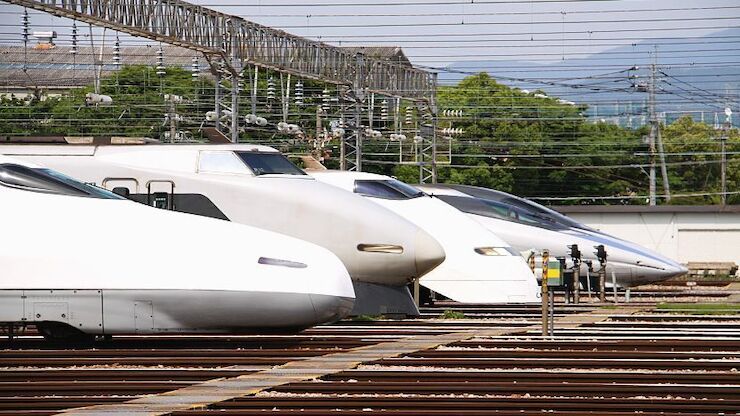
The Shinkansen is Japan’s famous bullet train, and yes, it is as smooth, fast, and satisfying as everyone says. It connects major cities across Honshu, Kyushu, and parts of Hokkaido, with different services depending on the route.
On the Tokaido and Sanyo Shinkansen, you will see train names like Nozomi, Hikari, and Kodama. Nozomi is the fastest, Hikari is slightly slower but still very useful, and Kodama stops at more stations. On other routes, you may see names like Sakura, Mizuho, Hayabusa, Yamabiko, Kagayaki, and more.
Here is the big JR Pass rule: the national JR Pass does not automatically cover Nozomi and Mizuho trains. Since 2023, pass holders can use Nozomi and Mizuho only by buying an additional special ticket before boarding. If you do not want to pay extra, choose Hikari, Sakura, Kodama, or other covered services instead.
For most Shinkansen journeys, it is smart to reserve seats, especially during holidays, cherry blossom season, autumn foliage, weekends, and school breaks. Some trains have non-reserved cars, but not all routes and periods are equally relaxed. When in doubt, reserve. Future you, holding coffee instead of stress, will approve.
Stations dedicated to the Shinkansen often use the prefix Shin-, such as Shin-Osaka, Shin-Kobe, and Shin-Yokohama. “Shin” means “new,” but it does not always mean the station is right next to the old central station. Sometimes it is. Sometimes it is a separate little adventure. Check before booking hotels.

Several Shinkansen updates matter for 2026 travelers. The Hokuriku Shinkansen extension from Kanazawa to Tsuruga opened in March 2024, making travel to Fukui and the Hokuriku region faster and easier. The planned Hokkaido Shinkansen extension to Sapporo is still a future project, not something you can ride yet. The Chuo Shinkansen maglev line between Tokyo and Nagoya has also been delayed beyond its original 2027 target, so don’t plan your 2026 itinerary around it unless your itinerary includes time travel.
Local, Rapid, Express, and Limited Express Trains
Beyond the Shinkansen, Japan has many regular train categories. Local trains stop everywhere. Rapid trains skip some stations. Express and limited express trains are faster and may require additional fares or seat reservations, depending on the company and route.
The JR Pass usually covers JR local, rapid, express, and limited express services, but private railway limited express trains are a different story. On private lines, you may need both a base fare and a limited express supplement. This is common on routes like Odakyu Romancecar to Hakone, Kintetsu limited express trains, and Tobu services to Nikko.
Local trains are also where Japan becomes wonderfully slow and atmospheric. You pass fishing villages, rice fields, mountain valleys, sleepy platforms, and station cats if the travel gods are generous. It is not always the fastest way, but sometimes it is the point.
Tourist and Scenic Trains

Japan also has brilliant tourist trains, scenic trains, themed trains, retro trains, and trains that seem designed specifically to make adults whisper “this is so cute” with no shame whatsoever.
The Sea Side Liner between Nagasaki and Sasebo is a lovely example, tracing coastal scenery and giving you that soft, cinematic “yes, we are really in Japan” feeling.
The Hakone Tozan Railway is another classic. This mountain railway is especially famous in June, when hydrangeas bloom along the tracks. It is nicknamed the hydrangea train, which sounds poetic because it is. Japan is very good at making transport feel like a seasonal event.
Train Stations in Japan

Japanese train stations are not just places where trains stop. In big cities, they are shopping malls, food halls, underground cities, office complexes, department stores, souvenir galaxies, and emotional endurance tests disguised as architecture.
Small rural stations may be simple and quiet. Major stations like Tokyo, Shinjuku, Osaka, Kyoto, Nagoya, Hakata, and Shin-Osaka can be enormous. They may have multiple railway companies, multiple ticket gates, underground passages, department stores, food floors, bus terminals, and exits that seem to lead to different weather systems.
The trick is to follow signs calmly and use station numbers, platform numbers, and exit names. Google Maps, Navitime, and station signage are usually good, but give yourself extra time in large stations. “I’ll just transfer at Shinjuku in five minutes” is famous last words energy.
Luggage Lockers and Luggage Delivery
If you are not using Ta-Q-Bin luggage delivery, station lockers will become your best friends. Coin lockers are available in many stations, especially larger ones, and they let you store bags for a few hours while you explore.
In 2026, typical locker prices are roughly ¥300–¥500 for small lockers, ¥500–¥700 for medium lockers, and ¥700–¥1,000 or more for large lockers, depending on station, size, and location. Tourist-heavy stations and reservable smart lockers can cost more. Large lockers disappear quickly, especially around Tokyo Station, Kyoto Station, Osaka Station, and major sightseeing hubs.
For longer trips, luggage delivery is often better. Sending your suitcase from Tokyo to Kyoto, Osaka to Hiroshima, or hotel to airport is extremely common in Japan and saves you from dragging a suitcase through station stairs while questioning your packing choices. For multi-city trips, this can be a sanity-saving upgrade.
Also note the Shinkansen oversized luggage rule. On the Tokaido, Sanyo, Kyushu, and Nishikyushu Shinkansen, bags with total dimensions between 160 cm and 250 cm need an oversized baggage seat reservation. The reservation itself does not usually cost extra when made with a reserved seat, but you must arrange it before boarding. Bags over 250 cm are generally not allowed.
Omiyage and Ekiben
Japanese stations are dangerously good for shopping. If you are looking for omiyage — regional souvenirs and edible gifts — stations are one of the best places to buy them. You will find beautifully packaged sweets, crackers, cakes, teas, pickles, snacks, ceramics, local crafts, and things you absolutely did not need until they appeared in perfect packaging.
You can read more about unique souvenirs in Japan here.
Stations are also heaven for ekiben, Japan’s famous station bento boxes. These are not sad sandwiches wrapped in regret. Ekiben can be beautifully arranged, regionally themed, seasonal, and genuinely delicious. Buy one before a long train ride and suddenly you are not “in transit” — you are having a tiny culinary event at 285 km/h.
Practical Tips for Traveling Japan by Train in 2026
By now, we have covered the big pieces: JR, private lines, passes, IC cards, Shinkansen, stations, lockers, and luggage. Now let’s finish with the practical habits that make Japanese train travel much easier.
Plan Your Route Before Buying Any Pass
Use Japan Travel by Navitime, Jorudan, or Google Maps to compare routes and fares. Navitime and Jorudan are especially useful because they let you filter routes by JR Pass compatibility, Shinkansen options, and train types.
Do this before buying any pass. Not after. Buying first and calculating later is how we end up muttering “but it felt like a good deal” while eating convenience-store pudding in a hotel room.
Compare Individual Tickets, Regional Passes, and the National JR Pass
The national JR Pass is useful for fast, long-distance travel across multiple regions. Regional passes are often better for focused itineraries. Individual tickets may be best if you are only taking one or two long-distance trains.
As a rough rule, the national JR Pass becomes more attractive when you are doing several expensive Shinkansen trips within a short period. It becomes less attractive when you are staying mainly in one city, moving slowly, or using lots of private lines and subways.
Adapt Your Itinerary When It Makes Sense
Japan makes it tempting to add everything. Tokyo! Kyoto! Hiroshima! Kanazawa! Nikko! Hakone! Fukuoka! Sapporo! A tiny island with one café and a cat! Suddenly your “relaxed trip” has become a transport-based endurance sport.
Check how many transfers each stop requires. If a destination needs four trains, one rural bus, a taxi, and a prayer, ask whether it truly belongs in this itinerary. Sometimes the best route is not the most ambitious one. Sometimes the best route is the one where you still have energy to enjoy dinner.
But Don’t Remove a Place Just Because It Is Slightly Awkward
That said, if you really want to go somewhere, go. Japan’s slightly awkward destinations are often the most memorable. Buses, private railways, taxis, ferries, and luggage delivery can solve many problems. Just plan realistically and don’t schedule a remote mountain village between two major cities on the same afternoon unless chaos is your preferred travel aesthetic.
Use an IC Card for City Travel
For urban journeys, get an IC card or mobile IC card as soon as possible. It makes local travel much smoother, especially in Tokyo, Osaka, Kyoto, Yokohama, Fukuoka, Sapporo, Nagoya, and other large cities.
An IC card saves you from buying separate tickets for every subway, JR local line, bus, or short hop. It also works at many konbini, vending machines, lockers, and small shops. Basically, it is the little card that quietly prevents 47 tiny inconveniences a day.
Reserve Seats When Traveling With Luggage or Kids
If you are traveling with children, big bags, or a tight schedule, reserve seats whenever possible. Reserved seats make Shinkansen travel calmer, especially during weekends, holidays, school breaks, cherry blossom season, autumn foliage season, and Golden Week.
If your suitcase is oversized, reserve the correct luggage space. If you are traveling light, congratulations, you are already winning.
Learn the Platform Etiquette
Japan’s train etiquette is simple but important. Queue where the platform markings tell you to queue. Let passengers exit before boarding. Keep voices low. Put phones on silent. Avoid eating on local trains, though eating on Shinkansen and long-distance limited express trains is normal.
Backpacks should be taken off or worn in front on crowded trains. Suitcases should not block doors. And if a train is packed, do not attempt heroic luggage choreography. Nobody needs your suitcase performing Swan Lake at rush hour.
Give Yourself Extra Time in Big Stations
Major stations can be huge. Tokyo Station, Shinjuku Station, Kyoto Station, Osaka Station, Shin-Osaka, Nagoya, and Hakata are all manageable, but they reward patience. If you have a Shinkansen connection, don’t arrive at the station at the last possible minute unless you enjoy sprinting past bakeries with tears in your eyes.
Build in time for finding the right gate, buying snacks, locating your platform, and possibly walking much farther than expected. Japanese stations are efficient, but they are not always small. Some of them are basically cities wearing railway hats.
Final Thoughts: Is Traveling Japan by Train Easy?
Yes — once you understand the system. Japan by train is one of the best travel experiences in the world: fast, safe, scenic, clean, and wonderfully connected. The hard part is not riding the trains. The hard part is choosing the right ticket, pass, or card before you start.
For 2026, the big rule is this: do not assume the JR Pass is automatically worth it. Calculate your route, compare regional passes, use an IC card for local transport, reserve seats when needed, and keep your itinerary realistic.
Do that, and Japan’s rail system becomes less intimidating and more magical. One minute you are under Tokyo’s neon lights, the next you are rolling past Mount Fuji, rice fields, sea views, hot spring towns, and tiny stations where the whole platform smells faintly of rain and vending-machine coffee. And honestly? That is the good stuff.
- 15 Best Luxury Hotels in Kobe Japan (2026): Waterfront Suites, Five-Star Stays & Hot Spring Ryokans
- 9 Hidden Gems in Kobe (2026): Unique Places Beyond the Usual Tourist Trail

- Nagoya rainy day with kids in 2026 (Cool Indoor Things to Do )

- Best Gachapon in Tokyo (2026): 20 Places to Find Capsule Toys
- All Japanese KitKat Flavours List: The Ultimate Japan KitKat Guide