I spill travel tips , and show you the Japan that tourists usually miss.
Not sure where to stay in Tokyo in 2026? Discover the best districts—from Shinjuku and Shibuya to Asakusa and Ginza—plus top-rated hotels, unique stays, and tips for choosing the perfect base for your Tokyo adventure.
Keep Planning Your Tokyo Stay
Choosing where to stay in Tokyo is basically choosing your travel personality for the week. Shinjuku says neon and transport wizardry. Ginza says polished, elegant, and possibly dangerous for your wallet. Asakusa says temples, old streets, and slower mornings. Use these Tokyo guides to turn your hotel base into a proper plan — not a daily commute across the city like a confused salaryman.
- Best Neighborhoods to Visit in Tokyo — the best next click if you want to compare Tokyo’s main areas before choosing your base.
- Most Beautiful Hotels in Tokyo — perfect if you want stylish stays, skyline views, design hotels, and rooms that feel like part of the trip.
- Best Family Hotels in Tokyo — useful if you need space, easy transport, kid-friendly comforts, and a room where everyone can actually sleep.
- How to Get Around Tokyo — essential for checking whether your chosen neighborhood is brilliantly convenient or quietly plotting against your feet.
- 3 Days in Tokyo Itinerary — ideal if you want to match your hotel area with a realistic first-time Tokyo route.
- 9 Days in Tokyo Itinerary — handy if you’re staying longer and want to spread neighborhoods, food stops, shopping, and day trips across the week.
- One Day in Tokyo — perfect if your Tokyo stay is short and you need a ruthless but glorious hit list.
- What to Do in Ginza — useful if you’re staying around Ginza, Tokyo Station, or the polished side of the city.
- Tokyo With Kids — great if your hotel choice needs to work around playgrounds, museums, theme parks, easy meals, and tiny travelers with strong opinions.
- Tokyo Travel Guides — your main hub for more Tokyo neighborhood, food, hotel, itinerary, shopping, and family travel ideas.
Table of Contents
Where to stay in Tokyo
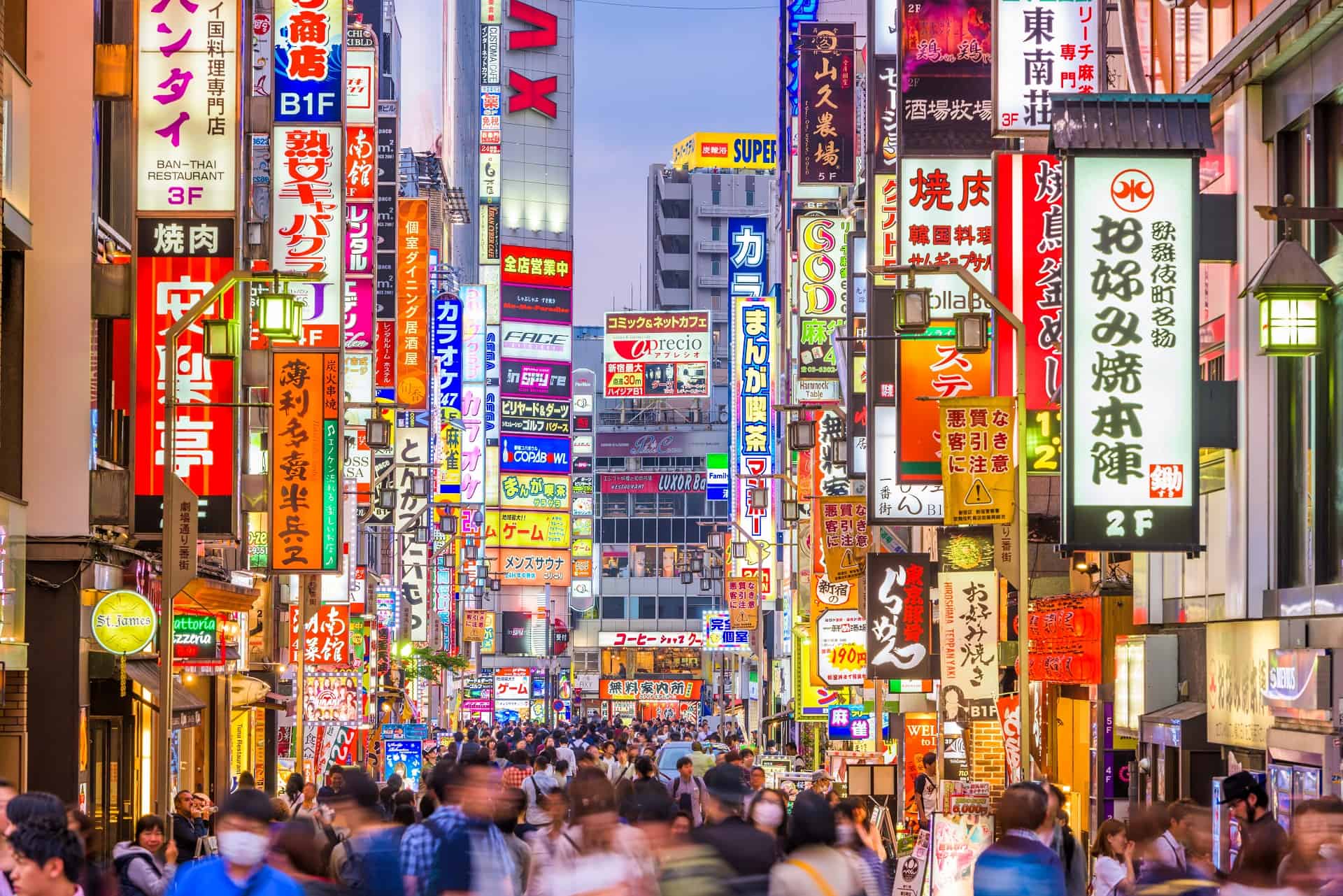
Tokyo is a city of almost 10 million inhabitants spread across more than 2,000 km²—which sounds abstract until you realize one neighborhood can feel like a sci-fi fever dream (neon, screens, velocity), while another is basically a quiet village hiding behind a train line. Same city, totally different mood.
If you want to visit the capital of Japan, we’re going to need more than “a couple of days, maybe.” Tokyo rewards time. And in a city this huge, where you sleep matters more than you think: choose poorly and you’ll burn hours commuting and pay for the privilege, too. The shorter your trip, the more ruthless we need to be about picking the best place to sleep. And yes—this is your friendly reminder that booking as early as possible usually wins (especially in peak seasons).
So how do we choose? We start backwards: what do you actually want to do and see first? Neighborhoods like Shinjuku and Shibuya are famous for nightlife and that “Tokyo never sleeps” energy. Akihabara is the mothership for tech obsessives and Japanese pop culture fans—manga and anime especially—where your wallet mysteriously opens itself.
Once you know your priorities, you can pick a base that doesn’t sabotage you. And here’s the secret: you don’t need to stay in the dead center of your dream district. Often the smart move is the compromise—edge-of-neighborhood, or even a nearby district that’s less touristy, calmer, and (shockingly) kinder to your budget.
Then we zoom in on the practical stuff: your budget, how far you are from a station, and what kind of accommodation you actually want. Tokyo has plenty of classic hotels, but also ryokan (traditional inns) and capsule hotels—often inexpensive places where your “room” is basically a sleek sleeping pod containing one bed (cozy for some, claustrophobic for others; we’re not judging).
Shinjuku: the lively district
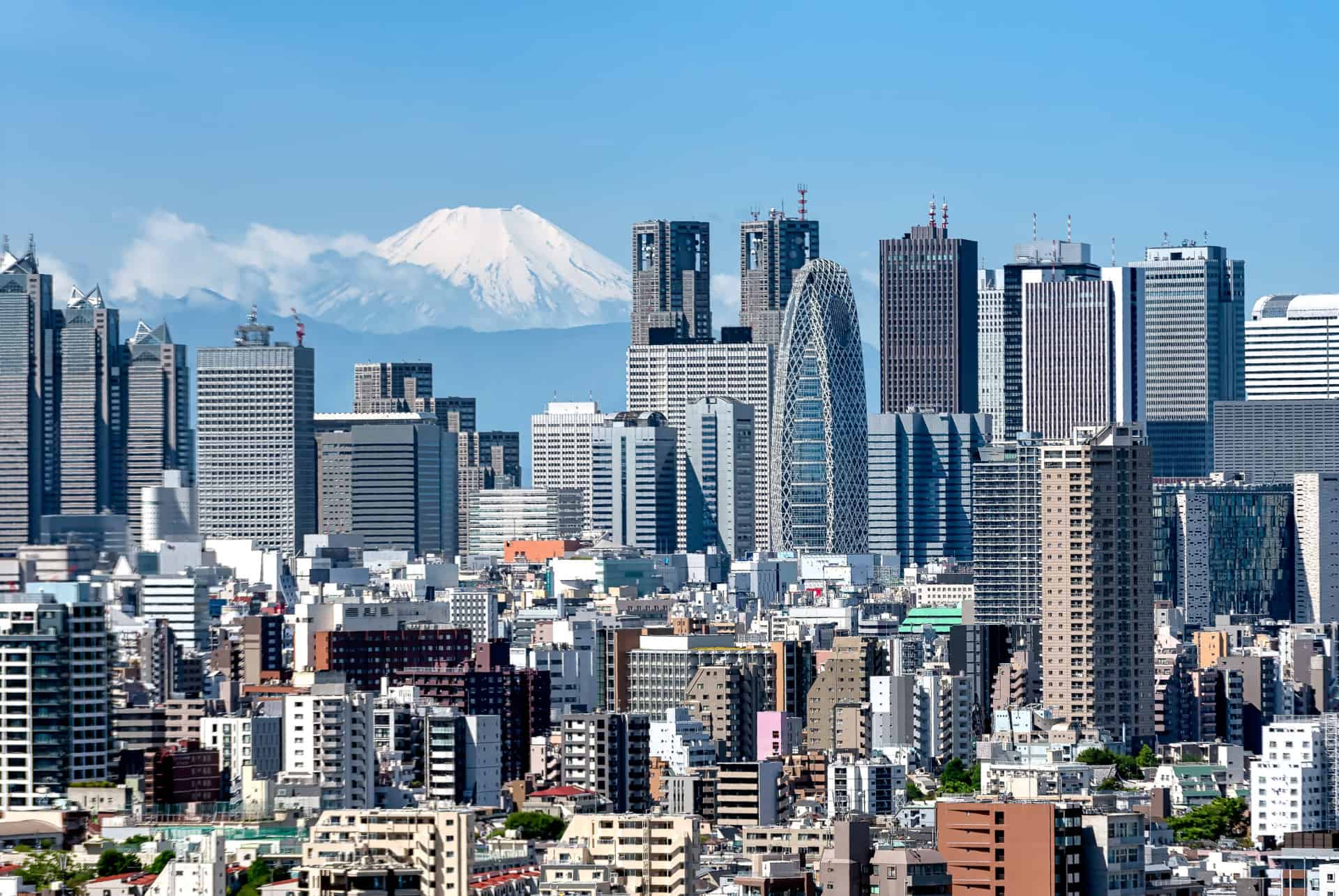
Shinjuku is probably the liveliest area in Tokyo. This is where the Tokyo skyline flexes—skyscrapers, futuristic lighting, that blade-runner-but-make-it-clean vibe. If you’ve ever pictured Tokyo as neon + towering glass + constant motion… Shinjuku is that postcard, but louder.
If you want to go out at night, Shinjuku is the ideal place to base yourself. The famously serious work culture? After dark, the “off switch” is real. Stay near Shinjuku Station if you can—it’s basically Tokyo’s transport heart, pumping you everywhere fast.
For us, it’s one of the safest bets when you’re still asking yourself, “Okay… but where do we actually stay?”
Where to stay in Tokyo in the Shinjuku district?
- The Onsen Ryokan Yuen Shinjuku is exactly what it sounds like: a hotel with an onsen (a proper Japanese thermal bath, the kind that resets your soul after 25,000 steps). Double rooms start from about €115 per night.
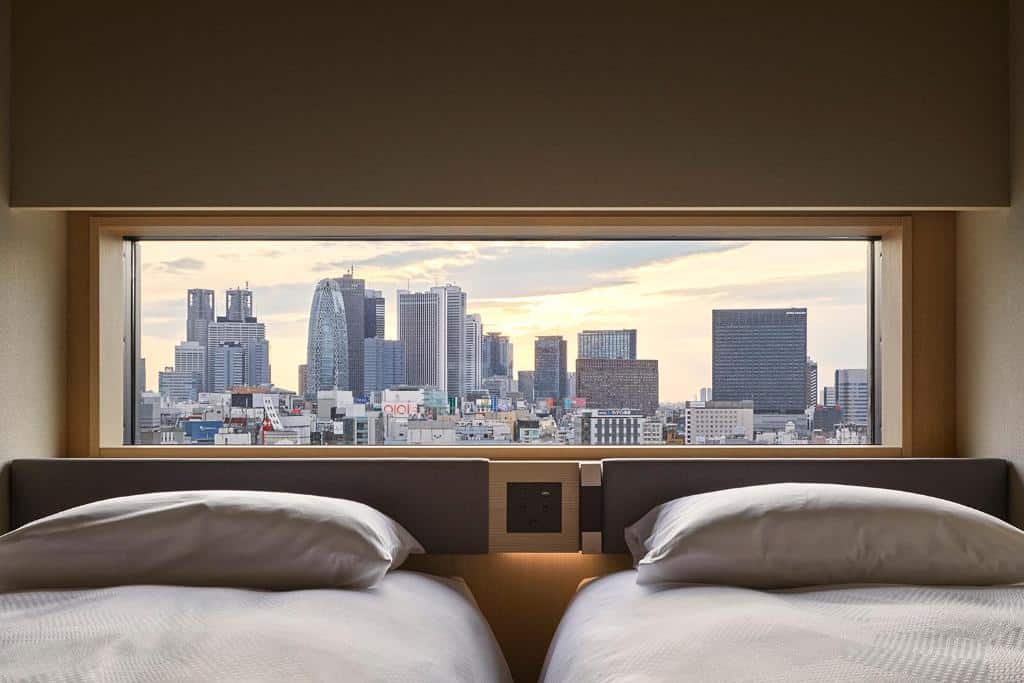
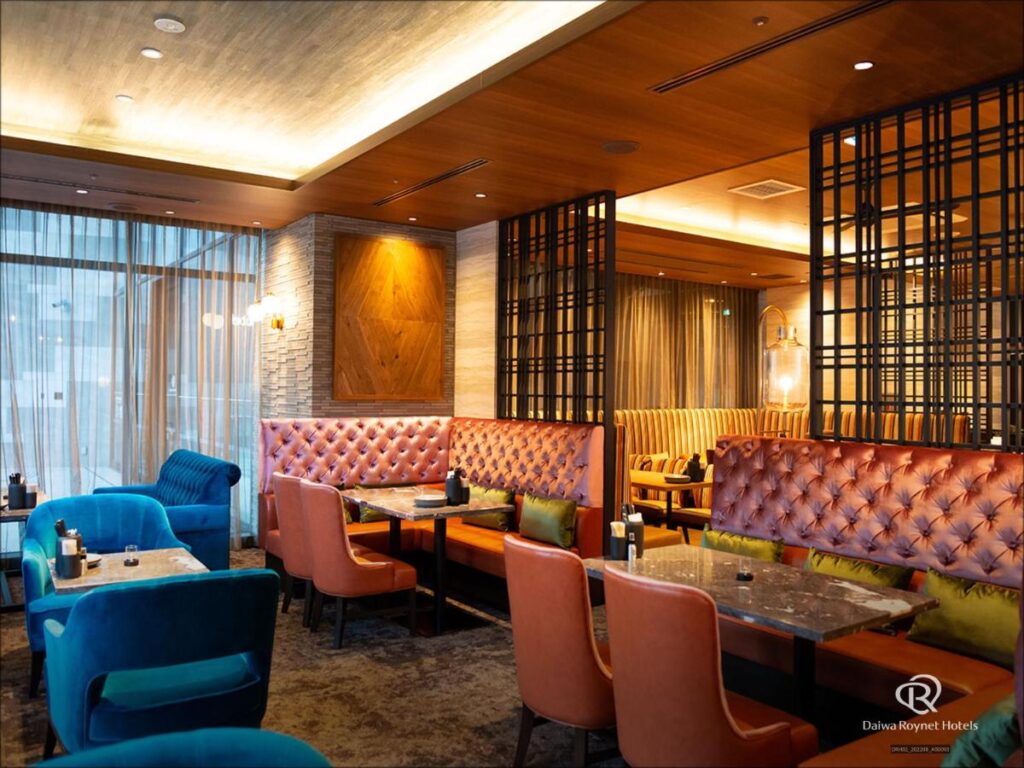
- Daiwa Roynet Hotel Nishi-Shinjuku is a sleek, modern 4-star about 300 meters from Nishi-Shinjuku Subway Station—great if you like things clean, efficient, and quietly fancy. Double rooms are around €170 per night.
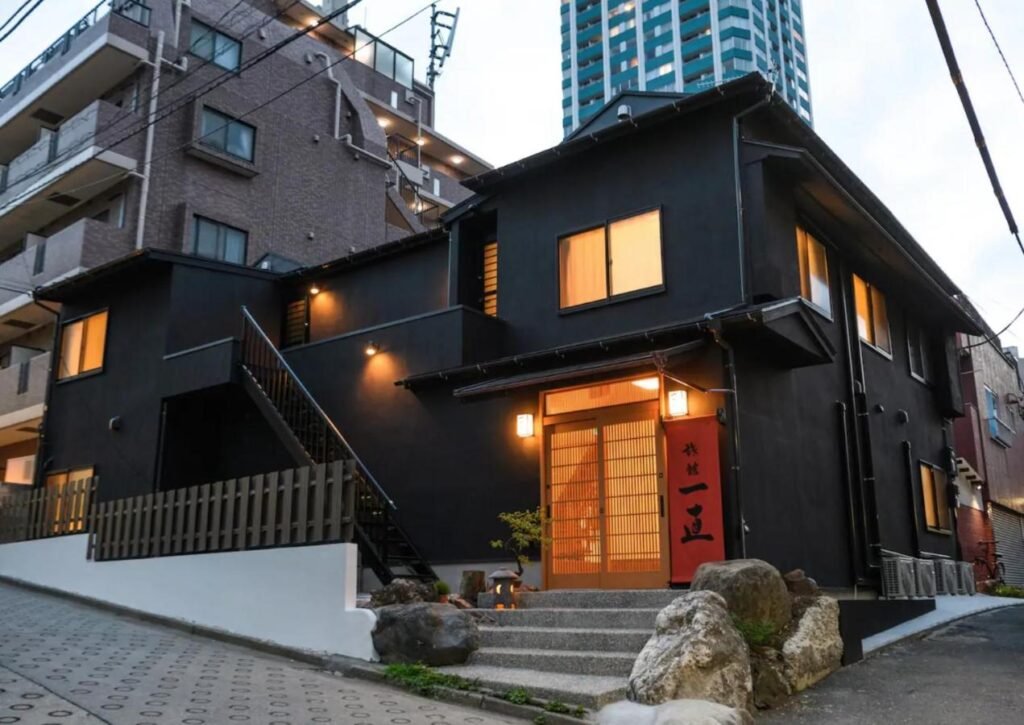
- Ryokan Ichinao is a small traditional inn in a ridiculously good location—next to Shinjuku Park and under 5 minutes on foot from the subway. Expect classic Japanese rooms for around €70 per night.
Shibuya: the trendy district
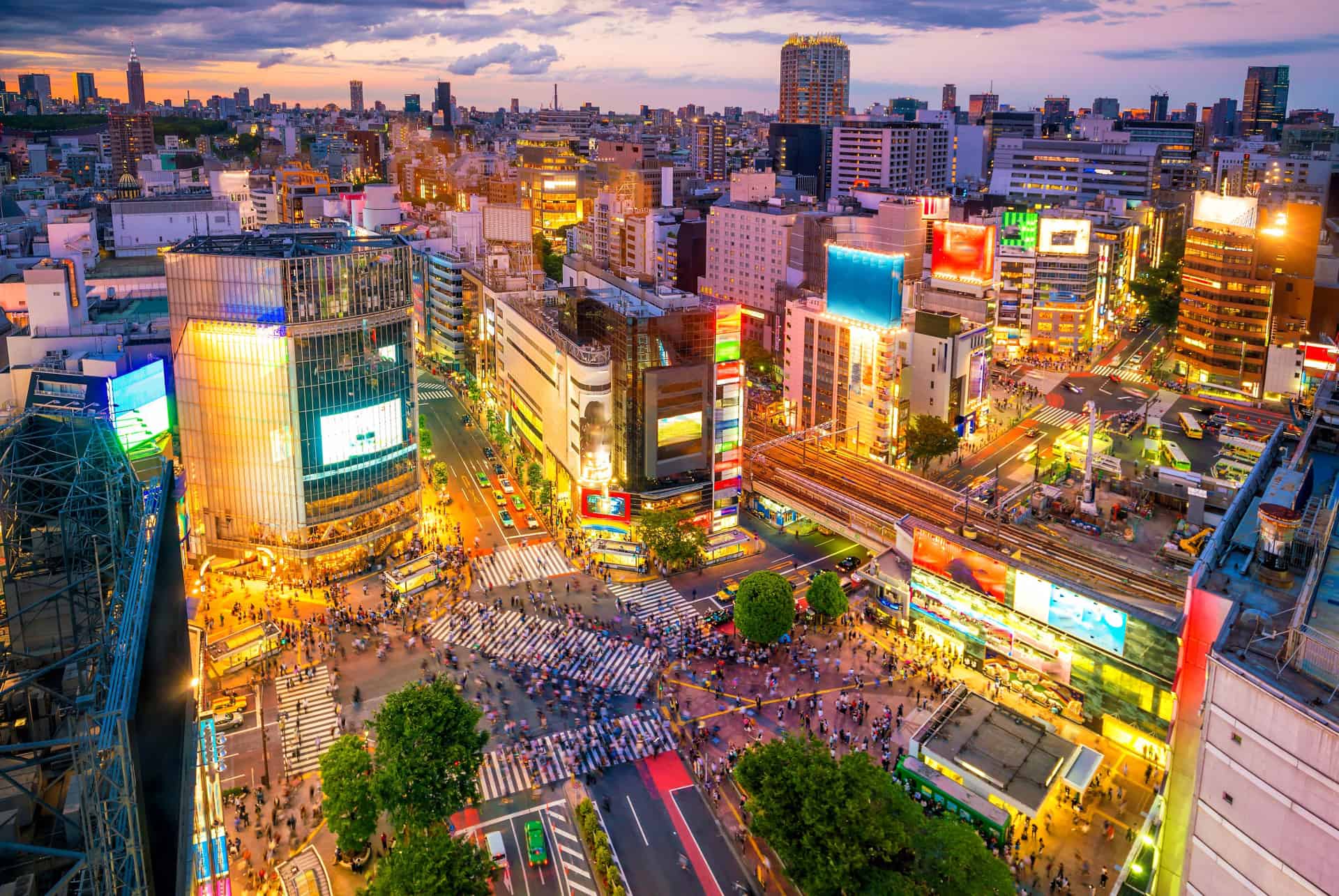
Shibuya is another high-energy Tokyo classic. At first glance, it can feel similar to Shinjuku—big lights, big crowds, big “how is this even real?” moments. This is home to Shibuya Crossing, the famous scramble where it looks like half the city decides to cross at once (and somehow nobody crashes into each other).
Shibuya is also a fashion playground: luxury shops, street style, department stores, and every possible style you can imagine packed into a few blocks. If you want a central base with excellent transport and you don’t mind lively evenings, this one makes sense.
Where to stay in Tokyo in Shibuya?
- Shibuya Granbell Hotel is a 3-star option just 3 minutes from the station, with a restaurant and bar for when you’re “just going to pop in for one drink” (famous last words). Double rooms are around €110 per night.

- The JR-East Hotel Mets Shibuya is a super convenient 3-star near the station and the “Shibuya Crossing. Expect comfortable rooms with baths from about €140 for two.
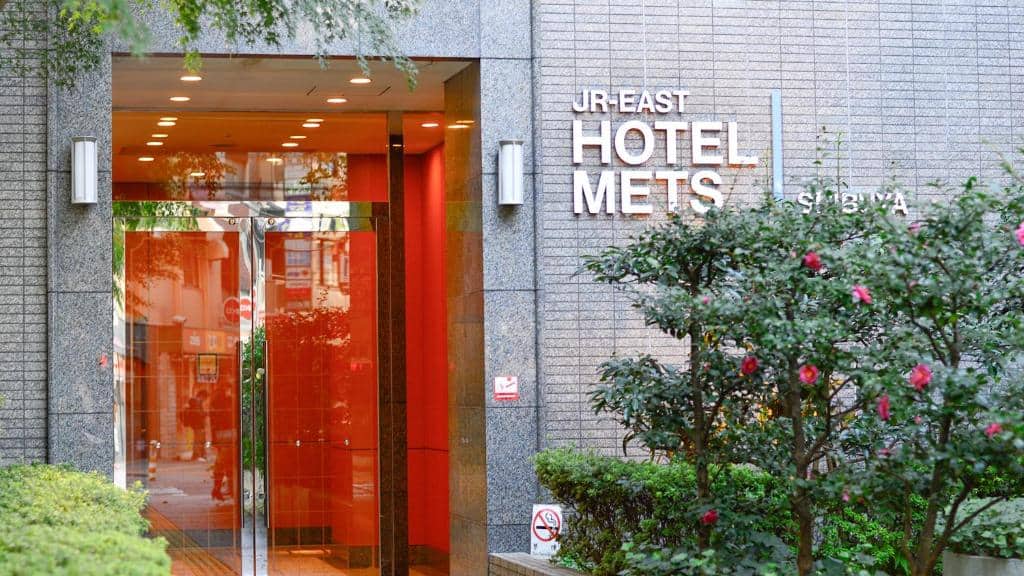
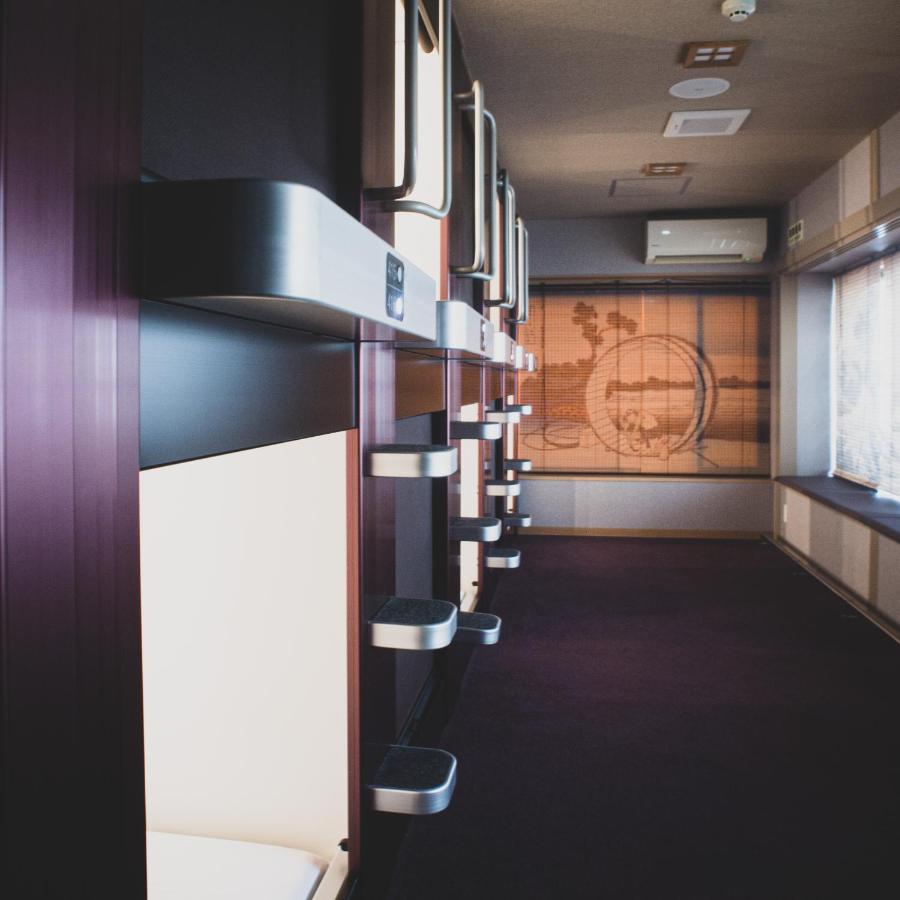
- Commun Shibuya is a male-only capsule hotel under 500 meters from Shibuya Station—ideal if you’re traveling light and just need a clean, central crash pad. Capsules run around €40 per night.
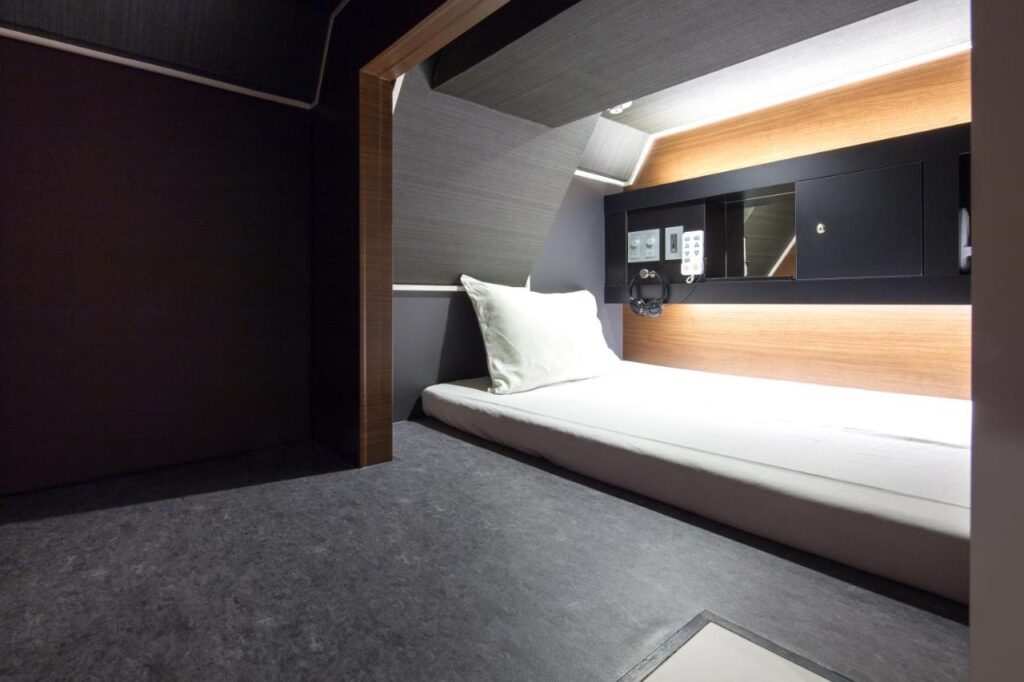
- Nadeshiko Hotel Shibuya is a female-only capsule hotel about 800 meters from the station, with capsules from around €45 per night.
Ginza: the upscale district of Tokyo
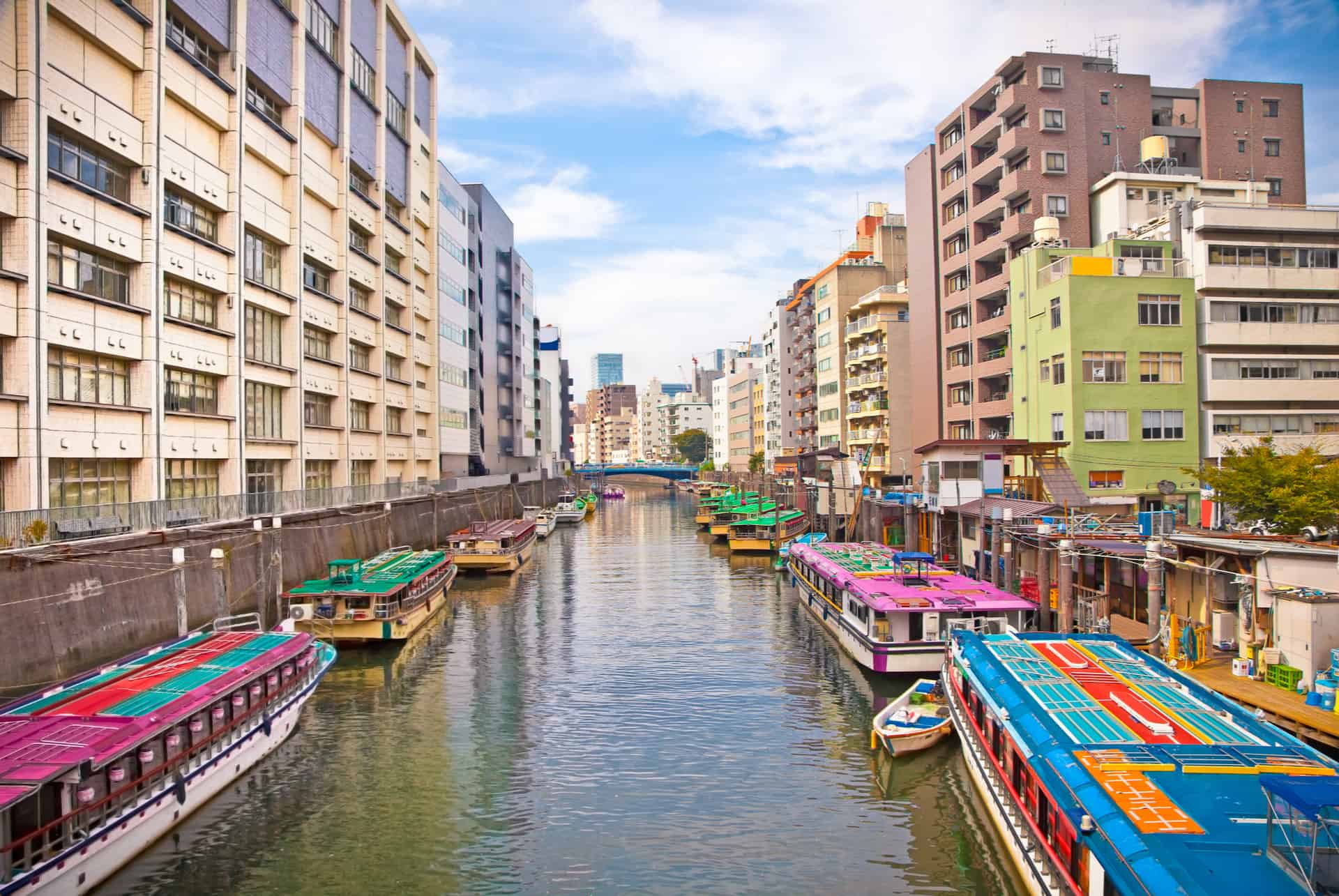
Ginza sits right in the center and leans hard into “modern Tokyo.” Near Tokyo Station, Ginza is polished and chic, with shiny department stores and a skyline full of luxury hotels stacked into skyscrapers.
Location-wise, this might be the best base in the city. You can bounce to pretty much any corner of Tokyo with minimal drama. The catch? Prices often sting. Even the “more affordable” options can drift outward into areas that aren’t quite as convenient.
Where to stay in Ginza?
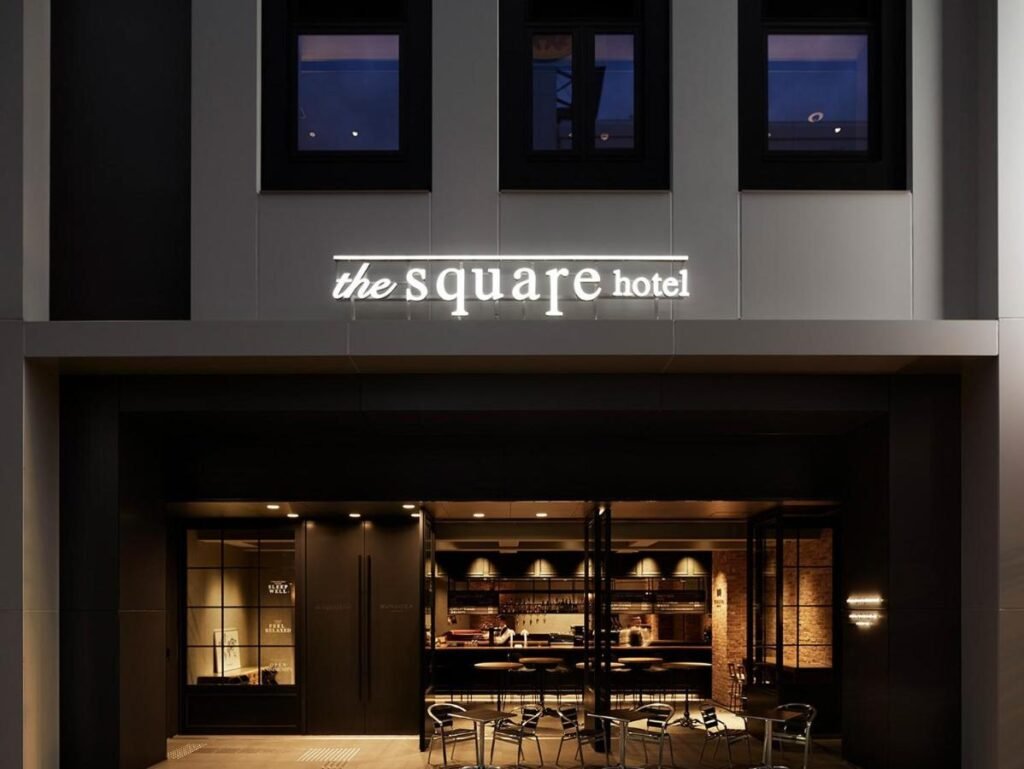
- The Square Hotel GINZA is a 4-star option about one kilometer from Tokyo Station, with a spa, gym, and restaurant—great if you like your city breaks with a side of recovery time. Rooms for two start from around €110 per night.
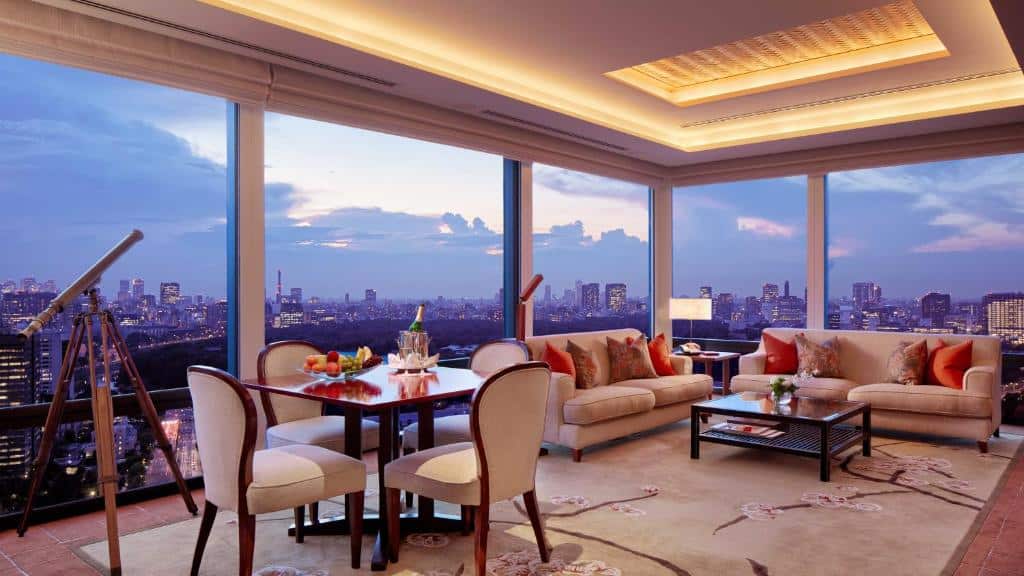
- The Peninsula Tokyo is the “we’re doing this properly” choice: a 5-star hotel overlooking the Imperial Palace gardens with a pool, bar, restaurant, and wellness center. Suites of 55 m² run around €1200 per night—unforgettable, and priced accordingly.
Ueno: the popular district
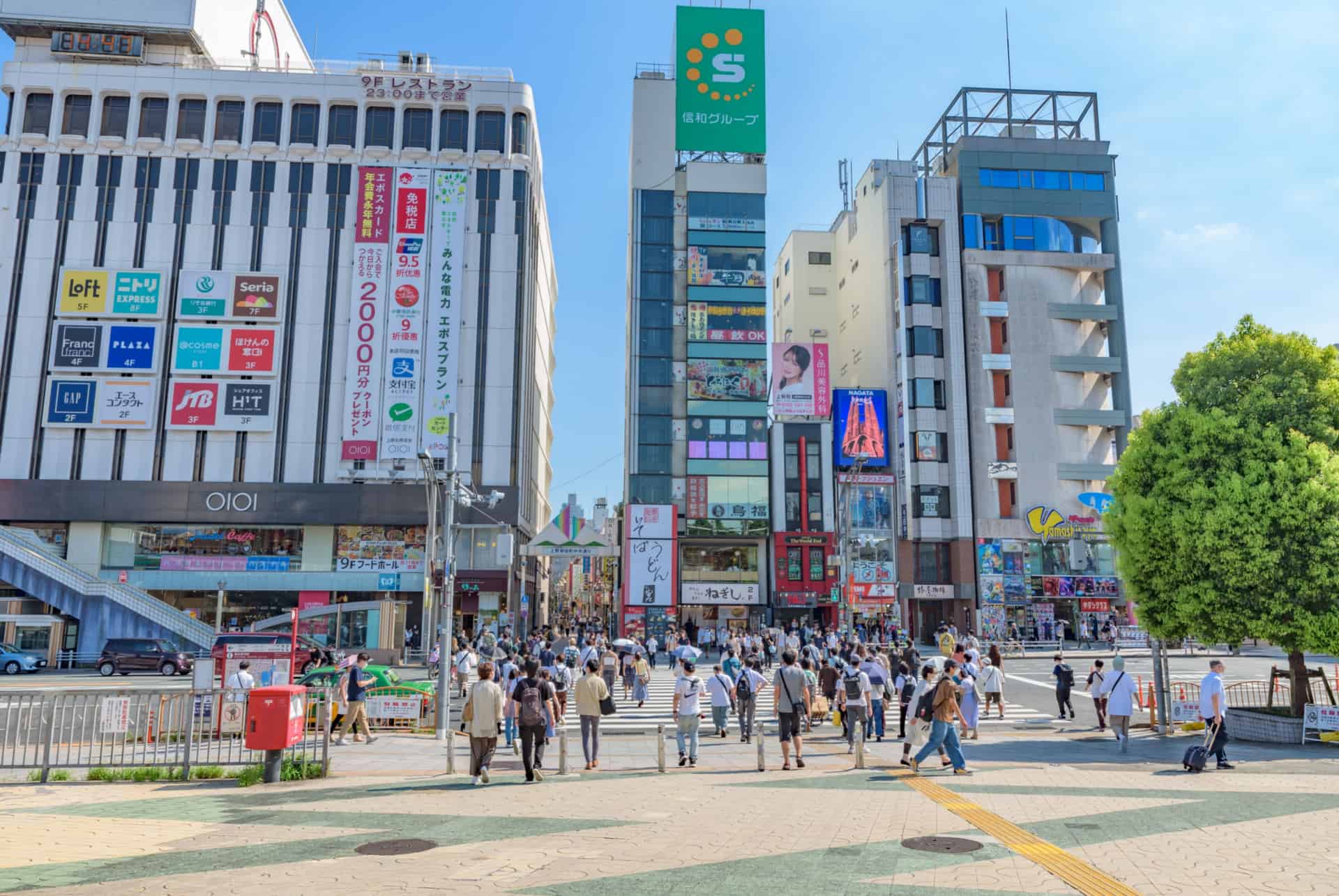
Ueno is a smaller district in the north and one of those must-see places during a stay in Tokyo that feels unexpectedly human-sized. No giant avenues of glass towers—just warmer, narrower streets packed with little restaurants where you can eat your way through Japanese specialties without needing a reservation and a prayer.
It’s also quiet in a way that can feel almost shocking for Tokyo—you might honestly forget you’re in a megacity. You’ve got Ueno Park for long walks, and in spring the cherry blossoms turn it into a full-on pilgrimage. Transport access isn’t as “plug-and-play” as central hubs, but hotel prices can be pretty cheap for Tokyo, which is why this area stays on our shortlist.
If you’re still unsure where to stay and you want something more local (less hype, more atmosphere), Ueno is a very good move.
Where to stay in Ueno?
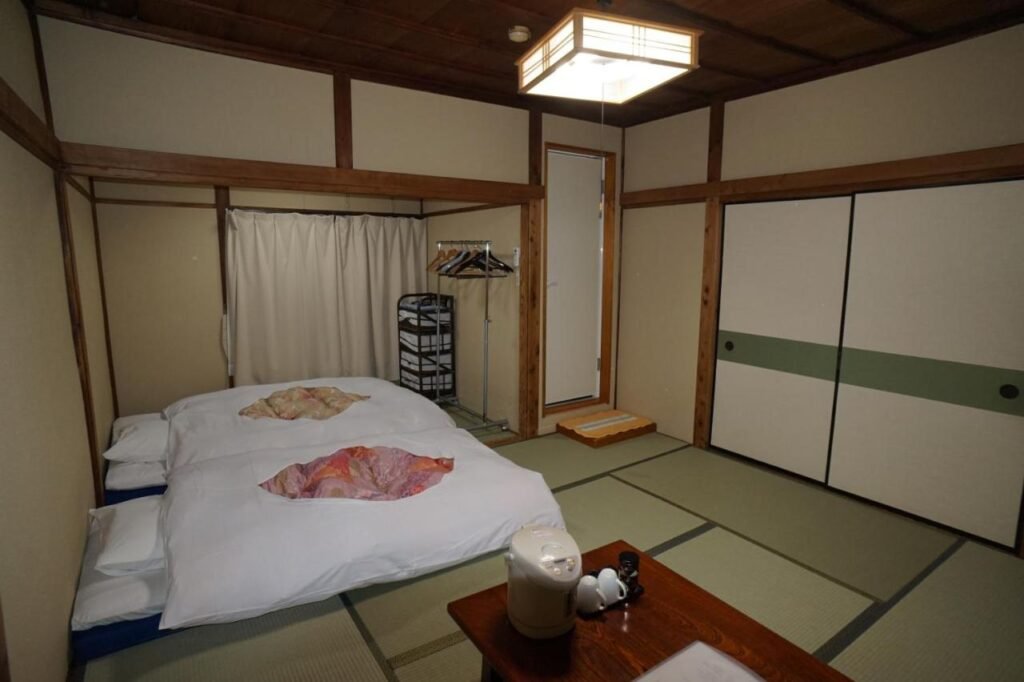
- Ryokan Katsutaro is a genuinely affordable ryokan on a quiet street, under a 10-minute walk from Ueno Station. Expect tatami floors, futons, and that classic calm, from around €70 per night for two.
- Landabout Tokyo is under one kilometer from Ueno Station and only 200 meters from Uguisudani Station—excellent if you want easy rail access without paying central-Ueno premiums. Double rooms hover around €85.
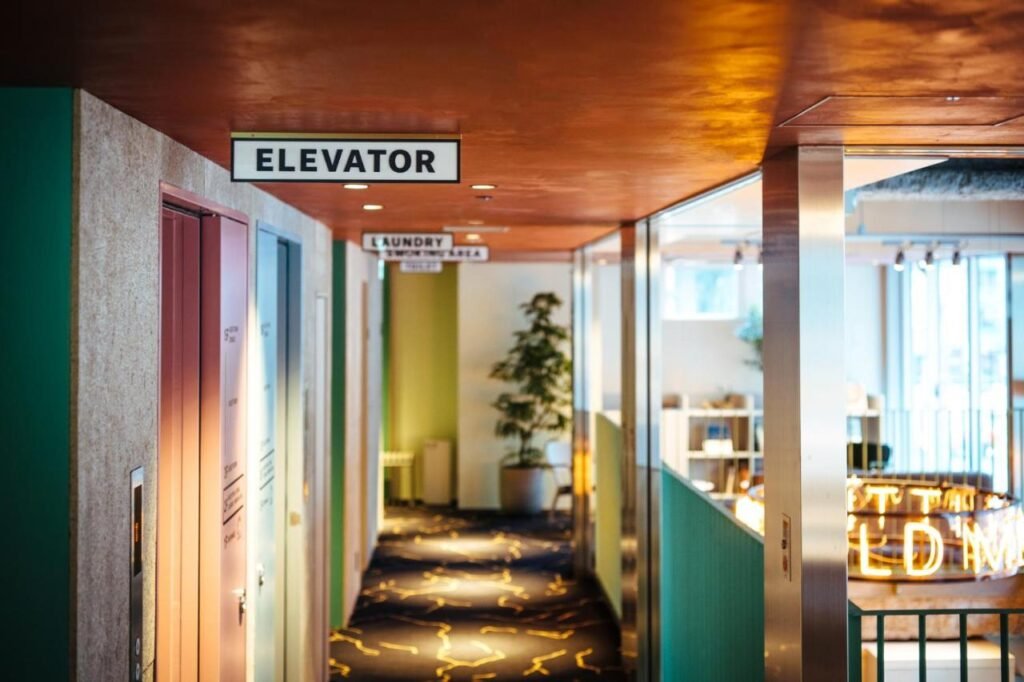
Asakusa: the traditional district
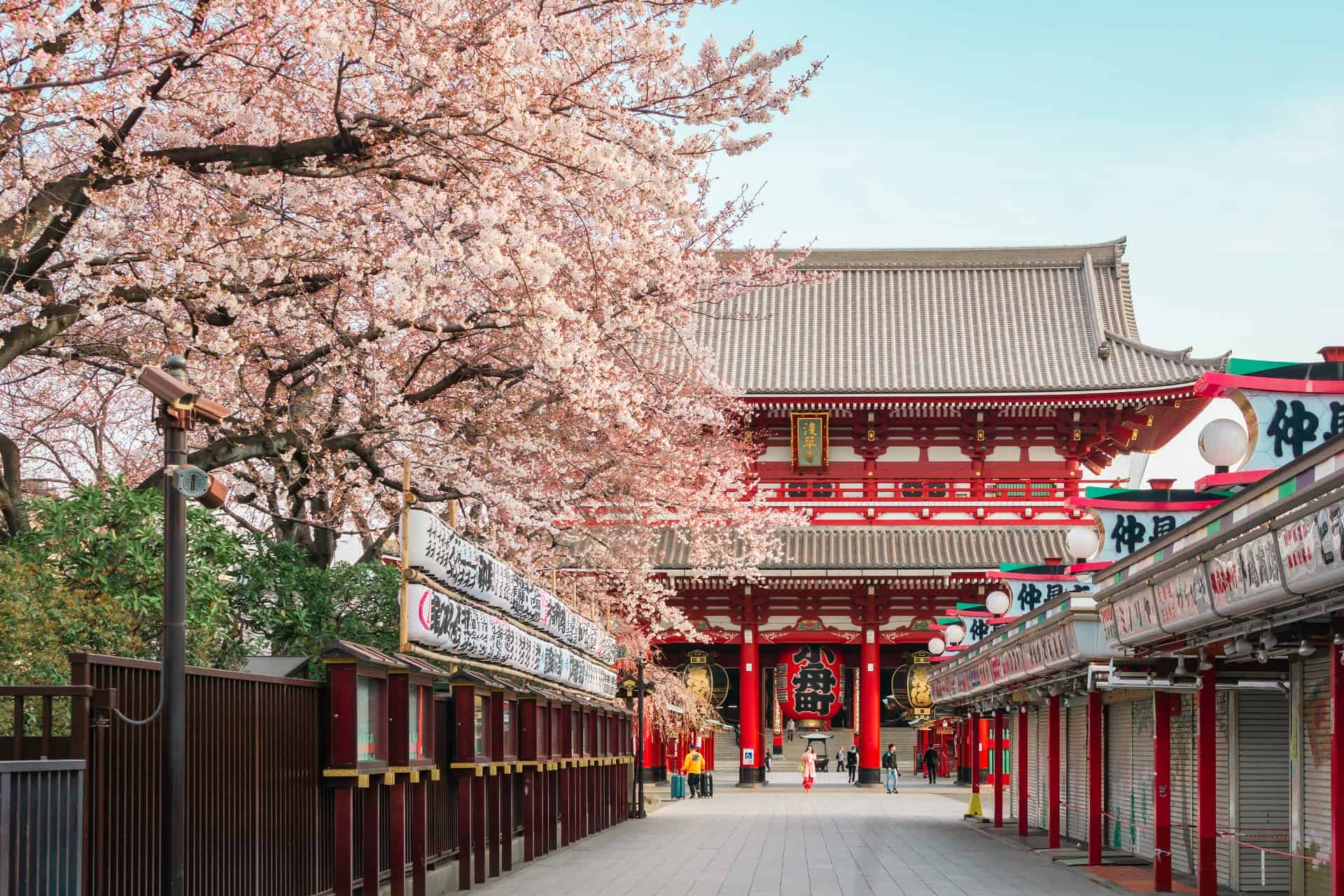
Asakusa is one of the last Tokyo areas that still feels deeply traditional—and that’s exactly why it’s also intensely popular. You come here for old Tokyo vibes… and so does everyone else (worth it).
Senso-ji Temple, the oldest temple in Tokyo, anchors the neighborhood and does not mess around. You’ll see the big iconic gates, then wander through streets that somehow hold the city’s signature contradiction: modernity and tradition sharing the same sidewalk. Asakusa is perfect if you want a ryokan stay for the full cultural immersion, but there are also classic hotels here—often at reasonable rates for such a famous area.
Where to stay in Tokyo Asakusa
- Ryokan Asakusa Shigetsu is a classic: over 80 years old, beautifully located, and the views are the cherry on top—Tokyo Skytree plus the Senso-ji pagoda in the same skyline. Rooms for two run around €130 per night.
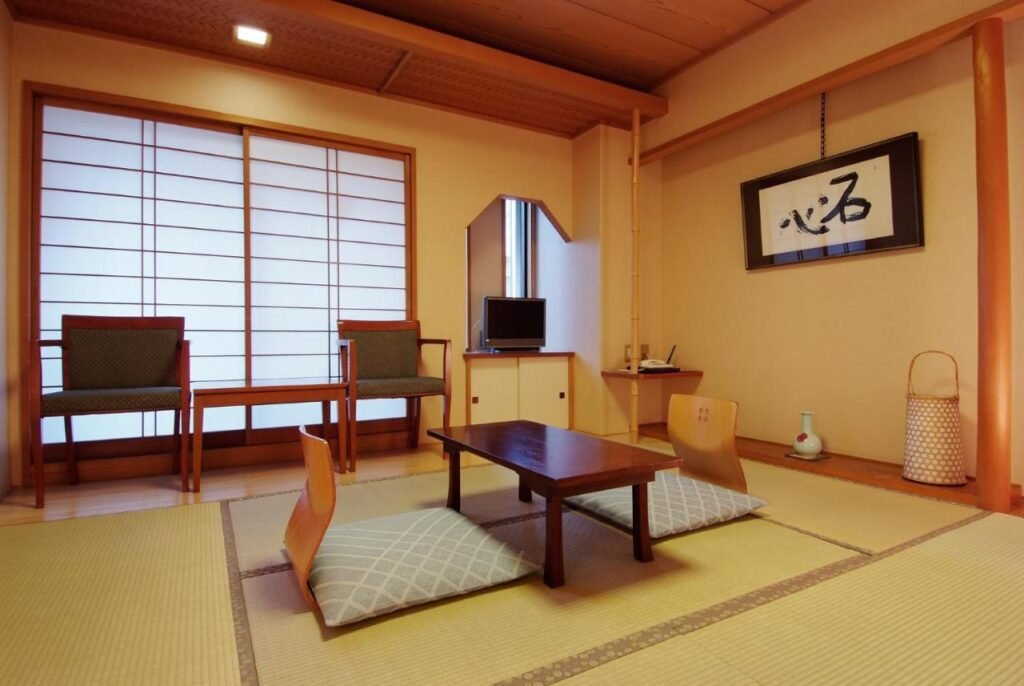
- Gracery Asakusa Hotel is about a 5-minute walk from Asakusa Subway Station and keeps things simple: comfortable rooms, great location, easy logistics. Double rooms start at around €145.
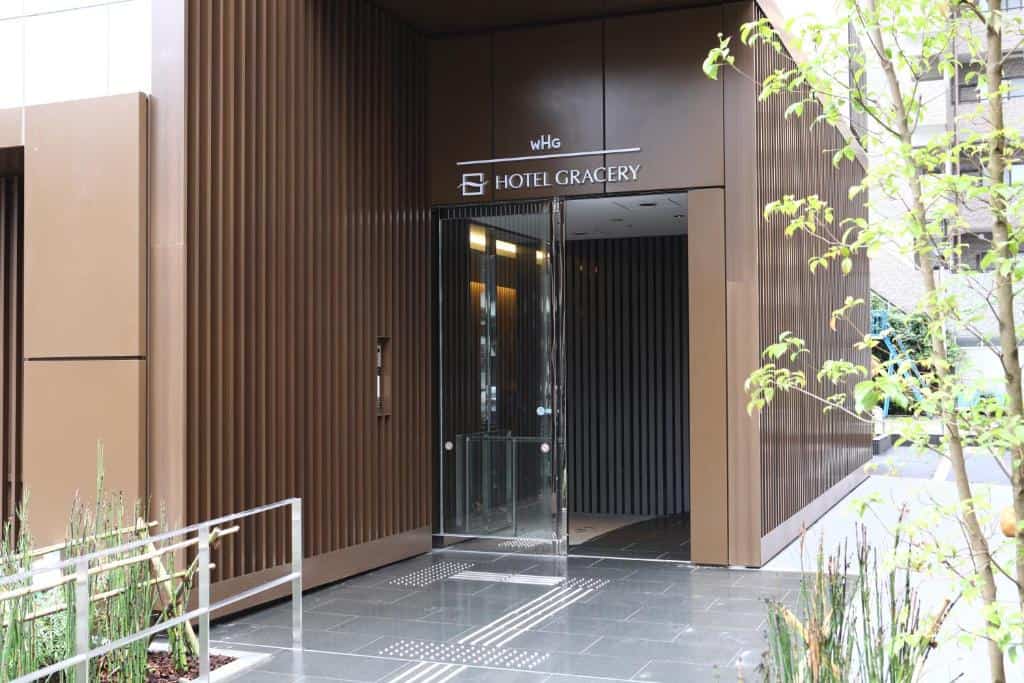
Akihabara : the otaku quarter
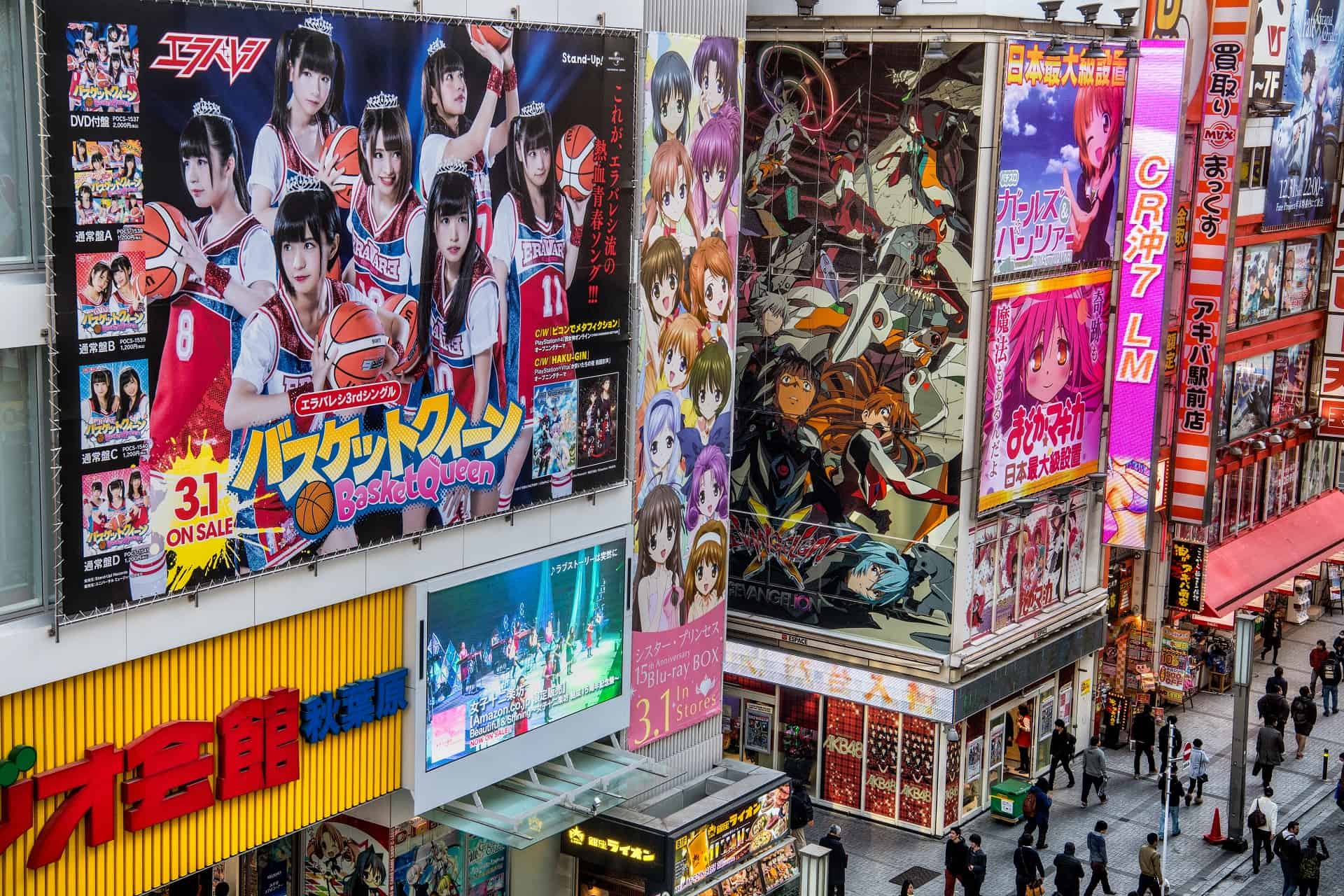
If you love video games and manga, then Akihabara—aka Akiba—is probably already on your hit list. It’s not strictly a “district” so much as a concentrated zone of sensory overload, sitting in the north of Chiyoda (central Tokyo), just south of Ueno.
The main streets are loud and lively with themed shops stacked on themed shops (collectors, this is your danger zone). Club Sega, that giant arcade vibe, is part of the mythology. Step one street back, though, and the mood softens—quieter lanes, surprisingly good hotel deals, and a base that’s both fun and practical.
Where to stay in Tokyo Akihabara?
- The Resol Akihabara Hotel is in a seriously handy spot—about 600 meters from Akihabara Park, next to Yanagimori Shrine and the station. Rooms have a modern, urban feel and start around €60 per night.
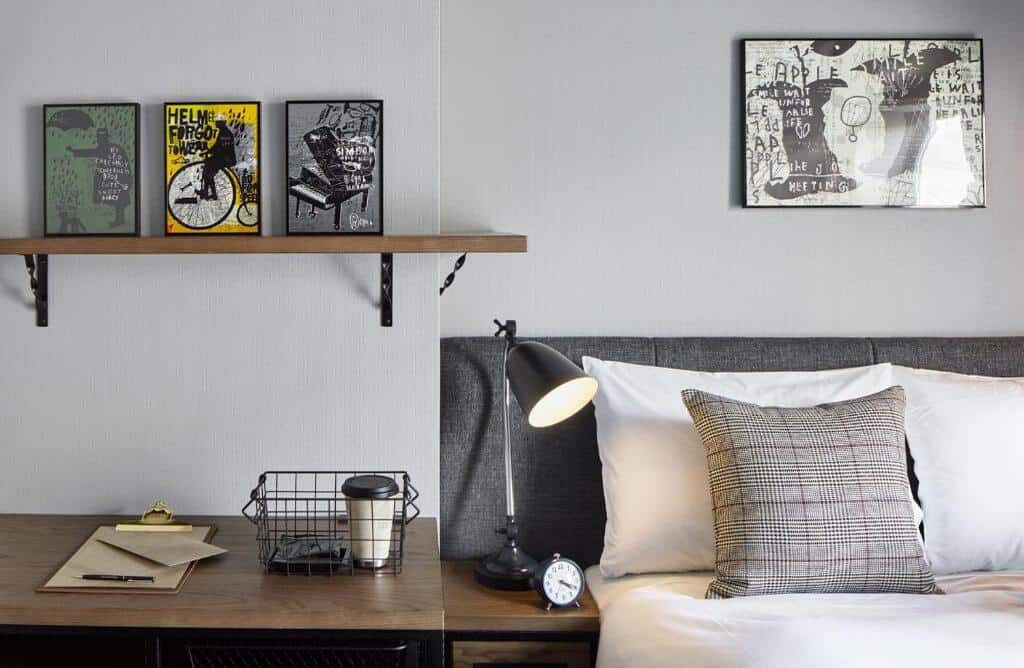
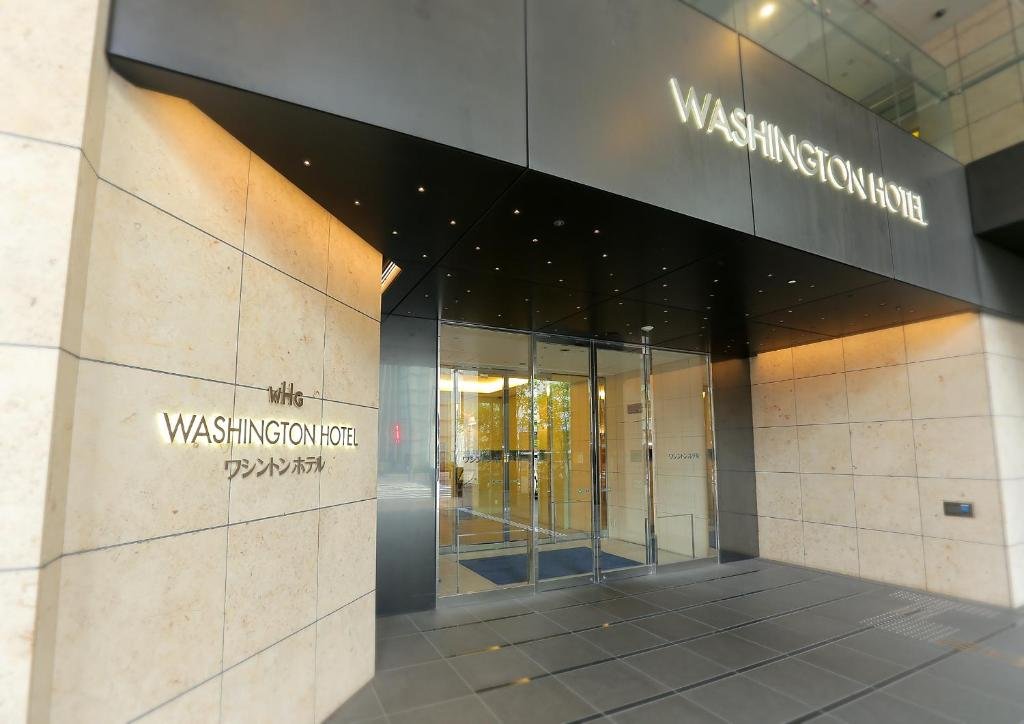
- The Akihabara Washington Hotel is one of the best-located places in Akiba—about 100 meters from the station and the park. Double rooms start around €115 per night, with breakfast included.
Shinagawa: the accessible neighborhood
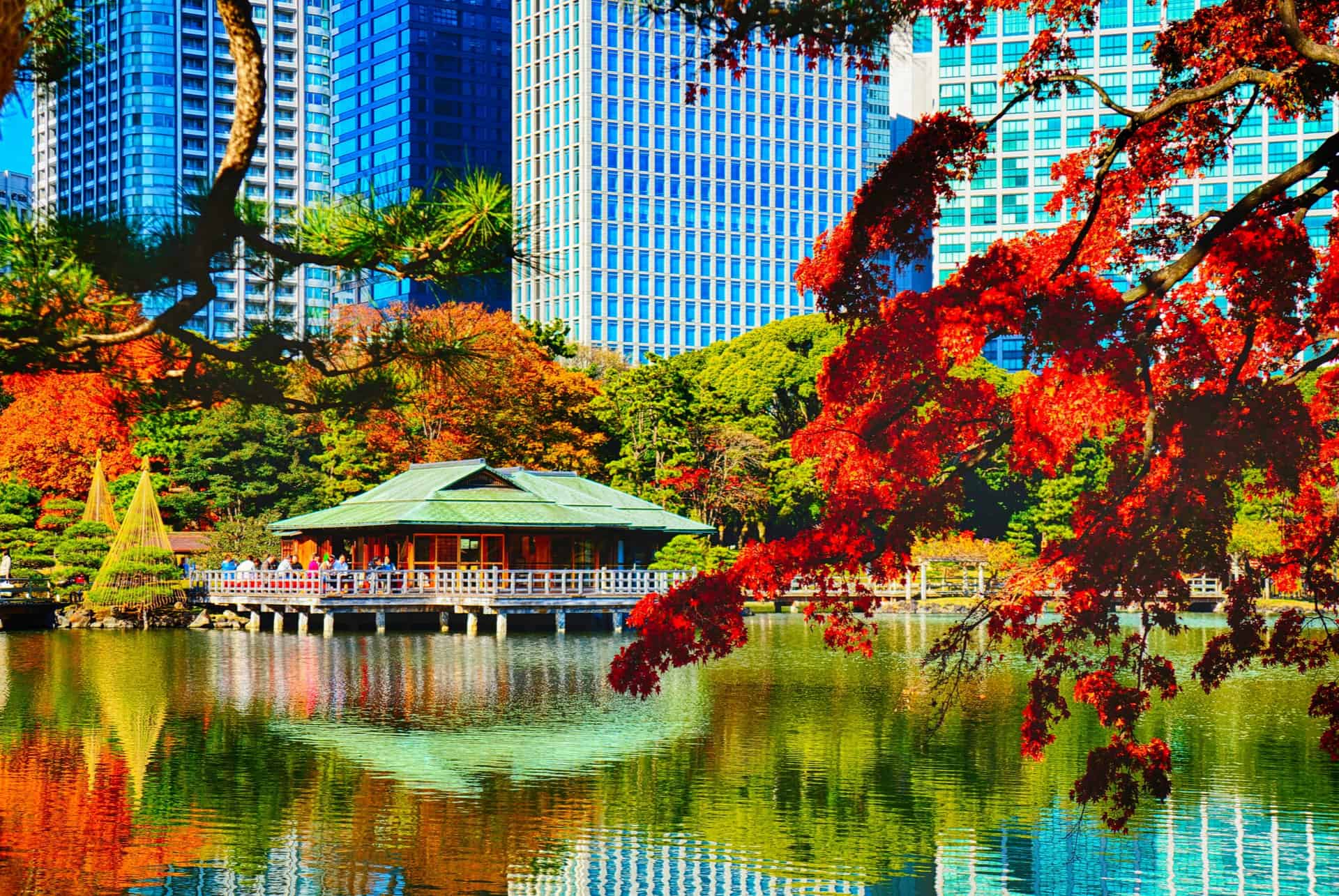
Shinagawa sits south of central Tokyo and flies a little under the tourist radar. It’s a lively business area with a bayside promenade, plenty of shops, and lots of places to eat (which is exactly what we want in a practical base).
You won’t come here for a checklist of major attractions—but Shinagawa is interesting because it’s connected. This is a great district if you want to get out of Tokyo quickly during your stay: hop on the Shinkansen and you’re off toward places like Kyoto (or up into other regions). Plus, the Yamanote line makes it easy to loop back into Tokyo’s biggest hubs without drama.
Where to stay in Tokyo Shinagawa?
- The Miyako City Tokyo Takanawa is a modern hotel in a big contemporary building just a few meters from Shinagawa Station. There’s a popular restaurant, and the rooms come with excellent city views. Expect around €120 per night.
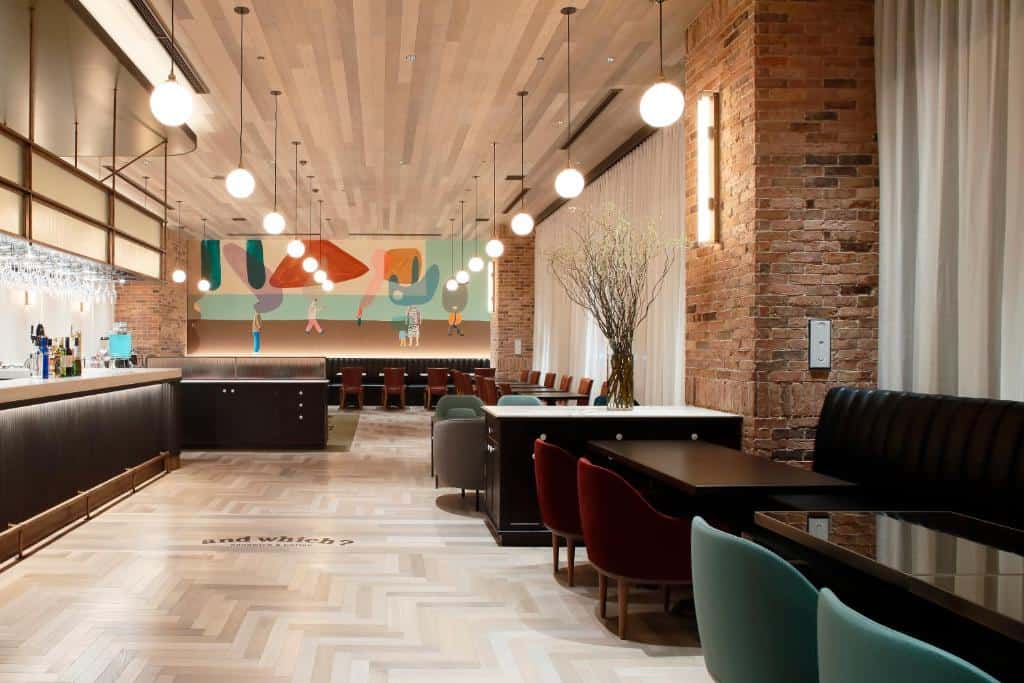
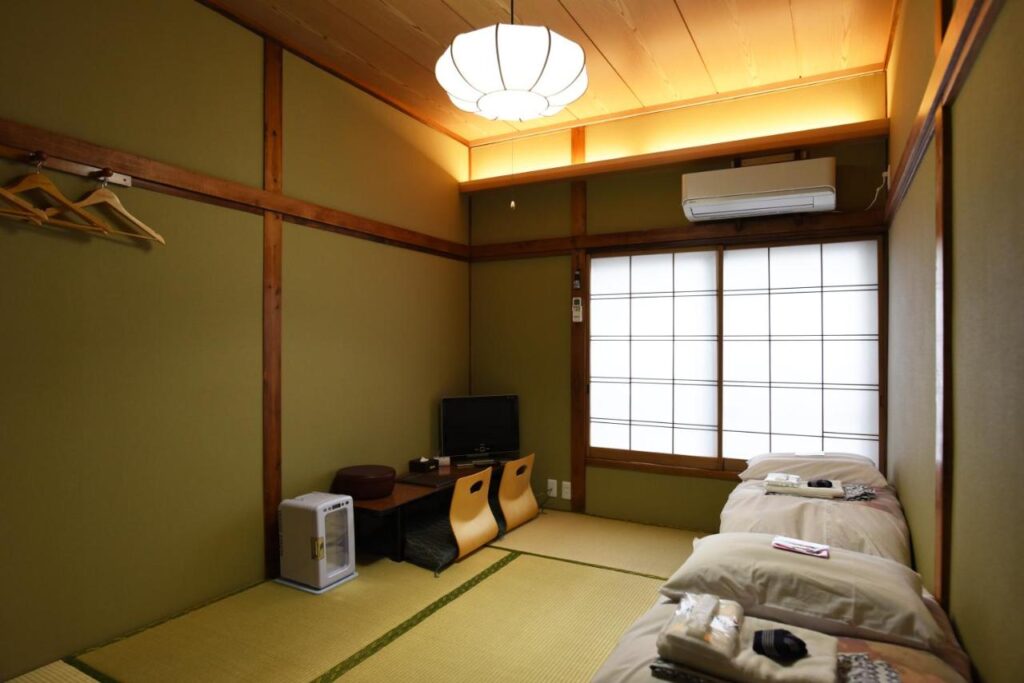
- Ryokan Sansuiso is a ryokan in a typical Tokyo house, a few minutes’ walk from the subway. It’s got that whole traditional Japanese inn charm—simple, calm, and memorable. Rooms with two futons run around €70.
FAQs: Where to stay in Tokyo
What’s the best area to stay in Tokyo for first-timers?
Shinjuku or Ginza. Shinjuku gives you massive transport links, nightlife, and everything from budget to luxury. Ginza is polished, central, and easy for quick subway hops—plus you’re close to the Imperial Palace/Tsukiji area.
Which neighborhood is best for families with kids?
Odaiba (big rooms, malls, teamLab, bay views) or Asakusa (temples, river cruises, easy trains). Kichijōji is a quieter, park-rich base with the Ghibli Museum nearby (Mitaka).
Where should couples or honeymooners stay?
Aoyama/Omotesandō (boutique, design hotels), Ginza (classic luxury), or a riverside ryokan-style stay in Asakusa/Sumida for skyline and Sensō-ji views.
What about nightlife access?
Shibuya and Shinjuku are the late-night hubs. Daikanyama/Nakameguro offer stylish bars with calmer vibes and easy access back to Shibuya.
Where can I get the most “old Tokyo” atmosphere?
Asakusa and Yanaka/Nezu/Sendagi (Yanesen) for low-rise streets, kissaten cafés, and neighborhood shrines.
Best area for shopping and food?
Ginza (department stores, sushi counters), Shibuya (youth fashion, everything), and Nihonbashi (heritage shops + new food halls). For vintage fashion: Shimokitazawa/Koenji.
Which neighborhood is most convenient for bullet trains (Shinkansen)?
Tokyo Station/Marunouchi or Nihonbashi. You’ll roll out of bed and onto the Shinkansen to Kyoto/Osaka/Tohoku.
Haneda vs. Narita: where should I base myself?
For Haneda, consider Shinagawa or Hamamatsuchō (Monorail) for quick airport links. For Narita, Tokyo Station/Ginza or Ueno (Keisei Skyliner) make arrivals and departures smoother.
Is it worth staying near the JR Yamanote Line?
Yes—circling most major hubs (Shinjuku, Shibuya, Tokyo, Ueno, Ikebukuro), it cuts transfers and time. Being within a 5–10-minute walk of a Yamanote stop is a huge convenience win.
Are capsule hotels a good idea?
Great for solo travelers or one-night stays (cheap, clean, central). Skip if you need privacy, space for kids, or in-room bathrooms. Ryokan/onsen rules (tattoos, bathing) may apply in some shared facilities.
How small are Tokyo hotel rooms, really?
Business-hotel doubles can be 12–18 m². If you need space, look for “twin” rooms, Western chains’ larger categories, serviced apartments, or Odaiba/Shinagawa properties.
What’s a realistic nightly budget?
Budget: ¥6,000–¥12,000; Mid-range: ¥12,000–¥28,000; Luxury: ¥35,000+ (and the sky’s the limit). Peak seasons (late Mar–early Apr for sakura; Nov for foliage) jump higher—book early.
Is Tokyo safe to walk back at night?
Yes—one of the safest big cities. Still, use normal city smarts around busy stations, keep valuables tucked away, and confirm last train times if you’re far from your hotel.
Any tips for staying during cherry blossom or autumn foliage?
Book 8–12 weeks ahead, favor hubs with multiple lines (Shinjuku, Ueno, Tokyo Station), and build backup areas (Ikebukuro, Kinshichō) in case your first choice sells out.
Can I forward my luggage between hotels?
Yes—use takuhaibin (luggage forwarding) from convenience stores or hotel desks to travel bag-free on busy transfer days.
Do hotels have curfews or strict check-in times?
Most have 24/7 reception, but business hotels often start check-in at 15:00. Late arrivals are usually fine—just add your ETA. Some small ryokan/guesthouses may have quiet hours.
Are smoking rooms still a thing?
Yes—many hotels separate smoking/non-smoking floors. Double-check your room type if you’re sensitive.
What fees or taxes should I expect?
Tokyo’s lodging tax may apply (tiered by price). It’s usually included in your booking total—but watch for small add-ons at checkout.
- Nagoya rainy day with kids in 2026 (Cool Indoor Things to Do )
- Best Gachapon in Tokyo (2026): 20 Places to Find Capsule Toys
- All Japanese KitKat Flavours List: The Ultimate Japan KitKat Guide
- Sapporo rainy day with kids (2026): 7 Cool Indoor Things to Do
- What To Do In Arashiyama With Kids: A Realistic One-Day Family Itinerary